



Base Formers
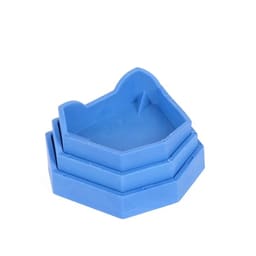
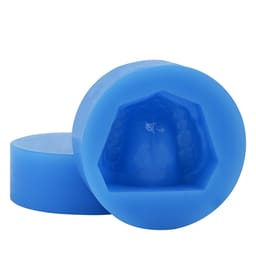
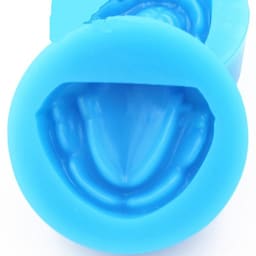
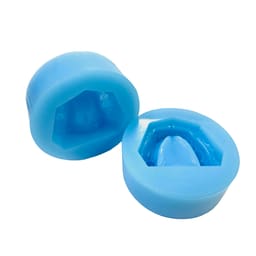
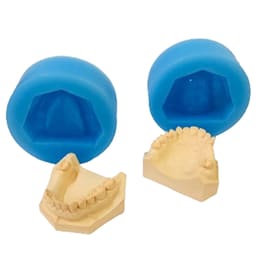
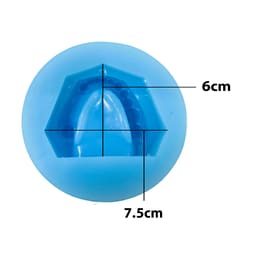
Used in the dental lab to give freshly poured stone-cast study models a flat stable base for trimming, articulator mounting and storage, dental base formers replace free-hand wax base modelling with a reusable silicone mould that fits over the impression tray. Dentalkart stocks API, ET and Cotisen base former kits.
 Recommended
 Price- High to LowPrice- Low to High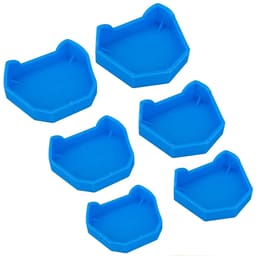




 105
105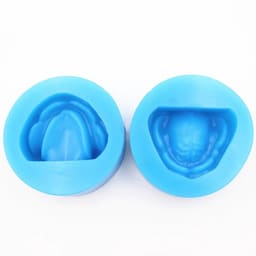
 40
40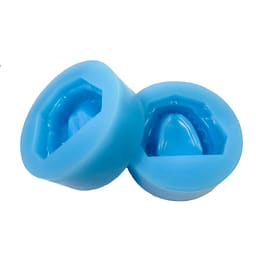
 40
40

 13
13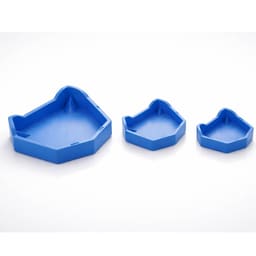

Dental Base Formers
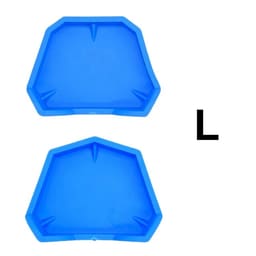
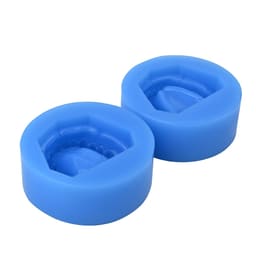
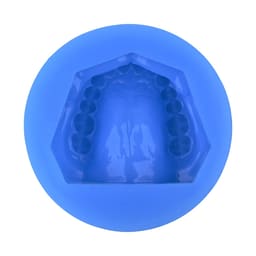
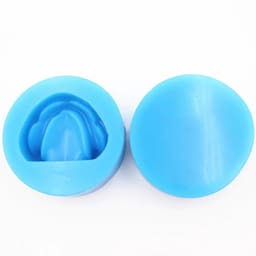
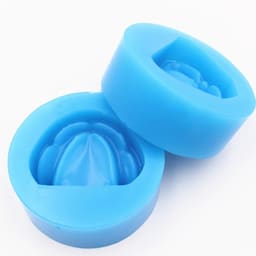
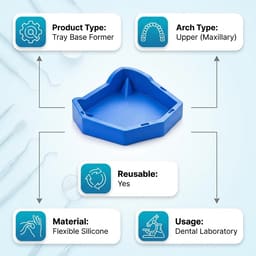
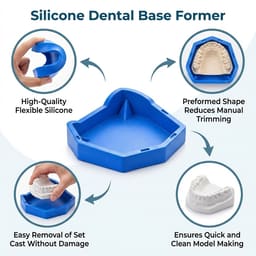
Dental base formers are reusable silicone or rubber moulds used in the dental laboratory to shape a stable, flat-sided base on a freshly poured stone-cast study model after impression-taking, so the cast can be trimmed precisely, mounted on an articulator and stored without rocking on the shelf. They replace the slower free-hand wax base modelling step in the lab workflow and produce a consistent base height across cases. Dentalkart stocks the API Lab Base Formers Kit alongside articulated and individual upper/lower base formers from ET and Cotisen, trusted by 50,000+ dentists across 110000+ Indian pincodes.
Types of Dental Base Formers
Articulated Upper-and-Lower Base Formers
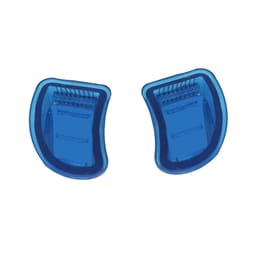
Articulated base formers such as the ET Articulated Base Formers hold the maxillary and mandibular stone casts in a fixed inter-arch relationship while the bases set, eliminating a separate articulator-mounting step for diagnostic study models and orthodontic appliance design.
Individual Upper & Lower Tray Base Formers
Single-arch base formers such as the Cotisen Upper Tray Base Former are used when only one arch needs basing, for single-unit crown work, partial-denture frameworks and chair-side wax-up demonstrations where the opposing arch is captured separately.
Full Lab Base Former Kits
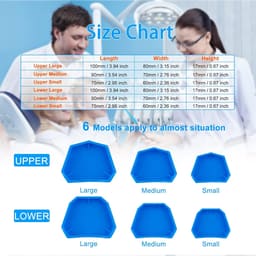
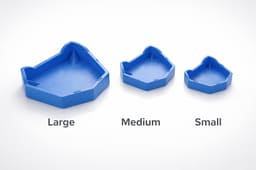
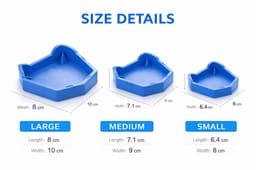
Complete kits bundle both upper and lower base formers in graded sizes — small, medium and large — to fit anterior-only impressions, full-arch impressions and oversized edentulous impression trays in one purchase, suitable for high-volume dental laboratories.
When Are Base Formers Used?
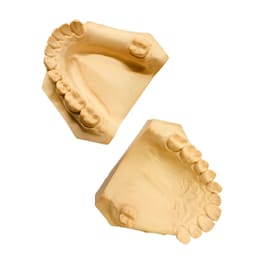
Base formers are used immediately after pouring dental stone into a completed impression tray — the freshly mixed stone is allowed to set partially, then the loaded impression tray is inverted into the base former filled with additional stone, fusing the cast to a flat, parallel-sided base in one continuous pour. The Cotisen Tray Base is sized to fit most standard adult impression trays, making it the daily-driver choice for routine cast pouring in busy operatories.
How to Choose the Right Base Former
Match the base former to the impression workflow: pick a full articulated upper-and-lower set when working primarily with study models and orthodontic appliances; choose individual upper or lower tray base formers for single-arch work and chair-side wax-ups; select a graded lab kit with multiple sizes when running a high-volume dental laboratory that handles partial, full and edentulous impressions through the same bench. Reusable silicone base formers should be cleaned and dried between every pour to prevent stone fragments from compromising the next cast's surface.
Brands of Base Formers at Dentalkart
The catalogue features API Lab Base Formers Kit for laboratories needing a complete graded-size set, ET Articulated Base Formers for fixed-relation upper-and-lower mounting, the Cotisen range including the Tray Base and Upper Tray Base Former for routine single-arch and full-arch pour work — covering both clinical chair-side wax-up and high-throughput dental lab requirements.
Why Buy Base Formers from Dentalkart
Dentalkart sources dental base formers directly from authorised manufacturers, with batch-coded packaging, cash-on-delivery, GST invoices and 110000+ pincode coverage across India. Practices and laboratories can pair base formers with the wider dental lab equipment range for a complete cast-pouring and model-mounting workflow in one bulk order.
Frequently Asked Questions (FAQs):
What is a dental base former?
A dental base former is a reusable silicone or rubber mould used in the dental laboratory to shape a flat, stable, parallel-sided base on a freshly poured stone-cast study model after impression-taking. The base allows the cast to be trimmed precisely, mounted on an articulator and stored on the shelf without rocking, and it produces consistent base height across cases.
What is the difference between articulated and individual base formers?
The difference between articulated and individual base formers is arch coverage and inter-arch alignment: articulated base formers hold the maxillary and mandibular casts in a fixed inter-arch relationship during basing (useful for orthodontic study models and diagnostic mounting), while individual upper or lower tray base formers handle one arch at a time for single-unit crown work, partial dentures and chair-side wax-ups.
How are base formers used during stone-cast pouring?
Base formers are used by first pouring dental stone into the completed impression tray and allowing it to set partially, then inverting the loaded impression tray into the base former filled with additional fresh stone. The two stone batches fuse into a single continuous cast with a flat parallel-sided base ready for trimming and articulator mounting.
Can dental base formers be reused?
Dental base formers can be reused indefinitely as long as the silicone or rubber moulding surface remains intact, undeformed and free of cracks. Between every cast pour the base former should be cleaned to remove stone fragments and dried thoroughly, since residual debris compromises the surface texture of the next cast and small cracks distort the base shape.
What size base former should I buy for my impression trays?
The base former size you should buy depends on the impression trays you use: choose small base formers for paedodontic and anterior impressions, medium for routine adult full-arch impressions, and large for oversized or edentulous impression trays. Most laboratories order a graded-size kit covering all three so any impression that arrives at the bench can be poured immediately.