 DT.jpg)

%20Ipad.jpg?w=512)

%20Mobile.jpg?w=512)
SuperEndo
SuperEndo is an endodontic brand, launched in 2018, that makes a matched root canal system rather than a scattered catalogue. It covers NiTi rotary and glide-path files, ProTaper-compatible hand files, the EndoPilot motor with a built-in apex locator, a sonic irrigator, procedure-specific bur kits and fibre posts — designed to work together at working-clinic prices.
 Recommended
 Price- High to LowPrice- Low to High




 60
60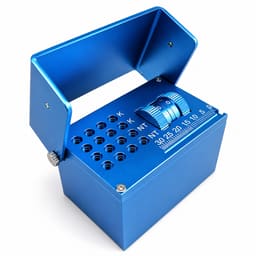
 90
90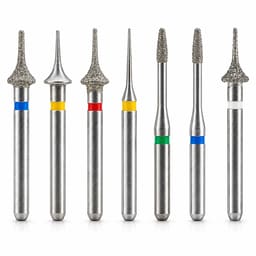

 155
155
 155
155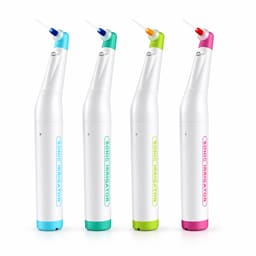
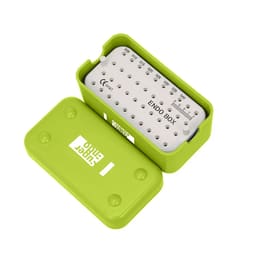
SuperEndo — Files, Motor and Bur Kits for Endodontics
SuperEndo is an endodontic brand launched in 2018, built around a matched system: NiTi files, a torque motor with apex locator, sonic irrigation and procedure-specific bur kits.
Because the files, the motor's torque presets and the bur kits are designed to work together, the sequence is consistent from glide path to obturation — one system rather than parts assembled from different makers.
Rotary and hand files
Glide path first
A rotary file separates in a canal it cannot follow. The glide path is what prevents that — a smooth, reproducible route to length before the shaping files go in.
The Pro Glide files are the 2% glide-path files for that step.
Then the shaping
Once there is a path, the shaping files widen it. The choice is a heat-treatment one:
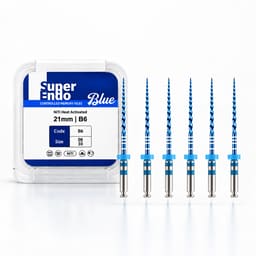
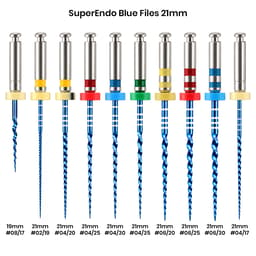
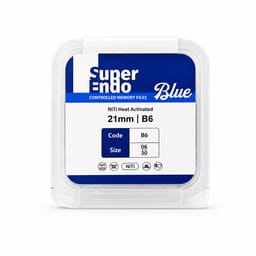
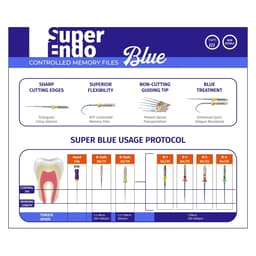
- Blue files — heat-treated NiTi in 21 mm and 25 mm. The blue oxide layer signals the treatment that buys flexibility and cyclic-fatigue resistance.
- Super Gold Flex — the gold-treated line, for curved canals where the file should follow the anatomy rather than straighten it.
- Gold hand progressive-taper files — ProTaper-compatible hand files, for hand shaping or as a manual match to a rotary sequence.
EndoPilot motor and apex locator
The EndoPilot combines a torque-controlled rotary handpiece with a built-in apex locator, so working length is read in real time while you shape.
Its torque and rpm presets are matched to the SuperEndo file system, which removes a setup step — the motor and the files are designed for each other.
Sonic irrigation — the part that cleans
Files shape the canal. They do not disinfect it. Most of the canal wall is never touched by a file, and the isthmuses and lateral anatomy are never touched at all.
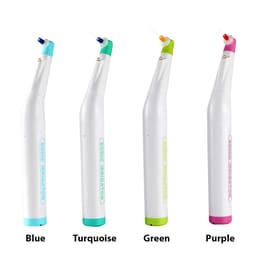
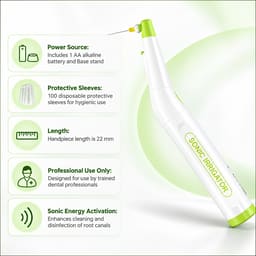
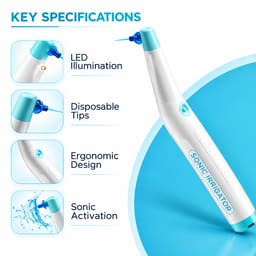
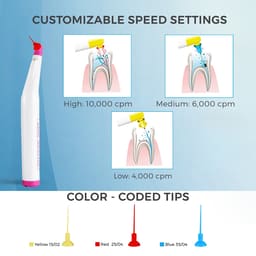
Irrigant does that work, but only if it moves. Sonic activation agitates the irrigant so it reaches where the file did not. The Sonic Flush irrigator is a cordless LED activator supplied with tips.
Bur kits, grouped by procedure
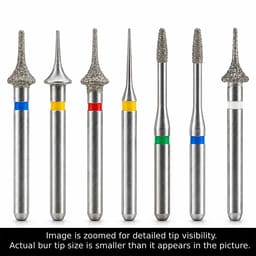
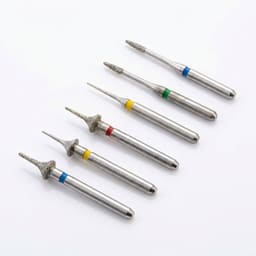
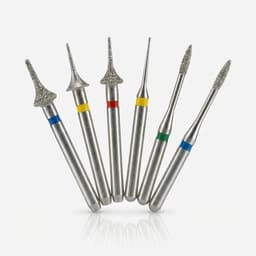
Most bur kits are sold as an assortment of shapes. SuperEndo groups them by the job instead, which is how a clinician actually reaches for one:
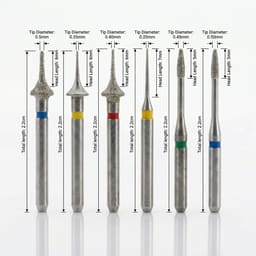
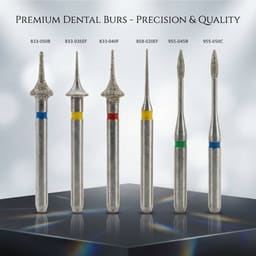
- Endo access — cutting the access cavity and finding the orifices. The endo access bur is the dedicated piece.
- Crown, anterior and inlay preparation — the reduction sequences.
- Composite and porcelain finishing — contouring and pre-polish.
- Interproximal reduction — the IPR step of an aligner case.
The wider bur range from all brands sits in burs.
Fibre posts and the rest
SuperEndo fibre posts are translucent glass-fibre posts for post-and-core build-ups after root canal treatment, cemented with a dual-cure resin protocol.
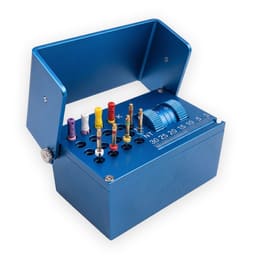
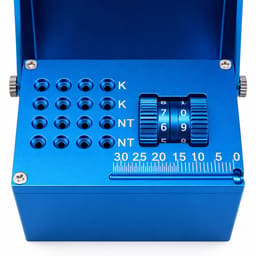
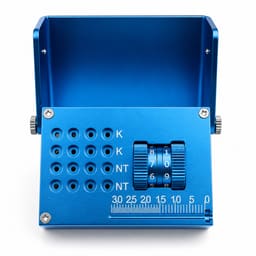
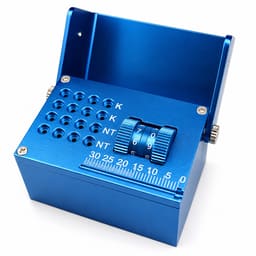
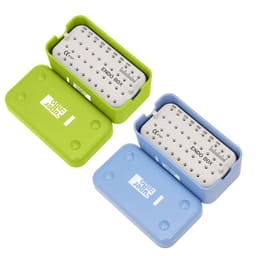
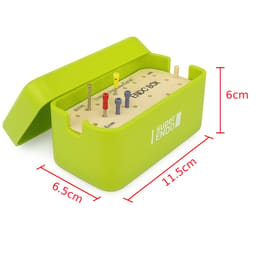
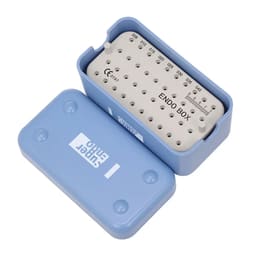
The brand also covers the small consumables a case runs on — file stoppers, endo blocks, hand pluggers, file holders and gutta-percha cutters.
Why buy SuperEndo from Dentalkart
An endodontic file is a single-use instrument that can fracture inside a tooth. What matters is that it arrives genuine, in date, and in the size and taper the case was planned around.
Every SuperEndo item states its size, taper and pack quantity, and ships with current batch and expiry. The rest of the case — sealers, gutta-percha, apex locators, obturation — sits in endodontics.
Frequently Asked Questions (FAQs):
What does SuperEndo make?
SuperEndo is an endodontic brand founded in 2018. It makes NiTi rotary files, ProTaper-compatible hand files, the EndoPilot motor with built-in apex locator, sonic irrigators, fibre posts and procedure-specific bur kits, plus accessories such as file stoppers, endo blocks and pluggers. The focus is root canal instrumentation and irrigation.
What is the difference between SuperEndo Blue and Gold files?
Both are heat-treated NiTi, and the colour marks the treatment. Blue files carry a blue oxide layer for flexibility and cyclic-fatigue resistance, used for the main shaping sequence. Gold-treated files such as Super Gold Flex are similarly flexible and are chosen for curved canals where the file must follow the anatomy.
Why is a glide path needed before rotary shaping?
A rotary file cannot reliably follow a canal it has never entered, and forcing one into an unprepared canal is a common cause of separation. A glide path establishes a smooth, reproducible route to working length first. Pro Glide files are the 2% glide-path files made for this step.
What does the EndoPilot motor add over a plain endo motor?
The EndoPilot combines a torque-controlled rotary handpiece with a built-in apex locator, giving real-time working-length feedback while you shape, so you do not need a separate apex locator running alongside. Its torque and rpm presets are matched to the SuperEndo file system.
Why use a sonic irrigator instead of a syringe alone?
A syringe delivers irrigant but does not move it. Files never touch most of the canal wall, and never reach isthmuses or lateral anatomy, so cleaning depends on the irrigant reaching those areas. Sonic activation agitates the irrigant so it penetrates where instrumentation could not.