



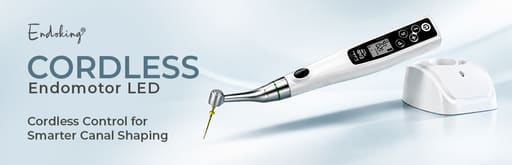

Dental Air Motor
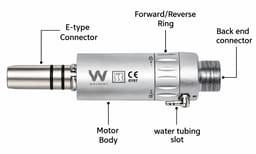
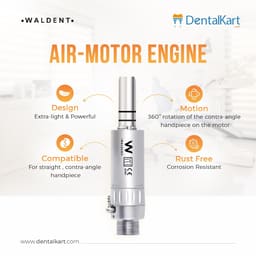
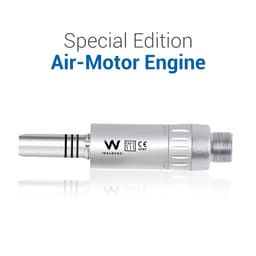
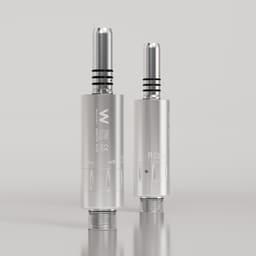
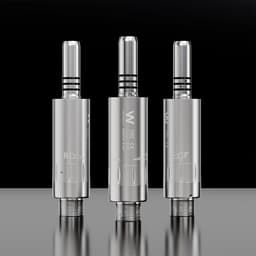
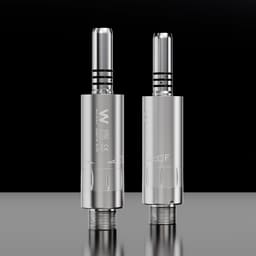
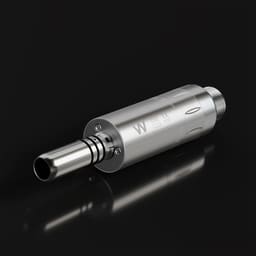
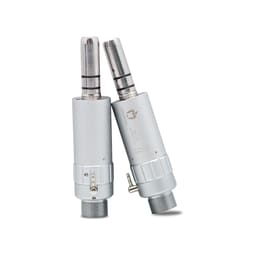
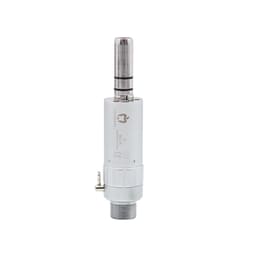
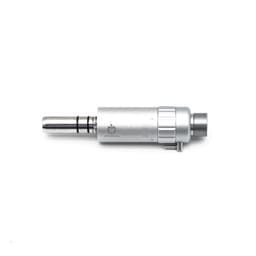
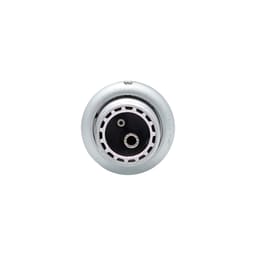
A dental air motor is the air-driven drive unit that powers a low-speed handpiece. Compressed air turns the motor, which spins the attached straight or contra-angle handpiece and its bur. Unlike a high-speed turbine, it runs slower with more torque, making it the standard drive for cavity refinement, finishing, and polishing.
 Recommended
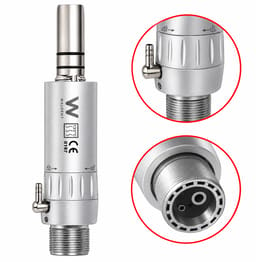
 Price- High to LowPrice- Low to High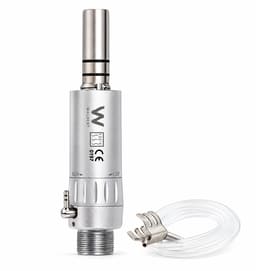

 70
70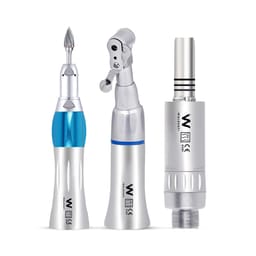
 230
230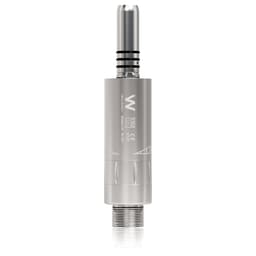
 180
180


 120
120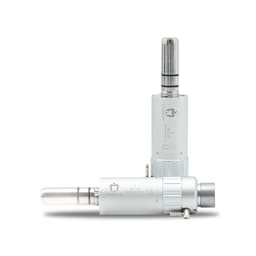
 20
20Dental Air Motor
A high-speed turbine is not the right tool for everything. Many jobs — clearing soft decay, shaping a cavity, smoothing a filling — need lower speed with more torque, and that is the air motor's job. It is a compact drive that runs on compressed air from the chair. It couples to a straight or contra-angle handpiece and turns it at a speed the clinician controls. Where a turbine screams at the enamel, the air motor grinds steadily. It sits alongside the high-speed airotor as the second half of a complete handpiece set-up.
Air motor, airotor, or micromotor
The three drives do different jobs, and most surgeries keep more than one:
- Air motor — air-driven low speed with good torque, for finishing, polishing, and slow cutting through a straight or contra-angle handpiece.
- Airotor — an air turbine at very high speed for rapid cutting of enamel, but with little torque.
- Micromotor — an electric drive giving precise, constant speed and torque, often preferred for consistency.
An air motor is the simple, reliable low-speed option that runs off the same air line as the turbine, spinning whatever dental burs the job calls for.
What to look for
A few points when choosing an air motor:
- Water spray — an internal-water-spray motor cools the bur and site during cutting; external-spray or dry models suit other tasks.
- Coupling — check it fits your handpieces and the chair's air line (a common ISO or brand fitting).
- Speed and torque — enough low-end torque for the cutting and polishing you do most.
- Build — a serviceable motor with replaceable parts lasts far longer than a sealed unit.
Match the motor to the micromotors and handpieces already on your chair so couplings line up.
How it fits your handpieces
The air motor is the drive; the handpiece and bur do the work:
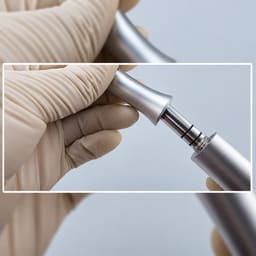
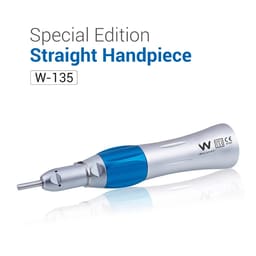
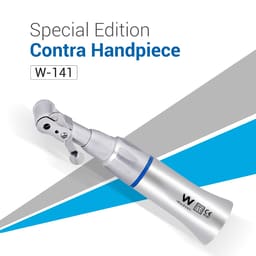
- Couple — attach the motor to a straight or contra-angle handpiece.
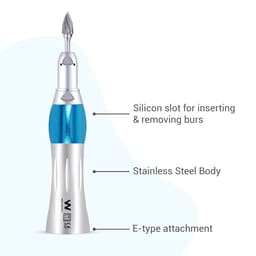
- Load — fit the right bur for the job into the handpiece.
- Run — feed compressed air and control the speed at the foot pedal.
Pair the motor with the contra-angle handpieces it drives for cutting, finishing, and polishing.
Frequently Asked Questions (FAQs):
What is a dental air motor used for?
A dental air motor drives a low-speed handpiece for tasks that need control and torque rather than raw speed. Typical work includes removing decay, refining a cavity, and finishing or polishing a restoration. The clinician couples it to a handpiece, feeds it air, and sets the speed at the pedal, which makes it the everyday low-speed workhorse.
What is the difference between an air motor and an airotor?
Speed and torque. The airotor is a turbine spun very fast for quick enamel cutting, though it offers little pushing force. The air motor turns slower but delivers more force, which suits finishing, polishing, and controlled removal. In practice they complement each other — the turbine opens a preparation quickly, then the motor does the slower, careful work.
Air motor or electric micromotor — which is better?
Both drive low-speed handpieces; the difference is how they are powered. An air motor runs on compressed air, is simple and cheaper, and needs no separate control box. An electric micromotor gives more precise, constant speed and torque, preferred where consistency matters. Many clinics keep an air motor as a reliable, low-cost option and a micromotor for demanding work.
Will an air motor fit my existing handpieces?
It depends on the coupling. Air motors and handpieces use standard fittings, but you must match the motor's coupling to your handpieces and to the chair's air line. Check the connection type before buying, and choose a motor with a common fitting so your straight and contra-angle handpieces attach without an adaptor.
Does an air motor need water spray?
For cutting, yes. Coolant keeps the bur and tooth from overheating while decay is removed, avoiding thermal damage to the pulp. An internal-water-spray motor pipes that coolant through the handpiece to the working tip. Some dry polishing can be done without it, but any cutting should use a water-cooled motor as the safe default.