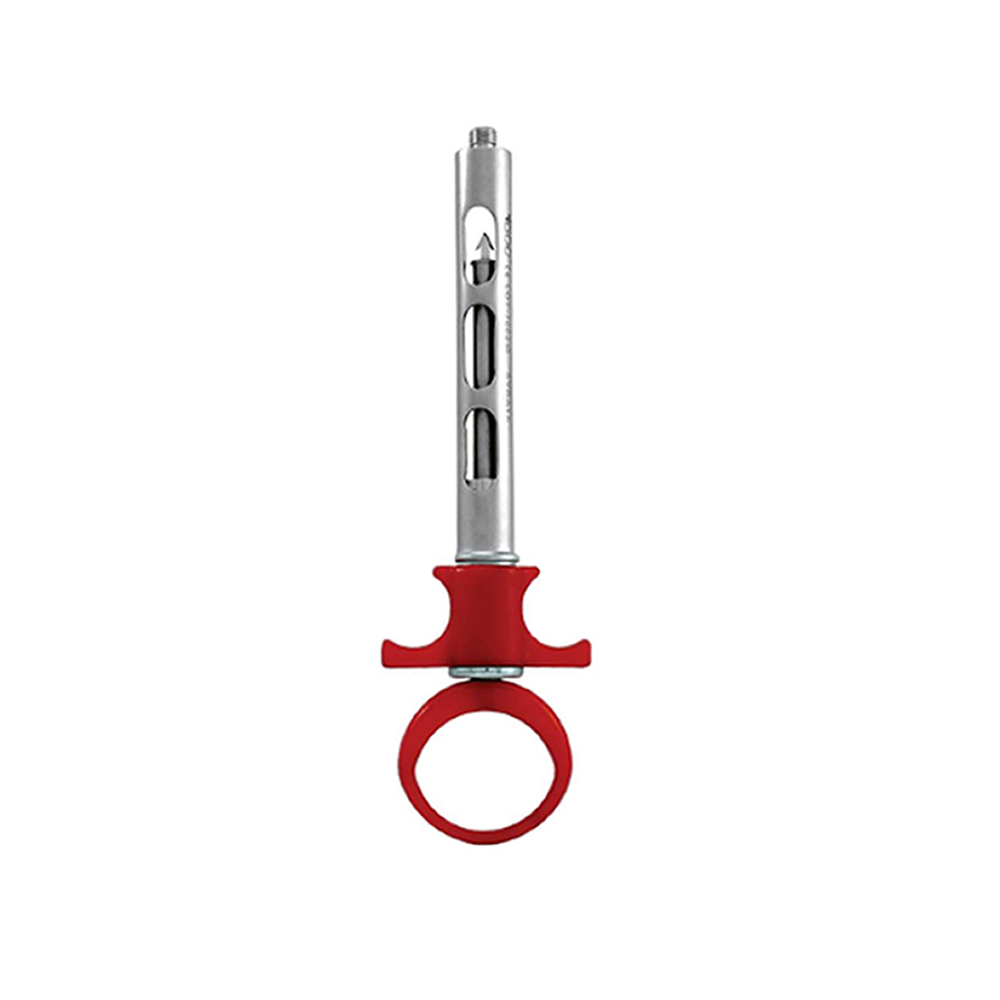
Anaesthetics for Dental Procedures at Dentalkart
Anaesthetics play a crucial role in modern dentistry by providing effective pain management and patient comfort during dental procedures, operations, and surgeries. These are specialized medications used to temporarily numb specific areas of the mouth and surrounding tissues, ensuring that patients experience minimal pain and discomfort. Dental professionals and oral surgeons utilize various forms of anaesthetics to enhance patient experience, facilitate complex procedures, and ensure successful treatment outcomes.
Importance in Dentistry:
Anaesthetics are an integral part of dentistry due to their ability to eliminate or significantly reduce pain and discomfort associated with dental procedures. Pain-free treatments are not only essential for patient well-being but also contribute to building trust between dental professionals and their patients. The use of anaesthetics enables dentists and oral surgeons to perform intricate procedures, such as extractions, root canals, and dental implant surgeries, with precision and accuracy. This, in turn, leads to better treatment outcomes, reduced anxiety among patients, and a positive overall dental experience.
Types of Anaesthetics and Their Applications in Dentistry:
There are several types of anaesthetics used in dentistry, each with specific applications based on the nature of the procedure and the patient's needs:
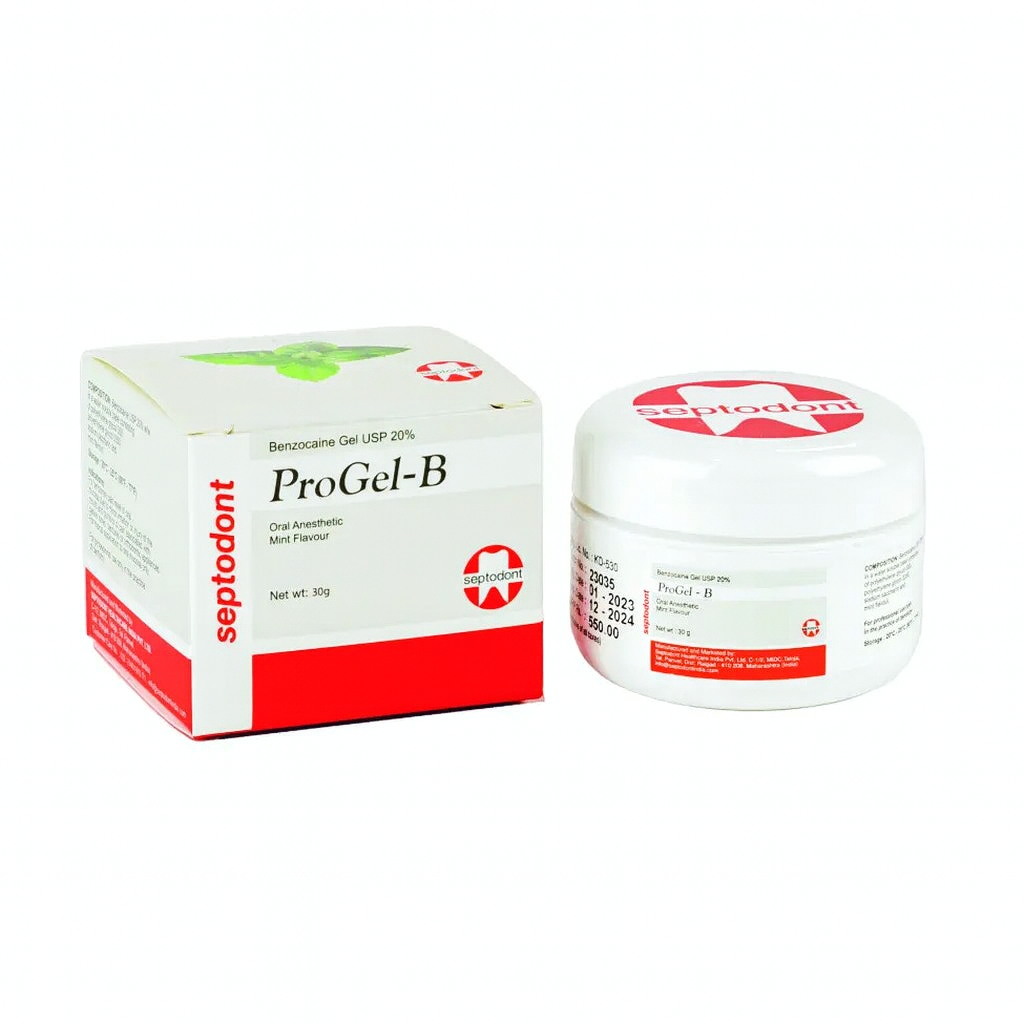
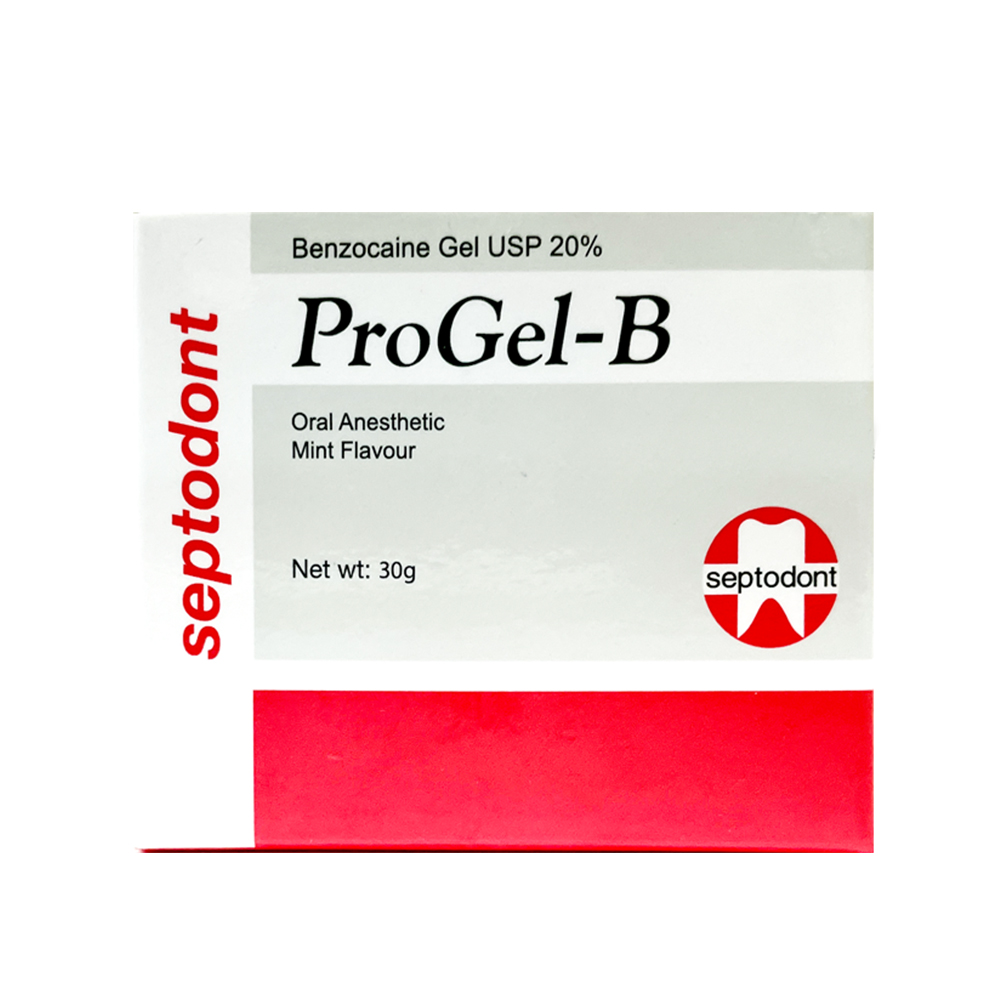
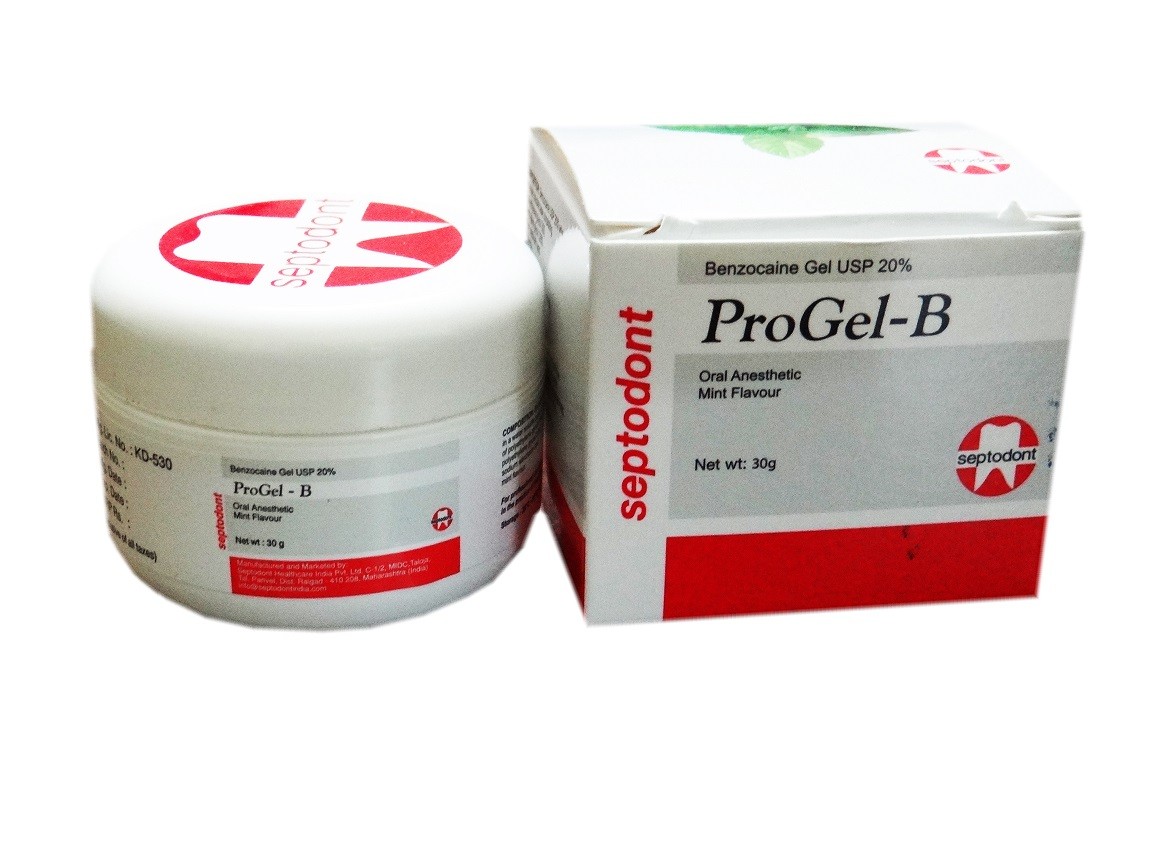
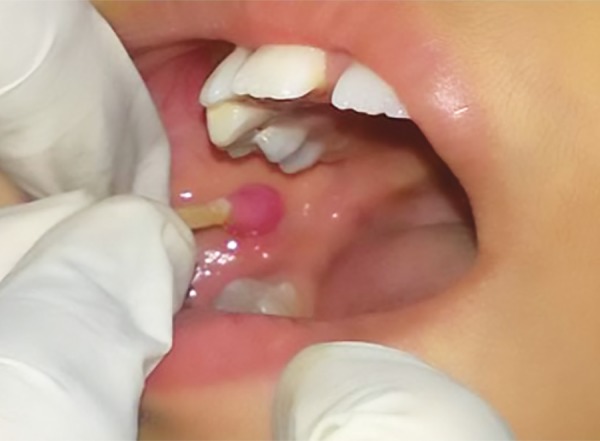
- Topical Anaesthetics: These are applied directly to the surface of the oral tissues to numb the area before injecting a local anaesthetic. They come in various forms, such as gels, sprays, and creams, and are commonly used before administering injections.
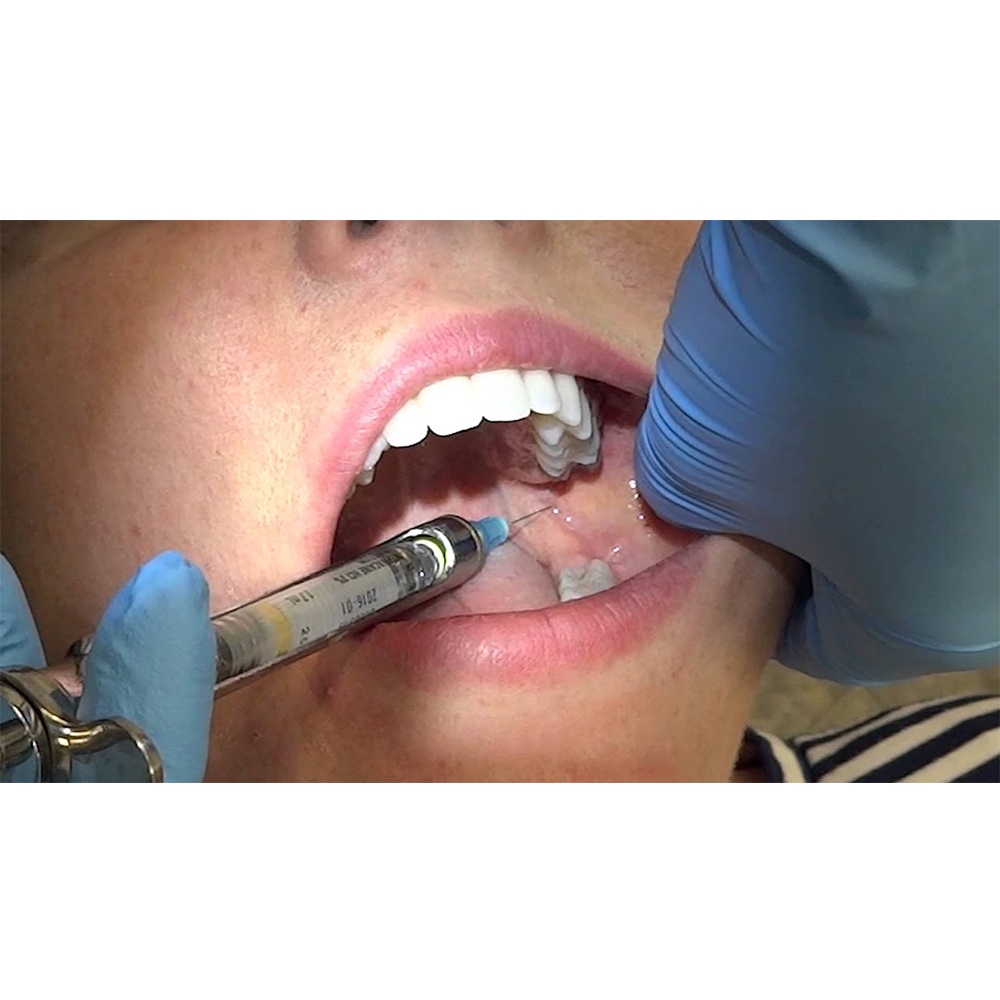
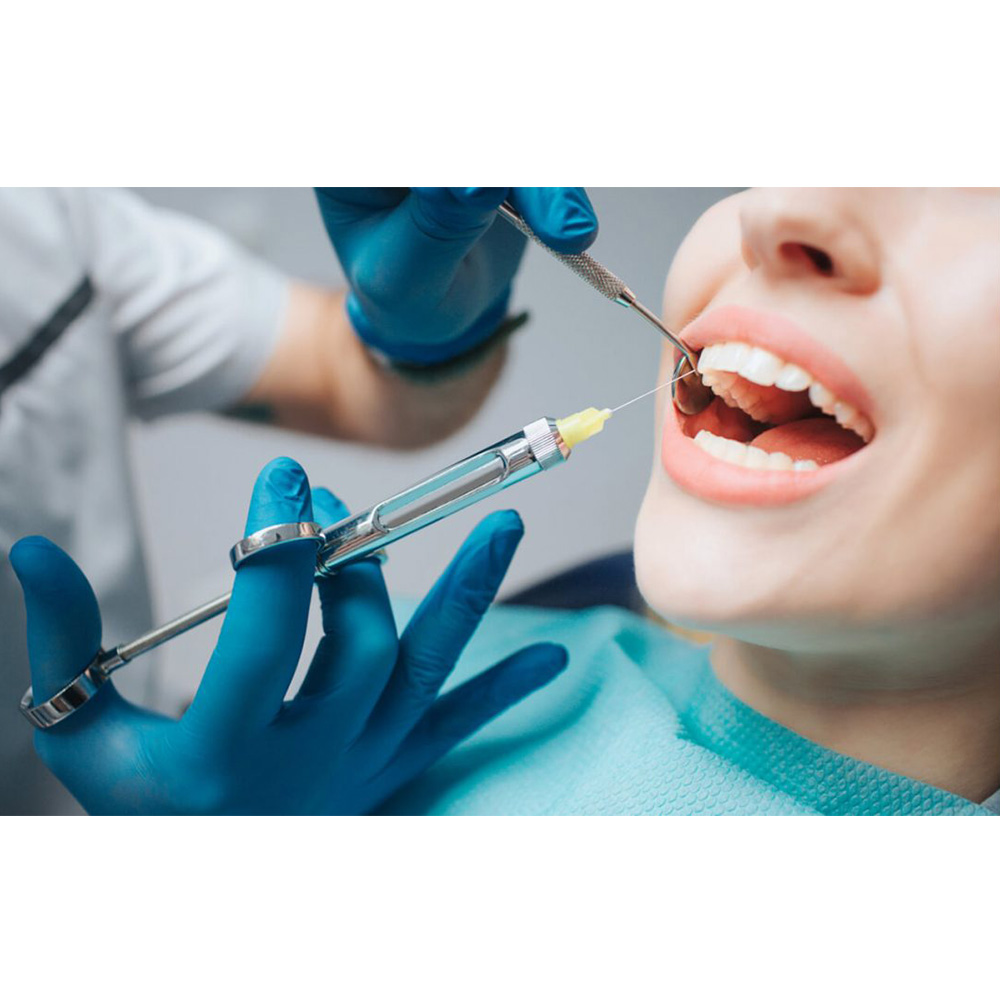
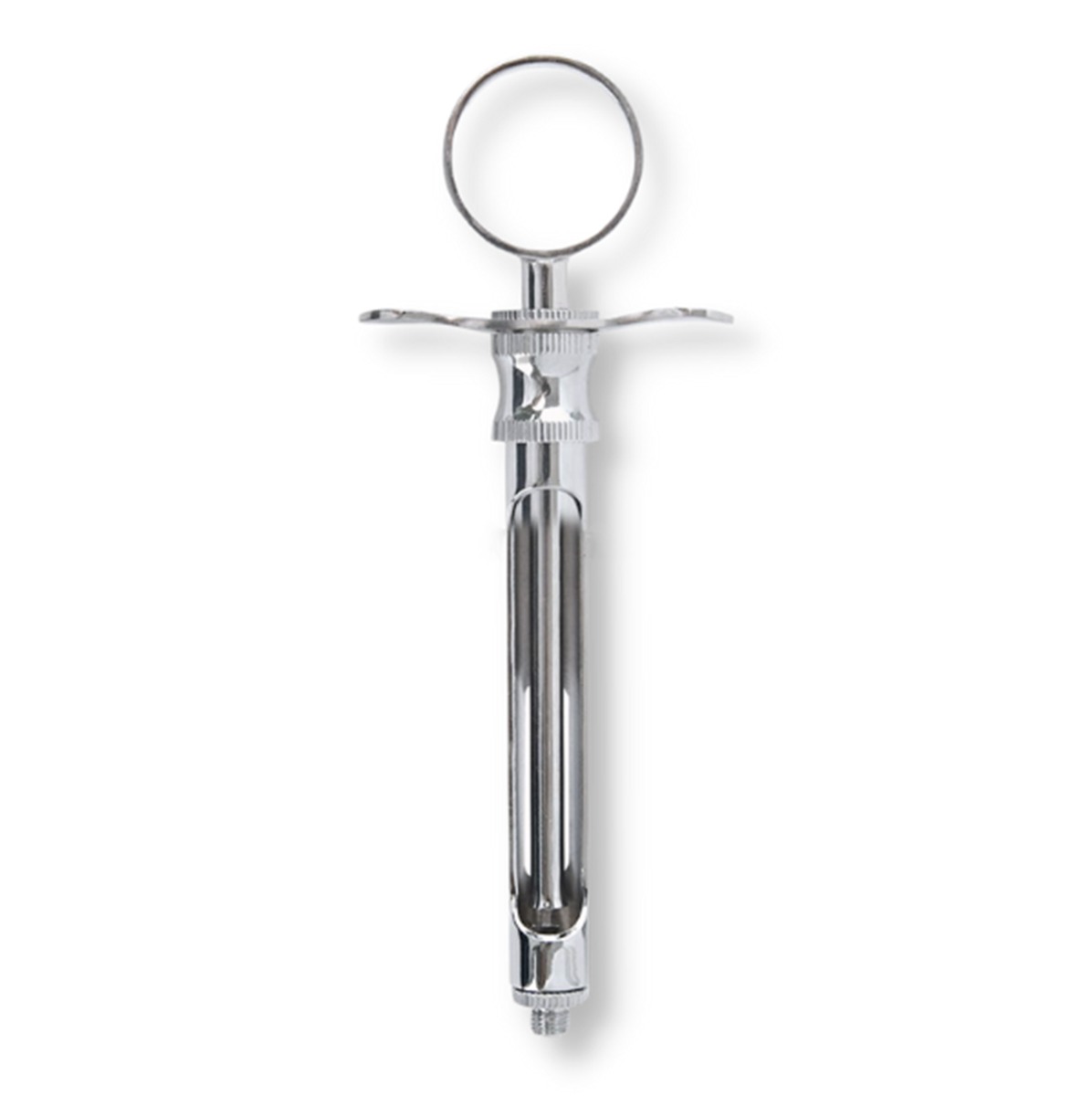
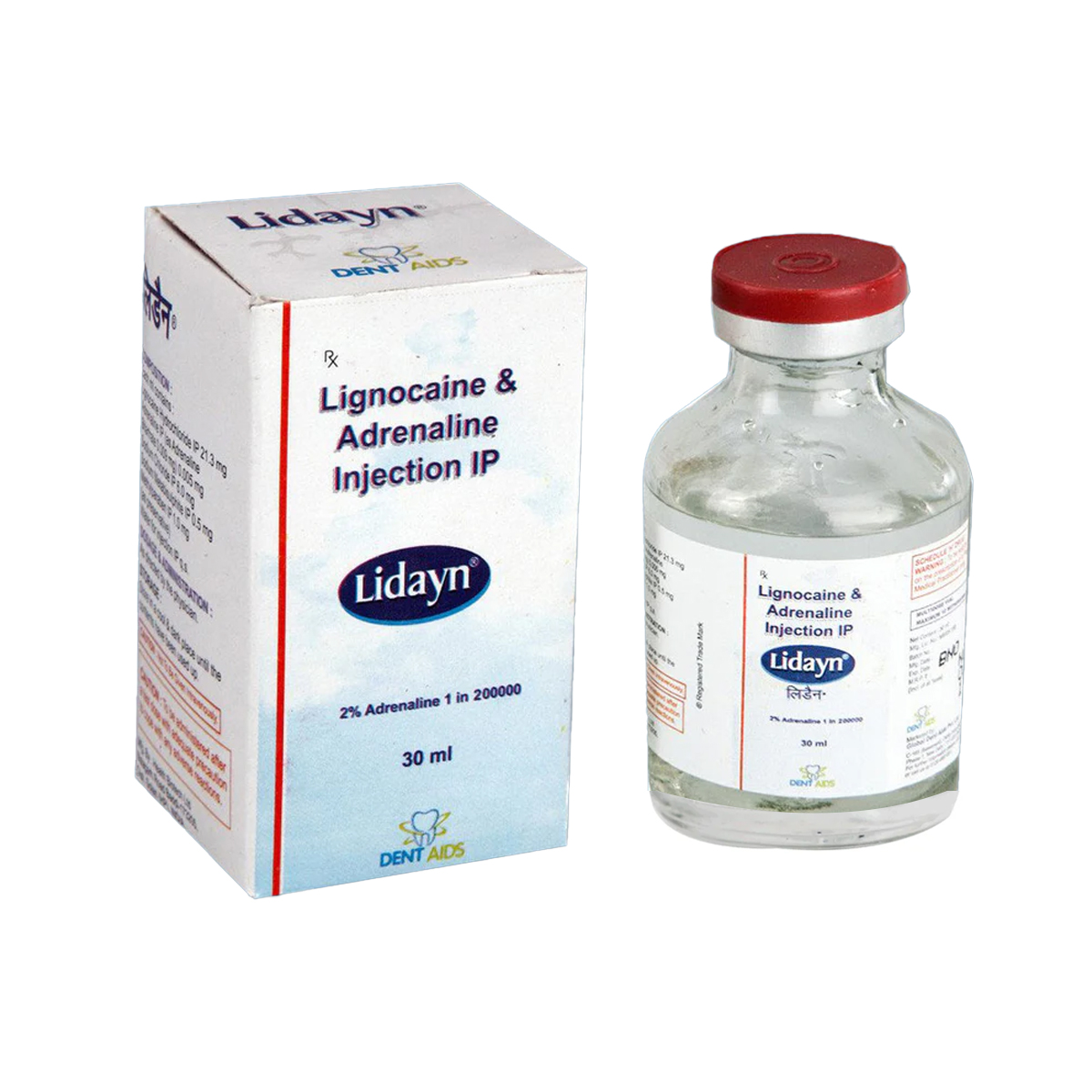
- Local Anaesthetics: These are the most common type of anaesthetics used in dentistry. They are injected into specific areas to block nerve signals and provide localized pain relief. Local anaesthetics can be categorized as short-acting or long-acting, depending on the duration of numbness they provide.
- Inhalation Anaesthetics: Nitrous oxide, commonly known as "laughing gas," is an inhalation anaesthetic used to induce relaxation and alleviate anxiety in patients undergoing dental procedures.
Dentalkart's Wide Variety of Anaesthetic Products:
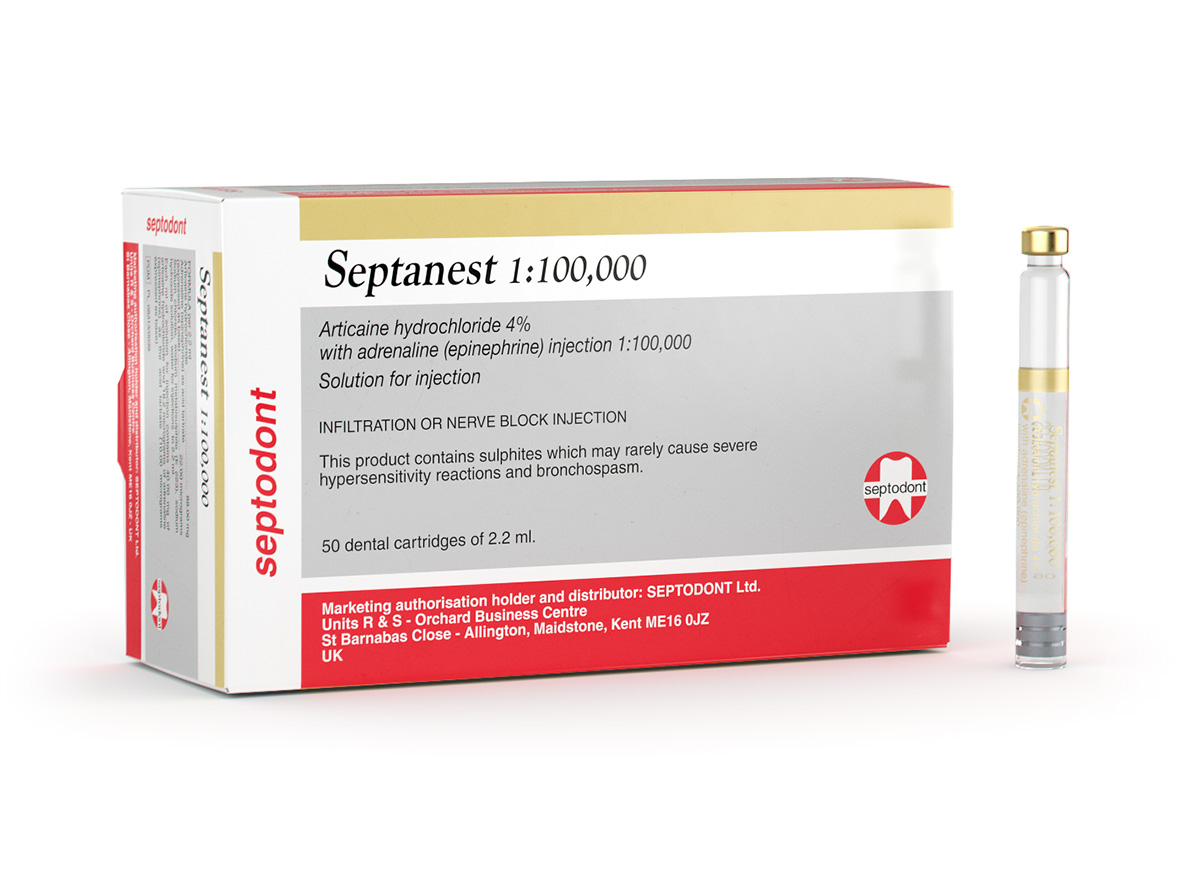
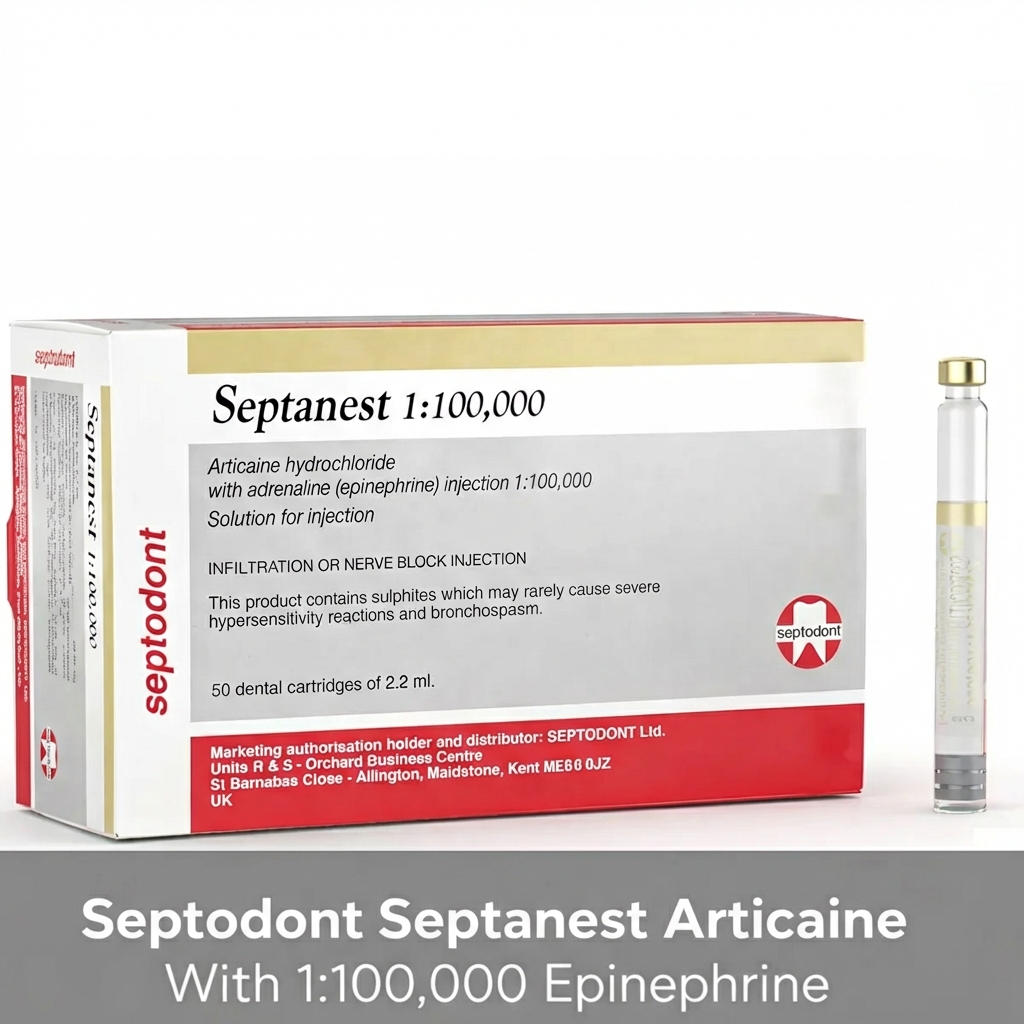
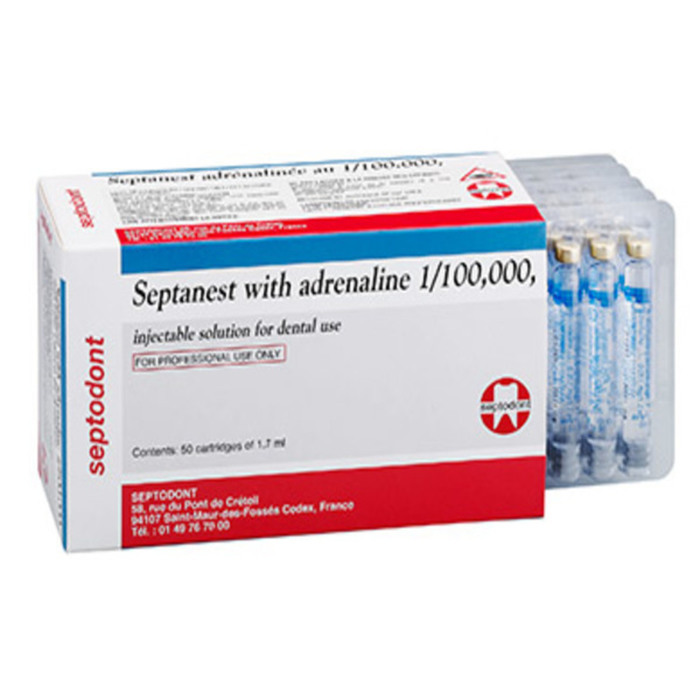
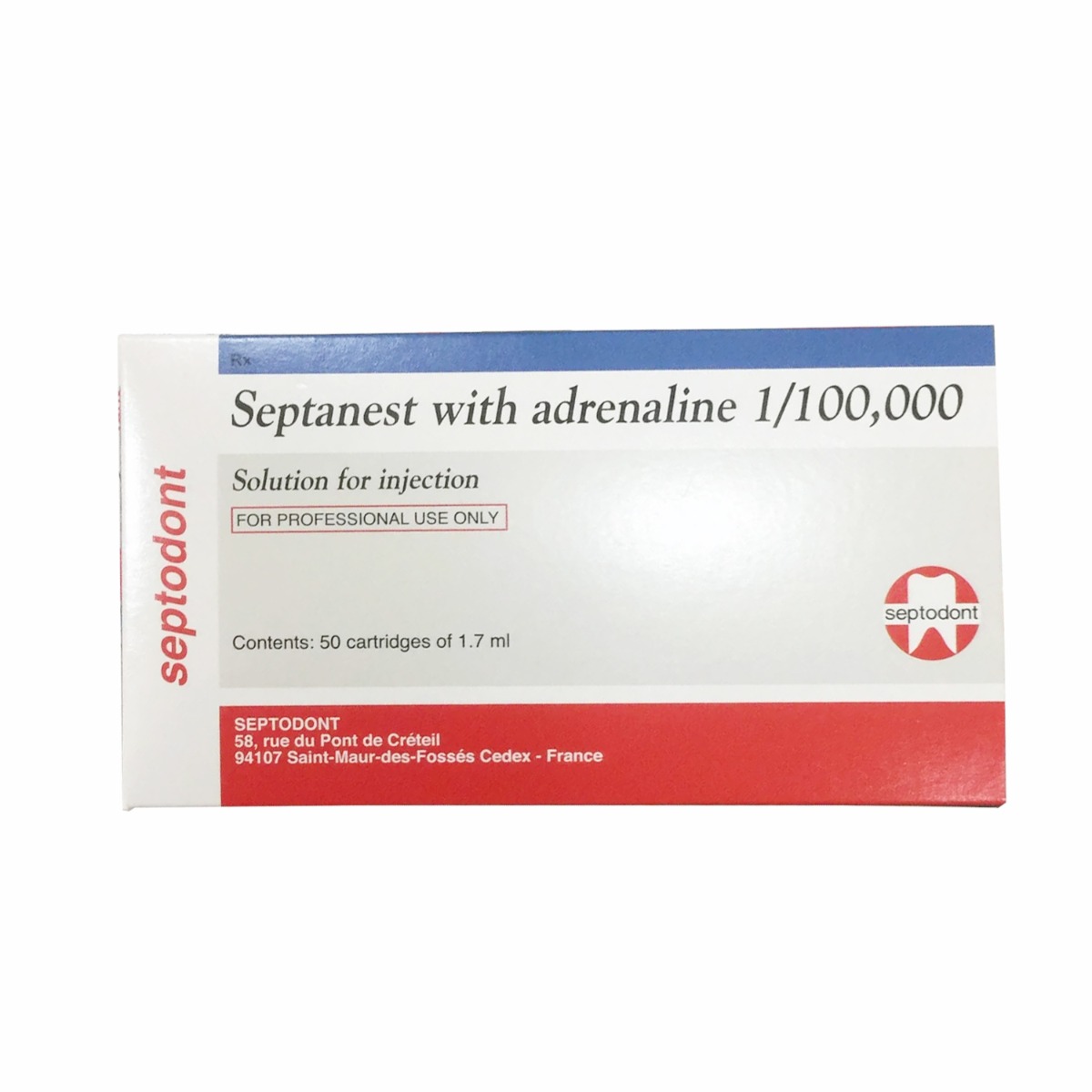
At Dentalkart, we understand the importance of quality anaesthetics in dental practice, and we offer a diverse range of anaesthetic products from trusted brands such as Dentaids, ICPA, Indoco, Septodont, Vishal Dentocare, Pascal, and more. Our extensive product range includes:
- Topical anaesthetic gels, sprays, and creams for pre-injection numbing.
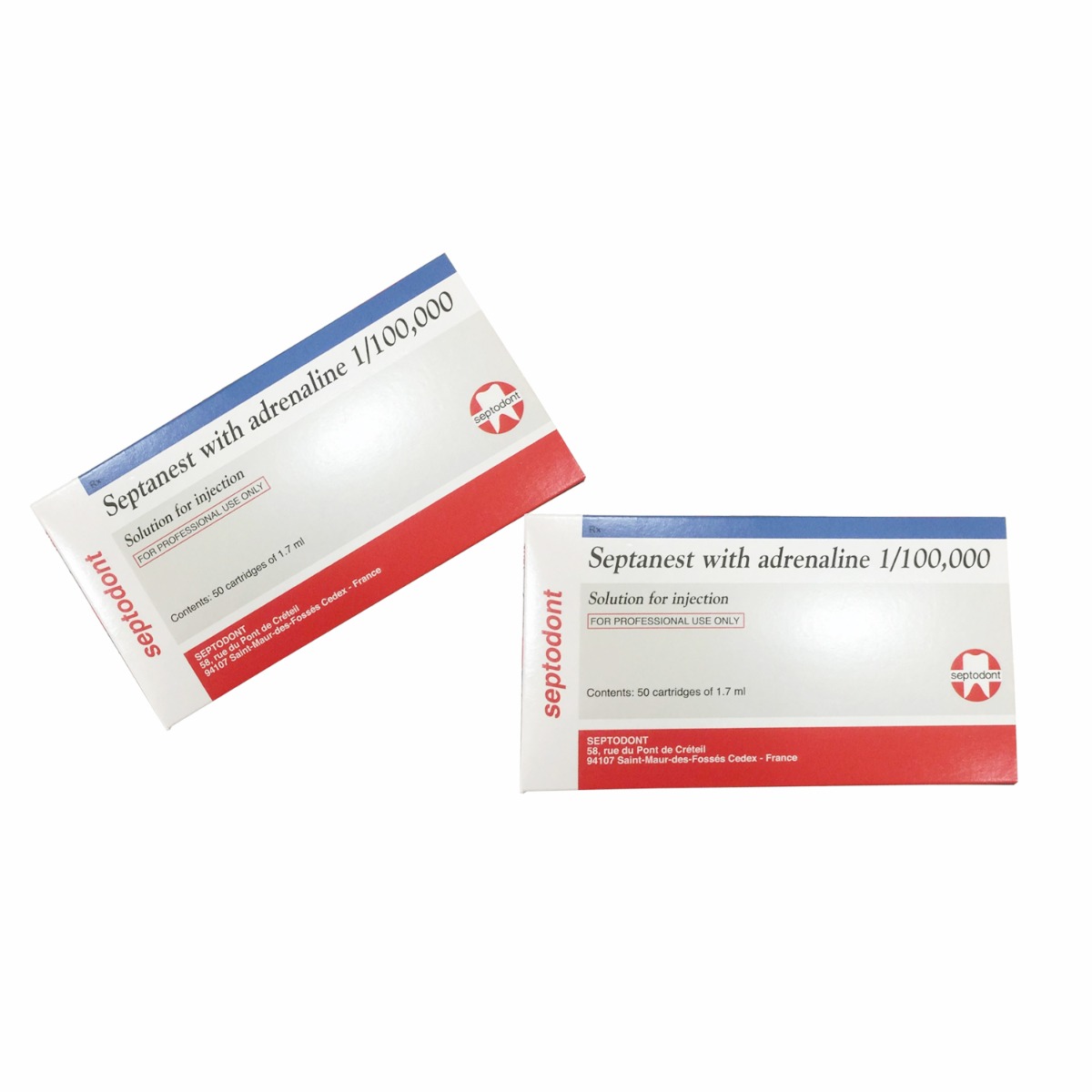
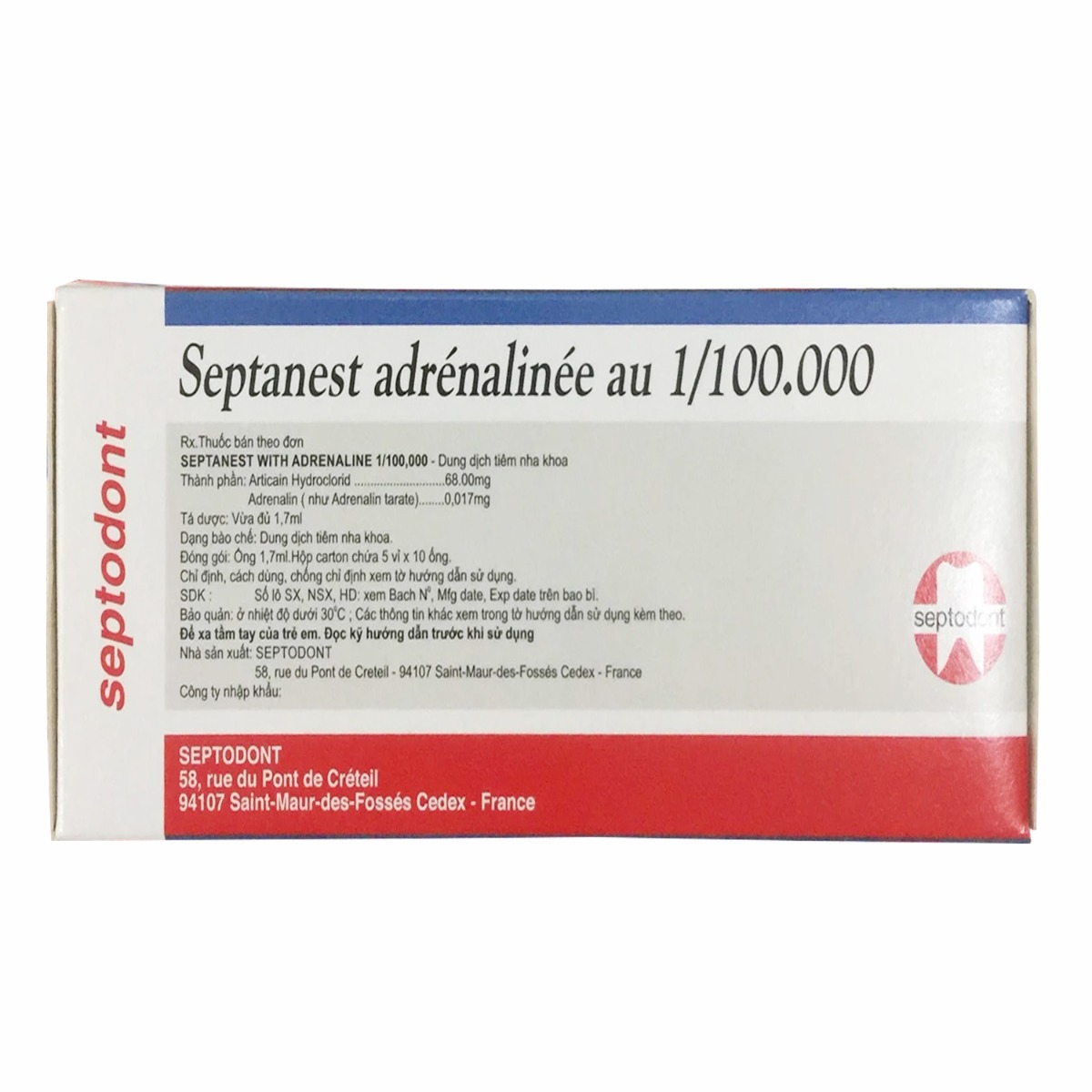
- Local anaesthetic cartridges with varying durations and formulations to suit different procedures.
We take pride in curating a collection of anaesthetic products that cater to the diverse needs of dental professionals and oral surgeons. Dentalkart is committed to providing high-quality products that contribute to successful and pain-free dental treatments, ensuring both patient satisfaction and the professional growth of dental practitioners.
FAQs
Q: What drugs are used in oral anesthesia?
A: The two main categories of drugs used in oral anesthesia are topical anesthetics and local anesthetics. Here's an overview of these drugs:
Topical Anesthetics:
Topical anesthetics are applied directly to the surface of the oral tissues to numb the area before injecting a local anesthetic. Some commonly used topical anesthetic agents include:
- Benzocaine: This is a widely used topical anesthetic that comes in various forms such as gels, creams, and sprays. It provides temporary numbing of the surface tissues and is often applied before administering a local anesthetic injection.
- Lidocaine: While lidocaine is primarily used as a local anesthetic, it can also be found in some topical preparations. It provides rapid onset of numbing and is used to alleviate pain and discomfort at the injection site.
Local Anesthetics:
Local anesthetics are injected into specific areas to block nerve signals and provide localized pain relief. Commonly used local anesthetic agents in dentistry include:
- Lidocaine: Lidocaine is a fast-acting local anesthetic commonly used for dental procedures. It offers reliable pain control and a moderate duration of action, making it suitable for various dental treatments.
- Articaine: Articaine is known for its rapid onset and potent numbing effects. It is often used in situations where profound anesthesia is needed quickly, such as in extractions and root canal procedures.
- Prilocaine: Prilocaine is another local anesthetic with a moderate duration of action. It is often used as an alternative to lidocaine for patients who are sensitive to adrenaline (epinephrine).
- Bupivacaine: Bupivacaine provides a longer-lasting numbing effect and is often used for procedures that require extended pain control, such as complex surgical extractions.
- Mepivacaine: Mepivacaine is a shorter-acting local anesthetic that can be suitable for minor dental procedures or when a shorter duration of numbness is desired.
Q: Why do adrenaline use?
A: Adrenaline (epinephrine) is use in combination with local anesthetics for various reasons, as it enhances the efficacy and safety of dental procedures. Here's why adrenaline is commonly used in dentistry:
- Vasoconstriction: Adrenaline constricts blood vessels at the injection site, reducing blood flow and delaying the absorption of the anesthetic. This extends the duration of numbing, allowing for longer, more comfortable procedures.
- Prolonged Effect: The vasoconstrictive effect of adrenaline slows down the systemic absorption of the anesthetic, resulting in a more prolonged and stable numbing effect, reducing the need for repeated injections.
- Minimized Bleeding: By constricting blood vessels, adrenaline reduces bleeding at the injection site, enhancing visibility during procedures like extractions and surgeries.
Reduced Systemic Absorption: Adrenaline restricts the systemic absorption of the anesthetic, lowering the risk of anesthetic toxicity and adverse effects on the heart and central nervous system.
- Anesthetic Spreading: Adrenaline assists in spreading the anesthetic solution within the target area, ensuring broader and more effective numbing coverage.
- Reduced Anesthetic Dosage: The use of adrenaline allows for a lower dose of local anesthetic to achieve the same level of numbing, minimizing the potential for allergic reactions or adverse effects.
- Prolonged Pain Relief: Due to the extended duration of action, patients experience reduced post-procedure pain, enhancing their overall comfort and satisfaction.
Q: Can adrenaline in local anaesthetics be harmful to patients with certain medical conditions?
A: Adrenaline should be used cautiously in patients with heart conditions, hypertension, or anxiety disorders.
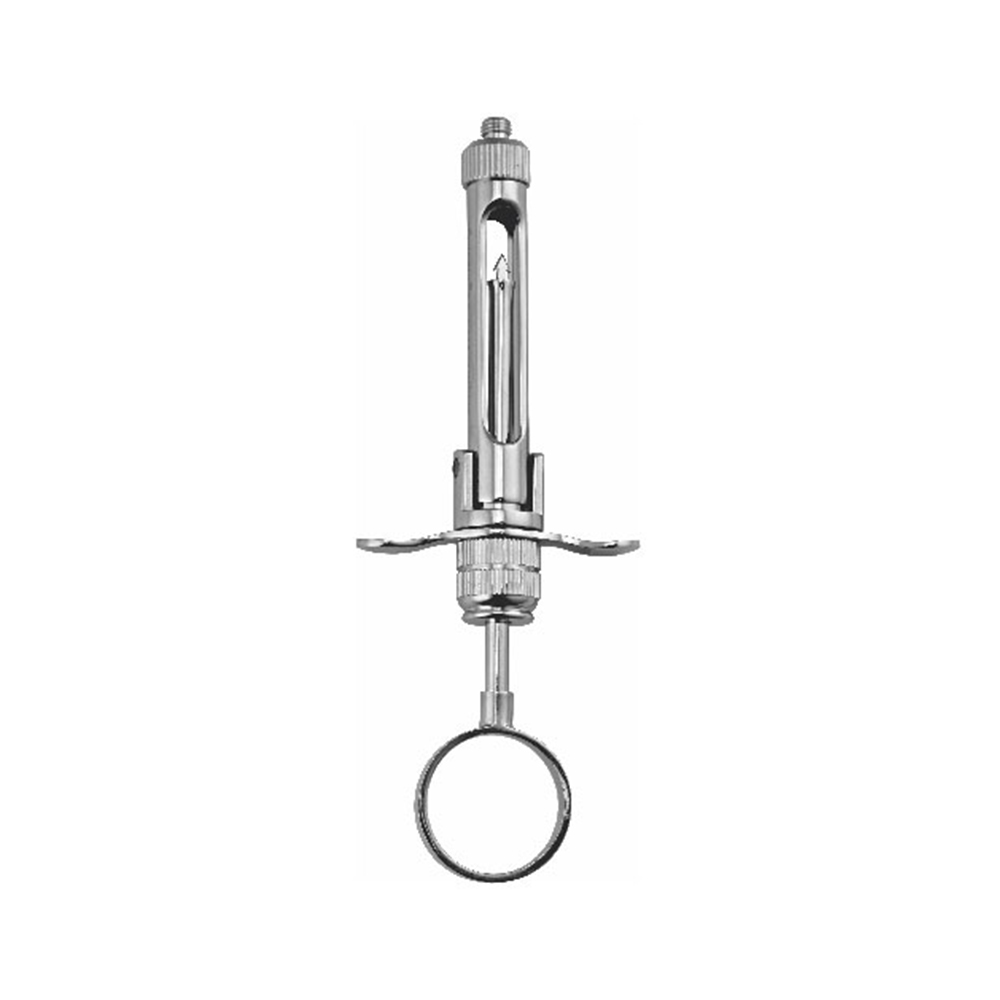
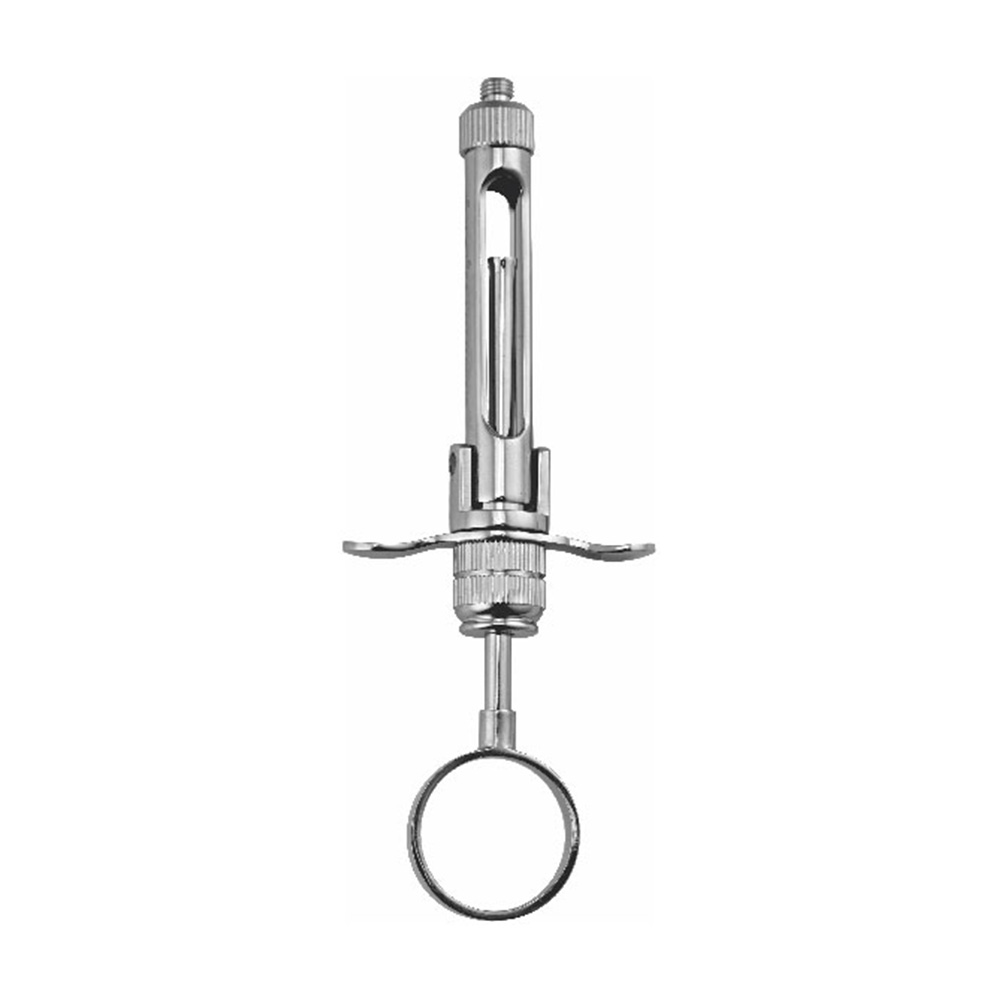
Q: What considerations should guide the choice between pulpal anaesthesia techniques like the pressure syringe vs. the computer-controlled local anaesthetic delivery system (CCLAD)?
A: Pressure syringe enables accurate deposition, while CCLAD offers controlled flow rates while CCLAD minimizes the pain associated with rapid injection and provides consistent pressure.










.jpg)

.jpg)
 Recommended
 Price- High to Low