

Antifungal
Sort by - Recommended
 Recommended
 Price- High to LowPrice- Low to High

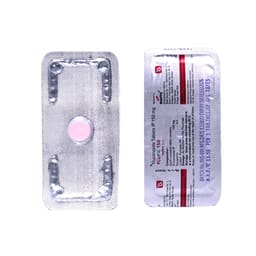
Effective antifungal treatment for Candida-related infections.
₹ 255₹ 675
62.22% Off
 5
5View Similar Products
Filters
Sort By
RecommendedAntifungal medications are drugs used to treat and manage fungal infections of the oral cavity and orofacial region, including conditions like oral candidiasis (thrush), denture stomatitis, angular cheilitis, and median rhomboid glossitis.
This range includes prescription-strength antifungal agents like Itraconazole capsules, Ketoconazole tablets (200 mg), and Fluconazole tablets IP—all formulated to effectively stop fungal growth and aid in fast symptom resolution.
These antifungal agents are essential components of a dentist’s pharmaceutical toolkit, especially when treating oral candidiasis, fungal sinusitis, denture stomatitis, angular cheilitis, and opportunistic infections in immunocompromised or long-term antibiotic users.
All listed products are manufactured by reputable pharmaceutical brands and comply with standard quality guidelines, ensuring safety, efficacy, and therapeutic reliability.
Role of Antifungals in Dental Care
Fungal infections in the oral cavity are more common than one might assume. Dental professionals frequently encounter cases of oral thrush, especially in:
- Patients with reduced immunity
- Diabetic individuals
- Denture wearers
- Post-antibiotic treatment cases
- Patients undergoing chemotherapy or radiotherapy
Antifungal medications, especially those in tablet or capsule form, help control systemic fungal infections, while also providing support in localized infections that do not respond to topical agents alone.
These medications work by interfering with fungal cell membrane synthesis, primarily by inhibiting the enzyme required for ergosterol production. This disruption stops fungal growth and helps in complete eradication.
When to Use Systemic Antifungals in Dentistry
Systemic antifungals are recommended in the following scenarios:
- Recurrent or persistent oral candidiasis unresponsive to topical agents
- Extensive denture stomatitis involving palatal mucosa
- Angular cheilitis associated with fungal superinfection
- Post-radiation or chemotherapy-induced oral fungal infections
- Oral lesions in immunocompromised patients (e.g., HIV/AIDS, cancer)
- Pre-procedural prophylaxis in high-risk individuals
Dentists must carefully evaluate the patient’s systemic health, current medications, and immune status before prescribing systemic antifungal therapy. Appropriate dosage adjustments may be required in hepatic or renal impairment.
Why Choose Dentalkart for Antifungals
- Authentic products from trusted pharmaceutical manufacturers
- Wide selection of systemic antifungal drugs in standard doses
- Affordable pricing with combo and pack size options
- Fast delivery for clinics and individual practitioners
- Supportive information on product usage and indications
Dentalkart ensures that the antifungal category includes only evidence-based, clinically approved medications to assist dentists in delivering reliable patient care.
Storage and Usage Guidelines
- Store antifungal medications in a cool, dry place away from sunlight
- Always administer under medical supervision with correct dosage
- Complete the full course of treatment even if symptoms subside early
- Monitor liver function in prolonged or repeated usage of systemic antifungals
- Educate patients to report any signs of allergic reactions, rashes, or side effect
FAQs – Antifungal Medications
When should antifungal tablets be used in dental practice?
Systemic antifungals are recommended when topical therapy fails or in cases of severe, widespread, or recurrent fungal infections involving the oral cavity or surrounding structures.
Is Fluconazole safe for elderly patients?
Yes, Fluconazole is generally well-tolerated in the elderly. However, dosage adjustments may be required based on renal function.
Can Itraconazole and Ketoconazole be used interchangeably?
Both have antifungal activity but differ in spectrum, side effect profile, and drug interactions. The choice depends on the type and severity of infection