



Bone Mills
A bone mill is an implant-surgery tool that grinds harvested bone into fine particulate for grafting. Block or chip bone taken from the patient is too coarse to pack into a defect, so the mill morselizes it into small, uniform granules that fill the site and heal well. Bone mills come as bench-style devices and plier-style forceps.
Sort by - Recommended
 Recommended
 Price- High to LowPrice- Low to High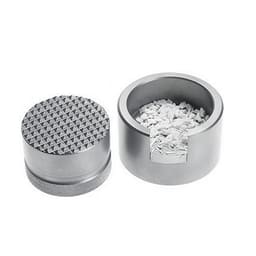
Only 2 Left
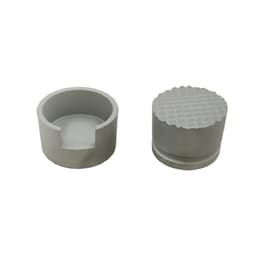
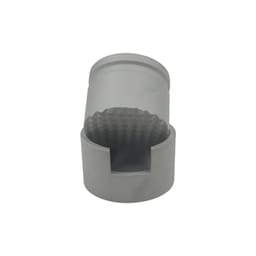
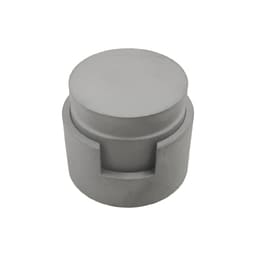
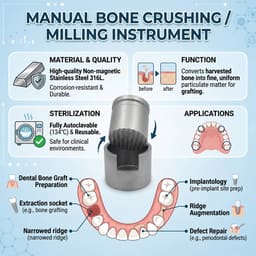
Manual bone crusher for dental grafting, ensuring fine particulate bone for implants and augmentation
₹ 1995₹ 2200
9.32% Off
 40
40View Similar Products
Only 5 Left
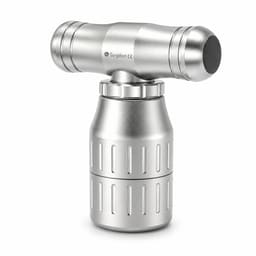
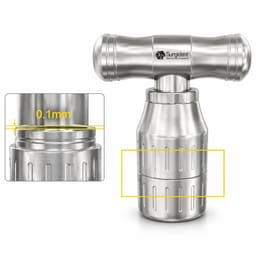
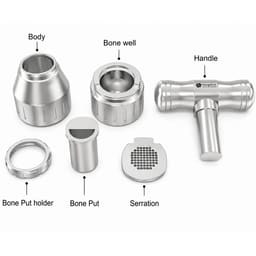
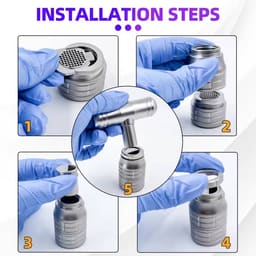
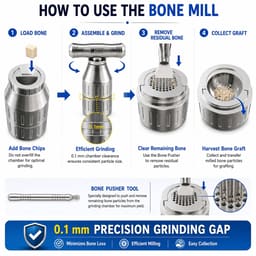
Manual bone mill with 0.1mm grinding space for precision autogenous bone graft preparation chairside
₹ 24030₹ 42120
42.95% Off
1.2kView Similar Products
Only 2 Left
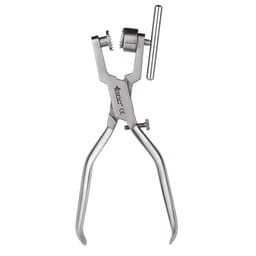
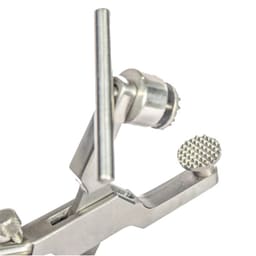
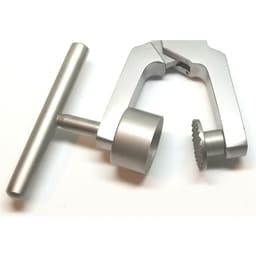
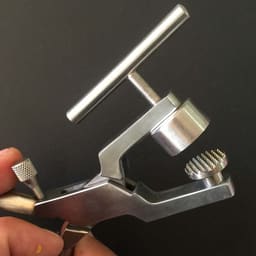
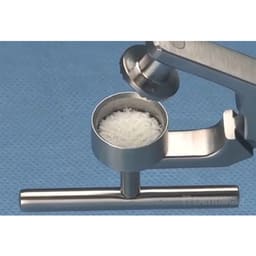
GDC Bone Mill Forcep uses for grind bone fragments into smaller particles for grafting
₹ 8980₹ 15750
42.98% Off
180View Similar Products
Gift At ₹1
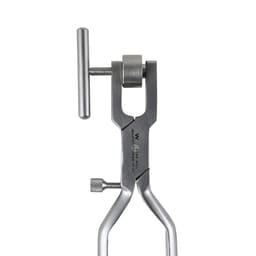
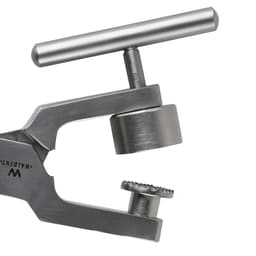
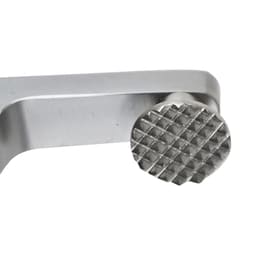
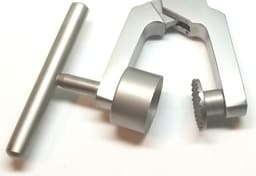
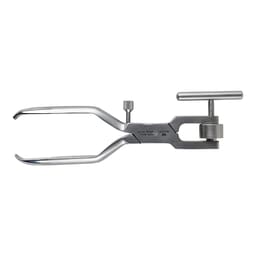
Bone mill plier with titanium head to grind bone fragments into smaller particles for grafting
₹ 4655₹ 5000
6.90% Off
230View Similar Products
Only 3 Left
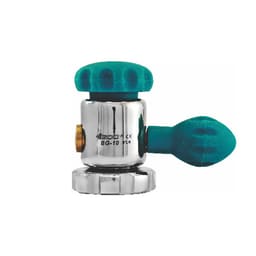
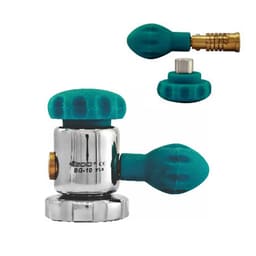
Bone crusher silicon is used to obtain a bone slurry or powder for use as a bone matrix for bone regeneration or bone grafting.
₹ 9575₹ 16800
43.01% Off
192View Similar Products
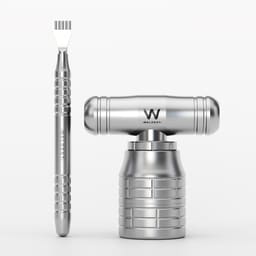
Only 5 Left
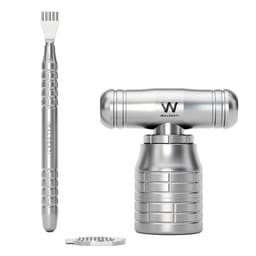
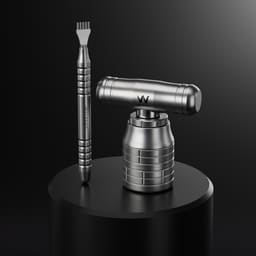
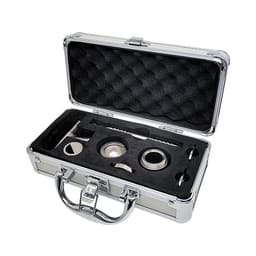
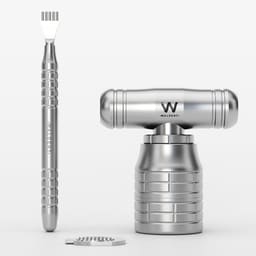
Stainless steel bone mill efficiently grinds bone fragments for grafting, providing unmatched durability.
₹ 12995₹ 36800
64.69% Off
590View Similar Products
Filters
Sort By
RecommendedBone Mills
Autogenous bone — the patient's own — is the gold standard for grafting, but it rarely comes out in a usable form. It arrives as a block or as coarse chips that will not pack into a defect. The mill is the tool that fixes that. It grinds the harvest into fine, even particulate that fills the graft site closely and heals predictably. That milling step fits into implant implantology between harvesting and placing.
The one step it owns
Milling sits in the middle of a three-part graft sequence:
- Harvest — bone is collected as chips or a block, using scrapers and collectors from the bone punch & scrapers range.
- Mill — the mill grinds that harvest into fine, uniform particulate. This category.
- Place — the milled particulate is carried and packed with the tools in the bone compactor & carriers range.
A mill does not harvest and does not pack. It only makes the harvested bone the right size to use.
Bench mill or plier mill?
Bone mills come in two working styles:
- Bench (rotary/twist) mill — a small tabletop device. Bone goes in a chamber and a turning mechanism grinds it; good for larger volumes and a consistent particle size.
- Plier / forcep mill — a hand instrument with milling jaws that crush and morselize bone directly, chairside. Simple, portable, and quick for smaller amounts.
Both turn coarse bone into particulate; the choice is volume and preference.
What to look for
Points that matter when choosing:
- Particle size — one that produces small, even granules packs and revascularises better than uneven fragments.
- Material — surgical stainless steel, or a titanium head, for a clean cut and repeated autoclaving.
- Capacity — a bench unit for larger grafts; a plier type for quick, small chairside jobs.
- Cleaning — parts that dismantle for thorough sterilisation between cases.
The particulate a mill produces is often blended with a xenograft or synthetic from the bone grafts range to stretch a small harvest further.
Frequently Asked Questions (FAQs):
What does a bone mill actually do?
It grinds harvested bone into fine particulate. Autogenous graft comes out of the donor site as a block or coarse chips that will not pack into a defect. The mill morselizes it into small, uniform granules that fill the site closely and heal predictably. It is a preparation tool, not a harvesting or packing one.
Why not just place the harvested bone as it is?
Because coarse block or chip material does not adapt to the defect. Large fragments leave gaps, pack loosely and revascularise slowly. Milling it into fine, even particulate lets it fill the space tightly, mix evenly with any added graft, and integrate faster. The size and consistency the mill gives are what make the graft work.
Bench mill or plier mill — what's the difference?
Format and volume. A bench mill is a small tabletop device with a grinding chamber, suited to larger bone volumes and a consistent particle size. A plier or forcep mill is a hand instrument with milling jaws used chairside for smaller amounts. Both morselize bone; the bench version handles more, the plier is quicker and more portable.
Is a bone mill the same as a bone crusher or scraper?
No, they are different steps. A scraper harvests thin shavings from a donor site. A mill or crusher then grinds that harvest into fine particulate. A compactor later packs the particulate into the site. The mill sits between harvesting and packing, doing only the sizing.
What should a bone mill be made of?
Surgical-grade stainless steel, sometimes with a titanium milling head. These materials cut bone cleanly, resist corrosion, and withstand repeated autoclave sterilisation. Look also for a design that comes apart for cleaning, so no bone or debris is left in the mechanism between cases.