





Dental Sandblaster
A dental sandblaster is an air-abrasion unit that sprays fine aluminium-oxide powder to roughen or clean a surface. It is used to prepare crowns, castings, and tooth surfaces for bonding or cementing, giving a micro-rough finish that adhesive grips better. It works by air pressure, directing the abrasive through a fine nozzle at the target.
Sort by - Recommended
 Recommended
 Price- High to LowPrice- Low to High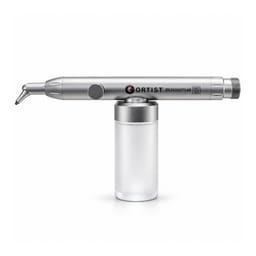
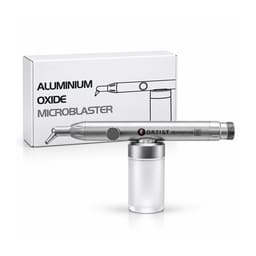
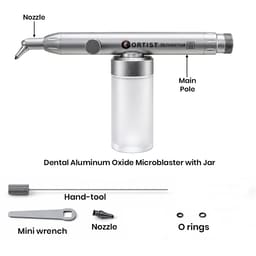
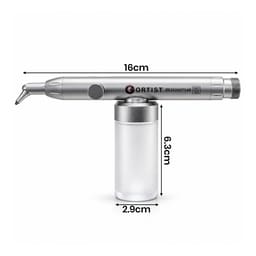
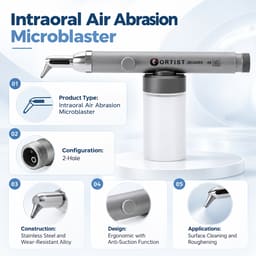

Two-hole intraoral microblaster for alumina air abrasion, surface cleaning, and roughening before dental bonding procedures
₹ 4495₹ 14990
70.01% Off
 115
115View Similar Products
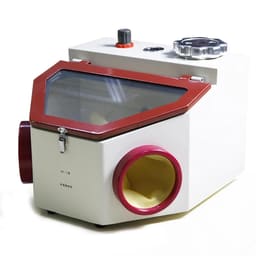
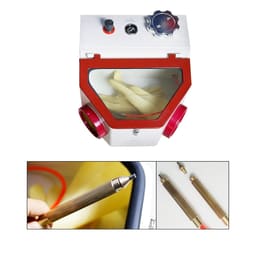
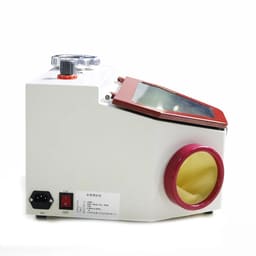
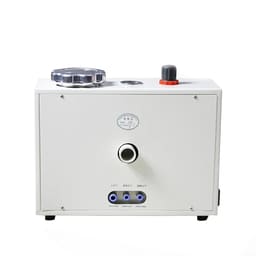

Dental Sandblaster with LED Light is a versatile tool designed for precise porcelain crown polishing in dental practices, ensuring efficient and controlled operations.
₹ 14059₹ 40940
65.66% Off
610View Similar Products
Filters
Sort By
RecommendedDental Sandblaster
A dental sandblaster prepares a surface by mechanical abrasion rather than acid. It fires fine aluminium-oxide particles through a nozzle under compressed air, leaving a clean, micro-rough finish that a bond or cement can key into. Chairside it can prepare a tooth or an existing restoration; in the lab it cleans and roughens crowns, castings, and framework before cementing. The stocked unit is a benchtop model with an LED light for a clearly lit working area. It sits within the wider dental laboratory equipment range.
What it is used for
Sandblasting is a surface-prep step before bonding or cementing:
- Roughen for bonding — a micro-rough surface holds adhesive far better than a smooth one.
- Clean a restoration — strips investment, oxide, or contamination off a casting or crown before it is fitted.
- Prep intaglio surfaces — the fitting surface of a CAD/CAM or lab-made restoration is blasted so cement adheres.
- Repairs — roughens a chipped or worn area chairside before adding new material.
The result is a stronger, more durable bond.
What to look for
Points to weigh when choosing a sandblaster:
- Abrasive size — finer aluminium oxide (around 50 microns) for intraoral prep, coarser for lab cleaning.
- Nozzle and control — a fine, well-aimed nozzle and a foot or hand control for precise blasting.
- Lighting — an LED-lit working area helps aim the stream accurately.
- Air supply — check the required pressure matches your compressor.
Match the unit to whether you blast mostly chairside, in the lab, or both — most of the work is prepping the restorations in the prosthetics range.
Where it fits your workflow
Sandblasting is one step in preparing a surface to bond:
- Blast — roughen or clean the surface with the right grade of aluminium oxide.
- Rinse and dry — clear residual powder before the next step.
- Bond or cement — apply the adhesive or cement from the bonds and etchants range to the prepared surface.
A properly blasted surface gives the cement a stronger, longer-lasting hold.
Frequently Asked Questions (FAQs):
What is a dental sandblaster used for?
Its main jobs are surface preparation and cleaning. Before a restoration is cemented or a repair is bonded, blasting the fitting surface gives the adhesive a rougher key to grip. It also strips investment, oxide, and contamination off castings and frameworks so they seat cleanly. In short, it is the step that makes a bond or cement hold reliably.
How is sandblasting different from acid etching?
They roughen a surface by different means. Acid etching uses a chemical, such as phosphoric acid, to micro-etch enamel or a ceramic. Sandblasting is mechanical — abrasive particles physically abrade the surface. Both create a rougher surface for bonding, and in many protocols they are used together, blasting first and etching or priming afterwards, depending on the material.
What abrasive does a dental sandblaster use?
Most use aluminium oxide powder. A finer grade, around 50 microns, suits intraoral and delicate prep; coarser grades are used in the lab to clean castings and frameworks. The powder is loaded into the unit and delivered through the nozzle by compressed air. Always use the grade and material the unit specifies for safe, consistent results.
Can a sandblaster be used inside the mouth?
Some units are designed for intraoral (chairside) use with fine abrasive and good isolation, for tasks like roughening a repair site. Others are benchtop lab units for cleaning and prepping restorations outside the mouth. Check what a given sandblaster is rated for, and use suction and isolation intraorally to control the abrasive and protect the patient.
What do I need to run a dental sandblaster?
A compressed-air supply at the pressure the unit specifies, and the correct aluminium-oxide powder. Benchtop units sit in the lab or surgery and connect to the air line; intraoral use also needs good suction and isolation. Keep the nozzle clear and the powder dry, and follow the maker's instructions on pressure and abrasive grade.