

Dental x-ray
4.4
Dental X-ray supplies are the films, holders, chemistry, lead aprons, and RVG sensors that capture and develop an intraoral radiograph. Carestream and Kodak make the films and RVG sensors, Samit the developer, Oro the holders, Waldent the aprons. E- and F-speed films cut the dose, sizes 0 to 2 cover periapical and bitewing views, and an RVG sensor reads instantly.
Sort by - Recommended
 Recommended
 Price- High to LowPrice- Low to High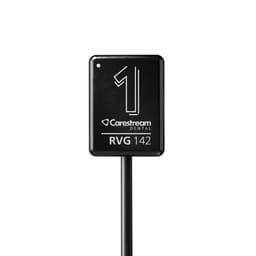
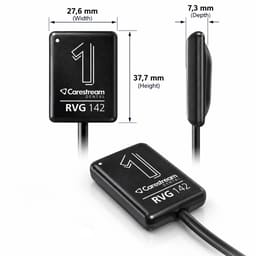
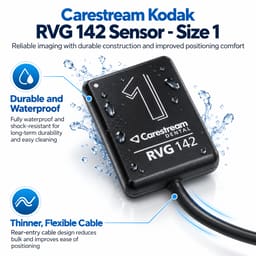
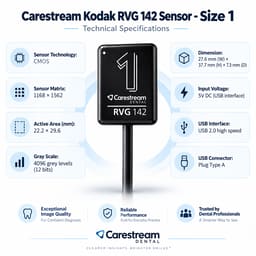
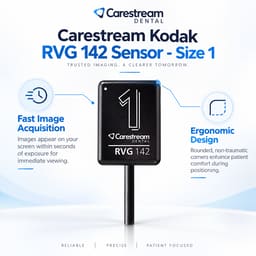
RVG 142 Sensor offers fast, high-quality digital imaging with easy installation and durability
₹ 69995₹ 120000
41.67% Off
 700
700View Similar Products

Only 5 Left
★ 4.7
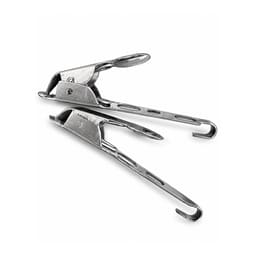
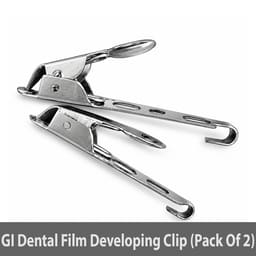
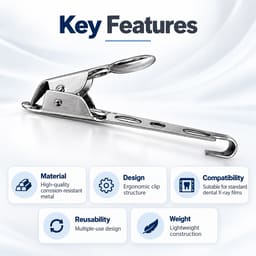
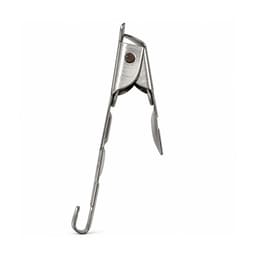
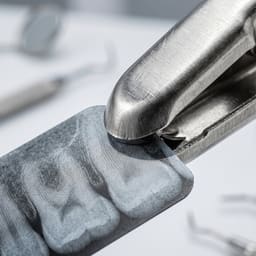
(3)Durable film holding clip designed for secure gripping during dental X-ray processing, ensuring contamination-free handling and easy manipulation in developing solutions.
₹ 70₹ 150
53.33% Off
2View Similar Products

★ 4.6
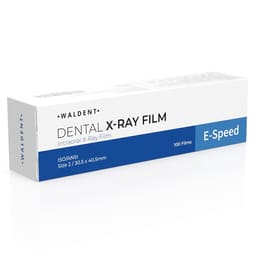
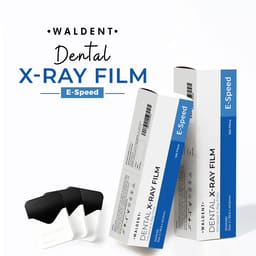
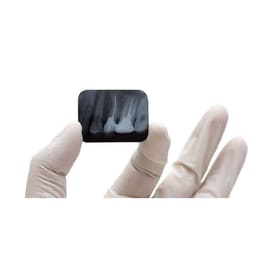
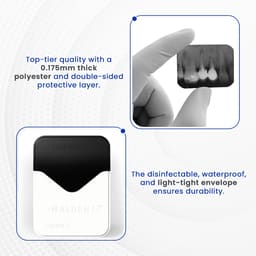
(27)Dental X-Ray Film E-Speed offers precise intraoral imaging with low radiation exposure.
₹ 2445₹ 3696
33.85% Off
120View Similar Products
★ 4.7
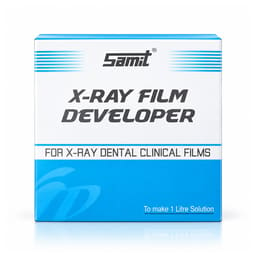
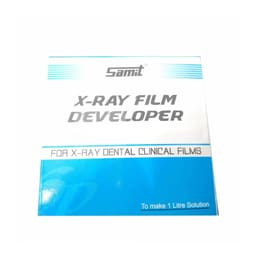
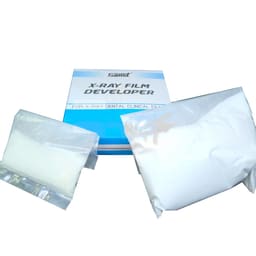
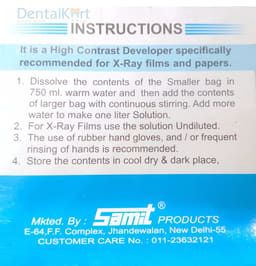
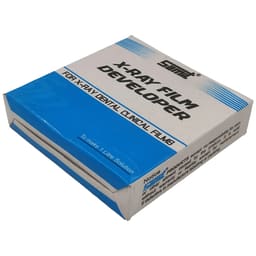
(29)X-Ray developer powder for developing conventional radiographic films
₹ 69₹ 120
42.50% Off
1View Similar Products
★ 4.4
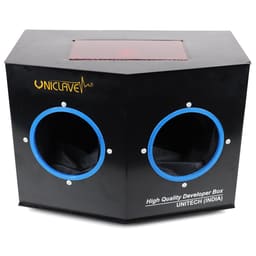
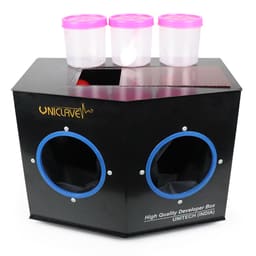
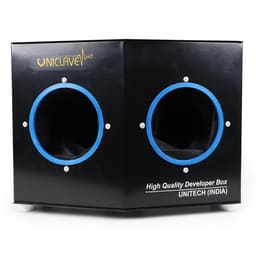
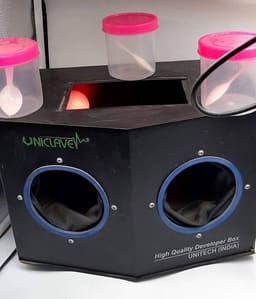
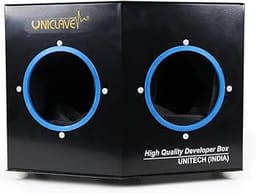
(5)Metal Developer Box for clear X-ray film processing in limited spaces
₹ 1095₹ 1400
21.79% Off
11View Similar Products
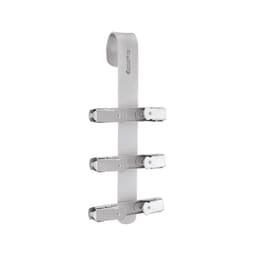
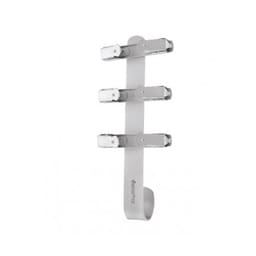

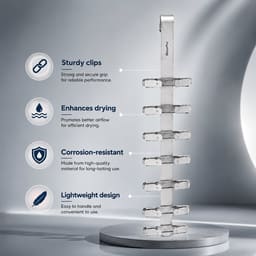
Stainless steel hanger holds and develops up to 6 X-ray films
₹ 660₹ 1208
45.36% Off
13View Similar Products

Only 4 Left
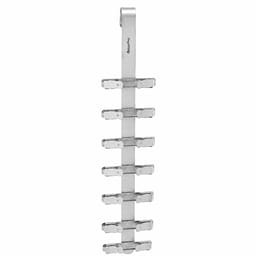
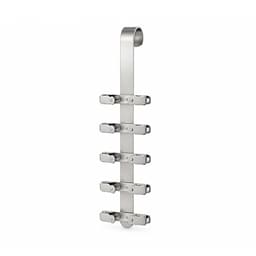
Durable X-ray film hanger with 14 clips for secure film holding
₹ 860₹ 1575
45.40% Off
17View Similar Products

Only 5 Left
View Similar Products
Filters
Sort By
RecommendedDental X-Ray Supplies — Films, Holders, Developer, Lead Aprons and RVG Sensors
Taking a dental radiograph needs more than the machine on the wall: it needs a receptor to catch the beam, a way to position it, and a way to turn the exposure into a picture. These supplies cover that chain. On a conventional workflow an intraoral film is exposed, then developed and fixed in a darkroom; on a digital one an RVG sensor catches the same view and puts it on screen in a few seconds. Around both sit the holders that line the receptor up to the beam, the lead apron that shields the patient, and the chemistry that processes the film. The machine itself is the X-ray machines category — this page is the consumables and accessories that go with it.
Types of dental X-ray supplies
Intraoral films
Periapical, bitewing, occlusal, and paediatric films come in E-speed and F-speed, where the faster speed needs less radiation for the same detail and sizes 0 to 2 cover the routine intraoral views. The Kodak Carestream X Ray Film E Speed is a common everyday film.
Film holders and positioners
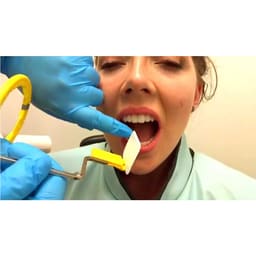
A holder grips the film or sensor and lines it up square to the beam, which keeps the image free of cone-cuts and distortion and makes a repeat radiograph reproducible. The autoclavable Oro X - Ray Film Holder takes both anterior and posterior films.
Developer and processing chemistry
A conventional film is turned into an image by developer and fixer, mixed from powder or concentrate and used with developing clips in a darkroom or an automatic processor. The Samit X-Ray Developer Powder makes up a working solution for routine processing.
Lead aprons and radiation protection
A lead apron with a thyroid collar shields the patient and operator from scatter during exposure and belongs on the radiology checklist for every film — Waldent and other makers supply them in adult and paedo sizes.
RVG sensors and digital radiography
A digital RVG sensor replaces film and chemistry altogether, sending the image to a PC over USB within seconds of exposure, which removes the darkroom and lowers the dose over time. The Carestream Kodak RVG 142 Sensor - Size 1 is a self-install USB unit.
When dental X-ray supplies are used
Each item comes into play at a stage of taking and reading a radiograph:
- Periapical and bitewing views for caries, bone level, and root anatomy
- Occlusal films for the arch and for locating impacted teeth
- Paediatric films sized to a child's smaller arch
- Positioning the film or sensor square to the beam with a holder
- Developing and fixing an exposed film in the darkroom
- Shielding patient and operator with a lead apron and thyroid collar
- Instant on-screen images from an RVG sensor
How to choose dental X-ray supplies
- Film speed — E- and F-speed films need less radiation than older D-speed for the same detail, so they cut the patient's dose.
- Size to the view — sizes 0 to 2 for periapical and bitewing, occlusal film for arch views, paediatric sizes for children.
- Film or digital — film plus chemistry for the lowest-cost conventional setup, an RVG sensor for instant images and no darkroom; Digital Radiography: 8 Reasons It's Worth the Transition weighs up the switch.
- Holder fit — match the holder to the receptor and the projection so the image is square and repeatable.
- Protection — a lead apron with thyroid collar is non-negotiable for every exposure.
- Dates — check the film and chemistry expiry, since out-of-date film fogs and weak developer drops contrast.
Dental X-ray supply brands on Dentalkart
Carestream — the Kodak imaging line — is what most Indian clinics standardise on, on both the film and RVG sensor side, valued for its steady contrast and low dose.
Around it sit the Indian-made support brands: Samit and other chemistry makers, Oro and GI for holders and developing clips, Xpress at the economy end of film, and Waldent for protective aprons, so a film darkroom or a digital chair stays stocked without importing the small parts.
Why buy dental X-ray supplies from Dentalkart
Imaging supplies are bought on consistency: a film at the wrong speed or past its date fogs, a tired developer drops the contrast, and a poorly aligned holder forces a retake and a second dose. What is on the shelf here is the real brand and in date, so the film, chemistry, and sensor behave the way the technique sheet says. Films, holders, developer, lead aprons, and an RVG sensor all sit in one place, so a clinic can run a film darkroom, move to digital, or keep both without chasing each piece across different suppliers.
Frequently Asked Questions (FAQs):
What do you need to take a dental X-ray?
Beyond the X-ray machine, you need a receptor to record the image — an intraoral film or a digital RVG sensor — a holder to line it up to the beam, and a lead apron to protect the patient. A film workflow also needs developer and fixer chemistry and a darkroom; a digital one sends the image straight to a screen.
Film or RVG sensor — which workflow should I run?
Both record the same views; they differ in what happens after exposure. Film is cheap to start but must be developed with chemistry in a darkroom, while an RVG sensor shows the image on a PC in seconds and saves on film and chemicals over time, for a higher upfront cost. Plenty of clinics still keep film as a low-cost backup.
What do E-speed and F-speed mean on a film?
They describe how sensitive the film is to radiation. A faster film — E-speed, and F-speed faster still — needs a shorter exposure for the same image, which lowers the dose to the patient compared with older D-speed film. For routine periapical and bitewing views, an E- or F-speed film in size 0 to 2 is the usual choice.
How is a film developed, and how should it be stored?
An exposed film passes through developer, a water rinse, fixer, and a final wash, then dries — by hand on a clip or through an automatic processor. Keep unexposed film cool, dry, and away from the X-ray source, and watch the expiry: out-of-date film loses contrast and fogs, which shows up as a hazy, low-detail image.
Why is a lead apron needed for every X-ray?
Because even a small intraoral exposure produces scatter, and dose adds up over many films across a career and a patient's lifetime. A lead apron with a thyroid collar absorbs that scatter and keeps the dose as low as reasonably achievable for both the patient and the operator, which is why it is part of the standard radiology setup rather than an optional extra.