





Drills
Post-space preparation drills sit between root canal completion and post cementation — they remove coronal gutta-percha and shape the canal to receive a matched-diameter pre-fabricated post while leaving 4–5 mm of apical seal intact. Match drill taper to post taper, use system-matched drills with branded post kits, and graduate diameter incrementally. Dentalkart stocks Viva drill kits and system-matched drills.
 Recommended
 Price- High to LowPrice- Low to High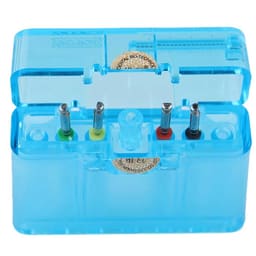



 79
79What are Endodontic Post-Space Drills?
Endodontic post-space drills are precision-engineered rotary cutting instruments used to prepare the coronal portion of an endodontically treated root canal before a metal or fiber post is cemented for crown retention. They remove coronal gutta-percha, shape the canal walls to the exact diameter and taper of the chosen pre-fabricated post and clear room for the resin cement layer, while leaving an apical seal of 4 to 5 millimetres of root filling intact to maintain endodontic isolation from the periapical tissues.
Types of Post-Space Drills
Post-Space Preparation Drills (Largo, Gates Glidden, Peeso style)
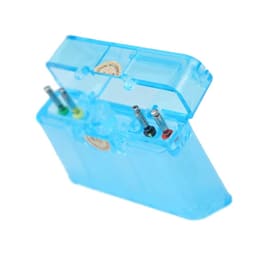
General-purpose post-space drills used for clearing coronal gutta-percha and shaping the canal to receive a post. Viva Drills Kit is a graduated diameter kit with rigid carriers and matched diamond bits for sequential canal preparation across the common post-diameter range.
System-Matched Drills for Specific Post Kits
System drills ship as part of branded post kits — for example the Angelus Reforpost "Key" drill matches Reforpost diameter exactly, FRC Hahnenkratt kits ship with co-engineered drills, and most fiber-post systems include their own size-matched preparation drill. Using the system-matched drill removes guesswork on diameter, taper and depth marking.
Conical (Tapered) vs Cylindrical (Parallel-Sided) Drill Designs
Conical drills create a tapered post space matching the natural taper of the apical root canal, preferred for passive cemented tapered posts because they preserve more cervical dentine. Cylindrical drills create parallel-sided post spaces that match cylindrical posts, giving more uniform cement layer thickness but requiring more dentine removal at the apical end of the post bed.
Drill Set Composition & Graduated Diameter Coding
Modern drill kits ship as a graduated set — typically 3 to 6 colour-coded drills from approximately 0.8 mm up to 1.6 mm at the maximum diameter, with depth markings etched into the shank for predictable apical-end-stop. Single-size individual drills are economy alternatives for clinics already committed to a fixed post diameter.
Choosing Drills by Post Material — Fiber vs Metal
Drill choice depends partly on the post material — Fiber Posts typically ship with their own system-matched drills calibrated to the post's FRC diameter and surface treatment, while Metal Posts from Angelus, Endoking and Prime Dental are commonly used with either their proprietary drills or general post-space preparation drills like Viva.
When Are Post-Space Drills Used?
Post-space drills are used immediately after endodontic obturation is complete and the access cavity sealed, before any post and core build-up. They are also used in revision cases where an existing failed post has been removed and a new post space needs to be re-prepared to match a replacement post diameter. They are not used during routine endodontic instrumentation — that workflow uses Dental Posts-related instruments such as K-files, Ni-Ti rotary files and Gates Glidden orifice openers earlier in treatment.
How to Choose Post-Space Drills
Match drill to post system first — using the manufacturer's system-matched drill removes diameter and taper guesswork and gives a predictable interference-free seat. Match drill geometry to post geometry — conical drills for tapered posts, cylindrical drills for parallel-sided posts. Choose graduated kits if you stock multiple post diameters, single-size drills if you have standardised on one post size. Confirm depth markings on the drill shank for safe apical-end-stop control, and ensure full autoclave compatibility for clinic reuse cycles.
Top Brands of Post-Space Drills at Dentalkart
Dentalkart stocks Viva post-space preparation drill kits as the standalone drill option, plus matched-system drills supplied inside branded post kits across the wider Dental Posts segment from Angelus, AAA, Superendo, Hahnenkratt, Medicept, Endoking and Prime Dental — covering both fiber and metal post placement workflows with manufacturer-calibrated drill geometry.
Why Buy Post-Space Drills from Dentalkart?
Dentalkart supplies clinic-grade post-space preparation drills at distributor pricing, trusted by 50,000+ dentists across 110000+ Indian pincodes. Authentic brand sourcing, GST invoicing, COD on eligible orders and fast pan-India shipping. Bundle your drill kit with the posts you actually place in Post & Core to complete the foundation restoration in a single order.
Frequently Asked Questions (FAQs):
What is a post-space preparation drill used for?
A post-space preparation drill is used to clear coronal gutta-percha and shape the root canal walls of an endodontically treated tooth so that a pre-fabricated metal or fiber post can be cemented for crown retention. The drill creates a post bed matched to the chosen post's diameter and taper while preserving an apical seal of root filling.
What is the difference between Gates Glidden, Peeso and Largo drills?
The difference between Gates Glidden, Peeso and Largo drills is geometry and intended use — Gates Glidden have a flame-shaped head used mainly for coronal flaring of canal orifices, Peeso reamers have a longer parallel cutting flute used for post-space preparation up to mid-root, and Largo drills are calibrated for graduated post-space widening to specific post diameters.
How deep should I prepare the post space?
Post space should be prepared to a depth of roughly two-thirds of the remaining root length while leaving at least 4 to 5 millimetres of apical gutta-percha seal intact to maintain endodontic isolation from the periapical tissues. Over-preparation that breaches the apical seal risks reinfection and post-treatment apical periodontitis.
Can I use the same drill for fiber and metal posts?
You can use a general-purpose post-space drill like the Viva kit for both fiber and metal posts provided the diameter and taper match — but it is safer to use the manufacturer's system-matched drill that ships with each branded post kit, because it is calibrated to the exact diameter, taper and depth marking of that specific post for an interference-free, full-seat result.
Are post-space drills reusable after autoclaving?
Post-space drills are reusable across many clinic cycles when autoclaved per the manufacturer's IFU — stainless steel and tungsten carbide drill kits are designed for repeated steam sterilisation. Replace any drill that shows cutting edge dullness, surface corrosion or visible blade chipping, because a dull drill generates heat and risks canal-wall crazing.