





Expansion Screws
Orthodontic expansion screws are mechanical jackscrews embedded in palatal expander appliances to deliver controlled transverse arch expansion during fixed and removable orthodontic treatment. Standard maxillary expansion screws (14 mm range like the Modern Ortho SES-002) are activated at 0.25 mm increments per turn. Dentalkart stocks expansion screws for rapid palatal expansion (RPE) and slow expansion protocols.
 Recommended
 Price- High to LowPrice- Low to High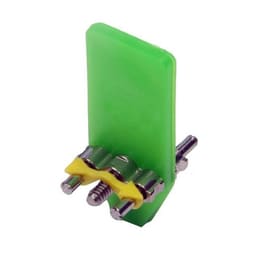

 10
10What are Orthodontic Expansion Screws?
Orthodontic expansion screws are precision-machined mechanical jackscrews embedded into the acrylic body of palatal expander appliances, lingual arches and removable orthodontic plates to deliver controlled transverse, sagittal or differential arch expansion during fixed and removable orthodontic treatment. Each turn of the activation key advances the screw by a calibrated 0.25 mm increment, with the screw splitting the appliance into two acrylic halves that separately apply slow or rapid expansion forces to the maxillary or mandibular arch via the bonded molar bands or removable acrylic baseplate.
Types of Expansion Screws
Standard Maxillary Expansion Screws (14 mm Range)
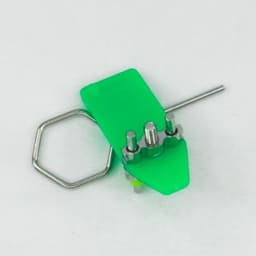
Standard 14 mm maxillary expansion screws are the workhorse jackscrew design used in the majority of removable and fixed Hyrax-style palatal expander appliances. Modern Ortho Standard Expansion Screw For Upper 14 mm (SES-002) is the dedicated maxillary screw in this segment, providing the full 14 mm activation range needed for typical rapid palatal expansion (RPE) and slow expansion protocols across paediatric and early-permanent dentition cases.
Maxillary vs Mandibular Expansion Screw Selection
Maxillary expansion screws are designed for the wider transverse activation range of palatal expansion (typically 10–14 mm) and integrate into Hyrax, Haas and removable maxillary expander appliances. Mandibular expansion screws are typically smaller and lower-activation-range, used in the more conservative mandibular arch expansion cases. Always confirm the screw is matched to the target arch before ordering — maxillary and mandibular screws are not interchangeable.
Fixed vs Removable Palatal Expander Appliances
Fixed palatal expanders (Hyrax, Haas) cement directly to first molar bands and use the expansion screw to deliver high-force rapid palatal expansion (RPE) — typically 0.5 mm per day across 2–3 weeks. Removable expander appliances Intraoral & Extraoral Appliances integrate the same screw into an acrylic baseplate worn by the patient — used for slower expansion protocols and combined habit-correction cases in mixed dentition.
Working with Expansion Screws: Activation, Wire & Acrylic Integration
Expansion screws ship with an activation key for parent-administered or clinician-administered turn-by-turn activation. The screw is embedded into the appliance during fabrication, with auxiliary stainless steel wires (sourced from Wires & Springs) forming the lingual arms and acrylic-anchorage anchors on the appliance baseplate. Proper screw orientation during fabrication (arrow indicator on the screw body pointing toward the patient's nose) is critical so the activation key turn-direction matches the expansion direction.
Expansion Screw Choice by Clinical Indication
Choose 14 mm standard maxillary expansion screws for the typical mid-palatal suture expansion protocols across paediatric and early-permanent dentition. Smaller-range screws (8–10 mm) suit mandibular arch expansion and slow expansion protocols in adolescent patients. Specialty screw designs include differential expansion screws (anterior-only, posterior-only or fan-shaped expansion) and three-way expansion screws for combined transverse and sagittal arch development.
When Are Expansion Screws Used?
Expansion screws are used during rapid palatal expansion (RPE) treatment for maxillary transverse deficiency cases, during slow expansion protocols in mixed-dentition orthodontic treatment, during arch development cases in growing patients with mandibular or maxillary constriction, during habit-correction appliance fabrication where expansion is combined with thumb-sucking or tongue-thrust correction, and during retention-phase appliance maintenance where mild arch widening adjustment is needed during the post-treatment stability period.
How to Choose Expansion Screws
Match screw activation range to clinical expansion target — 14 mm range covers typical maxillary RPE protocols, 8–10 mm suits mandibular slow expansion. Match screw type to arch — maxillary and mandibular screws are not interchangeable. Verify the screw orientation indicator (arrow toward nose) before embedding in appliance acrylic during fabrication. Order extra screws for clinic stock if expansion is a regular treatment offering — single-SKU bulk orders simplify clinic inventory across the typical 6–12 month treatment timeline.
Top Brands of Expansion Screws at Dentalkart
Dentalkart stocks Modern Ortho Standard Expansion Screw for Upper (14 mm SES-002) — the workhorse maxillary jackscrew for Hyrax-style fixed expanders and removable maxillary expansion appliances. Modern Ortho is a long-established Indian orthodontic appliance component manufacturer with reliable jackscrew geometry and activation key fit, supplied alongside the broader Orthodontic Instruments range at clinic-stock distributor pricing.
Why Buy Expansion Screws from Dentalkart?
Dentalkart supplies clinic-grade orthodontic expansion screws at distributor pricing, trusted by 50,000+ dentists across 110000+ Indian pincodes. Authentic brand sourcing, calibrated 0.25 mm-per-turn activation precision, GST invoicing, COD on eligible orders and fast pan-India shipping for orthodontic appliance fabrication labs and chair-side appliance fitting clinics. Bundle expansion screws with bondable molar tube and band anchors from Bondable Accessories for the complete fixed-expander appliance build.
Frequently Asked Questions (FAQs):
What is an orthodontic expansion screw used for?
An orthodontic expansion screw is used to deliver controlled transverse, sagittal or differential arch expansion during fixed and removable orthodontic treatment — embedded into palatal expander appliance acrylic to split the appliance into two halves that progressively widen the maxillary or mandibular arch via patient-administered or clinician-administered activation key turns at 0.25 mm increments per turn.
How much does an expansion screw move per turn?
An expansion screw moves 0.25 mm per quarter-turn of the activation key — the calibrated standard across most orthodontic jackscrews. Rapid palatal expansion (RPE) protocols typically activate 0.5 mm per day (two quarter-turns) for the first 2–3 weeks; slow expansion protocols activate 0.25 mm every other day for gentler force application across longer treatment timelines.
What is the difference between rapid and slow palatal expansion?
The difference between rapid and slow palatal expansion is the activation rate and biological response — rapid palatal expansion (RPE) activates the screw at 0.5 mm per day to open the mid-palatal suture mechanically before bone deposition catches up, while slow expansion at 0.25 mm every other day allows the bone to remodel continuously alongside the expansion, reducing tissue trauma and relapse risk in adolescent patients.
Can the same expansion screw be used for upper and lower arches?
The same expansion screw cannot be used for upper and lower arches — maxillary expansion screws are typically larger with wider activation range (10–14 mm) for palatal expansion, while mandibular expansion screws are smaller with lower range (8–10 mm) for conservative mandibular arch widening. Always confirm the screw is matched to the target arch before ordering or embedding into appliance acrylic.
How is an expansion screw activated?
An expansion screw is activated using the manufacturer-supplied activation key inserted into the small hole on the screw body. Each quarter-turn of the key advances the screw by 0.25 mm. The arrow indicator on the screw body shows the correct turn direction — the parent or patient turns the key in the indicated direction at the clinician-prescribed activation schedule (typically 0.5 mm per day for RPE).