





Gingival Colored
4.5
Gingival colored materials are the tinted composites and maskers used when a restoration needs a colour other than tooth white. They include pink gingival composite to rebuild or blend gum tissue, coloured composites for characterisation and vivid shades, and opaquer to hide dark or metal substrate. Each solves a colour problem that plain white composite cannot.
Sort by - Recommended
 Recommended
 Price- High to LowPrice- Low to High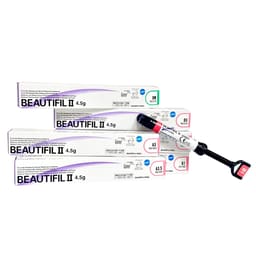


★ 4.5
(2)View Similar Products
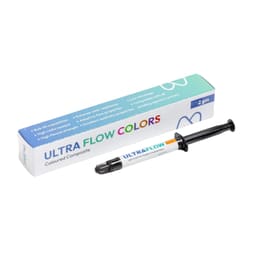
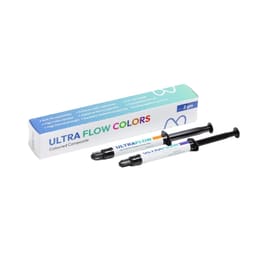
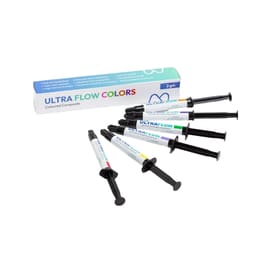
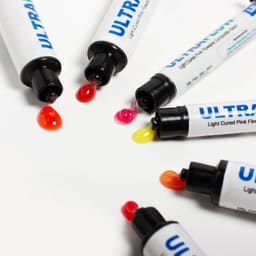
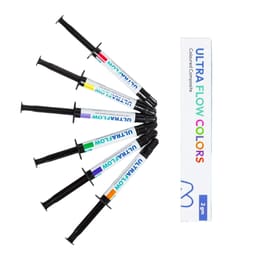
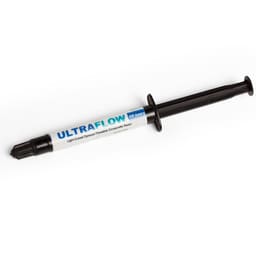
Ultra Flow Colours are versatile radiopaque light-cured composites available in vibrant shades for precise restorations
Starting at₹ 329
View Similar Products
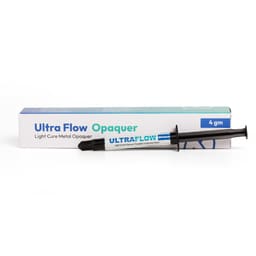
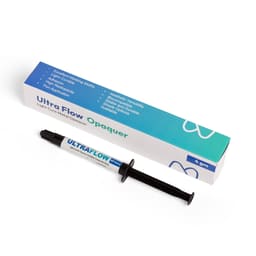
Effectively masks dark areas, ensuring natural-looking, long-lasting aesthetic restorations
Starting at₹ 1119
View Similar Products
Filters
Sort By
RecommendedGingival Colored
Plain white handles most fillings, but not everything in the mouth is white. Gums are pink. A metal core is grey. A characterised tooth may need a tint of amber or a stain. This category holds the materials for those jobs — composites and maskers in colours other than tooth shade, so a restoration matches what is actually there.
Three needs sit under one heading here. Some cases need pink to stand in for gum. Some need a vivid or natural tint to add character. And some need a masking layer so a dark base does not show through. The materials differ, but they share a purpose: getting the colour right where plain white will not do. They belong with the wider composite range.
Pink composite for the gum
The first job is rebuilding or blending gum tissue.
Where a gum has receded, or a crown or implant leaves an unnatural pink-to-white transition, a gingival-shade composite fills the gap. It is placed like any filling material but tinted in pink and coral tones to imitate healthy gum. Done well, it hides a black triangle or a long-looking tooth and restores a natural gumline. Shade blending matters here, so a material offered in several gum tones gives the best match.
Coloured composites for character
The second job is adding colour and character to a restoration.
Vivid and character shades
Coloured composites come in bright and natural tints for characterisation, internal staining, or simply fun. The best are radiopaque and light-cured, and flowable versions let small amounts of colour be placed precisely. Bright shades are popular in children's dentistry too, so these overlap with the paedodontics range. Ultra Flow Colors is one such coloured flowable stocked here.
Aesthetic layering
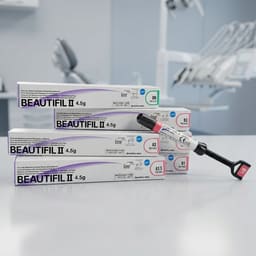
For high-detail anterior work, a tinted composite adds the subtle internal colour a natural tooth has. A layerable composite, used with shade and tint materials, builds a lifelike result rather than a flat white block. Beautifil II is an example of a layerable composite offered in the shades this work needs.
Opaquer to mask the base
The third job is stopping a dark base from showing through.
A metal core, a stained tooth or a grey post can dull or shadow the final shade. An opaquer is a light-cured masking layer placed first to block that base. Once the dark substrate is hidden, the composite over it reads its true colour. A metal opaquer such as Ultra Flow OP is made for this masking step under a restoration.
Matching the material to the case
Which one you reach for depends on the colour problem in front of you. Pink composite for gum. A coloured or tinted composite for character. An opaquer when a dark or metal base needs hiding first.
Many aesthetic cases use more than one — an opaquer to mask, then a shaded composite, then a tint. Keeping the set on hand covers the colour work a plain shade cannot, and it pairs with the everyday materials in the composite kits range.
Frequently Asked Questions (FAQs):
What are gingival colored materials?
They are tinted composites and maskers used when a restoration needs a colour other than tooth white. The group covers pink gingival composite for rebuilding or blending gum, coloured composites for characterisation and vivid shades, and opaquer for masking a dark or metal base. Each handles a colour job that plain white composite cannot.
When is pink gingival composite used?
It is used to replace or blend gum tissue. Where a gum has receded, or a crown or implant leaves an odd pink-to-white edge, a gingival-shade composite fills and disguises the gap. It can hide a black triangle between teeth or shorten a long-looking tooth by rebuilding the gumline in a natural pink shade.
What is a dental opaquer for?
An opaquer masks a dark or metal base so it does not show through the final restoration. A metal core, grey post or stained tooth can shadow the shade above it. The opaquer is a light-cured layer placed first to block that base. The composite placed over it then shows its true, intended colour.
What are coloured composites used for?
Coloured composites add character and tint to a restoration. They are used for internal staining, characterisation of anterior teeth, or bright shades in paediatric and creative work. A flowable coloured composite lets small amounts of colour be placed precisely, building the subtle internal detail a natural tooth has instead of a flat single shade.
Can these materials be used together in one case?
Yes, and aesthetic cases often do. A typical sequence masks a dark base with opaquer, builds the body with a shaded composite, then adds internal tints or a gingival shade for the finishing colour. Used together, they let a clinician control colour layer by layer for a result that looks natural rather than uniform.