Login
image
image
Home
haemostats
Haemostats
Haemostats agents on Dentalkart - Empowering Precision in Dental Hemostasis Hemostat agents, essential tools in the realm of dentistry, serve a pivotal role in managing bleeding during various oral surgical procedures. These indispensable agents aid dental professionals in achieving precise control over bleeding, thereby contributing to optimal treatment outcomes and patient safety. Whether it's tooth extraction, implant placement, or other oral surgeries, hemostats play a crucial role in maintaining a clear surgical field, enhancing visibility, and ensuring effective healing. Dentalkart proudly presents a comprehensive collection of hemostatic agents from renowned brands, facilitating dental professionals with an unparalleled selection tailored to their needs. Choose from a plethora of reputable brands like Abgel, Advanced Biotech, Ammdent, Axiostat, Cologenesis Healthcare, Ethicon, Goodwill, Medicept, Prevest Denpro, Septodont, Vishal Dentocare, Ultradent, Waldent Alchem , and more. Dentalkart is committed to offering products that meet the highest quality standards, empowering dental professionals with reliable tools for optimal patient care. Q: What are the hemostatic agents in dentistry? A: Hemostatic agents used in dentistry are substances or materials that aid in controlling bleeding during dental procedures. These agents promote clot formation and help achieve hemostasis, ensuring a clear field of vision for dental professionals and facilitating effective wound healing. Some common hemostatic agents in dentistry include: Topical Hemostatic Agents: These agents are directly applied to the bleeding site and aid in clot formation. They can be in the form of gels, sprays, or powders. Examples include: Topical Thrombin: Accelerates clotting by converting fibrinogen to fibrin. Aluminum Chloride Solutions: Induce vasoconstriction and promote clotting. Gelatin Sponge: Absorbent sponge material that promotes clotting when applied to bleeding areas. Hemostatic Gels and Pastes: These materials are applied to the bleeding site and provide a physical barrier to reduce bleeding. They often contain ingredients like aluminum chloride or other vasoconstrictors. Fibrin Sealants: These are biological agents that contain fibrinogen and thrombin. When applied, they mimic the final stages of the natural clotting process and promote clot formation. Absorbable Hemostatic Agents: These materials, such as oxidized cellulose, collagen-based products, or gelatin-based products, absorb blood and form a gel-like substance that helps in clot formation. Bone Wax: Used in oral surgeries involving bone, bone wax is a mixture of beeswax and softening agents. It helps control bleeding by sealing bone surfaces. Hemostatic Sponges or Dressings: These are absorbent materials that can be placed at the bleeding site to promote clot formation and control bleeding. They may be used in procedures involving bone grafts or extractions. Q: What are the three classes of hemostatic agents? A: Hemostatic agents can be broadly categorized into three classes based on their mechanisms of action and applications: Mechanical Hemostatic Agents: These agents work by physically blocking or compressing the bleeding vessels or tissues to promote clot formation and stop bleeding. They include: Hemostatic Gauze: Sterile gauze or fabric impregnated with agents like kaolin or thrombin that help promote clotting upon contact with blood. Gelatin Sponge: A porous, absorbent sponge that can be applied to bleeding sites to facilitate clotting. Cellulose-based Hemostats: Made from oxidized cellulose, these products promote clotting by interacting with blood and forming a barrier. Active Hemostatic Agents: Active hemostatic agents contain compounds that directly interact with blood components to accelerate clotting. Examples include: Thrombin: An enzyme that converts fibrinogen to fibrin, promoting the formation of a stable blood clot. Fibrin Sealants: Mixtures of fibrinogen and thrombin that mimic the final stages of natural clot formation. Absorbable Hemostatic Agents: These agents promote hemostasis by absorbing excess blood and providing a scaffold for clot formation. They include: Collagen-based Hemostats: Made from purified animal collagen, they help with clot formation and tissue regeneration. Oxidized Cellulose: A material that interacts with blood to form a gelatinous substance, aiding in clotting. Gelatin-based Hemostats: Similar to collagen-based agents, these absorbent materials promote clotting and wound healing. Q: What is the differences between collagen-based and oxidized cellulose absorbable hemostatic agents in terms of their interaction with blood components and tissue integration? A: Collagen-based agents interact with platelets and initiate clot formation by providing a scaffold for platelet adhesion and aggregation. Oxidized cellulose, on the other hand, acts through the absorption of blood, resulting in a gelatinous mass that aids in clot formation. Tissue integration of collagen-based agents involves fibroblast migration and neovascularization, whereas oxidized cellulose primarily assists in clot stability. Q: In cases of compromised wound healing, where infections or delayed tissue regeneration are concerns, how can the selection of a specific hemostatic agent influence these outcomes? A: The choice of hemostatic agent can impact wound healing. Collagen-based agents, for instance, not only aid in hemostasis but also promote cellular migration and angiogenesis, potentially reducing the risk of delayed healing. Conversely, improper selection or overuse of certain agents might interfere with wound healing by inhibiting cellular responses. Q: Are there alternatives to using hemostatic agents? A: In some cases, techniques like suturing, pressure, and electrocautery can help achieve hemostasis. However, hemostatic agents provide targeted control and are often preferred for precision and reduced tissue trauma. Q: Explain the mechanisms by which hemostatic agents accelerate clot formation, and how does this influence the overall efficiency and duration of dental procedures? A: Hemostatic agents enhance clotting by promoting platelet aggregation and activating clotting factors. This speeds up clot formation, minimizing bleeding time. Efficient hemostasis reduces procedure time, enhancing both clinical efficiency and patient comfort.
Read more
Haemostats

Haemostats agents on Dentalkart - Empowering Precision in Dental Hemostasis

Hemostat agents, essential tools in the realm of dentistry, serve a pivotal role in managing bleeding during various oral surgical procedures. These indispensable agents aid dental professionals in achieving precise control over bleeding, thereby contributing to optimal treatment outcomes and patient safety. Whether it's tooth extraction, implant placement, or other oral surgeries, hemostats play a crucial role in maintaining a clear surgical field, enhancing visibility, and ensuring effective healing.

Dentalkart proudly presents a comprehensive collection of hemostatic agents from renowned brands, facilitating dental professionals with an unparalleled selection tailored to their needs. Choose from a plethora of reputable brands like Abgel, Advanced Biotech, Ammdent, Axiostat, Cologenesis Healthcare, Ethicon, Goodwill, Medicept, Prevest Denpro, Septodont, Vishal Dentocare, Ultradent, Waldent Alchem, and more. Dentalkart is committed to offering products that meet the highest quality standards, empowering dental professionals with reliable tools for optimal patient care.

Q: What are the hemostatic agents in dentistry?
A: 
Hemostatic agents used in dentistry are substances or materials that aid in controlling bleeding during dental procedures. These agents promote clot formation and help achieve hemostasis, ensuring a clear field of vision for dental professionals and facilitating effective wound healing. Some common hemostatic agents in dentistry include:

Topical Hemostatic Agents: These agents are directly applied to the bleeding site and aid in clot formation. They can be in the form of gels, sprays, or powders. Examples include:

  • Topical Thrombin: Accelerates clotting by converting fibrinogen to fibrin.
  • Aluminum Chloride Solutions: Induce vasoconstriction and promote clotting.
  • Gelatin Sponge: Absorbent sponge material that promotes clotting when applied to bleeding areas.

Hemostatic Gels and Pastes: These materials are applied to the bleeding site and provide a physical barrier to reduce bleeding. They often contain ingredients like aluminum chloride or other vasoconstrictors.

Fibrin Sealants: These are biological agents that contain fibrinogen and thrombin. When applied, they mimic the final stages of the natural clotting process and promote clot formation.

Absorbable Hemostatic Agents: These materials, such as oxidized cellulose, collagen-based products, or gelatin-based products, absorb blood and form a gel-like substance that helps in clot formation.

Bone Wax: Used in oral surgeries involving bone, bone wax is a mixture of beeswax and softening agents. It helps control bleeding by sealing bone surfaces.

Hemostatic Sponges or Dressings: These are absorbent materials that can be placed at the bleeding site to promote clot formation and control bleeding. They may be used in procedures involving bone grafts or extractions.

Q: What are the three classes of hemostatic agents?
A: 
Hemostatic agents can be broadly categorized into three classes based on their mechanisms of action and applications:

Mechanical Hemostatic Agents: These agents work by physically blocking or compressing the bleeding vessels or tissues to promote clot formation and stop bleeding. They include:

  • Hemostatic Gauze: Sterile gauze or fabric impregnated with agents like kaolin or thrombin that help promote clotting upon contact with blood.
  • Gelatin Sponge: A porous, absorbent sponge that can be applied to bleeding sites to facilitate clotting.
  • Cellulose-based Hemostats: Made from oxidized cellulose, these products promote clotting by interacting with blood and forming a barrier.

Active Hemostatic Agents: Active hemostatic agents contain compounds that directly interact with blood components to accelerate clotting. Examples include:

  • Thrombin: An enzyme that converts fibrinogen to fibrin, promoting the formation of a stable blood clot.
  • Fibrin Sealants: Mixtures of fibrinogen and thrombin that mimic the final stages of natural clot formation.

Absorbable Hemostatic Agents: These agents promote hemostasis by absorbing excess blood and providing a scaffold for clot formation. They include:

  • Collagen-based Hemostats: Made from purified animal collagen, they help with clot formation and tissue regeneration.
  • Oxidized Cellulose: A material that interacts with blood to form a gelatinous substance, aiding in clotting.
  • Gelatin-based Hemostats: Similar to collagen-based agents, these absorbent materials promote clotting and wound healing.

Q: What is the differences between collagen-based and oxidized cellulose absorbable hemostatic agents in terms of their interaction with blood components and tissue integration?
A: Collagen-based agents interact with platelets and initiate clot formation by providing a scaffold for platelet adhesion and aggregation. Oxidized cellulose, on the other hand, acts through the absorption of blood, resulting in a gelatinous mass that aids in clot formation. Tissue integration of collagen-based agents involves fibroblast migration and neovascularization, whereas oxidized cellulose primarily assists in clot stability.

Q: In cases of compromised wound healing, where infections or delayed tissue regeneration are concerns, how can the selection of a specific hemostatic agent influence these outcomes?
A: The choice of hemostatic agent can impact wound healing. Collagen-based agents, for instance, not only aid in hemostasis but also promote cellular migration and angiogenesis, potentially reducing the risk of delayed healing. Conversely, improper selection or overuse of certain agents might interfere with wound healing by inhibiting cellular responses.

Q: Are there alternatives to using hemostatic agents?
A: In some cases, techniques like suturing, pressure, and electrocautery can help achieve hemostasis. However, hemostatic agents provide targeted control and are often preferred for precision and reduced tissue trauma.

Q: Explain the mechanisms by which hemostatic agents accelerate clot formation, and how does this influence the overall efficiency and duration of dental procedures?
A: Hemostatic agents enhance clotting by promoting platelet aggregation and activating clotting factors. This speeds up clot formation, minimizing bleeding time. Efficient hemostasis reduces procedure time, enhancing both clinical efficiency and patient comfort.

Preves
base, small, thumbnail, swatch
Preves
Preves
Preves
Preves
4.8
(6)
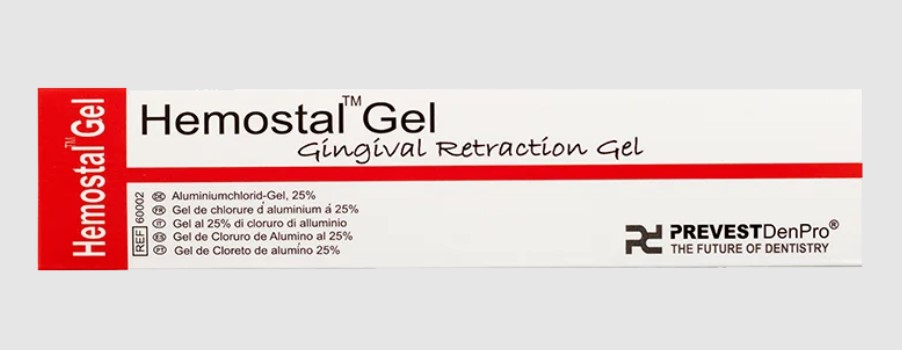
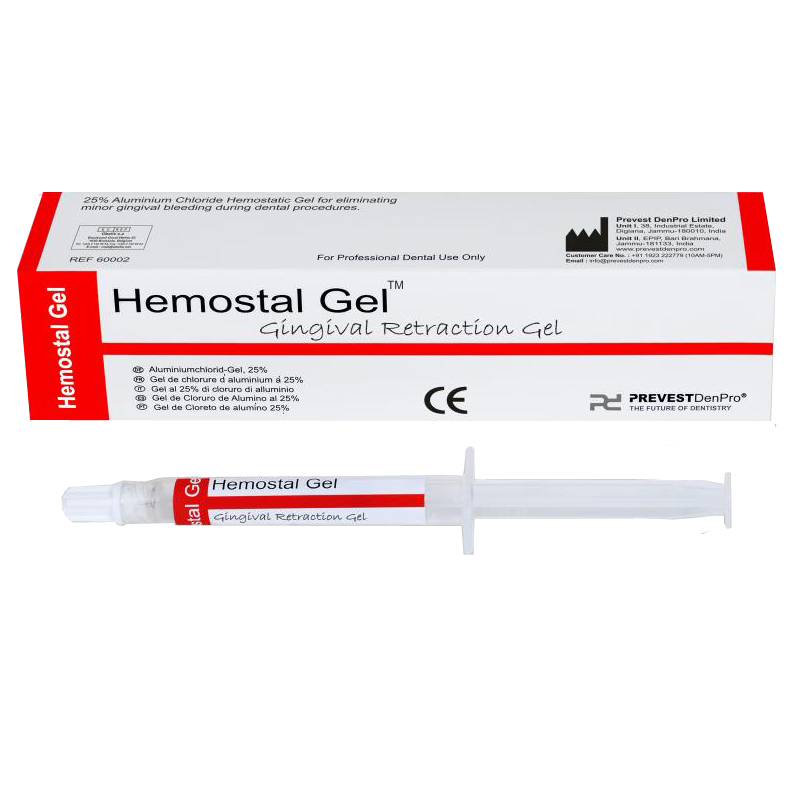
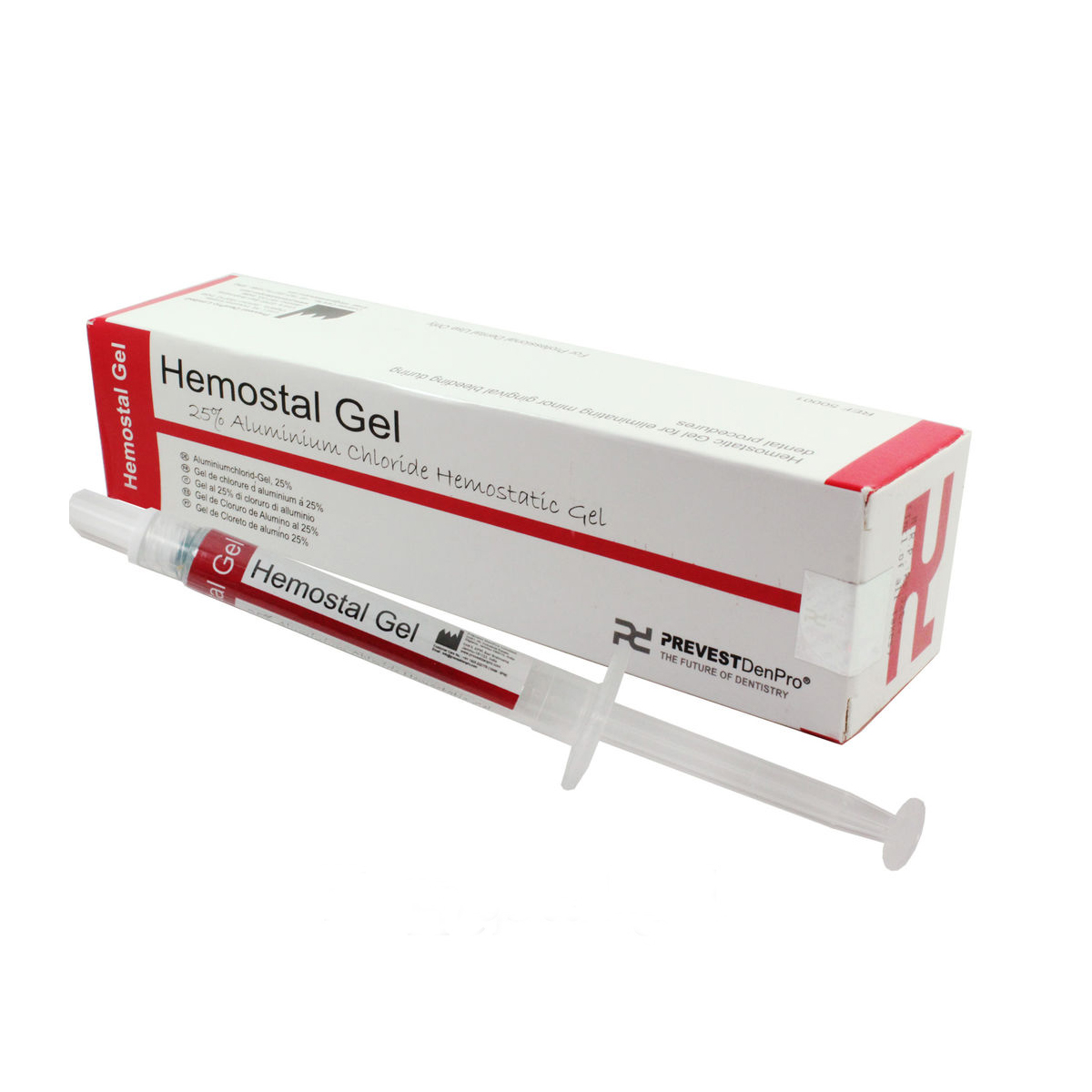
Hemostatic Gel to stop minor gingival bleeding
285 374
gold coin3
View Similar Products
Ammden
base, small, thumbnail, swatch
Ammden
Ammden
Ammden
Ammden
4.0
(2)
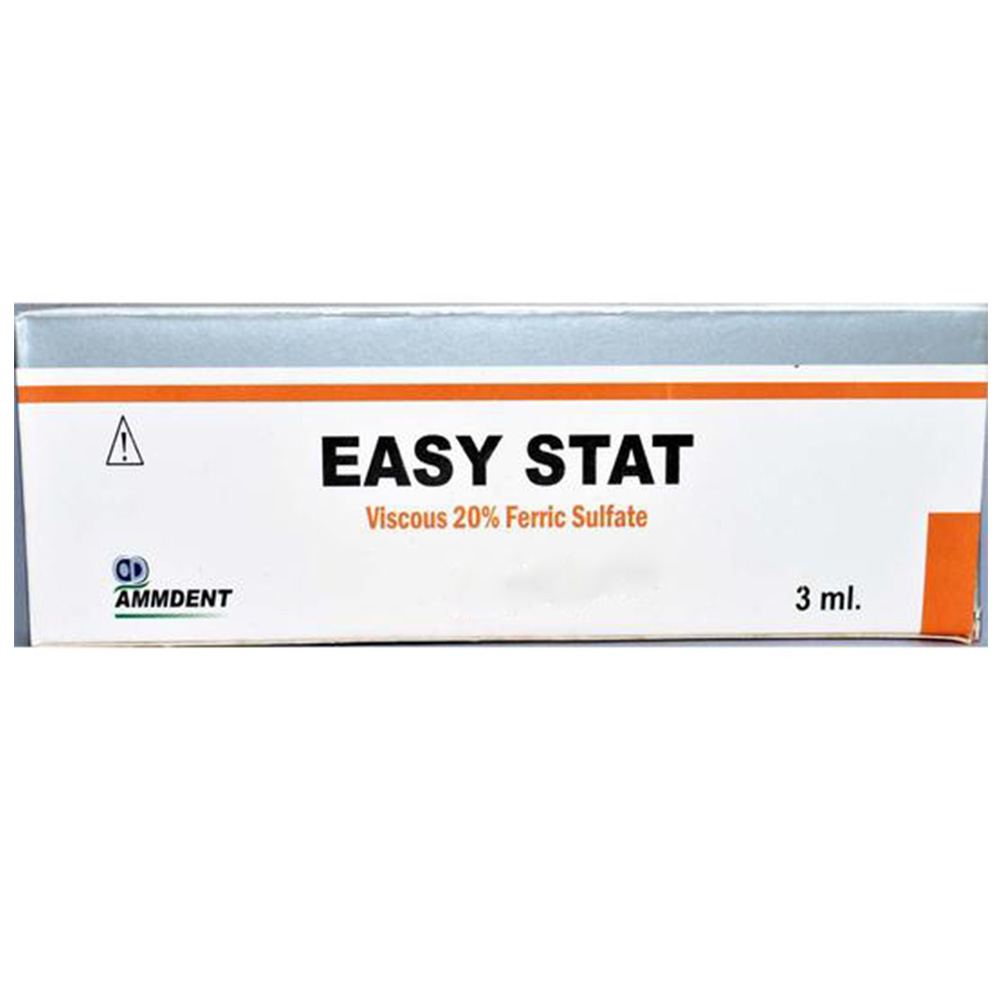
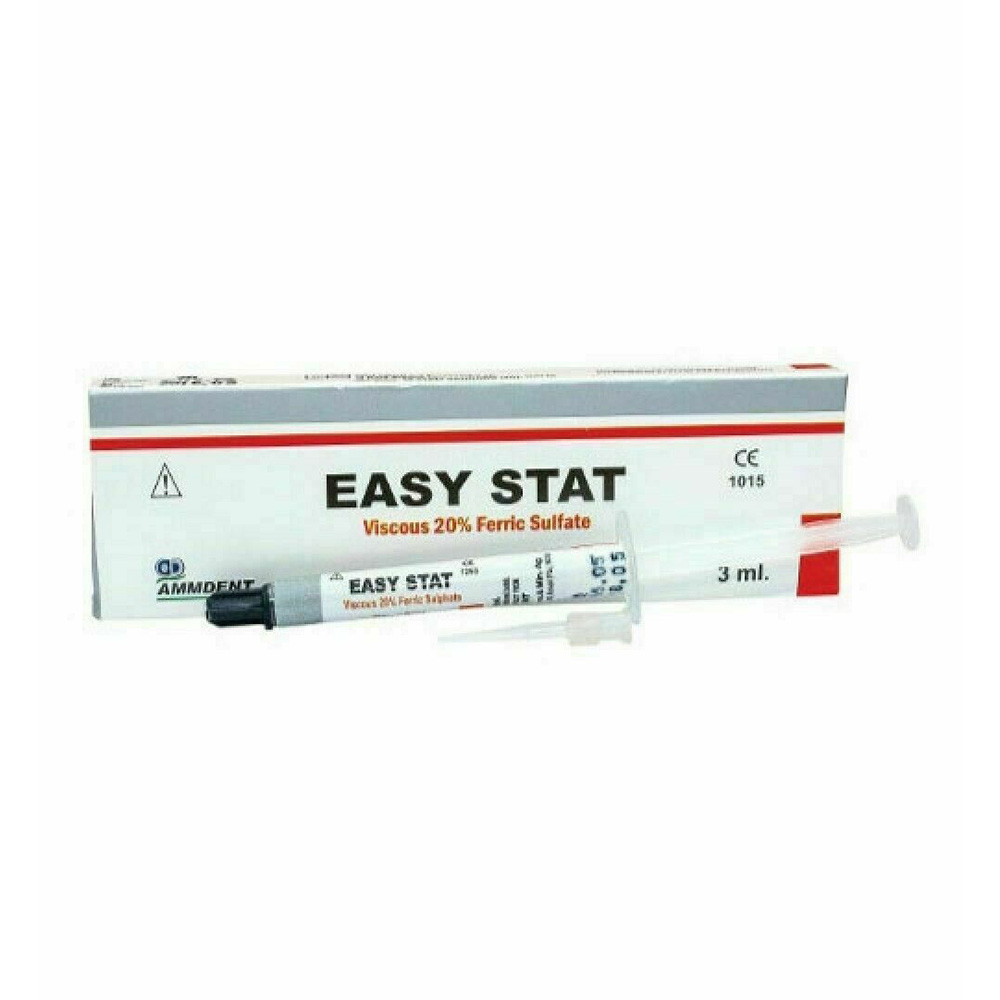
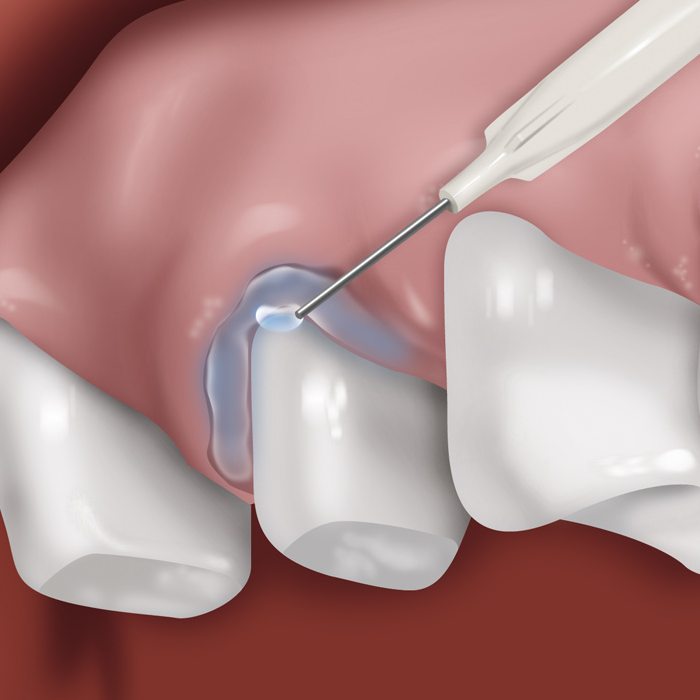
Easy Stat enables precise gingival retraction, simplifying dental procedures and ensuring clear impressions with ease.
293 517
gold coin5
View Similar Products
GDC He
GDC He
base, small, thumbnail, swatch
GDC He
GDC He
GDC He
4.0
(1)
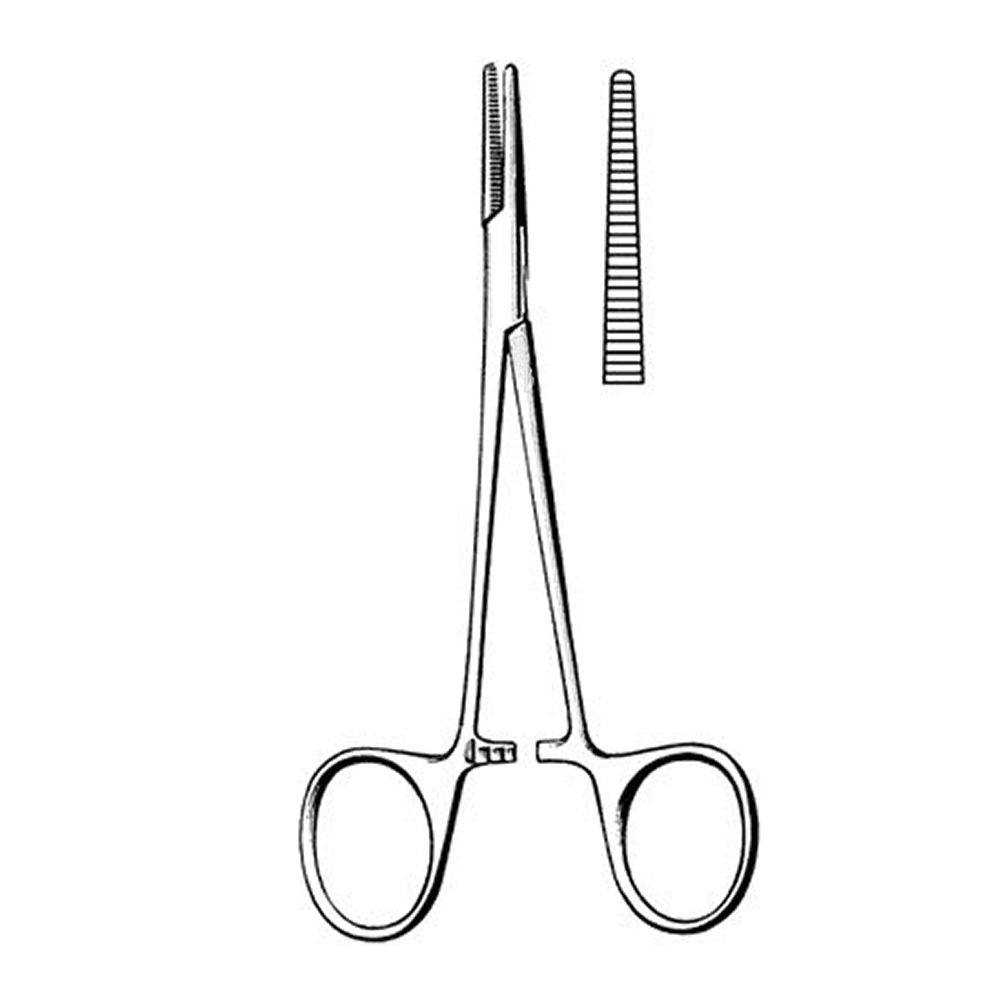
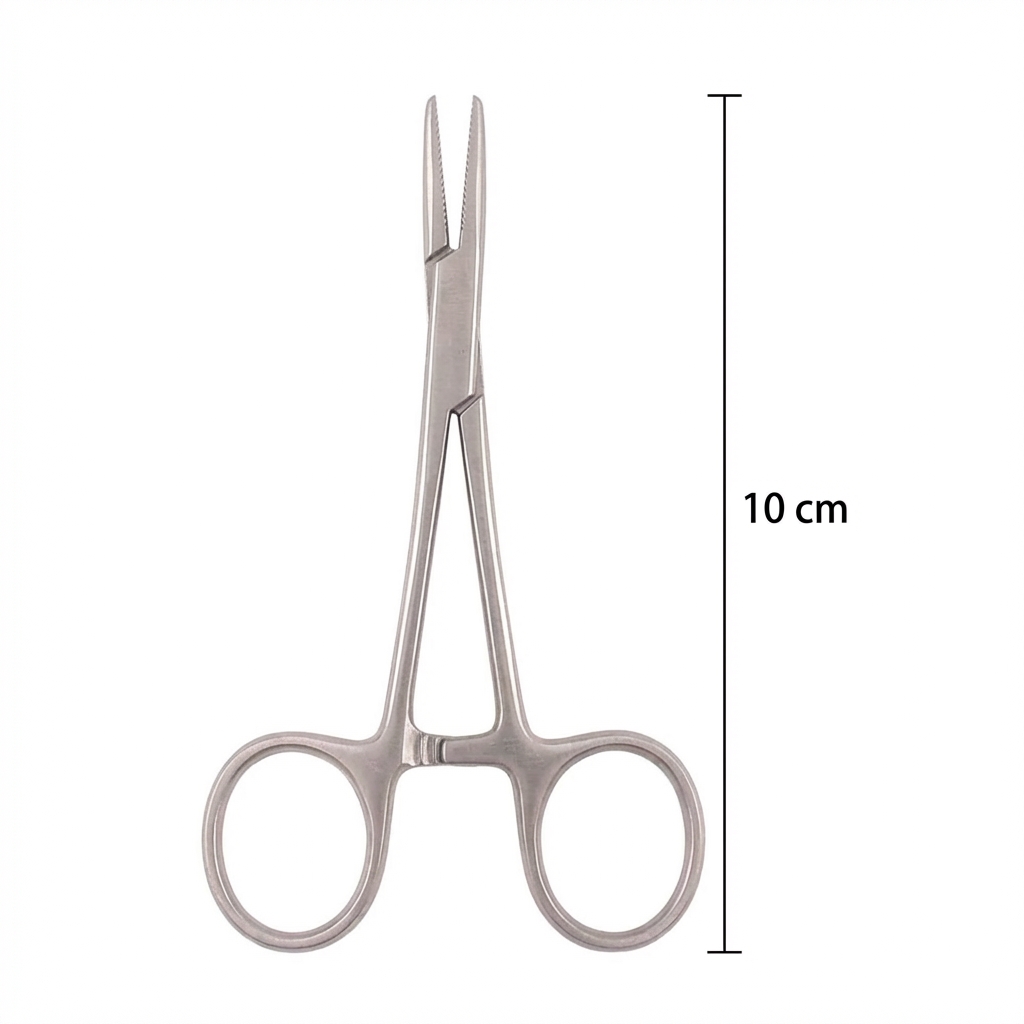
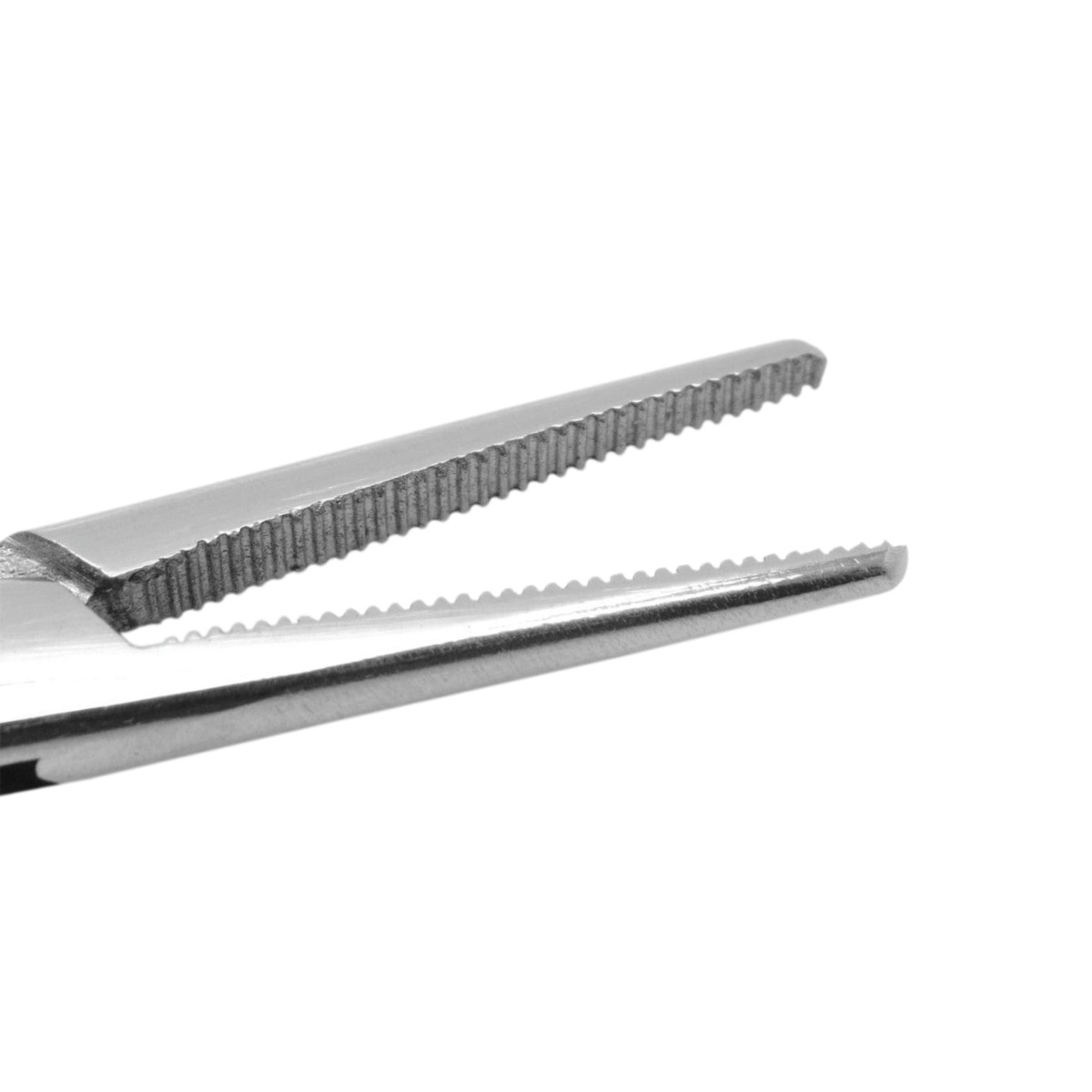
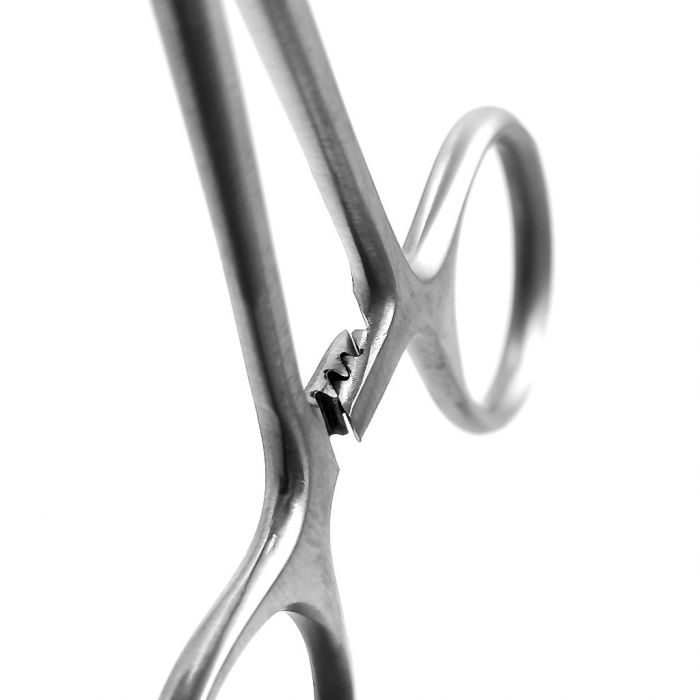
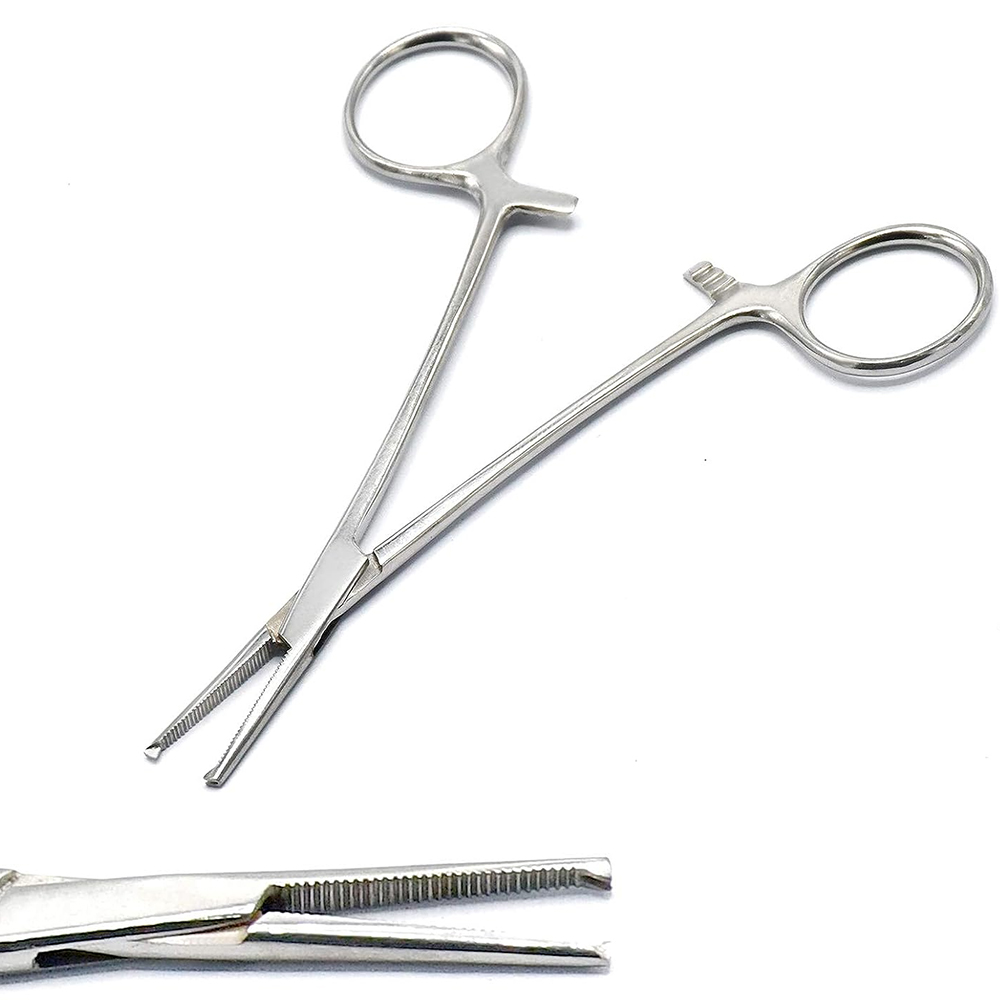
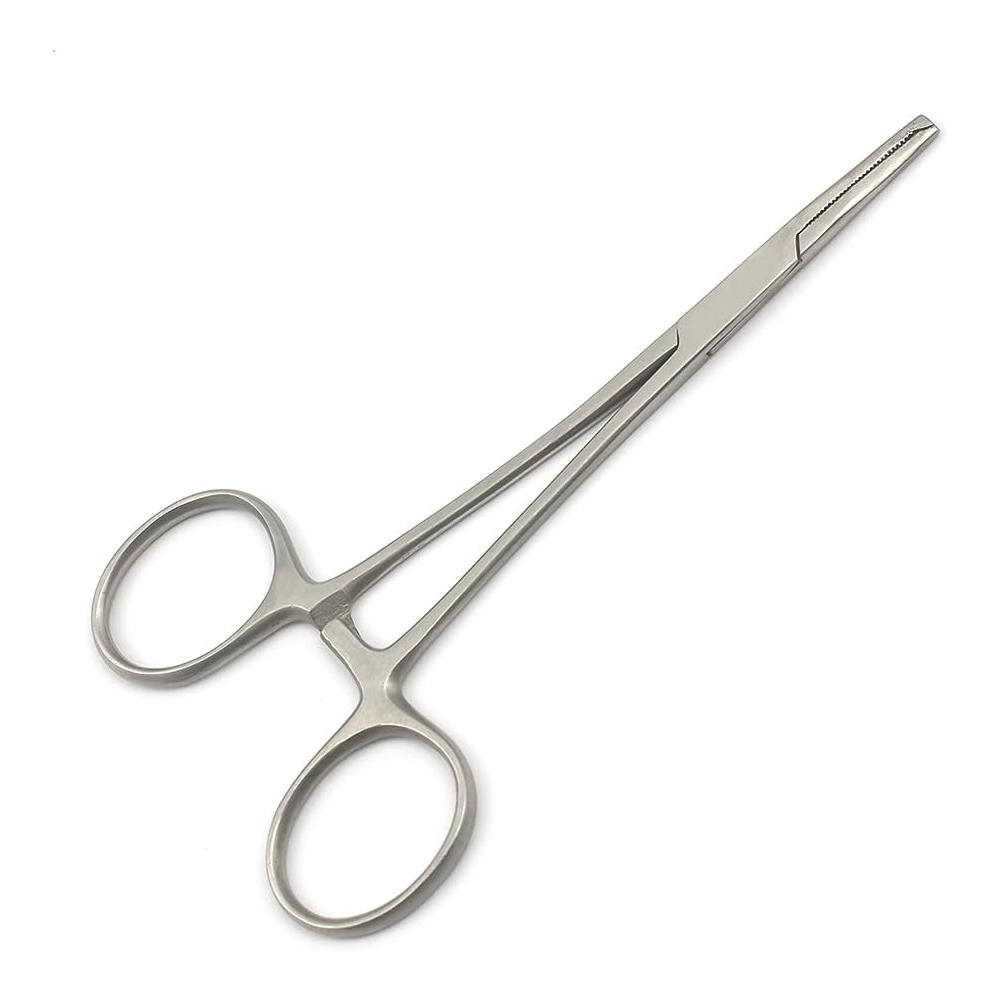
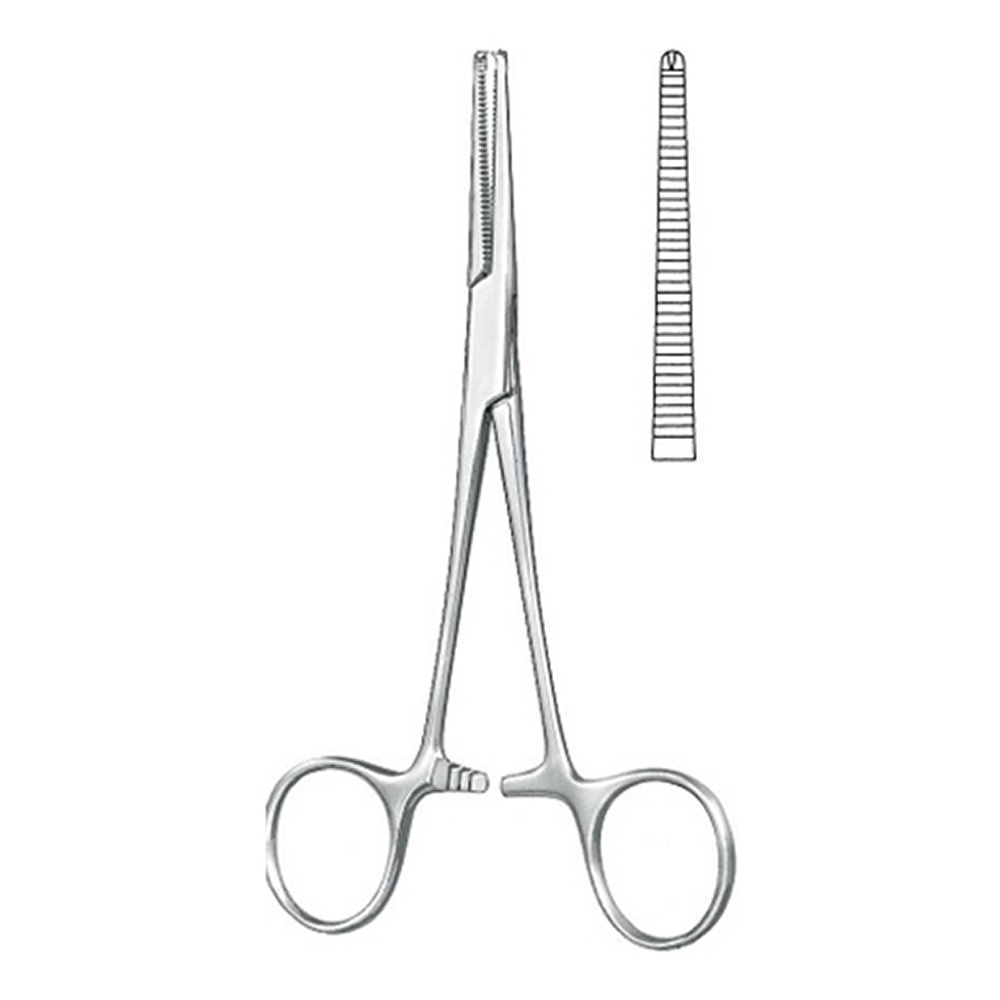
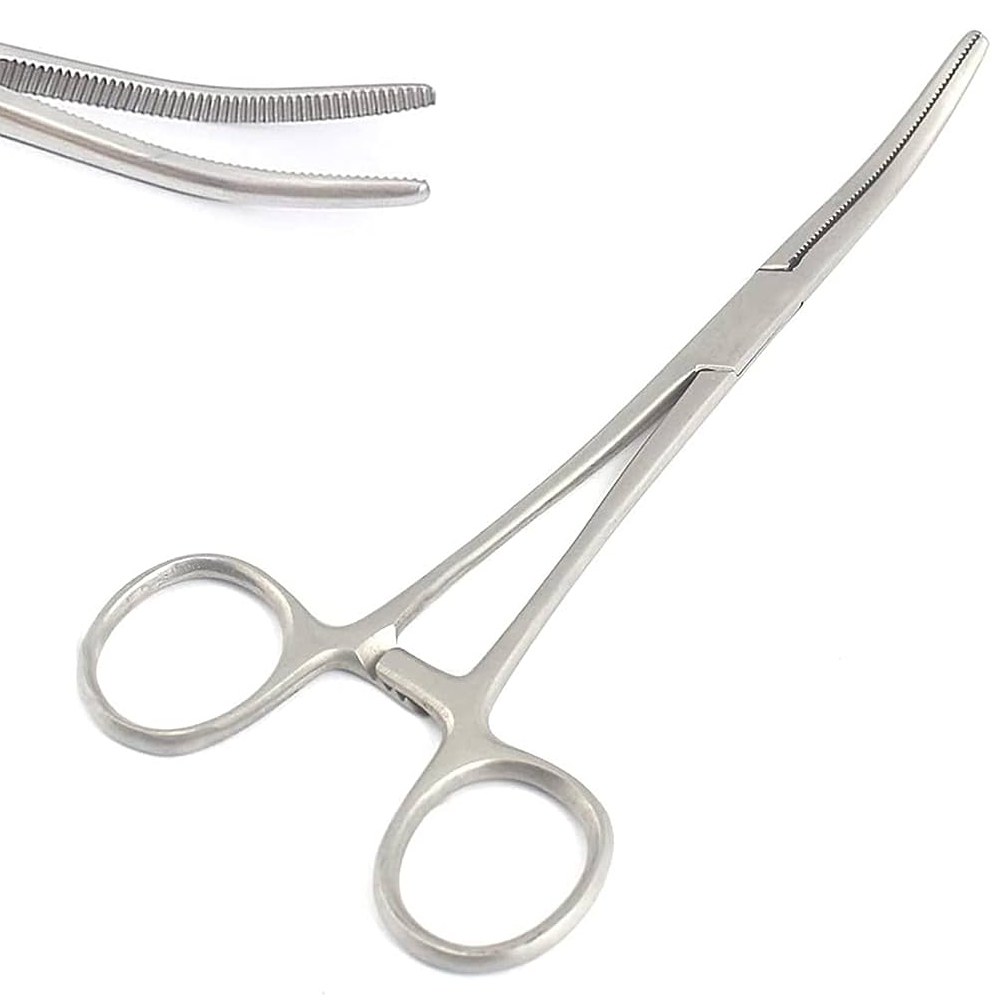
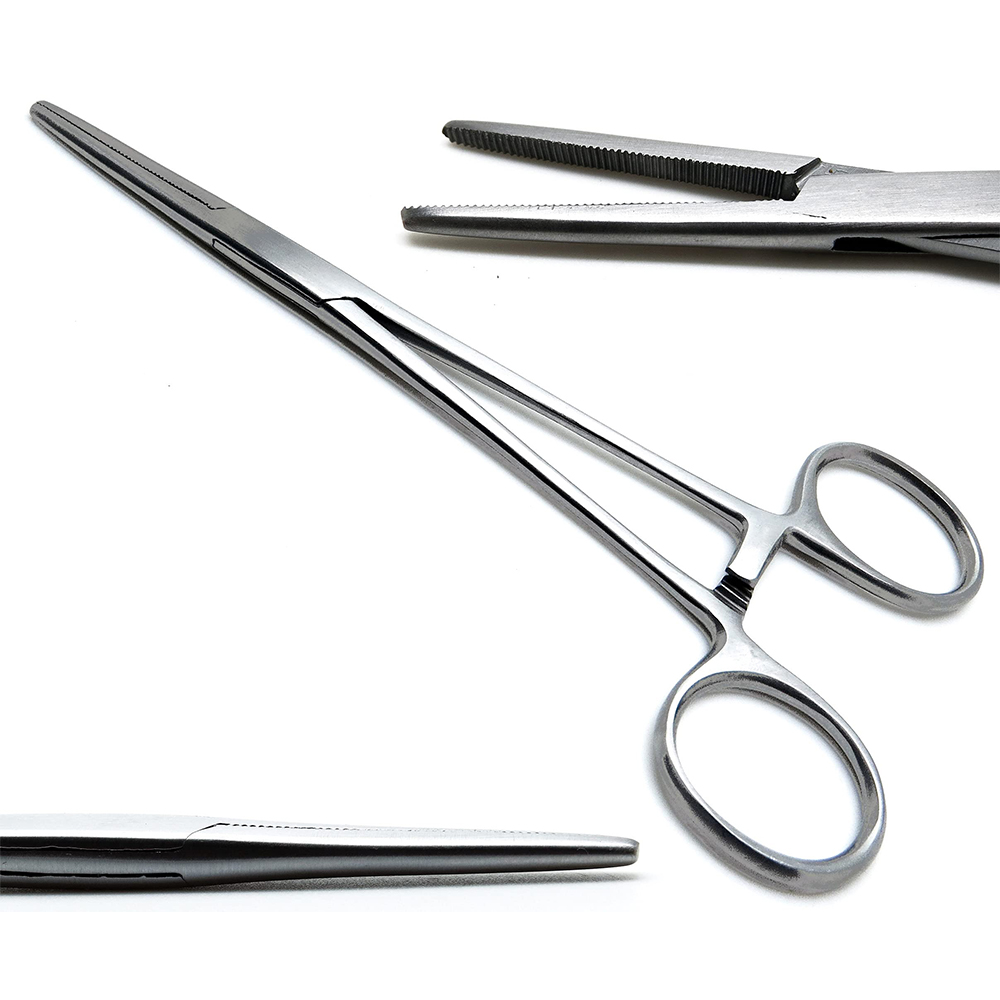
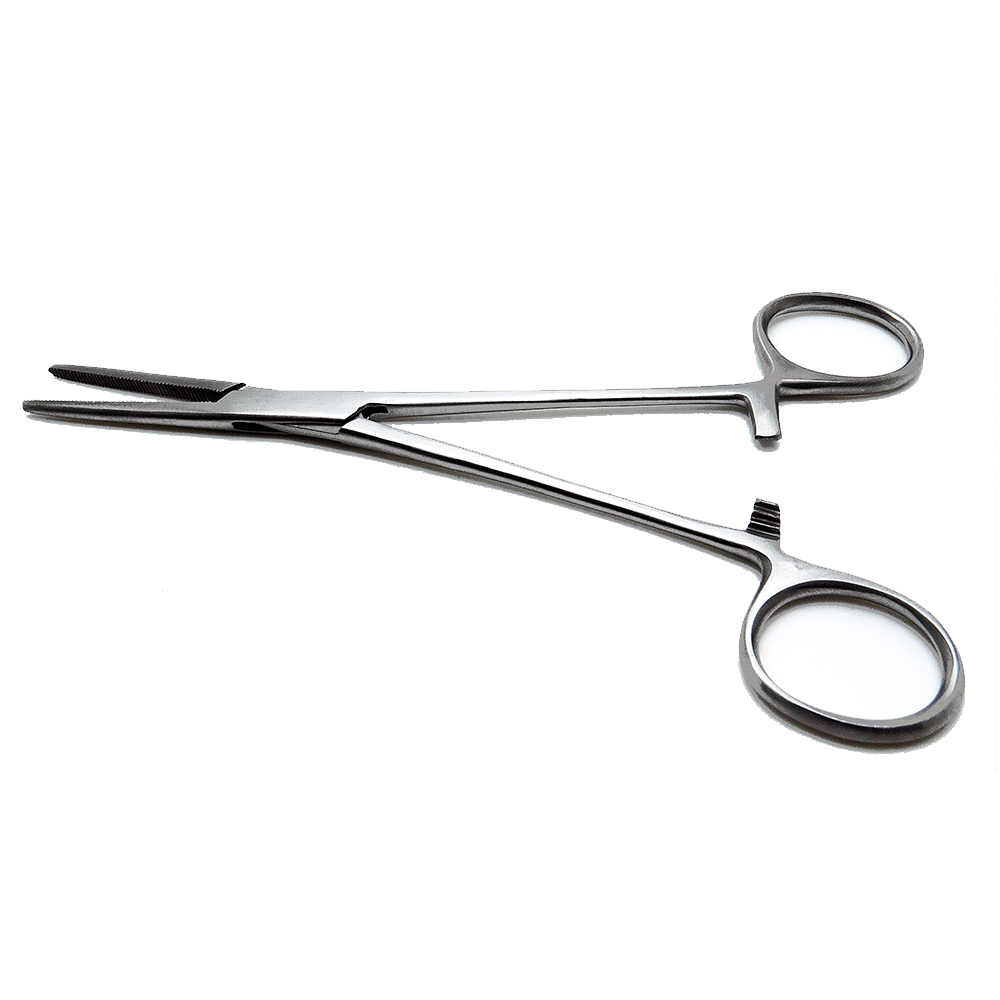
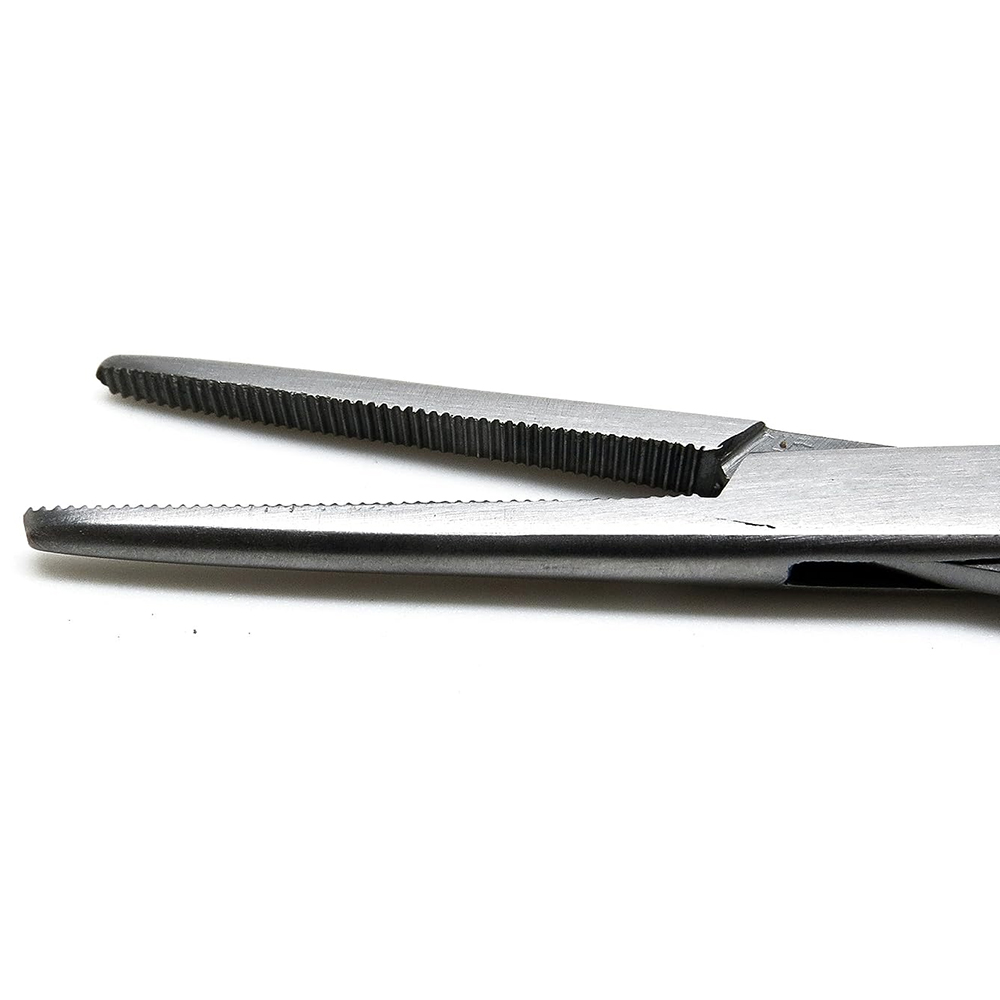
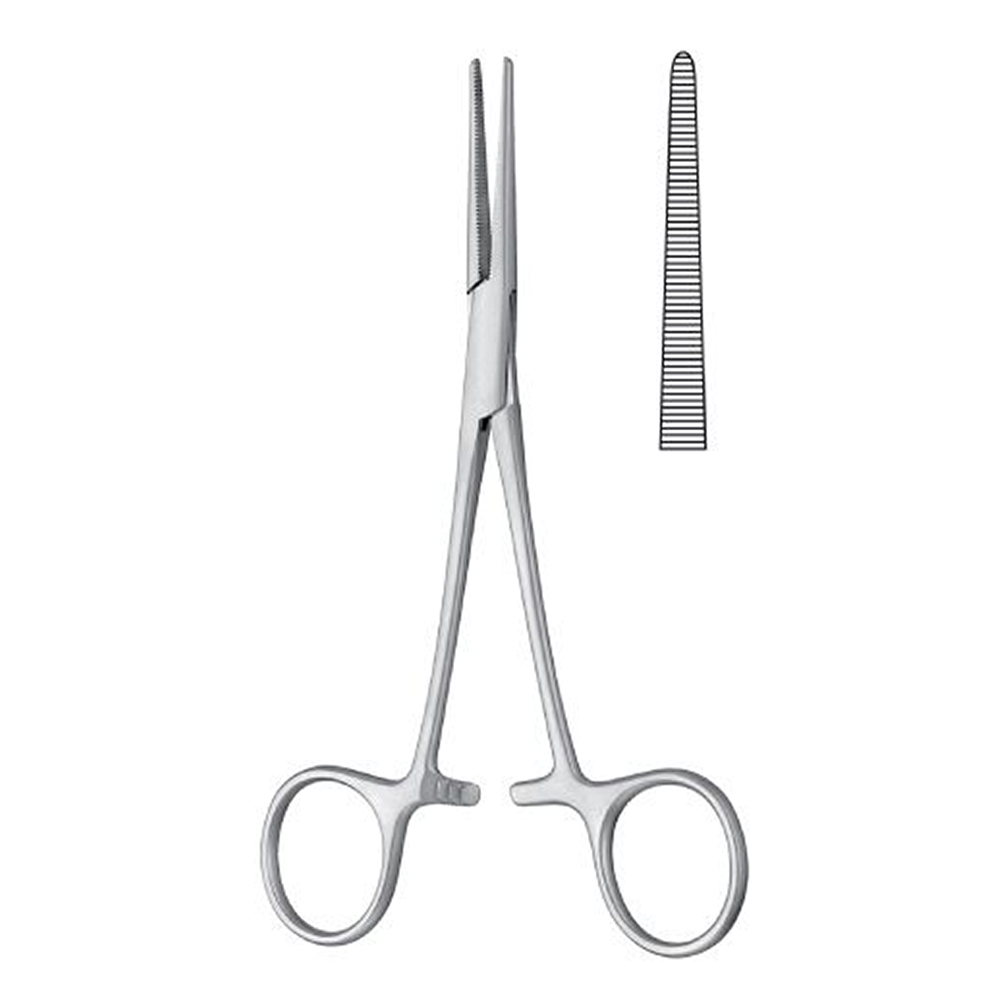
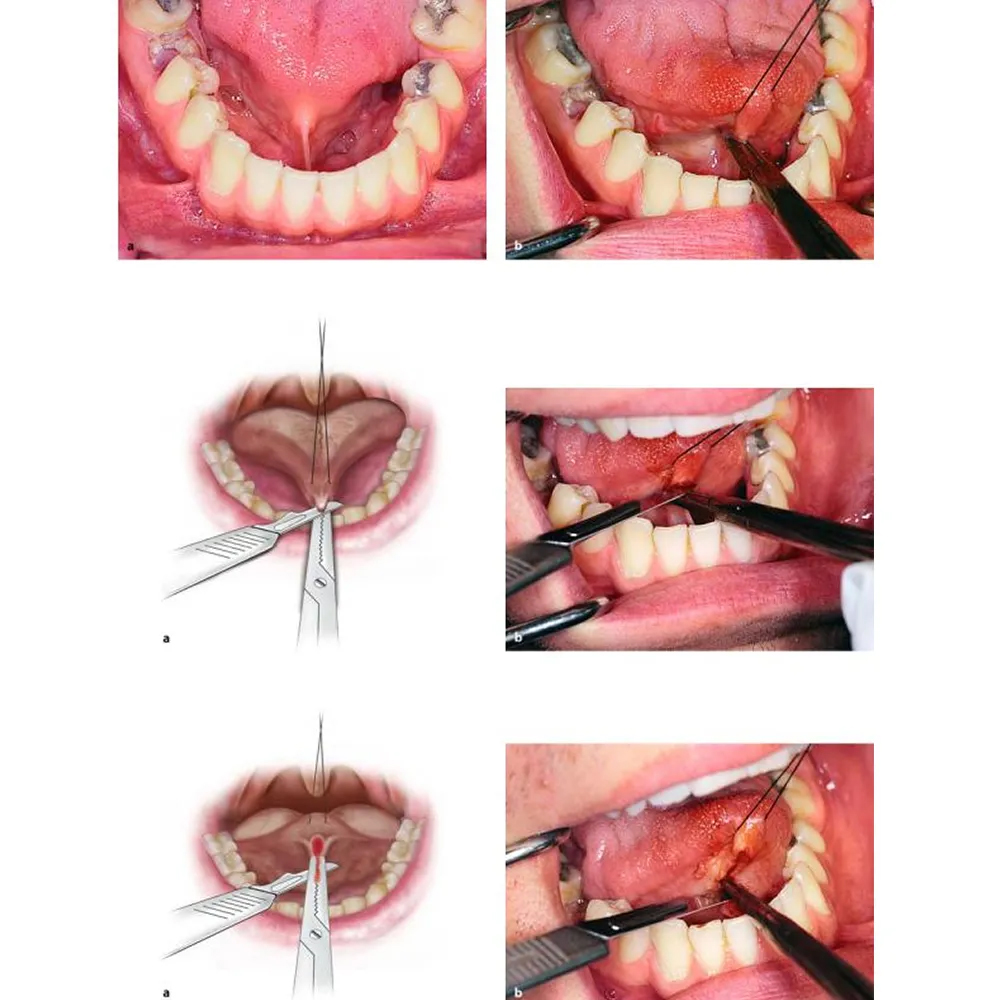
Straight Mosquito Artery Forceps with serrated blades and locking ratchet to clamp bleeding vessels or to grasp delicate tissues.
449 700
gold coin9
View Similar Products
GDC He
base, small, thumbnail, swatch
GDC He
GDC He
GDC He
GDC He

Only 5 Left

5.0
(1)
Straight Mosquito Artery Forceps with serrated blades and locking ratchet to clamp bleeding vessels or to grasp delicate tissues.
449 700
gold coin9
View Similar Products
GDC He
base, small, thumbnail, swatch
GDC He
GDC He
GDC He
GDC He
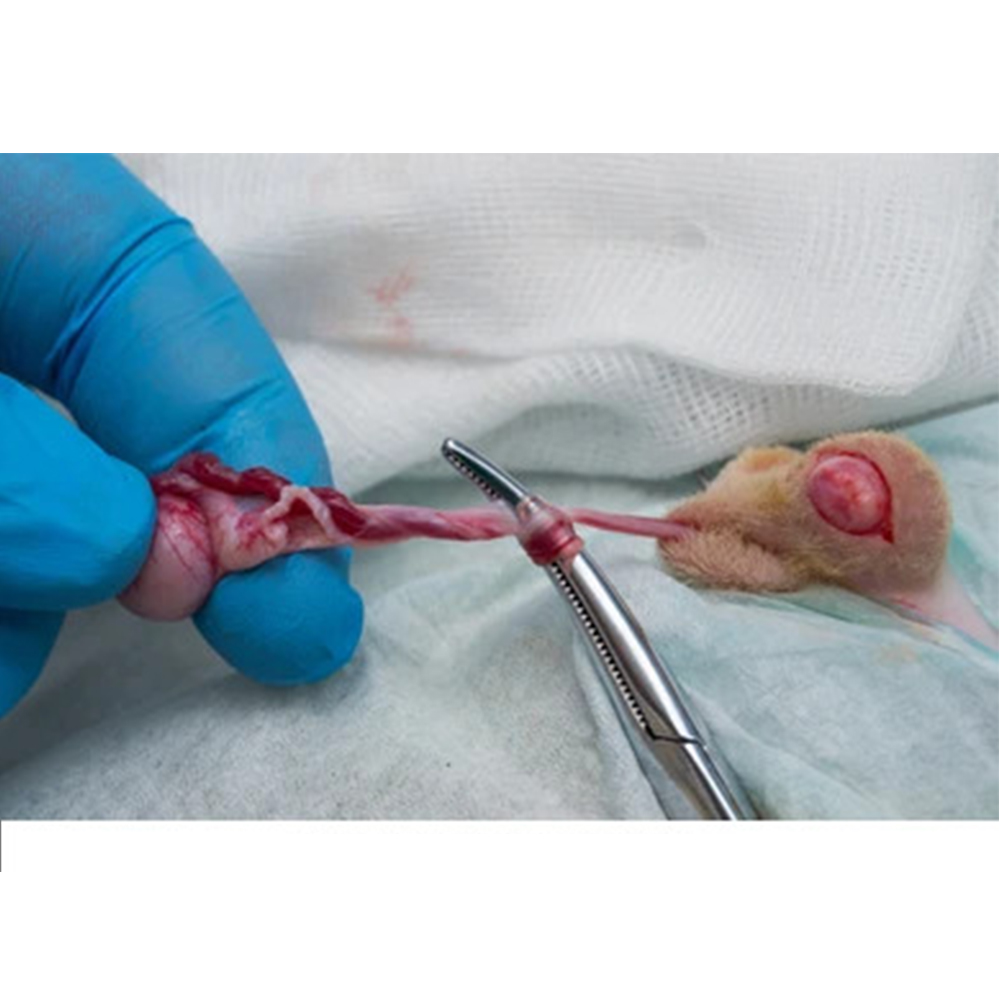
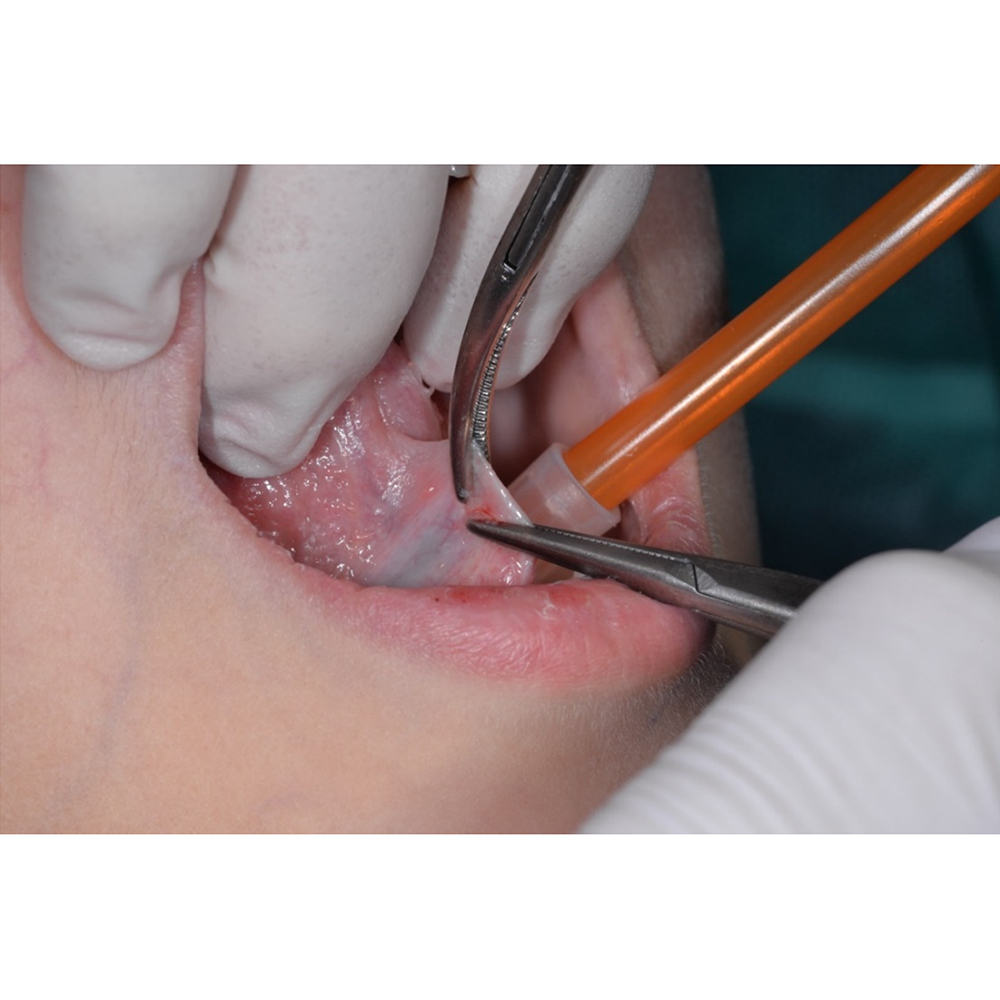
Crile Hemostat For Controlling Bleeding During Surgical Procedures
449 700
gold coin9
View Similar Products
GDC He
base, small, thumbnail, swatch
GDC He
GDC He
GDC He
GDC He

Only 4 Left

Crile Hemostat For Controlling Bleeding During Surgical Procedures
449 700
gold coin9
View Similar Products
GDC He
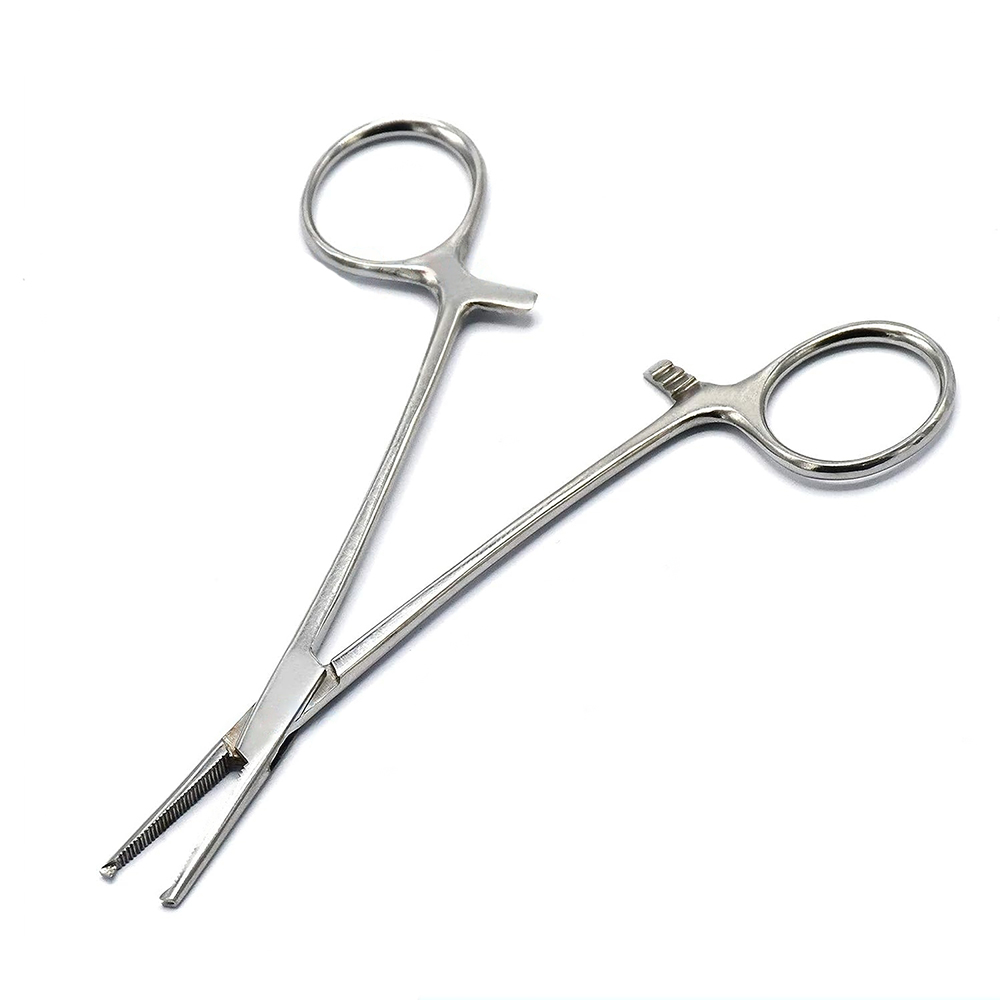
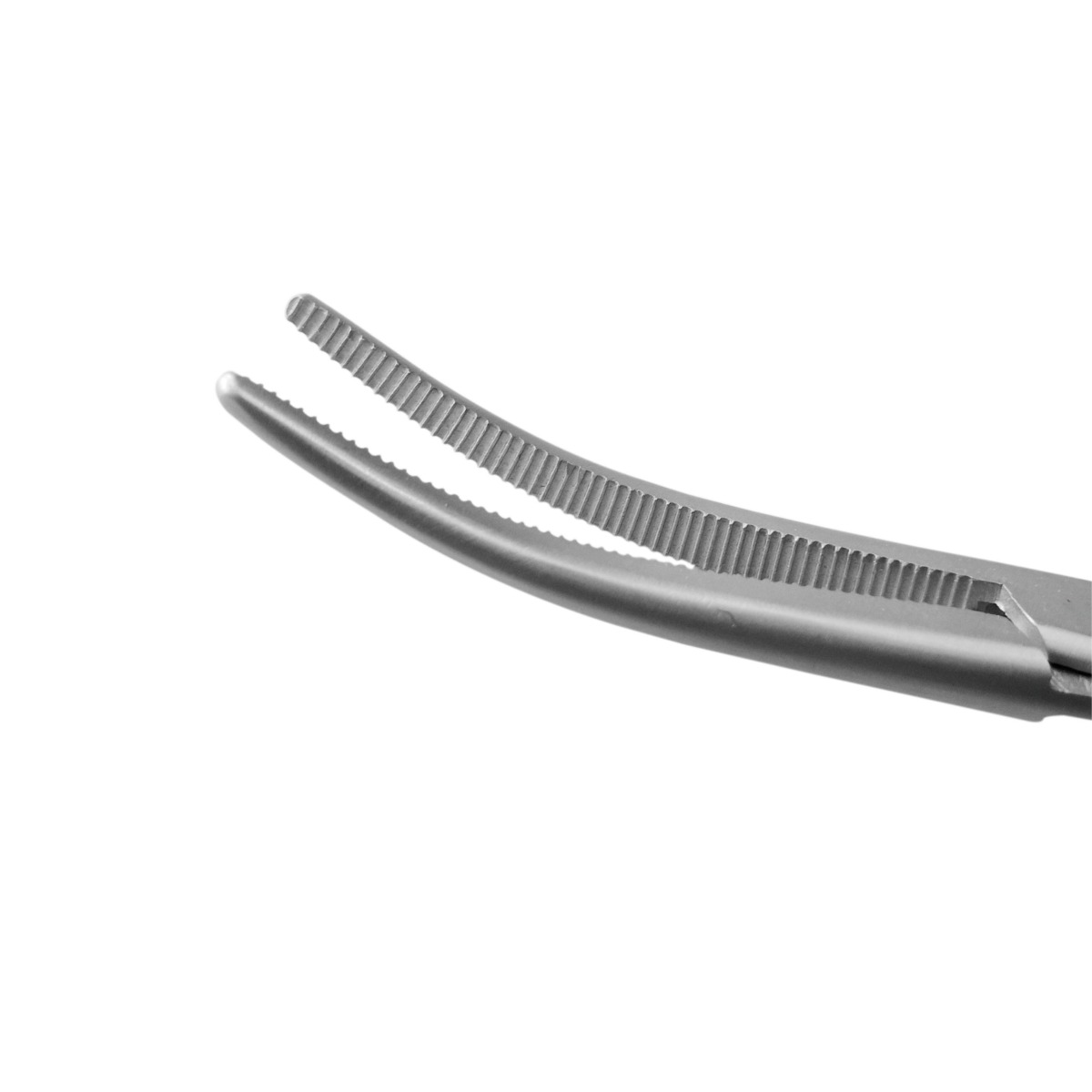
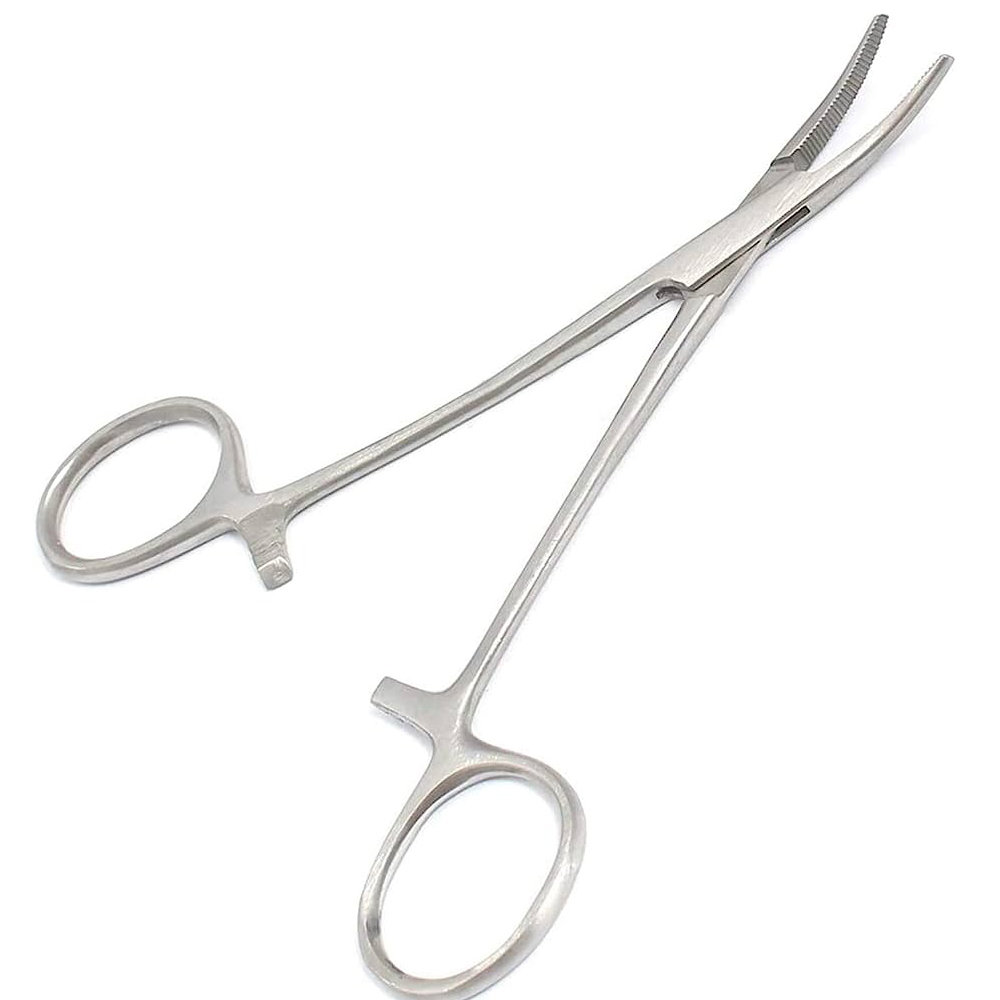
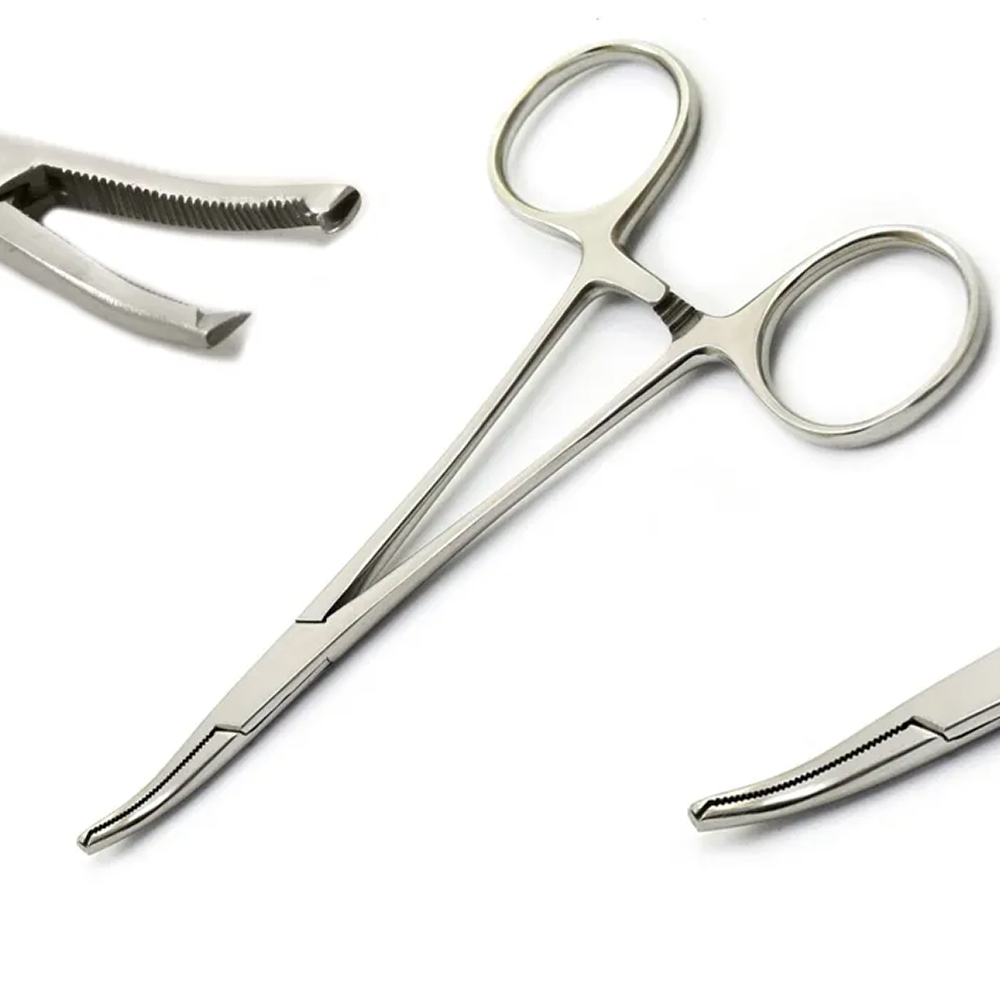
Curved Mosquito Artery Forceps with serrated blades and locking ratchet to clamp bleeding vessels or to grasp delicate tissues
449 700
gold coin9
View Similar Products
Ultrad

Only 1 Left

5.0
(1)
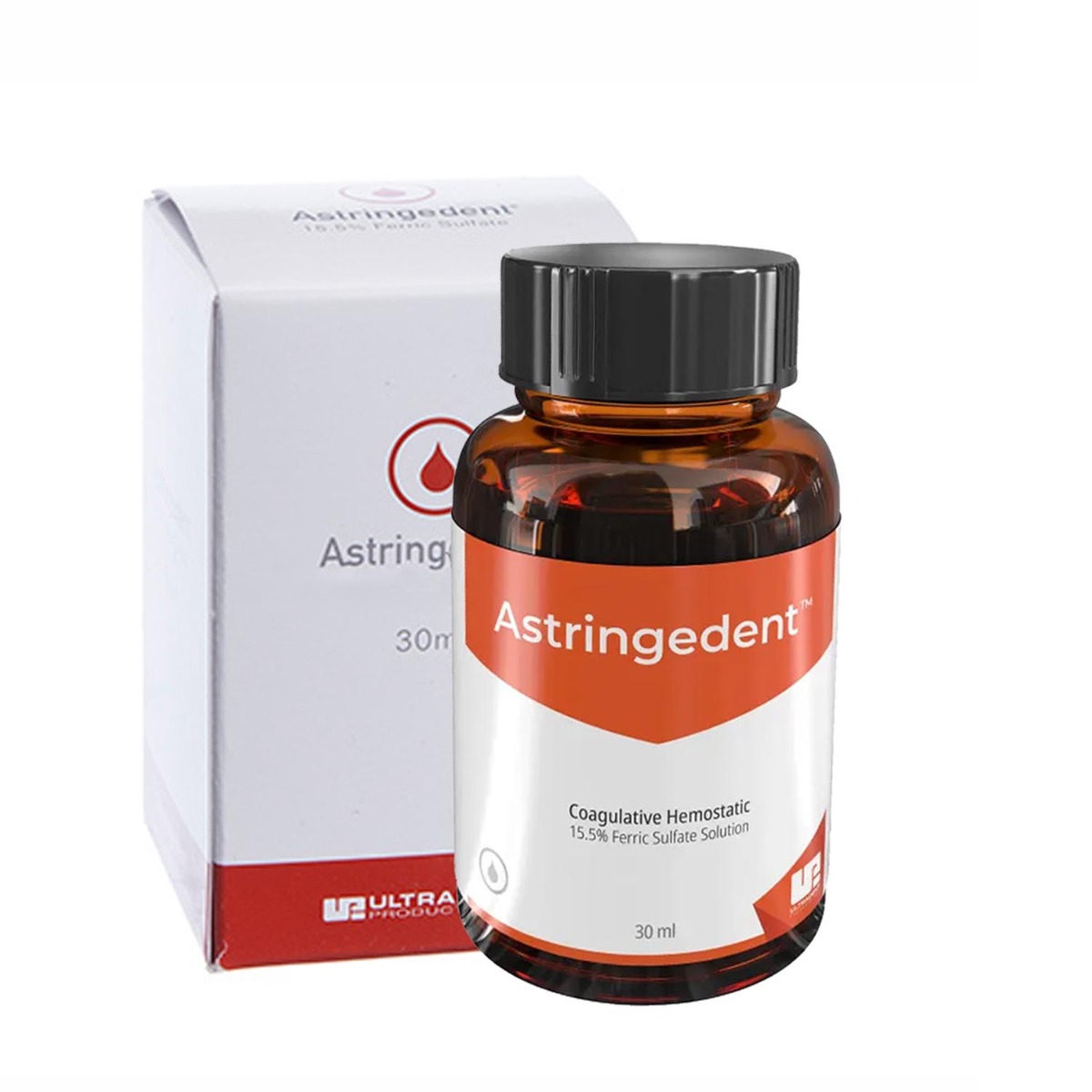
Astringedent provides rapid and profound hemostasis, making it perfect for soaking retraction cord, and it's also certified gluten-free.
5953 6260
gold coin57
View Similar Products
Ethico
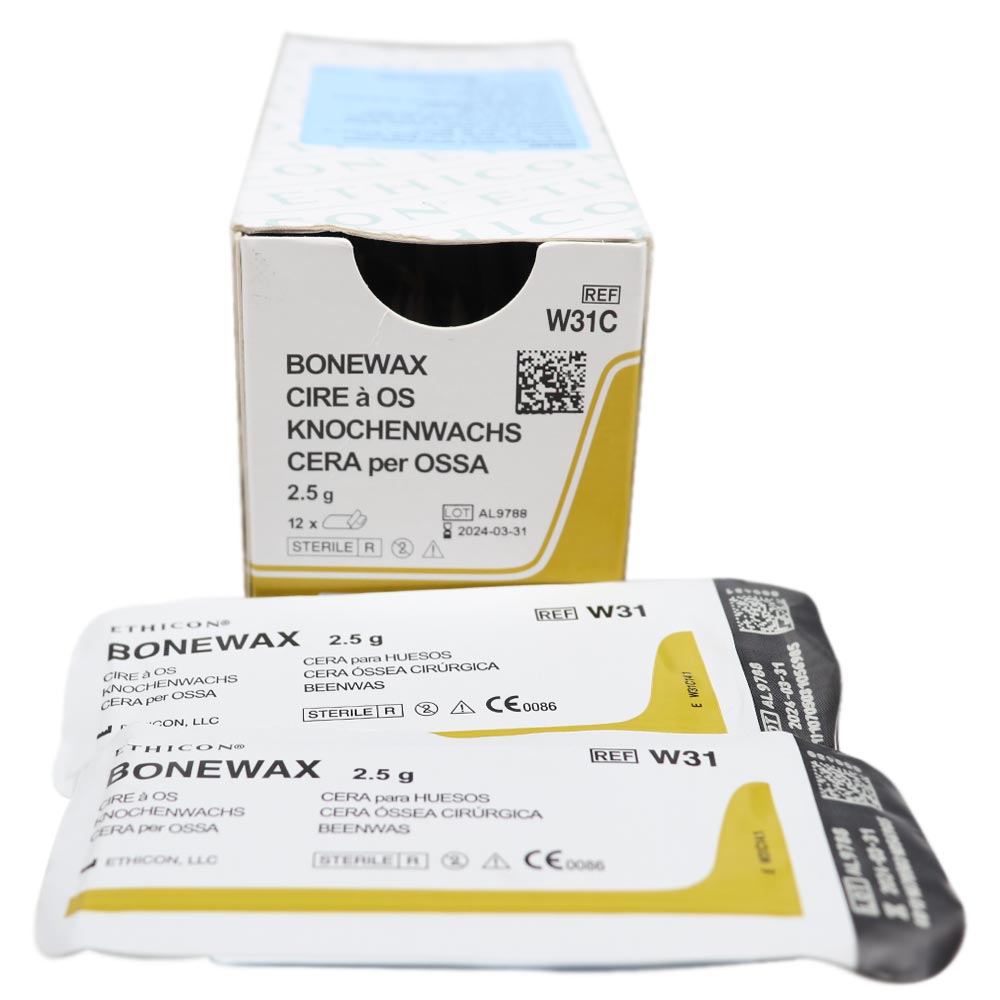
Effective hemostatic agent for surgical bone bleeding adheres and molds for precise control.
1613 3180
gold coin35
View Similar Products
Walden
4.7
(17)
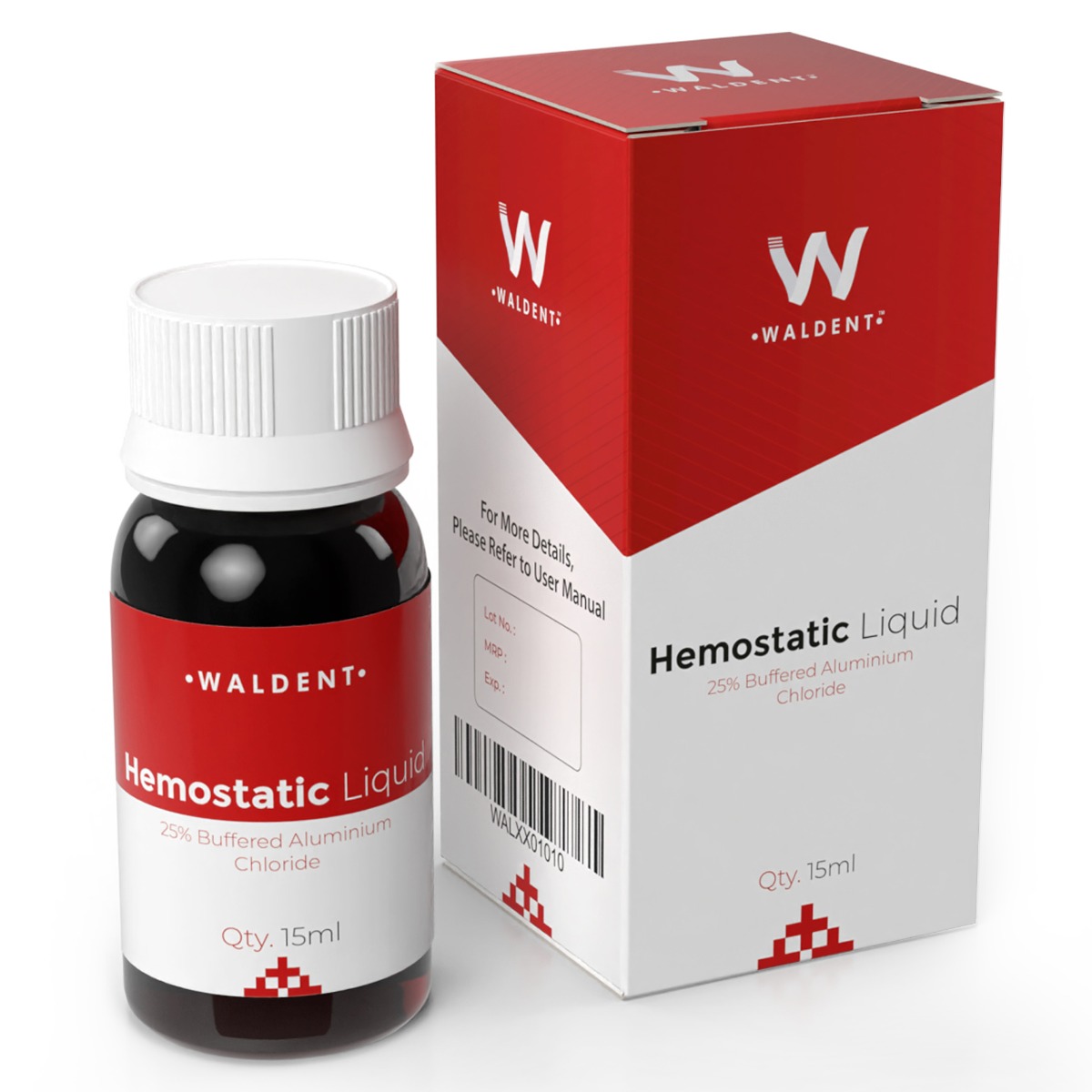
A hemostatic liquid consisting of 25% aluminium chloride for optimal gingival bleeding control.
130 860
gold coin5
View Similar Products
NOTIFY ME
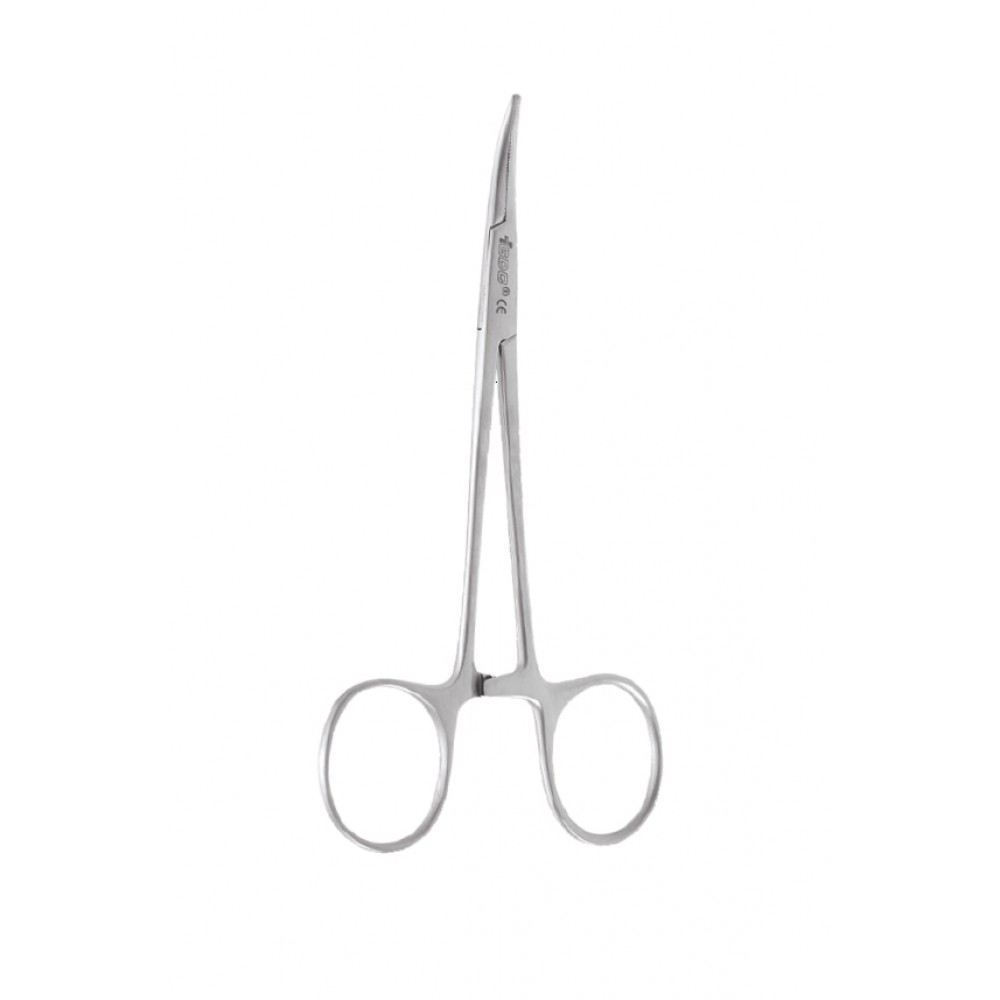
Curved, toothed mosquito artery forceps with locking ratchet to clamp bleeding vessels or to grasp delicate tissues
449 700
gold coin9
View Similar Products
NOTIFY ME
5.0
(1)
Curved Mosquito Artery Forceps with serrated blades and locking ratchet to clamp bleeding vessels or to grasp delicate tissues
449 700
gold coin9
View Similar Products
NOTIFY ME
4.5
(2)
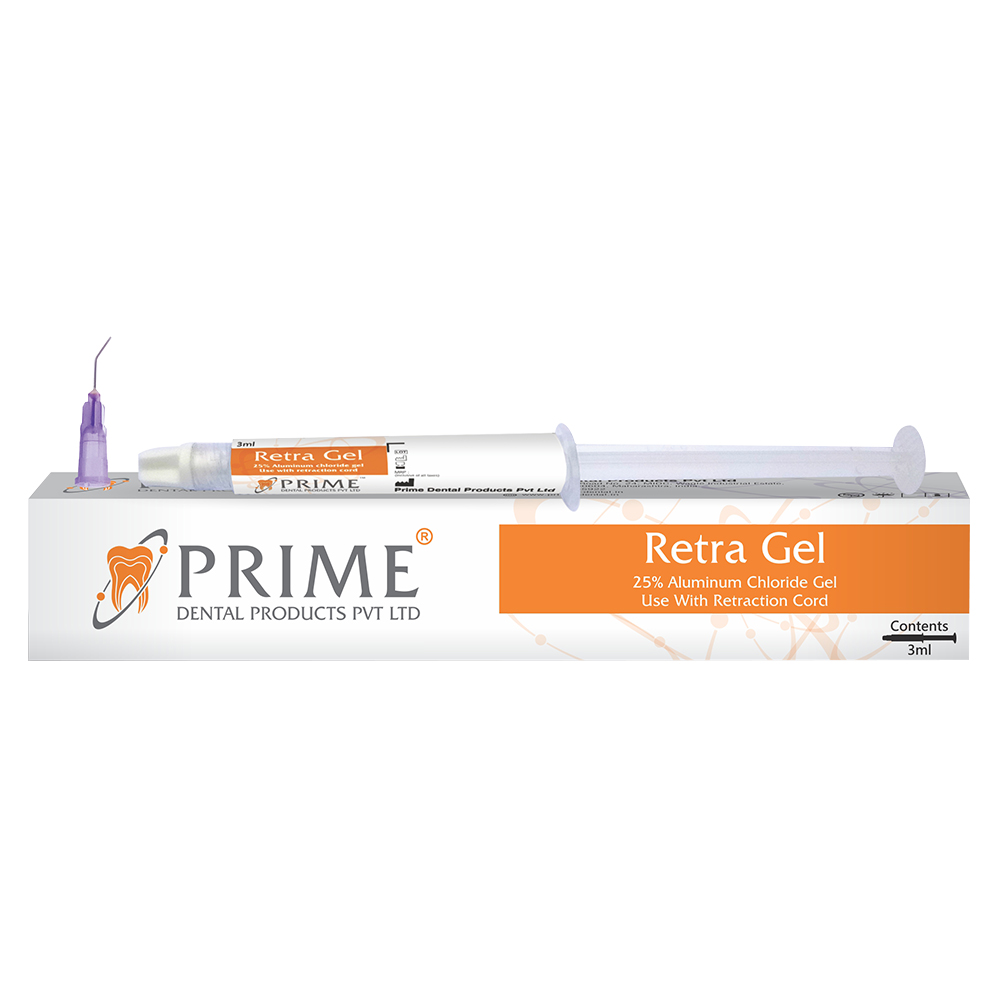
Dental Retra Gel, a 25% Aluminum chloride gel, facilitates precise sulcus retraction and bleeding control in dentistry.
130 160
gold coin1
View Similar Products
Filters
Sort By
Recommended
Stay Connected
15k+

Followers

ABOUT
Contact Us
About Us
Careers
CONTACT US
Investor Relations
Dealer Price Bulk Inquiry
Waldent Dealership
Sell on Dentalkart
HELP
Orders
Refunds
Payments
Rewards
POLICY
Return Policy
Terms of Use
Privacy
Sitemap
Our Warehouses: Gurugram, Delhi, Chennai.

2016-2026, VASA DENTICITY LIMITED

Crafted with in India

Our Payment Partners
gpay
paytm
rupay
phonepe
visa
masterCard
like
4.5
Average online rating