




Implant Models
4.3
A dental implant model is a physical replica of a jaw with implants placed in it, used to explain implant treatment to patients and to teach implantology to students. Models cover single implants, All-on-4 and bar overdentures, and full jaw or skull anatomy. They are demonstration models, not drillable surgical practice jaws.
Sort by - Recommended
 Recommended
 Price- High to LowPrice- Low to High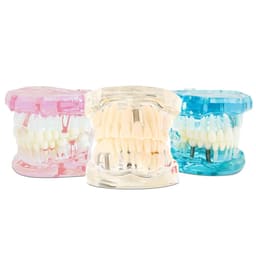

★ 4.4
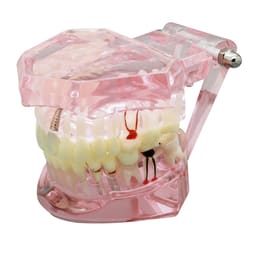
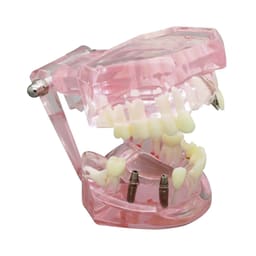
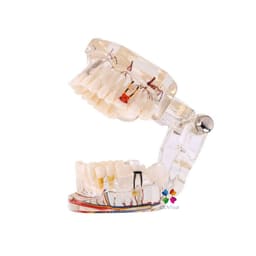
(5)Interactive crystal jaw model displaying diverse clinical findings and treatment options
Starting at₹ 1255
View Similar Products
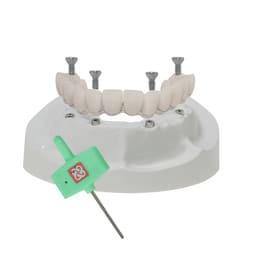
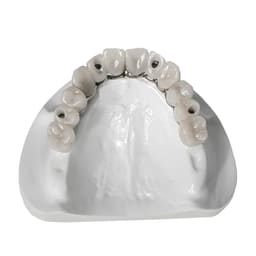
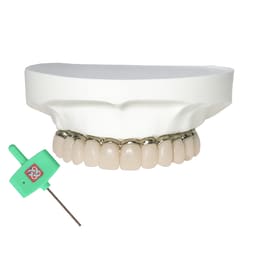
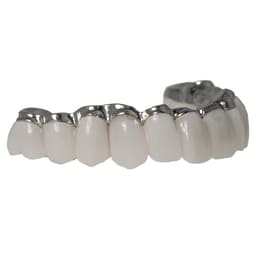
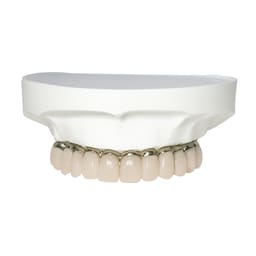

Educational upper jaw All-On-4 overdenture model for implant demonstration
₹ 8175₹ 195000
95.81% Off
 405
405View Similar Products
1.jpg?w=256)
2.jpg?w=256)

Only 3 Left
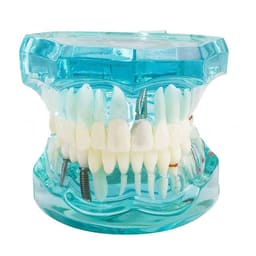
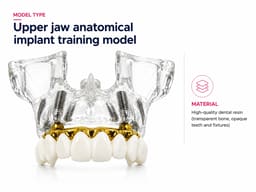
Transparent upper jaw model with pre-positioned implant fixtures for surgical training and planning.
₹ 5995₹ 7000
14.36% Off
View Similar Products
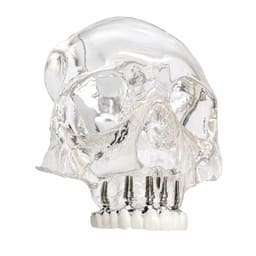
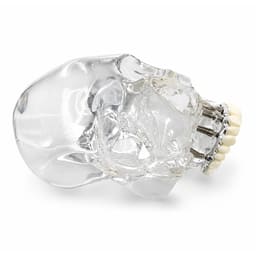
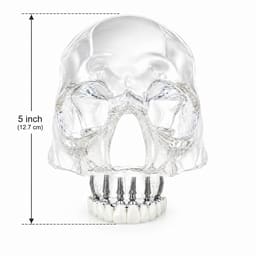
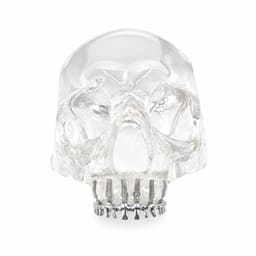
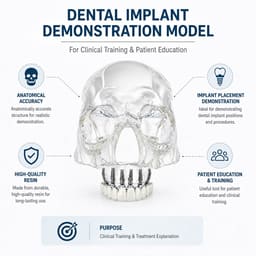
Anatomically accurate adult skull implant model for dental education, patient communication, and implant procedure demonstrations.
₹ 6995₹ 8000
12.56% Off
View Similar Products
★ 4.8
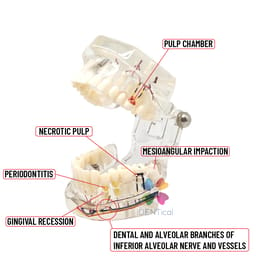
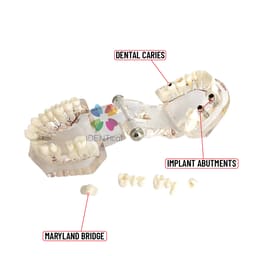
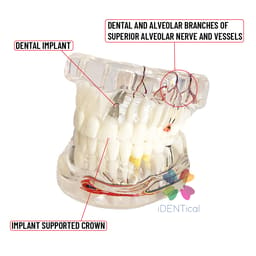
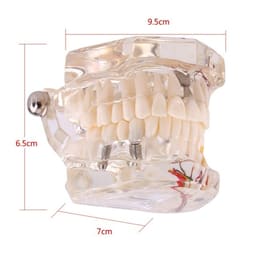
(18)Patient Education Model showing implants and other common treatment options
₹ 2050₹ 5500
62.73% Off
100View Similar Products


★ 5.0
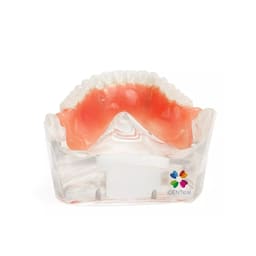
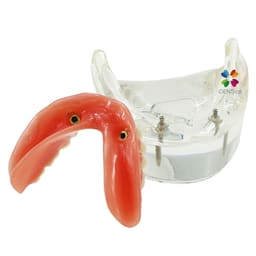
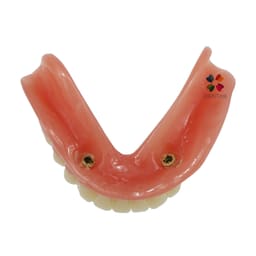
(3)Compact transparent model demonstrating 2-implant supported overdenture functioning
₹ 4080₹ 4500
9.33% Off
200View Similar Products
★ 4.0
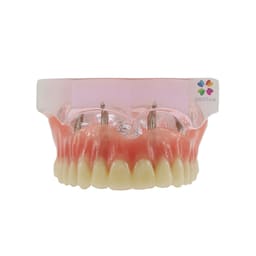
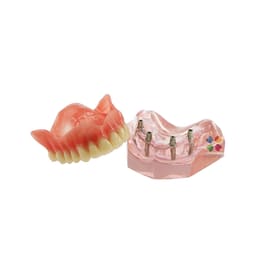
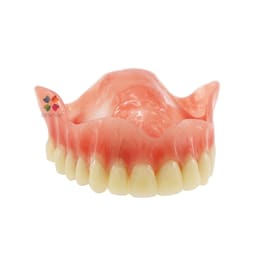
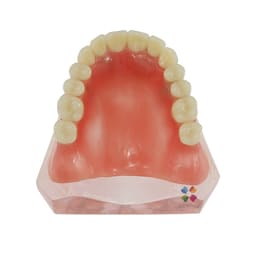
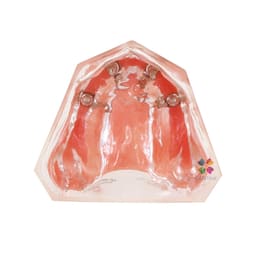
(3)Maxillary Overdenture explaining about overdenture in edentulous patients
₹ 3160₹ 5000
36.80% Off
63View Similar Products
★ 4.5
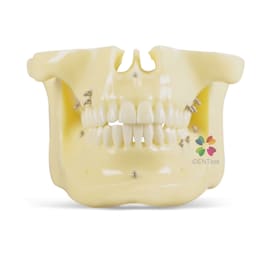
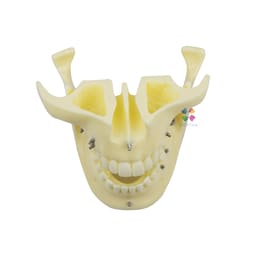
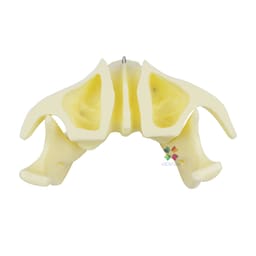
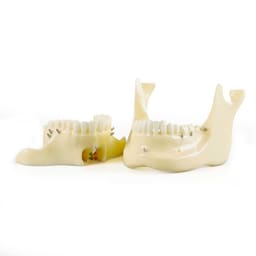
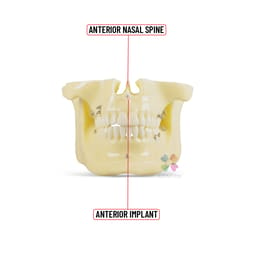
(2)Orthodontic mini implant model of maxilla and mandible showcasing strategic implant placements
₹ 8400₹ 9200
8.70% Off
420View Similar Products
Filters
Sort By
RecommendedDental Implant Models — for Explaining, Teaching and Case Acceptance
Implants are hard to say yes to. They are expensive, they involve surgery, and the patient cannot picture what they are buying.
A model solves that in about ten seconds. Hand someone an All-on-4 jaw and let them turn it over, and the thing stops being an abstraction. They can see where the implant sits in the bone, how the denture clips on, why four posts can hold a full arch.
That is what these models are for. Two jobs, really:
- Explaining treatment to a patient, chairside, before they commit.
- Teaching implantology to a student, where a diagram in a textbook is not enough.
What kind of model do you need?
- Selling a full-arch case — an All-on-4 or overdenture model.
- Explaining anatomy and implant position — a jaw or skull model.
- Teaching the procedure step by step — a sequence model.
- General chairside patient education — a mixed-pathology model.
Overdenture and All-on-4 models
The largest part of this range, and the most useful chairside — because full-arch cases are the ones patients most need convincing about.
The All-on-4 Overdenture Model shows how four angled implants carry a complete arch. It answers the question every edentulous patient asks: how can so few implants hold all of that?
Attachment type matters too, and it is easier shown than described. The implant model with a silver bar demonstrates bar-retained overdentures, where the denture clips onto a bar rather than onto individual attachments.
The range also covers mandibular overdentures on two and four implants — the common, affordable starting point for a lower denture that will not stay put.
Jaw and skull models
These show the implant in its anatomical context: the bone it sits in, the sinus above it, the nerve below it.
That context is what makes a patient understand why a graft is needed, or why an implant cannot simply go where the tooth used to be. The skull implant model puts the implant in the whole craniofacial picture; separate upper-jaw and lower-jaw models cover each arch on its own.
Teaching and sequence models
For students and for the clinic that likes to explain the whole journey.
The Steps for Implant model lays out the stages of an implant case side by side — from the osteotomy through to the restored crown. It is one of the clearest teaching aids in the range, because the entire process is visible at once instead of being described in sequence.
For general chairside use, a combined patient education model covering caries, nerves and an implant in one piece is enough to carry most conversations without a shelf full of models.
Why buy implant models from Dentalkart
These are demonstration models — pre-built and sealed, meant to be handled and shown. They are not drillable surgical trainers, and they are not sold as such.
That distinction matters, because it changes what you should judge them on: how clearly they read across a table, how well they survive being passed between hands, and whether the implant sits where an implant really sits.
Every model here lists what it shows and how many implants it carries, so it can be matched to the conversation you are actually having. The systems and components they depict are stocked in implants, and the rest of the chairside explaining kit is in patient education.
Frequently Asked Questions (FAQs):
What is a dental implant model used for?
A dental implant model is a physical replica of a jaw with implants in place, used to explain implant treatment to patients and to teach implantology to students. Chairside, it turns an abstract, expensive procedure into something the patient can hold and understand — which is why models are used heavily in case presentation.
Can I practise drilling and implant placement on these models?
No. The models in this range are demonstration and teaching models — pre-built and sealed, intended to be shown and handled rather than drilled. They are not hands-on surgical practice jaws, so they cannot be used to rehearse osteotomy preparation, implant insertion or suturing.
Which implant model is best for explaining All-on-4 to a patient?
An All-on-4 overdenture model is the clearest option. It shows how four implants, two of them angled, support a complete arch — which is the single thing edentulous patients struggle to believe. Letting the patient handle it does more for case acceptance than any diagram or animation.
What is the difference between a jaw model and a skull model?
A jaw model shows one arch and focuses on the implant, the surrounding bone and the restoration. A skull implant model places the same implant in the full craniofacial context, including the sinus and nerve pathways — which makes it far better for explaining why a sinus lift or a bone graft is needed.
How long do dental implant models last?
Implant models are built for repeated handling and last for years of regular chairside and classroom use. They are moulded from durable resin rather than assembled from delicate parts, so the usual failure is a lost removable component such as a detachable denture, not breakage of the model itself.