

Intracanal Medicaments
4.8
Placed inside the root canal between appointments via a NaviTip-style cannula at working length, intracanal medicaments are antibacterial Ca(OH)₂, iodoform-blended or phenolic pastes that disinfect dentinal tubules, dissolve residual pulp tissue and prepare the canal for definitive obturation. Dentalkart stocks Ultradent, Maarc, Metapex and other intracanal medicament brands.
Sort by - Recommended
 Recommended
 Price- High to LowPrice- Low to High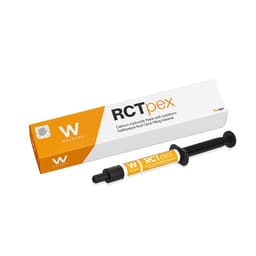

★ 4.7
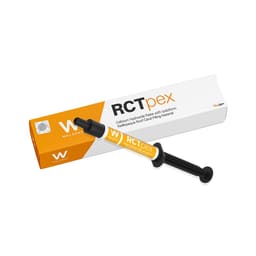
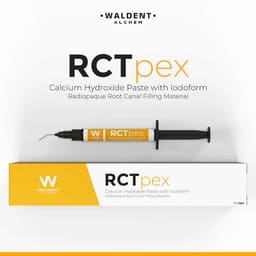
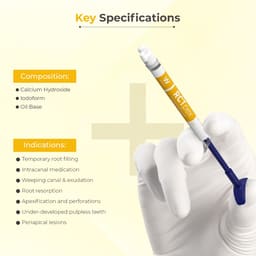
(19)Calcium Hydroxide paste with lodoform
₹ 565₹ 880
35.80% Off
 25
25View Similar Products
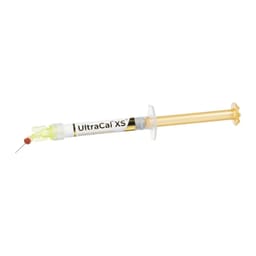
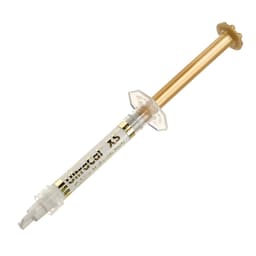
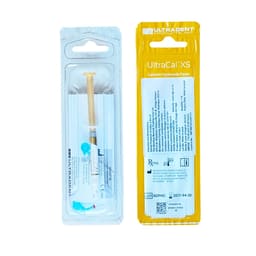
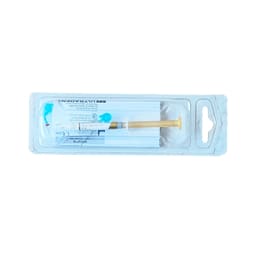
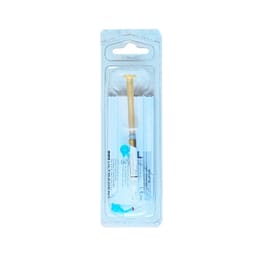
Radiopaque calcium hydroxide paste with high pH, ideal for root resorption and apexification dressing
₹ 719₹ 770
6.62% Off
7View Similar Products
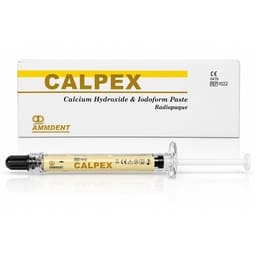
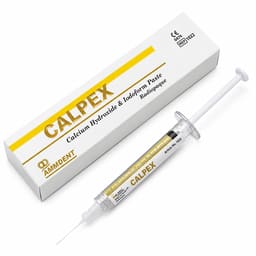
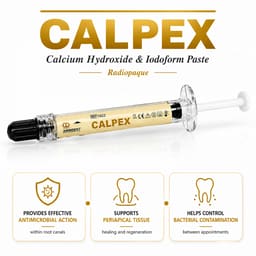
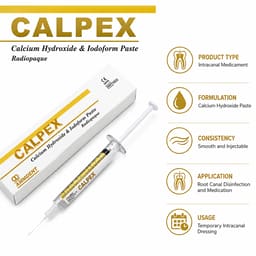
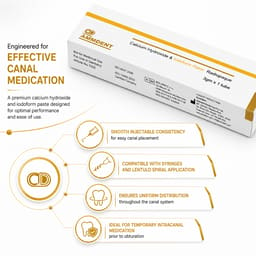
Calcium hydroxide intracanal paste for effective root canal disinfection and periapical healing
₹ 652₹ 895
27.15% Off
7View Similar Products
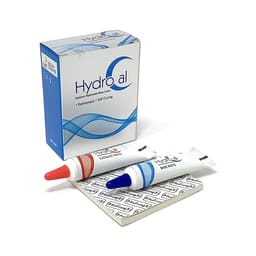
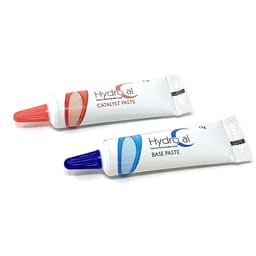
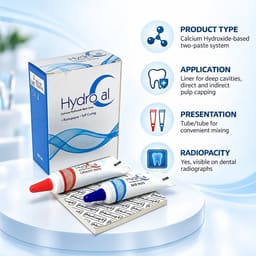
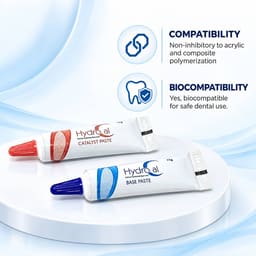
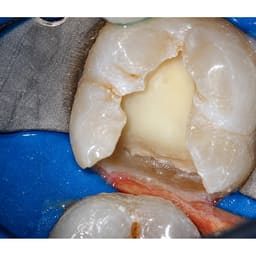
27.94% Off
11View Similar Products

View Similar Products
★ 5.0
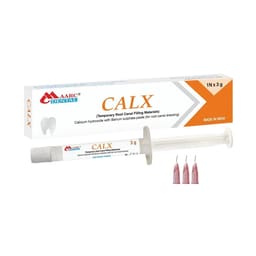
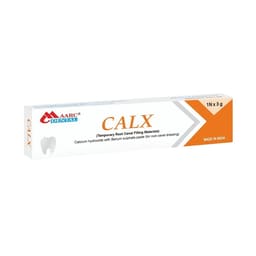
(5)Premixed water-based calcium hydroxide paste with barium sulphate for root canal dressing and filling
₹ 130₹ 250
48.00% Off
3View Similar Products
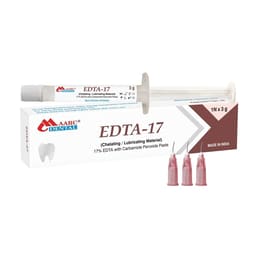
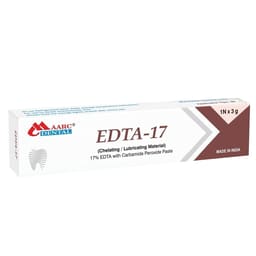
Water-soluble EDTA paste for effective root canal cleaning, lubrication, and debris removal
₹ 130₹ 250
48.00% Off
3View Similar Products
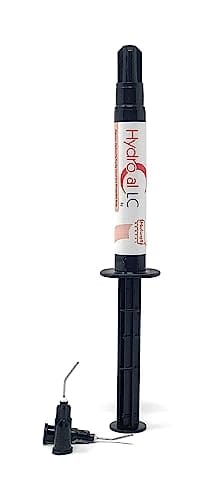
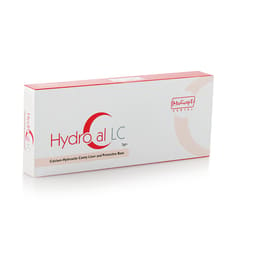
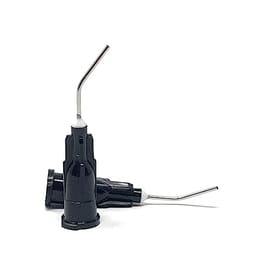
★ 5.0
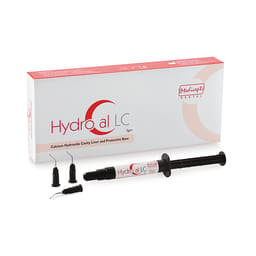
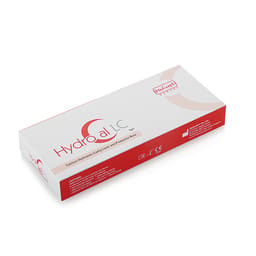
(2)Light Cure Calcium Hydroxide Cavity Liner
₹ 1116₹ 1550
28.00% Off
11View Similar Products
Filters
Sort By
RecommendedEndodontic Intracanal Medicaments
Endodontic intracanal medicaments are antibacterial pastes, gels and solutions placed inside the root canal between appointments to disinfect the dentinal tubules, reduce intracanal microbial load and prepare the canal for definitive obturation. Calcium hydroxide (Ca(OH)₂) is the classical workhorse — its alkaline pH 12.5 dissolves residual pulp tissue, denatures bacterial endotoxin and supports apical hard-tissue formation in immature teeth. Other medicaments include phenolic compounds (Buckley's formocresol, CMCP), iodoform-enhanced calcium hydroxide pastes (Metapex) and chlorhexidine gels for cases unresponsive to Ca(OH)₂ alone. Dentalkart stocks the Ultradent UltraCal XS alongside Maarc, Metapex, SafeEndo, HydroCal, PD, IDS Denmed and Waldent intracanal medicament options.
Types of Intracanal Medicaments
Calcium Hydroxide Pastes (Pre-Mixed Syringes)
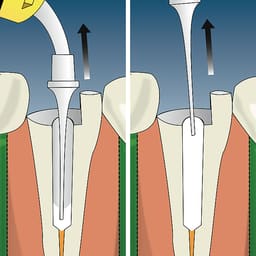
Pre-mixed calcium hydroxide syringe pastes such as the Maarc Calx combine Ca(OH)₂ with barium sulphate for radiopacity and a watery vehicle for chair-side syringe delivery via a NaviTip-style cannula directly to working length, eliminating the powder-water mixing step of traditional Ca(OH)₂ powder.
Calcium Hydroxide with Iodoform (Metapex-Style)
Ca(OH)₂ + iodoform combinations such as the Metapex add iodoform for enhanced radiopacity and antibacterial activity, preferred for retreatment cases, persistent periapical pathology and primary-molar pulpectomy fillings where resorbable obturation is needed.
Phenolic Antiseptics & Cresol-Based Liquids
Phenolic antiseptics such as the PD Endoseptone, Buckley's Formocresol and CMCP (camphorated monochlorophenol) are used on cotton-pellet carriers placed in the pulp chamber between appointments for cases needing rapid intracanal disinfection, though their use has declined in favour of Ca(OH)₂ in modern endodontic practice.
Powder Ca(OH)₂ & Premium Branded Pastes
Loose Ca(OH)₂ powder (Waldent Calcium Hydroxide Powder) for operators who prefer to mix the paste fresh, alongside premium UltraCal XS syringe pastes from Ultradent — covering both the traditional powder-water and the modern pre-mixed syringe formats for chair-side intracanal medicament placement.
When Are Intracanal Medicaments Used?
Intracanal medicaments are used between appointments of multi-visit root canal treatment to maintain canal disinfection during the inter-appointment period, particularly in cases with persistent periapical pathology, large periapical lesions, internal-resorption defects and immature open-apex teeth where Ca(OH)₂'s hard-tissue-forming action is needed. They follow canal shaping with the standard endodontic file sequence and pair with EDTA irrigation for smear-layer removal before medicament placement.
How to Choose the Right Intracanal Medicament
Pick pre-mixed calcium hydroxide syringe pastes (UltraCal XS, Maarc Calx) for routine multi-visit endodontic cases — fastest chair-side workflow with predictable working-length placement via cannula tip. Choose Ca(OH)₂ + iodoform combinations (Metapex) for retreatment cases, primary-molar pulpectomy obturation and persistent periapical pathology where radiopacity matters. Reserve phenolic antiseptics for legacy protocols requiring fast intracanal disinfection in single-visit cases.
Brands of Intracanal Medicaments at Dentalkart
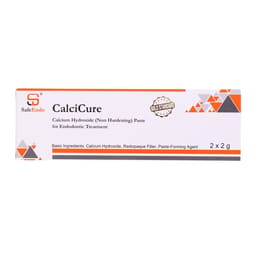
The catalogue features Ultradent UltraCal XS premium Ca(OH)₂ syringe paste, the Maarc Calx Ca(OH)₂-with-barium-sulphate paste, Metapex Plus Double Ca(OH)₂-with-iodoform, SafeEndo Calcicure and Hydrocal LC, PD Endoseptone phenolic antiseptic, Vishal Dentocare CMCP, Dentgist Buckley's Formocresol, Anabond Dentocal-I, IDS Denmed DM-Pex, Prime Dental RC Cal, Waldent Calcium Hydroxide Powder, Ammdent LC-Cal Excel and Meta MD Cleanser — covering Ca(OH)₂ syringe, Ca(OH)₂ + iodoform, phenolic and powder formats across premium imported and Indian-OEM brands.
Why Buy Intracanal Medicaments from Dentalkart
Dentalkart sources endodontic intracanal medicaments directly from authorised manufacturers including Ultradent, Maarc, Metapex (Meta), Waldent and PD, with batch-coded packaging, cash-on-delivery, GST invoices and 110000+ pincode coverage across India. Practices can pair medicaments with the wider endodontic Root Canal Sealers catalogue for complete inter-appointment-to-obturation supply in one bulk order.
Frequently Asked Questions (FAQs):
What is an endodontic intracanal medicament?
An endodontic intracanal medicament is an antibacterial paste, gel or solution placed inside the root canal between appointments to disinfect the dentinal tubules, reduce intracanal microbial load and prepare the canal for definitive obturation. Calcium hydroxide is the classical workhorse, with phenolic and iodoform-blended alternatives used for specific clinical scenarios.
Why is calcium hydroxide the most-used intracanal medicament?
Calcium hydroxide is the most-used intracanal medicament because its alkaline pH 12.5 dissolves residual pulp tissue, denatures bacterial lipopolysaccharide endotoxin, kills most endodontic pathogens (including E. faecalis with prolonged contact) and supports apical hard-tissue formation in immature open-apex teeth — making it the broad-spectrum choice for multi-visit endodontic treatment.
What is the difference between Ca(OH)₂ paste and Ca(OH)₂ with iodoform?
The difference between Ca(OH)₂ paste and Ca(OH)₂ with iodoform is the iodoform addition: pure Ca(OH)₂ pastes (UltraCal XS, Maarc Calx) work via the alkaline pH only and are preferred for permanent-tooth multi-visit endodontics, while Ca(OH)₂ + iodoform pastes (Metapex) add iodoform for stronger radiopacity and antibacterial activity, preferred for retreatment and primary-molar pulpectomy obturation.
How long should an intracanal medicament stay in the canal?
An intracanal medicament should typically stay in the canal for 7–14 days between appointments — enough time for Ca(OH)₂ to release sufficient hydroxyl ions to disinfect the dentinal tubules, but not so long that the calcium hydroxide weakens the residual dentine (prolonged Ca(OH)₂ contact over months reduces dentine flexural strength). For persistent periapical pathology, 2–4 week dressing changes are recommended.
Are phenolic intracanal medicaments still used in modern endodontics?
Phenolic intracanal medicaments (Buckley's formocresol, CMCP, Endoseptone) are still used in some endodontic protocols for fast intracanal disinfection, but their use has declined sharply in favour of calcium hydroxide because phenolic compounds cause periapical tissue cytotoxicity, are more allergenic and lack Ca(OH)₂'s hard-tissue-forming benefit on immature open-apex teeth.