Micromotors
 Recommended
 Price- High to LowPrice- Low to High
A dental micromotor is a low-speed rotary device used to drive straight and contra-angle handpieces for cutting, grinding, polishing, and finishing dental materials. At Dentalkart we stock both clinical micromotors (used chairside for patient procedures) and lab micromotors (used in dental laboratories for prosthetic and orthodontic work), across NSK, Marathon, Waldent, Saeshin, W&H, Apple Dental, Unident, and API — including the latest brushless LED electric motors.
Clinical vs Lab Micromotors
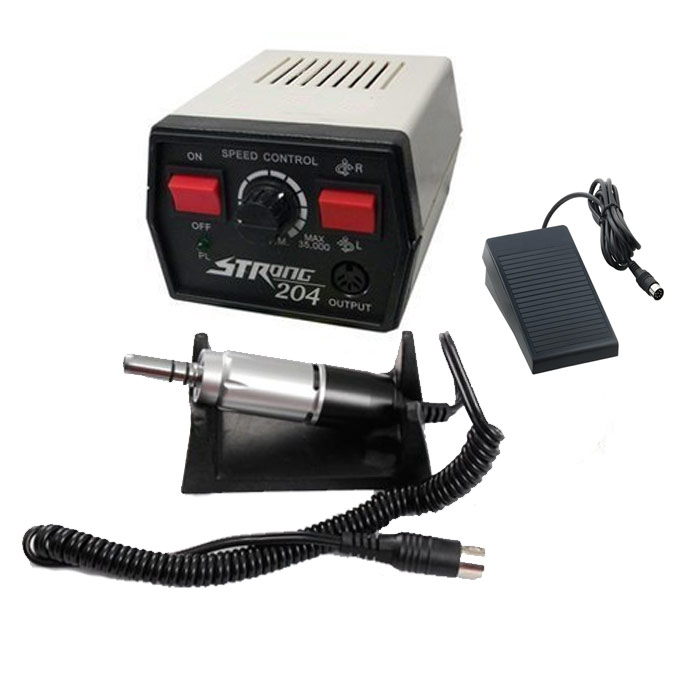
Clinical micromotors mount onto the dental chair or a portable cart and drive a straight or contra-angle handpiece during patient treatment — typical uses include caries removal, crown preparation, and minor surgery. Modern clinical micromotors are increasingly brushless and electric for quieter operation and finer torque control.
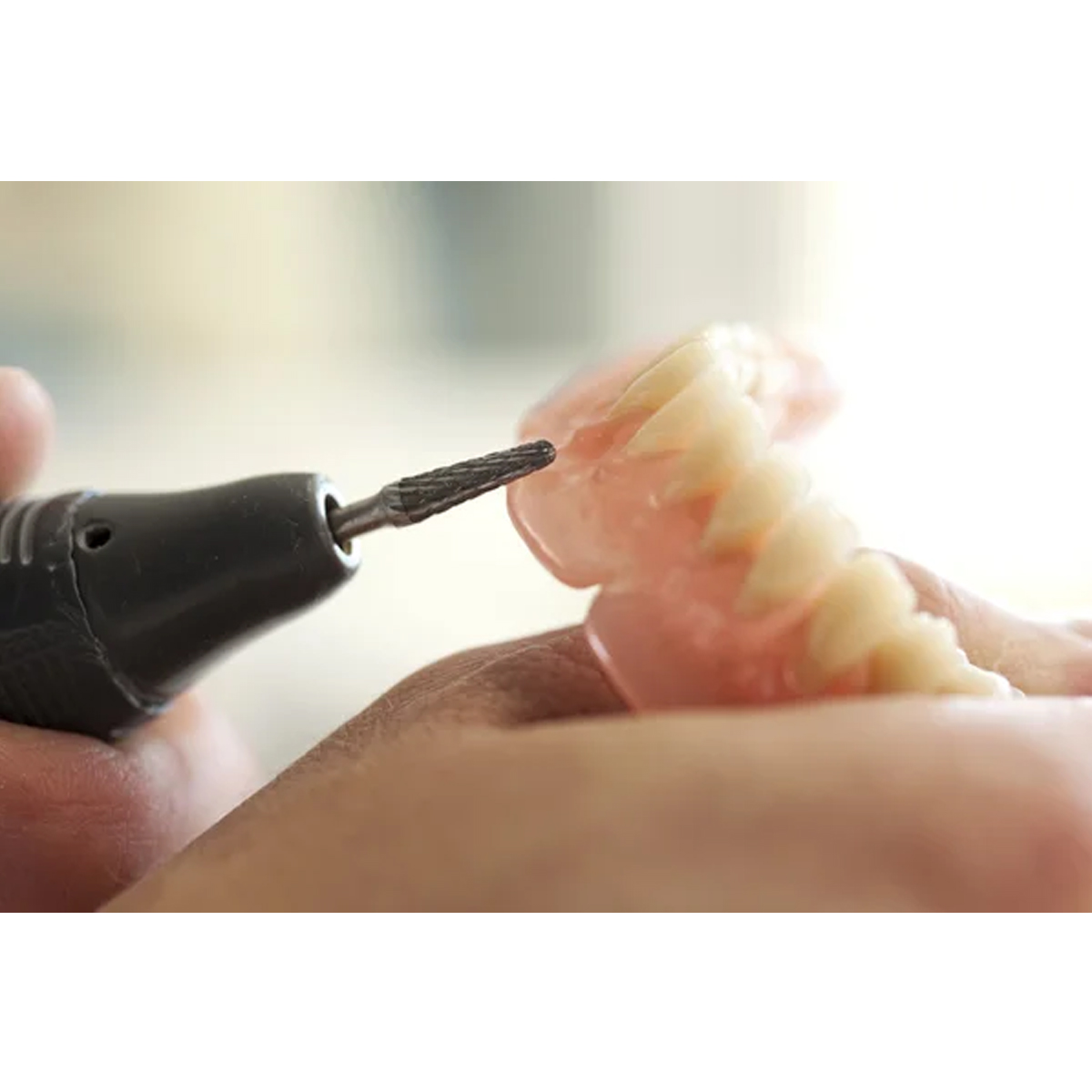
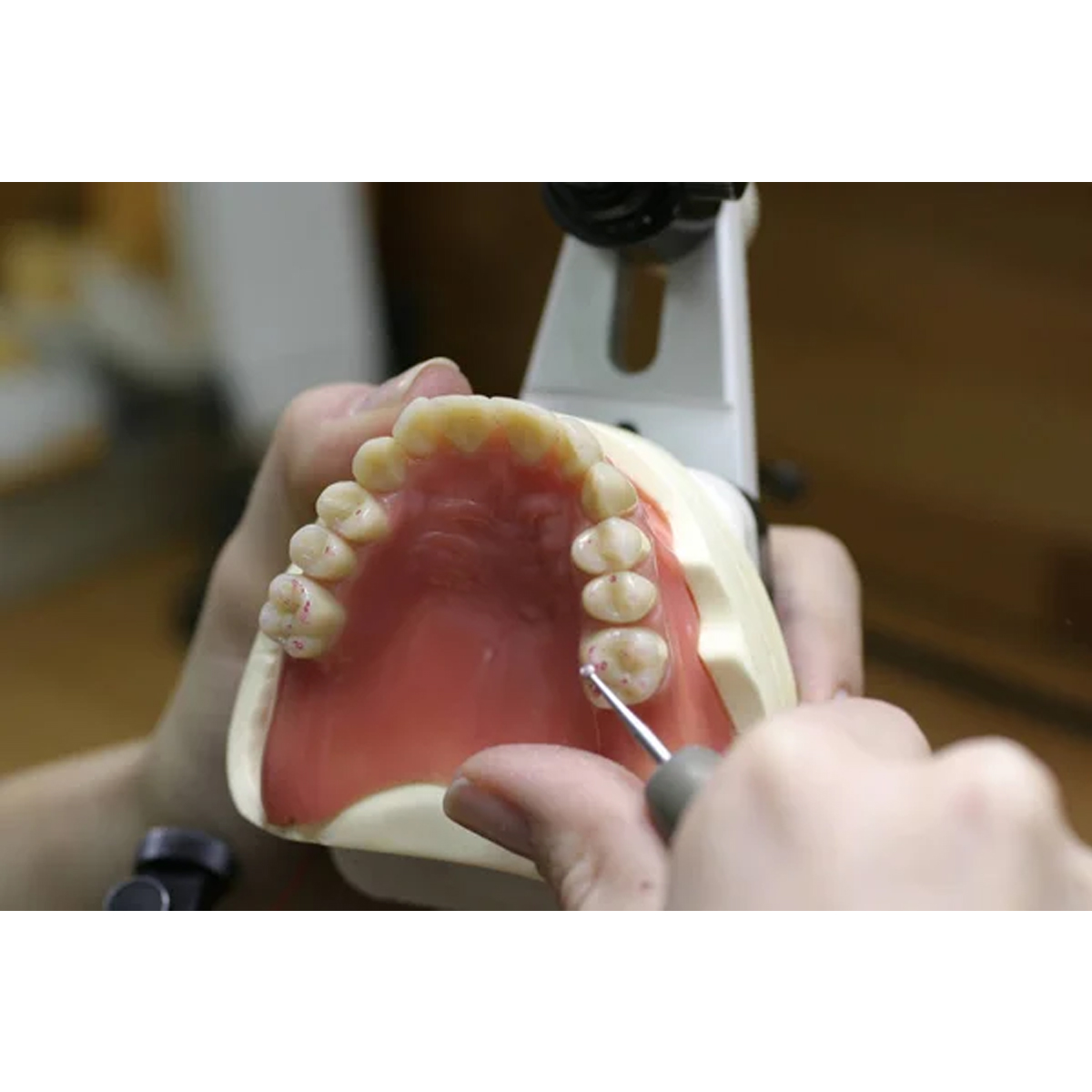
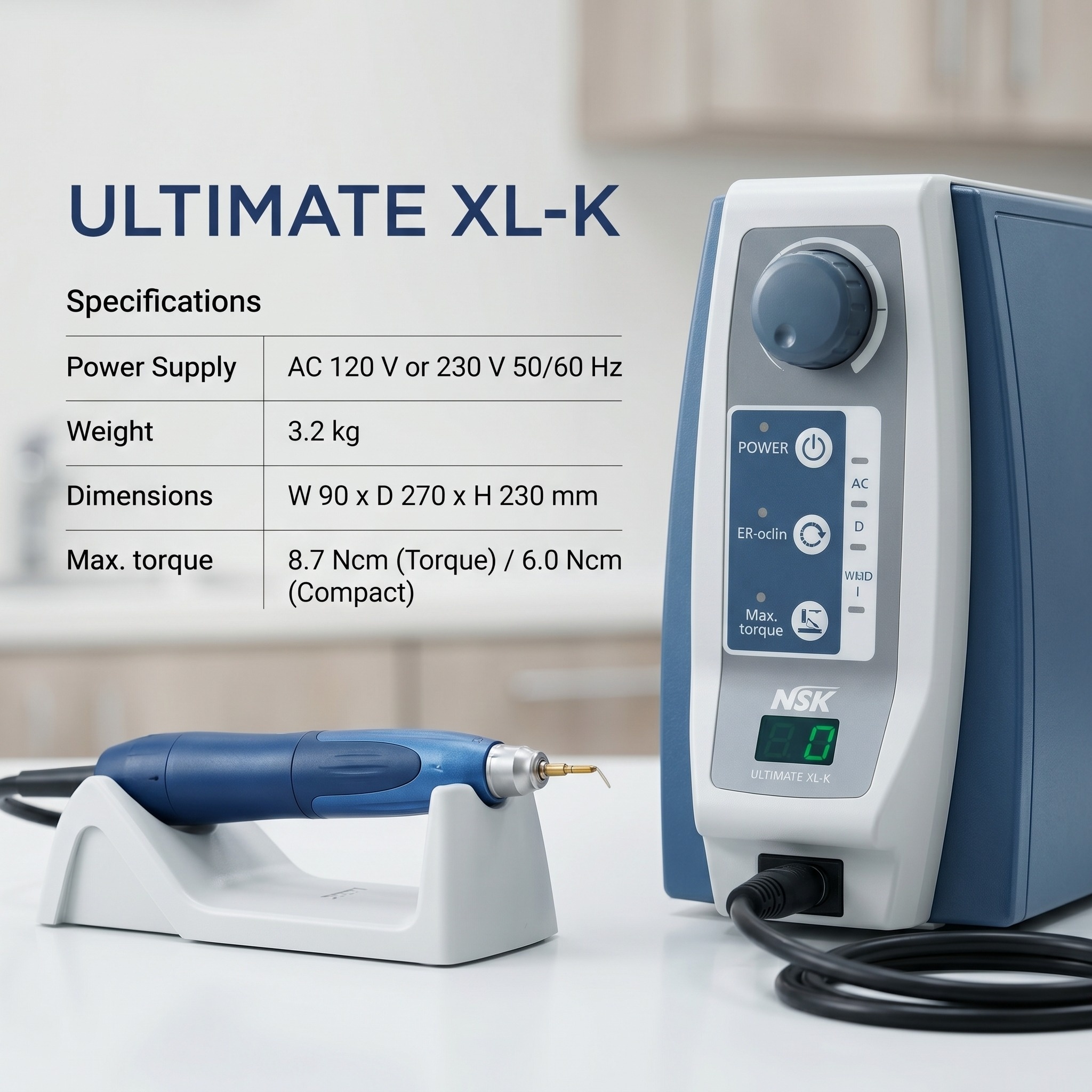
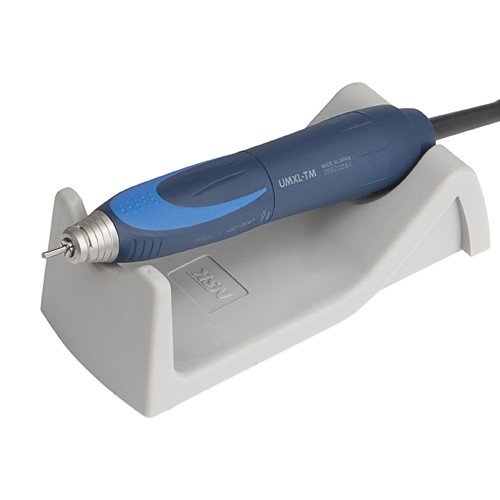
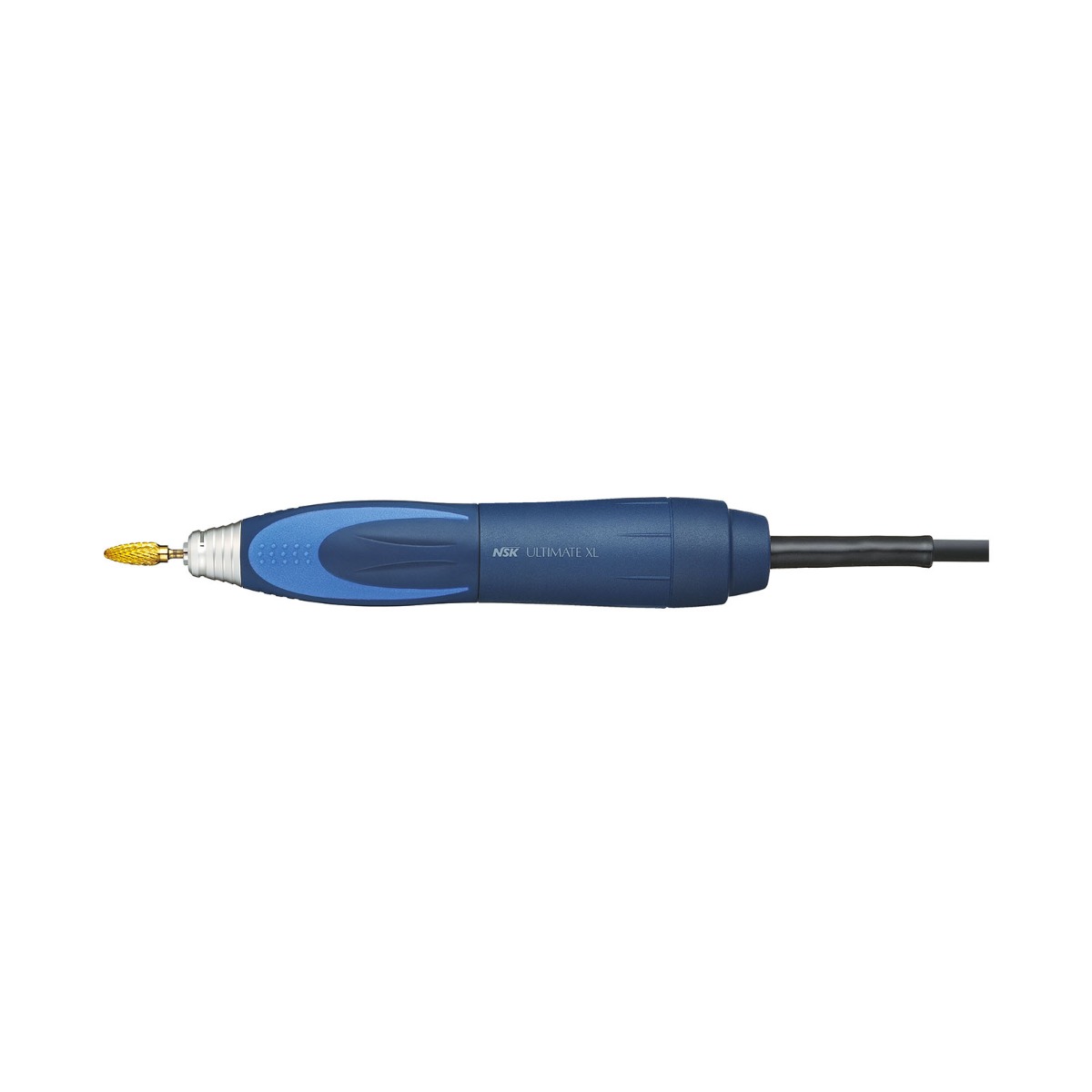
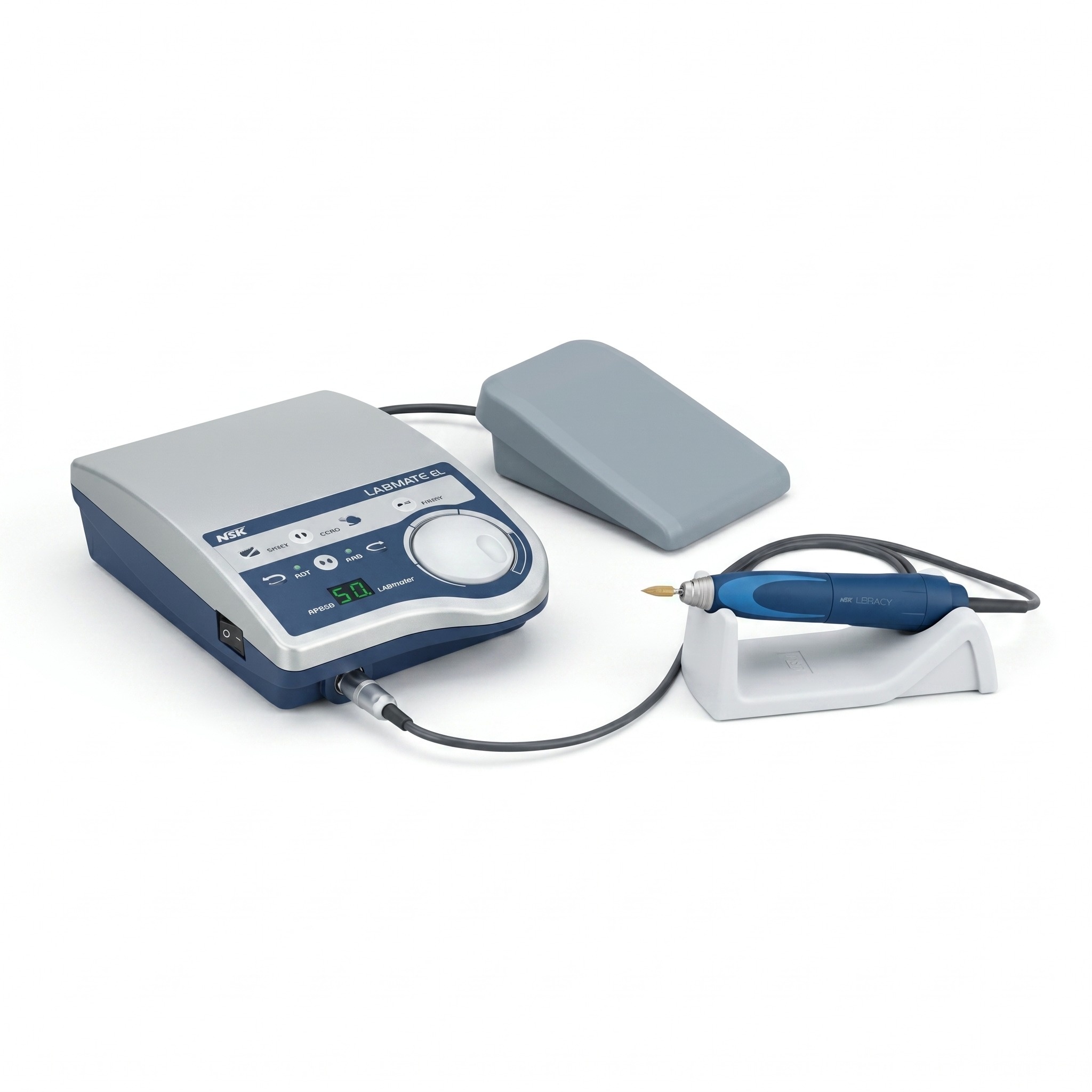
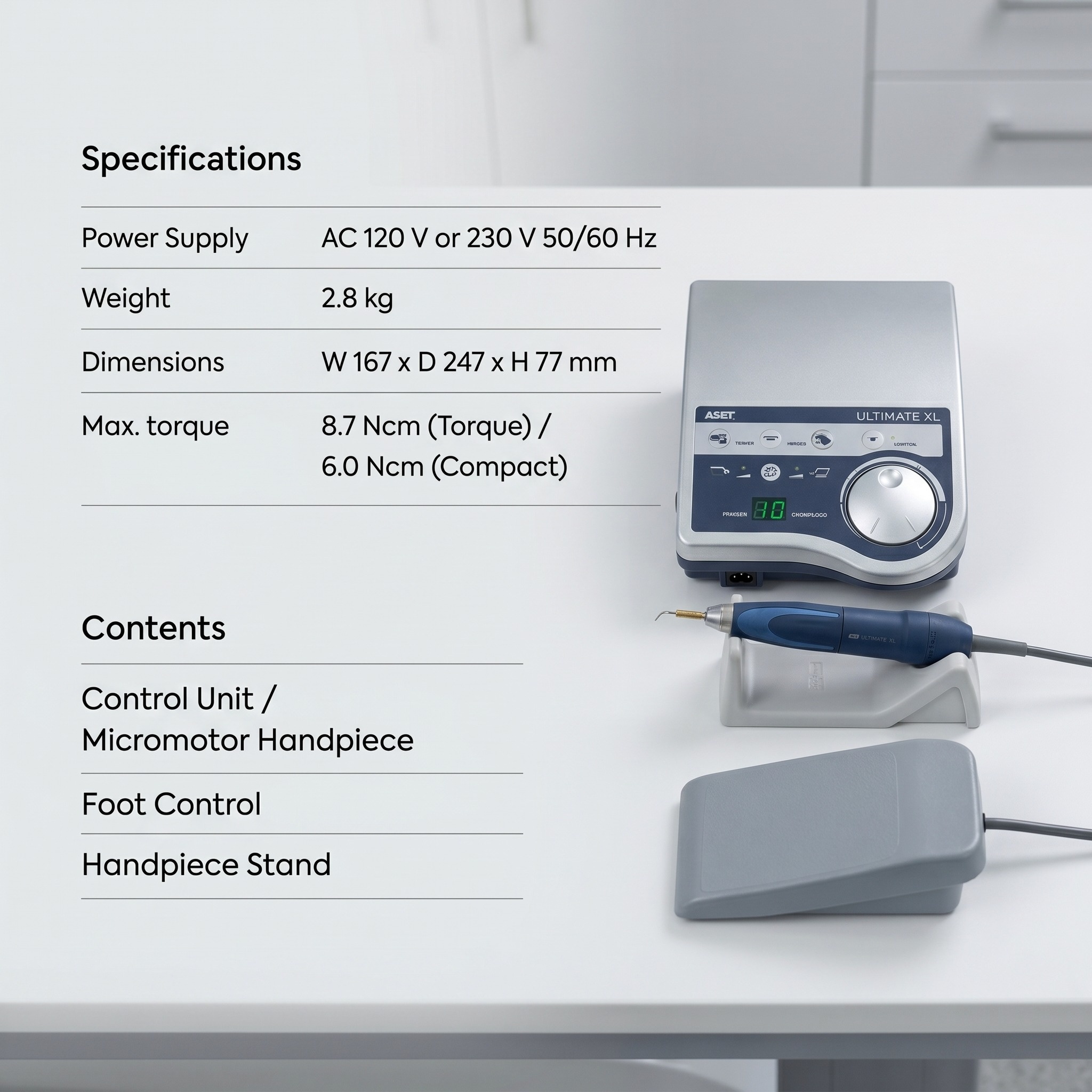
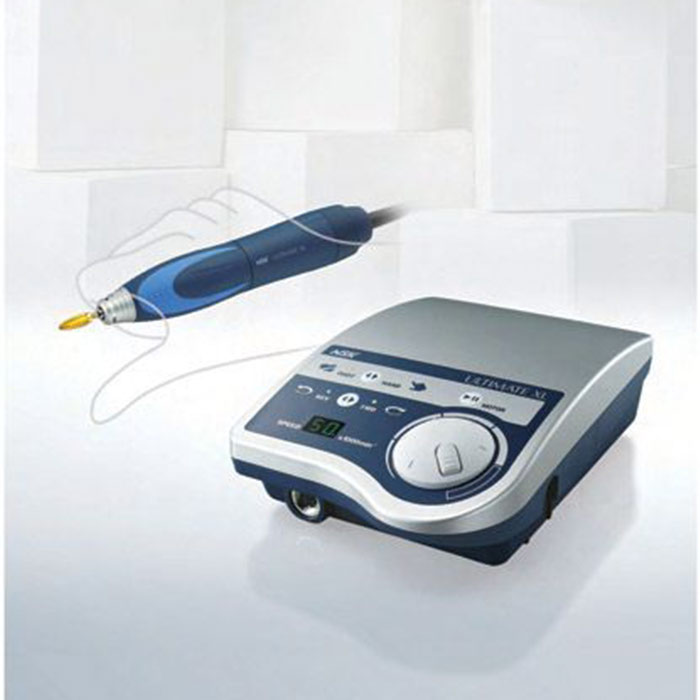
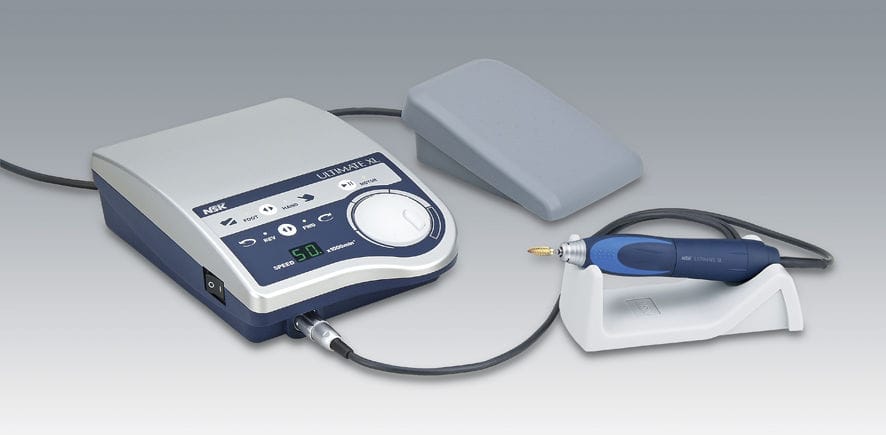
Lab micromotors are benchtop or knee-control units used in dental laboratories for trimming dentures, finishing crowns, polishing acrylics, and shaping orthodontic appliances. Marathon M3 and M4 dominate this segment in India, with NSK Ultimate XL serving the premium end.
Micromotor Handpiece — What to Know
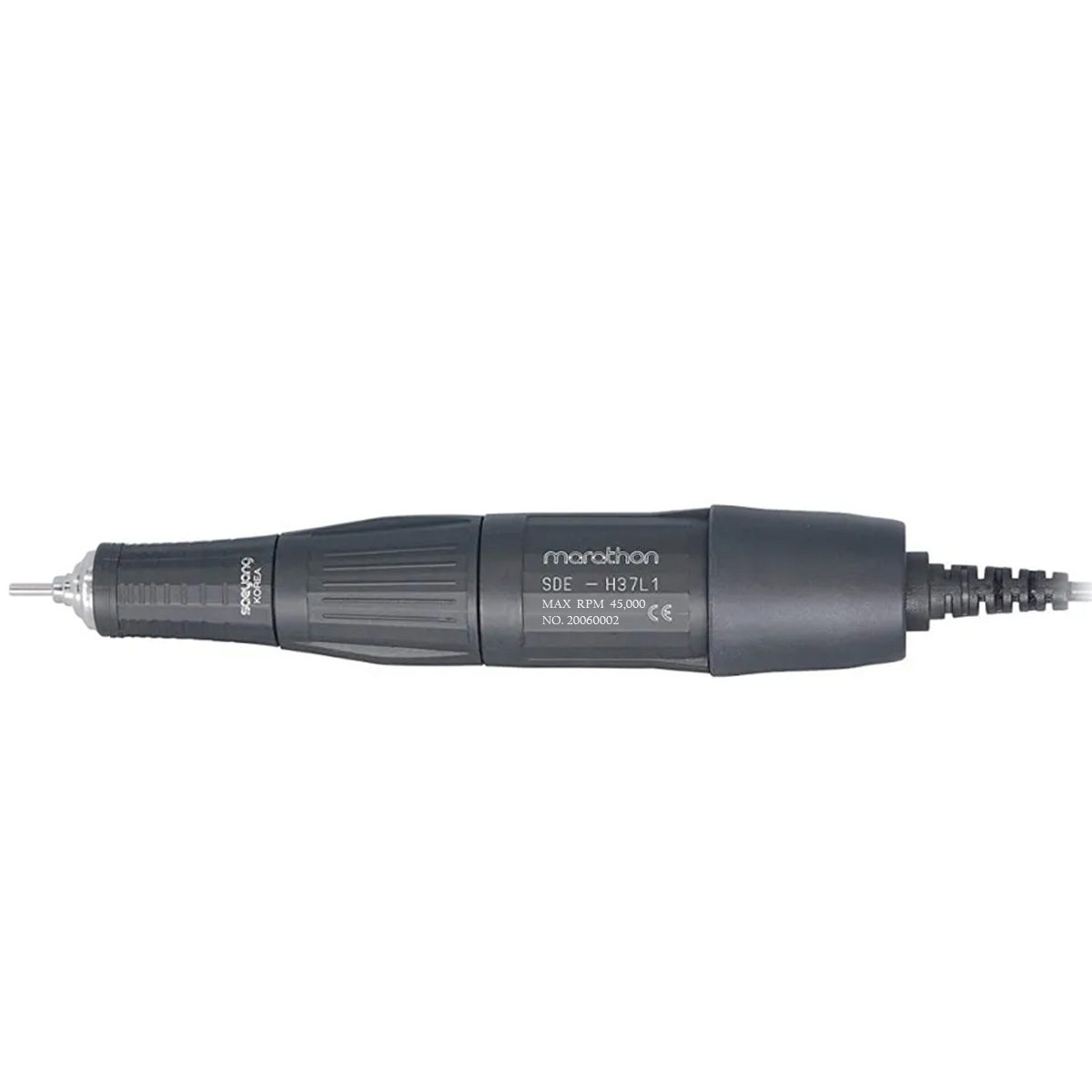
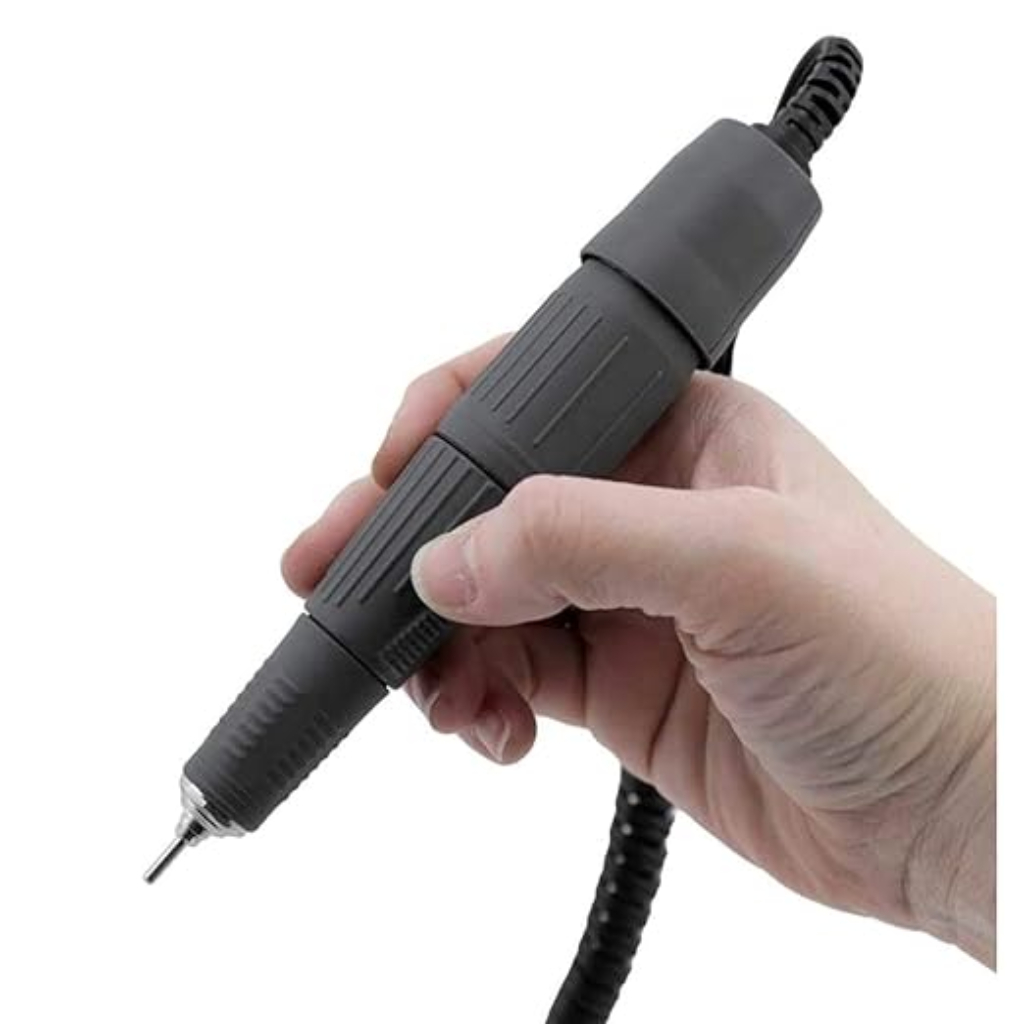
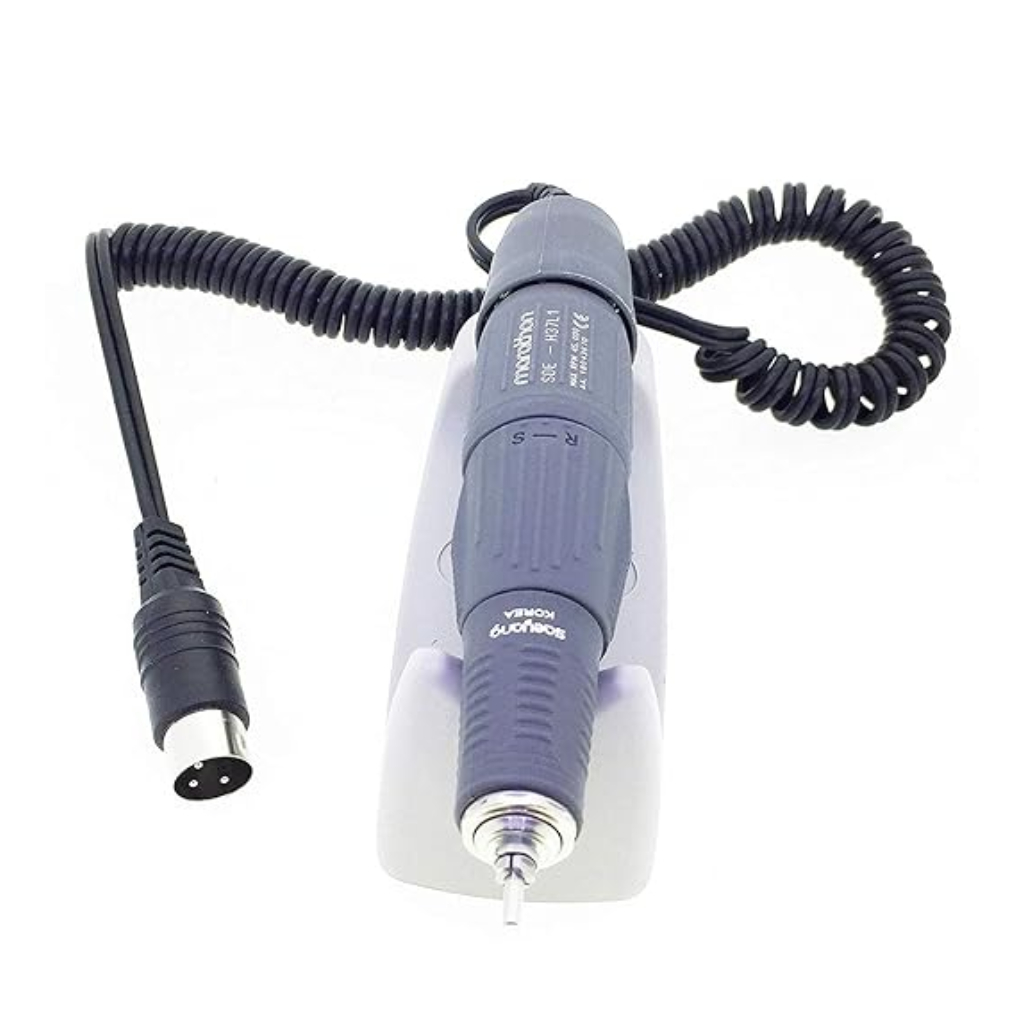
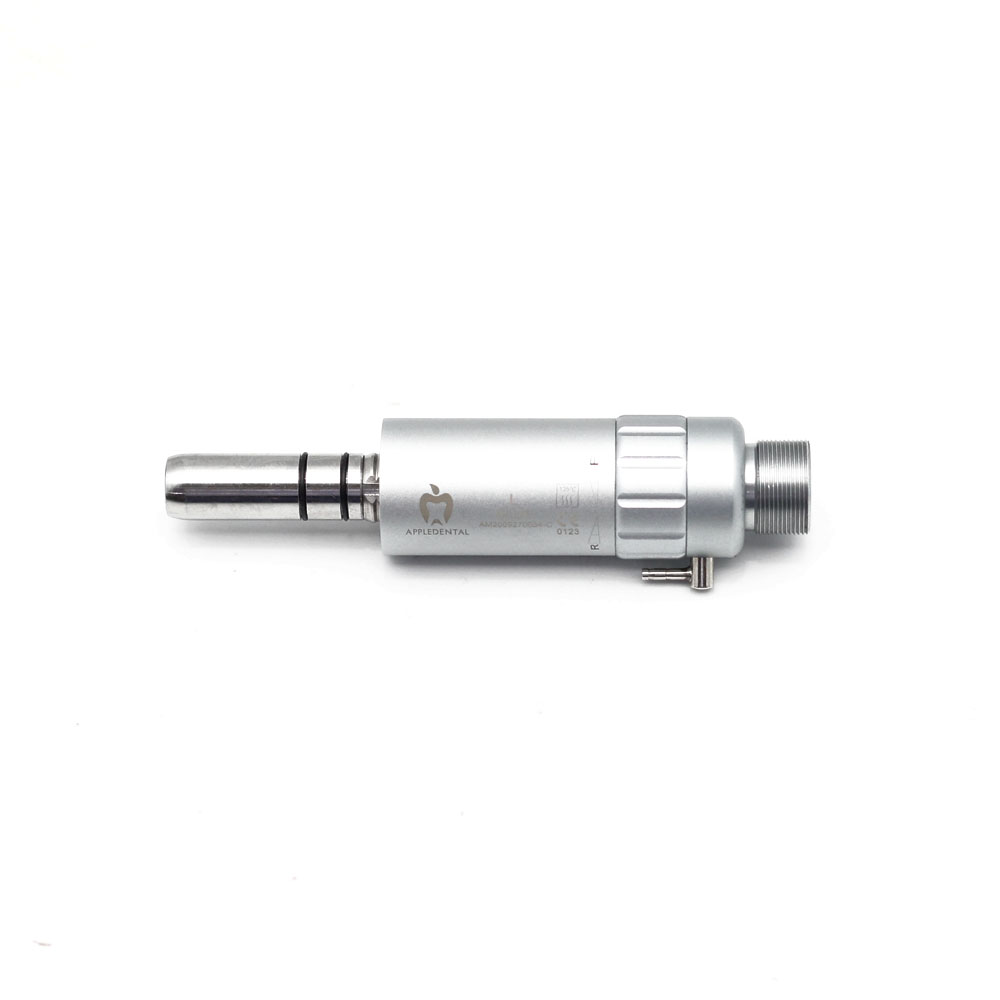
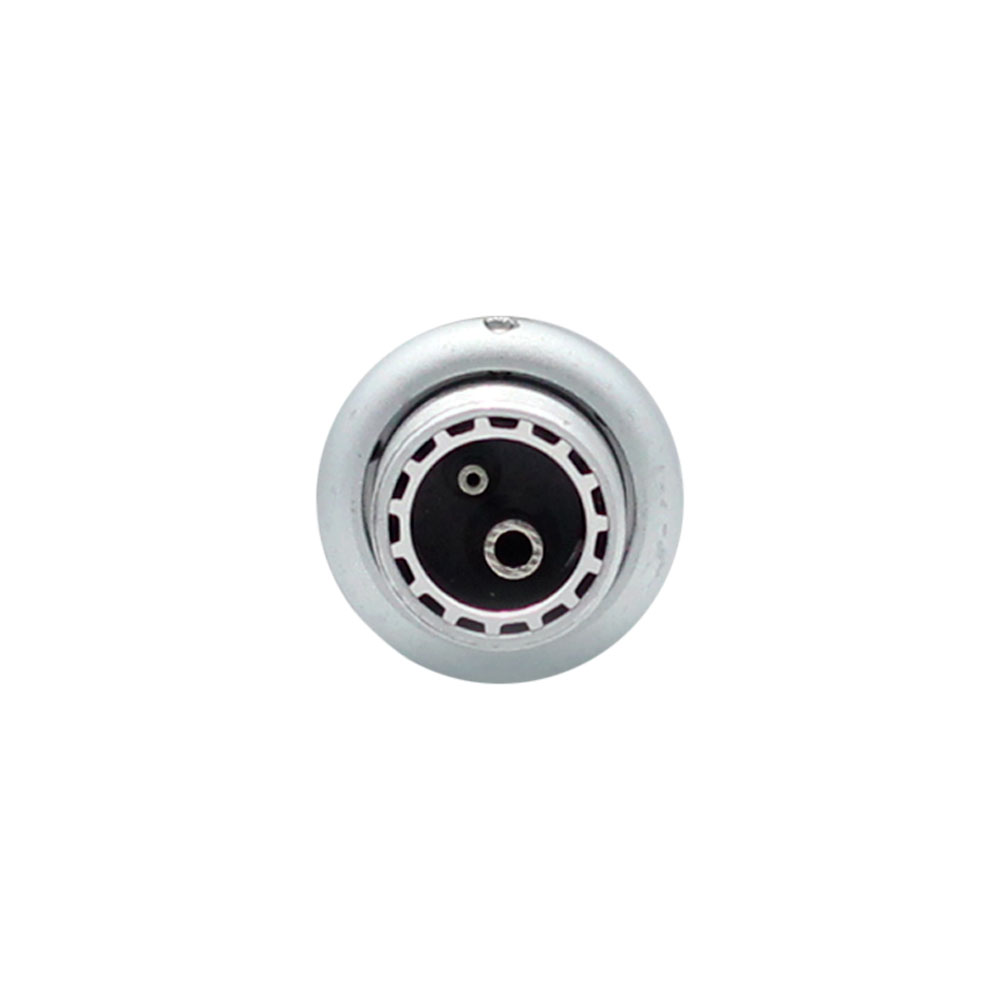
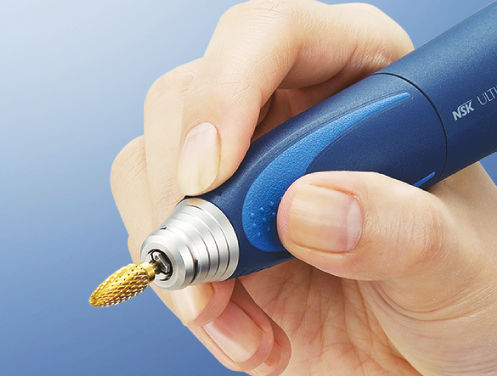
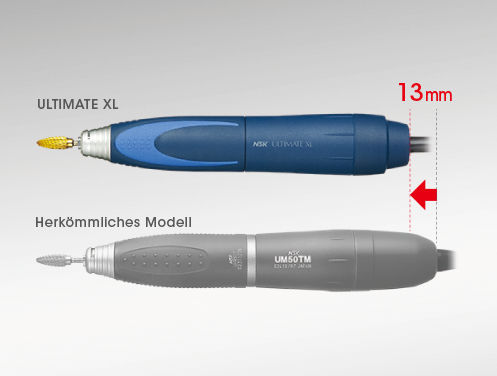
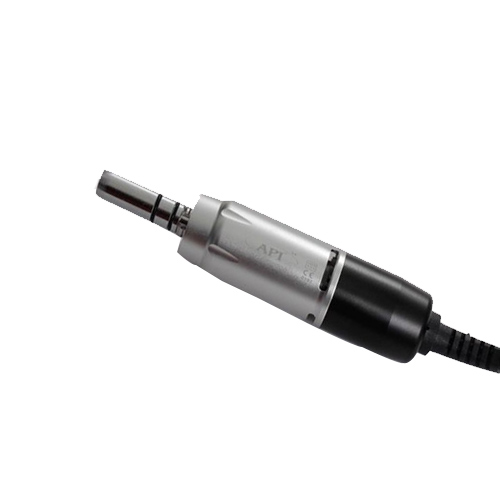
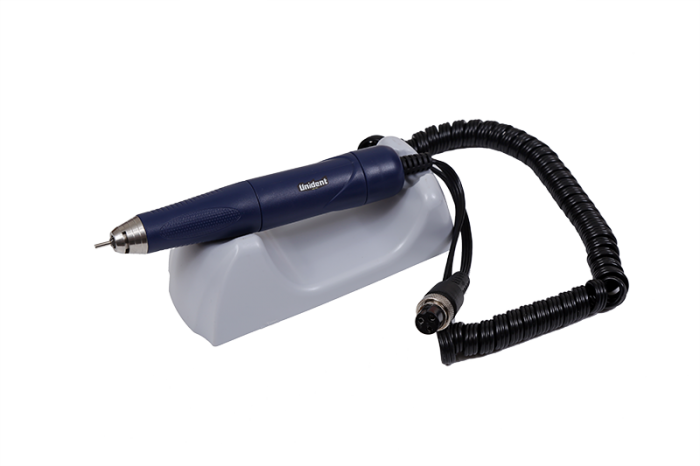
The micromotor handpiece is the handheld component that connects to the motor via an E-type connector and accepts the bur, disc, or polishing accessory. Handpieces are sold both as part of complete sets and as standalone replacements when a worn handpiece needs to be swapped without replacing the whole unit. Most modern micromotor handpieces follow the standard E-type connection, making them broadly interchangeable across compatible motors — but always confirm compatibility with your specific micromotor before ordering a standalone handpiece.
Types of Micromotors
Brushed (carbon-brush) micromotors — economical, reliable, the long-standing workhorse for both lab and clinical use
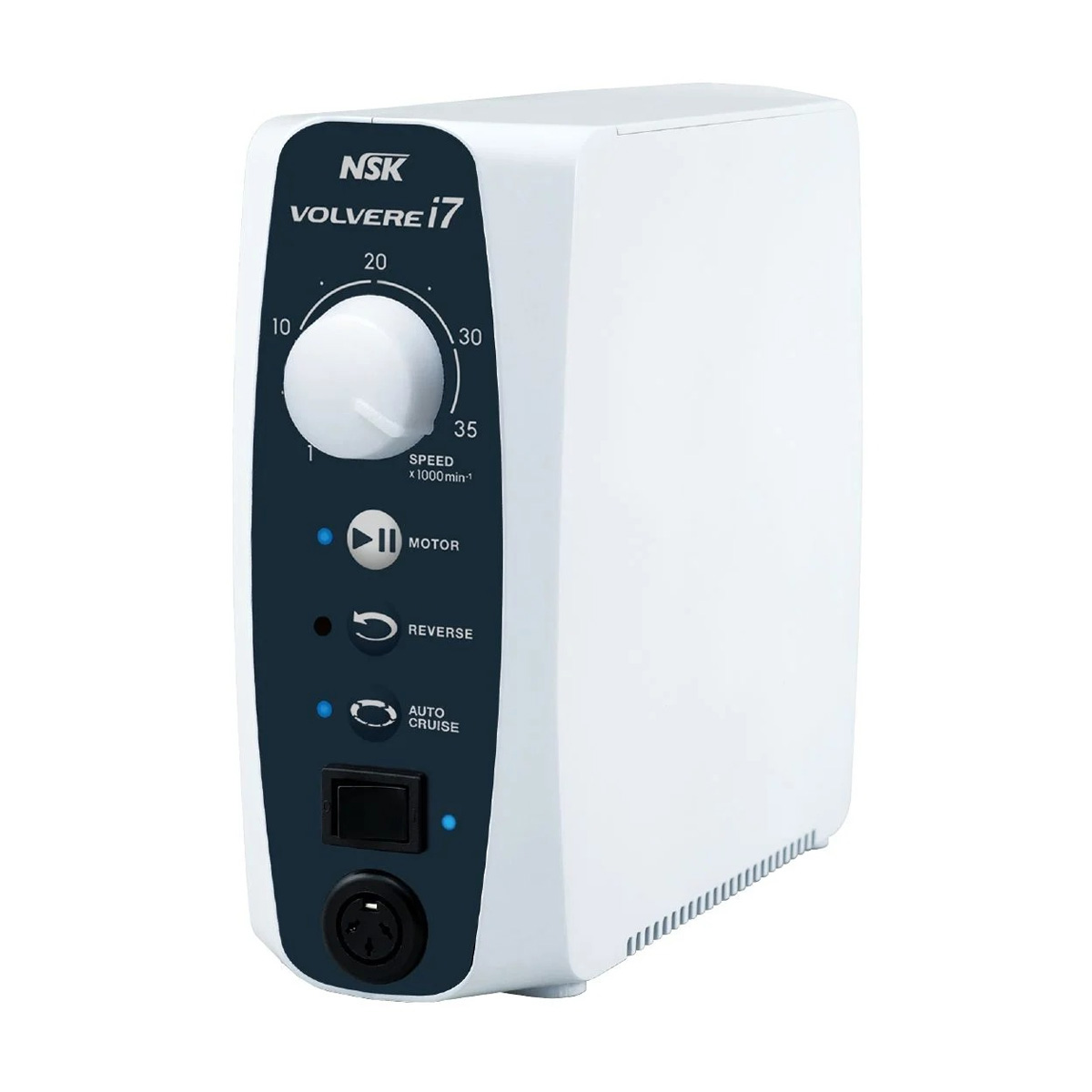
Brushless electric micromotors — quieter, longer service life, finer torque control; increasingly the standard for clinical chairside use (Woodpecker MT2, NSK NLX, Waldent TurboDrive)
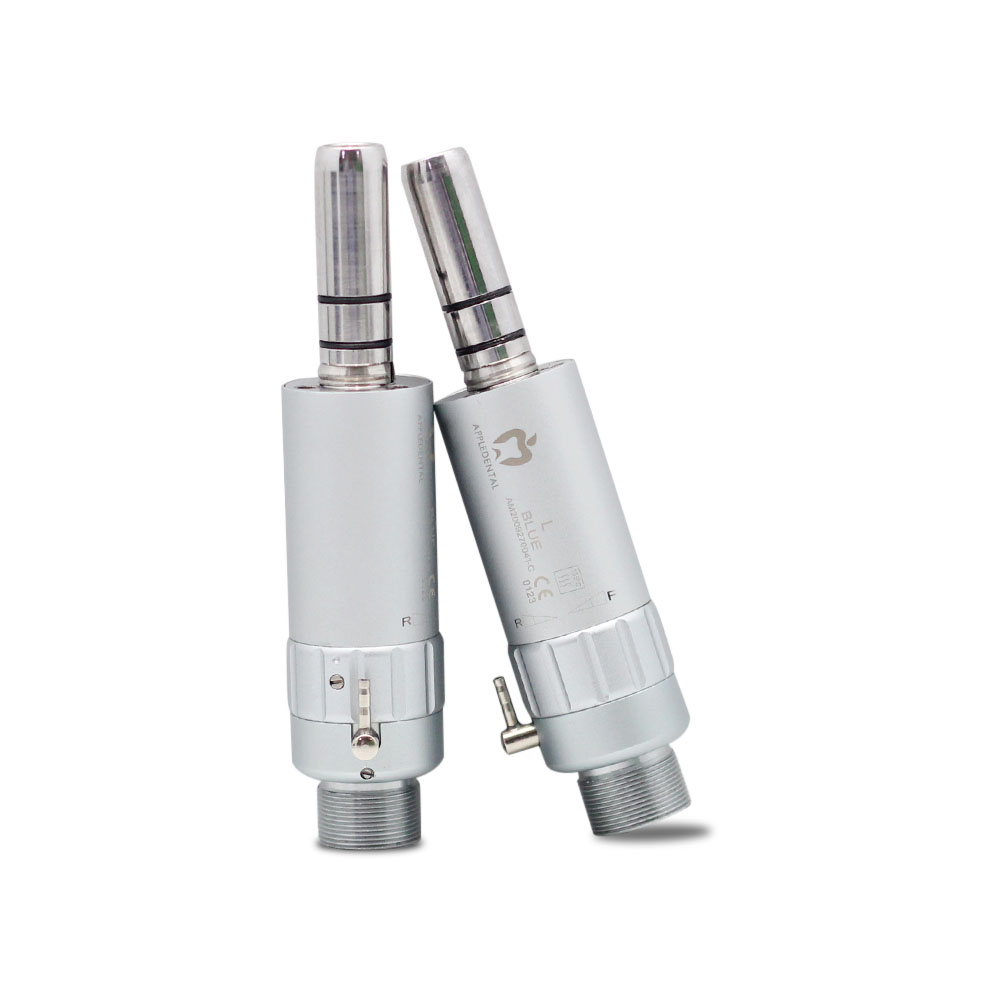
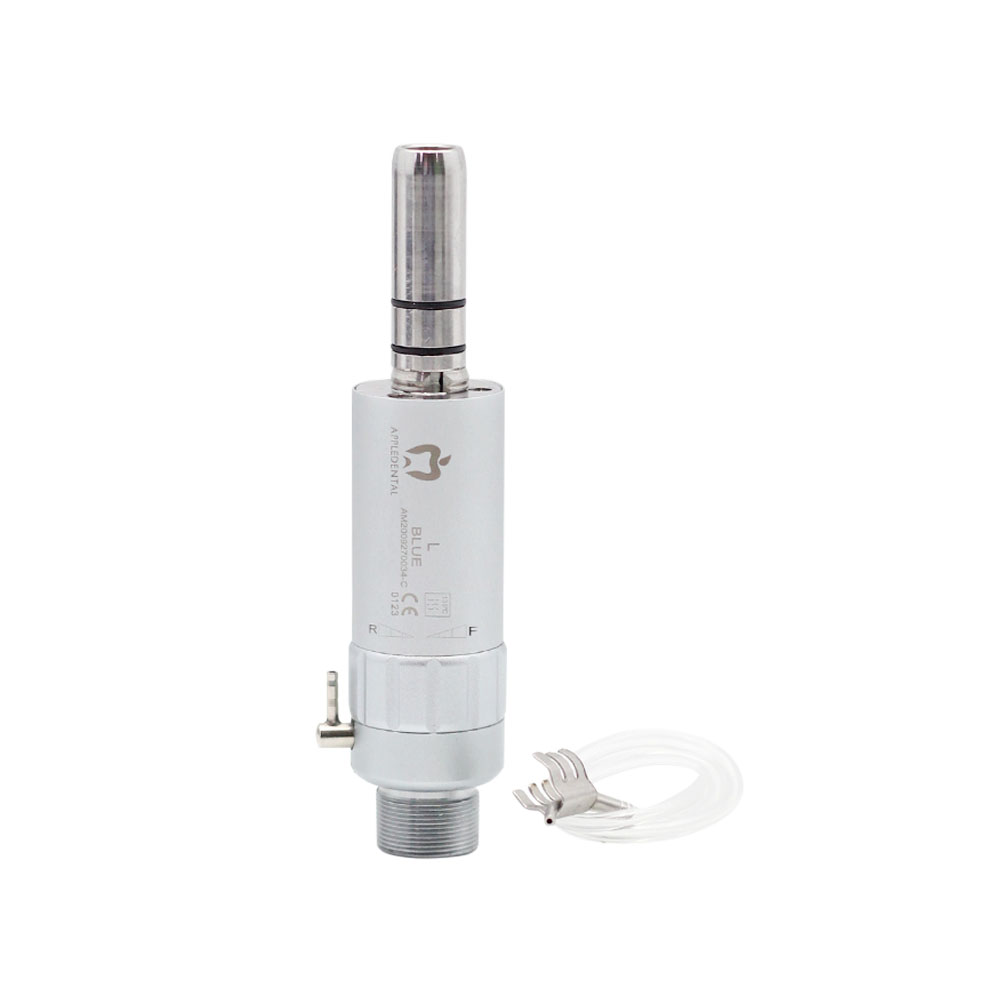
Air micromotors / air motor engines — driven by compressed air from the dental chair unit; common in lower-cost clinical setups
Surgical micromotors — high-torque variants used for implant osteotomy and oral surgery
Top Brands at Dentalkart
NSK — Japanese precision; Ultimate XL (lab) and NLX (clinical) are widely trusted benchmarks
Marathon — the most-sold lab micromotor brand in India (M3 and M4 series)
Waldent — strong India-made clinical and lab options including the TurboDrive brushless electric motor
Saeshin — premium Korean lab micromotors
W&H — premium Austrian electric micromotors for high-end clinics
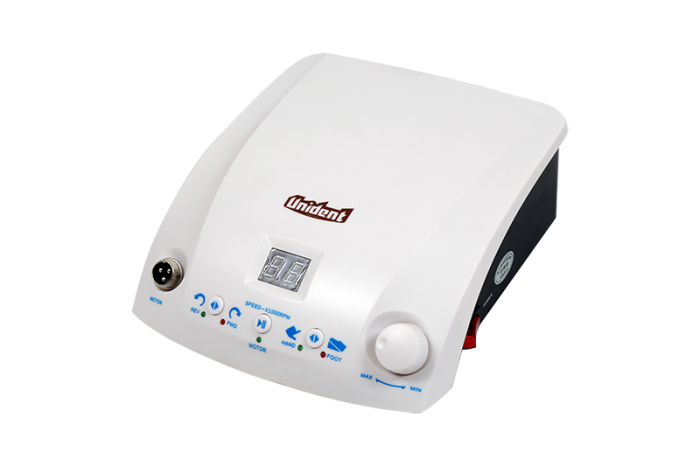
Apple Dental, Unident, API — value-led options for budget-conscious clinics and labs
Price Range in India
Dental micromotor prices in India start at approximately ₹3,000 for entry-level lab units and go up to ₹4,20,000 for premium brushless electric clinical micromotors. Most clinical-grade complete sets fall between ₹6,000 and ₹50,000, and standalone replacement handpieces range from ₹2,200 to ₹15,000 depending on brand and specification.
Maintenance and Care
Lubricate the handpiece head before every autoclave cycle, keep the motor body dry, and never immerse the control box in liquid. Autoclave only the handpiece — not the motor or control unit — at the manufacturer-specified temperature. For brushed motors, expect to replace carbon brushes periodically; brushless motors are largely maintenance-free on the rotor side.
Frequently Asked Questions:
Q1. What is a dental micromotor used for?
A1. A dental micromotor drives straight and contra-angle handpieces for low-speed work — cutting, polishing, finishing, and shaping dental materials in both clinical and laboratory settings.
Q2. What is the difference between a clinical and a lab micromotor?
A2. Clinical micromotors mount on the dental chair and are used chairside on patients. Lab micromotors are benchtop or knee-control units used in dental laboratories for prosthetic and orthodontic work — they are typically more powerful but not designed for use inside the mouth.
Q3. What is the price of a dental micromotor in India?
A3. Dental micromotor prices in India start at approximately ₹3,000 for entry-level lab units and reach ₹4,20,000 for premium brushless electric clinical micromotors. Most complete clinical sets fall between ₹6,000 and ₹50,000.
Q4. Can I buy just the micromotor handpiece without the full set?
A4. Yes. Standalone replacement handpieces are available from ₹2,200 to ₹15,000. Confirm E-type compatibility with your existing motor before ordering.
Q5. What is a brushless micromotor?
A5. A brushless micromotor uses electromagnetic commutation instead of carbon brushes, giving quieter operation, longer service life, and finer torque control. Brushless models are now the clinical standard for high-end practices.
Q6. Which is the best dental micromotor brand?
A6. NSK and W&H lead the premium segment for build quality and longevity. Marathon dominates the Indian lab micromotor market. Waldent offers the strongest India-made value across both clinical and lab categories.
Q7. Are micromotor handpieces interchangeable across brands?
A7. Most modern handpieces use the standard E-type connector and are broadly interchangeable, but always verify compatibility with your specific motor model — proprietary connectors do exist on some premium systems.
Only 2 Left
 55
55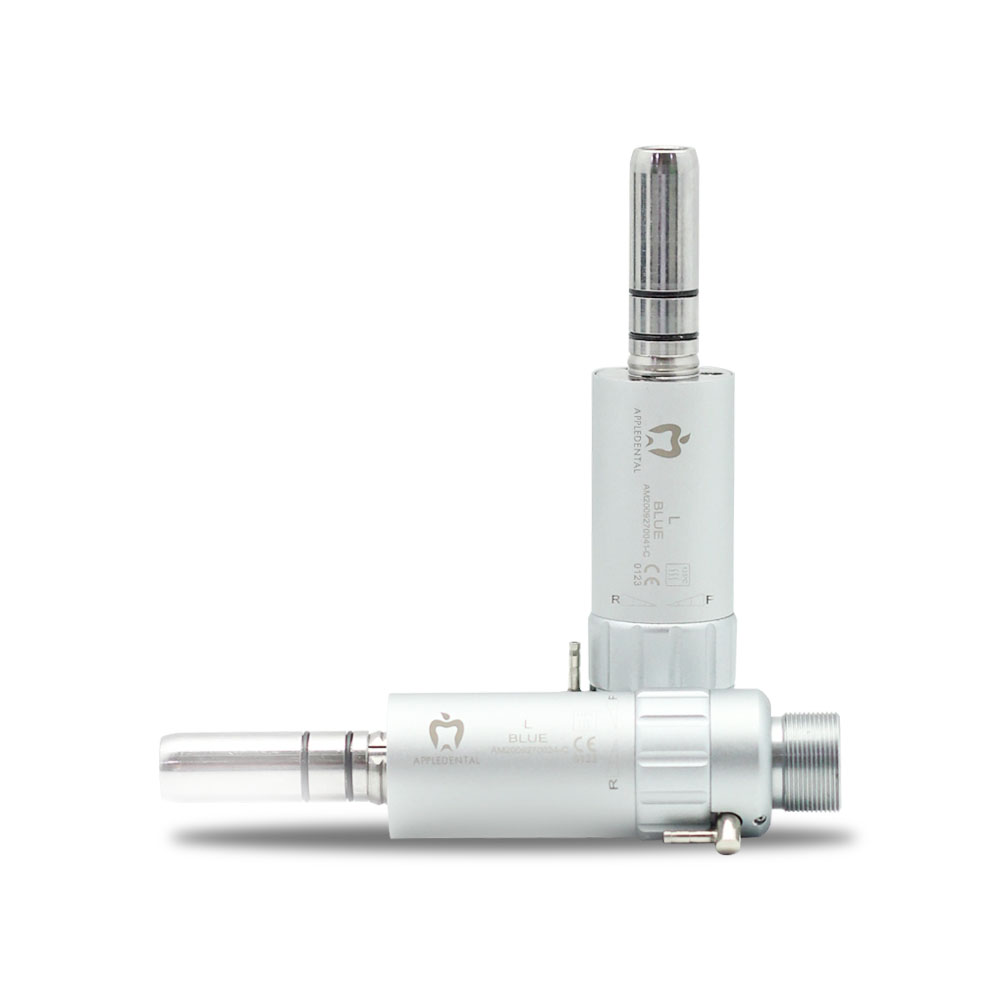
 41
41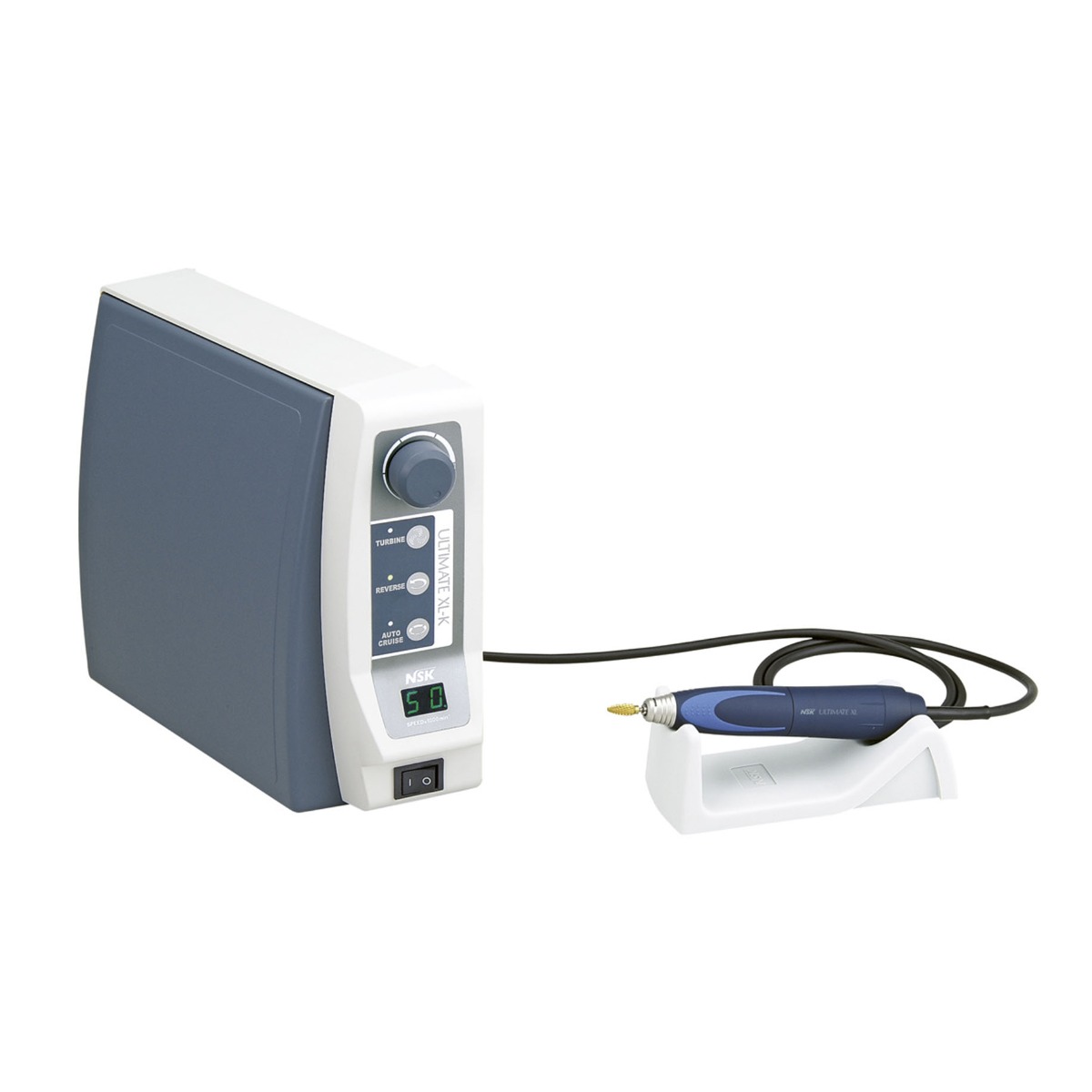
Only 2 Left
85
 560
560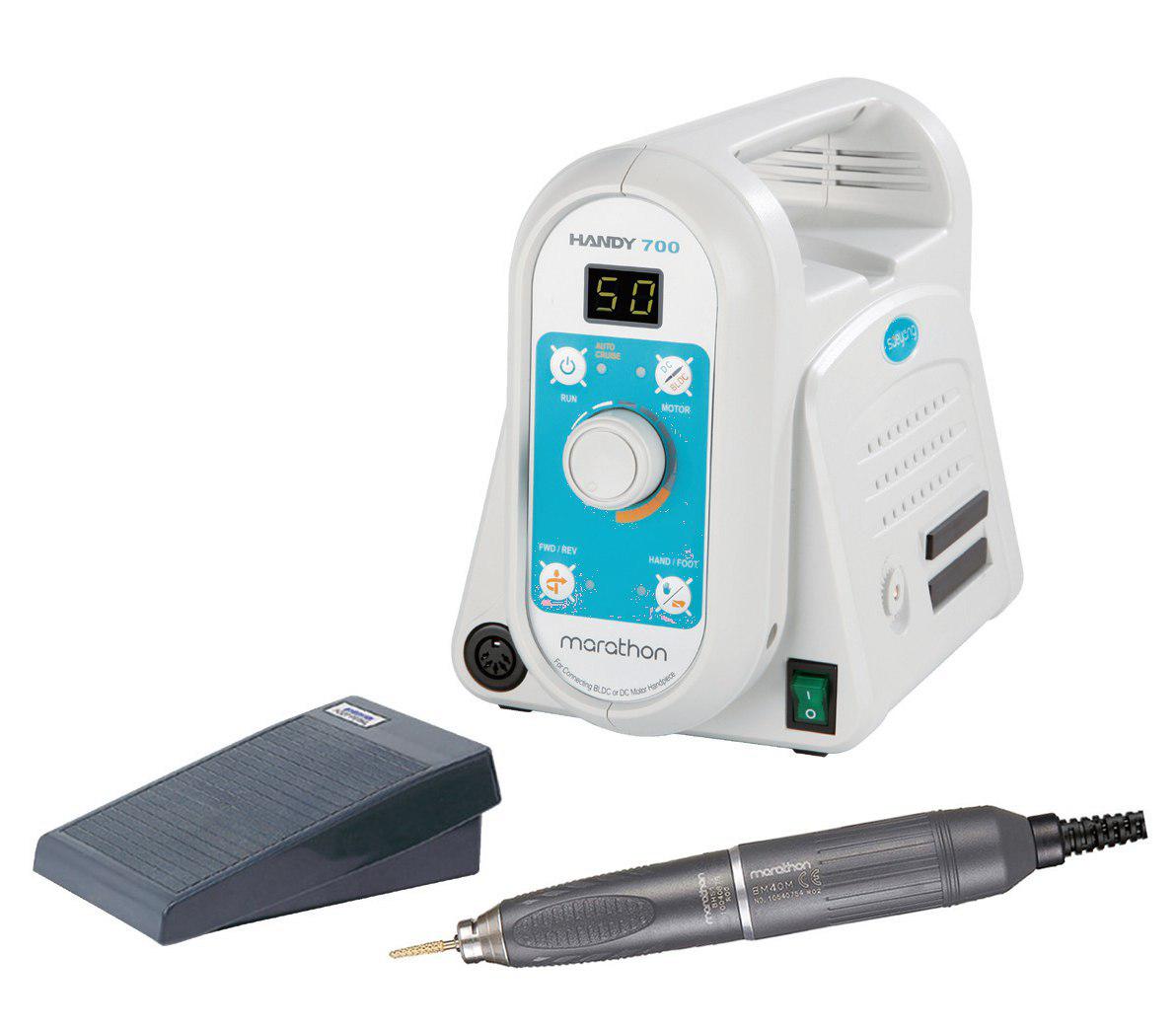 530
530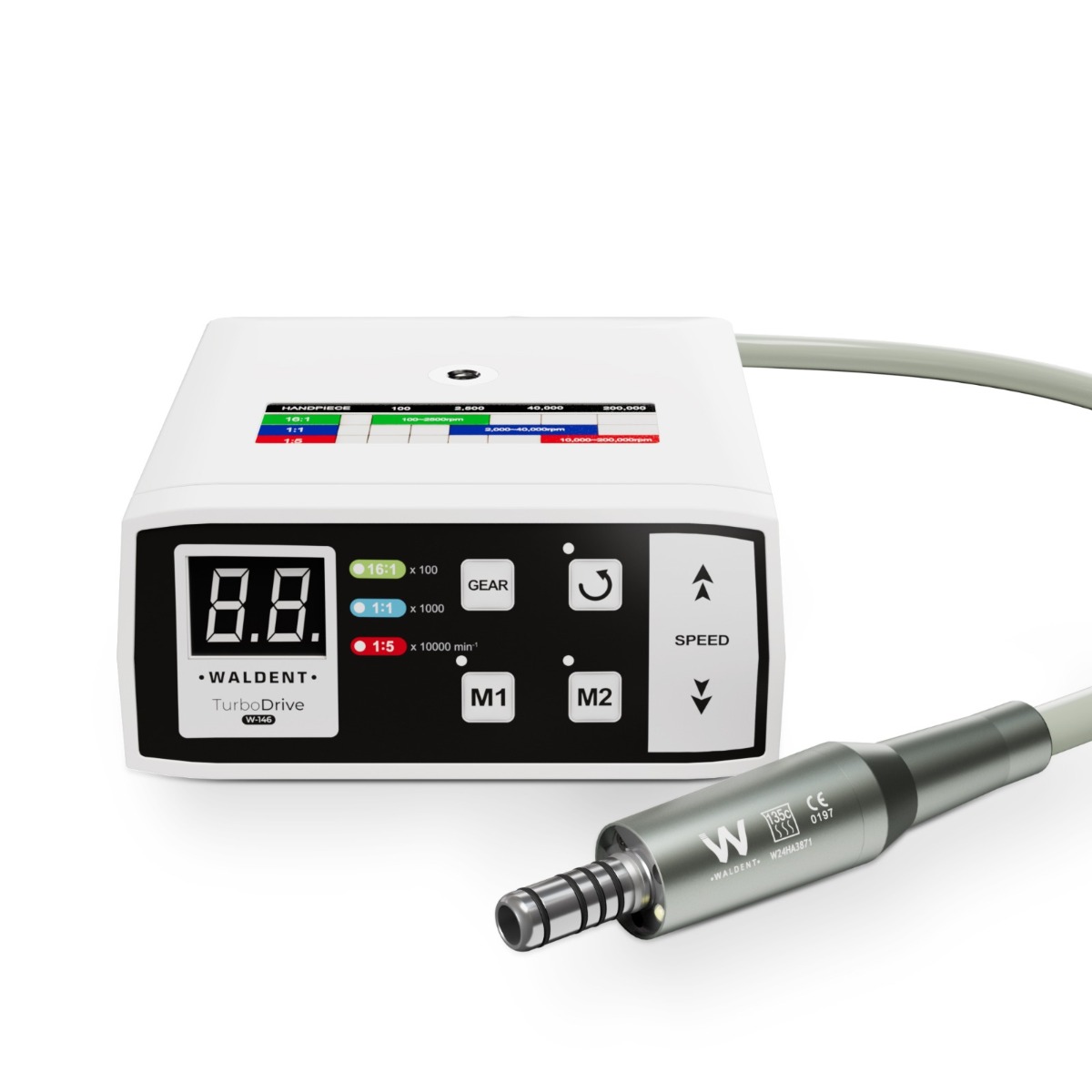 1405
1405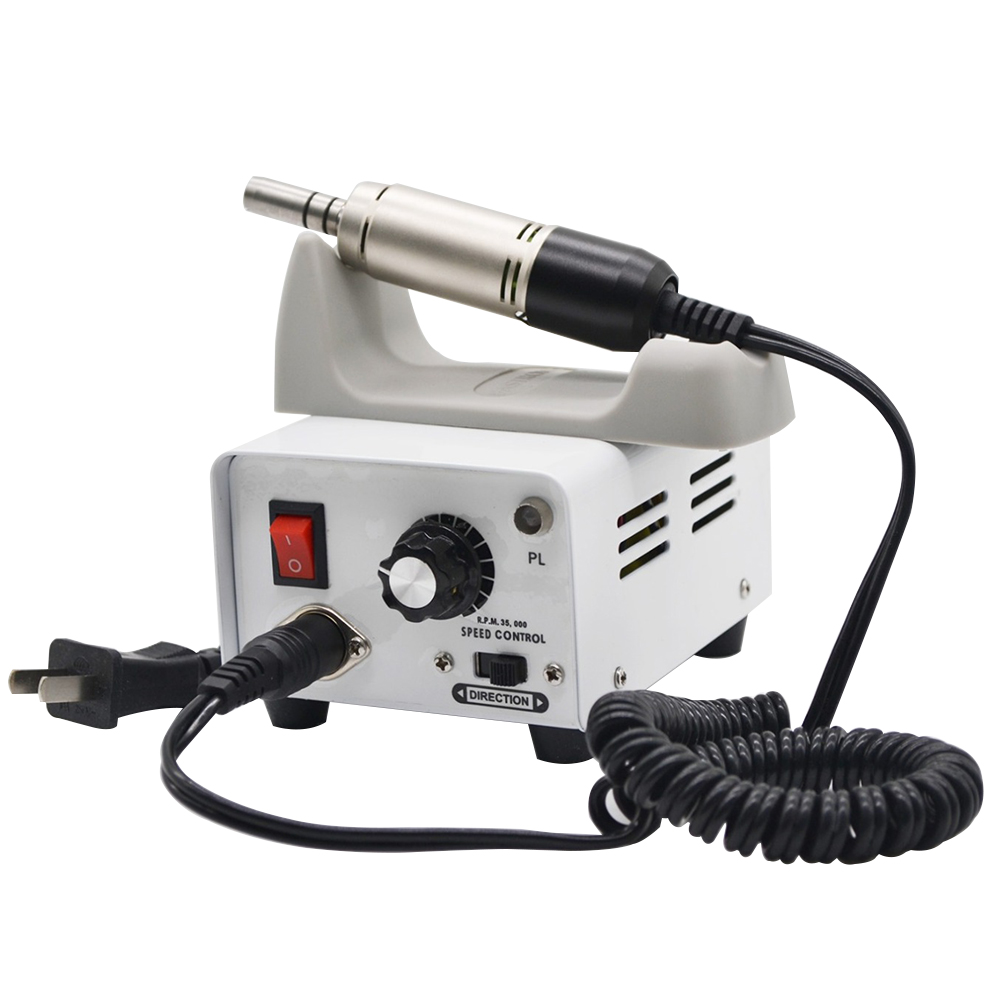 56
56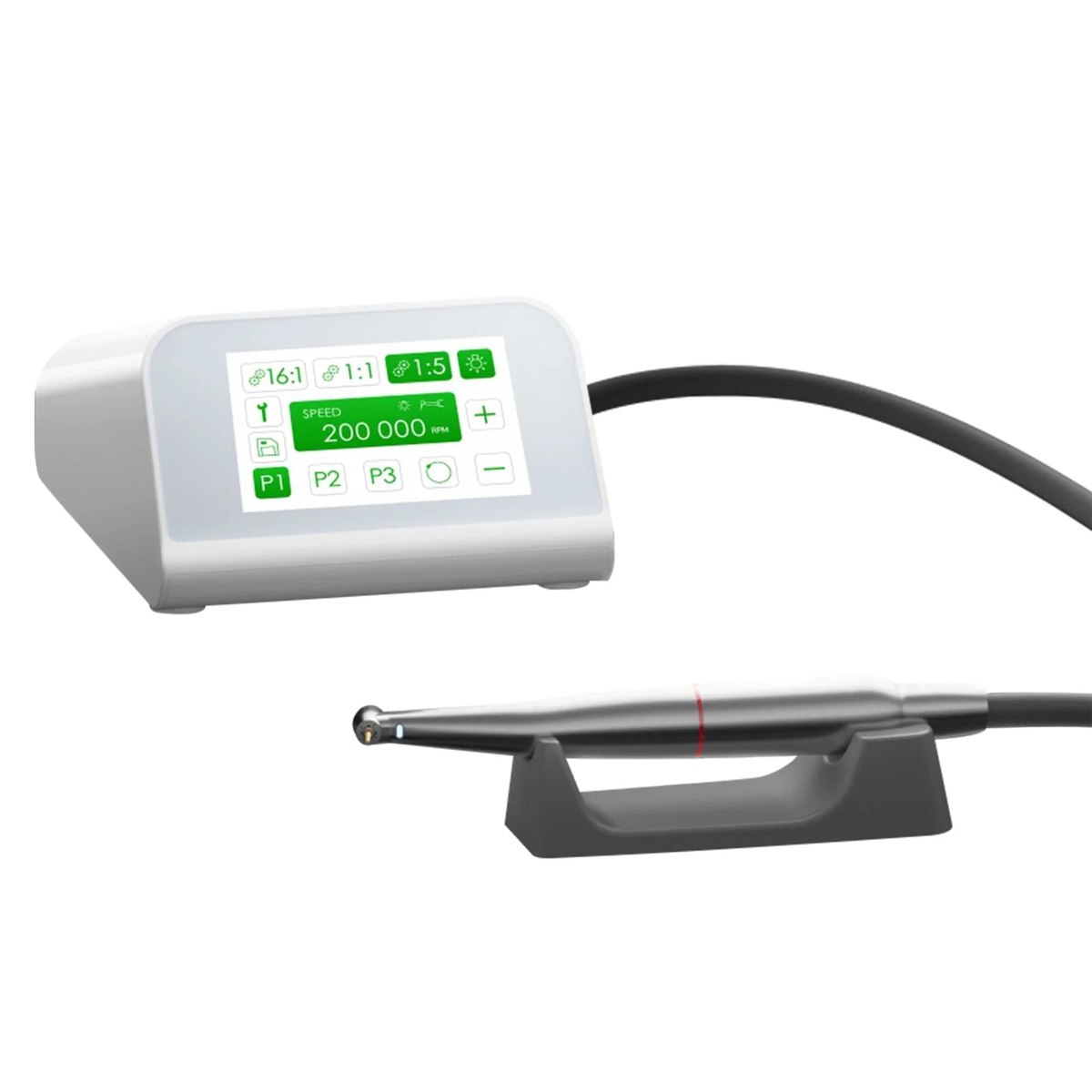 740
740
Only 3 Left
7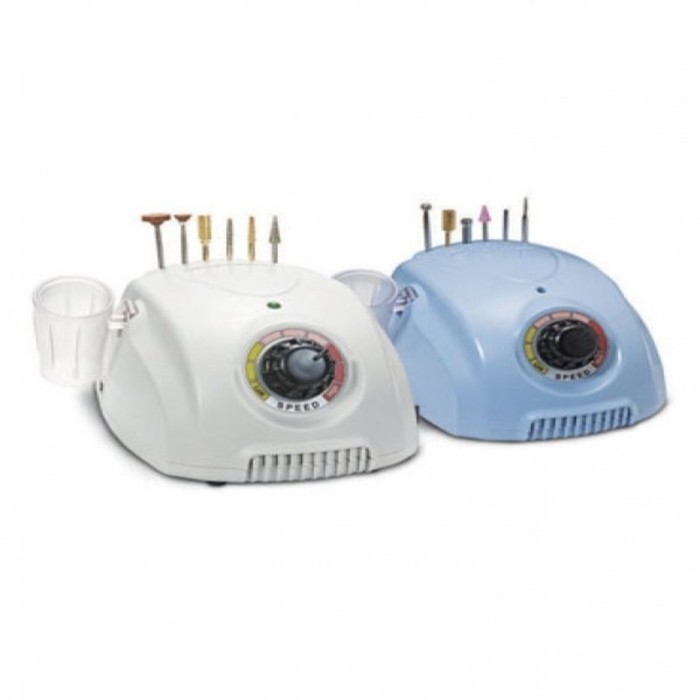
 396
396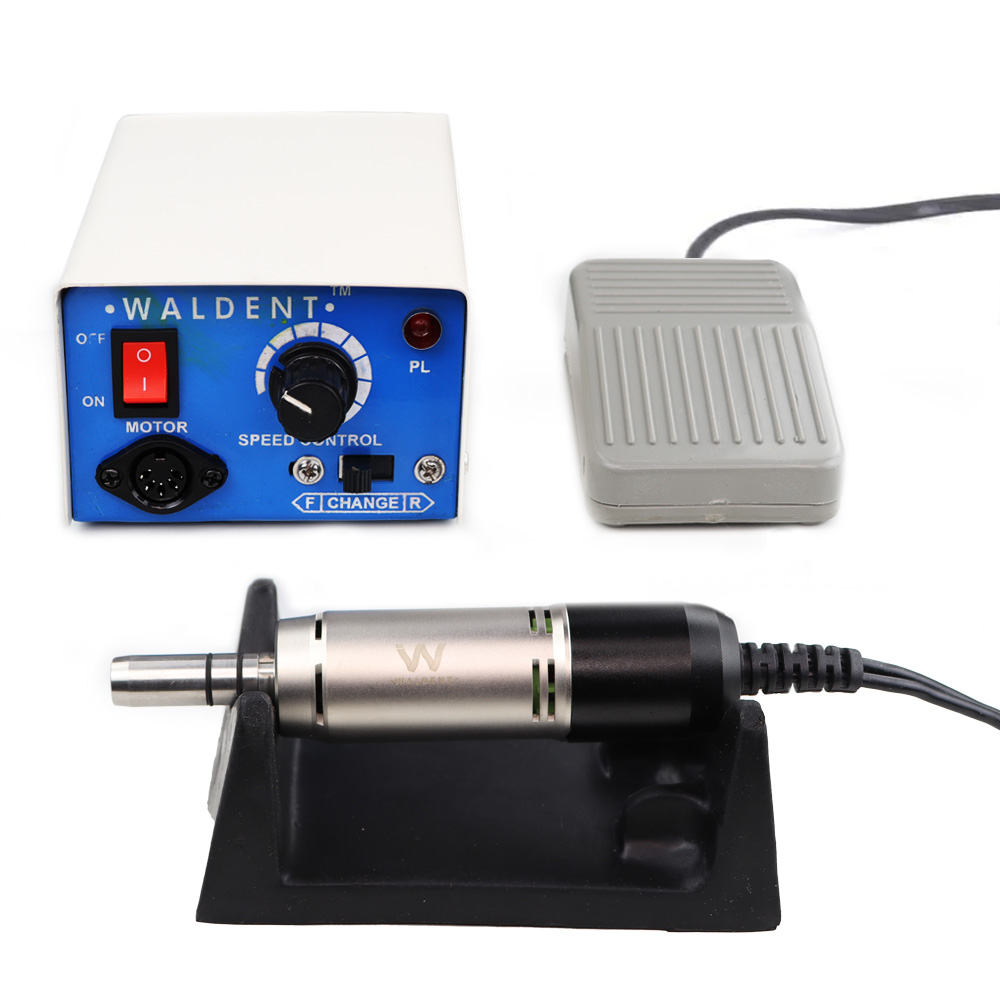 140
140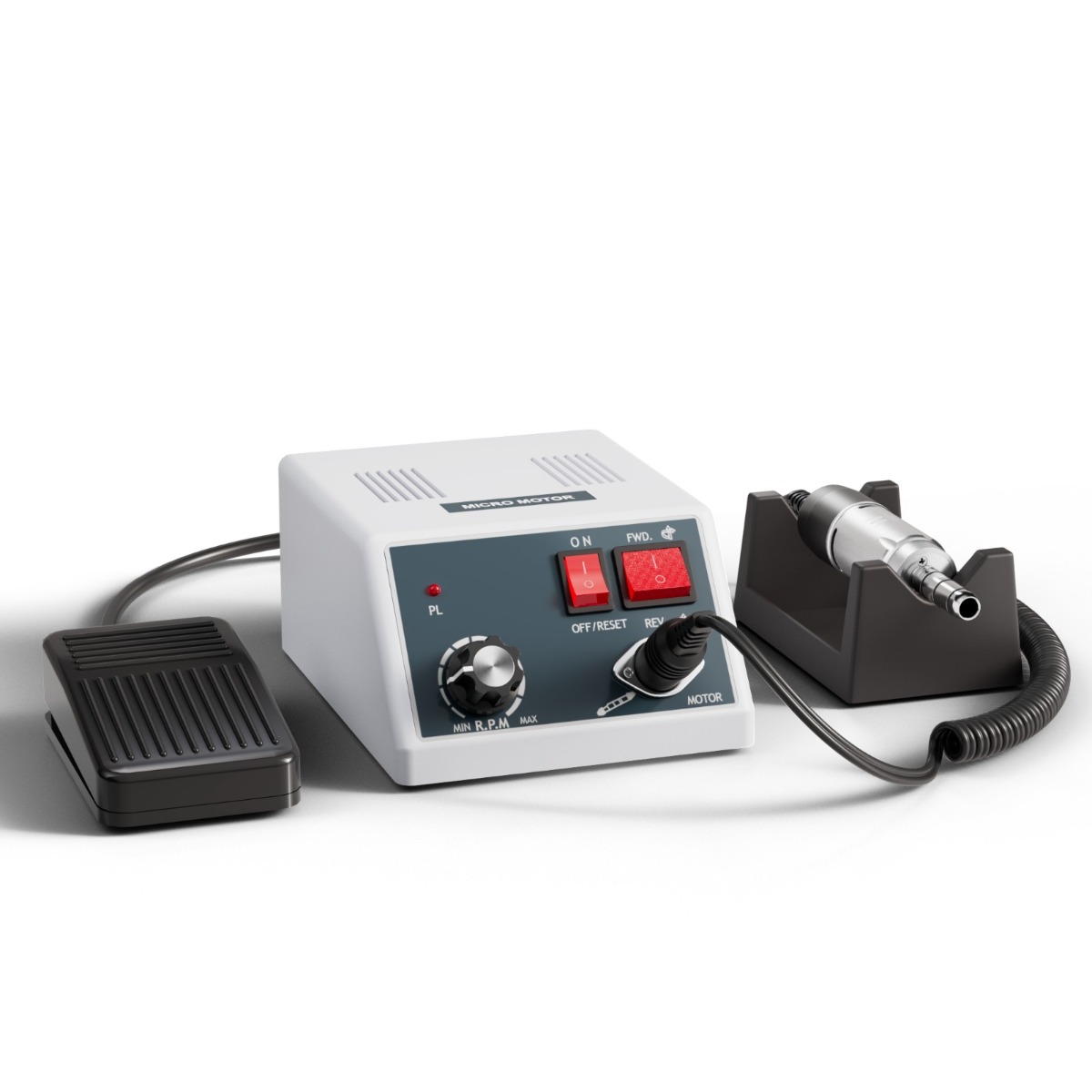 164
164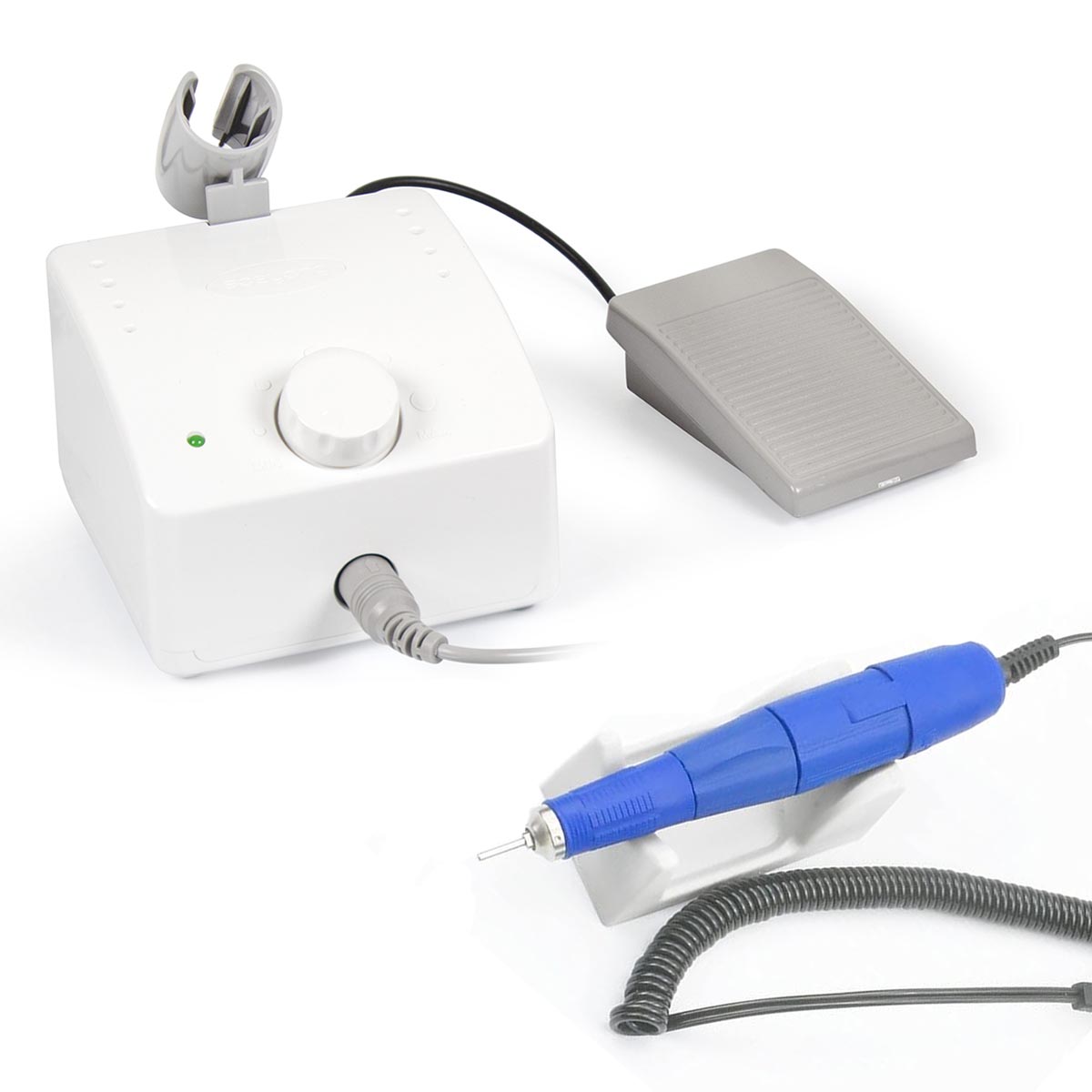 100
100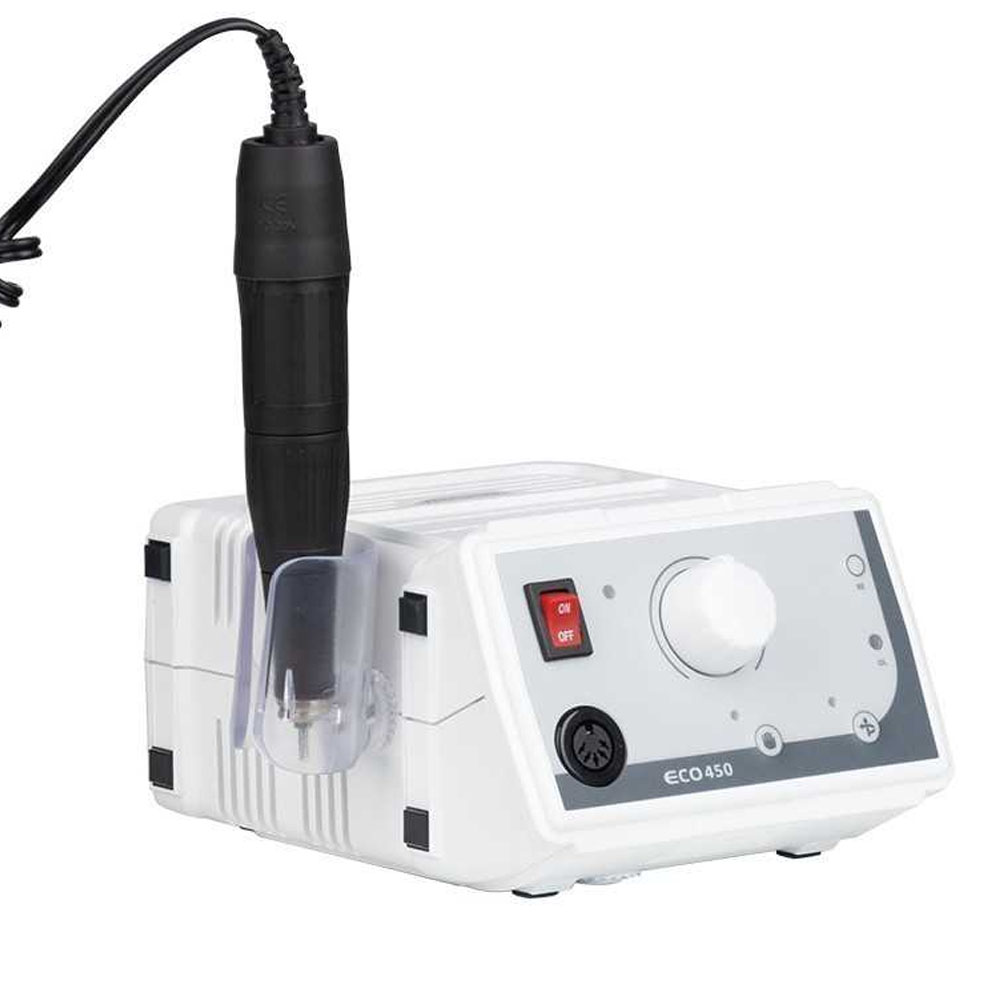 200
200