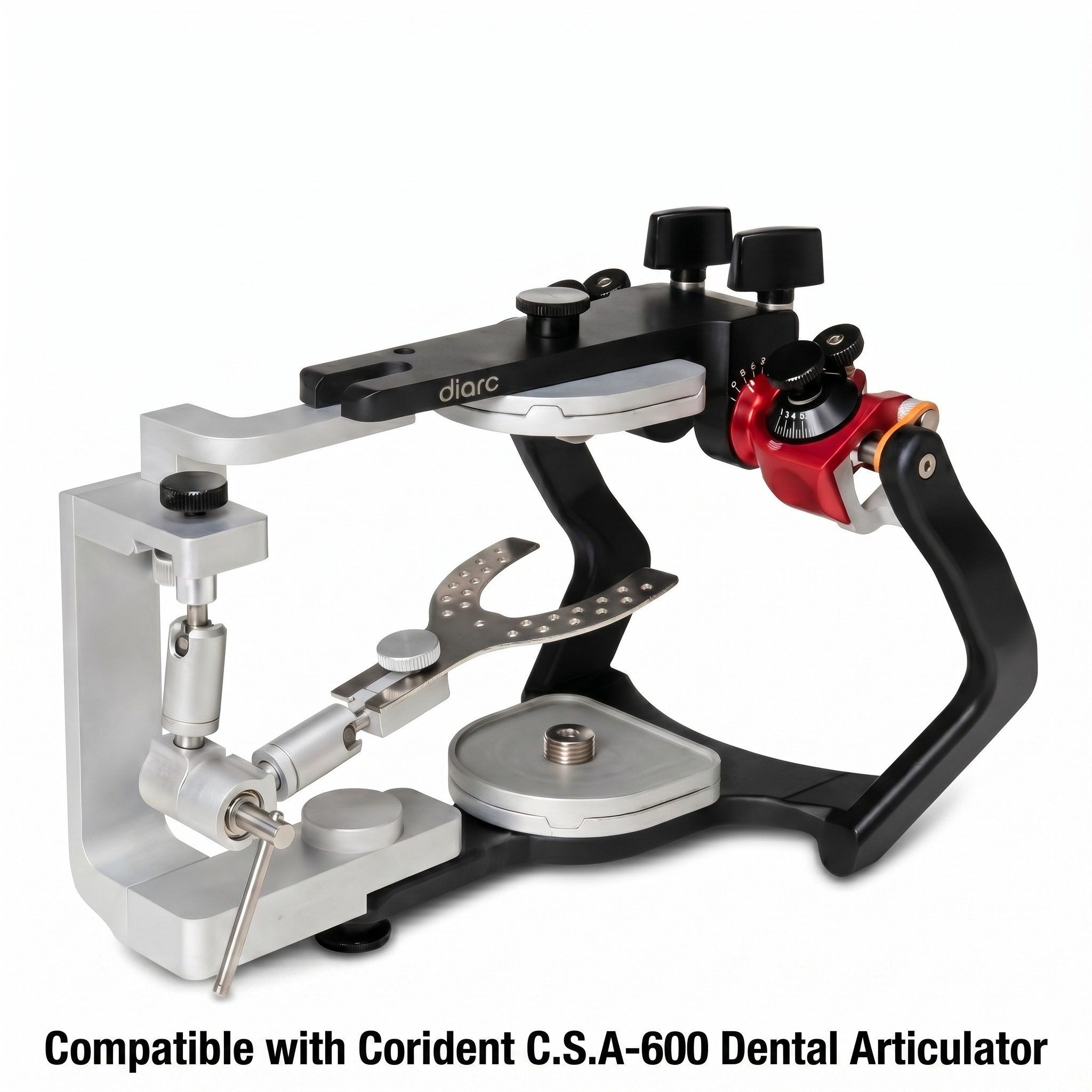
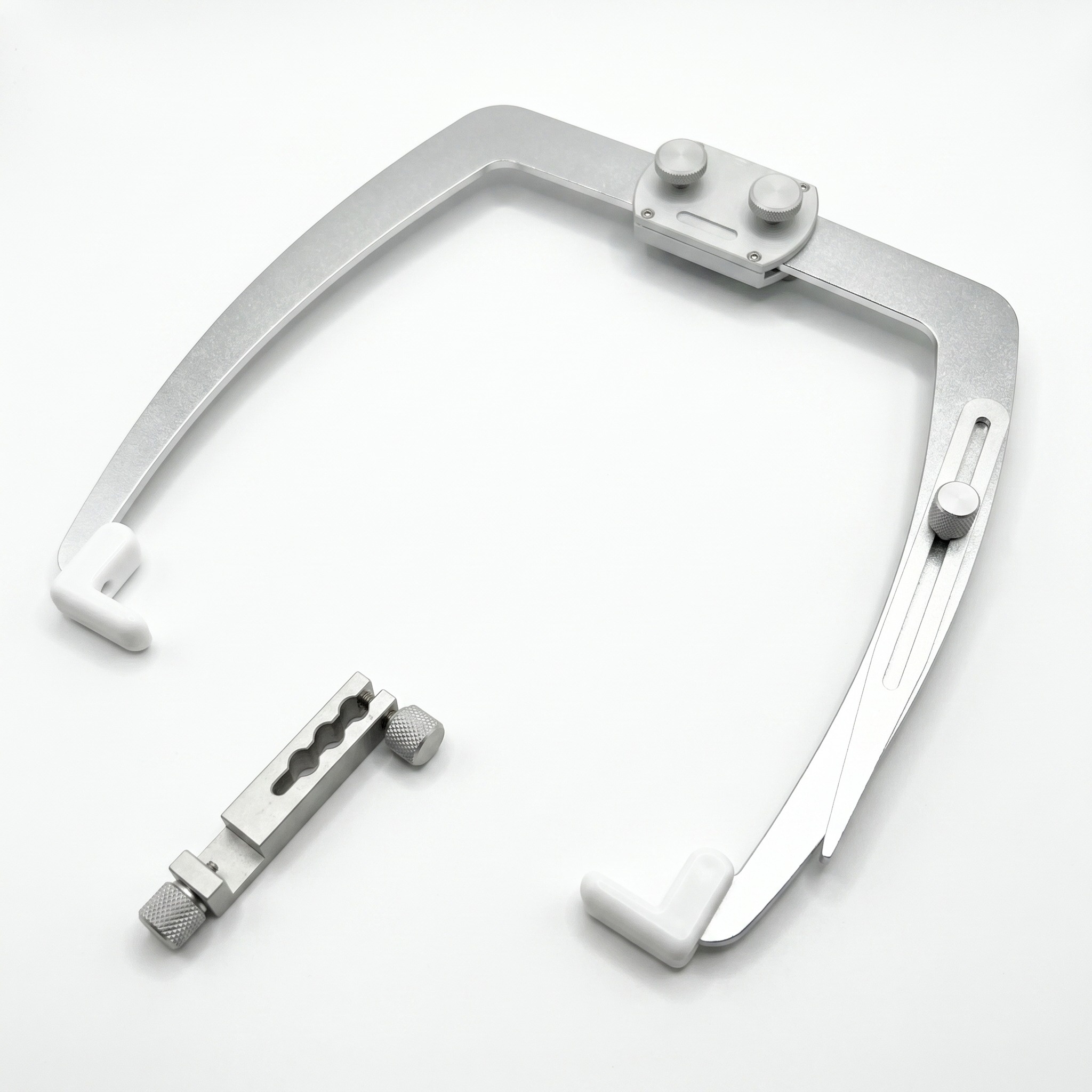
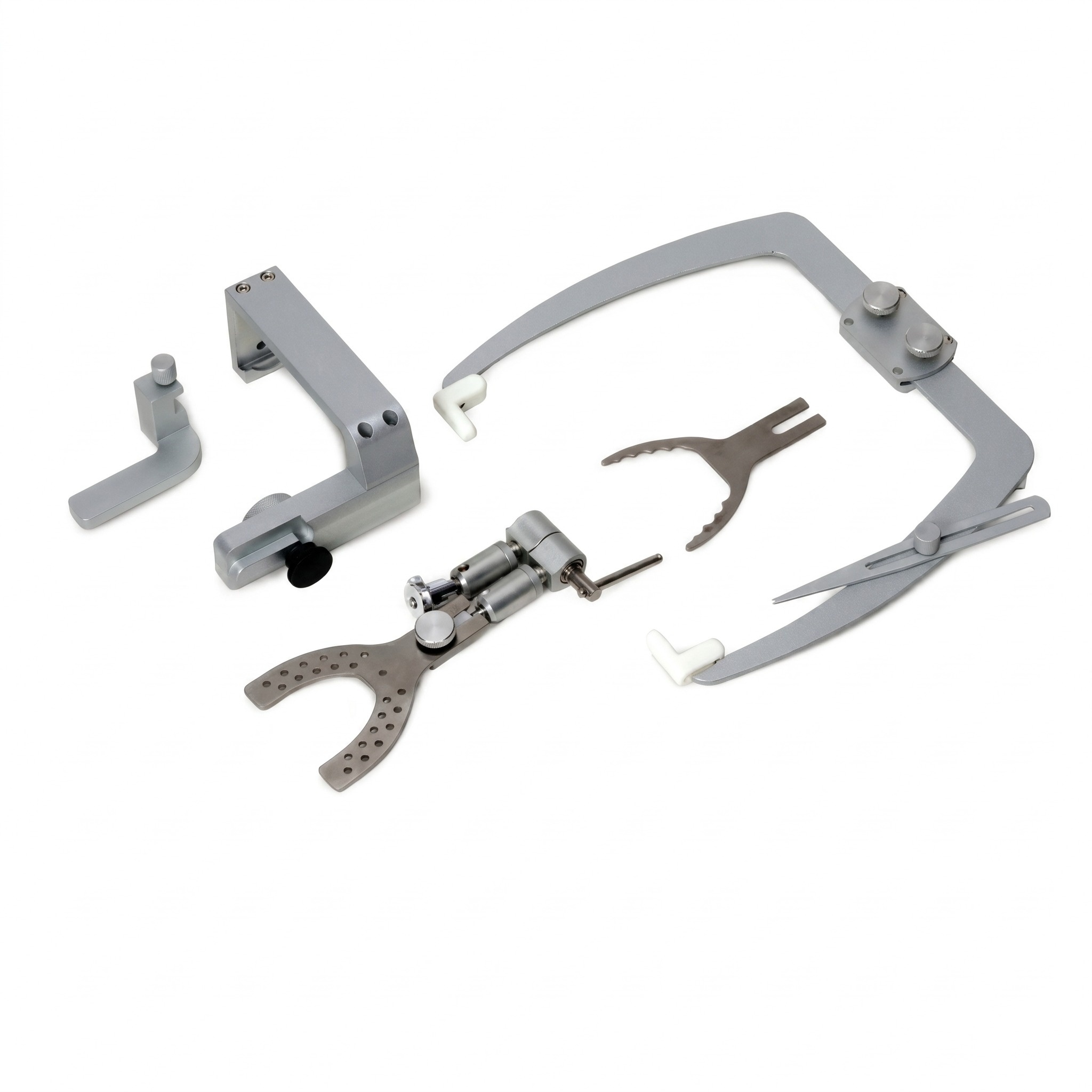
Facebows: Precision in Dentistry, Excellence in Care.
Introduction:
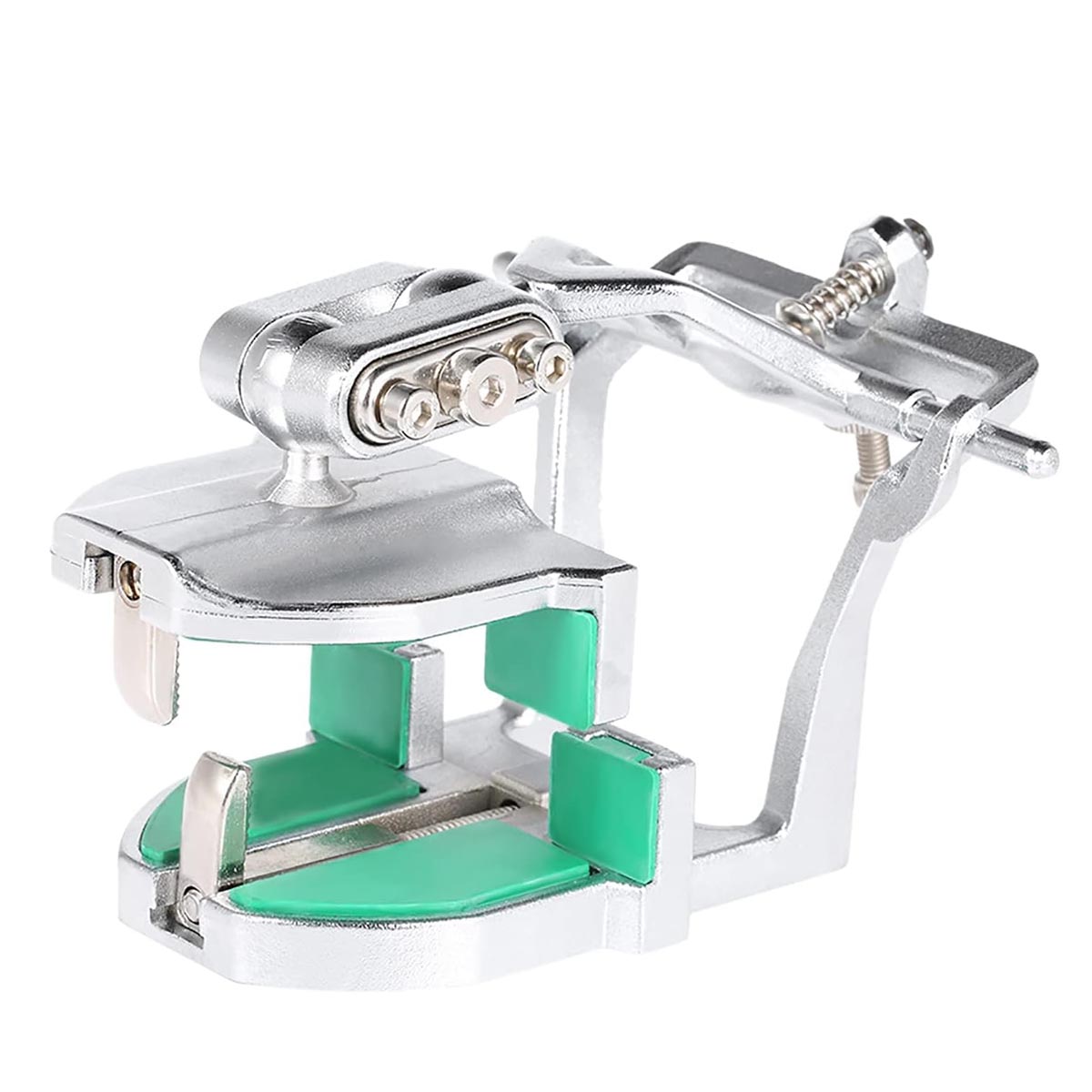
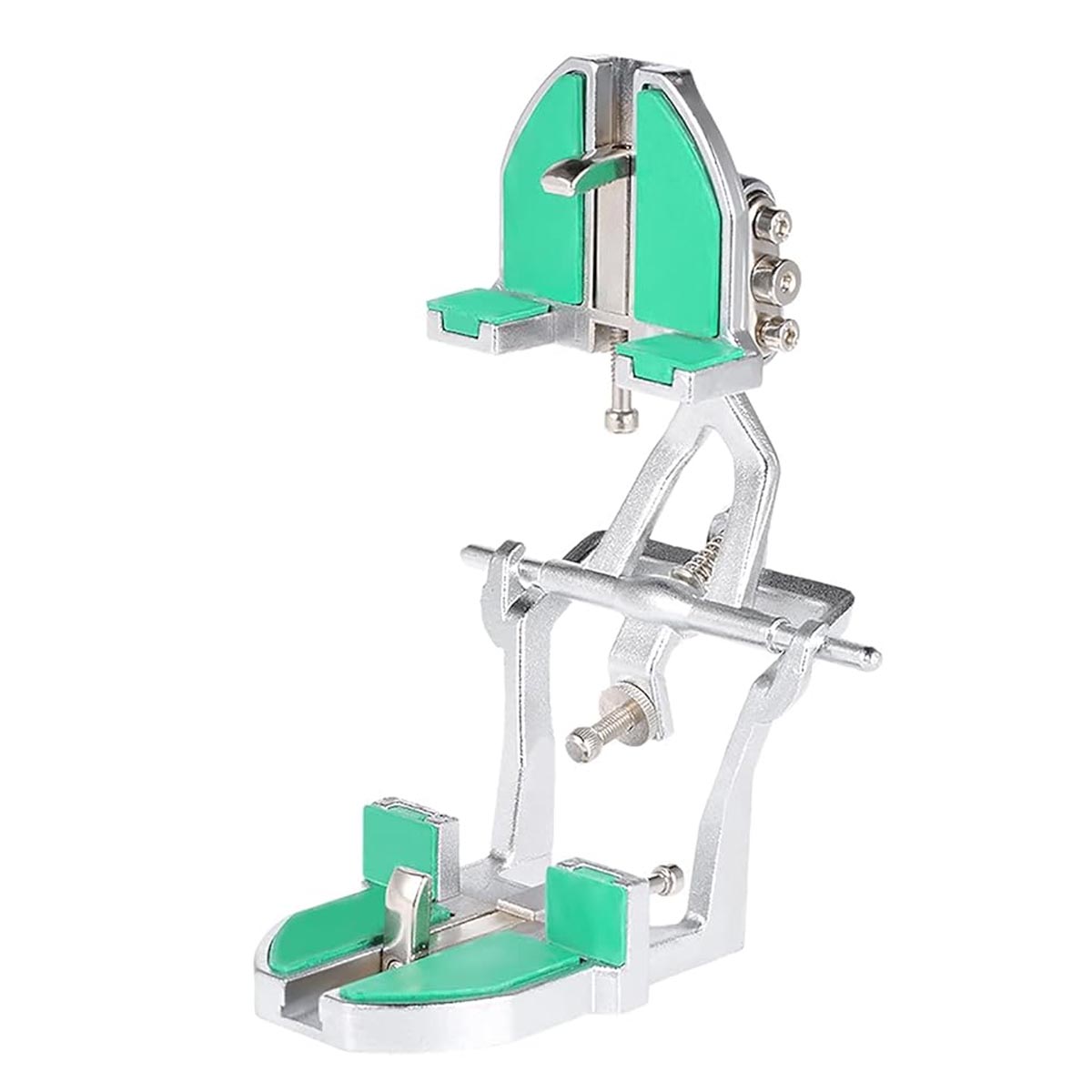
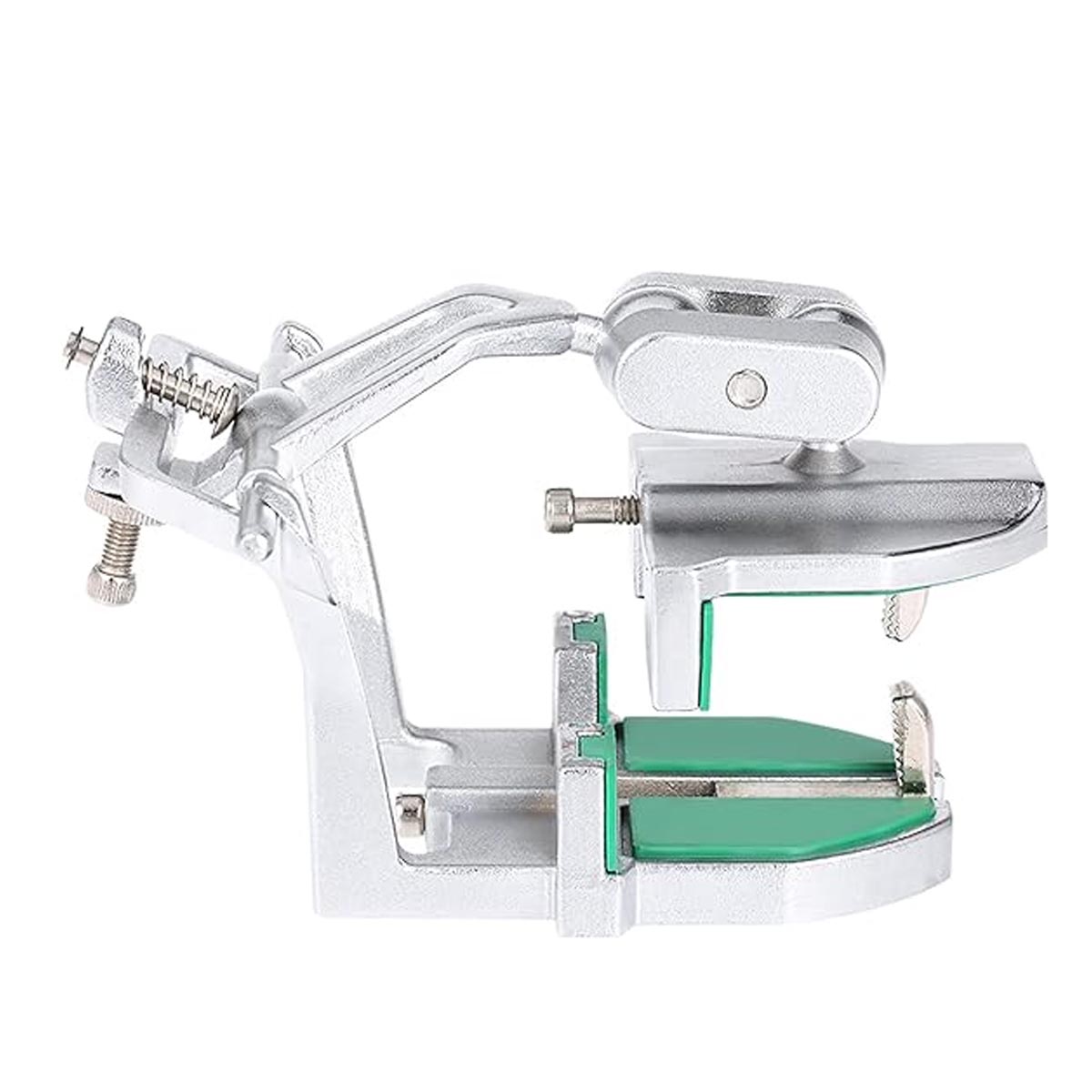
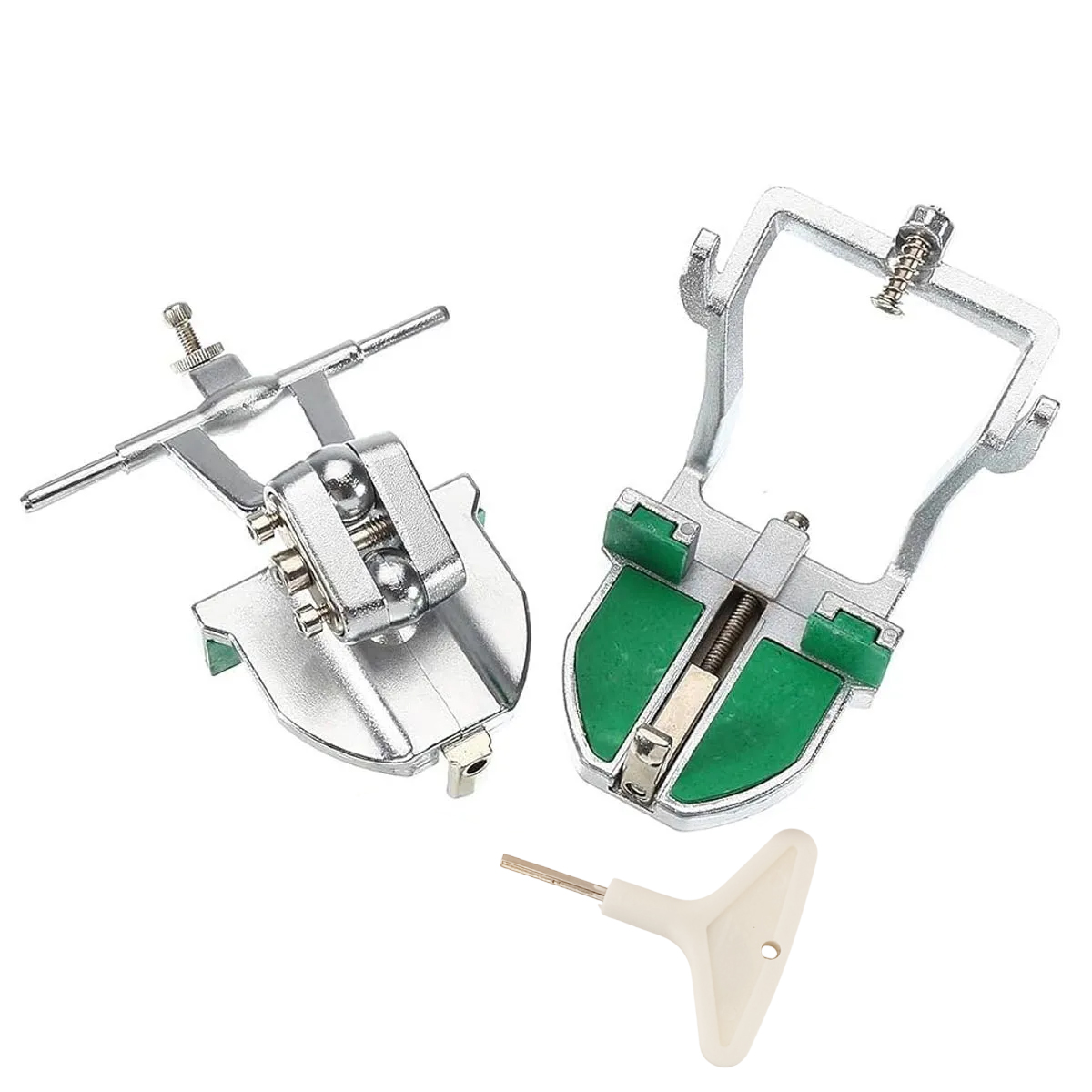
Facebows are a fundamental tool in the field of dentistry, enabling precise measurements of the relationship between a patient's upper and lower jaws. This information is critical for orthodontic and prosthodontic procedures, ensuring accurate diagnosis, treatment planning, and the creation of dental prostheses. Facebows come in various types, each designed to meet specific dental needs. Dentalkart offers a comprehensive selection of Facebows from trusted brands, providing dental professionals with the tools they need for their practice.
Types of Facebow:
Facebows are available in several types, each tailored to specific dental procedures and treatment requirements:
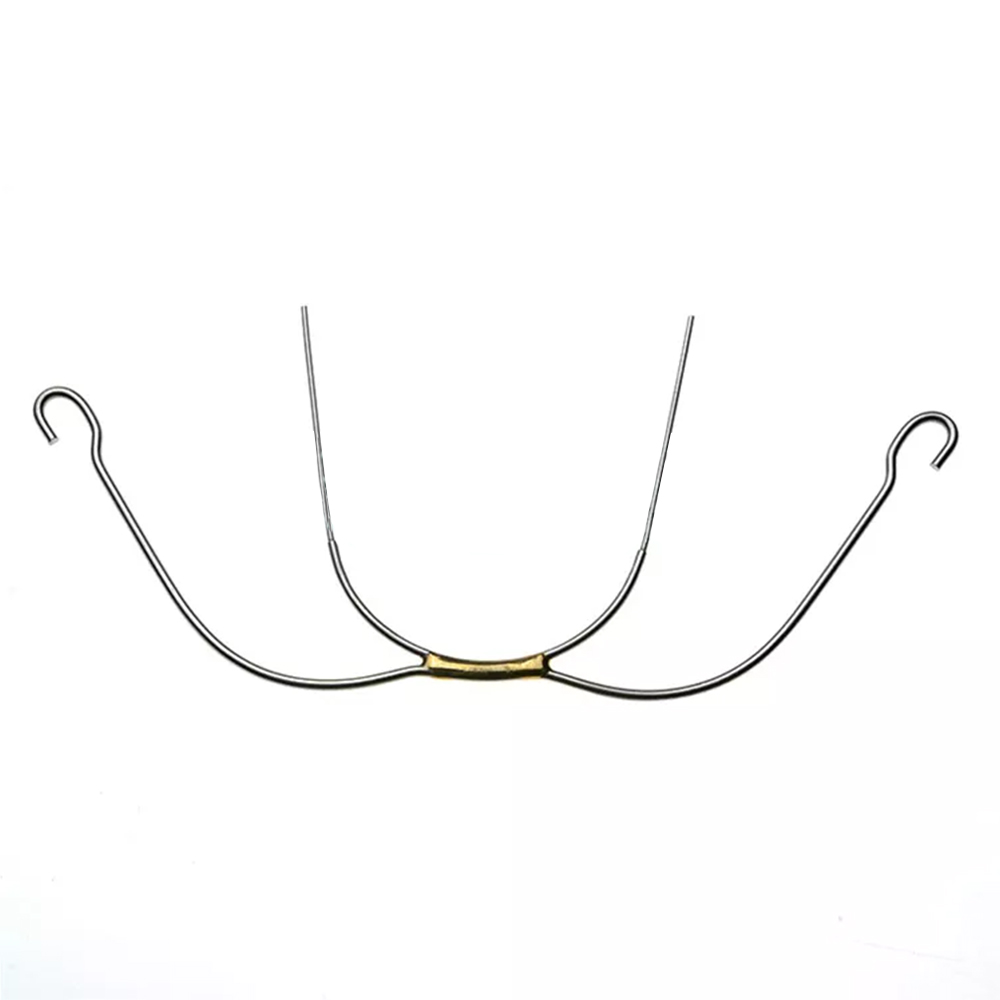
- Standard Facebow: This is the most commonly used type of Facebow. It is designed to replicate the natural head position and jaw relationship. Orthodontists and prosthodontists use it for various treatment planning and dental prostheses, such as dentures and bridges.
- Earpiece Facebow: This type of Facebow incorporates earpieces that attach to the patient's ears. It accurately replicates the orientation of the jaws and head to ensure precise measurements. Earpiece Facebows are often used in prosthodontics.
- Kois Dento-Facial Analyzer: The Kois Dento-Facial Analyzer Facebow is a more advanced option, offering comprehensive data collection for occlusal analysis, facial measurements, and treatment planning. It is widely used in complex prosthodontic and orthodontic cases.
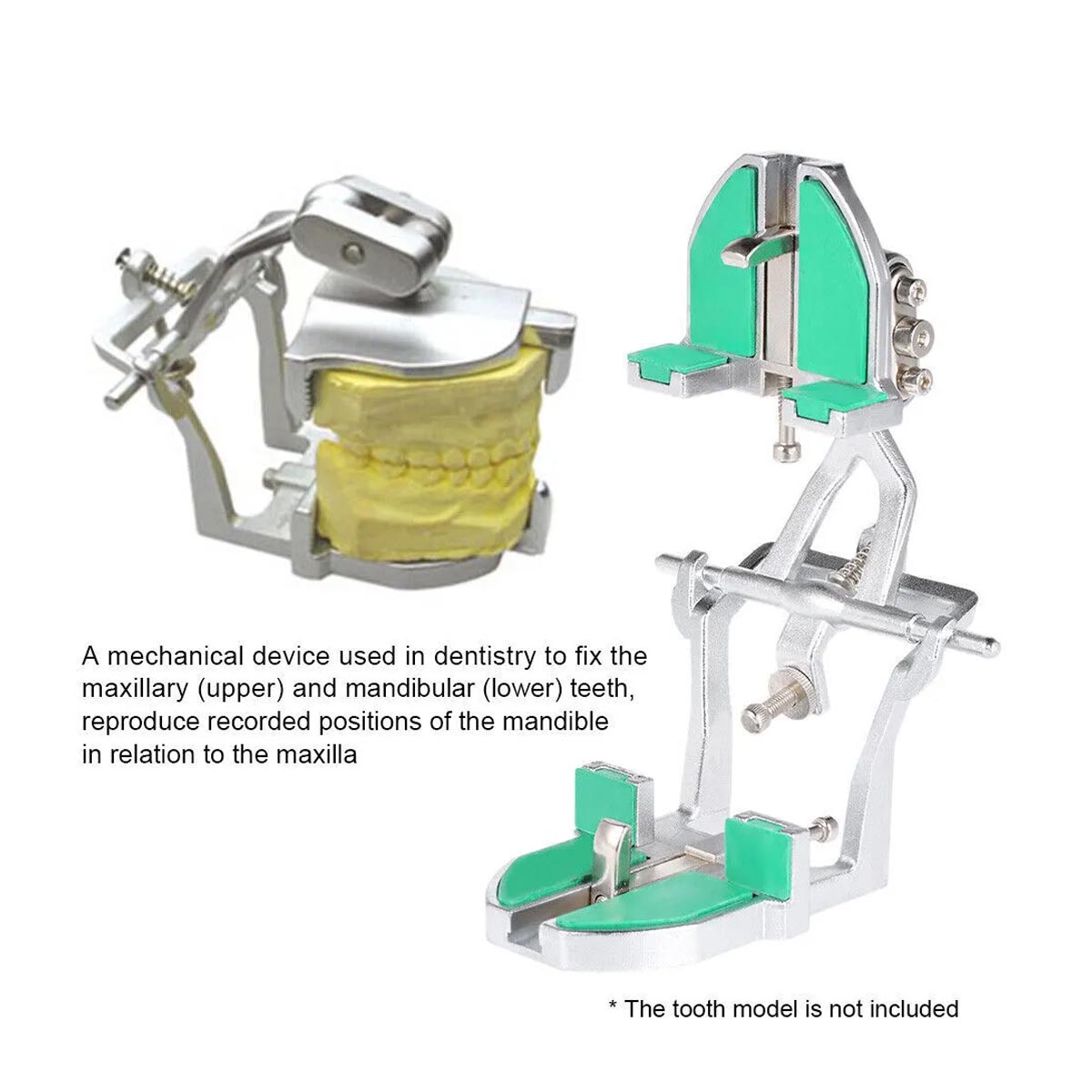
- Arcon Facebow: Arcon Facebows are known for their precision in replicating the maxillomandibular relationship. They are a popular choice in prosthodontics, where accuracy in bite registration is critical.
How to Use Facebow:
Using a Facebow involves the following steps:
- Prepare the Patient: Ensure the patient is comfortably seated and ready for the procedure. Instruct them to sit upright with their head in a neutral position.
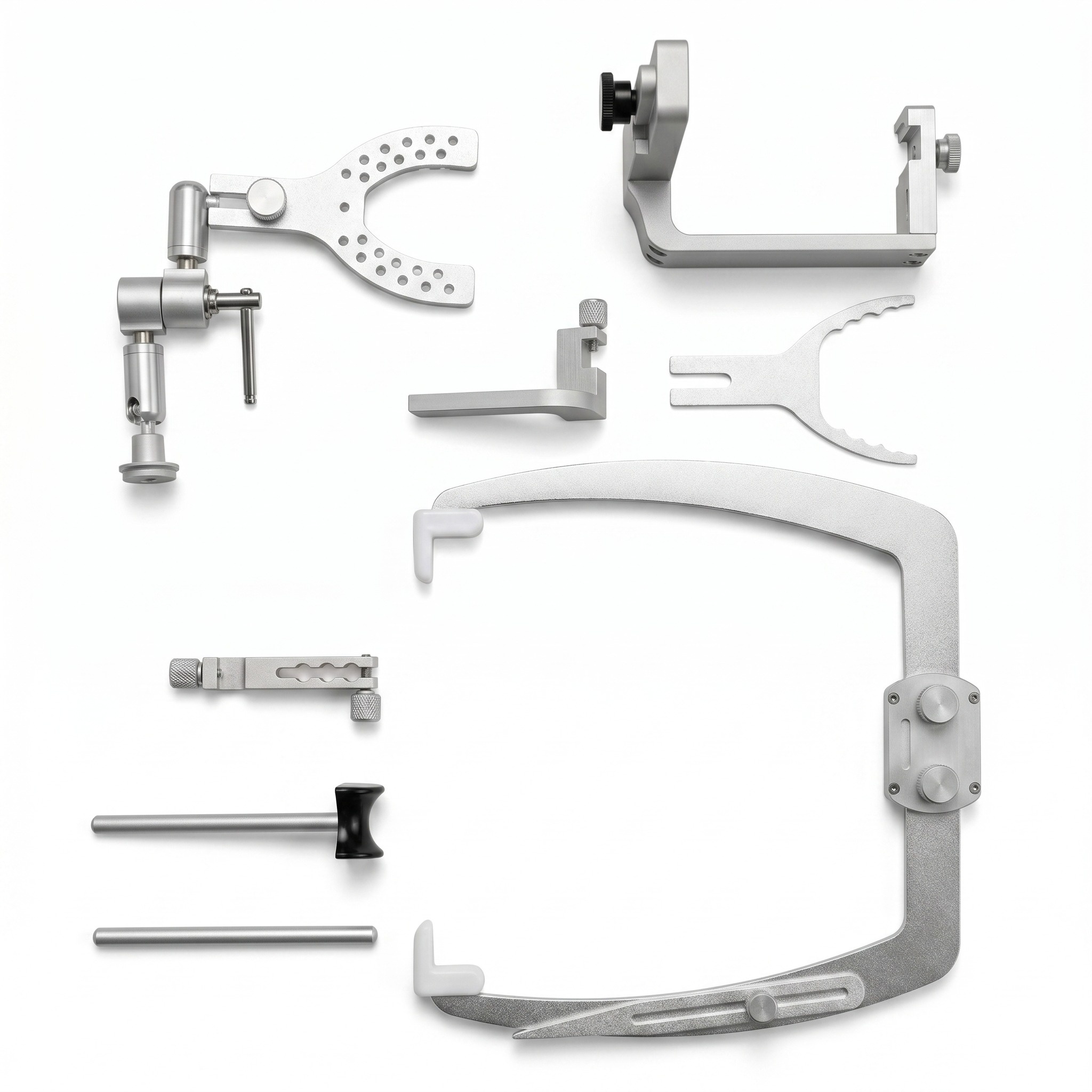
- Assembly: Assemble the Facebow by attaching it to the patient's head and measuring their maxillomandibular relationship. The assembly process may differ slightly depending on the type of Facebow being used.
- Replicate the Bite: The Facebow accurately captures the relationship between the upper and lower jaws. It records the orientation of the maxillary arch in relation to the temporomandibular joint (TMJ).
- Record the Data: After the Facebow is correctly positioned, record the data and measurements for use in treatment planning.
- Remove the Facebow: Gently remove the Facebow from the patient's head.
Where Facebow is Used:
Facebows are used in various dental procedures, including:
- Orthodontics: In orthodontics, Facebows are employed to precisely replicate the patient's jaw relationship. This data is invaluable in planning and executing orthodontic treatments such as braces and aligners.
- Prosthodontics: Prosthodontists use Facebows to create dental prostheses like dentures, crowns, bridges, and implants. The accurate measurement of the maxillomandibular relationship is crucial for ensuring these prostheses fit and function correctly.
- Temporomandibular Joint (TMJ) Disorders: In the diagnosis and treatment of TMJ disorders, Facebows help in understanding the patient's jaw positioning and its relation to the TMJ. This information aids in developing suitable treatment plans.
Dentalkart's Range of Facebow:
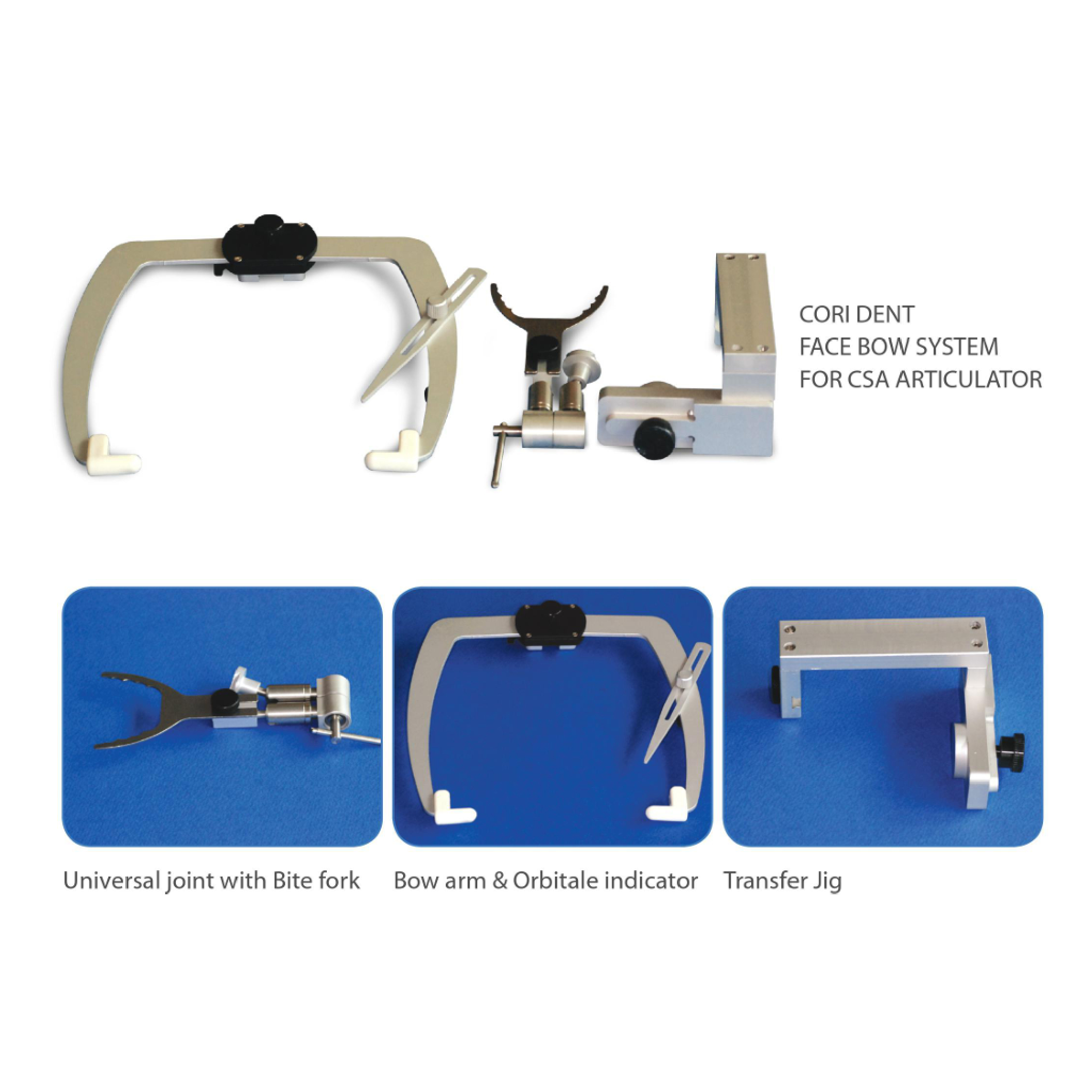
Dentalkart, a trusted name in the dental industry, offers a wide range of Facebows from renowned brands like U Ortho and Corident. These Facebows are designed with precision and quality to meet the demands of dental professionals. They come in various types to suit different clinical needs.
Why Choose Dentalkart:
Dentalkart is the preferred choice for dental professionals for several reasons:
- Quality Assurance: Dentalkart sources its products from reputable manufacturers known for their commitment to quality and precision. The Facebows available at Dentalkart meet the highest industry standards.
- Competitive Pricing: Dentalkart offers competitive pricing, making high-quality instruments and accessories accessible to dental practitioners without compromising quality.
- Diverse Product Catalog: Dentalkart's extensive product catalog covers a wide range of dental instruments, equipment, and supplies. Whether you need Facebows, orthodontic pliers, endodontic instruments, or any other dental tools, Dentalkart is a one-stop destination.
- Convenience: Dentalkart's user-friendly platform simplifies browsing, selection, and purchase of dental products. The intuitive interface and easy navigation make the shopping experience hassle-free.
- Timely Delivery: Dentalkart is committed to ensuring the prompt delivery of orders. Dental professionals can rely on timely shipping to have their instruments when they need them.
- Customer Support: Dentalkart's dedicated customer support team is readily available to assist with inquiries and provide assistance as needed. Dental professionals can expect responsive and helpful support at every stage of their purchase.
Conclusion:
Facebows are indispensable tools in dentistry, playing a pivotal role in orthodontic and prosthodontic procedures. Dentalkart offers a range of Facebows from trusted brands, ensuring dental professionals have access to high-quality instruments that enhance their dental practice. Dentalkart's commitment to quality, affordability, and convenience makes it the preferred choice for dental professionals seeking precision instruments for their dental procedures. Explore Dentalkart's collection of Facebows and elevate your dental practice to new heights of accuracy and efficiency.
Q: What is the primary purpose of a Facebow in dentistry?
A: The primary purpose of a Facebow is to accurately replicate the patient's jaw relationship. It records the orientation of the upper jaw in relation to the temporomandibular joint (TMJ). This data is invaluable for orthodontic and prosthodontic treatment planning.
Q: What are the different types of Facebows available, and how do they differ?
A: There are several types of Facebows, including Standard Facebows, Earpiece Facebows, Kois Dento-Facial Analyzer Facebows, and Arcon Facebows. They differ in their design and application. Standard Facebows are commonly used for general purposes, while others are more specialized for complex cases or specific procedures.
Q: How is a Facebow assembled and used during a dental procedure?
A: A Facebow is assembled by attaching it to the patient's head. The patient is seated comfortably with their head in a neutral position. The Facebow captures the maxillomandibular relationship, which is then recorded for treatment planning. After the data is collected, the Facebow is gently removed from the patient's head.
Q: In which dental procedures are Facebows most commonly used?
A: Facebows are commonly used in orthodontics for orthodontic treatment planning and in prosthodontics for creating dental prostheses such as dentures, crowns, bridges, and implants. They are also employed in diagnosing and treating temporomandibular joint (TMJ) disorders.
Q: What are the advantages of using a Facebow in dental procedures?
A: The advantages of using a Facebow include improved accuracy in measurements, better treatment planning, enhanced patient care, and increased success rates in orthodontic and prosthodontic procedures.










.jpg)

.jpg)


 Recommended
 Price- High to Low