


Paediatric Models
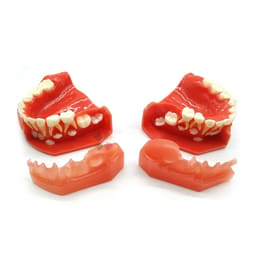
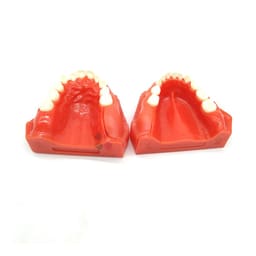
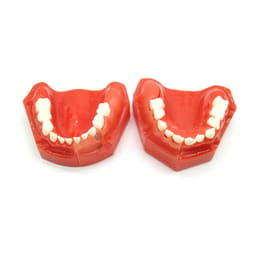
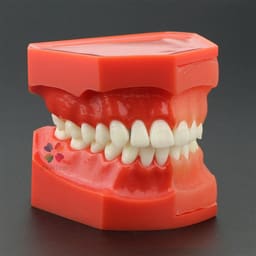
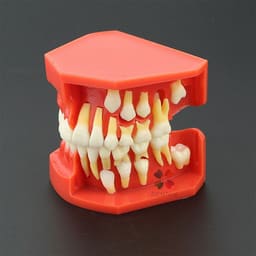
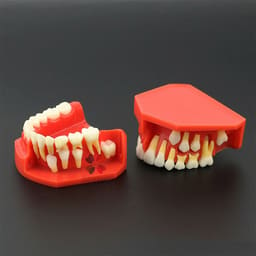
Pediatric dentistry teaching models help dentists explain age-specific dental development, mixed dentition pathologies and brushing habits to children and their parents during chair-side consultation. iDENTical models include age 3-6 development (M7011), age 9-12 mixed dentition (M7013), pediatric model with pathologies (M4002) and brushing models. Dentalkart stocks iDENTical paediatric patient education models.
 Recommended
 Price- High to LowPrice- Low to High
 105
105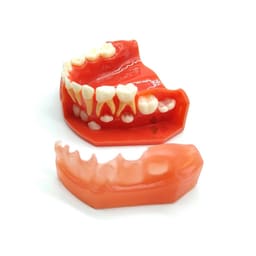
 149
149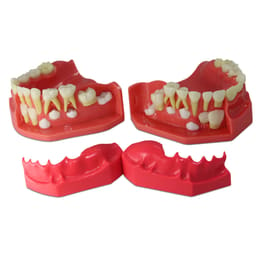
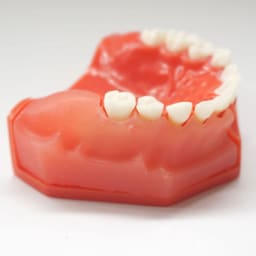
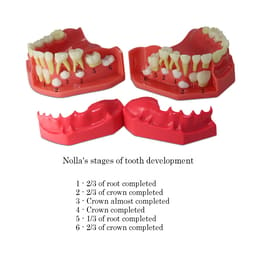 148
148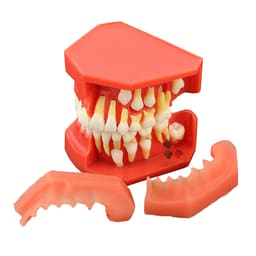
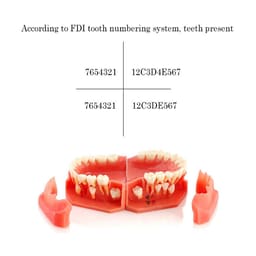
 175
175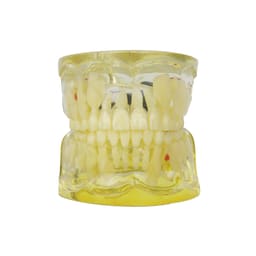
 130
130What are Paediatric Dentistry Teaching Models?
Paediatric dentistry teaching models are anatomically accurate dental education models showing age-specific primary and mixed dentition development, common paediatric pathologies and brushing habit demonstration — used in paediatric dental clinics for chair-side patient and parent education during consultation, for explaining mixed-dentition treatment plans to parents who may not understand the eruption sequence, for visualising eruption-stage anatomy that children may not yet show clinically, and for dental student teaching on paediatric clinical workflow. The category covers age-specific development models, pathology demonstrators and oral hygiene instruction models.
Types of Paediatric Dentistry Models
Early Mixed Dentition Models (Age 3–6)
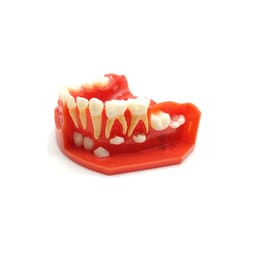
Early mixed dentition models show the primary dentition transitioning toward first permanent molar eruption — useful for explaining the typical paediatric clinical stage to parents who often confuse primary tooth shedding patterns. iDENTical Pediatric Development Model Age 3-6 M7011 is the dedicated early-childhood demonstrator showing complete primary dentition with first permanent molar eruption visible at the posterior.
Late Mixed Dentition Models (Age 9–12)
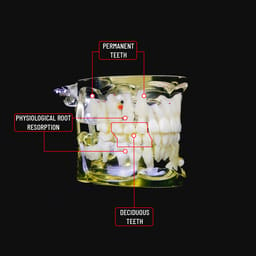
Late mixed dentition models show advanced eruption sequence with permanent incisor replacement and canine/premolar eruption — useful for explaining the late mixed-dentition stage during orthodontic timing consultation. iDENTical Pediatric Development Model Age 9-12 M7013 demonstrates this complex stage where multiple permanent teeth are erupting alongside remaining primary teeth.
Paediatric Pathology Demonstration Models
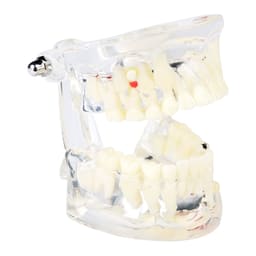
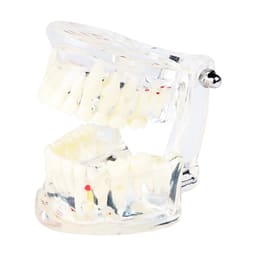
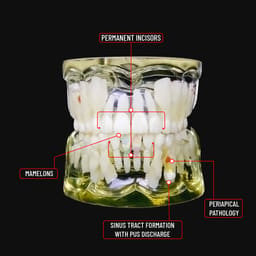
Paediatric pathology models show common paediatric clinical conditions — early childhood caries patterns, deep pulpal involvement requiring pulpotomy or pulpectomy, eruption disturbances and primary tooth trauma. iDENTical Pediatric Model with Pathologies M4002 is the comprehensive paediatric pathology demonstrator for chair-side parent education about treatment necessity.
Brushing Habit Models for Paediatric Patients
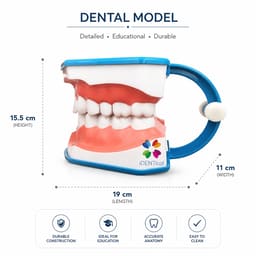
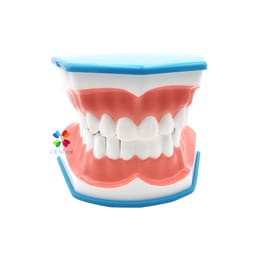
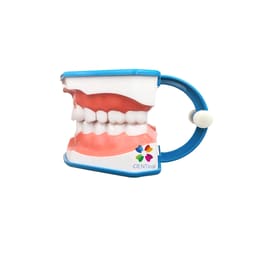
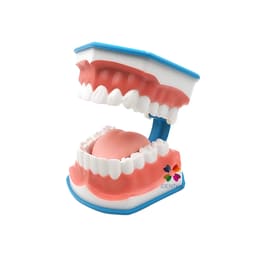
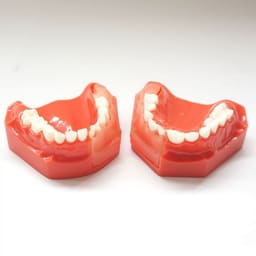
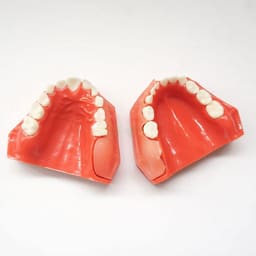
Brushing habit models support oral hygiene instruction for children, who learn brushing technique more effectively through visual demonstration than verbal-only instruction. iDENTical Big Brushing Model with Tongue (MD-101) is the scaled-up demonstrator letting children visually understand correct brushing angulation, coverage and tongue cleaning during preventive paediatric consultations.
Paediatric Consultation & Patient Education Workflow
A complete paediatric education kit combines age-specific development models (M7011 for 3–6 years, M7013 for 9–12 years), pathology demonstrators (M4002) and brushing habit models for the full paediatric consultation workflow. The multi-model approach supports both child-directed visual learning and parent-directed treatment plan explanation across the typical 3–12 year paediatric patient base.
When Are Paediatric Dentistry Models Used?
Paediatric dentistry models are used during paediatric new-patient consultation for explaining mixed-dentition anatomy to parents, during preventive consultation for oral hygiene instruction to children using age-appropriate visual aids, during paediatric pathology discussion when explaining early childhood caries patterns or pulp involvement to parents, during orthodontic timing consultation when discussing mixed-dentition treatment planning, and during dental school paediatric dentistry teaching for visualising eruption stages and common paediatric clinical scenarios.
How to Choose Paediatric Dentistry Models
Match model age range to your practice paediatric patient demographic — age 3–6 (M7011) for primary-dentition-heavy practices and well-baby visits, age 9–12 (M7013) for mixed-dentition transition consultation and orthodontic timing discussion. Choose pathology demonstrators (M4002) for clinics handling paediatric restorative and pulp therapy regularly. Add brushing habit models for clinics with preventive paediatric programmes. Comprehensive multi-model paediatric kits cover the full age range for paediatric specialty clinics.
Top Brands of Paediatric Dentistry Models at Dentalkart
Dentalkart stocks the iDENTical paediatric dentistry teaching model range — covering early mixed dentition age 3–6 (M7011), late mixed dentition age 9–12 (M7013), paediatric pathologies (M4002) and big brushing model with tongue (MD-101) for oral hygiene instruction. The full iDENTical paediatric range supports general paediatric practice, paediatric specialty clinics and dental school paediatric dentistry teaching applications.
Why Buy Paediatric Dentistry Models from Dentalkart?
Dentalkart supplies clinic-grade paediatric dentistry teaching models at distributor pricing, trusted by 50,000+ dentists across 110000+ Indian pincodes. Authentic iDENTical brand sourcing, durable construction for child-safe chair-side handling, GST invoicing, COD on eligible orders and fast pan-India shipping. For the broader patient-education model range, explore Patient Education Models.
Frequently Asked Questions (FAQs):
What are paediatric dentistry teaching models used for?
Paediatric dentistry teaching models are used for chair-side patient and parent education during paediatric consultation — demonstrating age-specific dental development, mixed dentition anatomy, common paediatric pathologies and correct brushing technique. They are also used during orthodontic timing discussions, preventive consultations and dental student teaching where visualising paediatric clinical scenarios aids comprehension dramatically over verbal-only explanation.
What is the difference between age 3-6 and age 9-12 pediatric development models?
The difference between age 3-6 and age 9-12 paediatric development models is the dentition stage shown — age 3-6 models like the iDENTical M7011 show complete primary dentition with first permanent molar eruption beginning, while age 9-12 models like the iDENTical M7013 show late mixed dentition with permanent incisor replacement and canine/premolar eruption alongside remaining primary teeth.
Why use a mixed dentition model in paediatric consultation?
Mixed dentition models help paediatric consultation because parents often confuse the eruption sequence and become concerned about "crooked" teeth that are actually following normal developmental patterns. Visual demonstration of typical mixed-dentition anatomy reassures parents about normal eruption stages, supports orthodontic-timing decisions and helps parents understand when treatment is actually needed versus when patience is appropriate.
Can paediatric models be used to teach brushing habits to children?
Yes — paediatric models are highly effective for teaching brushing habits to children because young patients learn brushing technique more effectively through visual demonstration than verbal-only instruction. A scaled-up model like the iDENTical Big Brushing Model with Tongue MD-101 lets the dentist physically demonstrate correct angulation and coverage, then have the child demonstrate back — improving home-care compliance and long-term oral hygiene outcomes.
Are paediatric models suitable for parental treatment plan discussion?
Paediatric models are specifically designed for parental treatment plan discussion — parents often need visual aids to grasp paediatric clinical scenarios that they may not have personally experienced or remember from their own childhood. Models like the iDENTical Pediatric Model with Pathologies M4002 visually explain why specific treatments like pulpotomies, pulpectomies, stainless steel crowns or space maintainers are recommended for their child.