Login
image
image
Home
paedo instruments
Instruments
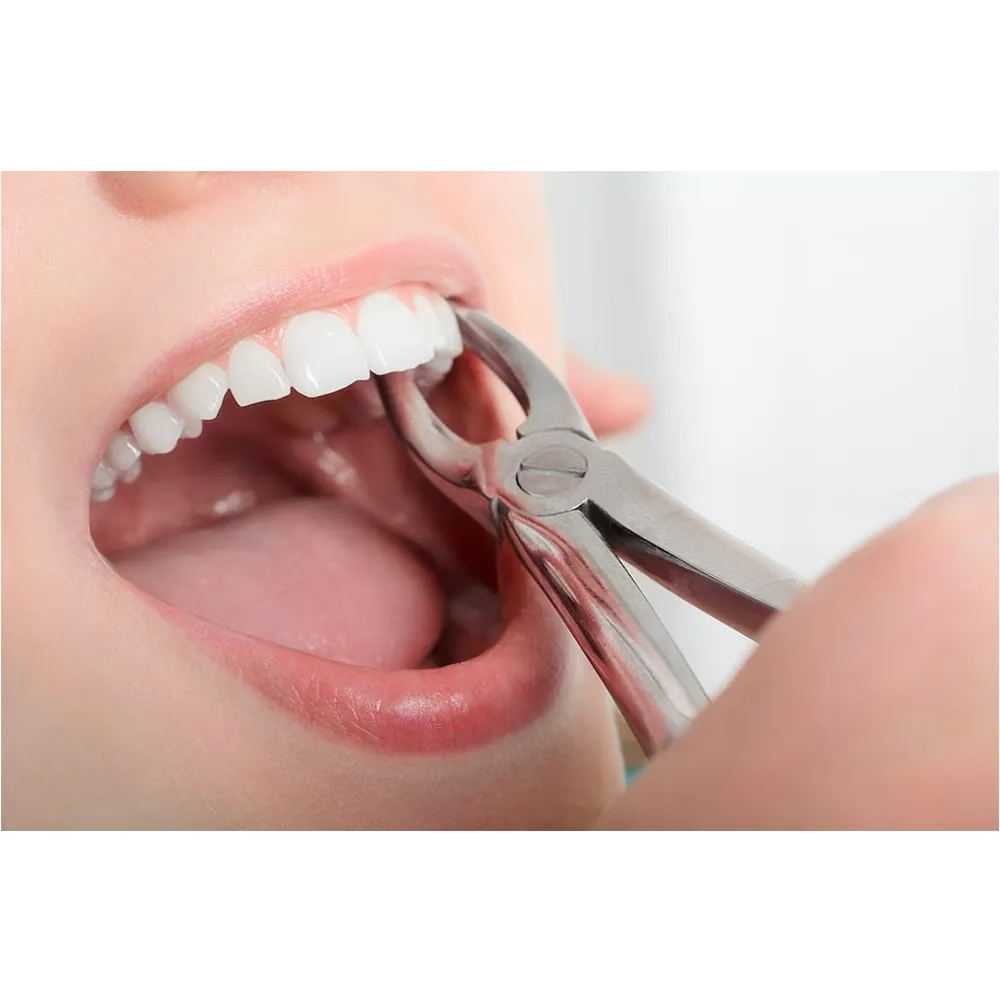
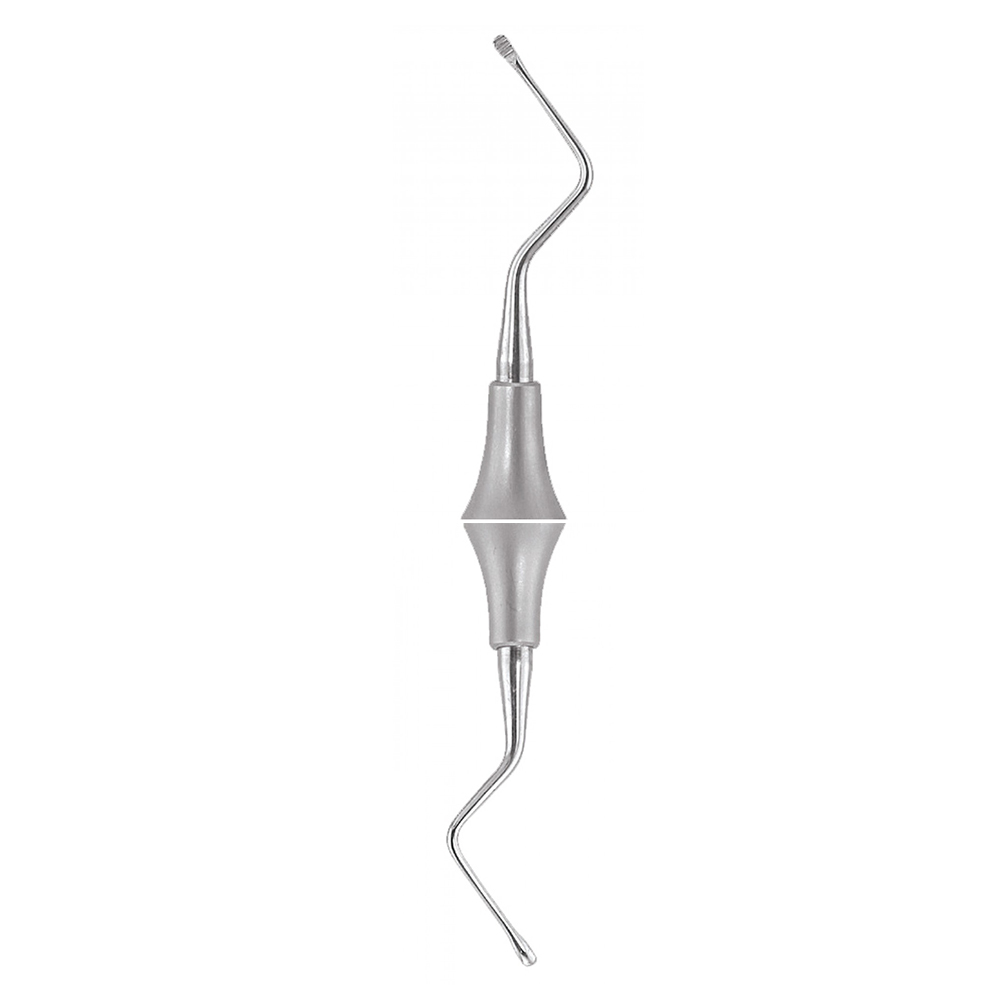
Pedo instruments , also known as pediatric dental instruments, are a specialized category of dental tools designed specifically for treating pediatric patients. Pediatric dentistry focuses on the oral health of infants, children, and adolescents, making it essential to have a set of instruments tailored to their unique anatomical needs and psychological considerations. Pediatric patients have smaller mouths, developing teeth, and varying levels of cooperation during dental procedures. Thus, pedo instruments are essential to provide effective and safe dentalcare to children. These instruments are designed to be gentle, non-threatening, and effective in treating children, ensuring their positive dental experience. Pedo Extraction Forceps: These specialized forceps are designed to extract deciduous (baby) teeth gently. They have smaller, anatomically adapted beaks that fit comfortably around the smaller roots of baby teeth, reducing the risk of trauma during extraction. The handles are designed for easy grip and better control, ensuring a safe and efficient extraction process. Pedo American Forceps: These forceps are designed to grip and extract deciduous teeth that are mobile or need removal. They have unique beak designs that cater to the varying shapes and sizes of baby teeth, providing a secure hold for extraction while minimizing any discomfort for the child. Dental Mirror: A small mirror used to visualize hard-to-reach areas inside the mouth, assisting in examination and treatment. Explorer/Probe: A fine-pointed instrument used to detect cavities, plaque, and other dental issues by gently probing the teeth and gums. Spoon Excavator: A small, spoon-shaped instrument used to remove soft carious material from the tooth. Pediatric Mouth Prop: A device used to help keep the child's mouth open during dental procedures, ensuring better access and comfort. Dental Dam: A thin, flexible sheet used to isolate specific teeth during certain procedures to keep the area dry and protected. Orthodontic Instruments: Various tools are used for adjusting and placing orthodontic appliances like braces and space maintainers. Dental Anesthetic Syringe: A syringe used to administer local anesthesia to numb the area before dental treatment. Dental Sealant Applicator: A small brush or instrument used to apply dental sealants to the chewing surfaces of molars to prevent cavities. Strip Crown Scissors: Special scissors are used to trim stainless steel crowns to fit the child's tooth. Rubber Dam Clamp and Punch: Instruments used to place a rubber dam over a tooth or teeth for certain procedures. Q: What are extraction forceps used for? A: Extraction forceps are a crucial set of dental instruments used by dentists to delicately and effectively remove teeth during various dental procedures. Dentalkart provides a diverse selection of extraction forceps, meticulously crafted with high-quality materials to ensure dentists have dependable and precise tools at their disposal. These forceps offer a secure grip and gentle handling, prioritizing patient comfort and optimizing dental outcomes. Q: How can I identify the optimal surgical approach for impacted mandibular third molars based on the depth of impaction and the angle of inclination? A: Identifying the optimal surgical approach for impacted mandibular third molars involves evaluating the angulation, depth of impaction, and the presence of any associated pathologies. Using panoramic radiographs and CBCT imaging, you can plan for disto-angular, vertical, mesio-angular, or horizontal impactions to ensure the most efficient and minimally invasive extraction technique. Q: What are the indications and contraindications for using a piezoelectric surgical device during complicated surgical extractions? A: The piezoelectric surgical device is indicated for osteotomies, ostectomies, and tooth sectioning due to its precision and reduced risk of soft tissue damage. However, its use might be contraindicated in patients with cardiac pacemakers or implants due to potential electromagnetic interference. Q: How can I manage complications like sinus perforation during the extraction of maxillary posterior teeth? A: In cases of sinus perforation, prompt identification and management are crucial. Utilizing an intraoral camera or endoscope during the procedure can aid in early detection. To manage the perforation, suturing the site, using a resorbable membrane, and advising the patient on post-operative precautions are essential to promote healing and prevent further complications. Q: How can I minimize the risk of nerve injury during surgical extractions involving the mandibular premolars and molars? A: Accurate pre-operative assessment, such as evaluating the position of the inferior alveolar nerve using CBCT scans, is essential to minimize nerve injury risk. Implementing proper surgical techniques, such as using nerve retractors and keeping instrumentation away from the nerve vicinity, helps ensure nerve safety. Q: When should I consider coronectomy (intentional partial tooth removal) as an alternative to complete surgical extraction, especially for impacted mandibular third molars in close proximity to the inferior alveolar nerve? A: Coronectomy is considered when the impacted mandibular third molar is in close proximity to the inferior alveolar nerve, making complete extraction high-risk. It involves removing the crown and leaving the roots to prevent nerve injury. Proper case selection, patient consent, and long-term follow-up are essential in deciding this approach. Q: How can I effectively manage post-operative complications like alveolar osteitis (dry socket) after surgical extractions? A: To manage alveolar osteitis, thorough debridement of the socket and the placement of medicated dressings, such as zinc oxide eugenol, can alleviate symptoms and promote healing. Advising patients to avoid smoking and follow post-operative instructions strictly is crucial in preventing this complication. Q: What are the indications for using platelet-rich fibrin (PRF) in surgical extractions, and how does it promote better wound healing and tissue regeneration? A: PRF is indicated for its regenerative properties in surgical extractions, facilitating clot stabilization, inflammation reduction, and faster tissue healing. The use of PRF in the extraction socket promotes angiogenesis, stem cell migration, and enhanced bone and soft tissue formation. Q: How can I effectively manage post-operative pain in patients undergoing complex surgical extractions, while minimizing opioid usage? A: In immunocompromised patients, administering appropriate prophylactic antibiotics before surgery is vital to prevent infection. Utilizing strict aseptic techniques during the procedure, optimizing post-operative wound care, and closely monitoring patients for any signs of infection are essential in ensuring successful healing. Q: How can I manage a failed surgical extraction where a root tip is inadvertently left behind in the socket, and what are the potential complications if not addressed promptly? A: A failed surgical extraction with a retained root tip requires careful evaluation and possible retrieval using specialized instruments. Failure to address this promptly can lead to delayed healing, infection, or the formation of a residual cyst. Referring the patient to an oral surgeon for assessment and management is recommended. Q: What factors should I consider when choosing the ideal bone graft material for socket preservation during surgical extractions, and how can it impact long-term implant success? A: When selecting bone graft materials for socket preservation, consider biocompatibility, resorption rate, osteoconductivity, and osteoinductivity. Autogenous bone, allografts, and xenografts are common choices. The appropriate bone graft material can optimize bone regeneration and support long-term implant success.
Read more
Instruments

Pedo instruments, also known as pediatric dental instruments, are a specialized category of dental tools designed specifically for treating pediatric patients. Pediatric dentistry focuses on the oral health of infants, children, and adolescents, making it essential to have a set of instruments tailored to their unique anatomical needs and psychological considerations.

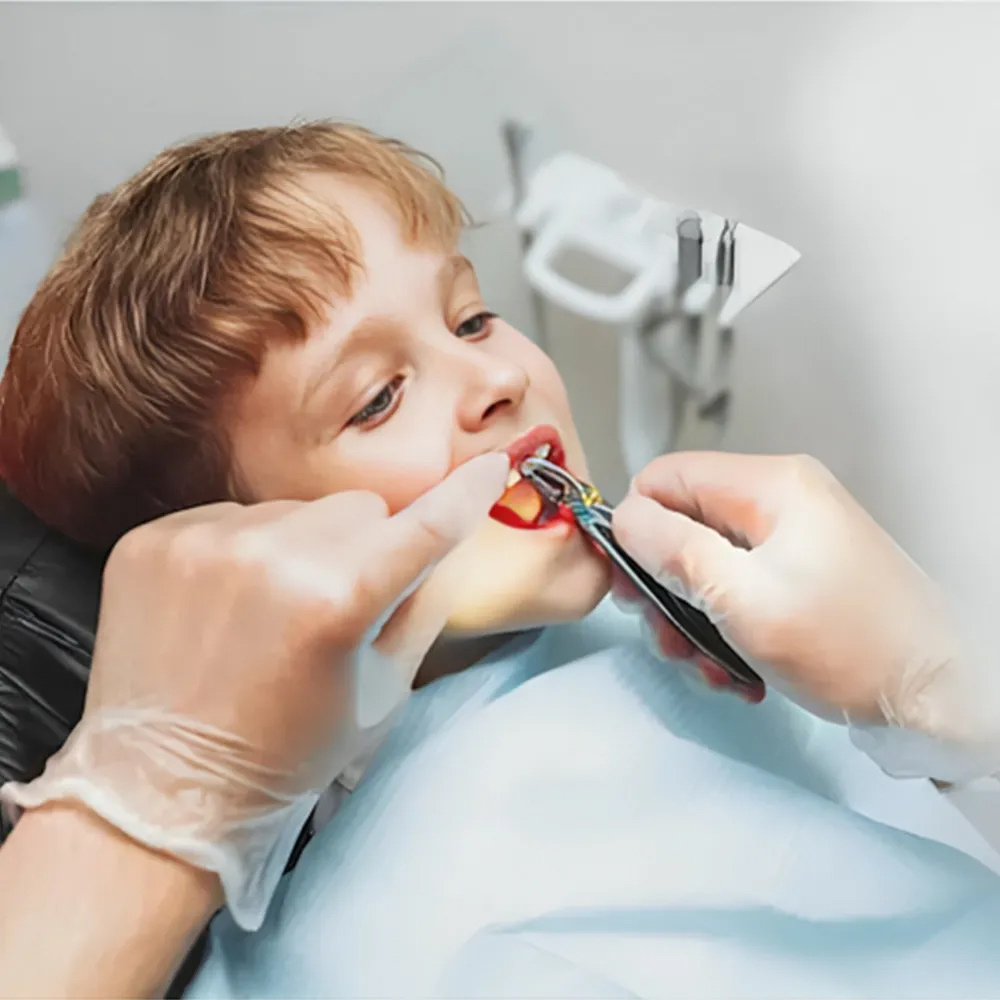
Pediatric patients have smaller mouths, developing teeth, and varying levels of cooperation during dental procedures. Thus, pedo instruments are essential to provide effective and safe dentalcare to children. These instruments are designed to be gentle, non-threatening, and effective in treating children, ensuring their positive dental experience.

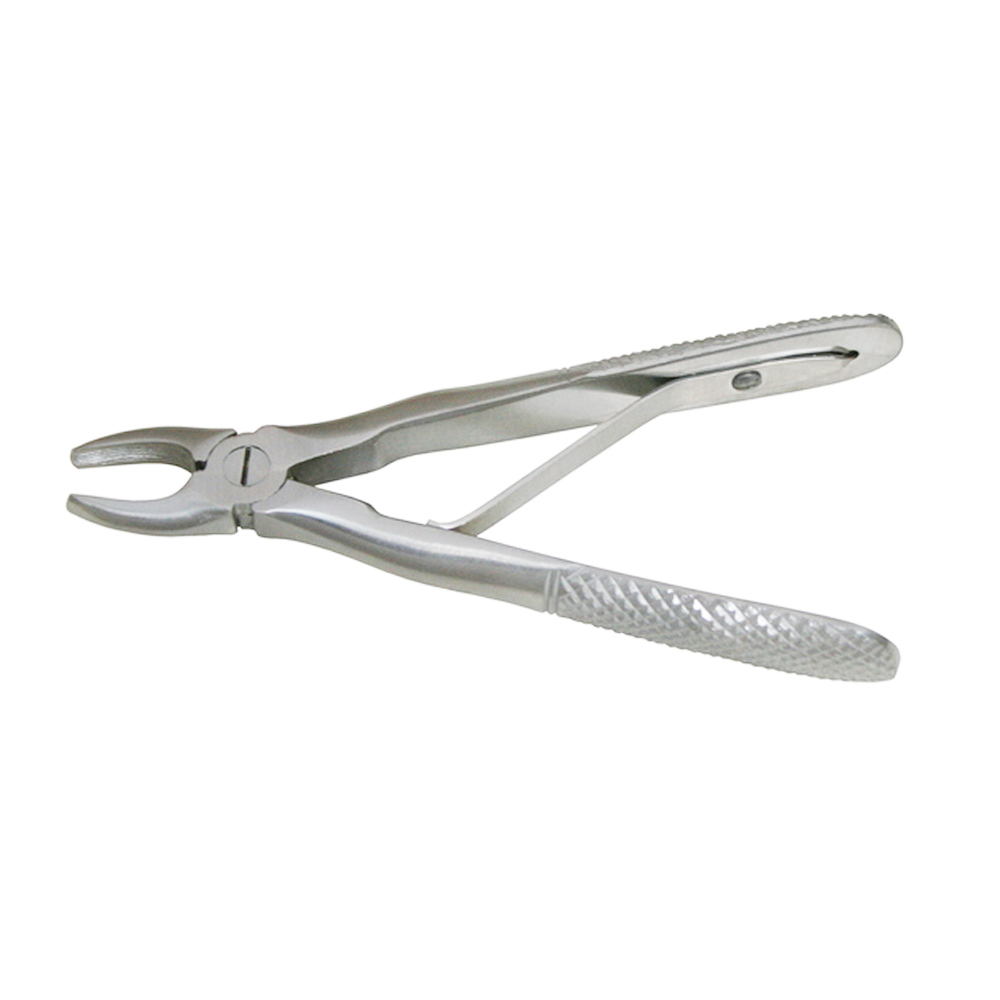
Pedo Extraction Forceps: These specialized forceps are designed to extract deciduous (baby) teeth gently. They have smaller, anatomically adapted beaks that fit comfortably around the smaller roots of baby teeth, reducing the risk of trauma during extraction. The handles are designed for easy grip and better control, ensuring a safe and efficient extraction process.

Pedo American Forceps: These forceps are designed to grip and extract deciduous teeth that are mobile or need removal. They have unique beak designs that cater to the varying shapes and sizes of baby teeth, providing a secure hold for extraction while minimizing any discomfort for the child.

Dental Mirror: A small mirror used to visualize hard-to-reach areas inside the mouth, assisting in examination and treatment.

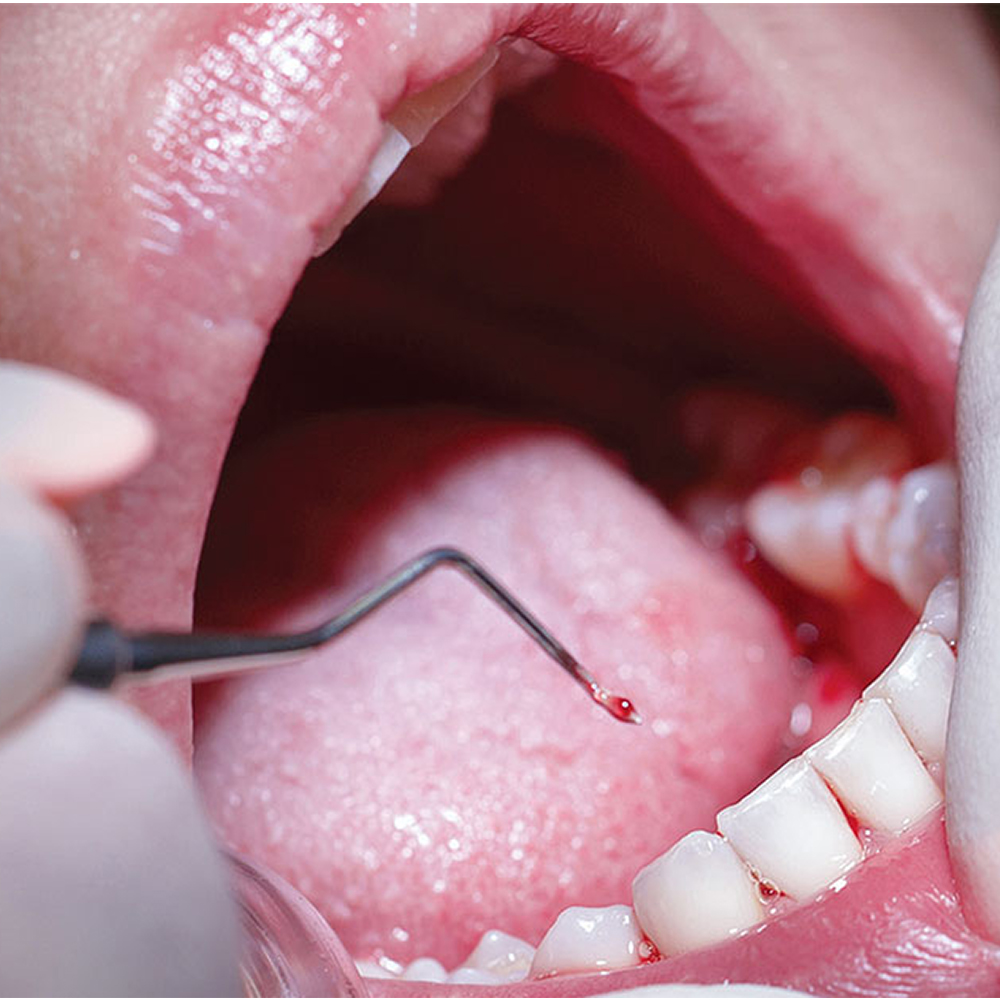
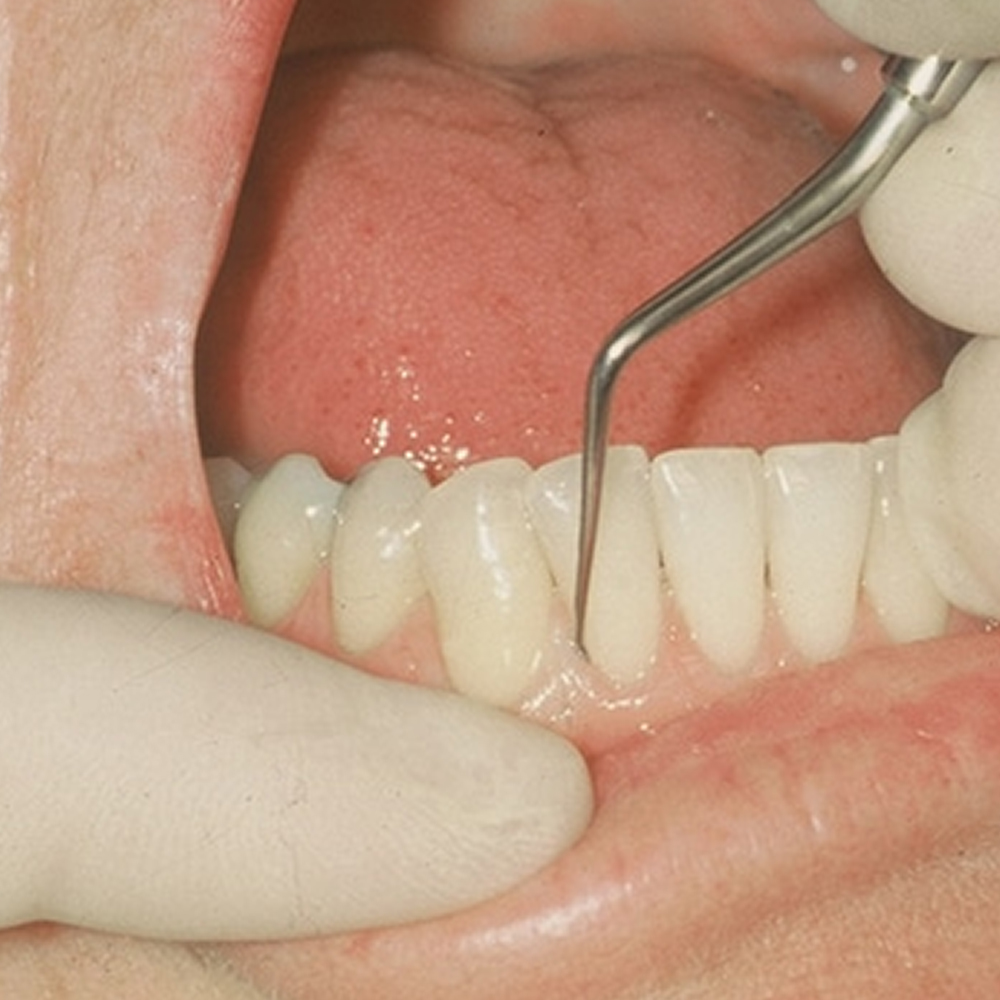
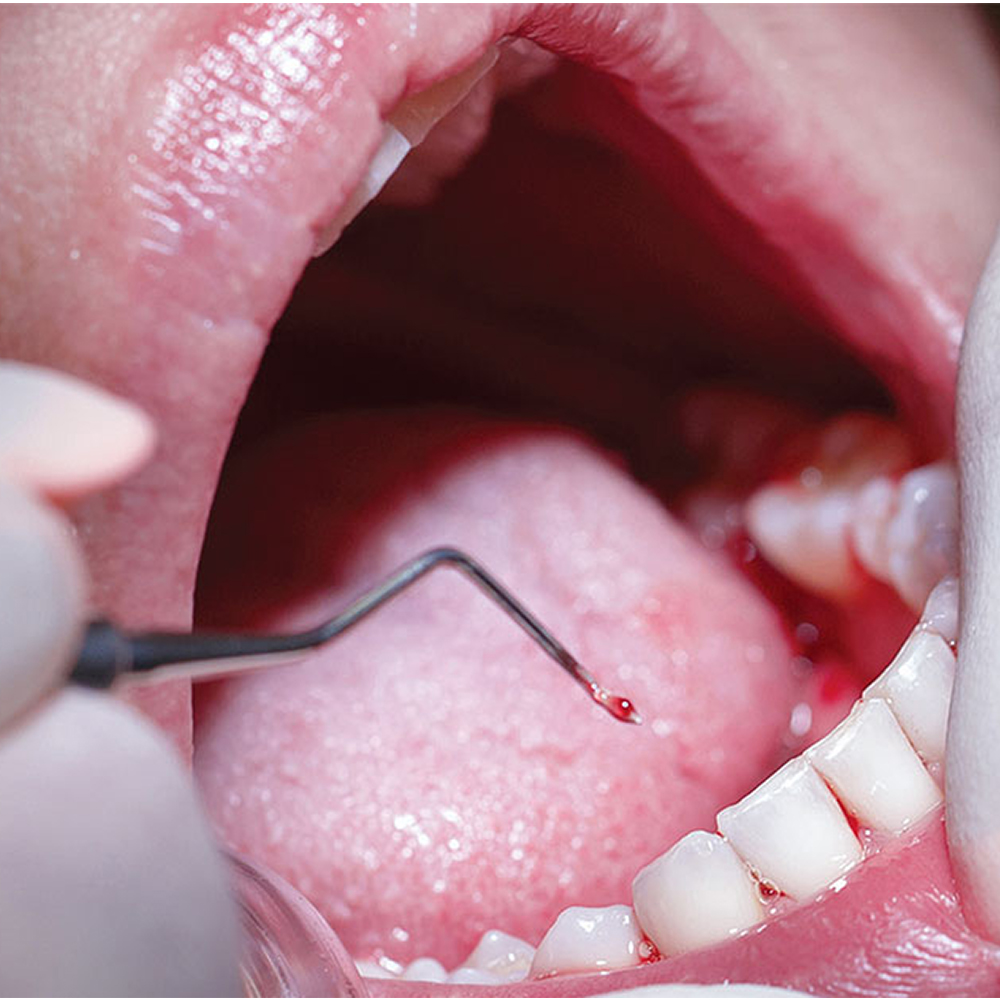
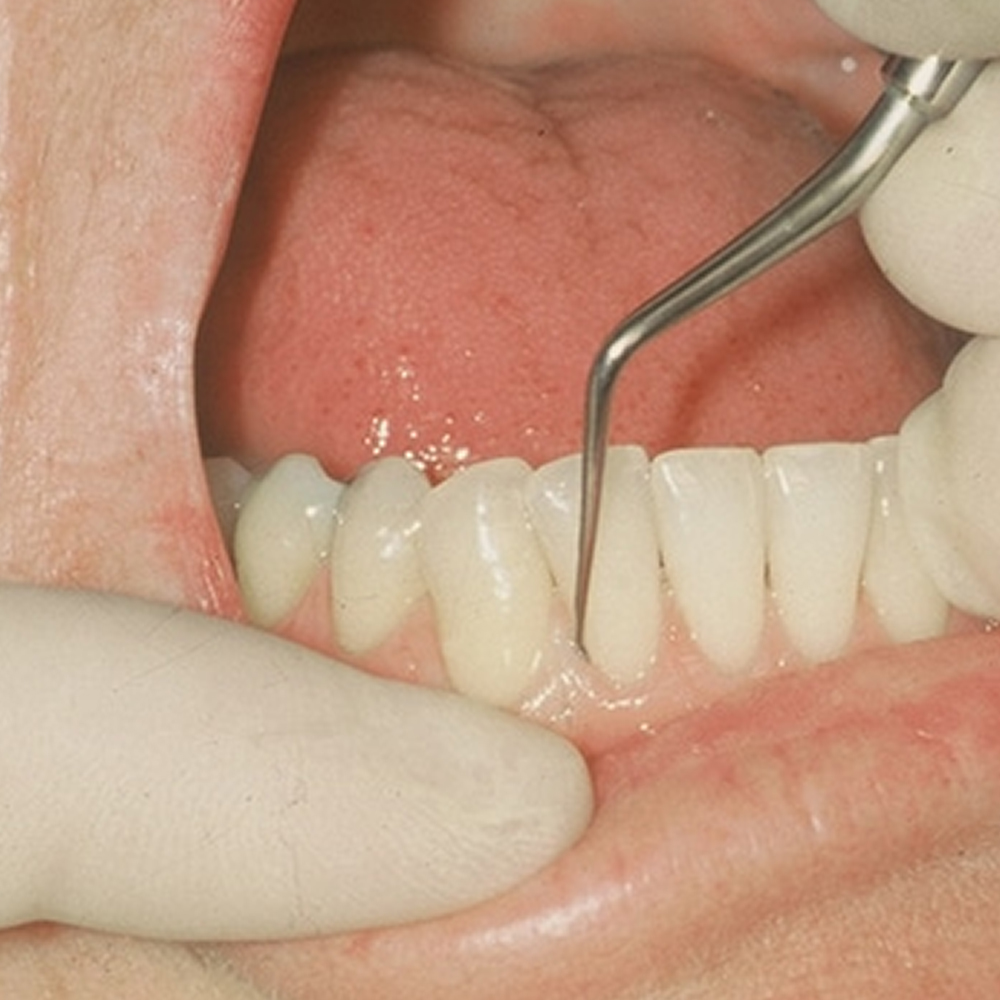
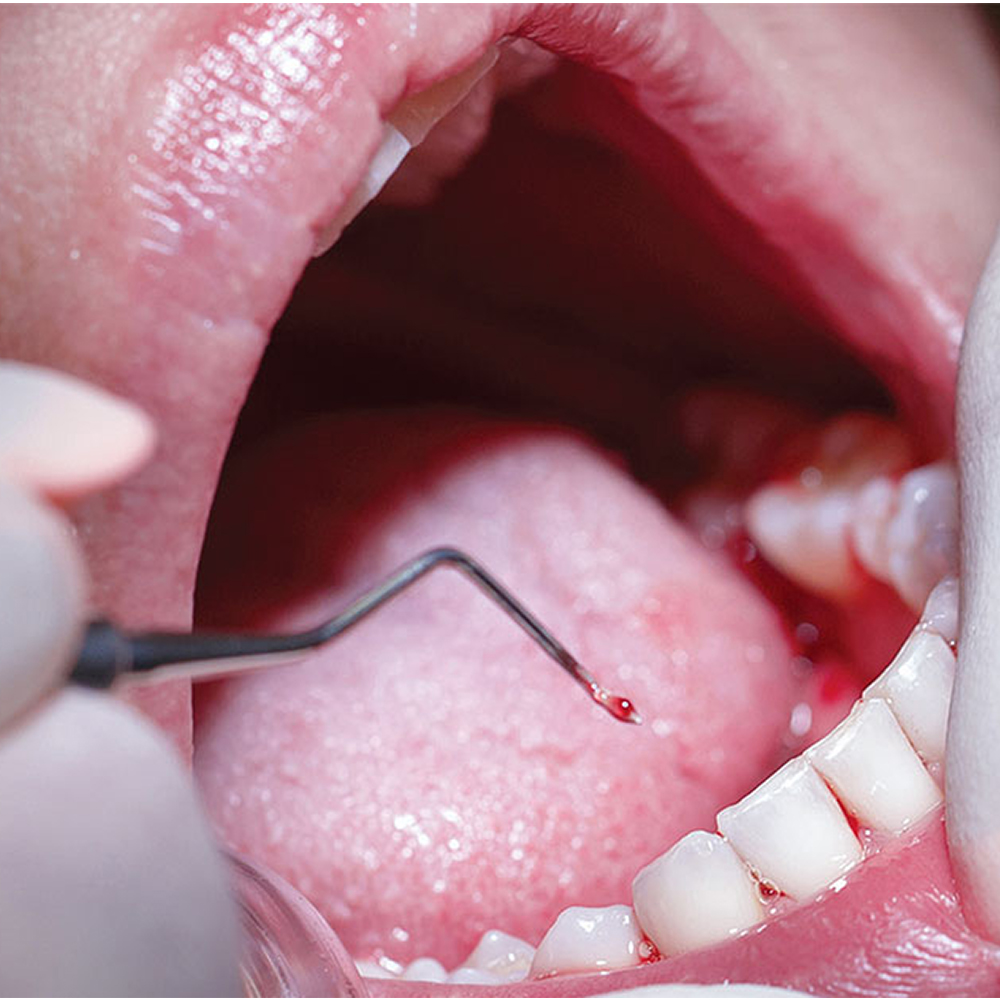
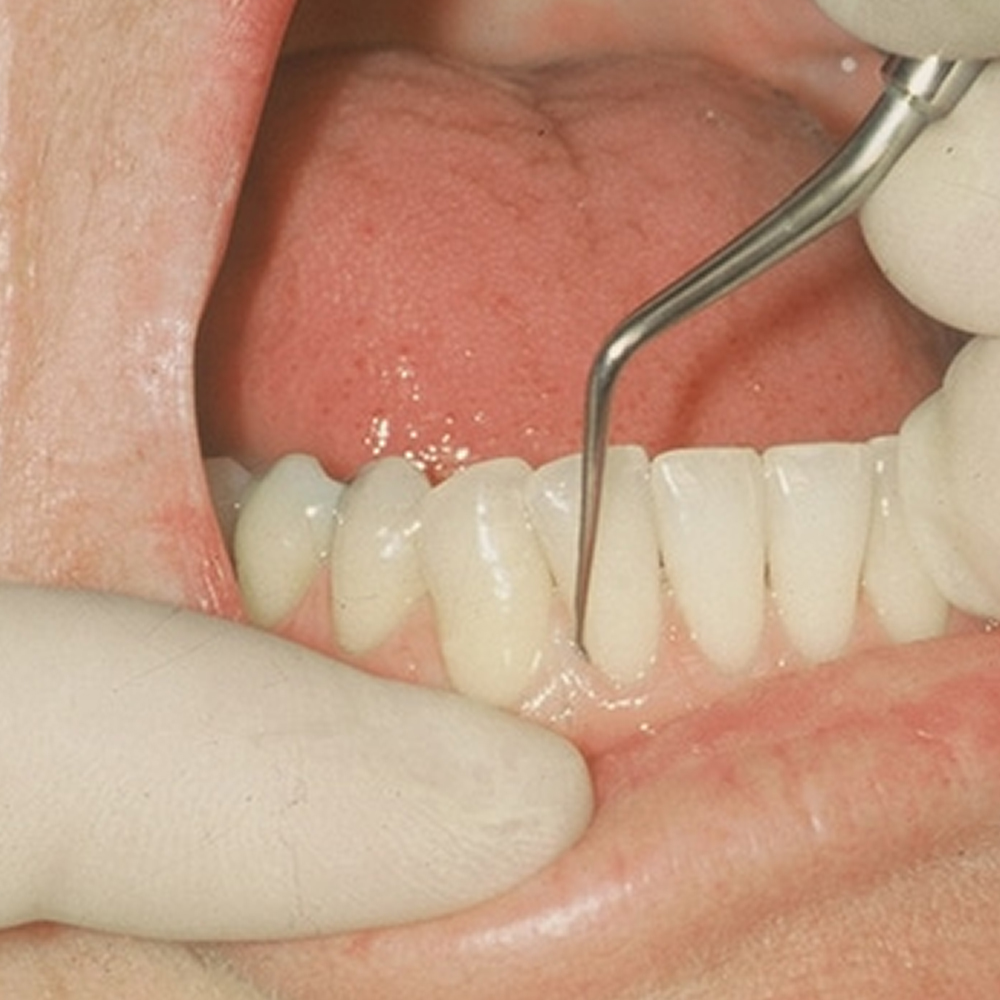
Explorer/Probe: A fine-pointed instrument used to detect cavities, plaque,  and other dental issues by gently probing the teeth and gums.

Spoon Excavator: A small, spoon-shaped instrument used to remove soft carious material from the tooth.

Pediatric Mouth Prop: A device used to help keep the child's mouth open during dental procedures, ensuring better access and comfort.

Dental Dam: A thin, flexible sheet used to isolate specific teeth during certain procedures to keep the area dry and protected.

Orthodontic Instruments: Various tools are used for adjusting and placing orthodontic appliances like braces and space maintainers.

Dental Anesthetic Syringe: A syringe used to administer local anesthesia to numb the area before dental treatment.

Dental Sealant Applicator: A small brush or instrument used to apply dental sealants to the chewing surfaces of molars to prevent cavities.

Strip Crown Scissors: Special scissors are used to trim stainless steel crowns to fit the child's tooth.

Rubber Dam Clamp and Punch: Instruments used to place a rubber dam over a tooth or teeth for certain procedures.

Q: What are extraction forceps used for?
A: Extraction forceps are a crucial set of dental instruments used by dentists to delicately and effectively remove teeth during various dental procedures. Dentalkart provides a diverse selection of extraction forceps, meticulously crafted with high-quality materials to ensure dentists have dependable and precise tools at their disposal. These forceps offer a secure grip and gentle handling, prioritizing patient comfort and optimizing dental outcomes.

Q: How can I identify the optimal surgical approach for impacted mandibular third molars based on the depth of impaction and the angle of inclination?
A: Identifying the optimal surgical approach for impacted mandibular third molars involves evaluating the angulation, depth of impaction, and the presence of any associated pathologies. Using panoramic radiographs and CBCT imaging, you can plan for disto-angular, vertical, mesio-angular, or horizontal impactions to ensure the most efficient and minimally invasive extraction technique.

Q: What are the indications and contraindications for using a piezoelectric surgical device during complicated surgical extractions?
A: The piezoelectric surgical device is indicated for osteotomies, ostectomies, and tooth sectioning due to its precision and reduced risk of soft tissue damage. However, its use might be contraindicated in patients with cardiac pacemakers or implants due to potential electromagnetic interference.

Q: How can I manage complications like sinus perforation during the extraction of maxillary posterior teeth?
A: In cases of sinus perforation, prompt identification and management are crucial. Utilizing an intraoral camera or endoscope during the procedure can aid in early detection. To manage the perforation, suturing the site, using a resorbable membrane, and advising the patient on post-operative precautions are essential to promote healing and prevent further complications.

Q: How can I minimize the risk of nerve injury during surgical extractions involving the mandibular premolars and molars?
A: Accurate pre-operative assessment, such as evaluating the position of the inferior alveolar nerve using CBCT scans, is essential to minimize nerve injury risk. Implementing proper surgical techniques, such as using nerve retractors and keeping instrumentation away from the nerve vicinity, helps ensure nerve safety.

Q: When should I consider coronectomy (intentional partial tooth removal) as an alternative to complete surgical extraction, especially for impacted mandibular third molars in close proximity to the inferior alveolar nerve?
A: Coronectomy is considered when the impacted mandibular third molar is in close proximity to the inferior alveolar nerve, making complete extraction high-risk. It involves removing the crown and leaving the roots to prevent nerve injury. Proper case selection, patient consent, and long-term follow-up are essential in deciding this approach.

Q: How can I effectively manage post-operative complications like alveolar osteitis (dry socket) after surgical extractions?
A: To manage alveolar osteitis, thorough debridement of the socket and the placement of medicated dressings, such as zinc oxide eugenol, can alleviate symptoms and promote healing. Advising patients to avoid smoking and follow post-operative instructions strictly is crucial in preventing this complication.

Q: What are the indications for using platelet-rich fibrin (PRF) in surgical extractions, and how does it promote better wound healing and tissue regeneration?
A: PRF is indicated for its regenerative properties in surgical extractions, facilitating clot stabilization, inflammation reduction, and faster tissue healing. The use of PRF in the extraction socket promotes angiogenesis, stem cell migration, and enhanced bone and soft tissue formation.

Q: How can I effectively manage post-operative pain in patients undergoing complex surgical extractions, while minimizing opioid usage?
A: In immunocompromised patients, administering appropriate prophylactic antibiotics before surgery is vital to prevent infection. Utilizing strict aseptic techniques during the procedure, optimizing post-operative wound care, and closely monitoring patients for any signs of infection are essential in ensuring successful healing.

Q: How can I manage a failed surgical extraction where a root tip is inadvertently left behind in the socket, and what are the potential complications if not addressed promptly?
A: A failed surgical extraction with a retained root tip requires careful evaluation and possible retrieval using specialized instruments. Failure to address this promptly can lead to delayed healing, infection, or the formation of a residual cyst. Referring the patient to an oral surgeon for assessment and management is recommended.

Q: What factors should I consider when choosing the ideal bone graft material for socket preservation during surgical extractions, and how can it impact long-term implant success?
A: When selecting bone graft materials for socket preservation, consider biocompatibility, resorption rate, osteoconductivity, and osteoinductivity. Autogenous bone, allografts, and xenografts are common choices. The appropriate bone graft material can optimize bone regeneration and support long-term implant success.

GDC Hi
base, small, thumbnail, swatch
GDC Hi
GDC Hi
GDC Hi
GDC Hi

Only 1 Left

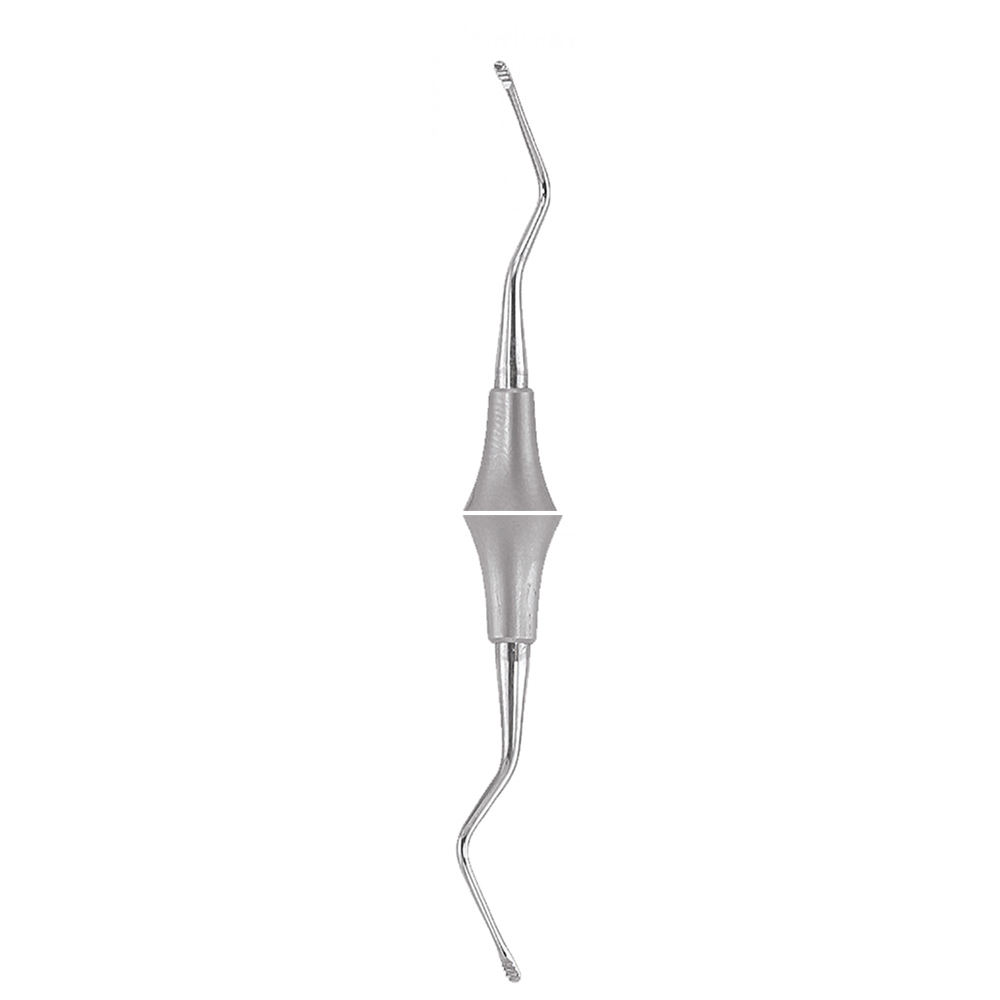
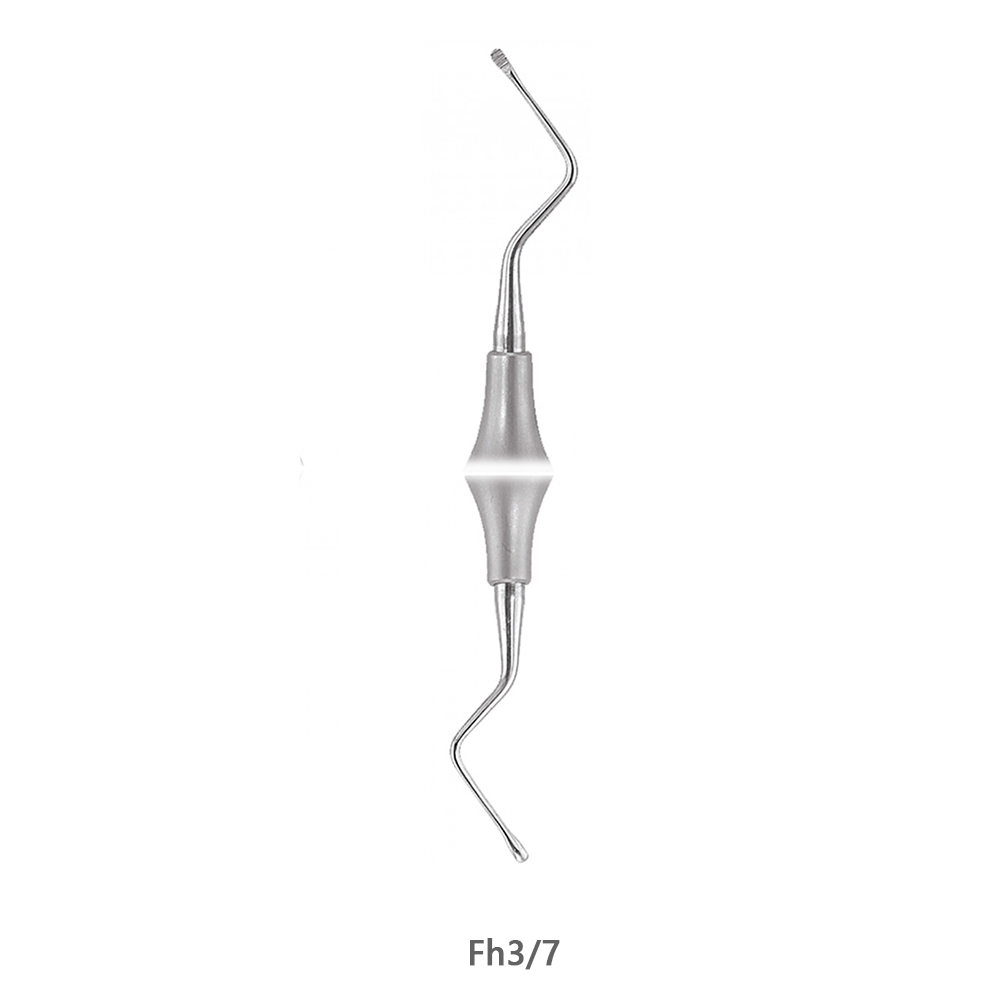
GDC Hirschfeld File used to crush and remove heavy calculus deposits
1329 2000
gold coin33
View Similar Products
GDC Hi
base, thumbnail, small, swatch
GDC Hi
GDC Hi
GDC Hi
GDC Hi

Only 1 Left

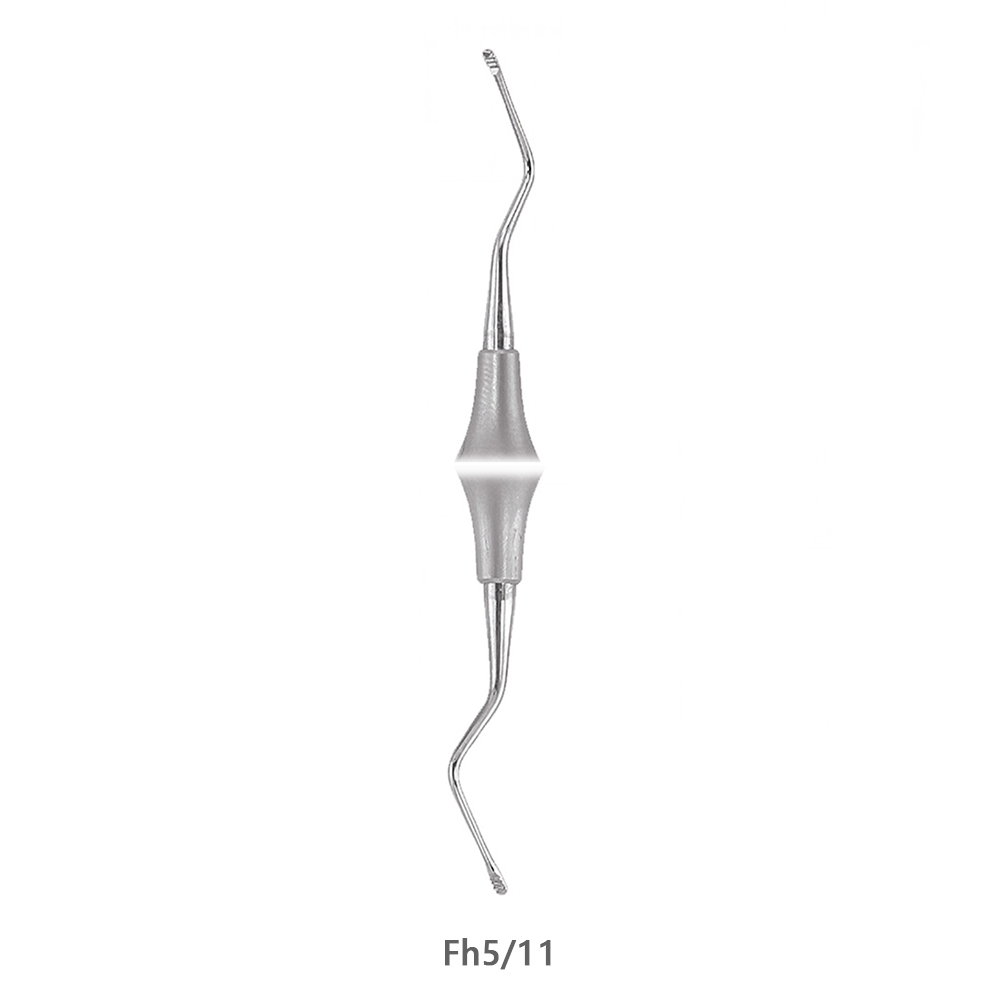
GDC Hirschfeld File used to crush and remove heavy calculus deposits
1246 2000
gold coin25
View Similar Products
GDC Hi
base, small, thumbnail, swatch
GDC Hi
GDC Hi
GDC Hi
GDC Hi

Only 1 Left

GDC Hirschfeld File used to crush and remove heavy calculus deposits
1246 2000
gold coin25
View Similar Products
GDC Ex
base, small, thumbnail, swatch
GDC Ex
GDC Ex
GDC Ex
GDC Ex
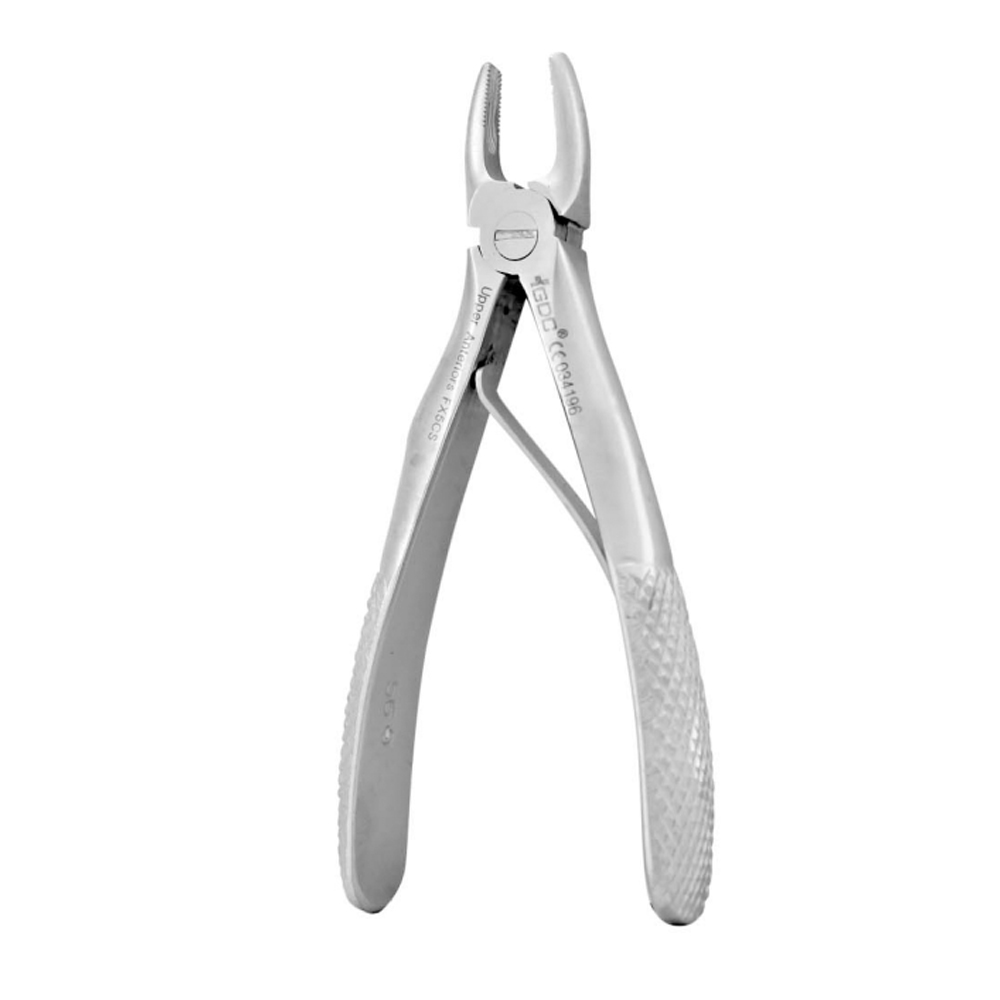
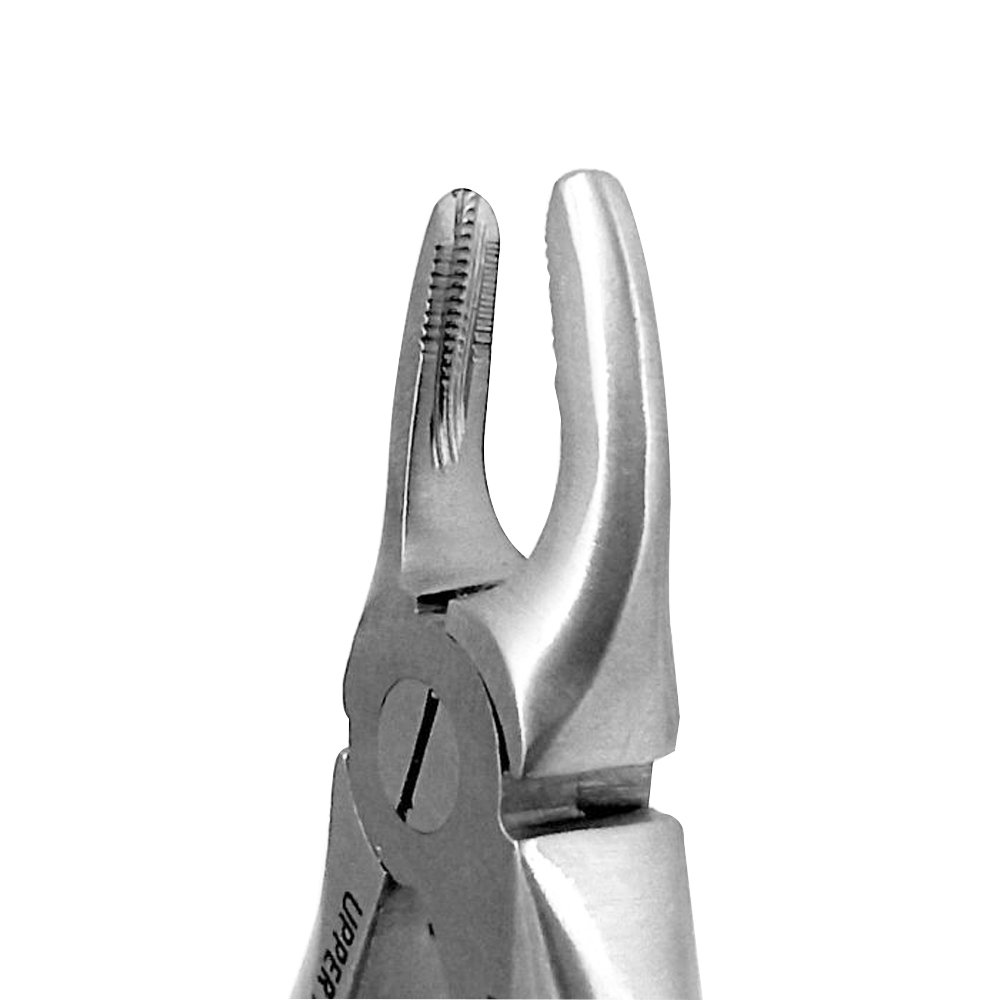
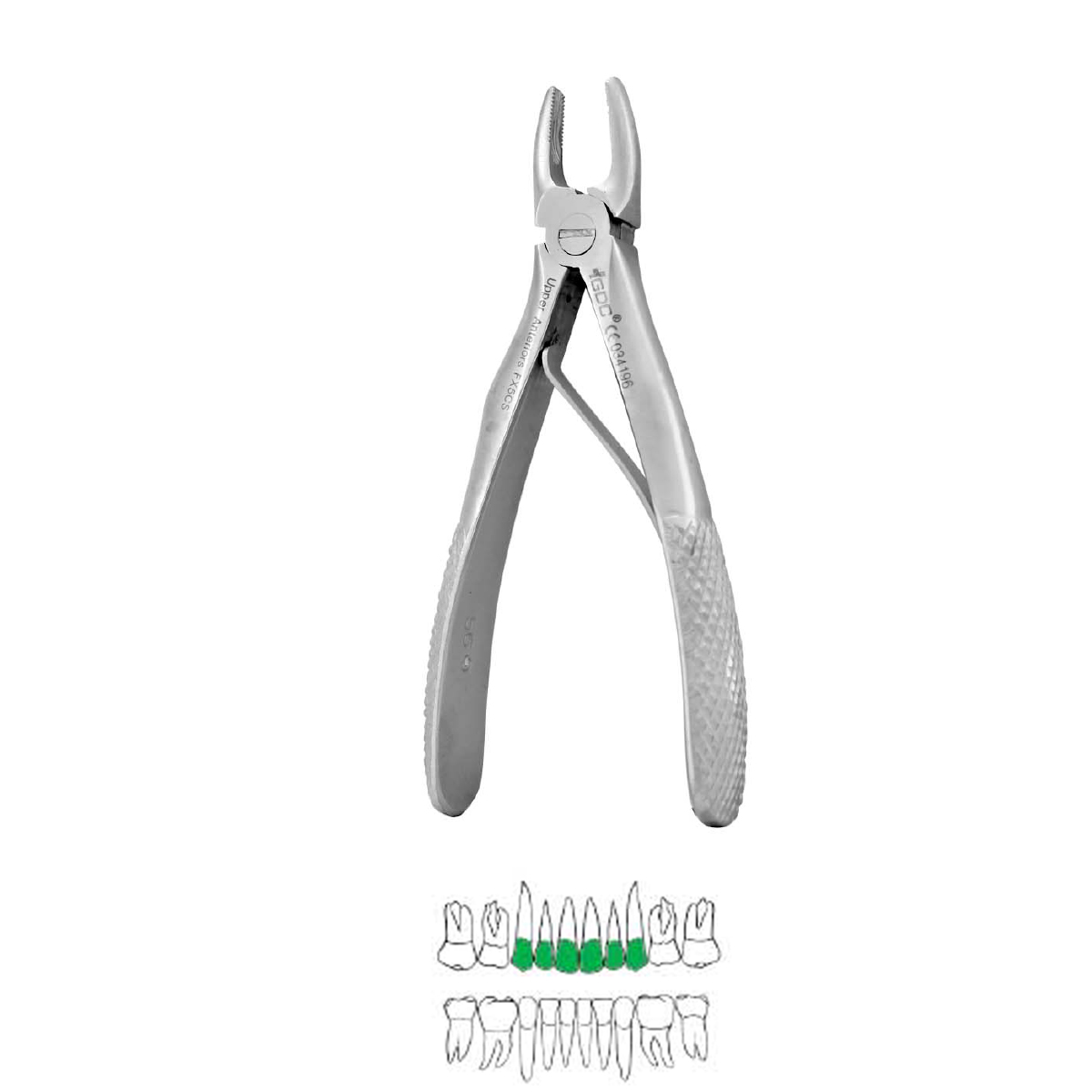
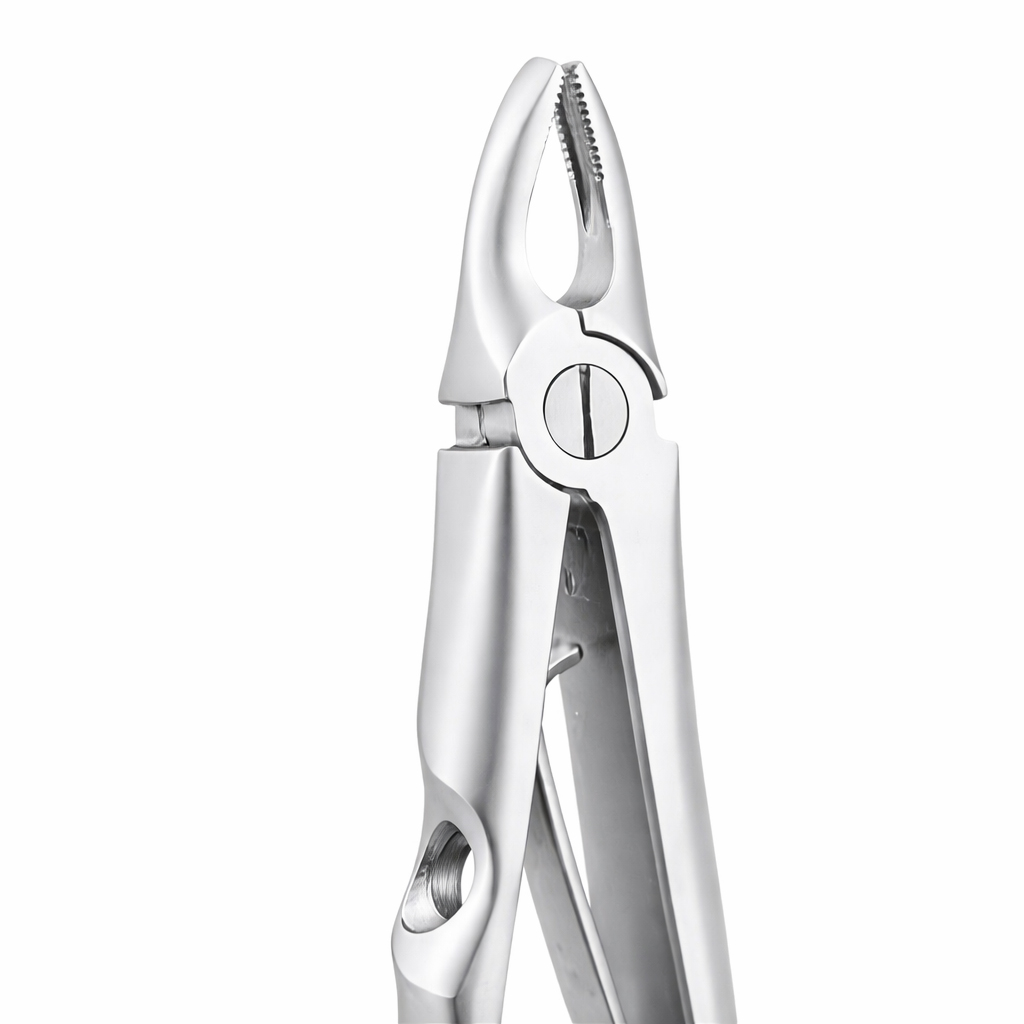
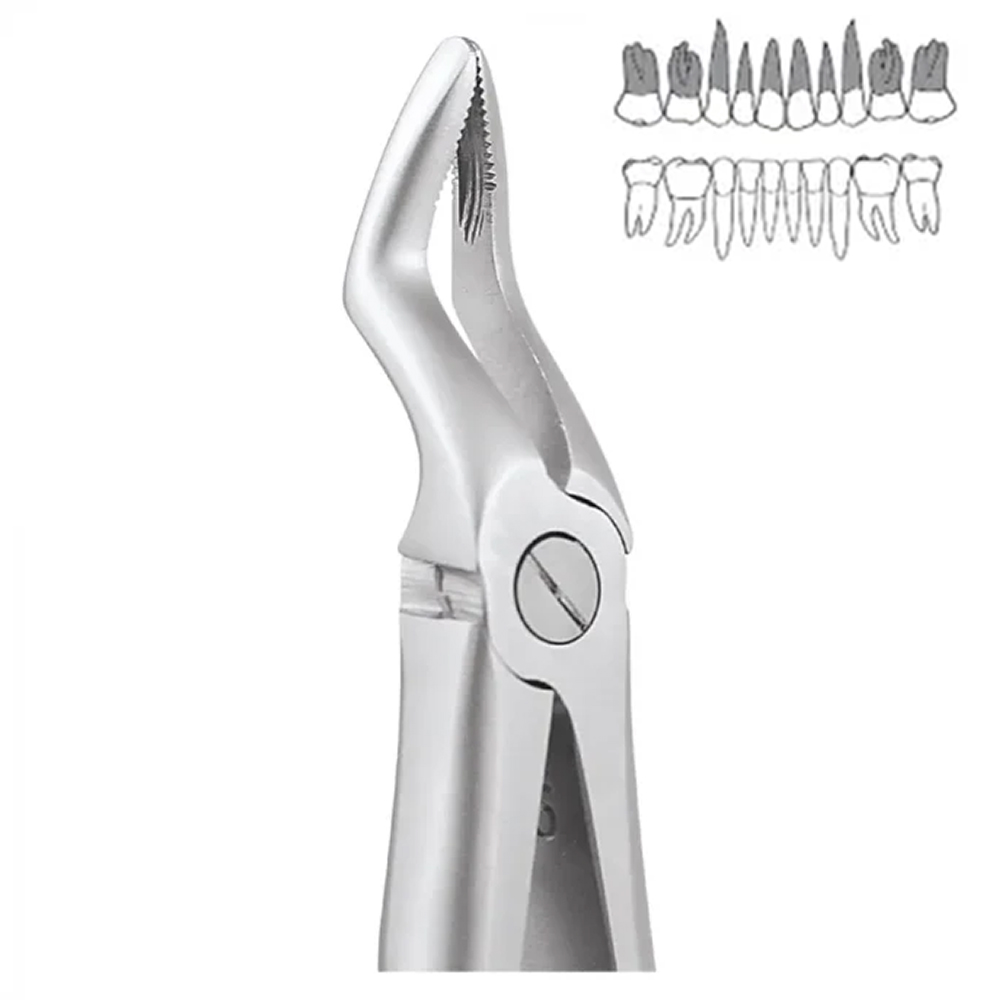
This extraction forcep is designed for the safe removal of upper anterior teeth in children
954 1430
gold coin24
View Similar Products
GDC Ex
base, small, thumbnail, swatch
GDC Ex
GDC Ex
GDC Ex
GDC Ex

Only 2 Left

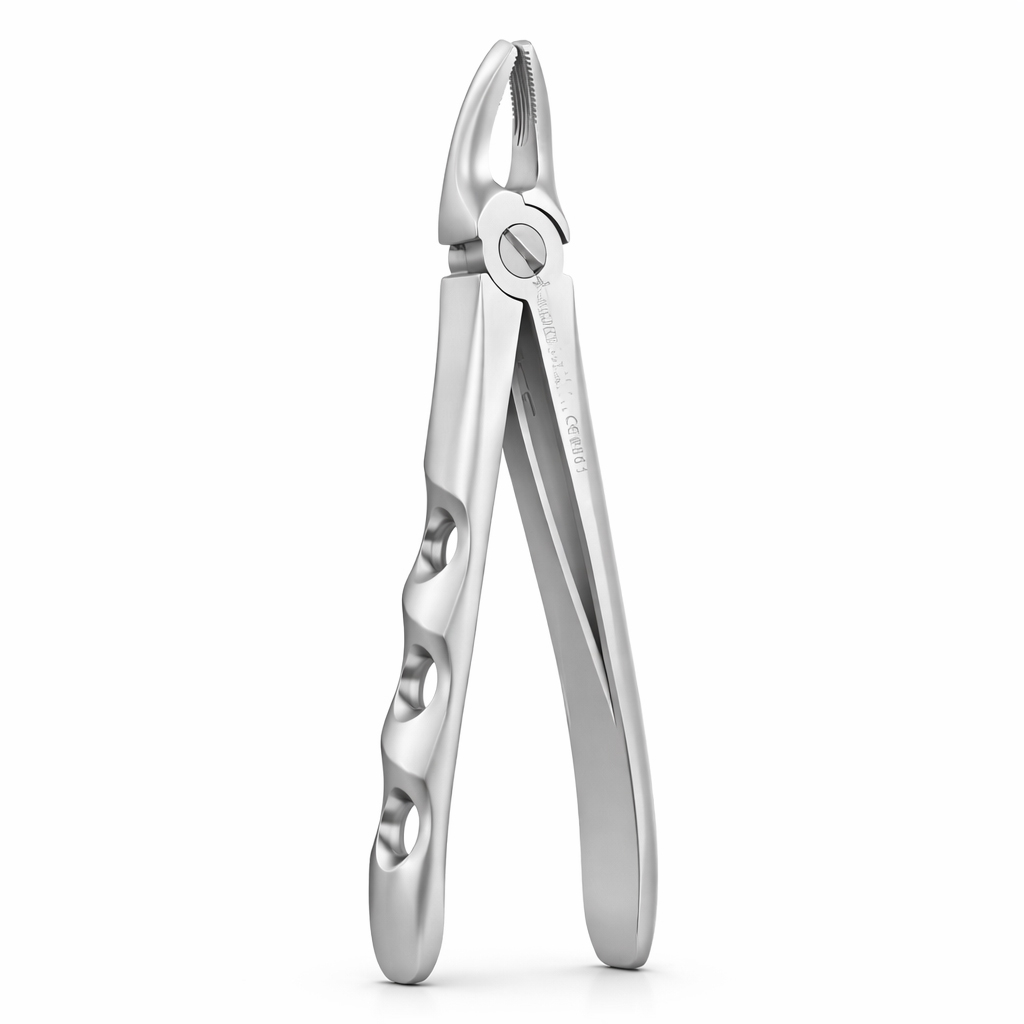
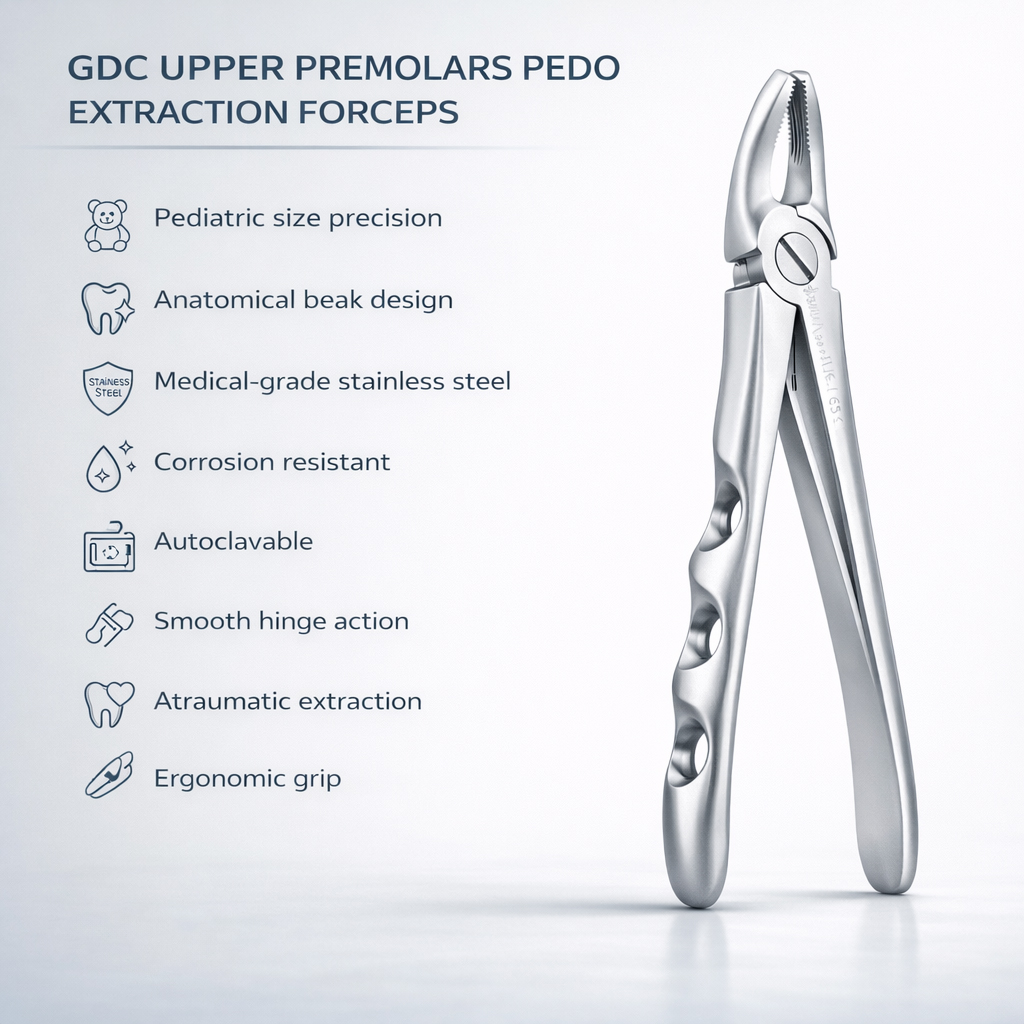
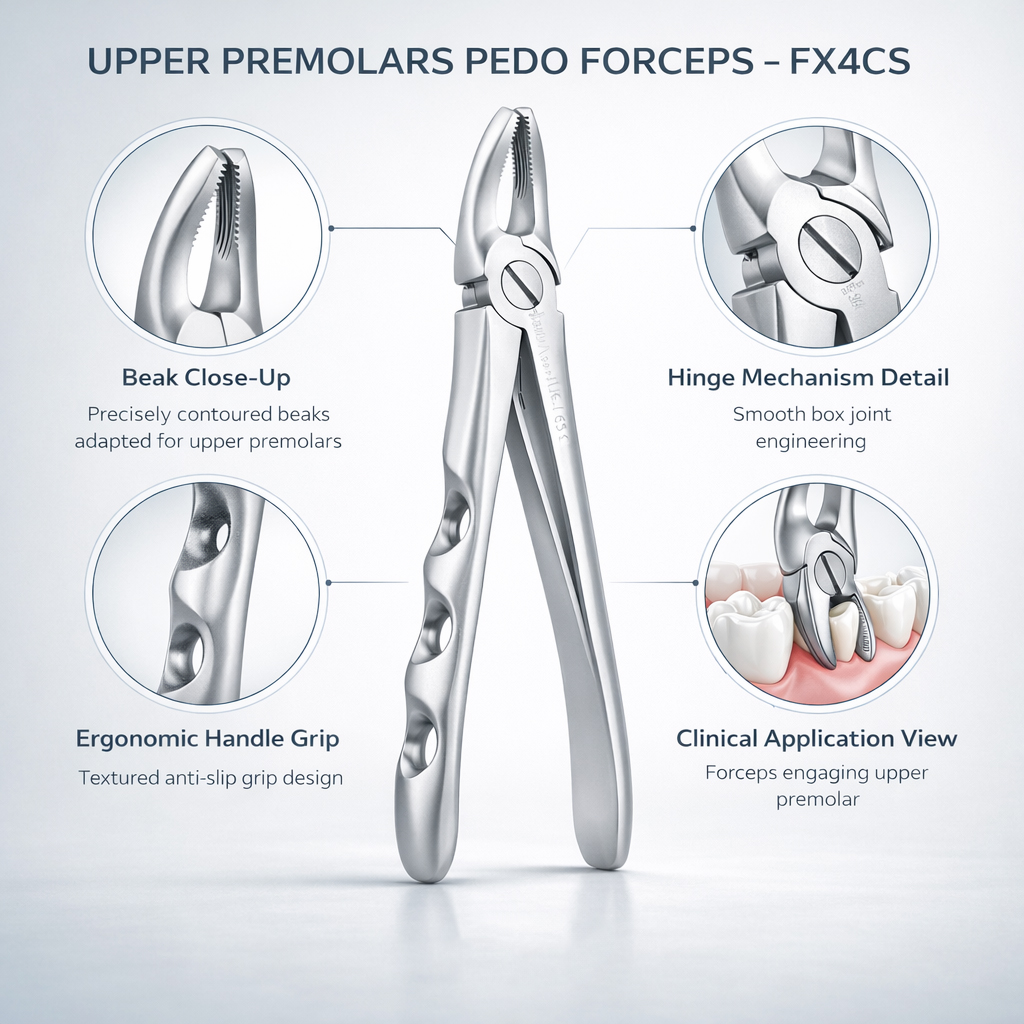
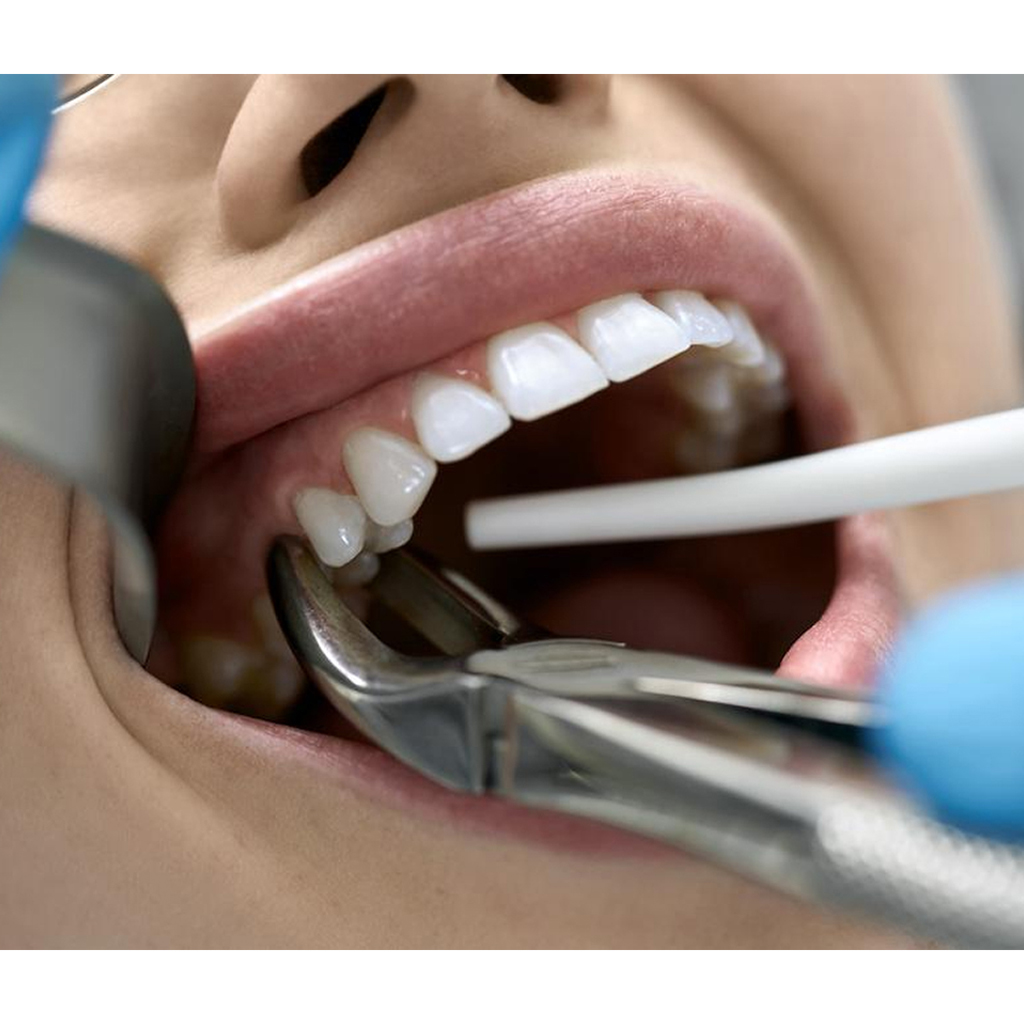
Precision-engineered pediatric extraction forceps designed for secure grip and atraumatic removal of upper premolars with enhanced control and minimal tissue trauma.
954 1430
gold coin24
View Similar Products
GDC Ex
base, small, thumbnail, swatch
GDC Ex
GDC Ex
GDC Ex
GDC Ex

Only 2 Left

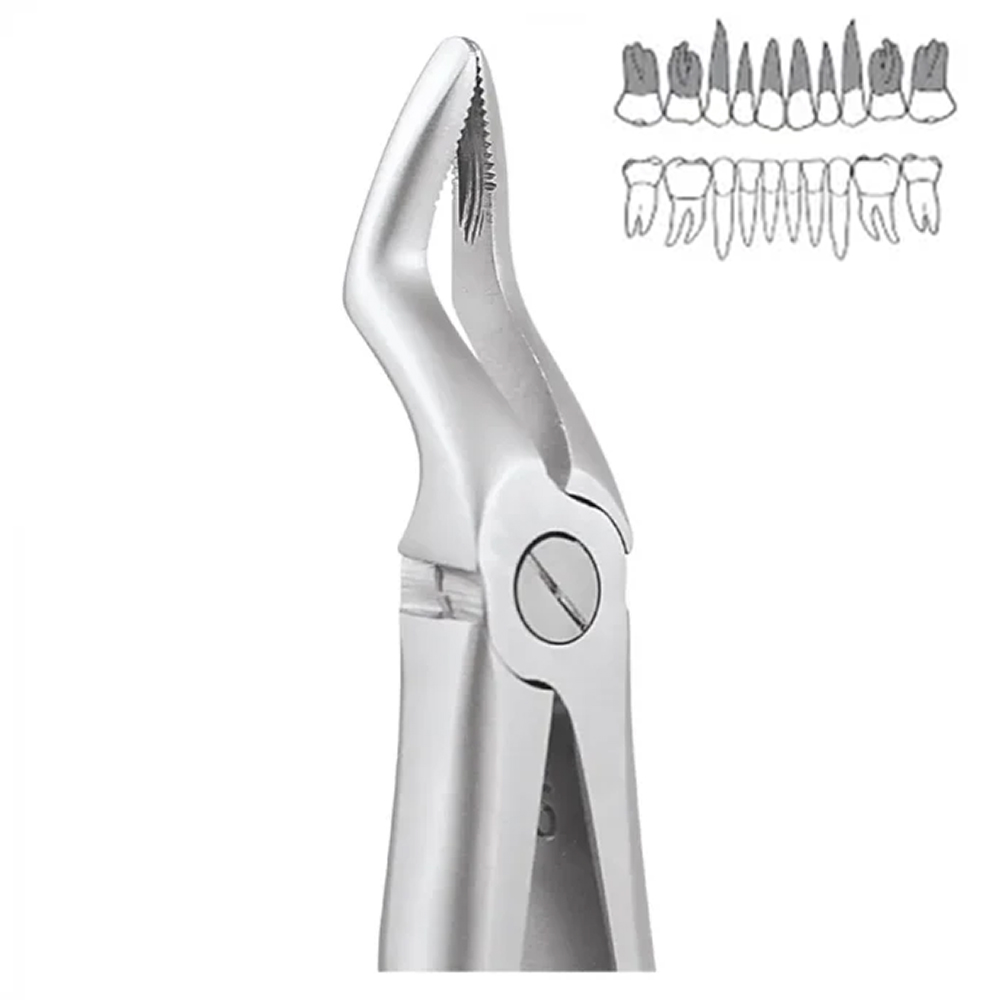
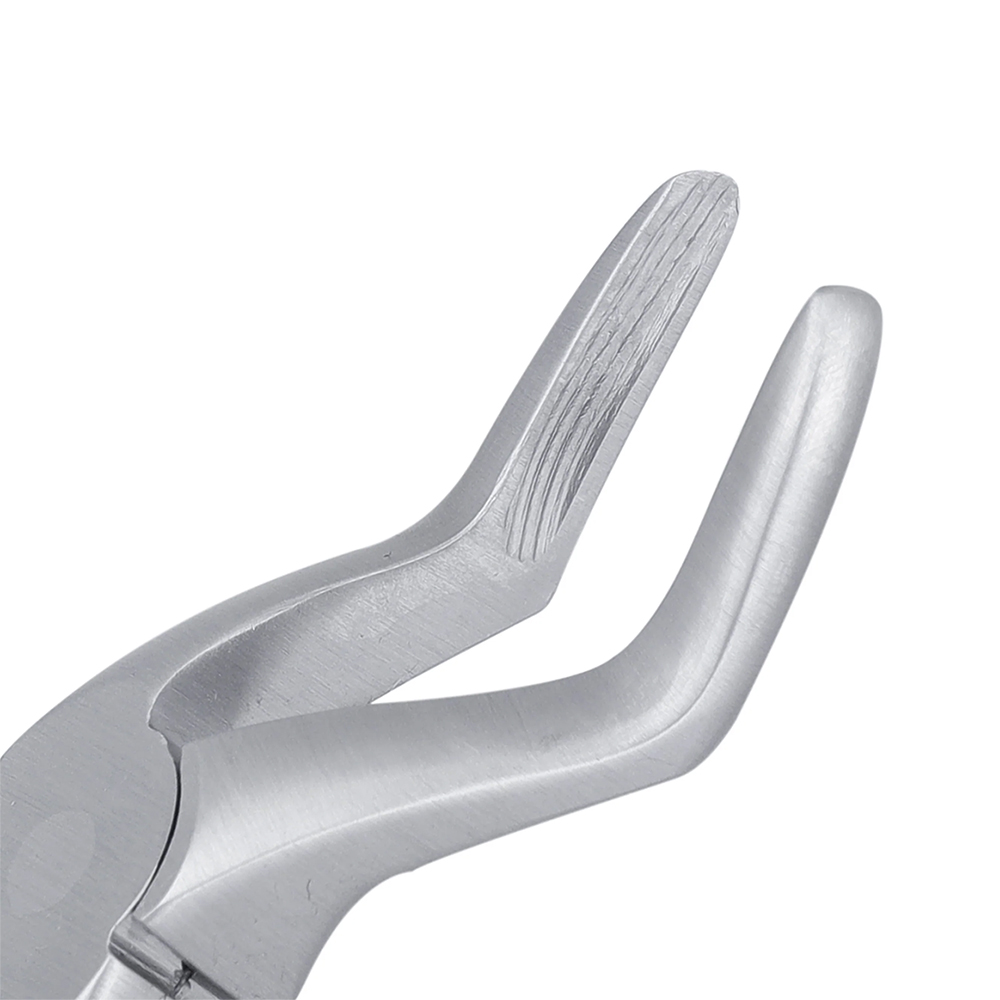
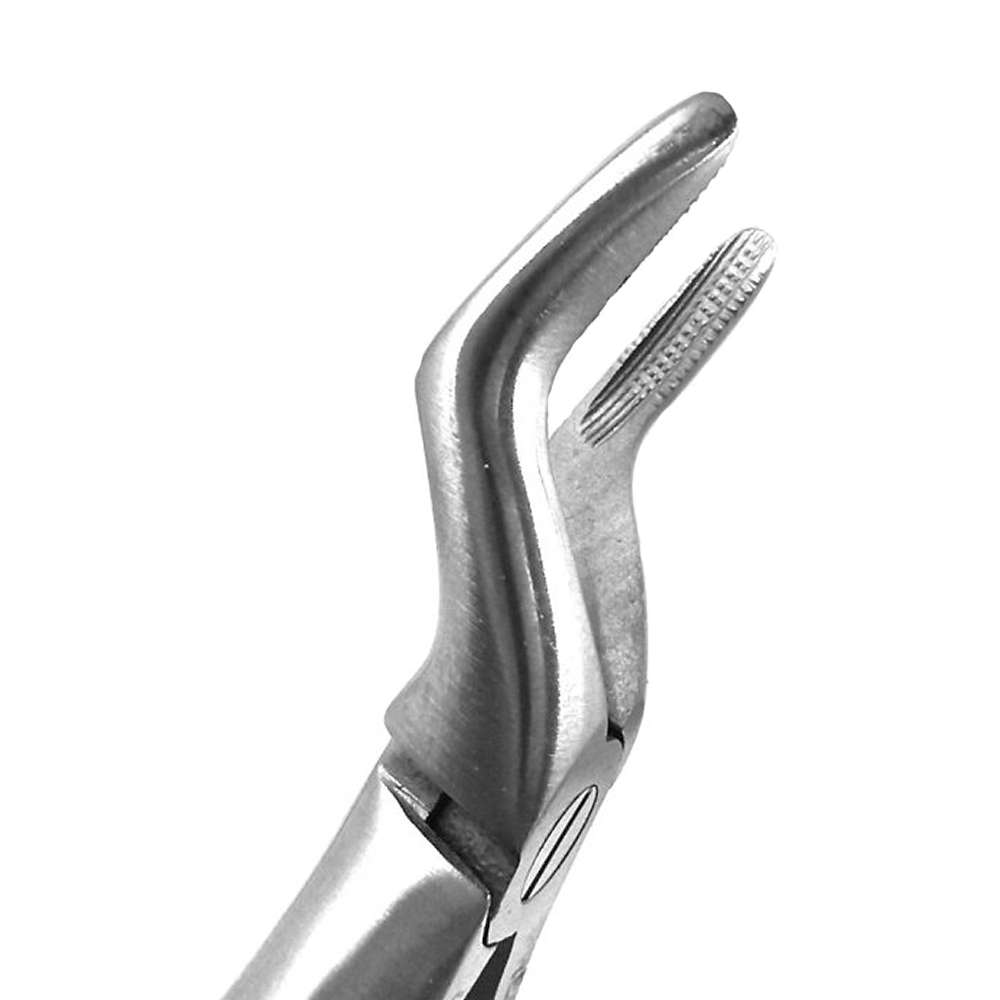
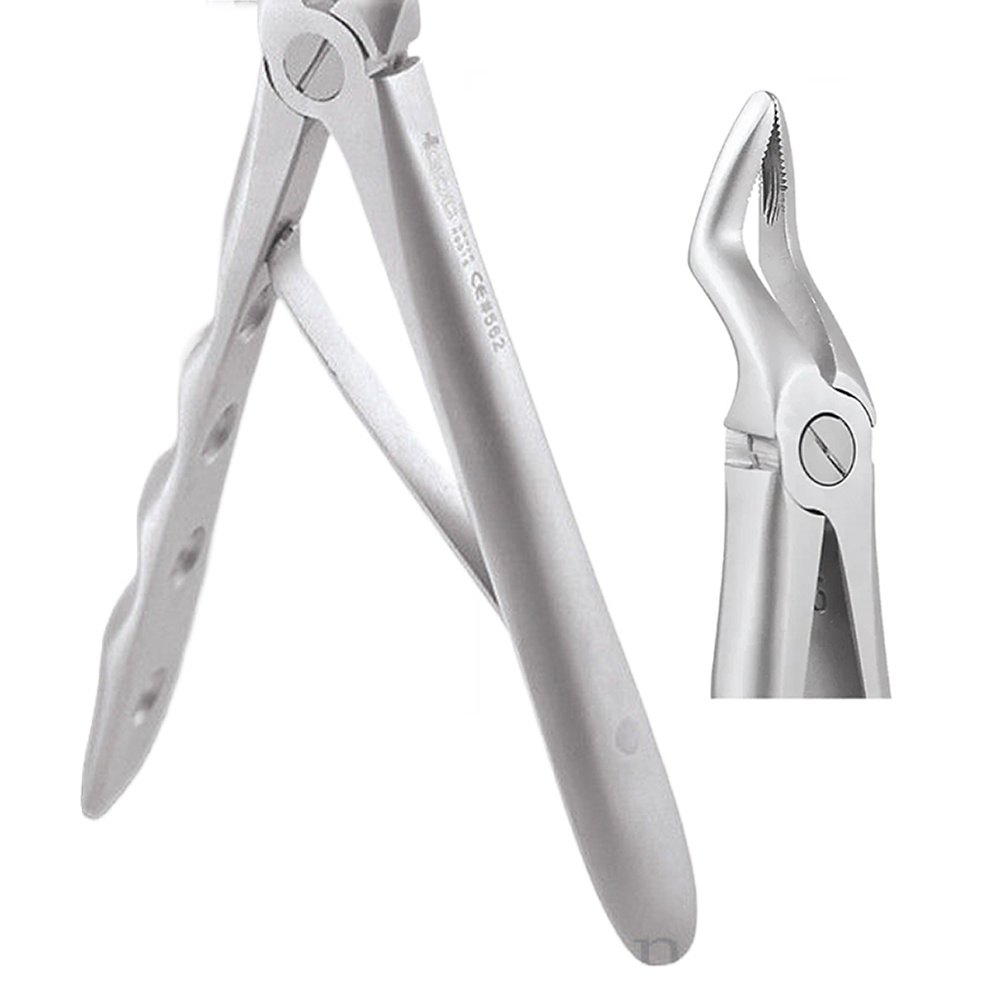
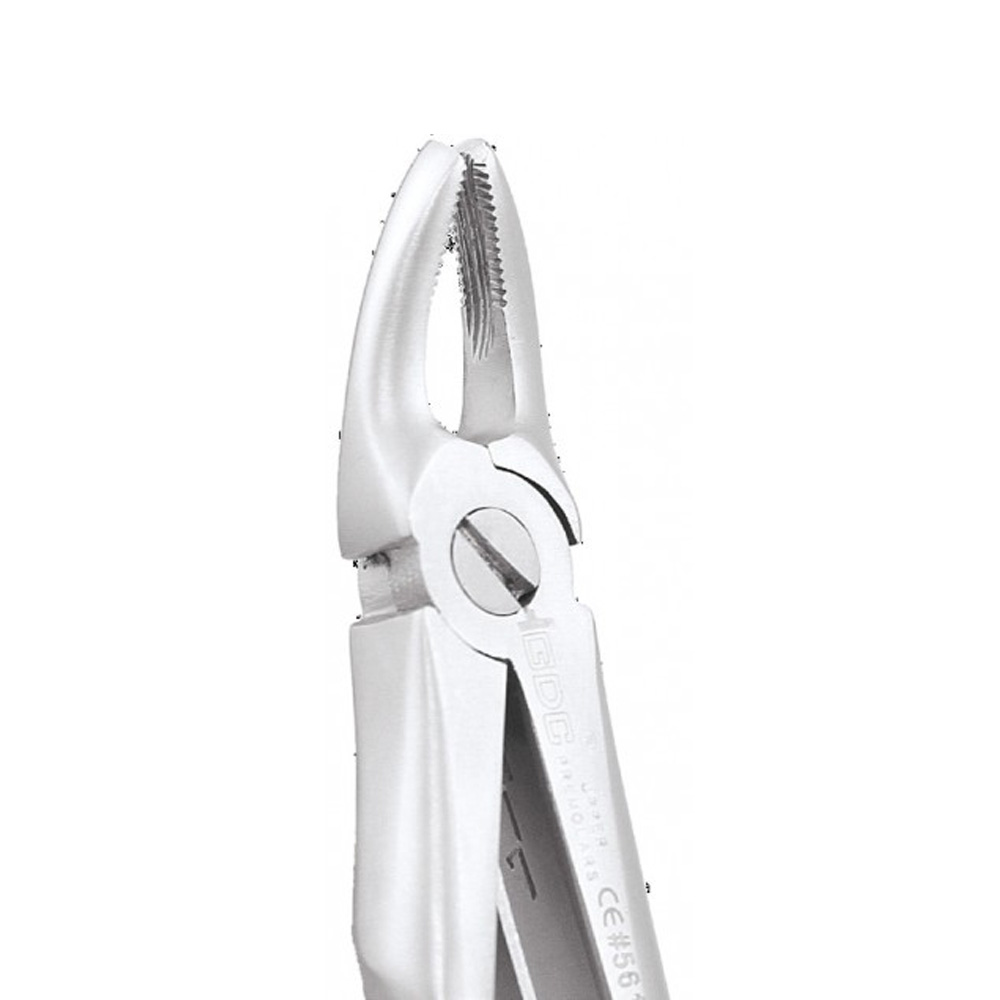
Upper Roots Extraction Forceps is an extraction instrument ideally used in the extraction of Maxillary upper root stump in pedo patients.
1199 1800
gold coin30
View Similar Products
GDC Ex

Only 2 Left

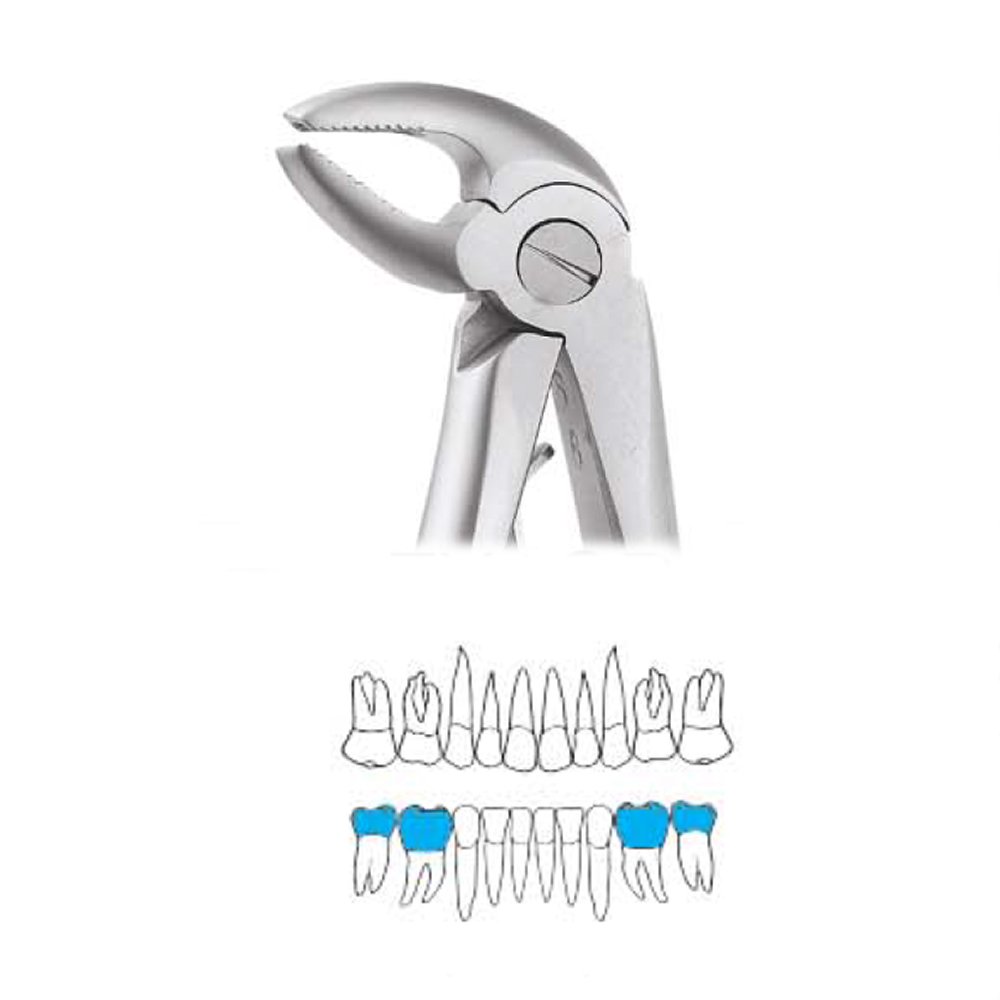
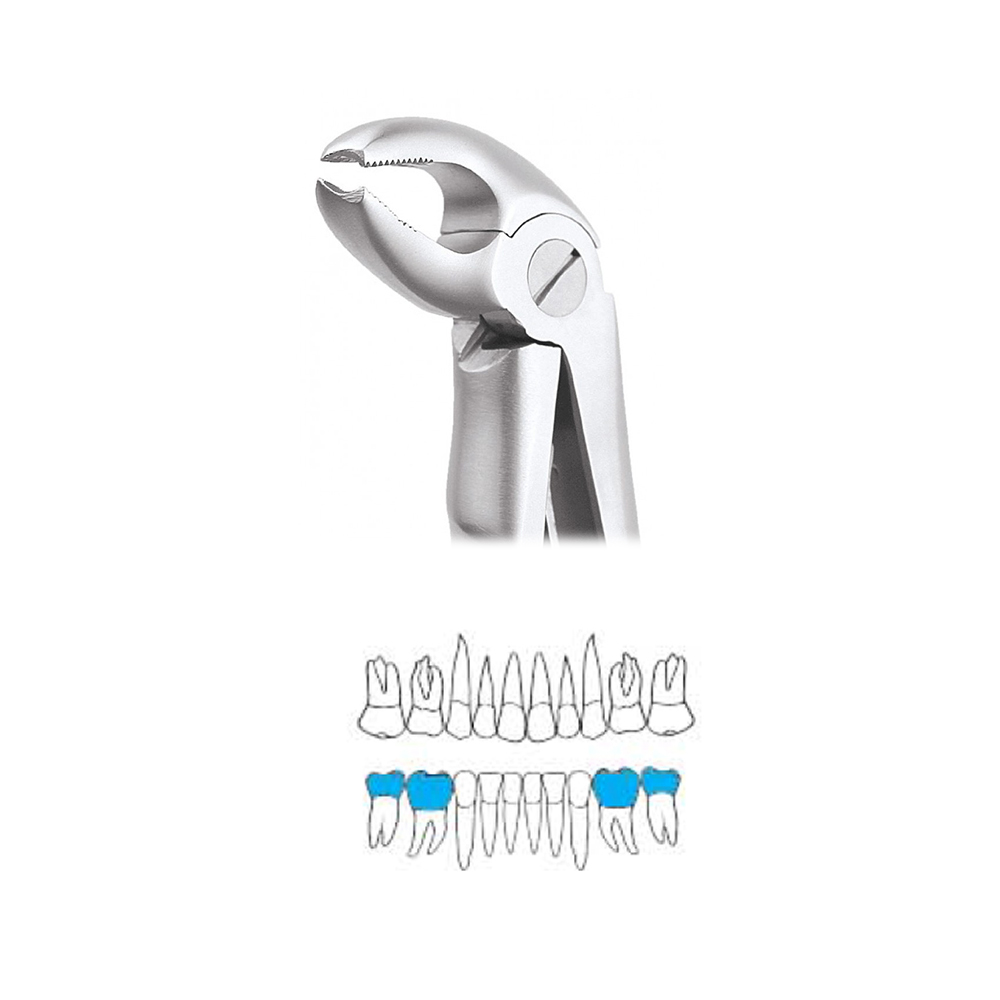
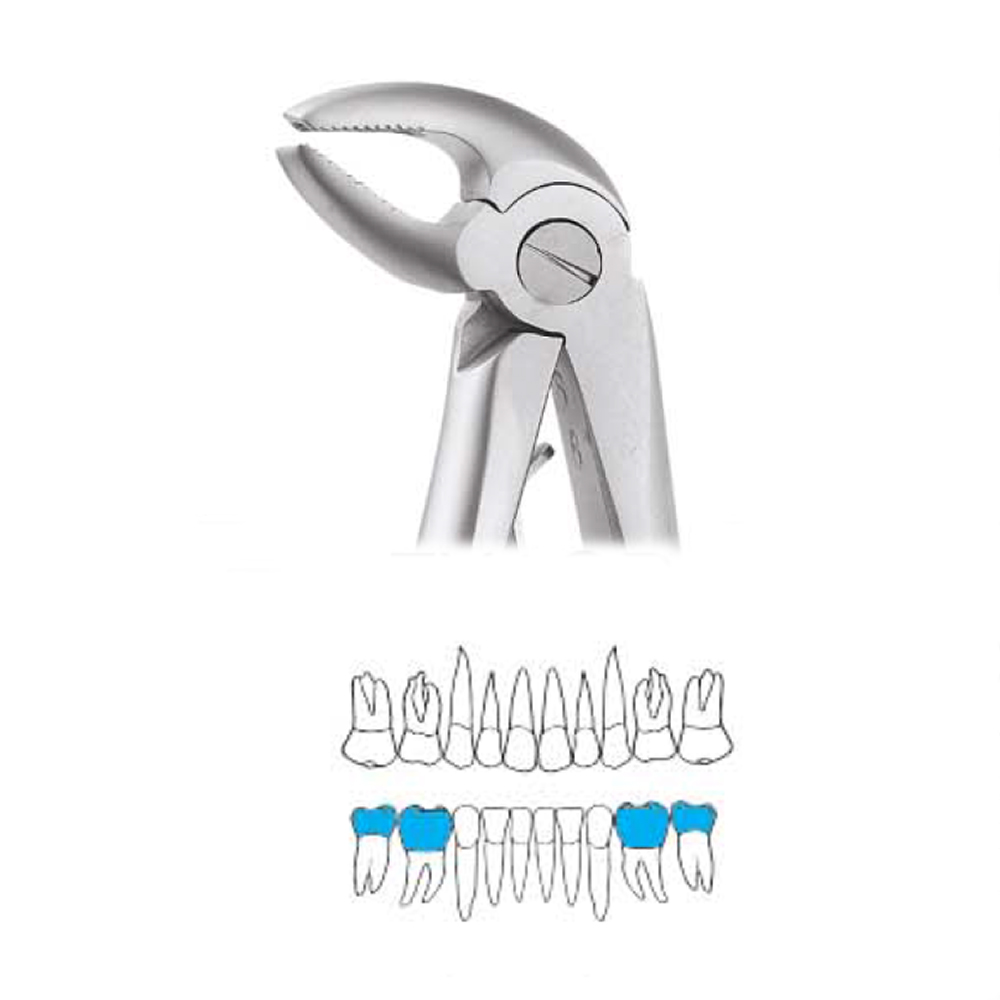
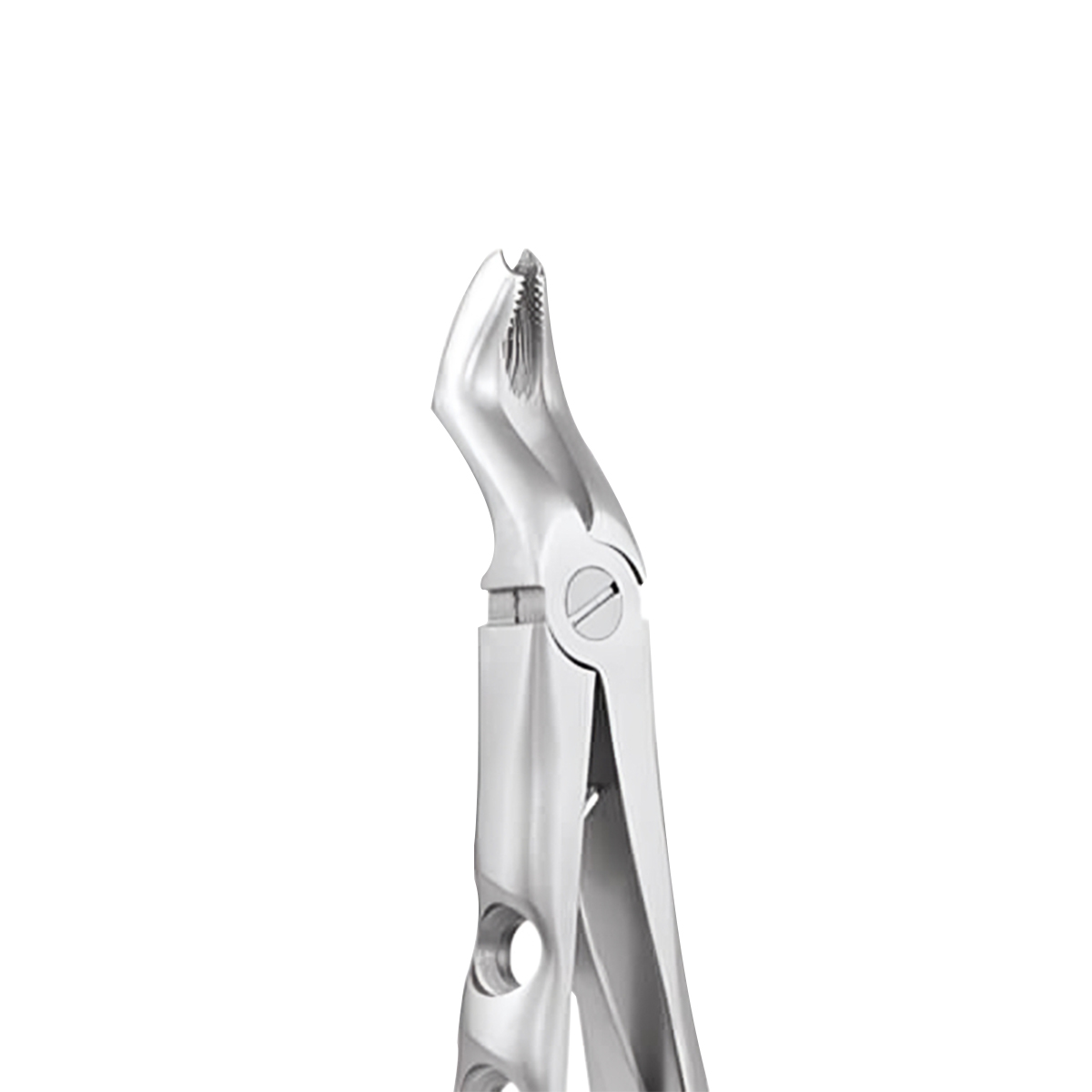
Extraction Forceps for Lower Molars Extraction in pedo patients
1199 1800
gold coin30
View Similar Products
GDC Ex

Only 2 Left

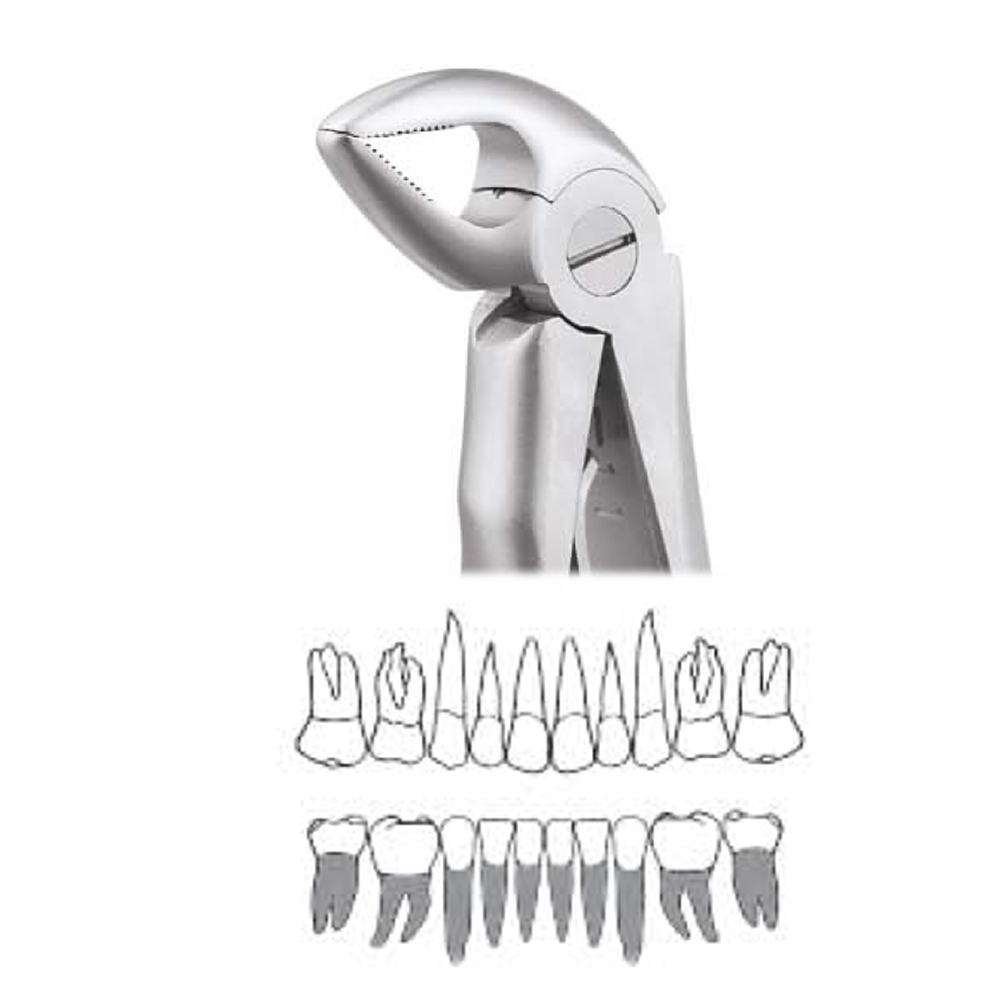
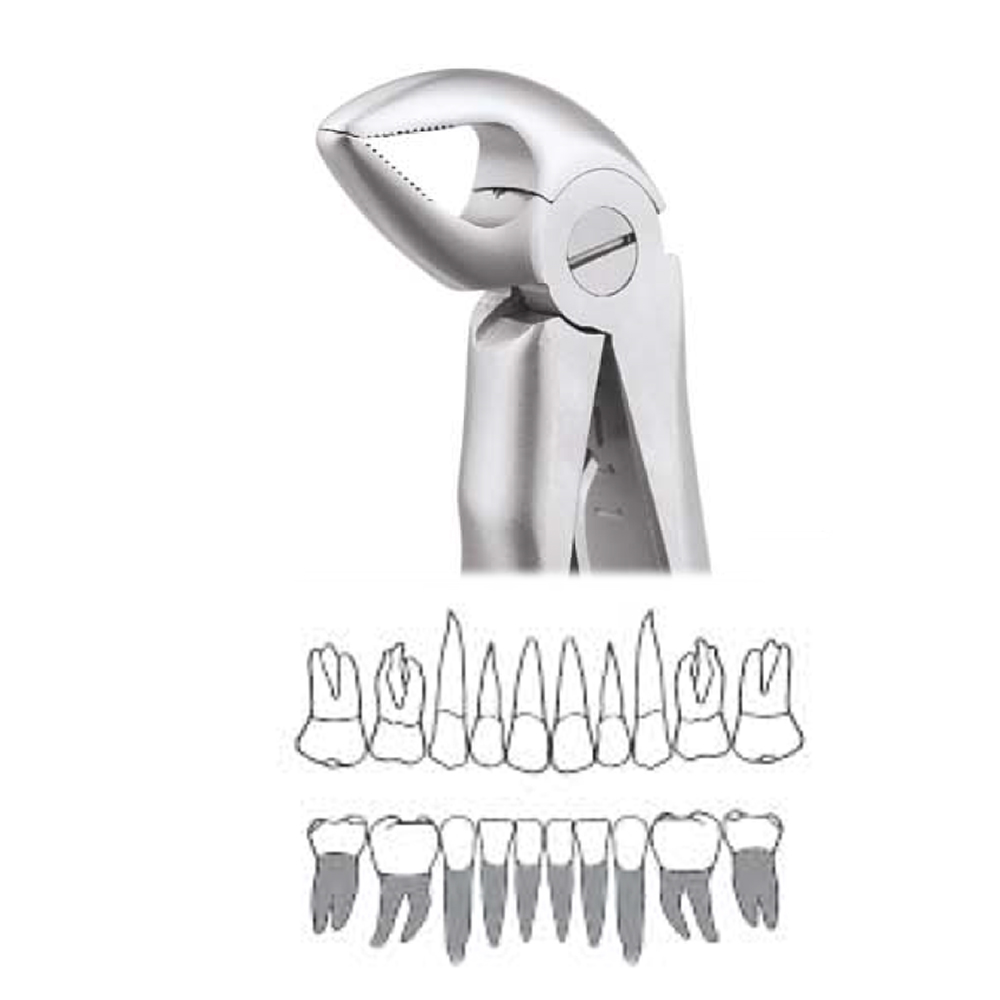
Extraction Pedo Forceps for Lower Roots.
1199 1800
gold coin30
View Similar Products
GDC Ex

Only 5 Left

Lower Molar Extraction Forceps For Pedo
1199 1800
gold coin30
View Similar Products
GDC Ex

Only 3 Left

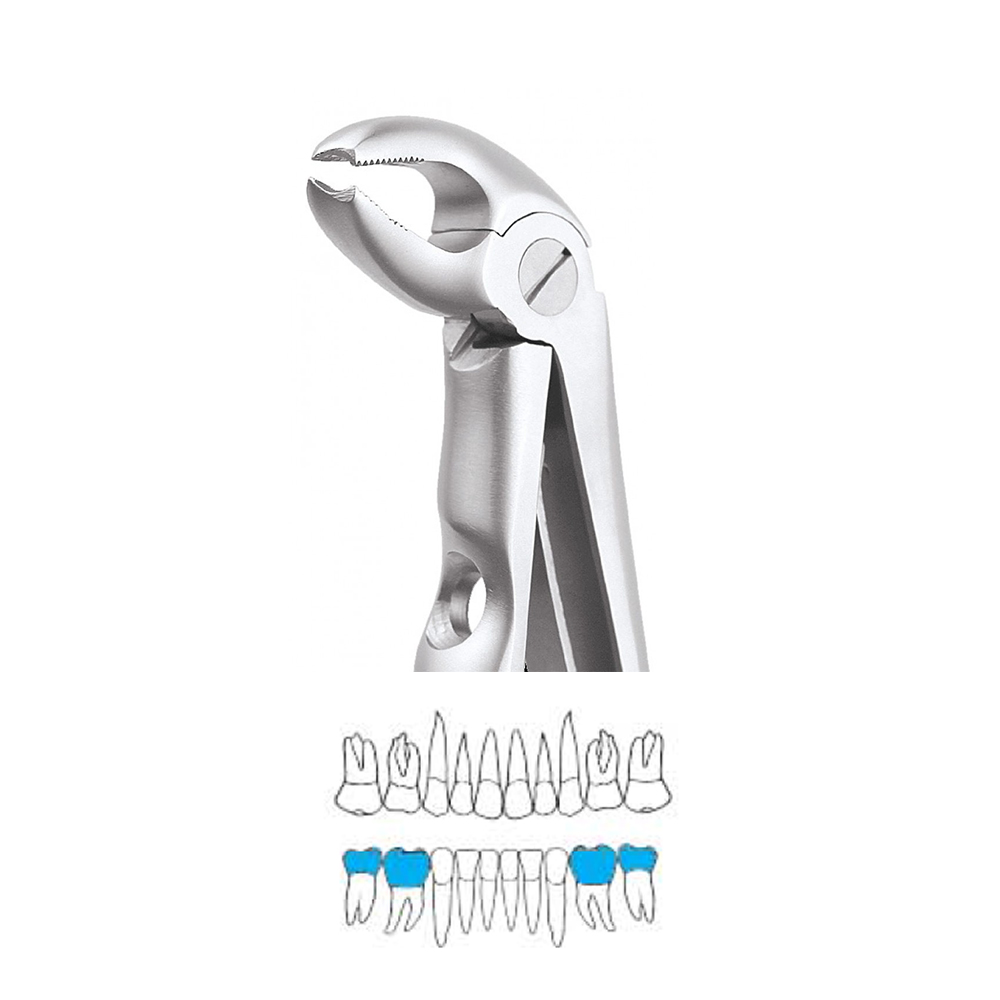
Pediatric lower molar forceps for efficient and precise tooth extraction
954 1430
gold coin24
View Similar Products
GDC Ex

Only 5 Left

Extraction Forceps for Lower Premolars Extraction in pedo patients
954 1430
gold coin24
View Similar Products
GDC Ex

Only 4 Left

Extraction Pedo Forceps for Lower Roots
954 1430
gold coin24
View Similar Products
GDC Ex
4.0
(2)
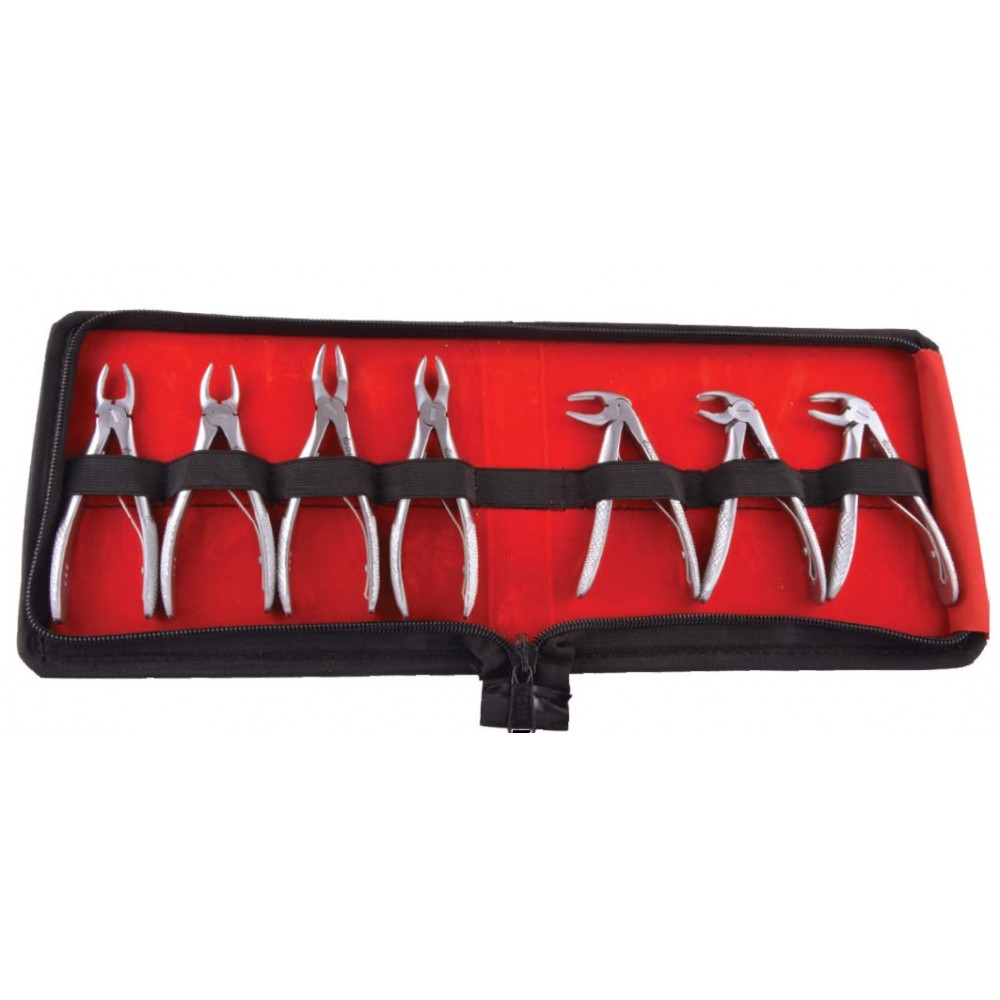
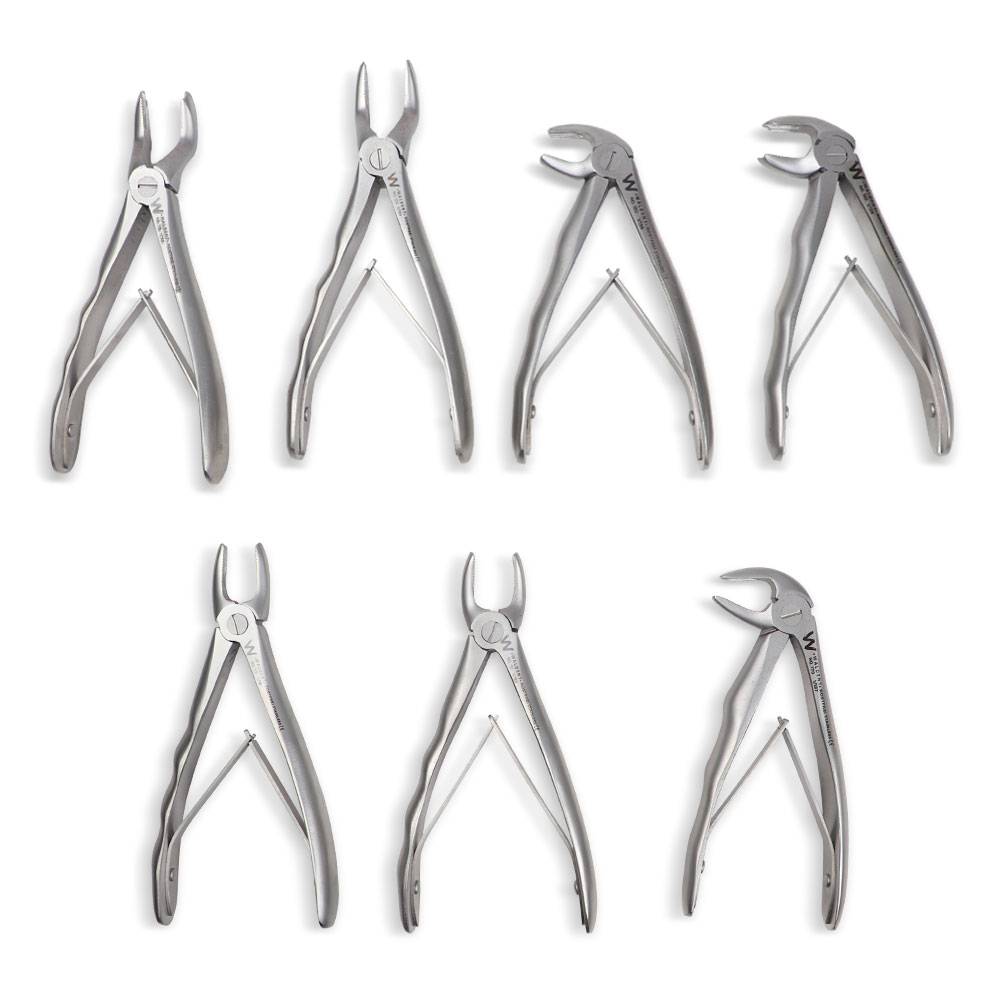
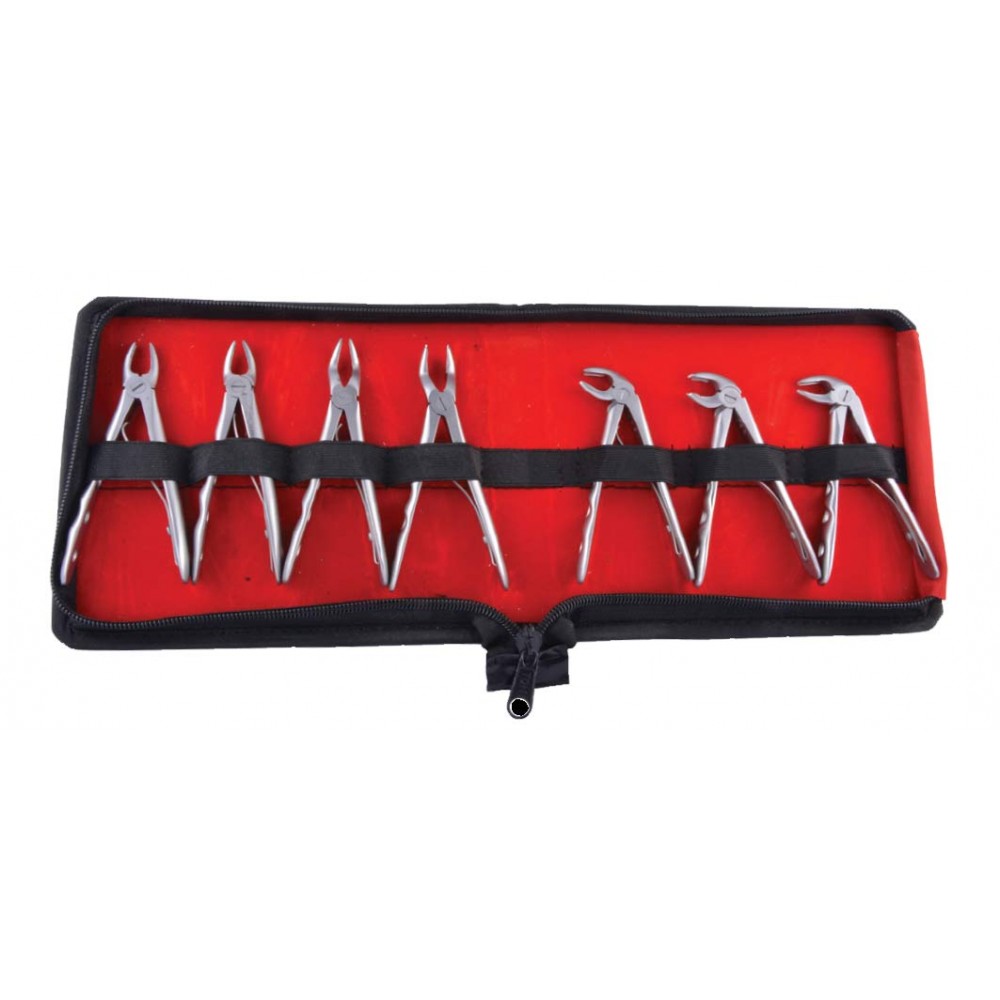
Comprehensive pedo extraction forceps set with seven specialized instruments.
6659 10010
gold coin200
View Similar Products
GDC Ex

Only 2 Left

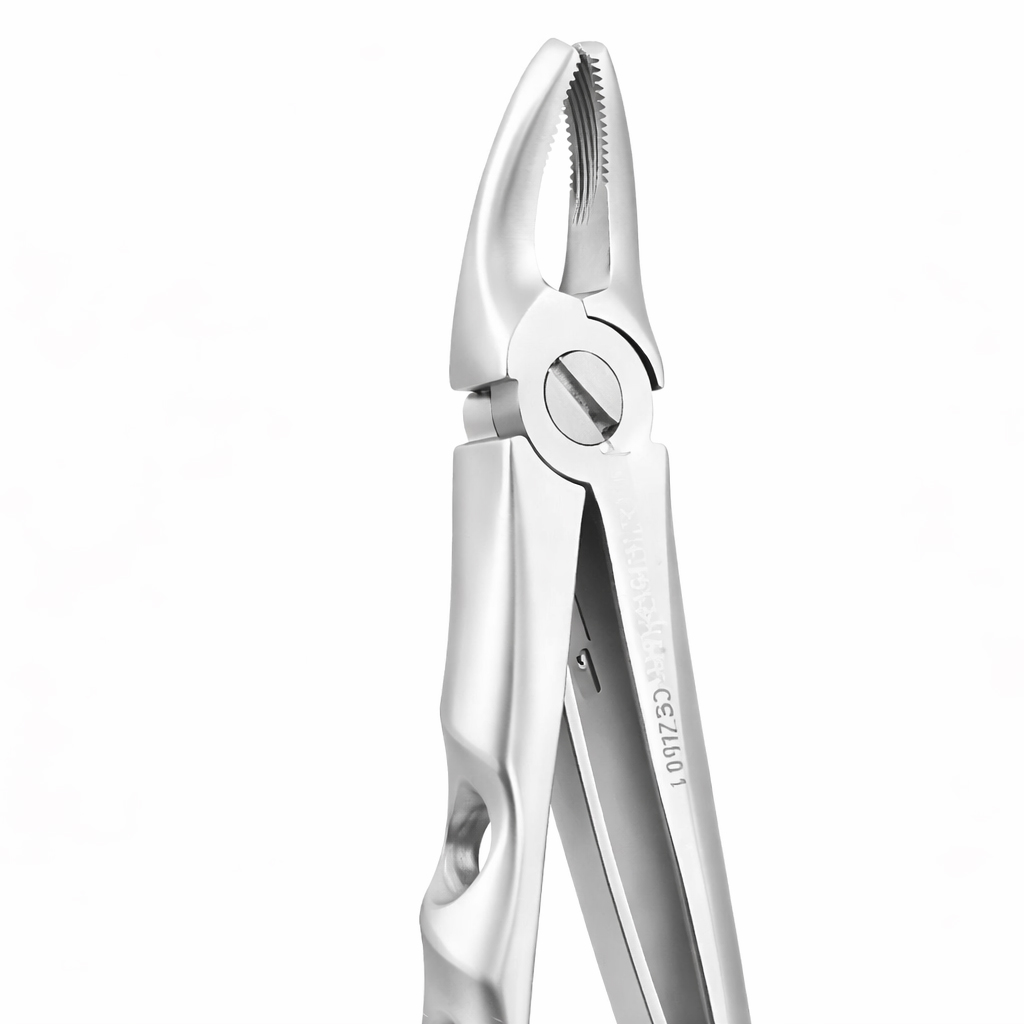
Premium pediatric upper anterior extraction forceps designed for precise adaptation, controlled grip, and atraumatic tooth removal in primary incisors and canines.
1199 1800
gold coin30
View Similar Products
GDC Ex

Only 2 Left

Pediatric forceps for upper premolar extraction, ensuring precise grip, control, and atraumatic removal
1199 1800
gold coin30
View Similar Products
GDC Ex

Only 3 Left

Designed for pediatric upper molar extractions, ensuring precision, comfort, and durability during procedures
1199 1800
gold coin30
View Similar Products
Walden

Only 5 Left

5.0
(1)
Rostfrei stainless steel forceps with anatomic handles for an easy and firm grip
7338 13980
gold coin330
View Similar Products
NOTIFY ME
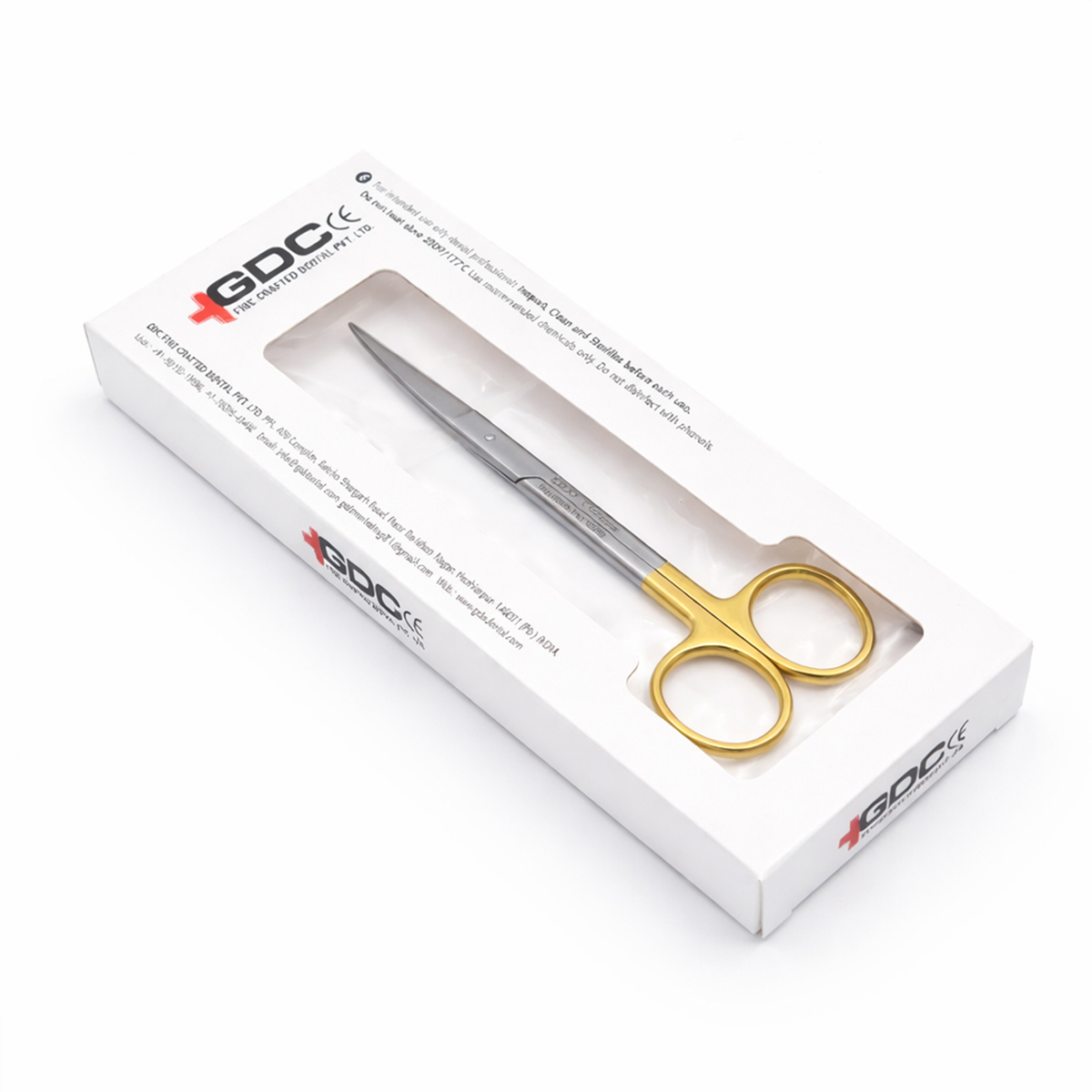
Precision straight surgical scissors for cutting gums, sutures, and bandages with durable tungsten carbide tips.
2329 3500
gold coin58
View Similar Products
NOTIFY ME
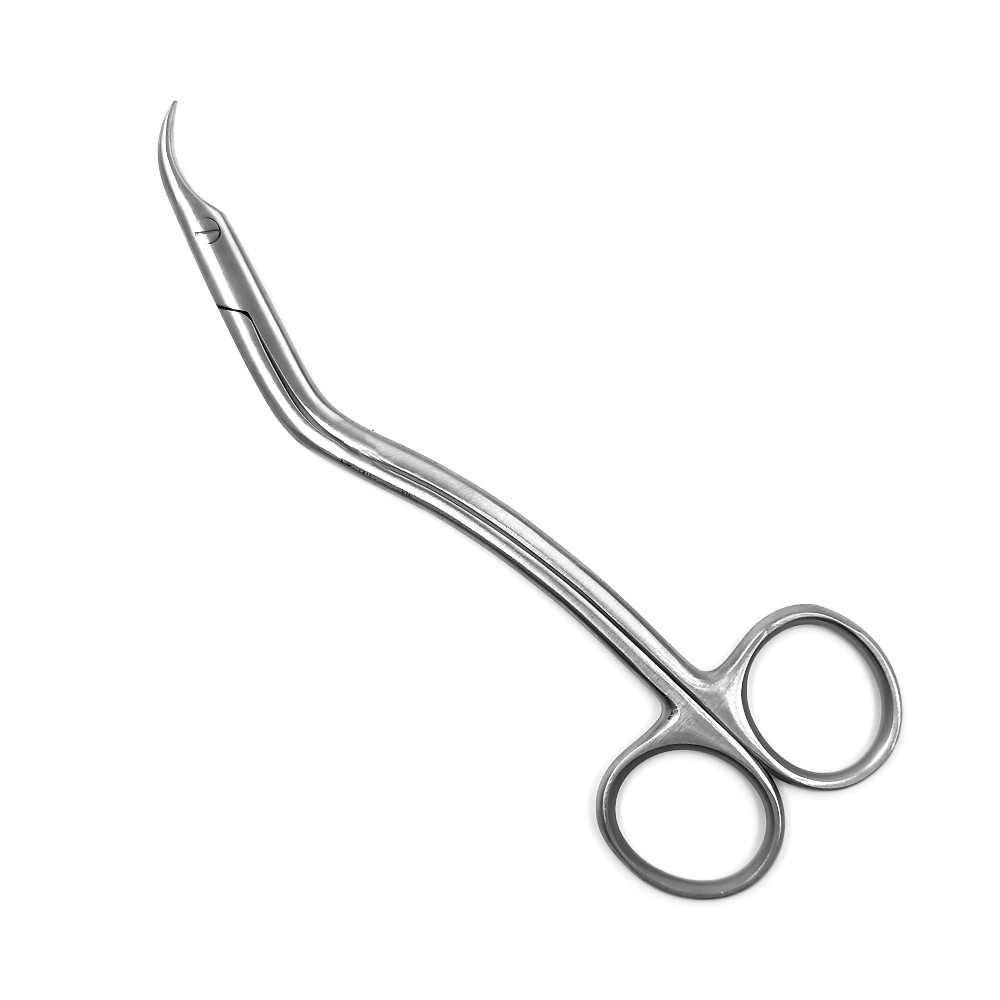
Angulated surgical scissors for precise suture cutting and soft tissue trimming in procedures
574 900
gold coin11
View Similar Products
NOTIFY ME
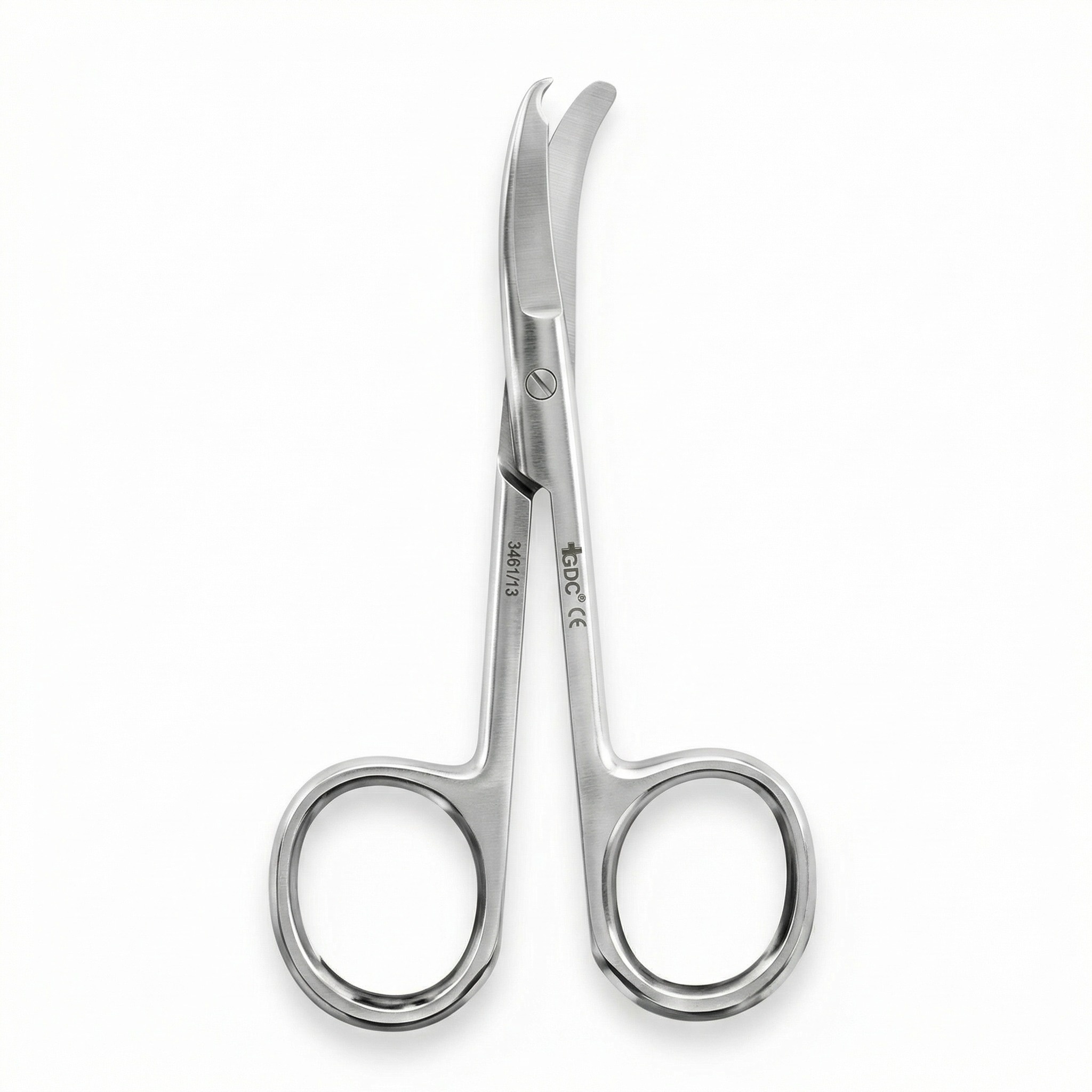
Angulated spencer suture scissors for precise cutting and removal.
574 900
gold coin11
View Similar Products
NOTIFY ME
5.0
(5)
Provides precise suture cutting with ergonomic comfort.
609 950
gold coin12
View Similar Products
NOTIFY ME
5.0
(1)
Upper Roots Extraction Forceps is an extraction instrument ideally used in the extraction of Maxillary upper root stump in pedo patients.
954 1430
gold coin24
View Similar Products
NOTIFY ME
Extraction Forceps for Pedo Patients
8379 12600
gold coin251
View Similar Products
NOTIFY ME
4.7
(3)
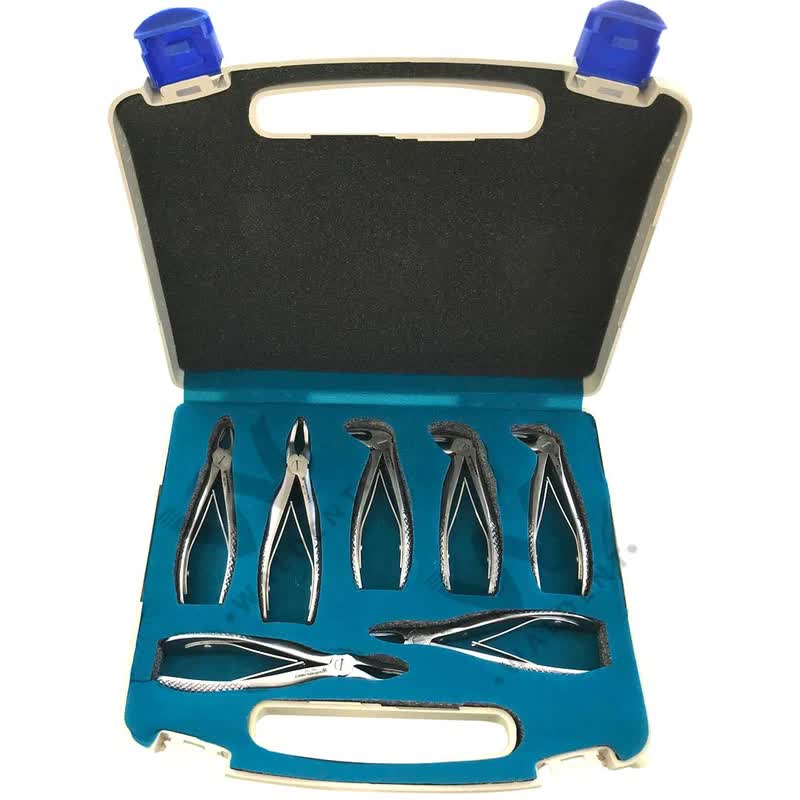
Waldent Extraction Forceps Kit ensures precise, durable, and ergonomic tooth extractions
4430 9000
gold coin211
View Similar Products
NOTIFY ME
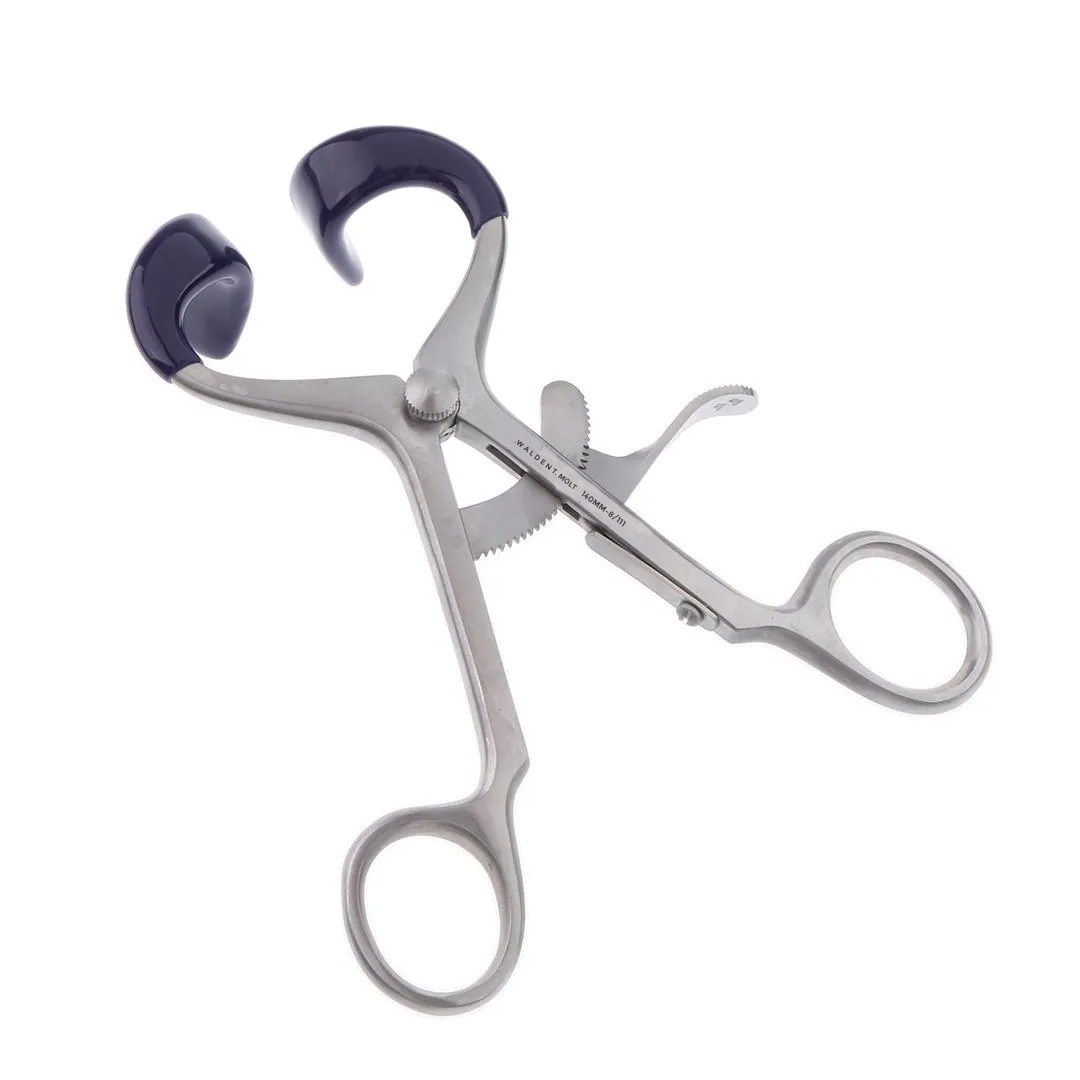
Mouth Gag Molt with silicone cushion guards
1397 3600
gold coin13
View Similar Products
NOTIFY ME
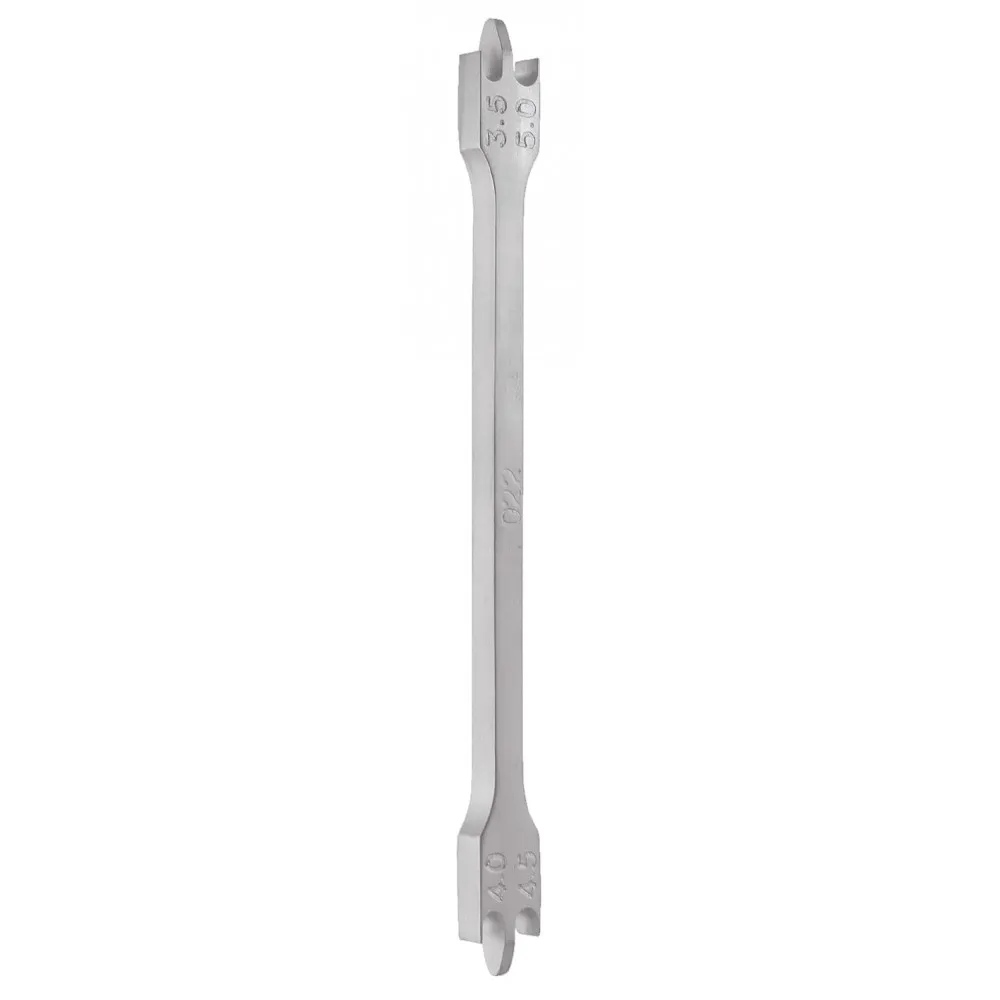
GDC Height Gauge Wick Type is useful in accurately measure height of bracket on tooth from the incisal edge
1599 2400
gold coin40
View Similar Products
Filters
Sort By
Recommended
Stay Connected
15k+

Followers

ABOUT
Contact Us
About Us
Careers
CONTACT US
Investor Relations
Dealer Price Bulk Inquiry
Waldent Dealership
Sell on Dentalkart
HELP
Orders
Refunds
Payments
Rewards
POLICY
Return Policy
Terms of Use
Privacy
Sitemap
Our Warehouses: Gurugram, Delhi, Chennai.

2016-2026, VASA DENTICITY LIMITED

Crafted with in India

Our Payment Partners
gpay
paytm
rupay
phonepe
visa
masterCard
like
4.5
Average online rating