

Glass Ionomer Cements
Glass ionomer cement (GIC) is the fluoride-releasing restorative that bonds chemically to enamel and dentine without an etch, set by an acid-base reaction. Luting, restorative, liner, resin-modified, and posterior-packable types come from GC, 3M, Shofu, and Prevest. Each releases fluoride for months to curb recurrent decay, the reason it anchors deciduous restorations and ART.
 Recommended
 Price- High to LowPrice- Low to High
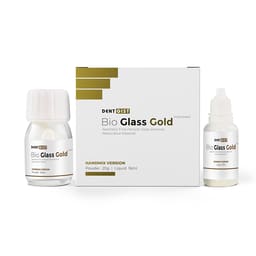
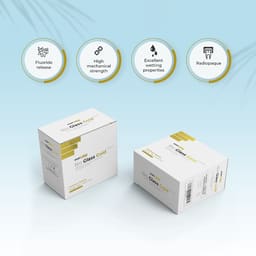
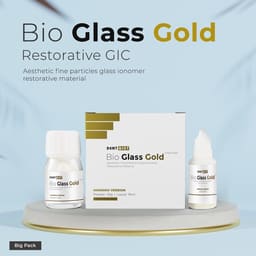

 15


 17
 22
 4
Only 4 Left
15
 25
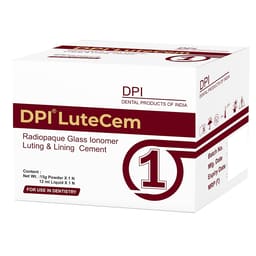
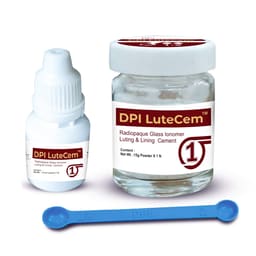
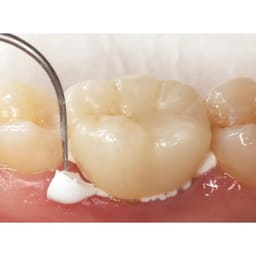
Only 1 Left
15Glass Ionomer Cement (GIC) — Luting, Restorative, Liner, Resin-Modified and Posterior-Packable Types
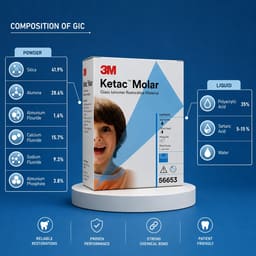
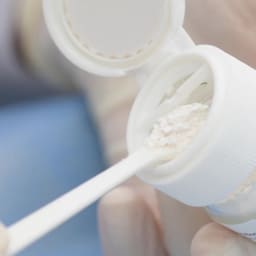
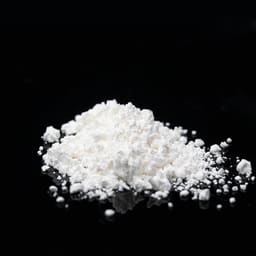
A glass ionomer cement hardens through an acid-base reaction: a fluoro-aluminosilicate glass reacts with a water-soluble polyacid to form a hard, tooth-coloured mass that ties itself chemically to enamel and dentine. Two things set it apart from a resin filling — it needs no separate etch-and-bond step, and it slowly leaches fluoride into the tooth around it, which helps hold off decay at the margin. That self-bonding, fluoride-releasing nature is why GIC is a fixture in children's dentistry, root-surface fillings, and minimally invasive atraumatic restorative treatment, even though it sits softer than composite under heavy bite load. For a deeper look at its composition, properties, and resin-modified forms, read GIC in Dentistry: Comprehensive Overview of Types, Properties, and Modifications.
Types of glass ionomer cement
Luting GIC (Type I)
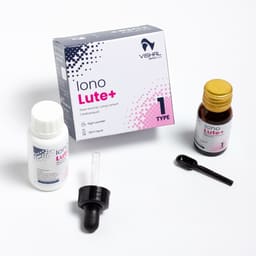
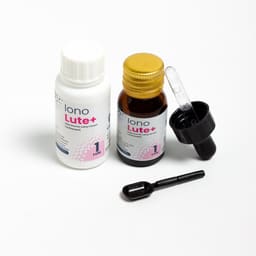
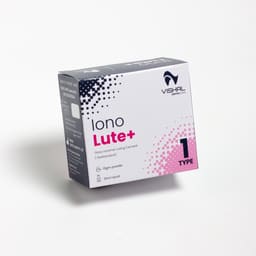
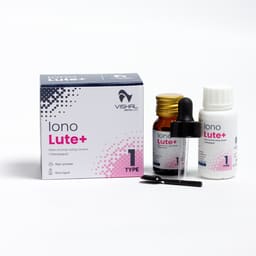
A luting GIC is thin enough to seat a crown, bridge, inlay, or orthodontic band fully home, leaving a fine fluoride-releasing film at the margin once it sets. The GC Fujicem Luting Glass Ionomer is a resin-modified luting paste that mixes from a cartridge.
Restorative GIC (Type II)
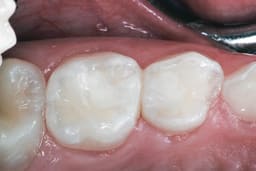
A restorative GIC is mixed thicker and packed into Class III, Class V, and root-surface cavities where the load is light, bonding to dentine and feeding fluoride to the surrounding tooth. The GC Gold Label 2 Glass Ionomer Restorative Cement is radiopaque, so the margin shows on a bitewing.
Liner and base GIC (Type III)
A liner or base GIC goes in thin under a composite or amalgam to protect the pulp and seal the floor of the cavity, setting fast and gripping dentine without a bonding agent. The Rubydent RubyGlass F Glass Ionomer Restorative Cement doubles as a base, liner, or small restoration.
Resin-modified GIC (Type VII)
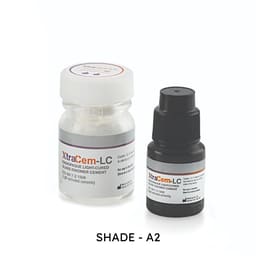
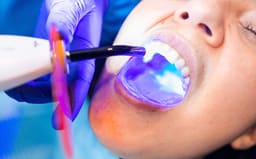
Adding HEMA and methacrylate to the powder-liquid system lets a resin-modified GIC be light-cured on command and reach a higher strength than the plain version, which suits the sandwich technique under composite and paediatric Class II work.
Posterior packable GIC (Type IX)
A packable Type IX uses a high powder ratio and fine glass to take chewing load in a deciduous molar or a small posterior cavity, which makes it the standard for ART and children's Class I fillings. The GC Gold Label 9 Posterior Restorative GIC is strontium-based with snap-set handling.
When glass ionomer cement is used
GIC earns its place wherever a self-bonding, fluoride-releasing material beats a composite or amalgam — most of all in children and on root surfaces:
- Restoring deciduous teeth and early childhood caries
- Class III, Class V, and root-surface cavities in light-load areas
- Lining or basing under a composite or amalgam restoration
- Cementing crowns, bridges, inlays, and orthodontic bands
- Atraumatic restorative treatment in school and outreach camps
- Core build-up beneath an indirect restoration
How to choose a glass ionomer cement
- Type to the job — Type I to cement, Type II for a light-load filling, Type III to line, Type IX for a paediatric posterior load; mixing types muddles set and strength.
- Self-cure or resin-modified — plain GIC sets chemically in a few minutes; a resin-modified grade light-cures on demand for a quicker, stronger result.
- Format — hand-mixed powder-liquid is cheapest, a pre-dosed capsule needs a triturator but mixes the same every time, and paste-paste packs simplify dispensing.
- Radiopacity — pick a radiopaque restorative so the margin reads on a radiograph; some older luting cements do not show up.
- Fluoride level — a higher-fluoride GIC helps most in children and caries-prone mouths where margin protection counts.
- Shelf life — the liquid ages faster than the powder, so check the date and store cool; a thickened liquid sets unpredictably.
Glass ionomer cement brands on Dentalkart
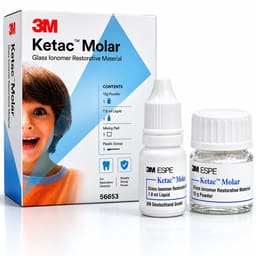
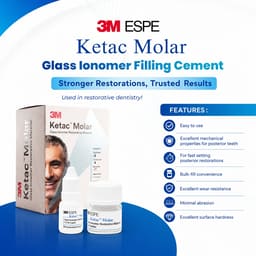
GC's Gold Label range and 3M ESPE's Ketac line are the imported mainstays, running through most academic departments and busy clinics across luting, restorative, and packable grades.
Shofu, Dentsply, and Ivoclar add resin-modified and aesthetic options, while Prevest Denpro, Prime Dental, Pyrax, D-Tech, Medicept, and Ammdent cover the Indian-made volume tier for everyday general and paediatric practice.
Why buy glass ionomer cement from Dentalkart
GIC is bought on its fluoride and its bond, and both depend on the powder and liquid still being in spec — an aged liquid thickens and the set drifts, so a pack well inside its date does the job a tired one cannot. Everything here is genuine, with the batch and expiry printed on the box and checked before it goes out, and a faulty or short-dated kit is swapped. Powder-liquid, capsule, and paste-pack formats sit together with conditioner and mixing pads, so a clinic can match the GIC type to the case — luting, restorative, liner, or a paediatric posterior pack — without splitting the order across suppliers.
Frequently Asked Questions (FAQs):
What makes glass ionomer different from a composite filling?
Two things: how it sticks and what it gives off. GIC bonds to the tooth on its own through an acid-base reaction and slowly releases fluoride, where composite needs an etch-and-bond step and releases nothing. The trade is strength — composite takes heavy chewing and polishes better, so GIC is chosen for light-load, root-surface, and children's cases.
Why is GIC used so much in children's teeth?
Because it forgives a difficult patient and protects the tooth. It bonds without the etch, rinse, and dry steps that are hard to control on a wriggling child, tolerates a little moisture, and keeps feeding fluoride into a deciduous tooth that is more prone to new decay. For a primary molar that will exfoliate anyway, that is often the sensible choice.
Which GIC type goes with which job?
Match the type to the task: Type I luting cement to seat a crown or band, Type II restorative for a light-load Class III or V, Type III to line or base under another filling, and Type IX packable for a paediatric posterior or ART case. A resin-modified grade is the pick when you want to light-cure and need extra strength.
Does glass ionomer really set without etching or bonding?
Yes. The polyacid in the liquid reacts with calcium and phosphate ions at the tooth surface to form its own bond, so no separate etch or adhesive is needed. The hold is gentler than a bonded composite — strong enough for light-load and lining work, not for a large stress-bearing posterior filling, where composite or amalgam is better.
How is GIC mixed and stored?
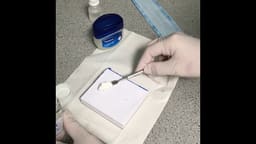
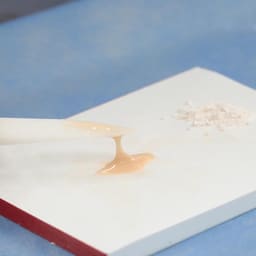
Hand-mixed GIC is folded to the maker's powder-to-liquid ratio on a pad within the stated time; a capsule is triturated for a consistent mix every time. Keep the bottles tightly capped and cool, since the liquid takes up or loses water as it ages. A liquid gone thick or a powder that sets too fast has aged and should be replaced.