Login
image
image
Home
paedodontics
glass lonomer
Glass Ionomer Cements
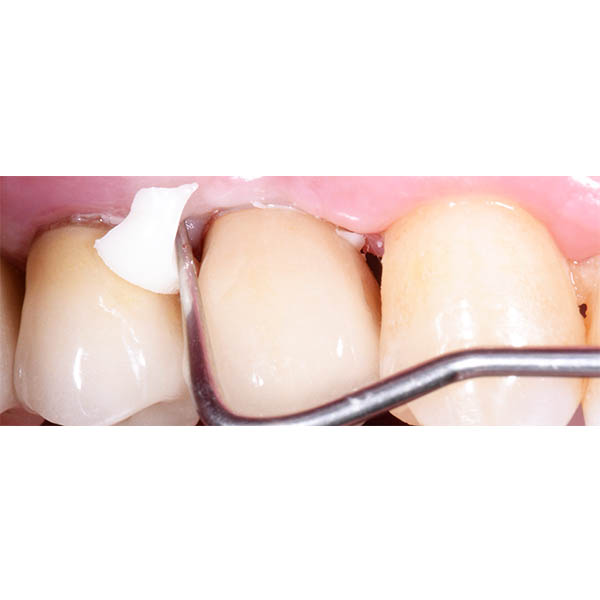
Glass Ionomer Cements (GIC) - Comprehensive Restorative Solutions for Dental Professionals Glass Ionomer Cements, available on Dentalkart is a popular restorative material in modern dentistry due to its fluoride release, biocompatibility, and aesthetic appeal. It is widely used in pediatric dentistry for minimally invasive treatments and in restorative dentistry for fillings, cementing crowns, and core build-ups. The combination of glass powder and polyacrylic acid creates a durable material that mimics the natural color of teeth, making it an ideal choice for anterior restorations. It provide dental professionals with a versatile and reliable restorative material for various dental procedures. GIC is a unique blend of fluoro-aluminosilicate glass powder and polyacrylic acid liquid, offering remarkable adhesive properties and chemical bonding with tooth structure. Dentalkart offers a comprehensive range of GIC , catering to various clinical requirements. The types available include: Type-I for cementation of crown & bridge. Type-II for restoration Type-III for liner & bases Type-IV for pit & fissure sealants Type-V for orthodontic cementation Type-VI for core build-up Type-VII fluoride releasing light cure Type-IX for pediatric & geriatric restoration These GICs come with different setting times, viscosities, and handling characteristics. Some are self-cure, while others are light-cure or dual-cure, allowing dental professionals to choose the most suitable option for each specific case. Glass Ionomer Cements find a wide range of applications in both pediatric and restorative dentistry. They are particularly valuable for treating children, as their fluoride release helps in remineralizing tooth structure, reducing the risk of further decay. GICs also offer excellent marginal sealing, reducing microleakage and enhancing the longevity of restorations. For restorative procedures, GIC provides an aesthetic option, blending seamlessly with natural tooth color, making it ideal for anterior fillings. Additionally, GIC's adhesive properties and chemical bonding contribute to excellent retention and reduced post-operative sensitivity. Dentalkart ensures an extensive selection of GIC products, sourced from reputable brands like 3M Espe, Ammdent, DentGist, D-Tech, GC, Medicept, NeoEndo, Prevest Denpro, SafeEndo, SDI, Shofu , and Vishal Dentocare . Dentalkart offers GIC in various forms, including capsules, powder & liquid kits, and syringe packages, providing dental professionals with flexibility and convenience. Dentalkart is committed to providing dental professionals with top-quality dental materials and products. With a wide range of GIC products from renowned brands, dentists can find the perfect solutions to meet their restorative needs. Frequently asked Question Q: What is GIC in dentistry? A: GIC (Glass Ionomer Cement) is a versatile restorative material used in dentistry. Composed of fluoro-aluminosilicate glass powder and polyacrylic acid liquid, GIC offers excellent adhesive properties, fluoride release, and aesthetic appeal. It is commonly used in pediatric dentistry for minimally invasive treatments and in restorative dentistry for fillings, cementing crowns, and core build-ups. Q: Is GIC a permanent filling? A: No, GIC (Glass Ionomer Cement) is not considered a permanent filling. While it provides a good temporary solution for certain restorations, it is more commonly used as a semi-permanent material, especially in pediatric dentistry. GIC may require periodic replacement due to wear and tear over time. For long-term permanent fillings, other restorative materials like composite resins or amalgam are often preferred. Q: Which filling is better GIC or composite? A: The choice between GIC (Glass Ionomer Cement) and Composite fillings depends on the specific dental needs and preferences of the patient. GIC is a suitable option for certain situations, such as in pediatric dentistry for primary teeth, as it releases fluoride and helps prevent further decay. It also bonds well to the tooth structure and can be used in areas with minimal stress. Composite fillings, on the other hand, are tooth-colored and aesthetically pleasing blending seamlessly with natural teeth, making them an excellent choice for visible areas in the mouth. Q: What are the different types of Glass Ionomer Cement available on Dentalkart? A: Dentalkart offers a wide range of GIC types, including Type-I, Type-II, Type-III, Type-IV, Type-V, Type-VI, Type-VII, and Type-IX from top brands like 3M Espe, Ammdent, DentGist, D-Tech, GC, Medicept, NeoEndo, Prevest Denpro, SafeEndo, SDI, Shofu, Vishal Dentocare, and Voco. Q: Is GIC suitable for restorations in patients with bruxism or heavy occlusal forces? A: GIC has limited resistance to heavy occlusal forces. It may not be the best choice for patients with bruxism or excessive occlusal pressure, as it may lead to premature wear or fracture. Q: Can Type-VII GIC be used for restoring primary molars with extensive caries involving the pulp? A: Type-VII GIC, which is a resin-modified GIC, may not provide adequate pulp protection for extensive caries cases. For pulp exposures, conventional pulp-capping materials like calcium hydroxide or mineral trioxide aggregate (MTA) are preferred. Q: What are the indications for using Type-IX GIC with silver alloy for posterior restorations? A: Type-IX GIC with silver alloy, also known as amalgomer, is indicated for high-stress-bearing posterior restorations, where enhanced mechanical properties and longevity are essential. Q: What are the potential complications when light-cure GIC is used for luting indirect restorations? A: Light-cure GIC may result in incomplete polymerization in areas with limited light exposure, leading to decreased bond strength and potential microleakage. Dual-cure or self-cure GICs may be preferred for luting indirect restorations. Q: How can dentists manage post-operative sensitivity when using high-viscosity Type-I GIC for direct pulp capping? A: To reduce post-operative sensitivity, dentists should ensure complete pulp coverage, use calcium hydroxide liner under GIC, and advise patients to avoid extreme temperatures and biting forces during the healing phase.
Read more
Glass Ionomer Cements

Glass Ionomer Cements (GIC) - Comprehensive Restorative Solutions for Dental Professionals

Glass Ionomer Cements, available on Dentalkart is a popular restorative material in modern dentistry due to its fluoride release, biocompatibility, and aesthetic appeal. It is widely used in pediatric dentistry for minimally invasive treatments and in restorative dentistry for fillings, cementing crowns, and core build-ups. The combination of glass powder and polyacrylic acid creates a durable material that mimics the natural color of teeth, making it an ideal choice for anterior restorations.

It provide dental professionals with a versatile and reliable restorative material for various dental procedures. GIC is a unique blend of fluoro-aluminosilicate glass powder and polyacrylic acid liquid, offering remarkable adhesive properties and chemical bonding with tooth structure.

Dentalkart offers a comprehensive range of GIC, catering to various clinical requirements. The types available include:

  • Type-I for cementation of crown & bridge.
  • Type-II for restoration
  • Type-III for liner & bases
  • Type-IV for pit & fissure sealants
  • Type-V for orthodontic cementation
  • Type-VI for core build-up
  • Type-VII fluoride releasing light cure
  • Type-IX for pediatric & geriatric restoration


These GICs come with different setting times, viscosities, and handling characteristics. Some are self-cure, while others are light-cure or dual-cure, allowing dental professionals to choose the most suitable option for each specific case.

Glass Ionomer Cements find a wide range of applications in both pediatric and restorative dentistry. They are particularly valuable for treating children, as their fluoride release helps in remineralizing tooth structure, reducing the risk of further decay. GICs also offer excellent marginal sealing, reducing microleakage and enhancing the longevity of restorations. For restorative procedures, GIC provides an aesthetic option, blending seamlessly with natural tooth color, making it ideal for anterior fillings. Additionally, GIC's adhesive properties and chemical bonding contribute to excellent retention and reduced post-operative sensitivity.

Dentalkart ensures an extensive selection of GIC products, sourced from reputable brands like 3M Espe, Ammdent, DentGist, D-Tech, GC, Medicept, NeoEndo, Prevest Denpro, SafeEndo, SDI, Shofu, and Vishal Dentocare. Dentalkart offers GIC in various forms, including capsules, powder & liquid kits, and syringe packages, providing dental professionals with flexibility and convenience.

Dentalkart is committed to providing dental professionals with top-quality dental materials and products. With a wide range of GIC products from renowned brands, dentists can find the perfect solutions to meet their restorative needs.

Frequently asked Question

Q: What is GIC in dentistry?
A: GIC (Glass Ionomer Cement) is a versatile restorative material used in dentistry. Composed of fluoro-aluminosilicate glass powder and polyacrylic acid liquid, GIC offers excellent adhesive properties, fluoride release, and aesthetic appeal. It is commonly used in pediatric dentistry for minimally invasive treatments and in restorative dentistry for fillings, cementing crowns, and core build-ups.

Q: Is GIC a permanent filling?
A: No, GIC (Glass Ionomer Cement) is not considered a permanent filling. While it provides a good temporary solution for certain restorations, it is more commonly used as a semi-permanent material, especially in pediatric dentistry. GIC may require periodic replacement due to wear and tear over time. For long-term permanent fillings, other restorative materials like composite resins or amalgam are often preferred.

Q: Which filling is better GIC or composite?
A: The choice between GIC (Glass Ionomer Cement) and Composite fillings depends on the specific dental needs and preferences of the patient.

  • GIC is a suitable option for certain situations, such as in pediatric dentistry for primary teeth, as it releases fluoride and helps prevent further decay. It also bonds well to the tooth structure and can be used in areas with minimal stress.
  • Composite fillings, on the other hand, are tooth-colored and aesthetically pleasing blending seamlessly with natural teeth, making them an excellent choice for visible areas in the mouth.

Q: What are the different types of Glass Ionomer Cement available on Dentalkart?
A: Dentalkart offers a wide range of GIC types, including Type-I, Type-II, Type-III, Type-IV, Type-V, Type-VI, Type-VII, and Type-IX from top brands like 3M Espe, Ammdent, DentGist, D-Tech, GC, Medicept, NeoEndo, Prevest Denpro, SafeEndo, SDI, Shofu, Vishal Dentocare, and Voco.

Q: Is GIC suitable for restorations in patients with bruxism or heavy occlusal forces?
A: GIC has limited resistance to heavy occlusal forces. It may not be the best choice for patients with bruxism or excessive occlusal pressure, as it may lead to premature wear or fracture.

Q: Can Type-VII GIC be used for restoring primary molars with extensive caries involving the pulp?
A: 
Type-VII GIC, which is a resin-modified GIC, may not provide adequate pulp protection for extensive caries cases. For pulp exposures, conventional pulp-capping materials like calcium hydroxide or mineral trioxide aggregate (MTA) are preferred.

Q: What are the indications for using Type-IX GIC with silver alloy for posterior restorations?
A:
Type-IX GIC with silver alloy, also known as amalgomer, is indicated for high-stress-bearing posterior restorations, where enhanced mechanical properties and longevity are essential.

Q: What are the potential complications when light-cure GIC is used for luting indirect restorations?
A: Light-cure GIC may result in incomplete polymerization in areas with limited light exposure, leading to decreased bond strength and potential microleakage. Dual-cure or self-cure GICs may be preferred for luting indirect restorations.

Q: How can dentists manage post-operative sensitivity when using high-viscosity Type-I GIC for direct pulp capping?
A: To reduce post-operative sensitivity, dentists should ensure complete pulp coverage, use calcium hydroxide liner under GIC, and advise patients to avoid extreme temperatures and biting forces during the healing phase.

3M ESP
base, small, thumbnail, swatch
3M ESP
3M ESP
3M ESP
4.5
(60)
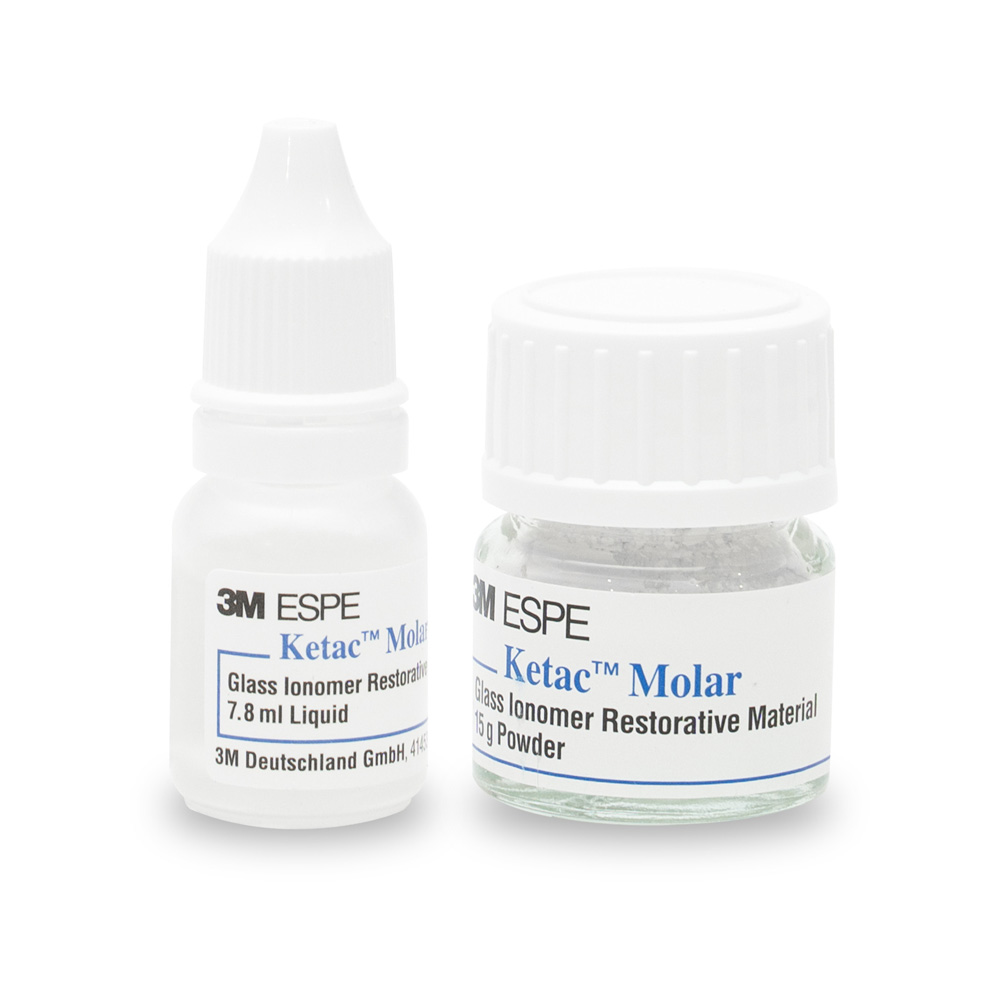
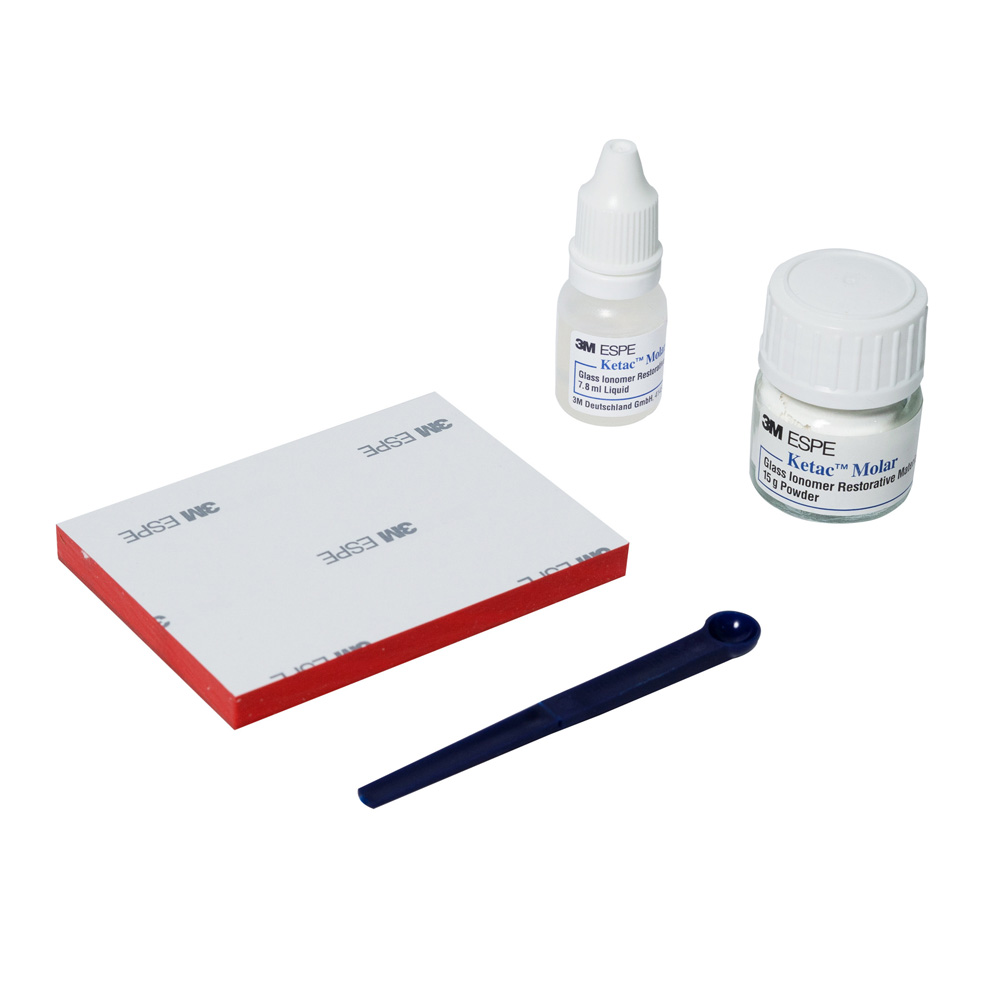
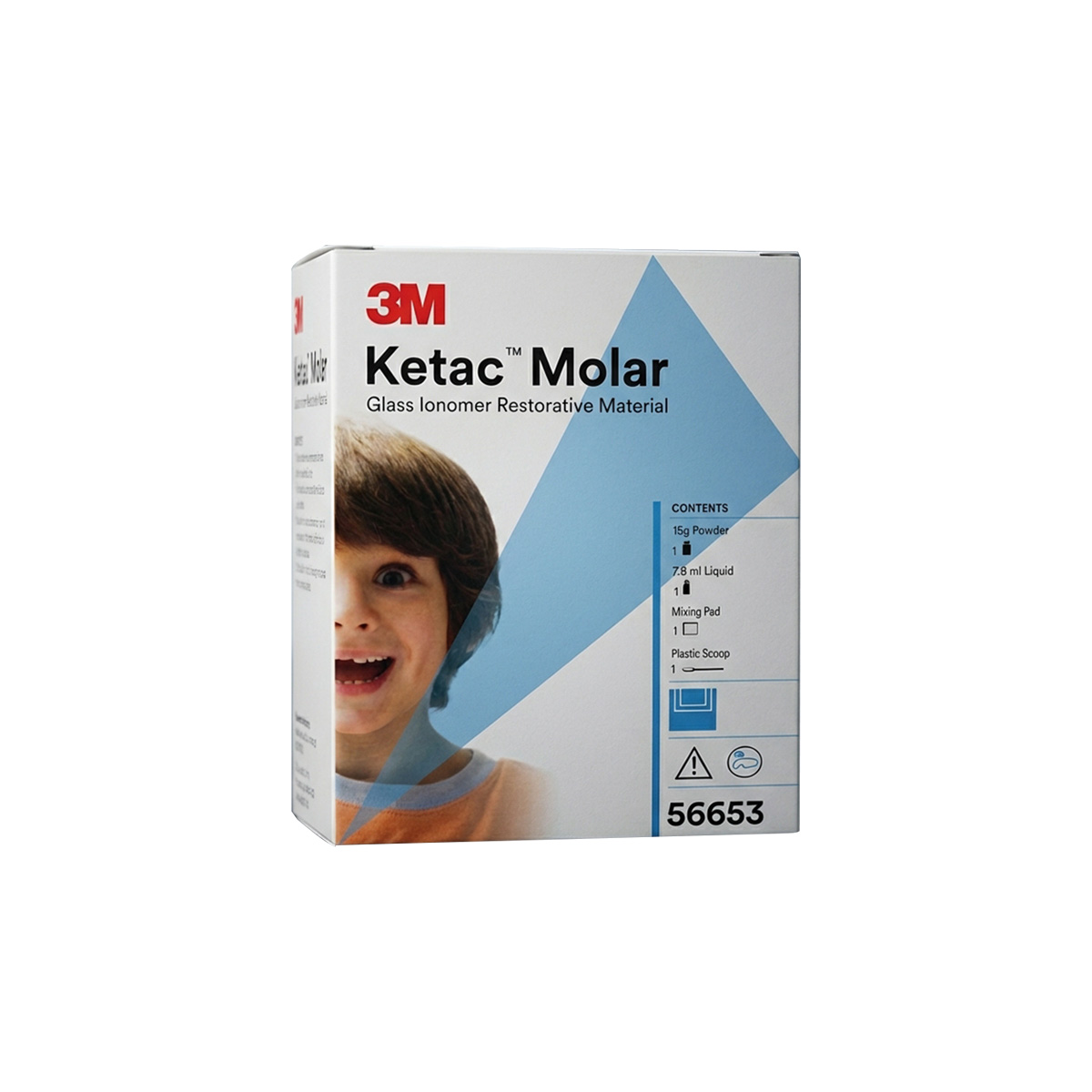
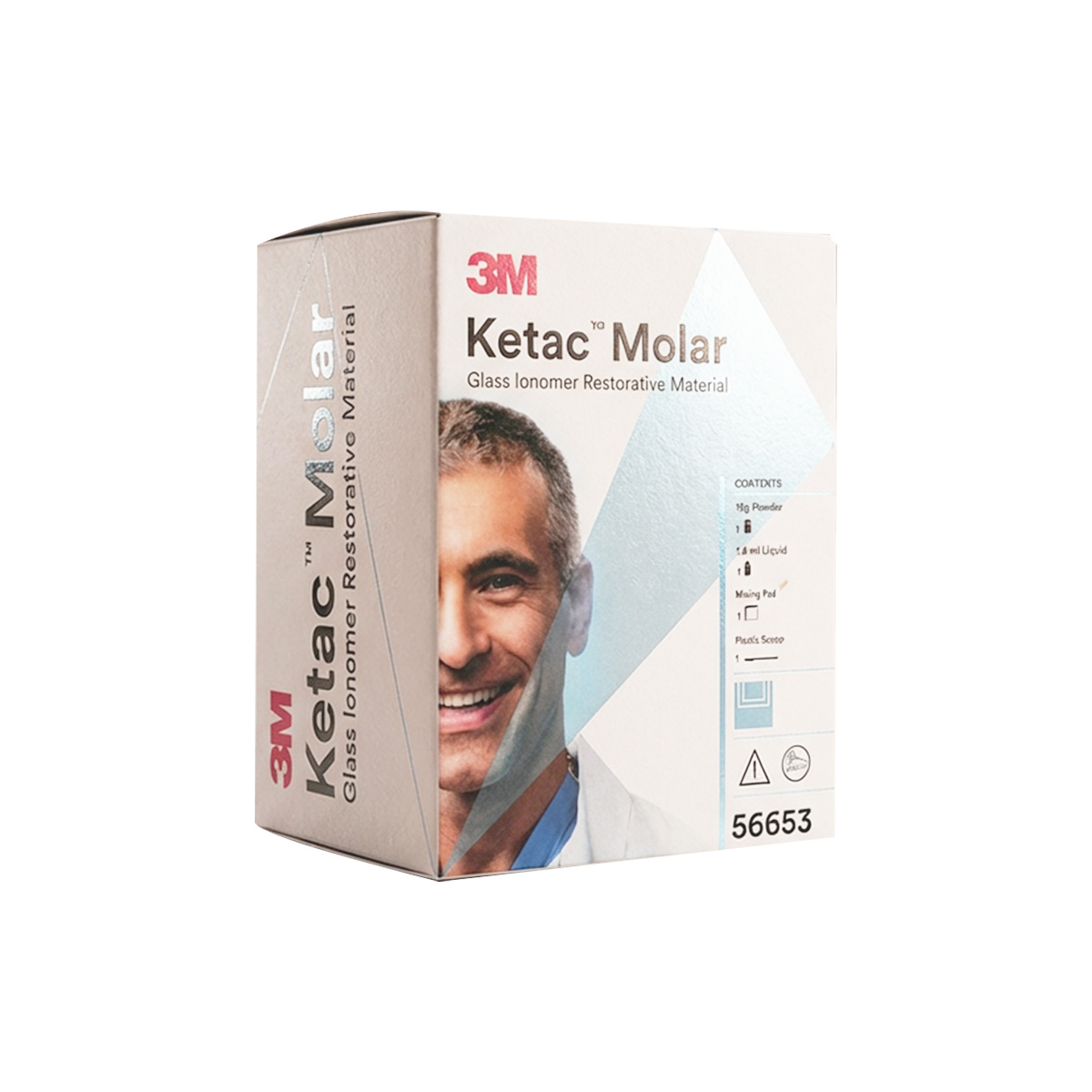
Restorative glass ionomer cement with high flexural strength
1750 3440
gold coin18
View Similar Products
Medice
Medice
Medice
Medice
Medice
base, small, thumbnail, swatch
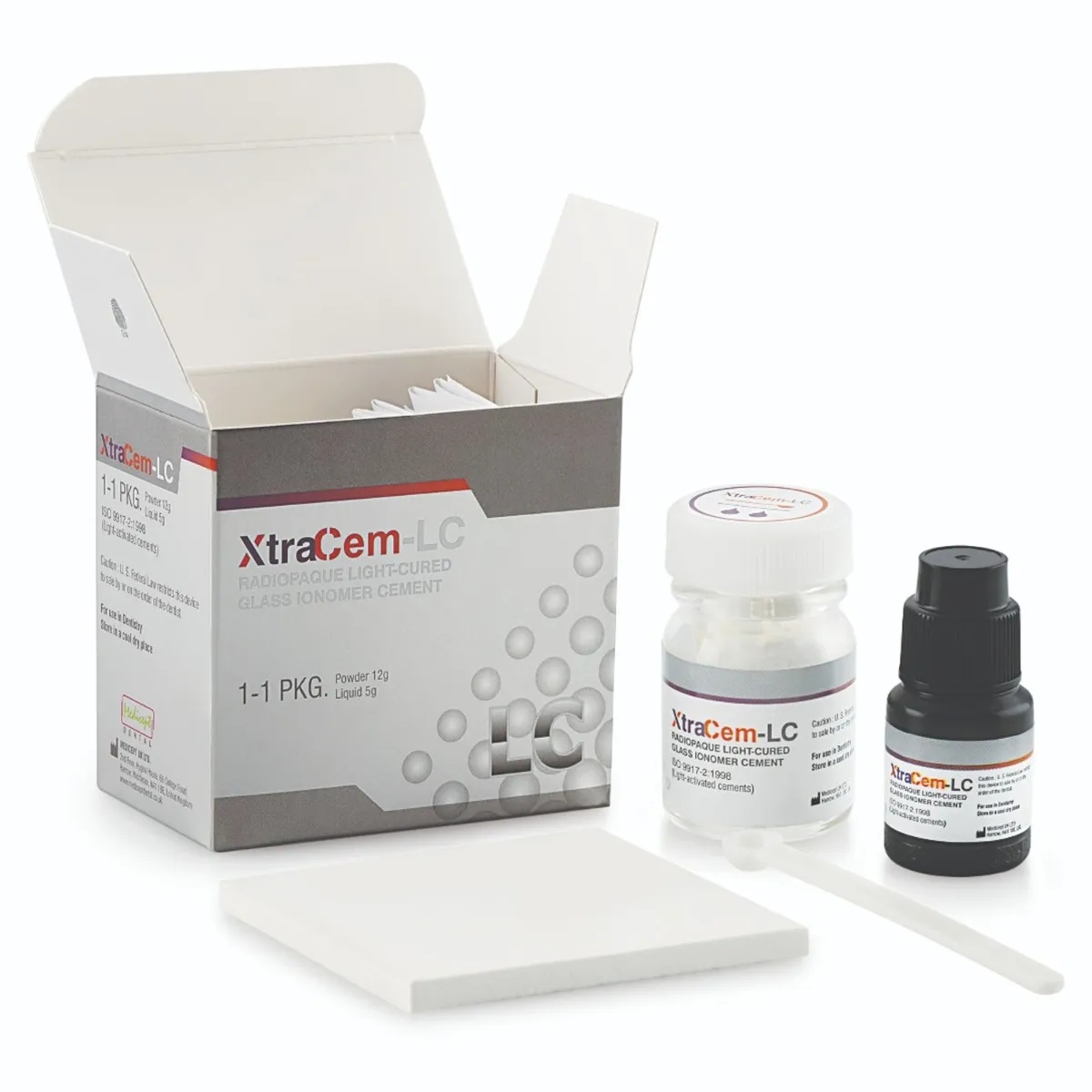
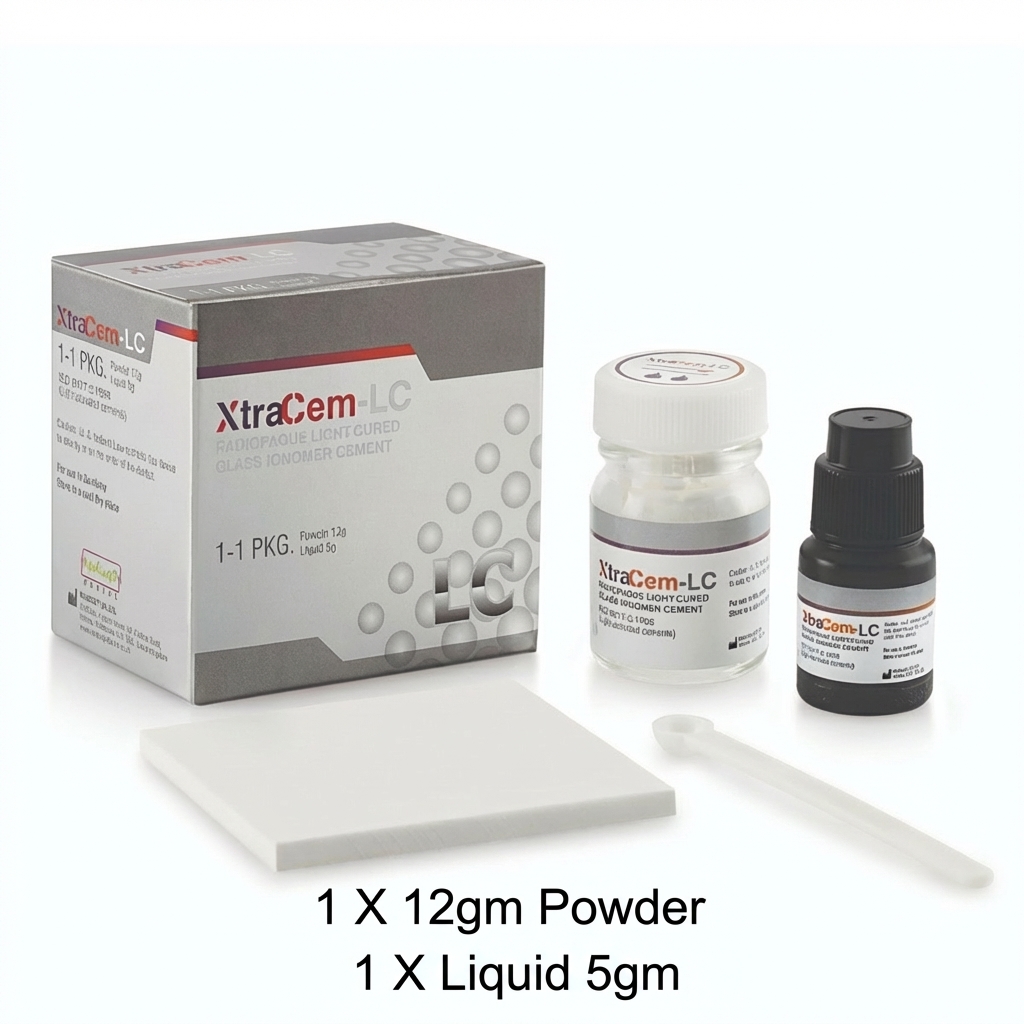
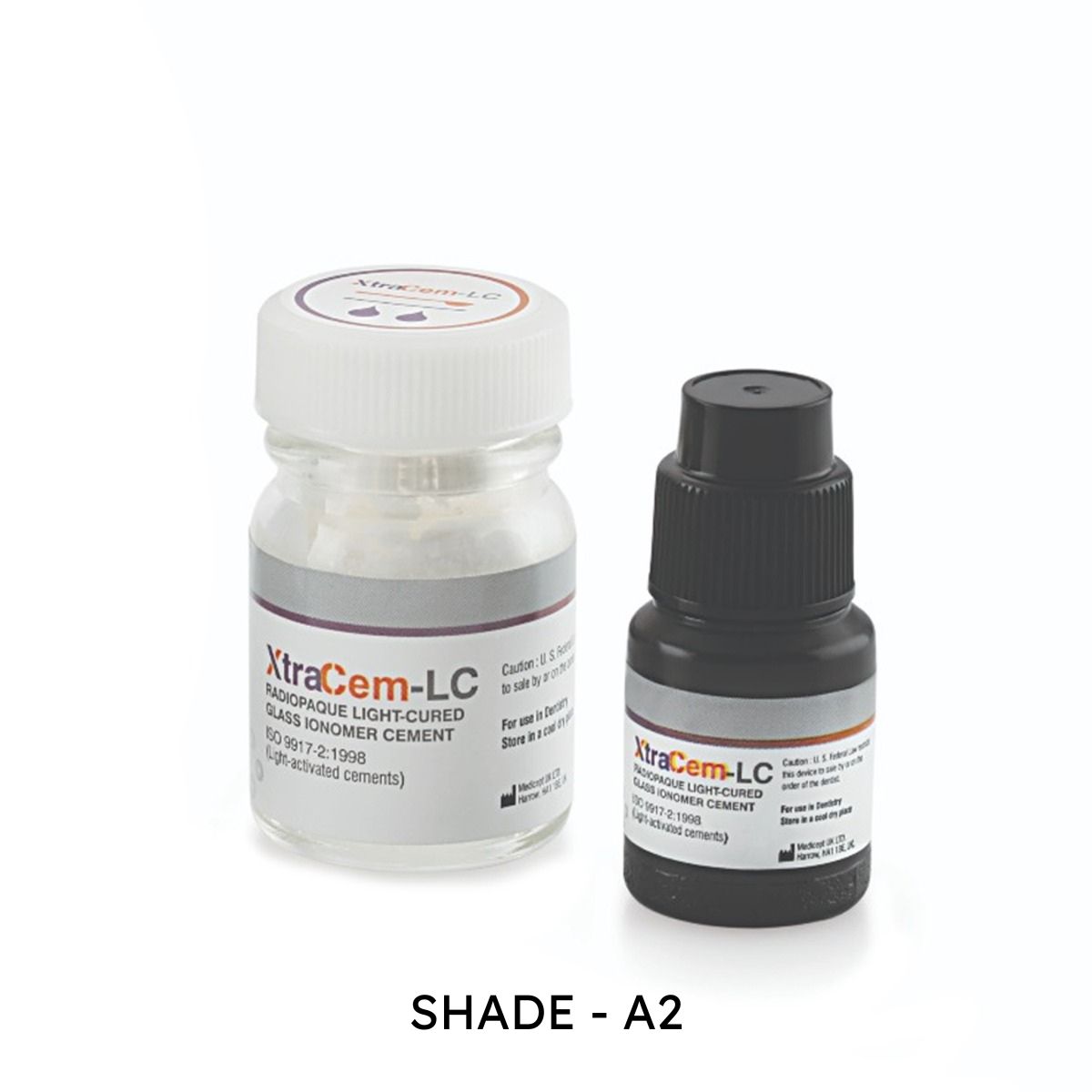
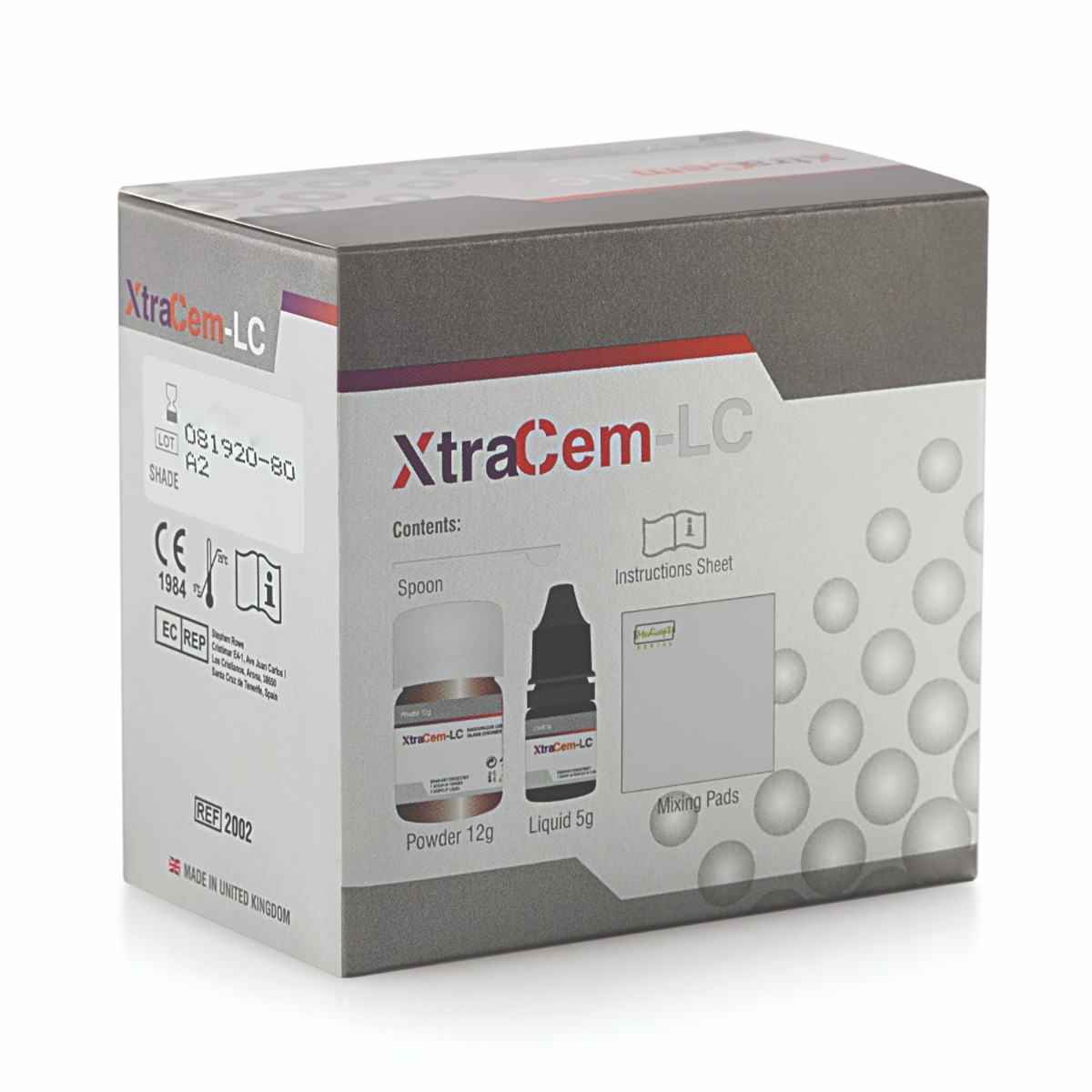
Light Cure Glass Ionomer Cement: A versatile dental cement offering high strength, fluoride content, and excellent adhesion.
2063 2700
gold coin40
View Similar Products
Shofu
base, small, thumbnail, swatch
Shofu
Shofu
Shofu
Shofu
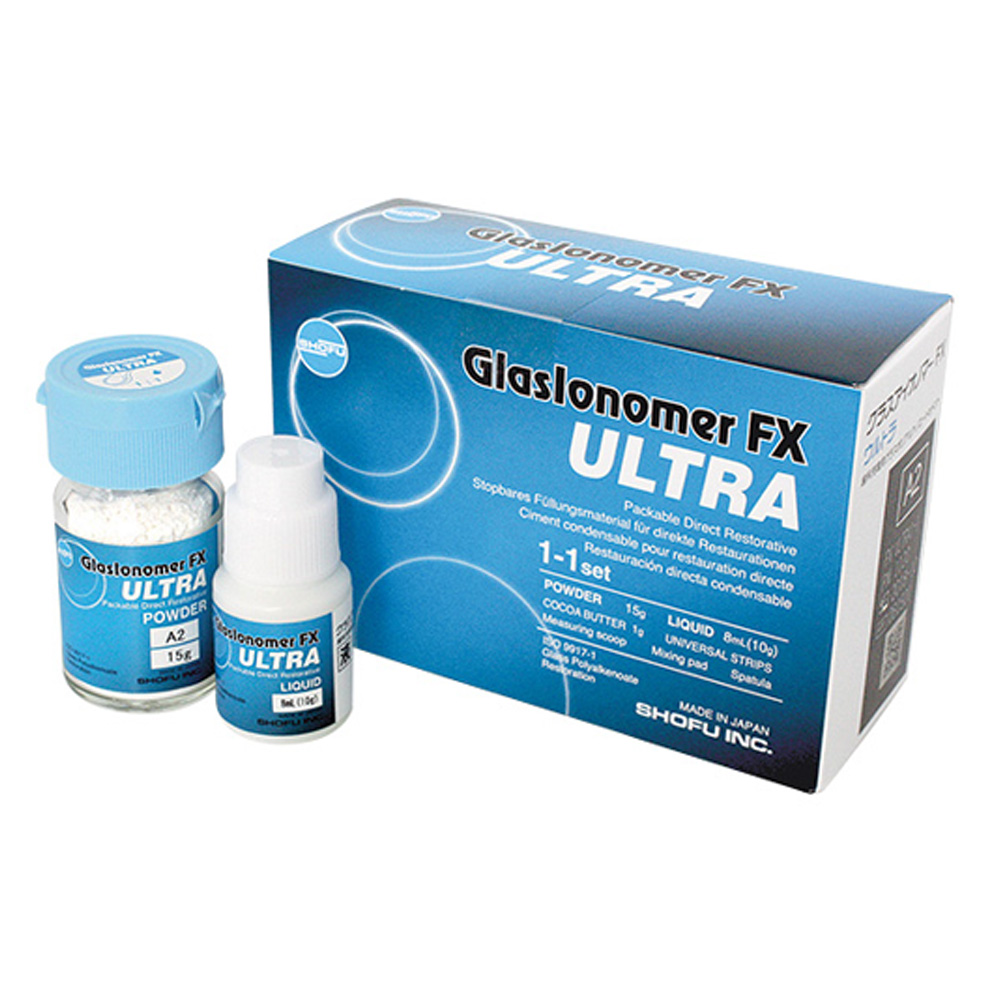
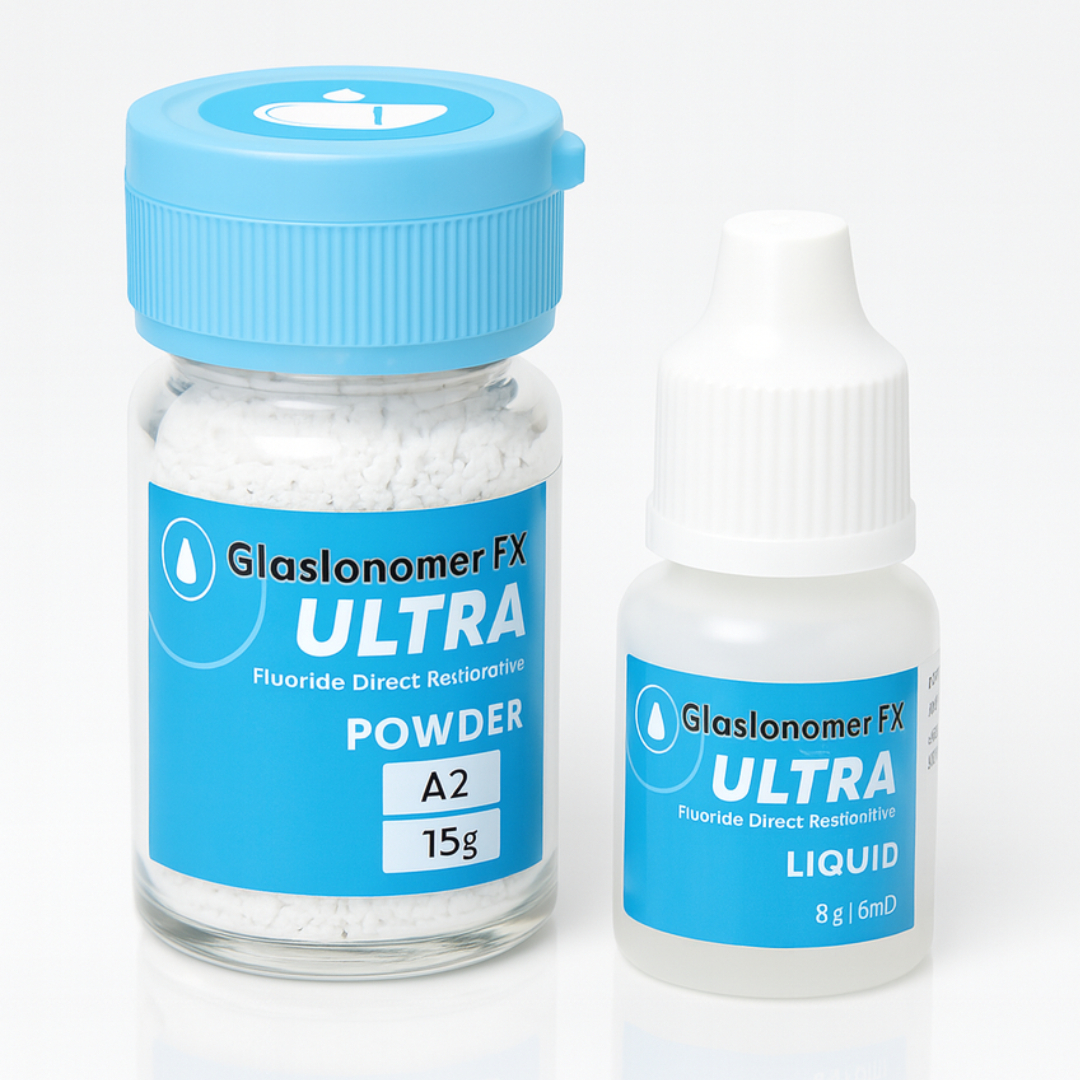
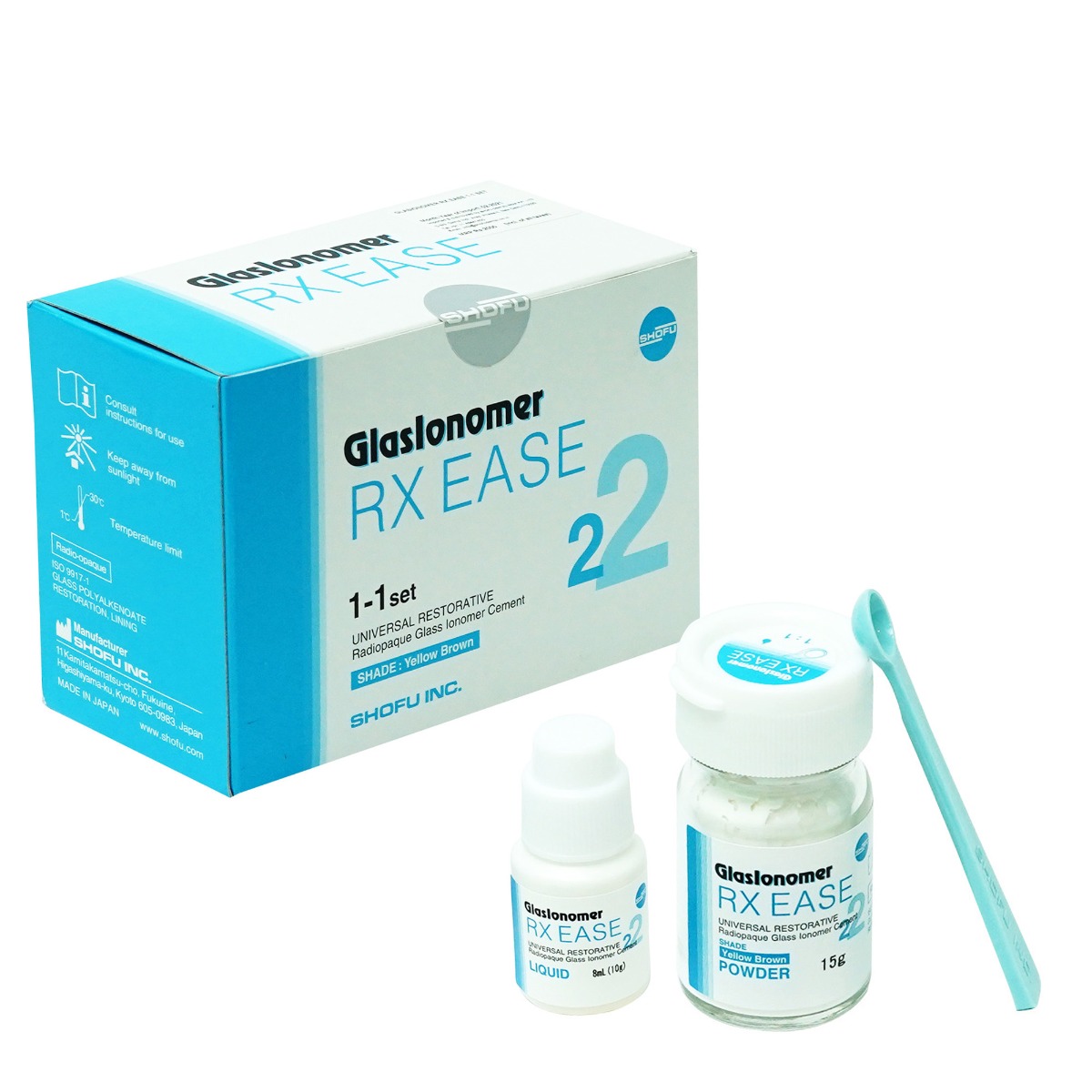
Self-adhesive, bulk-fill glass ionomer delivering high translucency, caries resistance, durable bonding, and sustained fluoride protection.
2085 3120
gold coin50
View Similar Products
GC Gol
base, small, thumbnail, swatch
GC Gol
GC Gol
GC Gol
GC Gol
Strontium-based glass ionomer cement offering strong bonding, radiopacity, fluoride release, and durable long-term restorations
2986 4570
gold coin30
View Similar Products
GC Gol
GC Gol
base, small, thumbnail, swatch
GC Gol
GC Gol
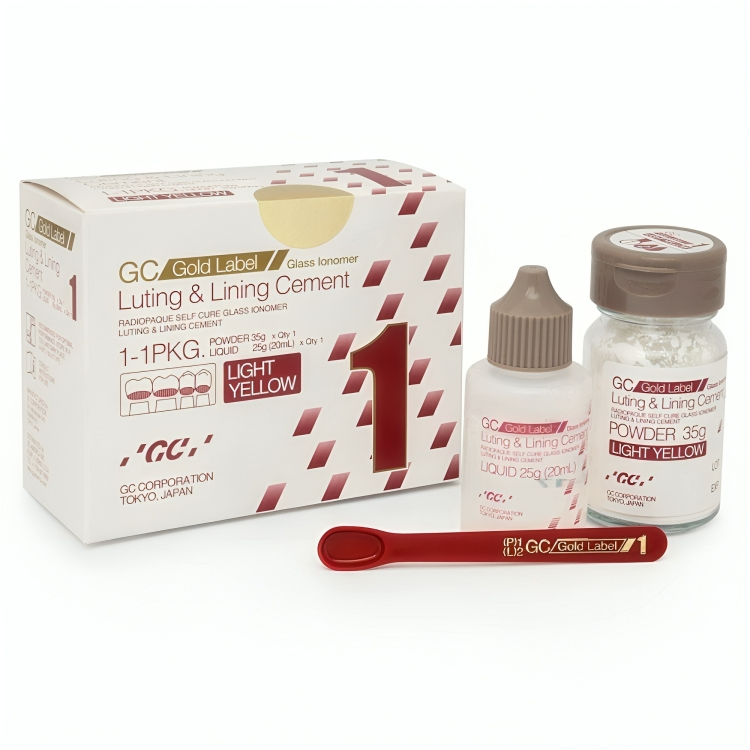
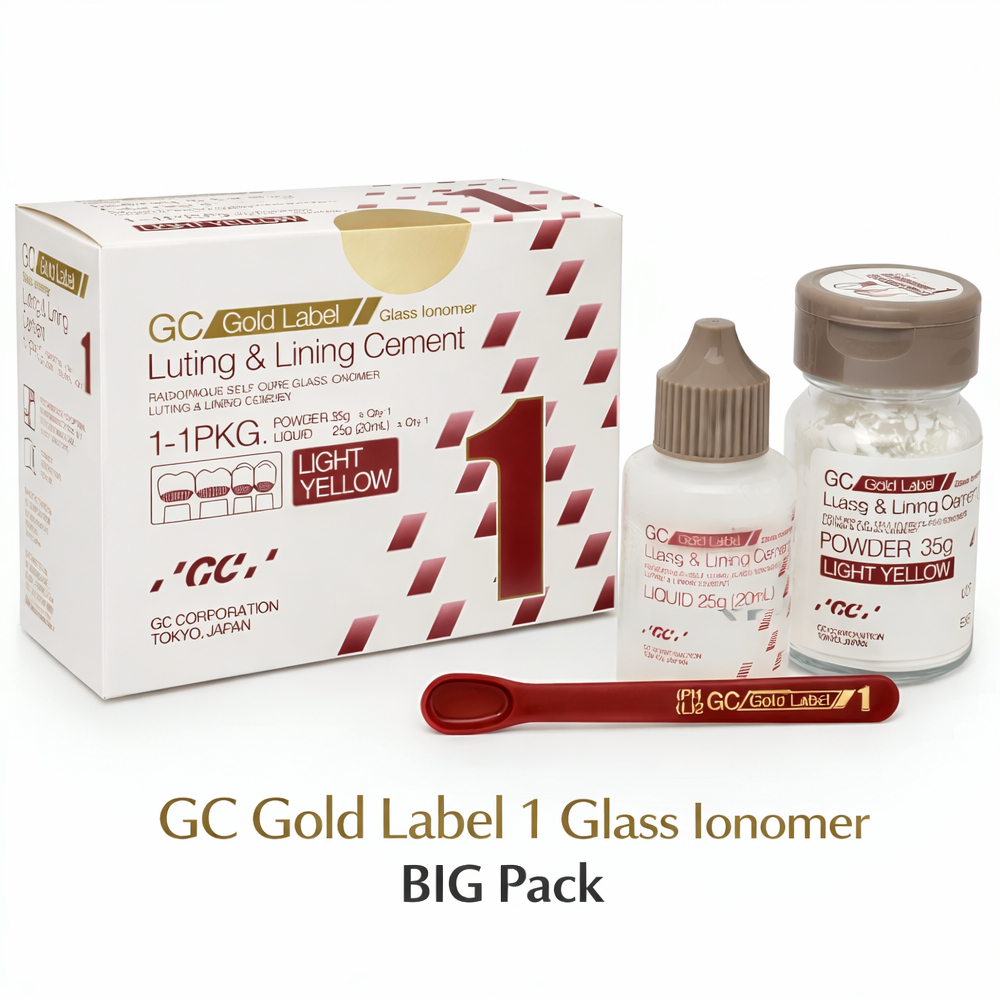
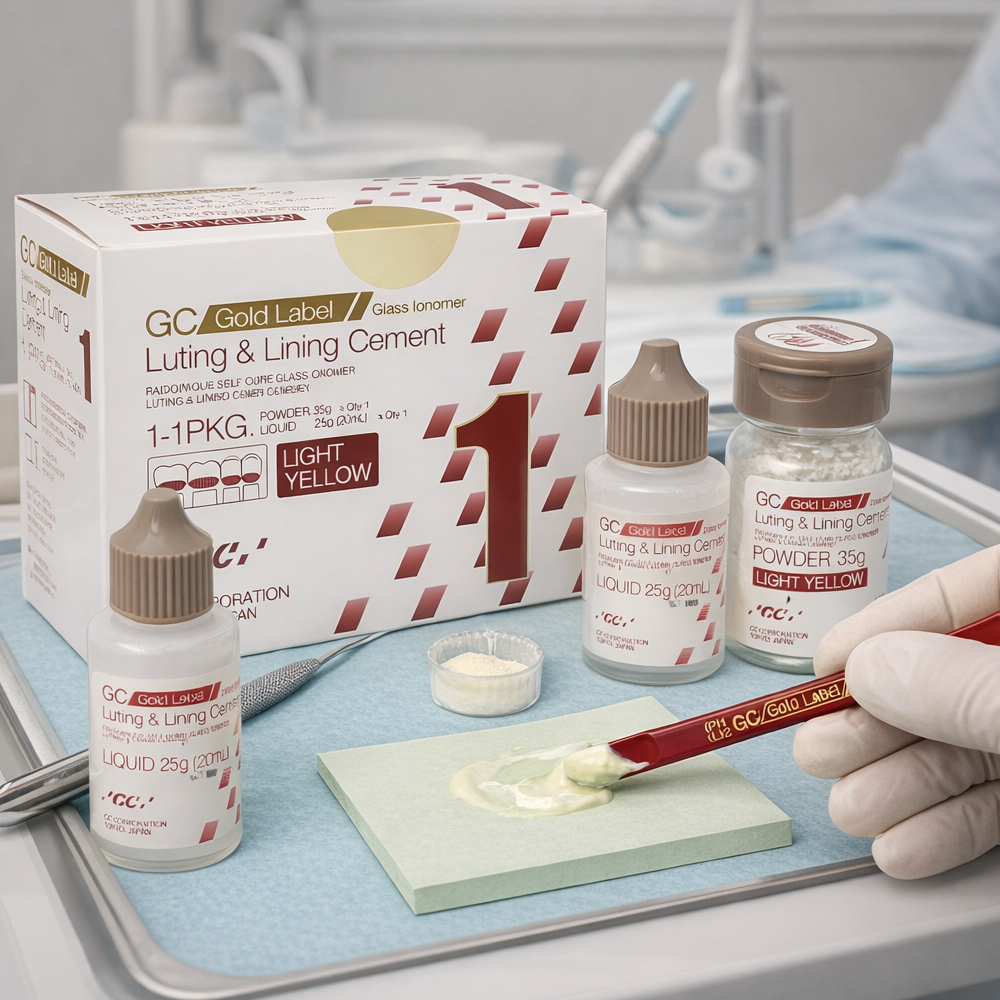
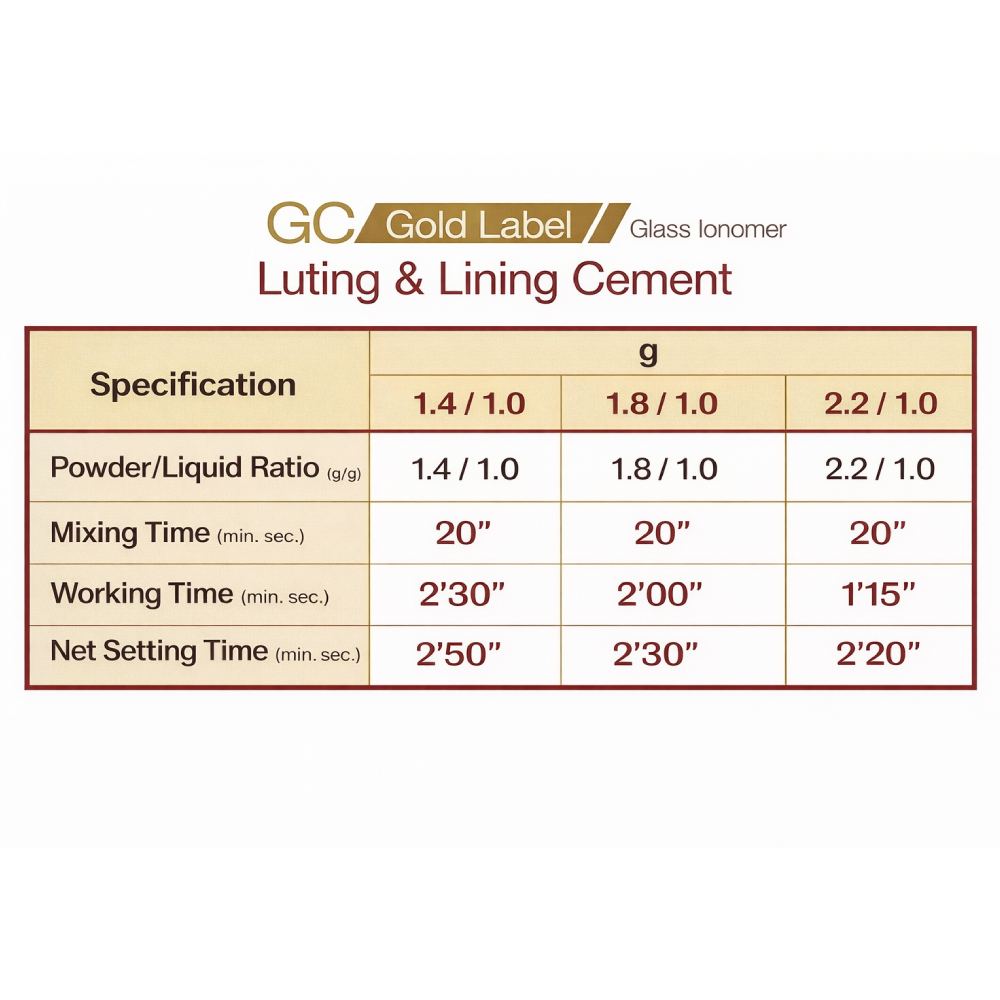
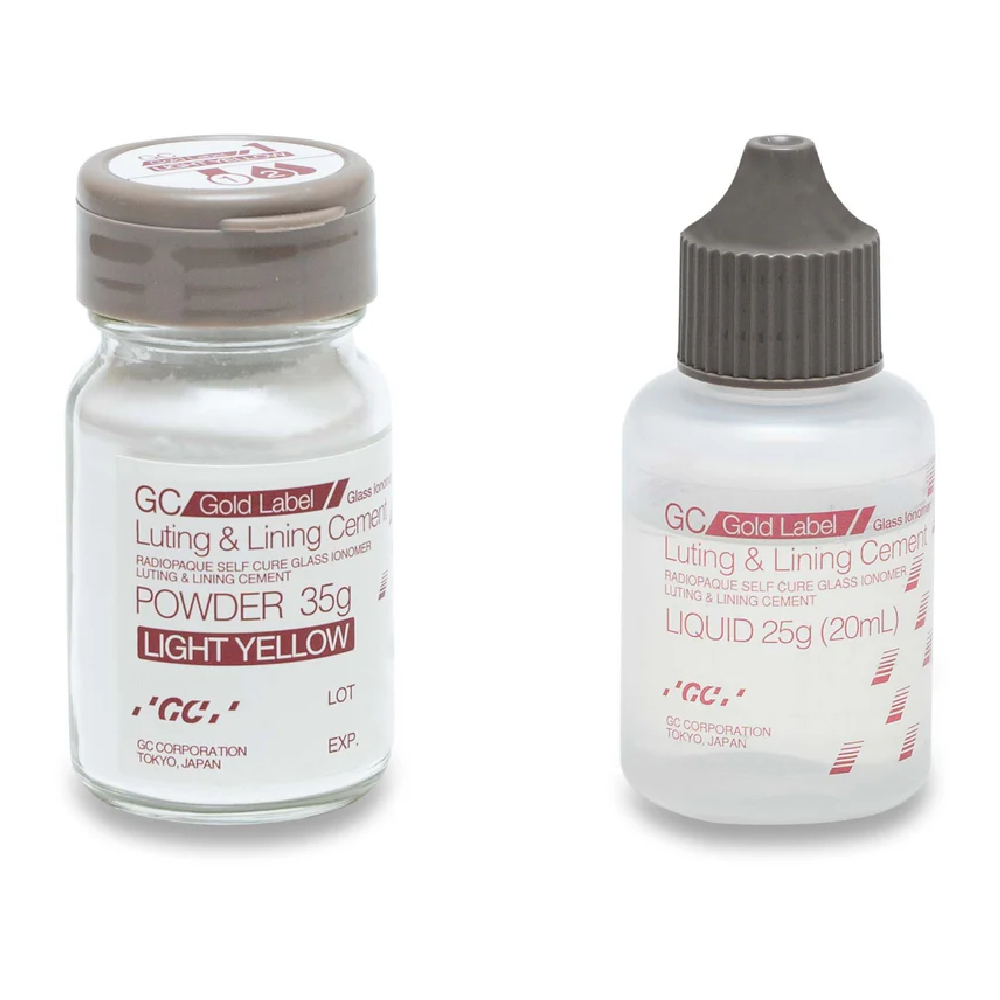
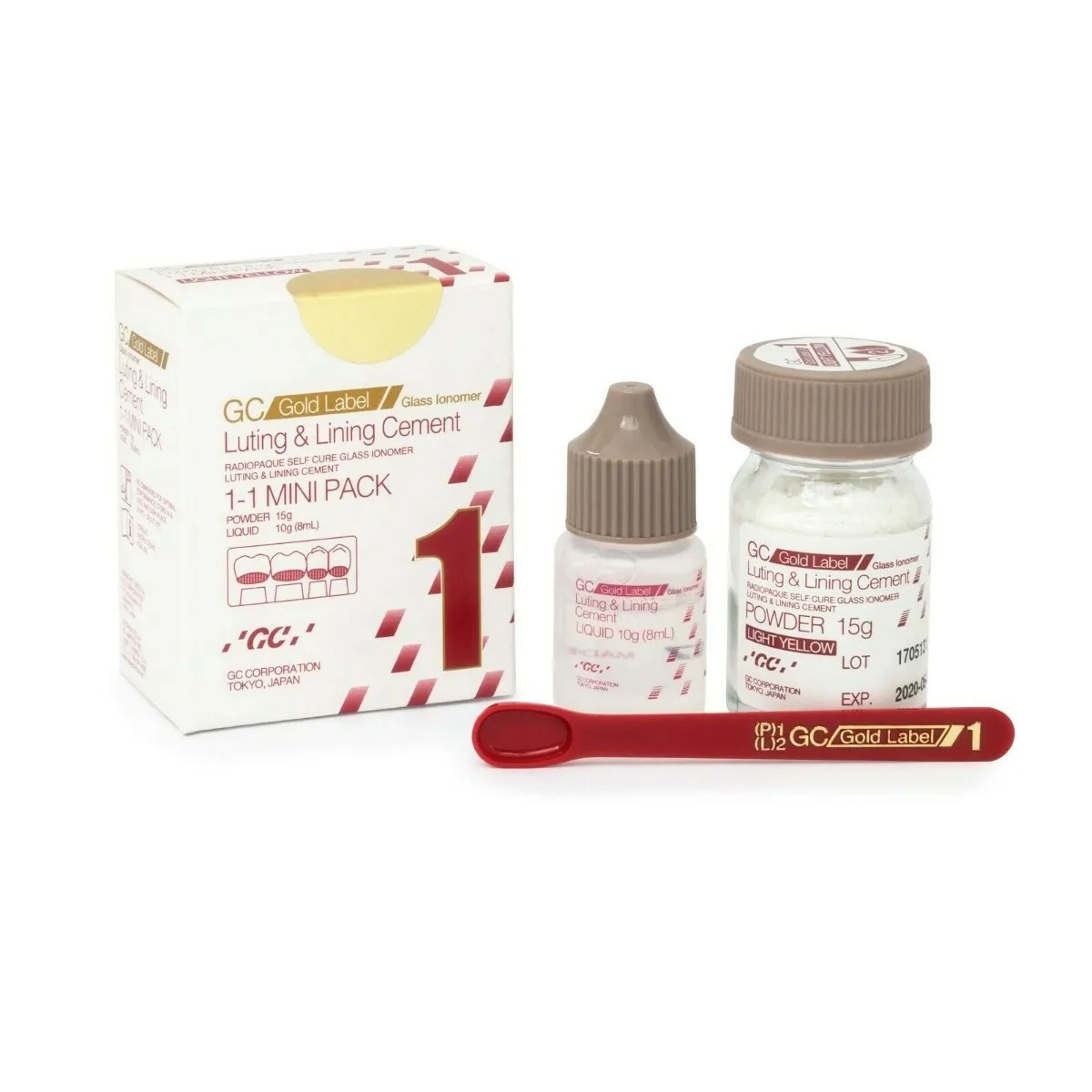
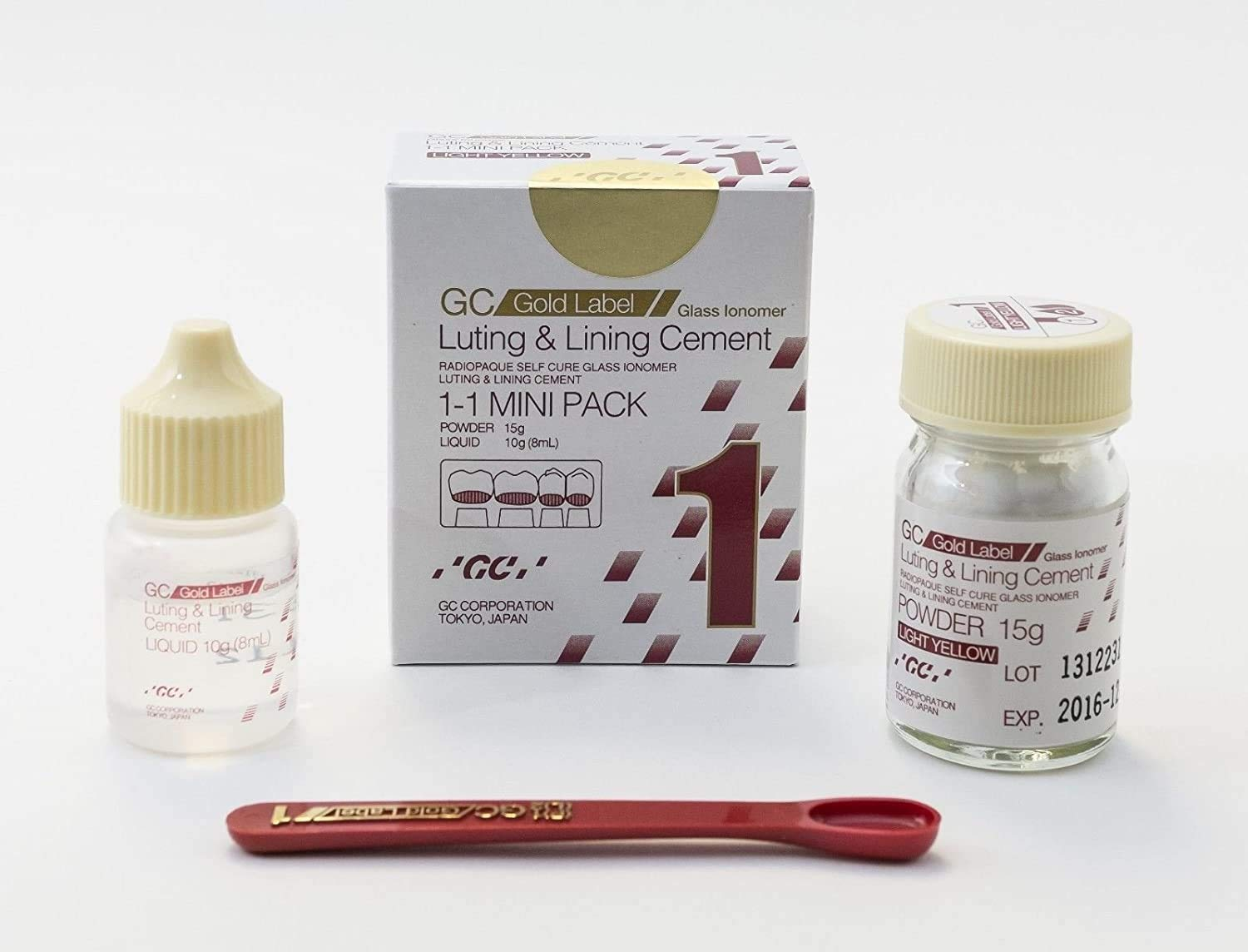
Luting & Lining glass ionomer Cement
1350 1830
gold coin15
View Similar Products
Medice
base, small, thumbnail, swatch
Medice
Medice
Medice
Medice
5.0
(5)
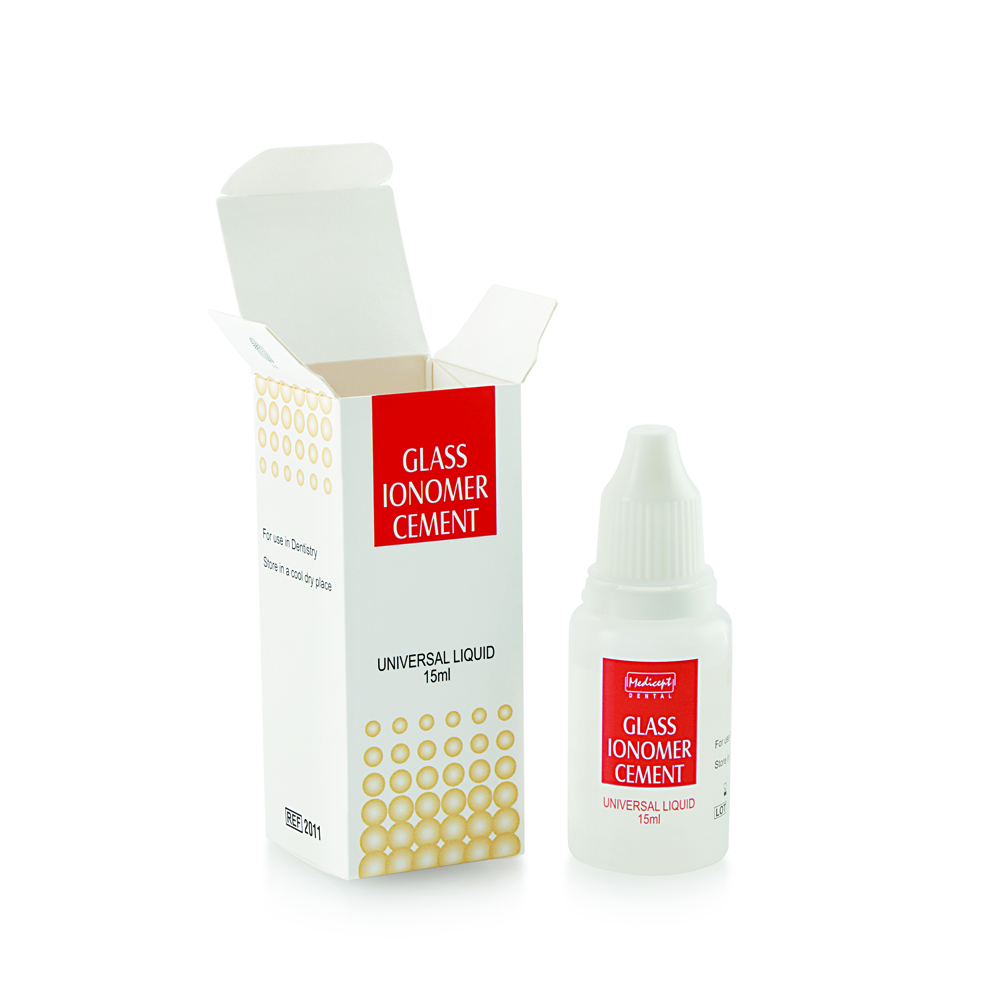
Universal Glass Ionomer Liquid for restorative and luting applications
750 1030
gold coin15
View Similar Products
Shofu
4.9
(8)
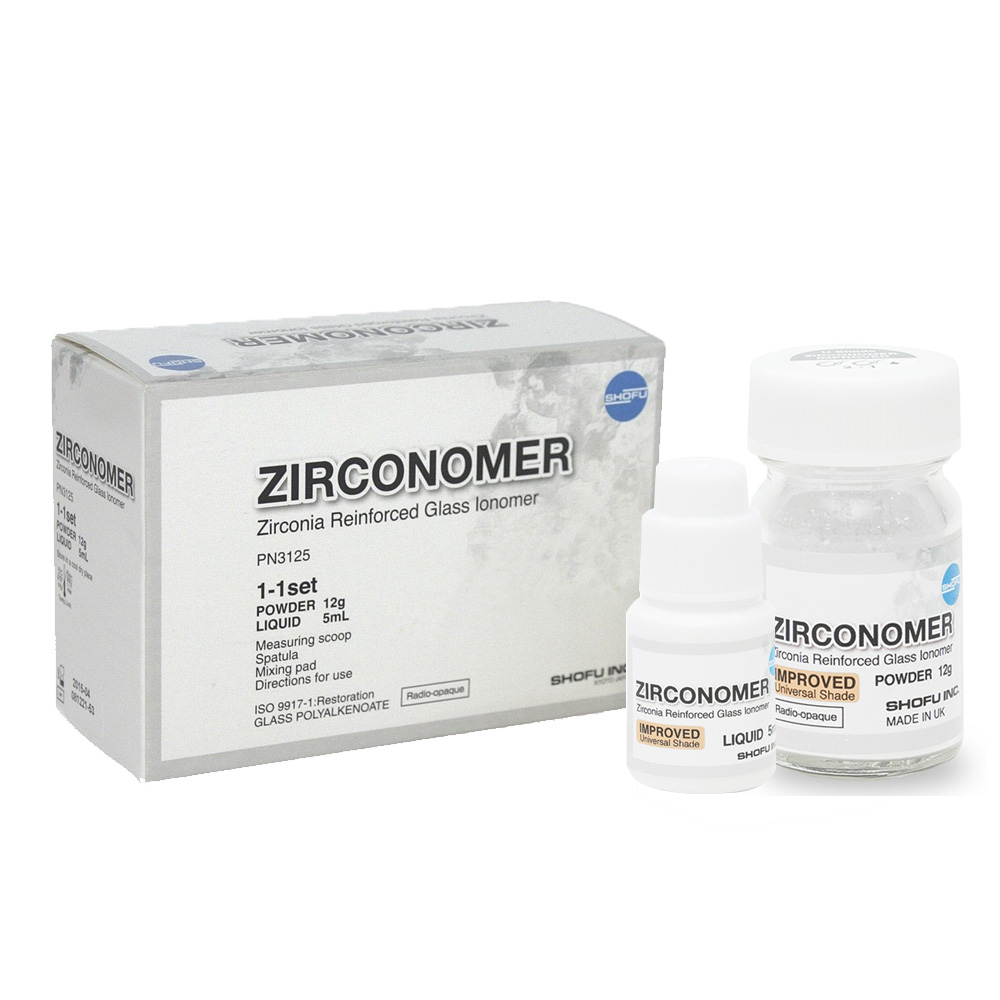
Zirconia Reinforced Glass Ionomer
2499 2900
gold coin25
View Similar Products
D-Tech
4.6
(36)
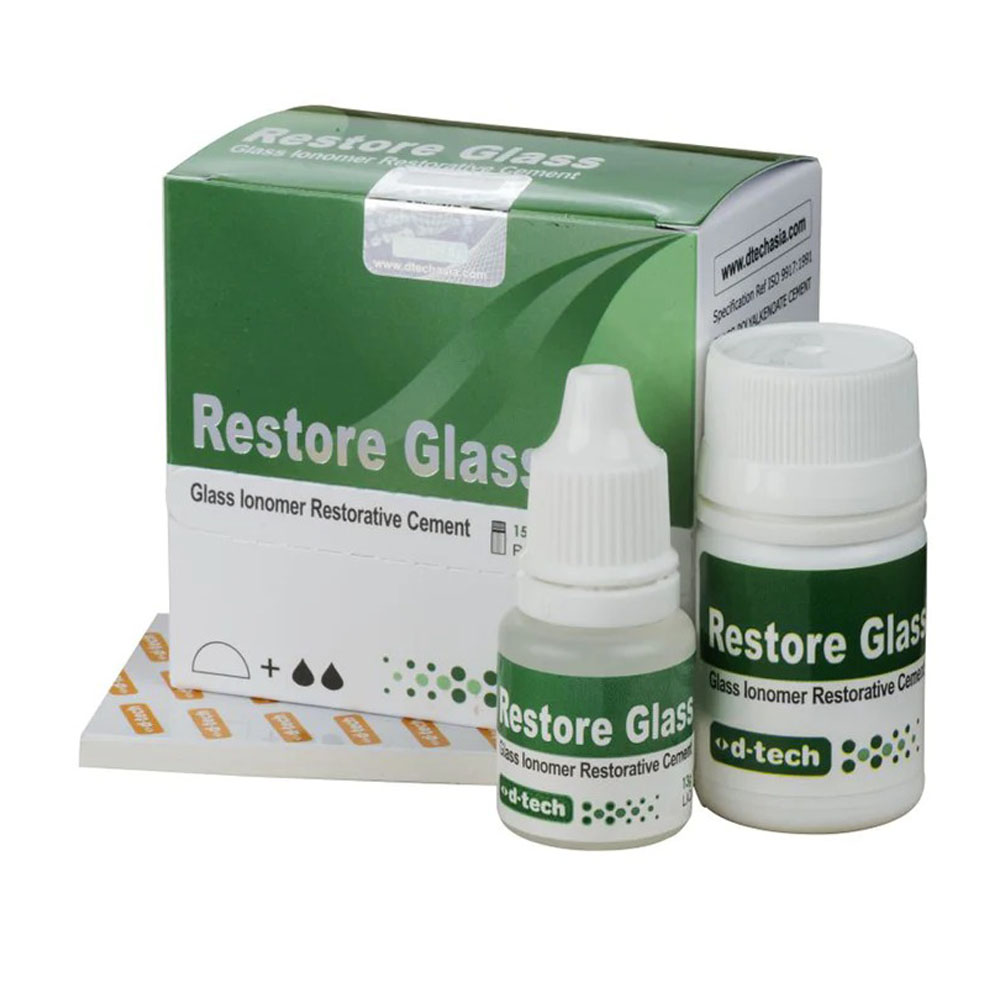
Restorative glass ionomer cement suitable for class III, V and limited class I cavities
348 540
gold coin7
View Similar Products
Ammden
4.0
(1)
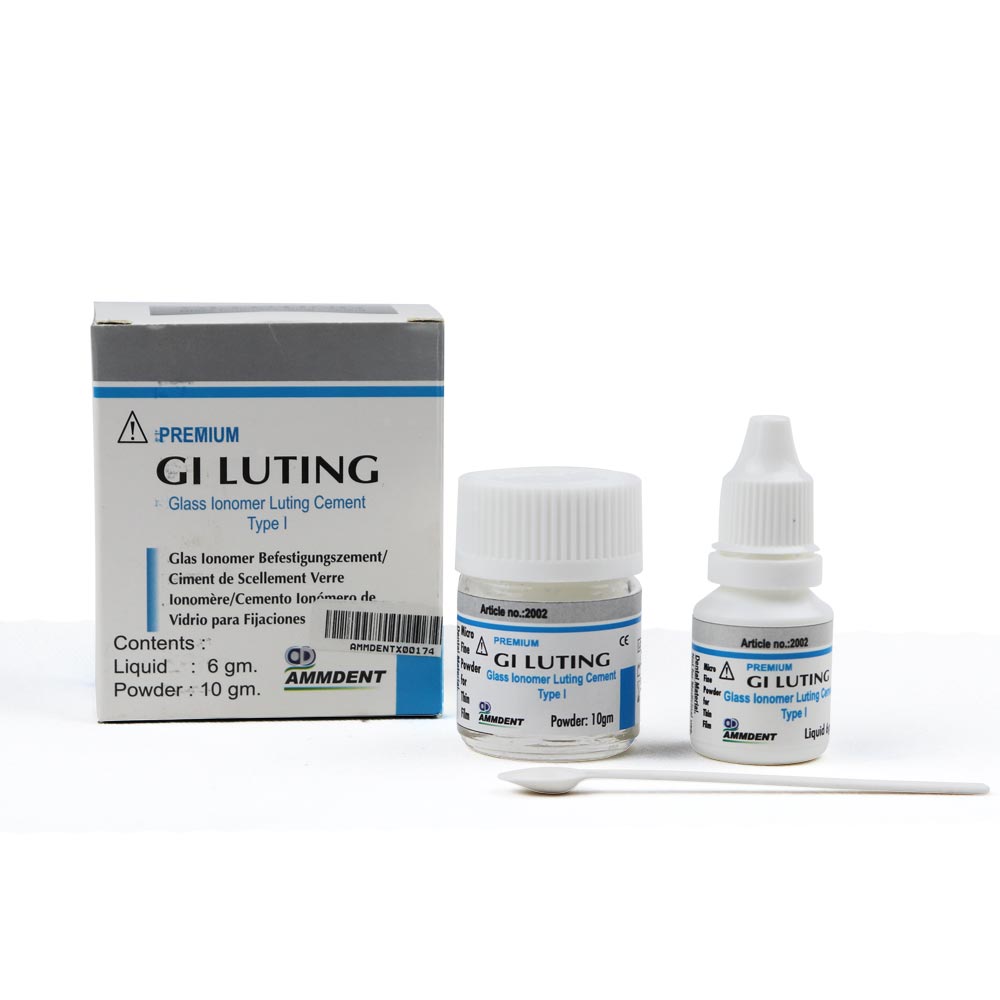
Type I Glass Ionomer Luting Cement, crafted for crown and bridge applications, ensuring lasting results.
1359 1930
gold coin15
View Similar Products
Ammden

Only 2 Left

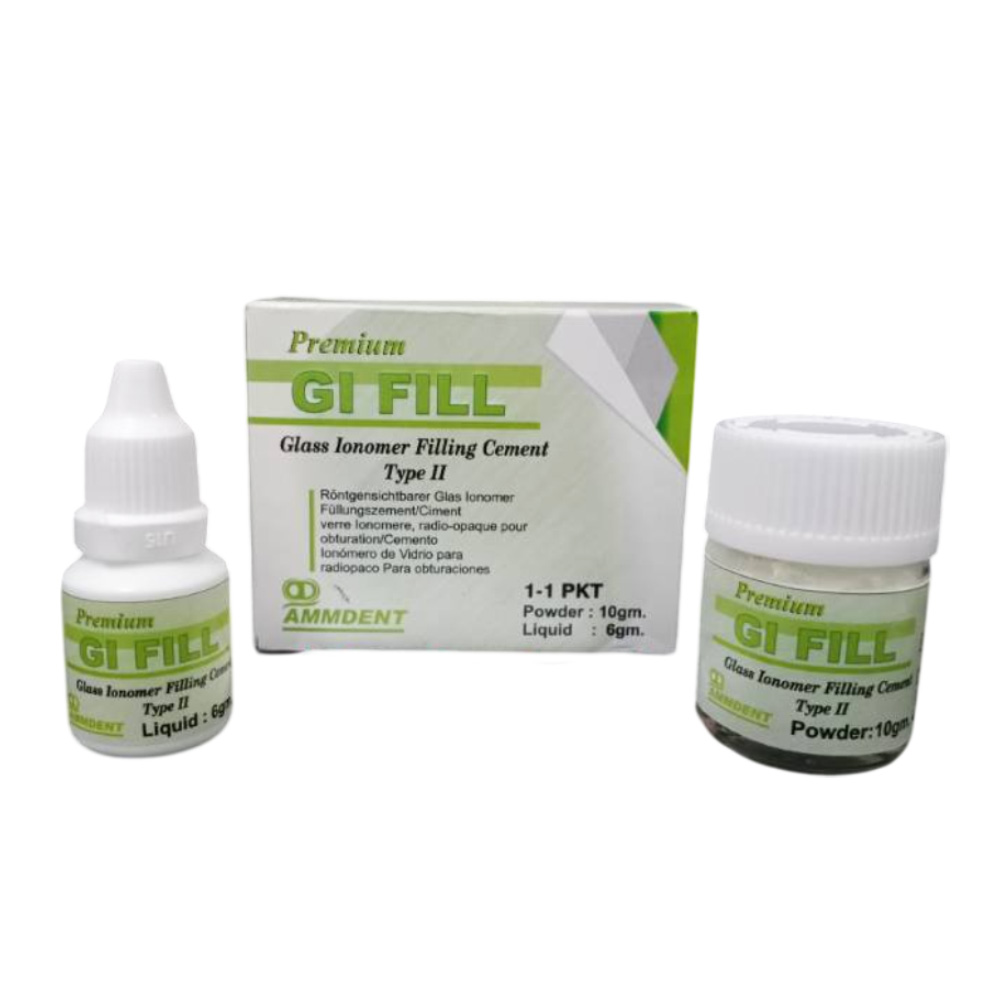
Glass Ionomer Filling Cement Type II: Versatile and adhesive for durable dental restorations with superior radiopacity.
1589 1930
gold coin17
View Similar Products
Tokuya
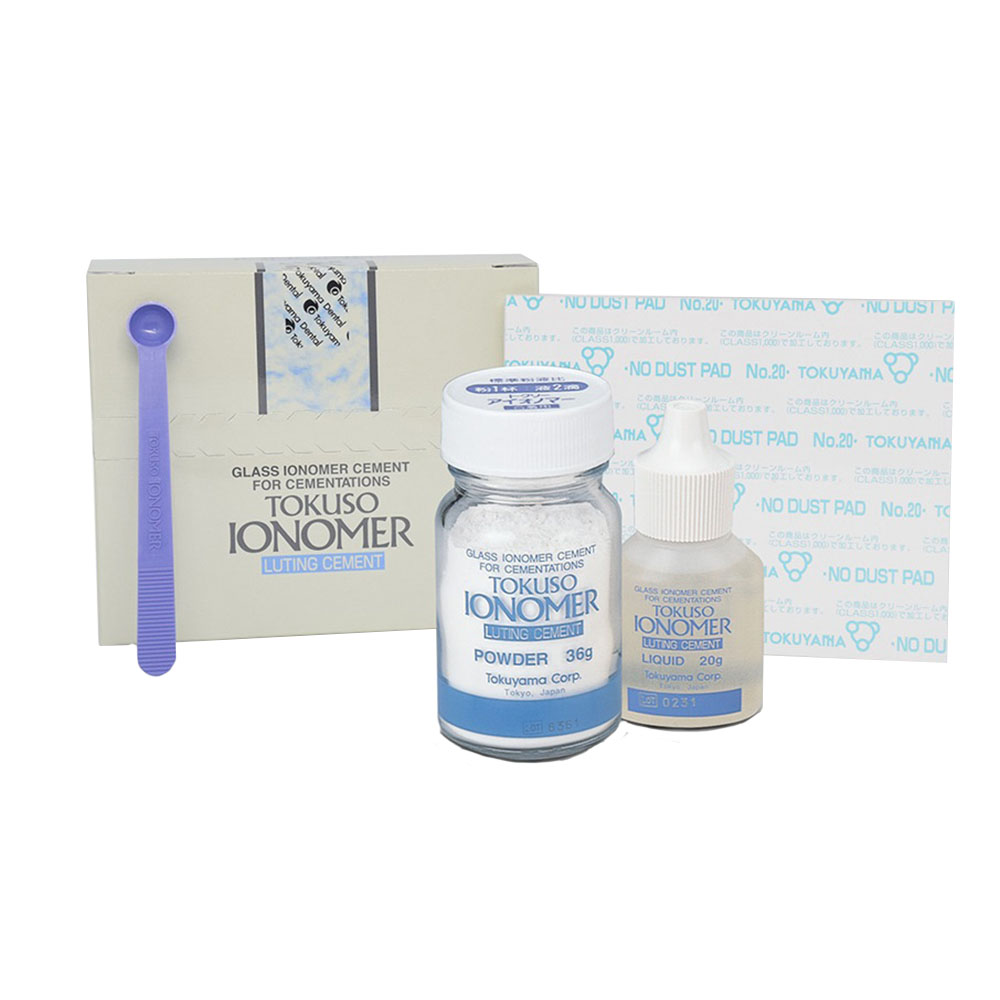
Tokuso Ionomer GIC Luting Cement ensures strong, reliable adhesion for crowns, bridges, and orthodontic bands.
3495 3499
gold coin35
View Similar Products
Rubyde
4.8
(10)
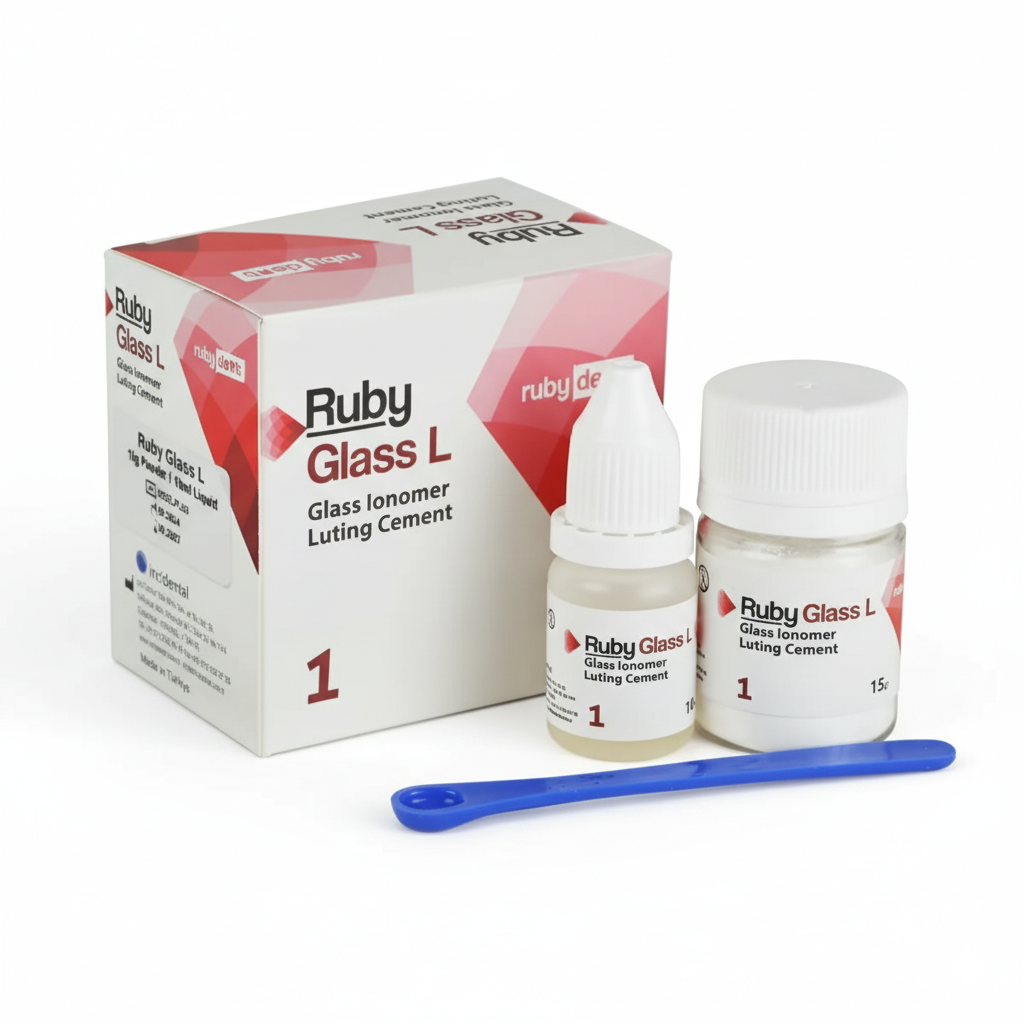
Resin-free glass ionomer luting cement with high strength fluoride release and easy mixing
323 1075
gold coin10
View Similar Products
NOTIFY ME
4.5
(68)
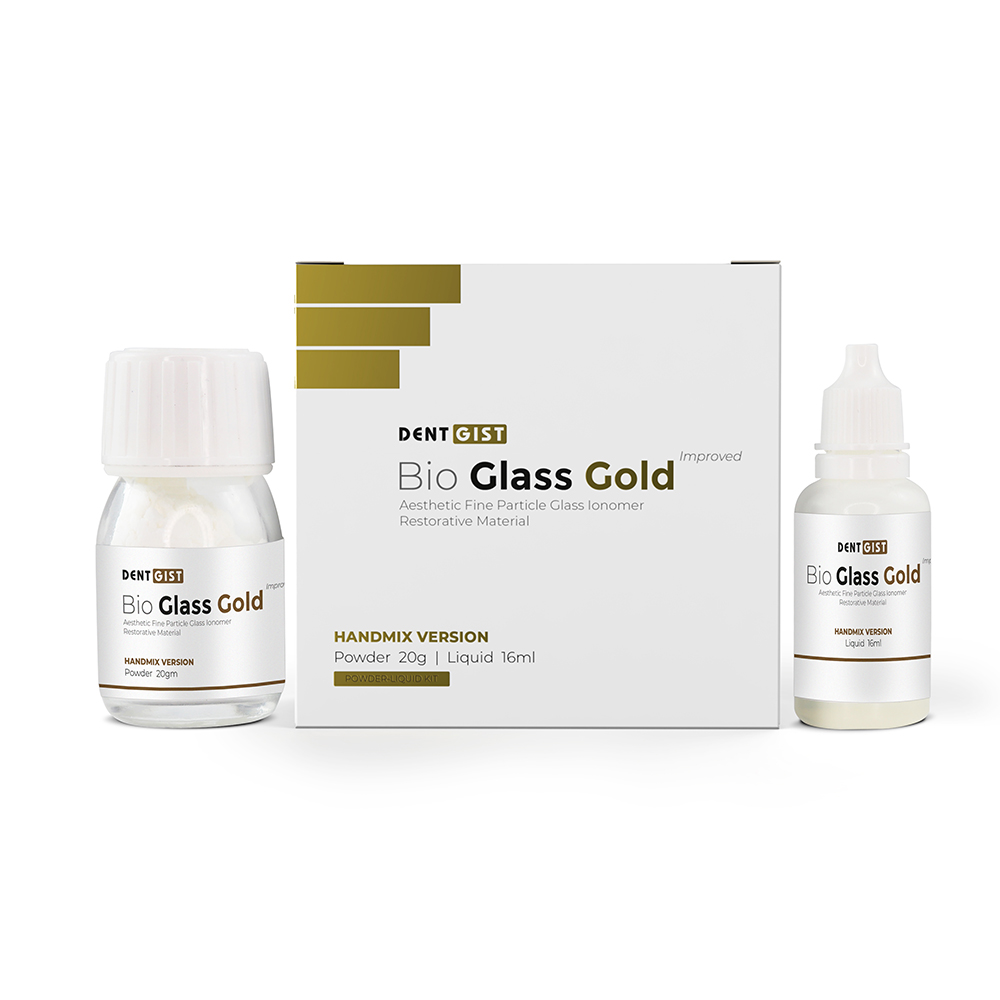
Aesthetic fine particles glass ionomer restorative material
350 2400
gold coin3
View Similar Products
NOTIFY ME
4.3
(3)
Type II restorative glass ionomer cement with enhanced physical and mechanical properties
1652 1860
gold coin15
View Similar Products
NOTIFY ME
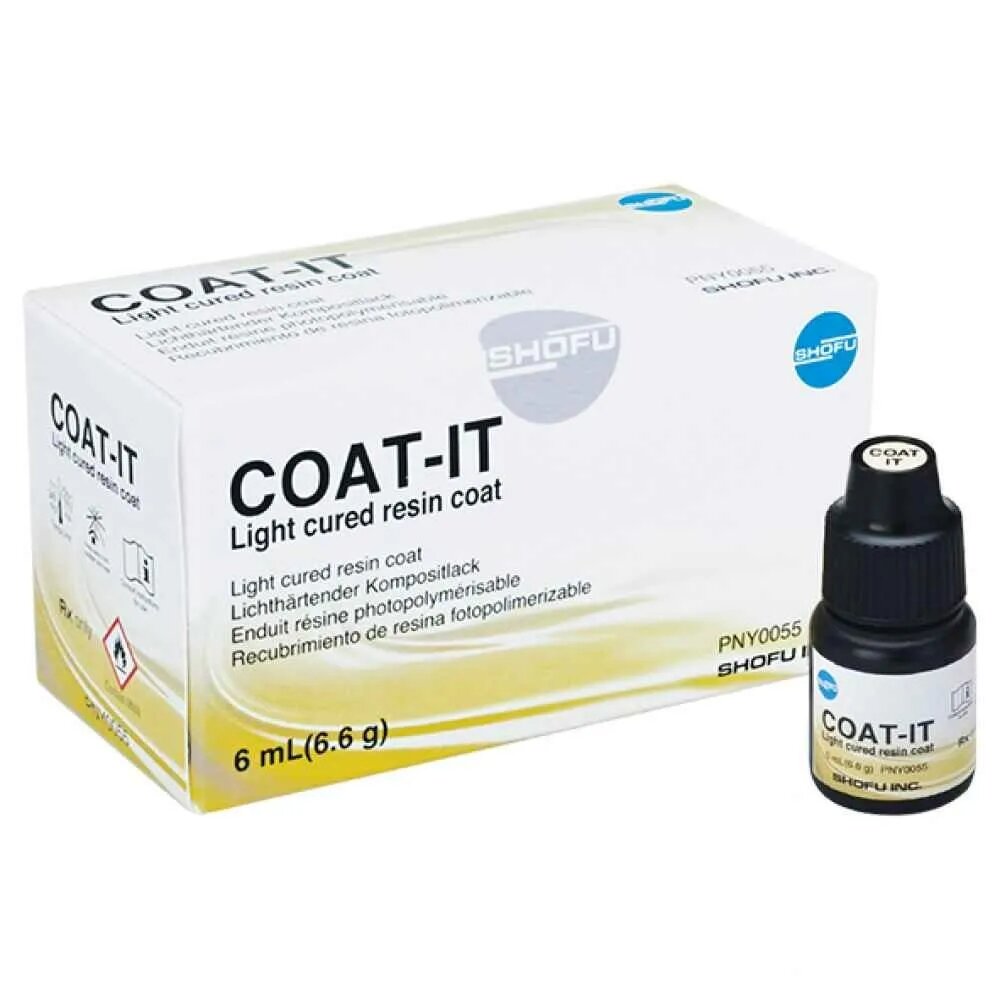
Light cured self adhesive resin bond
2058 2500
gold coin15
View Similar Products
NOTIFY ME
4.0
(2)
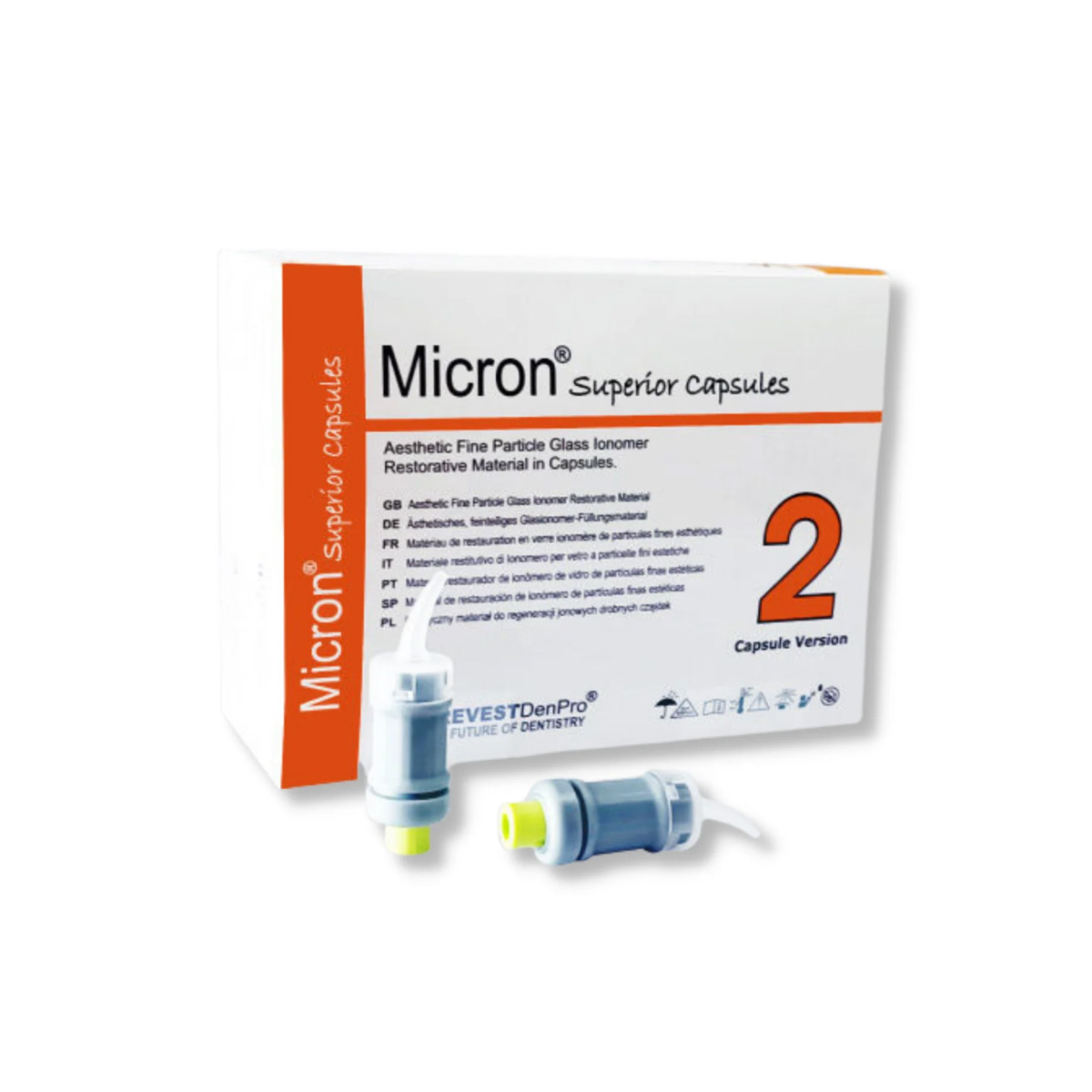
Self curing, Self adhesive, Fluoride releasing GIC in Capsules
938 1181
gold coin10
View Similar Products
Filters
Sort By
Recommended
Stay Connected
15k+

Followers

ABOUT
Contact Us
About Us
Careers
CONTACT US
Investor Relations
Dealer Price Bulk Inquiry
Waldent Dealership
Sell on Dentalkart
HELP
Orders
Refunds
Payments
Rewards
POLICY
Return Policy
Terms of Use
Privacy
Sitemap
Our Warehouses: Gurugram, Delhi, Chennai.

2016-2026, VASA DENTICITY LIMITED

Crafted with in India

Our Payment Partners
gpay
paytm
rupay
phonepe
visa
masterCard
like
4.5
Average online rating