




Pulp Therapy
4.6
Pulp therapy materials treat and protect the dental pulp when decay or trauma reaches it. The group covers MTA (mineral trioxide aggregate) bioceramic cements, calcium hydroxide liners, and pulpotomy medicaments. They are used for pulp capping, pulpotomy, apexification, perforation repair, and root-end filling, sealing the pulp and encouraging it to heal or form a hard-tissue barrier.
Sort by - Recommended
 Recommended
 Price- High to LowPrice- Low to High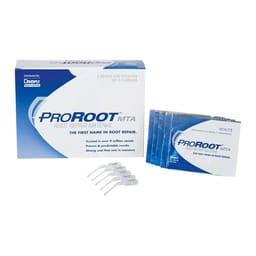




★ 4.5
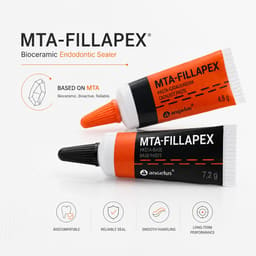
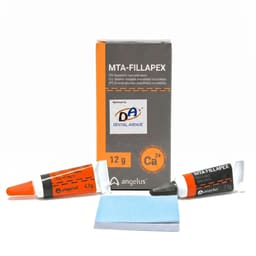
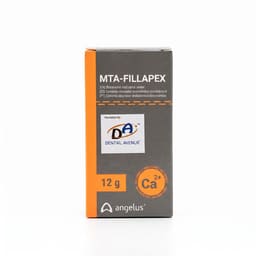
(2)Root repair material with antimicrobial properties for effective sealing and to promote healing.
₹ 2365₹ 4539
47.90% Off
 24
24View Similar Products

Only 1 Left
View Similar Products

★ 4.3
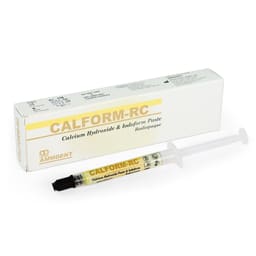
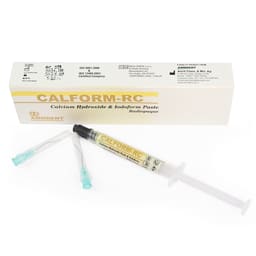
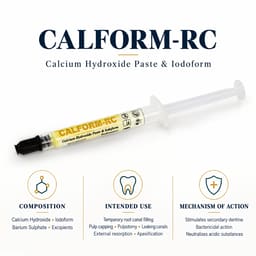
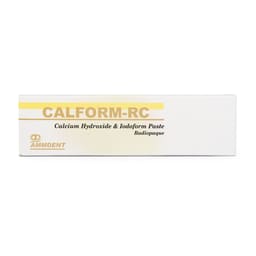
(6)Calform RC actively promotes dental healing by neutralizing acids and stimulating secondary dentine formation.
₹ 315₹ 607
48.11% Off
3View Similar Products
★ 5.0
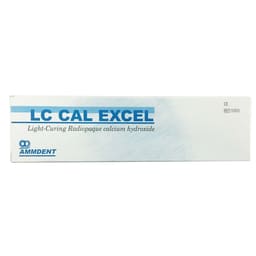
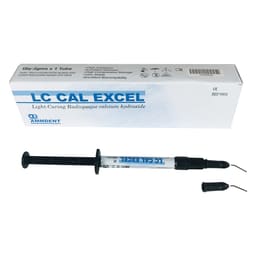
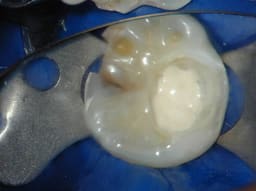
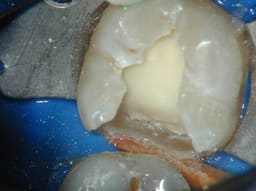
(4)Light-curing calcium hydroxide material for pulp capping, cavity lining, and acid protection in dentistry.
₹ 645₹ 1012
36.26% Off
6View Similar Products

View Similar Products



★ 5.0
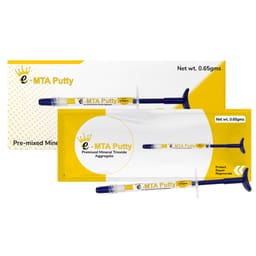
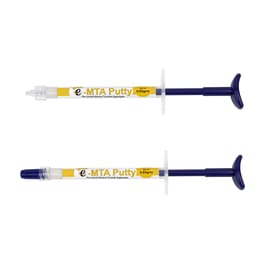
(1)Pre-mixed Mineral Trioxide Aggregate simplifies endodontic therapy, enhancing root canal sealing and healing
₹ 3370₹ 5000
32.60% Off
35View Similar Products


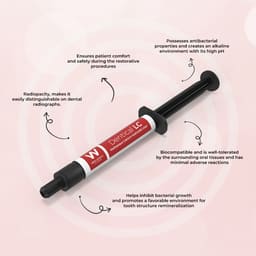

★ 4.7
(24)63.64% Off
15View Similar Products
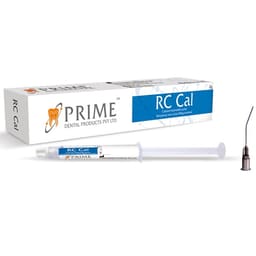
★ 4.7
(91)Ready-to-use calcium hydroxide based radiopaque intra canal temporary filling material
₹ 120₹ 160
25.00% Off
1View Similar Products
Filters
Sort By
RecommendedPulp Therapy Materials
When decay or a knock exposes the pulp, the tooth does not always need extracting or a full root canal — the pulp can often be capped, treated, and sealed. These are the materials that do it. MTA and other calcium-silicate bioceramics seal an exposure and set even against moisture and blood. Calcium hydroxide liners protect the pulp and prompt reparative dentine, and pulpotomy medicaments fix the pulp in a primary tooth. Much of this work sits within paedodontics, where saving a young tooth matters most.
MTA and bioceramics
The core of the category is MTA and its cousins:
- MTA powder cements — Dentsply ProRoot and Angelus MTA, mixed to a putty for capping, apexification, and perforation repair.
- Premixed MTA putty — ready-to-use e-MTA that skips the mixing step for a faster placement.
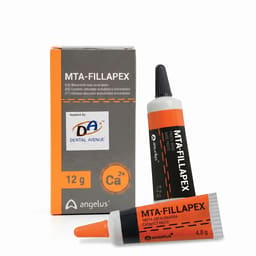
- MTA-based sealer — Angelus MTA Fillapex, a bioceramic root-canal sealer used in obturation.
MTA sets in the presence of moisture, seals tightly, and is well tolerated by tissue, which is why it crosses into endodontics for root-end and repair work.
Liners and pulpotomy agents
The rest of the category protects or fixes the pulp:
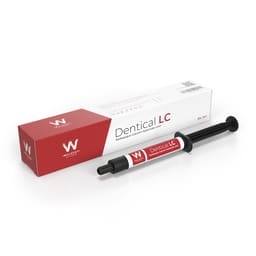
- Calcium hydroxide liners — RC Cal, Calform, and light-cure Ca(OH)₂ liners placed under a restoration to shield the pulp and stimulate dentine.
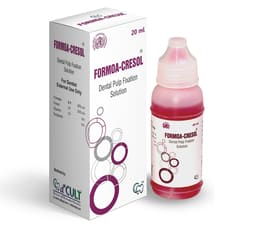
- Formocresol — the traditional medicament for a primary-tooth pulpotomy, fixing the remaining radicular pulp.
Calcium hydroxide overlaps with the wider cavity liners range used under everyday fillings.
Choosing what you need
Match the material to the procedure:
- Direct/indirect pulp cap — MTA or a calcium hydroxide liner over the exposure.
- Pulpotomy — MTA or formocresol on the amputated pulp, sealed with a sealer or restoration on top.
- Apexification / perforation — MTA to form a barrier or plug the defect.
- Format — powder-and-liquid MTA to mix, or premixed putty for speed.
Frequently Asked Questions (FAQs):
What is MTA used for in dentistry?
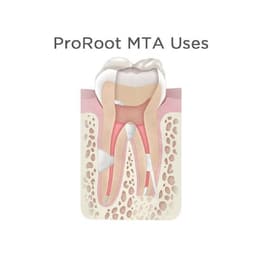
MTA (mineral trioxide aggregate) is a calcium-silicate cement used to seal and repair the pulp and root. It is placed for direct pulp capping, pulpotomy, apexification in an immature tooth, perforation repair, and root-end filling in surgery. Because it sets in moisture and seals well against tissue, it is the material of choice where a durable, biocompatible barrier is needed against the pulp or bone.
What is the difference between MTA and calcium hydroxide?
Both protect the pulp and encourage healing, but they behave differently. Calcium hydroxide is cheaper, sets faster, and has long been used to line cavities and cap pulps, though it can dissolve over time. MTA seals more reliably, resists moisture, and gives a more predictable hard-tissue barrier, but costs more and sets slowly. Many clinicians use calcium hydroxide for routine lining and MTA for more demanding pulp and root repairs.
What is a pulpotomy and which material is used?
A pulpotomy removes the inflamed coronal pulp of a tooth while keeping the healthy root pulp alive, most often in a primary tooth. The remaining pulp is then treated with a medicament — traditionally formocresol, and increasingly MTA — before the tooth is sealed and restored. The aim is to keep the baby tooth in place and functioning until it is naturally lost.
Should I choose powder MTA or premixed putty?
It depends on your workflow. Powder-and-liquid MTA (ProRoot, Angelus) lets you mix the exact amount and control the consistency, and it is economical for regular use. Premixed MTA putty comes ready to place, saving mixing time and giving a consistent mix, which suits quick single applications. Both do the same job; the choice is about convenience versus cost and control.
How is MTA placed and how long does it take to set?
The exposure or defect is cleaned and dried of gross contamination, then MTA is mixed (or taken from the premixed syringe) and carried to the site with a suitable applicator and gently condensed. Traditional MTA sets slowly, often over a few hours, so it is usually covered with a moist cotton pellet and a temporary seal, then restored at a later visit. Always follow the specific product's instructions.