





Passive (Damon Type)
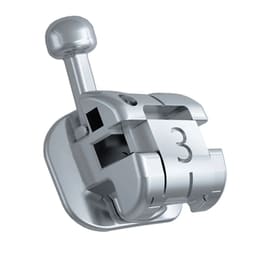
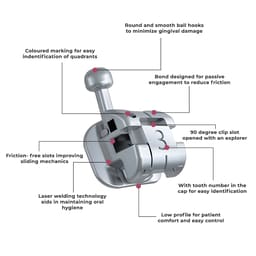
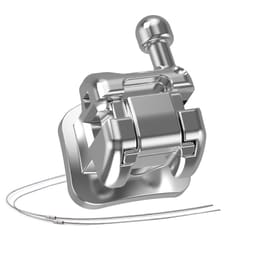
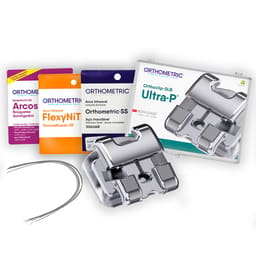
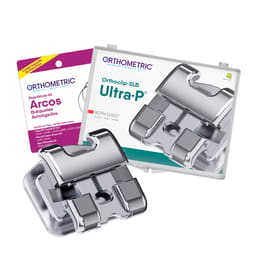
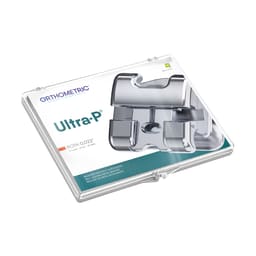
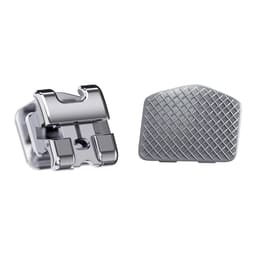
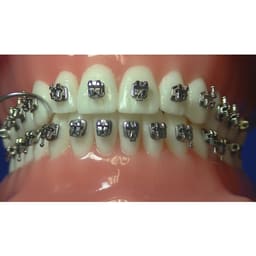
Passive (Damon-type) self-ligating brackets are braces with a built-in sliding clip that holds the archwire, so no elastic ties are needed. "Passive" means the clip does not press on the wire, leaving a low-friction slot the wire slides through freely. This is the Damon-style design, valued for reduced friction and fewer, quicker adjustment visits.
 Recommended
 Price- High to LowPrice- Low to High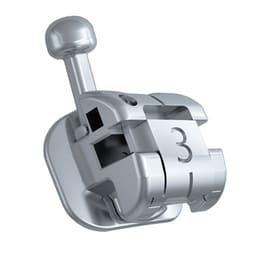



 140
140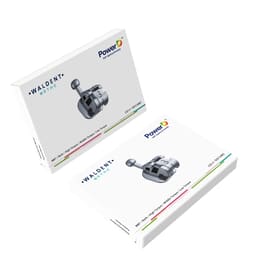
 42
42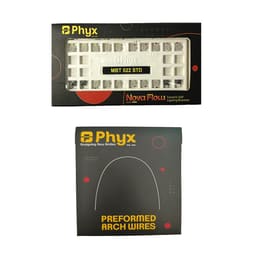

Only 1 Left
210Passive (Damon Type) Self-Ligating Brackets
A self-ligating bracket holds the archwire with its own clip instead of the tiny elastic or wire ties used on traditional braces. That removes the ties, saves chairside time, and keeps the bracket cleaner. The "passive" type — the Damon style — takes it further by using a clip that leaves the wire loose in the slot.
Low friction is the whole point. With the wire free to slide, the teeth can move with lighter forces, and appointments are often quicker and further apart. These brackets are part of the fixed-appliance side of orthodontics.
Passive vs active clips
Self-ligating brackets come in two clip styles:
- Passive (Damon type) — the clip does not touch the wire; the slot stays open and friction is lowest. Best in the early, aligning stage when free sliding matters most.
- Active (interactive) — the clip presses on the wire to add control, useful later for finishing and torque. More friction than passive.
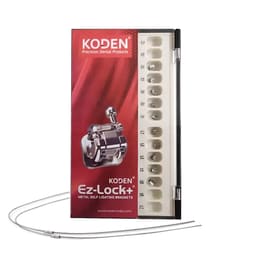
This category is the passive, Damon-style group. UU Ortho and Koden EZ-Lock are examples of passive metal systems.
Metal or ceramic
Passive brackets come in two materials:
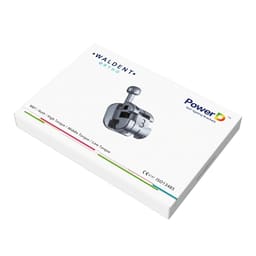
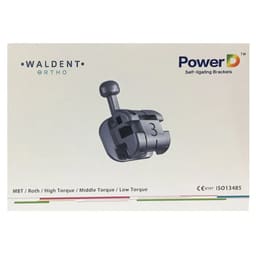
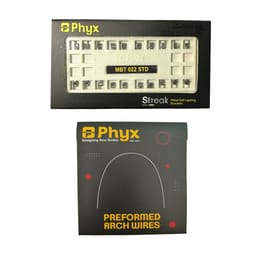
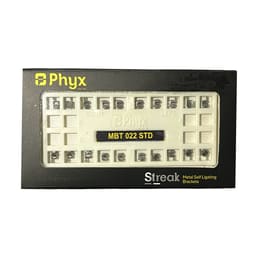
- Metal — strong, low-profile, economical; the default for most cases. E.g. Phyx Streak, Waldent self-ligating.
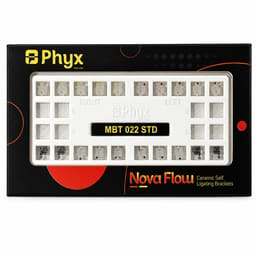
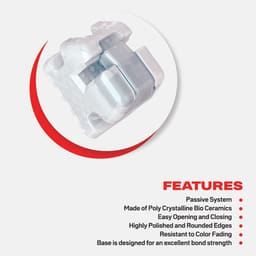
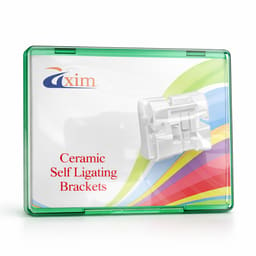
- Ceramic — tooth-coloured and discreet for patients who want a less visible brace. E.g. Phyx Nova Flow ceramic kit.
Both use the same passive sliding-clip mechanism; the choice is appearance versus cost.
What comes in a kit
Self-ligating brackets are sold as single brackets or as full-case kits:
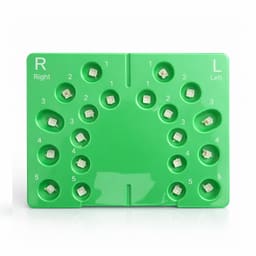
- A bracket kit covers a full arch (or both), often in the MBT prescription.
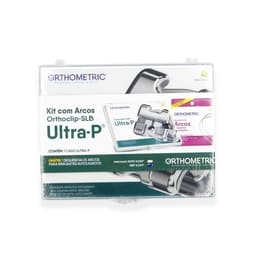
- Some kits bundle the archwire sequence — e.g. Koden EZ-Lock ships with CuNiTi wires — so the case starts complete.
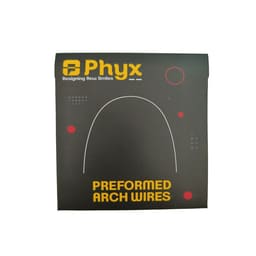
The molar ends are finished with matching buccal tubes, and the wires that run through the clips sit in the archwires range.
Choosing a passive system
Quick pointers when picking a set:
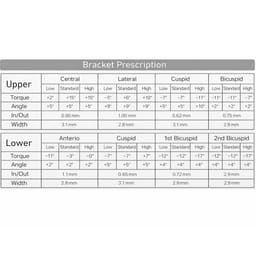
- Prescription — match the slot and prescription (commonly MBT 0.022) to your technique.
- Material — metal for strength and value, ceramic for aesthetics.
- Kit or refills — a full kit to start a case, single brackets to replace a lost one.
- Auxiliaries — the elastics used for inter-arch mechanics sit in the elastics range.
Frequently Asked Questions (FAQs):
What are passive self-ligating brackets?
Passive self-ligating brackets, the Damon type, are braces with a built-in sliding clip that holds the archwire without elastic ties. "Passive" means the clip does not press on the wire, so the slot stays open and friction is very low. The wire slides freely, which lets teeth move with lighter forces and fewer adjustment visits.
What is the difference between passive and active self-ligating brackets?
The clip. A passive (Damon-type) bracket has a clip that does not touch the archwire, keeping friction at its lowest — ideal for early alignment. An active, or interactive, bracket has a clip that presses on the wire to add control and torque, useful for finishing. Passive slides more freely; active grips the wire for control.
Are self-ligating brackets better than traditional braces?
They have advantages, not a guarantee of a better result. Because the clip replaces elastic ties, there is nothing to change at each visit, so appointments are quicker and the bracket stays cleaner. Lower friction can allow lighter forces. The final outcome still depends on the treatment plan and the clinician, not the bracket alone.
Do passive Damon-type brackets come in ceramic?
Yes. Passive self-ligating brackets are available in both metal and ceramic. Metal is strong, low-profile and economical. Ceramic is tooth-coloured and far less visible, which suits patients who want a discreet brace. Both use the same passive sliding-clip mechanism, so the choice is mainly about appearance versus cost.
What is MBT prescription in these brackets?
MBT is a common bracket prescription that builds specific tip, torque and angulation into each bracket, so the wire expresses those values as the teeth align. Many passive self-ligating brackets, including 0.022-slot kits, come in MBT. Matching the prescription to your technique is part of choosing a system.