

Pharmacy
4.7
The pharmacy category is the medicines a dental clinic keeps and prescribes — local anaesthetics to numb, antibiotics and antifungals for infection, analgesics for pain, and the antiseptics, steroids, and supplements used around a procedure. Brands here include Septodont, ICPA, Cipla, Abbott, Dr. Morepen, and Gufic Pure. Most are prescription-only, dispensed on a dentist's judgement; the rinses and vitamins are over-the-counter.
Sort by - Recommended
 Recommended
 Price- High to LowPrice- Low to High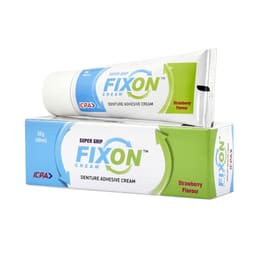
.jpg?w=256)
.jpg?w=256)
.jpg?w=256)
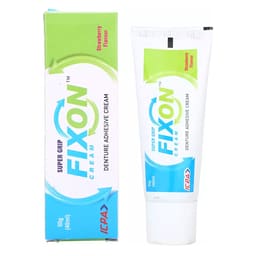
This cream secures dentures comfortably all day, improves bite force, and controls odor.
Starting at₹ 1549
View Similar Products
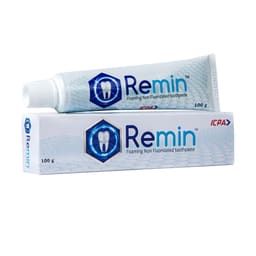
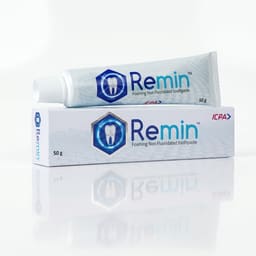
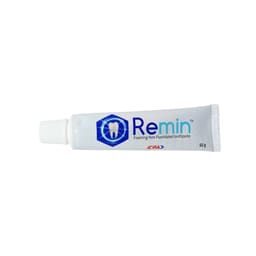
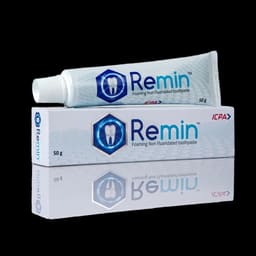
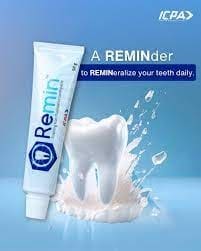
Fluoride-free formula strengthens enamel, prevents cavities, and relieves tooth sensitivity effectively
Starting at₹ 3125
View Similar Products
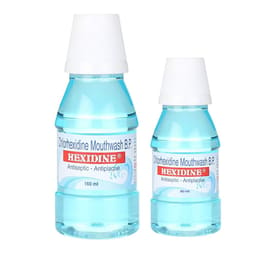
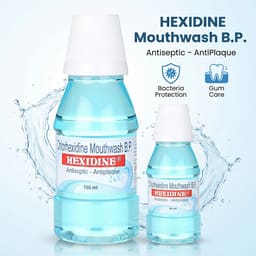
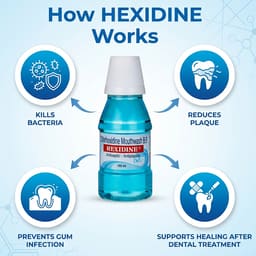
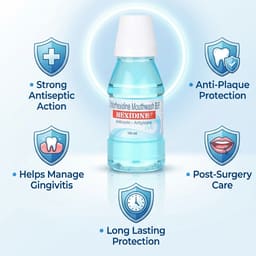
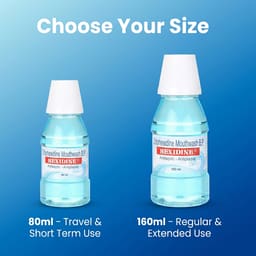
Potent antimicrobial mouthwash with long-lasting protection and broad-spectrum efficacy
Starting at₹ 745
View Similar Products
Only 3 Left
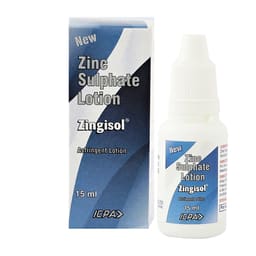
Tightens and constricts tissues to stop bleeding, prepare for impressions, and aid restorations.
₹ 555₹ 609
8.87% Off
 11
11View Similar Products
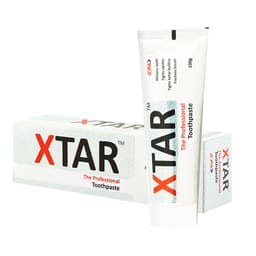
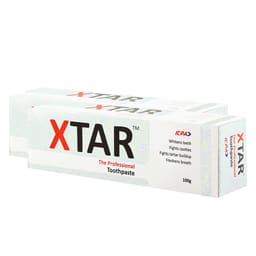
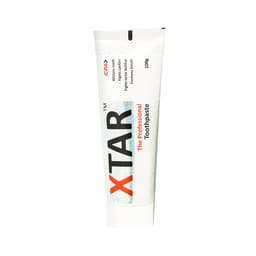
Only 1 Left
Prevents new tartar buildup and stains while protecting against cavities with fluoride.
₹ 1560₹ 1710
8.77% Off
31View Similar Products
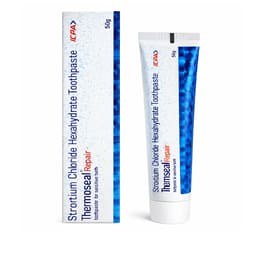
Only 1 Left
★ 5.0
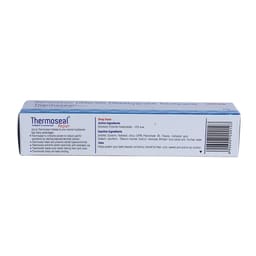
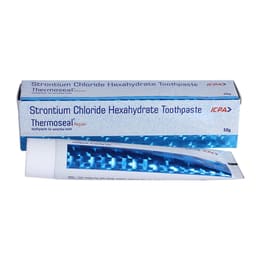
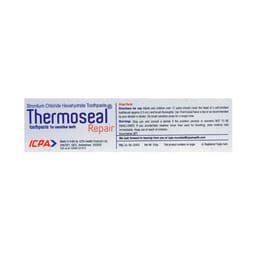
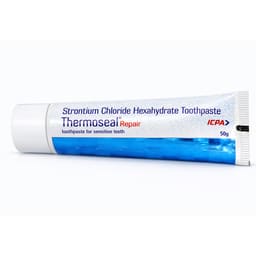
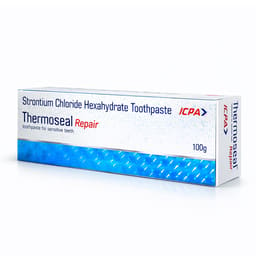
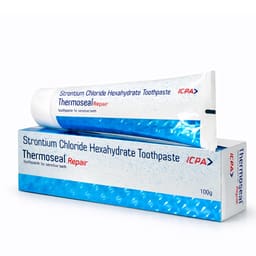
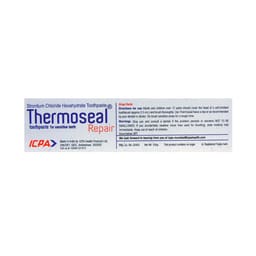
(1)Advanced toothpaste with Strontium Chloride Hexahydrate repairs enamel, reduces sensitivity, and resists acid attacks
₹ 710₹ 854
16.86% Off
14View Similar Products
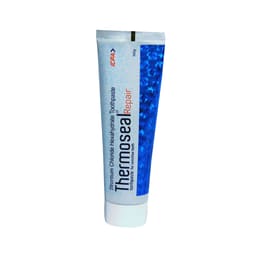
Only 2 Left
Advanced toothpaste with Strontium Chloride Hexahydrate repairs enamel, reduces sensitivity, and resists acid attacks
₹ 1495₹ 1634
8.51% Off
30View Similar Products
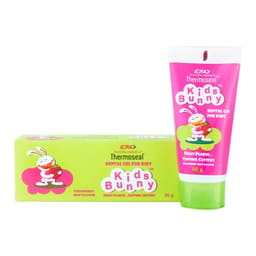
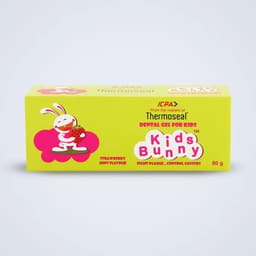
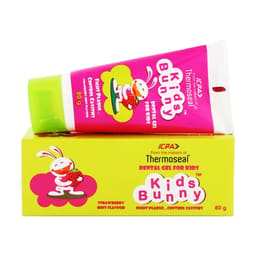
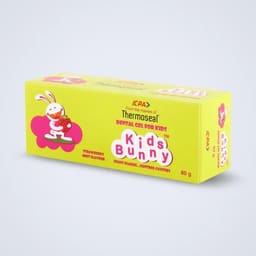
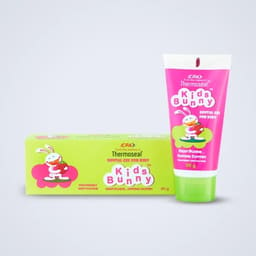

Thermoseal Kids Bunny Gel Toothpaste Protects against cavities, removes plaque, and freshens with fun flavor
₹ 1215₹ 1332
8.78% Off
24View Similar Products
Filters
Sort By
RecommendedDental Pharmacy — Anaesthetics, Antibiotics, Analgesics and Oral-Care Medicines
Dentistry does not stop at the handpiece — a good deal of treatment runs on medicine. The pharmacy category collects the drugs a dental practice actually uses: the local anaesthetics that make a procedure painless, the antibiotics and antifungals that clear an infection, the painkillers and anti-inflammatories for the days after, and the antiseptics, steroids, haemostatics, and vitamins that manage ulcers, bleeding, and healing. Most are prescription medicines, used on the dentist's judgement and current clinical guidance; a smaller over-the-counter group covers the rinses, gels, and supplements a patient buys directly.
Types of dental pharmacy product
Local anaesthetics
Nothing else in the clinic is reached for as often. A topical gel or spray numbs the surface before the needle, and an injectable cartridge — lignocaine, articaine, or mepivacaine, usually with adrenaline to prolong it — gives the deep block or infiltration a filling, extraction, or surgery needs. The Septodont Septanest 4% Articaine With 1:100,000 Epinephrine is a common injectable cartridge.
Antibiotics
Antibiotics are prescribed for a spreading orofacial infection — an abscess, a post-surgical infection, or cover in a medically compromised patient — and only when the signs point to systemic spread rather than a problem local drainage would settle. Amoxicillin with clavulanic acid is the usual first line; the Cipla Novaclav - 625 is one such combination, with metronidazole often added for anaerobic cover.
Analgesics and anti-inflammatories
For the pain and swelling after treatment, NSAIDs such as ibuprofen or diclofenac and the paracetamol combinations do most of the work, with paracetamol the safer pick where an NSAID is contraindicated. Proteolytic enzyme tablets are used to settle post-surgical swelling. These are matched to the patient's medical history rather than prescribed blindly.
Antifungals and antiseptic rinses
Oral thrush turns up in denture wearers and patients on antibiotics or steroids, and is treated with an antifungal — topical for a mild case, systemic for a stubborn one. Alongside them sit the antiseptic mouthwashes and gels that hold down the bacterial load around surgery and ulcers. The ICPA Hexidine Anti-fungal Mouthwash is one antimicrobial rinse in the range.
Corticosteroids and ulcer care
Steroids calm the severe inflammatory and allergic reactions — an aphthous ulcer that will not settle, oral lichen planus, post-surgical swelling, and the emergency management of a severe allergic response. A topical steroid paste is the everyday form. The Abbott Kenacort 0.1% Oral Paste (Pack Of 25) is a triamcinolone paste for mouth ulcers.
Haemostatics, vitamins and recovery support
The rest supports healing and bleeding control: anti-fibrinolytics such as tranexamic acid that stabilise the clot in a patient on anticoagulants, and the calcium, vitamin D3, and B-complex supplements used around extractions and implants to back bone and soft-tissue healing. The Cipla Cipcal Syrup supplies calcium with D3.
When dental pharmacy products are used
The medicines follow the arc of a procedure — before, during, and after:
- Numbing the mucosa with an ICPA Nummit Topical Anesthetic Spray before the injection goes in
- Injecting a local anaesthetic cartridge for a block or infiltration before any painful step
- Prescribing an antibiotic when an infection shows systemic spread after surgery or an abscess
- Adding Abbott Flagyl - 400 mg Tablets metronidazole for anaerobic cover in a deep-space infection
- Managing post-operative pain and swelling with an NSAID or a paracetamol combination
- Rinsing with a Group Pharma Guard Oral Rinse Chlorhexidine Mouthwash to lower the bacterial load around surgery
- Supporting bone healing after an implant with calcium and vitamin D3
How to prescribe from this range responsibly
- Antibiotics only when indicated — a localised abscess with no systemic signs is drained, not medicated; keep antibiotics for spreading infection and genuine prophylaxis, so resistance stays in check.
- NSAID or paracetamol to the history — avoid NSAIDs in peptic-ulcer, renal, or bleeding-risk patients, where paracetamol is the safer analgesic.
- Topical before systemic — reach for a topical steroid, antifungal, or anaesthetic before a systemic one wherever the lesion is localised.
- Check allergies and interactions — record penicillin allergy, anticoagulant use, and current medication before prescribing anything.
- Follow the label — dose, course length, and contraindications come from the product labelling and current guidelines, not from habit.
Dental pharmacy brands on Dentalkart
The names here are pharma, not dental-supply. Septodont is the anaesthetic specialist, and Cipla, Abbott, and Dr. Morepen bring the mainstream antibiotics, analgesics, and acid-control tablets.
ICPA, Gufic Pure, and Group Pharma cover the oral antiseptics, antifungals, and mucosal-care lines, with Vishal Dentocare, Indoco, and Dentaids adding the rest.
Why buy dental pharmacy products from Dentalkart
A dental practice runs a small pharmacy of its own — the anaesthetic for every appointment, the antibiotic and analgesic scripts, the ulcer and antiseptic gels a patient leaves with — and it has to be genuine, in date, and to hand. Ordering it alongside the rest of the clinic's supplies means the medicines are restocked on the same run as the consumables, in-date stock is easier to hold, and the prescription and over-the-counter items sit together. As with any medicine, these are dispensed on clinical judgement and current guidelines, not bought on spec.
Frequently Asked Questions (FAQs):
What medicines does a dental clinic keep on hand?
A working clinic's shelf covers the basics of pain and infection: local anaesthetic cartridges and a topical gel for every operative visit, a first-line antibiotic for a spreading infection, an NSAID and paracetamol for post-operative pain, an antifungal for thrush, a steroid and antiseptic gel for mouth ulcers, and calcium with vitamin D3 for healing after extractions and implants.
When is an antibiotic actually needed after an extraction?
Less often than they are prescribed. An antibiotic is warranted when an infection is spreading — fever, trismus, swelling beyond the socket, or lymph-node involvement — or as genuine prophylaxis in specific cardiac and immunocompromised patients. A routine, uncomplicated extraction in a healthy patient does not need one, and overusing them drives resistance without helping the healing.
Topical or injectable anaesthetic — what does each do?
They work at different depths. A topical gel or spray numbs only the surface mucosa, mainly to take the sting out of the needle. An injectable cartridge blocks the nerve itself, giving the deep, lasting anaesthesia needed to drill, extract, or operate. In practice the topical goes on first and the injection follows.
Why calcium and vitamin D3 after an implant?
Because bone needs both to fuse to the implant. Osseointegration — the implant knitting into the surrounding bone — depends on adequate calcium and vitamin D3 to mineralise the new bone, and a shortfall in either slows healing and raises the risk of failure. A supplement is often prescribed around placement, especially in older or bone-deficient patients.
Are these prescription medicines, and are they genuine?
Most are prescription-only and are meant to be dispensed on a dentist's judgement rather than self-selected; the mouthwashes, gels, and some supplements are the over-the-counter exceptions. On authenticity, the stock is sourced from licensed pharmaceutical makers and their authorised distributors, so it arrives in original packaging with batch codes and expiry dates intact.