

Portable Dental Units
4.9
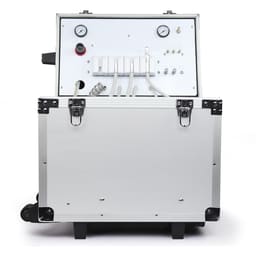
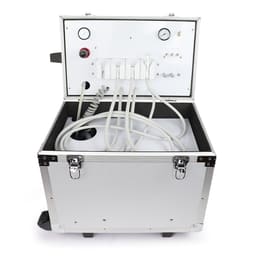
A portable dental unit is a compact, transportable delivery system that carries the handpiece connections, air and water, a 3-way syringe, and suction in a case that folds down and travels. It lets a dentist treat patients away from a fixed clinic — at camps, home visits, or in the field. Many pair with a folding portable chair and a small compressor.
Sort by - Recommended
 Recommended
 Price- High to LowPrice- Low to High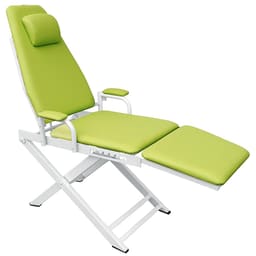
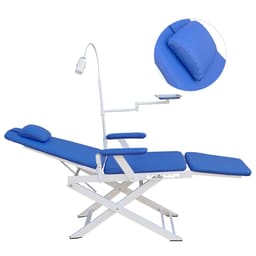
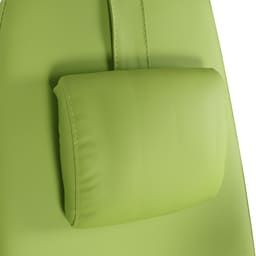
Lightweight yet strong, making it perfect for portable dentistry
Starting at₹ 17999
View Similar Products
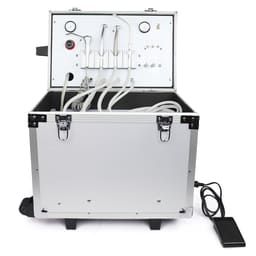
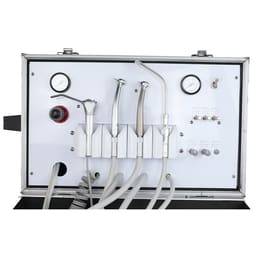

★ 4.7
(3)Portable dental unit with integrated air compressor for versatile use.
₹ 40515₹ 68000
40.42% Off
 2k
2kView Similar Products
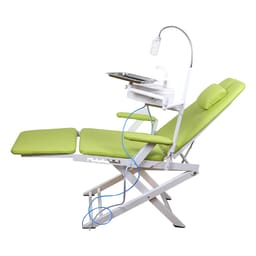
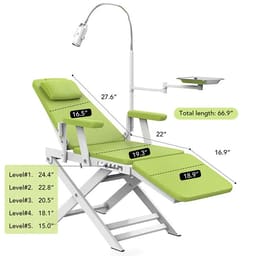
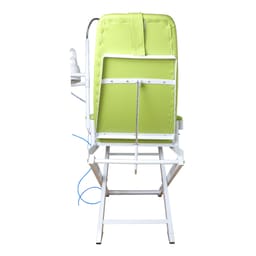
Lightweight yet strong, making it perfect for portable dentistry
₹ 17999₹ 39500
54.43% Off
500View Similar Products
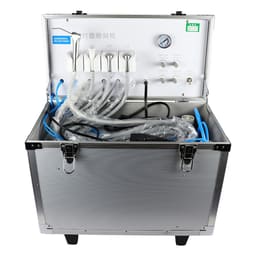
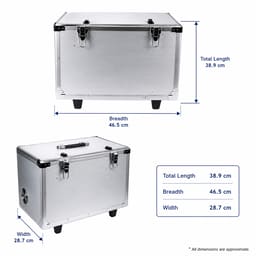

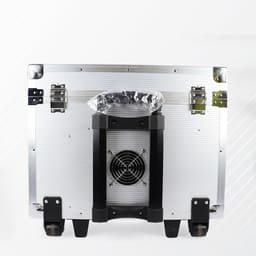
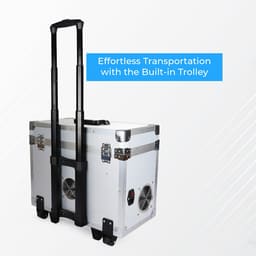
★ 5.0
(1)Compact, all-in-one setup with inbuilt compressor, air and water supply, ideal for mobile dental care
₹ 29040₹ 68000
57.29% Off
500View Similar Products
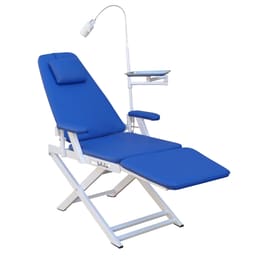


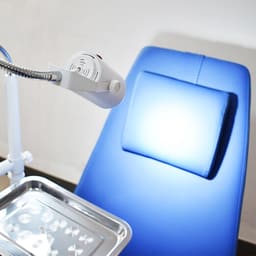
Lightweight yet strong, making it perfect for portable dentistry
₹ 17999₹ 39500
54.43% Off
500View Similar Products
Filters
Sort By
RecommendedPortable Dental Units
Not every patient is treated in a fixed operatory. A portable dental unit packs the working parts of a delivery system — handpiece tubing, a 3-way air-water syringe, and suction — into a case that folds down and travels. That makes it the kit for camps, school and rural outreach, and home visits for patients who cannot travel. It also serves defence and field posts, and works as a backup when a clinic's fixed unit is down. It runs off a small compressor for its air, and pairs with a folding dental chair to seat the patient.
What is on the unit
A portable unit brings the delivery side to the point of care:
- Handpiece connections — tubing to run a high-speed airotor and often a low-speed handpiece off the unit.
- 3-way syringe — air, water, and spray for rinsing and drying.
- Suction — a built-in or add-on suction line to keep the field clear.
- Foot control — to drive the handpiece hands-free, as on a fixed unit.
The unit supplies the same tools a clinician expects, driving an airotor for cutting.
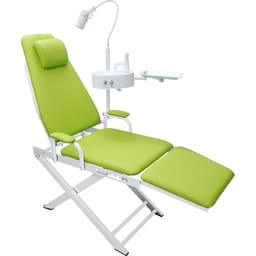
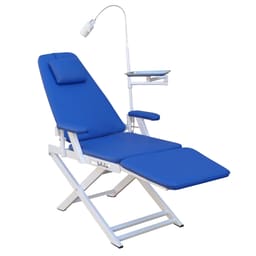
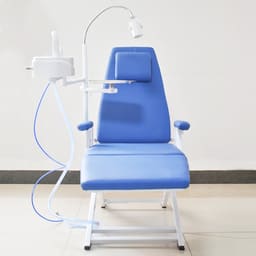
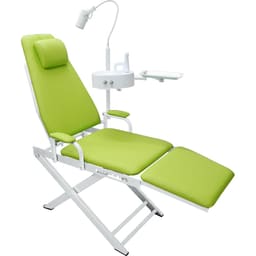
The portable chair
Most portable setups add a folding chair:
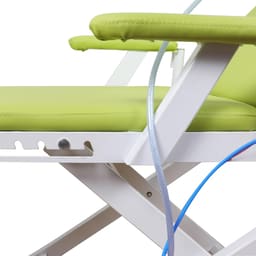
- Foldable and light — packs flat to move and store, sets up in minutes.
- Reclining — positions the patient for access much like a fixed chair.
- Standalone — the Waldent Eezee and similar chairs work with the unit or on their own.
Together the unit and chair make a full working position anywhere there is power for a compressor and micromotor.
Choosing a portable setup
Points to weigh:
- Self-contained or add-on air — some units include a compressor, others plug into a separate dental air compressor; check what is in the box.
- Weight and fold size — lighter and flatter is easier for frequent travel.
- Handpiece count — one or two handpiece outlets plus the syringe, to match your procedures.
- Suction type — built-in versus a separate portable suction, depending on the caseload.
Match the unit to how often you move it and what treatment you do on the road.
Frequently Asked Questions (FAQs):
What is a portable dental unit?
It is a compact, transportable version of a dental delivery system. It carries the handpiece connections, a 3-way air-water syringe, and suction in a foldable case, so a dentist can provide treatment outside a fixed clinic. Running off a small compressor for its air, it supplies the same core tools a clinician uses at the chair, just in a form that travels.
Where are portable dental units used?
Anywhere treatment happens away from a permanent surgery. Common settings are dental camps, school and rural health outreach, home visits for elderly or bedbound patients, defence and field postings, and temporary or satellite clinics. They also serve as a backup in a regular practice if the fixed unit fails, keeping the clinic running until it is repaired.
Does a portable unit need a compressor?
Yes — it needs compressed air to run the handpiece and syringe. Some portable units have a small compressor built in, while others connect to a separate portable compressor. Check which type you are buying, since a self-contained unit is simpler to move but an add-on setup lets you match the compressor to your air demand. Either way, a power source is needed on site.
Can I do the same procedures as on a fixed unit?
For most routine work, yes. A portable unit runs a high-speed airotor and syringe and provides suction, so restorations, extractions, scaling, and check-ups are all workable. The limits are practical rather than clinical — air and suction capacity are smaller, and there is no fixed plumbing — so heavy or long procedures are better kept for the main clinic where possible.
What comes with a portable dental unit?
It varies by model. At minimum the unit provides handpiece tubing, a 3-way syringe, and a suction connection, with a foot control to drive the handpiece. Many are sold alongside a folding portable chair, and some include or bundle a compressor. Read each product's specification to see whether the chair, compressor, and handpieces are included or bought separately.