





Prosthodontic Education Models
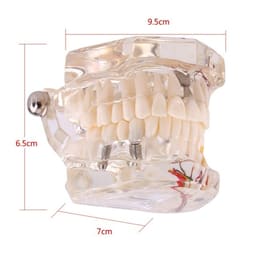
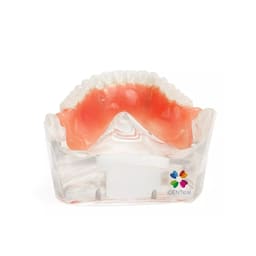
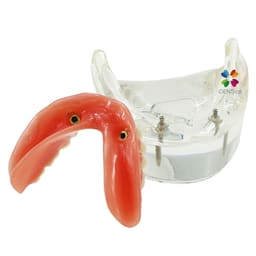
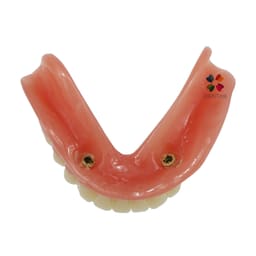
Prosthodontic education models help dentists explain implant placement, overdenture retention, partially edentulous arch rehabilitation and all-on-X implant configurations to patients during chair-side consent discussion. iDENTical models include implant analysis, mandibular overdenture with 2 implants, partially edentulous mandible and all-in-one implant demonstrators. Dentalkart stocks iDENTical patient education models.
 Recommended
 Price- High to LowPrice- Low to High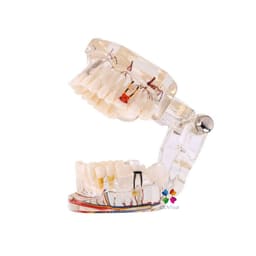

 100
100
 200
200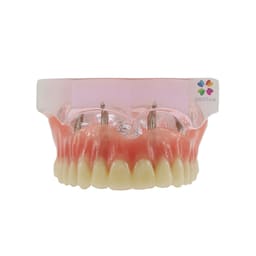
 63
63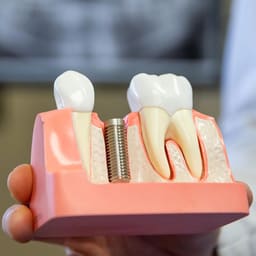
 45
45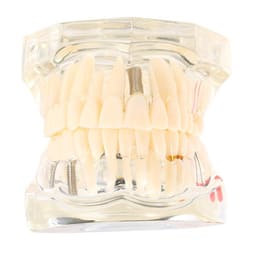

 25
25What are Prosthodontic Education Models?
Prosthodontic education models are anatomically accurate dental teaching models showing implant placement geometry, overdenture retention mechanisms, partially edentulous arch anatomy, all-on-X implant configurations and multi-condition prosthetic patient education scenarios — used in clinics for chair-side consent communication, treatment plan visualisation and prosthetic case discussion with patients considering implant-retained dentures, fixed prosthodontic reconstruction, immediate-loading implant protocols and complete-arch rehabilitation. They are also widely used in dental student teaching and continuing education for visualising prosthetic-stage anatomy that's hard to see in early clinical exposure.
Types of Prosthodontic Education Models
Implant Analysis & Surgical Planning Models
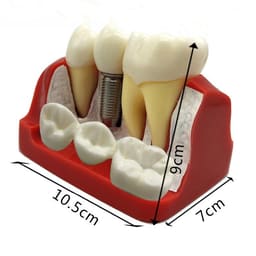
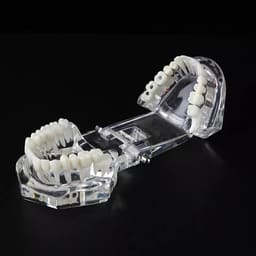
Implant analysis models show single-tooth and multi-implant placement geometry with abutment and crown components, useful for explaining implant case workflow, demonstrating implant-to-bone interface and discussing immediate-load versus delayed-load protocols with patients. iDENTical Implant Analysis Model M2017R is the reference scaled demonstrator for implant analysis discussions during pre-surgical consultation.
Overdenture & Implant-Retained Denture Models
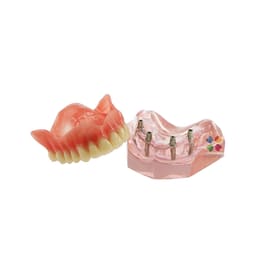
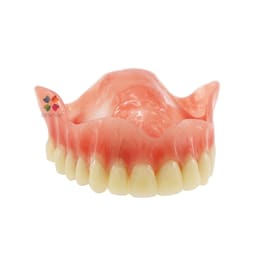
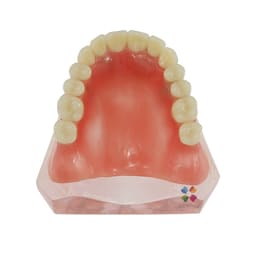
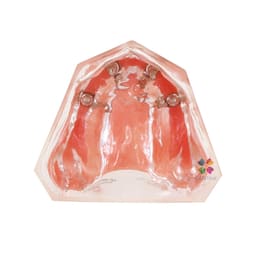
Overdenture models demonstrate implant-retained removable prosthesis retention mechanisms — ball-attachment, bar-attachment and locator-attachment configurations on 2-implant, 4-implant and all-on-4 placements. Mandibular Overdenture Model with 2 Implants shows the classic 2-implant mandibular overdenture (the textbook minimum for implant-retained mandibular complete denture). Dental Model for Overdenture MD-128 is an alternative pattern in the same segment.
Partially Edentulous Arch Models
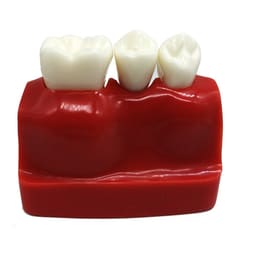
Partially edentulous arch models show Kennedy classification edentulous spans, abutment tooth anatomy for removable partial denture clasp design, and prosthetic-driven implant placement opportunities for fixed-removable rehabilitation. iDENTical Partially Edentulous Mandible Model (MD-123) is the reference demonstrator for partial denture and implant-bridge consent discussions.
All-in-One Implant Education Models
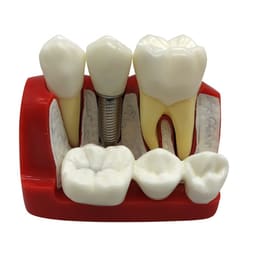
Comprehensive all-in-one implant models combine multiple implant-restorative scenarios on a single demonstrator base — single-tooth implants, implant-supported fixed bridges, full-arch implant-retained dentures and zygomatic implant placement — useful for explaining a wide range of treatment options during a single chair-side consultation. iDENTical All-in-One Implant Models cover this comprehensive segment.
Multi-Condition Patient Education Models
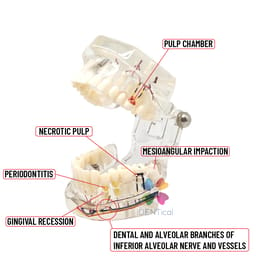
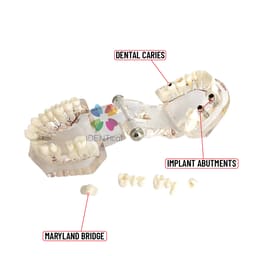
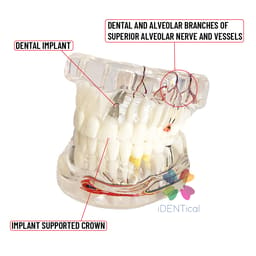
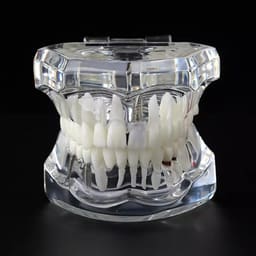
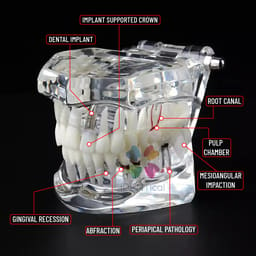
Multi-condition models combine implant placement with caries and nerve anatomy visualisation on a single demonstrator for general-practice consent discussion across mixed prosthodontic and restorative treatment plans. iDENTical Patient Education Model (M2001-3) covers caries, implant placement and nerve anatomy together — useful when the case combines restorative and surgical components in one treatment plan.
When Are Prosthodontic Education Models Used?
Prosthodontic education models are used during pre-surgical implant consultation for explaining placement geometry and abutment-to-crown workflow, during overdenture treatment planning for showing 2-implant versus 4-implant retention trade-offs, during partial denture consultations for demonstrating Kennedy classification edentulous spans and clasp design, during full-arch rehabilitation discussions for comparing fixed-implant-bridge versus implant-retained-denture options, and during dental student and continuing education for visualising prosthetic-stage anatomy that students may not encounter in early clinical exposure.
How to Choose Prosthodontic Education Models
Match model type to clinical communication goal — implant analysis models for surgical consent discussions, overdenture models for prosthodontic and removable-denture planning, partially edentulous arch models for partial denture design conversations, comprehensive all-in-one models for general-practice mixed-treatment consultation, and multi-condition models when the case combines restorative and surgical components. Verify model durability for repeated chair-side handling, and consider buying multiple-model sets for clinics handling implant cases regularly across different presentation scenarios.
Top Brands of Prosthodontic Education Models at Dentalkart
Dentalkart stocks the iDENTical prosthodontic education model range — covering implant analysis (M2017R), mandibular overdenture with 2 implants, partially edentulous mandible (MD-123), all-in-one implant demonstrators, multi-condition patient education models (M2001-3) and dental overdenture models (MD-128). The full iDENTical prosthodontic range supports implant consultation, denture treatment planning, partial-prosthesis design and dental-school prosthodontic teaching applications.
Why Buy Prosthodontic Education Models from Dentalkart?
Dentalkart supplies clinic-grade prosthodontic education models at distributor pricing, trusted by 50,000+ dentists across 110000+ Indian pincodes. Authentic iDENTical brand sourcing, durable construction for repeated chair-side handling, GST invoicing, COD on eligible orders and fast pan-India shipping for clinic-stock replenishment and dental-school bulk teaching-aid orders.
Frequently Asked Questions (FAQs):
What are prosthodontic education models used for?
Prosthodontic education models are used for chair-side patient education and consent communication during implant, overdenture, partial denture and full-arch rehabilitation consultations. They let the dentist visually demonstrate implant placement geometry, overdenture retention mechanisms and partially edentulous arch anatomy on a hand-held demonstrator — improving patient comprehension of complex prosthodontic treatment plans before procedural consent.
What is the difference between an implant analysis model and an overdenture model?
The difference between an implant analysis model and an overdenture model is focus — an implant analysis model like the iDENTical M2017R shows implant-to-bone interface and abutment-to-crown workflow for surgical and prosthetic consent, while an overdenture model like the Mandibular Overdenture with 2 Implants demonstrates the removable prosthesis retention mechanism (ball, bar or locator attachment) on top of the implant platform for prosthodontic case discussion.
Why use a partially edentulous arch model in patient consultation?
A partially edentulous arch model in patient consultation helps the dentist visually demonstrate Kennedy classification edentulous spans, explain abutment tooth selection for removable partial denture clasp design, and discuss prosthetic-driven implant placement opportunities. The visual aid improves patient comprehension of why specific abutment teeth are critical and why implant placement may be preferred over a removable partial denture in selected spans.
What are all-in-one implant education models?
All-in-one implant education models combine multiple implant-restorative scenarios on a single demonstrator base — single-tooth implants, implant-supported fixed bridges, full-arch implant-retained dentures and complex multi-implant configurations — letting the dentist explain a wide range of treatment options during a single chair-side consultation without needing multiple separate model SKUs cluttering the operatory shelf.
Are prosthodontic education models suitable for dental student teaching?
Prosthodontic education models are highly suitable for dental student teaching — implant analysis models, overdenture demonstrators and partially edentulous arch models are standard visual aids in undergraduate prosthodontic education for visualising clinical scenarios students may not encounter in early clinical exposure. The same models support continuing education programmes for practising dentists transitioning into implant prosthodontics.