





Pulp Testers
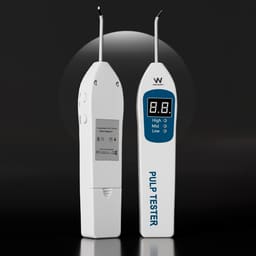
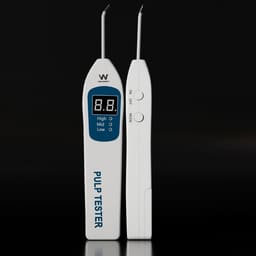
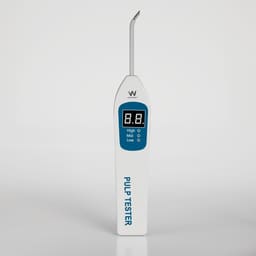
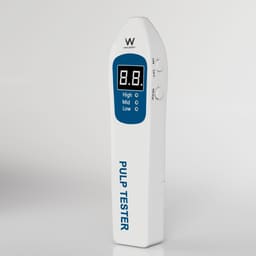
A dental pulp tester is a hand-held electronic device that applies a controlled electrical stimulus to test pulp vitality — distinguishing a vital responsive pulp from a necrotic non-responsive pulp before endodontic treatment, deep-caries restoration or trauma assessment. Dentalkart stocks a chair-side pulp tester for restorative and endodontic practice.
 Recommended
 Price- High to LowPrice- Low to High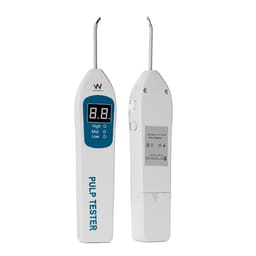

 59
59Dental Pulp Testers — Electric Pulp Testing Devices for Tooth Vitality Diagnosis
A dental pulp tester is a hand-held chair-side electronic device that applies a controlled, gradually increasing electrical stimulus to the tooth surface to test the vitality of the dental pulp — confirming whether the nerve tissue inside is alive (responsive) or necrotic (non-responsive). Combined with thermal testing (cold and heat), electric pulp testing is the standard diagnostic for differentiating reversible pulpitis, irreversible pulpitis and pulp necrosis before endodontic treatment, restoration of deep caries, or assessment of dental trauma. Dentalkart stocks a chair-side electric pulp testing device for routine vitality testing in general restorative and endodontic practice.
How a Dental Pulp Tester Is Used
Electric pulp testing (EPT)
The clinician dries the test tooth, applies a small amount of conductive medium (toothpaste or electrode gel) to the tip of the probe, and places the probe on the middle third of the buccal or labial surface of the tooth. The device slowly increases voltage; the patient signals when they first feel a tingle or warm sensation. A vital pulp responds at a low-to-medium reading; a necrotic pulp does not respond at the device maximum output. Always test a matched contralateral or adjacent control tooth first to establish the patient baseline response.
When a Pulp Tester Is Used
- Diagnosing pulp vitality in teeth with deep caries before deciding restoration vs rotary file endodontic treatment
- Differential diagnosis of pulpitis (reversible vs irreversible) and pulp necrosis
- Post-trauma vitality monitoring after luxation, avulsion or crown fracture
- Pre-operative vitality assessment before crown preparation
- Investigating non-specific dental pain referred to several teeth
- Monitoring pulp recovery in pulp capping cases and traumatic injuries (serial testing)
- Pre-bleaching vitality confirmation
How to Use a Pulp Tester Correctly
- Isolate the test tooth with cotton rolls and dry the surface thoroughly — moisture conducts electrical current to the gingival tissues and produces false readings.
- Apply a small amount of toothpaste or conductive electrode gel to the probe tip — never use water alone (insufficient conductivity).
- Place the probe firmly on the middle third of the buccal or labial enamel surface — avoid metal restorations (conducts to adjacent teeth) and the cervical area (closer to gingival tissue).
- Increase the stimulus slowly; ask the patient to signal at first sensation. Record the reading.
- Always test a matched contralateral or adjacent control tooth FIRST to establish the patient individual baseline — readings vary by patient.
- Pulp testers are contraindicated in patients with cardiac pacemakers or implantable defibrillators — confirm cardiac history before testing.
Limitations of Electric Pulp Testing
Electric pulp testing has known limitations and should not be used alone for vitality diagnosis. False positives occur in multi-rooted teeth where one canal is necrotic but another is vital, in teeth with apical pathology where the necrotic pulp conducts via apical exudate, and in anxious patients who signal at any sensation. False negatives occur in heavily calcified or recently traumatised teeth where the pulp is vital but the response is suppressed. Always combine pulp testing with thermal testing (cold spray and warm gutta-percha), a periapical radiograph captured with a dental RVG sensor and clinical history for a complete pulp diagnosis.
Why Buy a Pulp Tester from Dentalkart
The pulp tester stocked at Dentalkart is sourced through an authorised Indian distributor, ships with original manufacturer warranty, conductive probe tips and replacement batteries, and reaches 110000+ pincodes across India with COD on most diagnostic SKUs. Pair the pulp tester with the full endodontic access range and endo motor system for the complete pulp-diagnosis-to-endodontic-treatment workflow from one trusted catalogue serving 50,000+ dentists.
Frequently Asked Questions (FAQs):
What is a dental pulp tester used for?
A dental pulp tester is used to test the vitality of the dental pulp — confirming whether the nerve tissue inside the tooth is alive (responsive) or necrotic (non-responsive). It is essential for diagnosing pulpitis vs pulp necrosis before endodontic treatment, assessing pulp vitality after dental trauma, and confirming pulp status before crown preparation or deep-caries restoration.
How does an electric pulp tester work?
An electric pulp tester works by applying a gradually increasing low-voltage electrical stimulus to the tooth surface through a probe coated with conductive medium. A vital pulp responds at a low-to-medium reading when the patient signals a tingle. A necrotic pulp does not respond even at the device's maximum output. Always test a control tooth first to establish baseline.
When should I NOT use a dental pulp tester?
Do not use a dental pulp tester on patients with cardiac pacemakers or implantable cardioverter-defibrillators — the electrical stimulus may interfere with the device. Also avoid using it as the only vitality test, since false positives (multi-rooted teeth, apical pathology, anxious patients) and false negatives (heavily calcified or recently traumatised teeth) are common.
What conductive medium should I use with a pulp tester?
Use a small amount of toothpaste or commercial electrode gel as the conductive medium between the pulp tester probe tip and the tooth surface. Never use water alone — it lacks sufficient conductivity for a reliable reading. Apply the probe firmly on the middle third of the buccal or labial enamel; avoid metal restorations and the cervical margin.
Is the pulp tester on Dentalkart genuine and CDSCO-compliant?
Yes, the dental pulp tester on Dentalkart is genuine and CDSCO-compliant. It ships through an authorised Indian distributor with original manufacturer warranty, conductive probe tips and replacement batteries included.