



Articulating Paper
4.5
Articulating paper choice starts with micron thickness: 8–40μm refines occlusion without forcing premature contacts, 70μm screens routine bites, and 100–200μm checks gross occlusion on temporaries and dentures. Pair blue for centric and red for excursive contacts. Dentalkart stocks ET, SuperEndo, Alphadent, MAARC and MDM in straight and horseshoe formats.
Sort by - Recommended
 Recommended
 Price- High to LowPrice- Low to High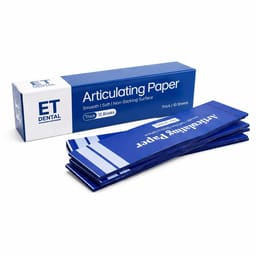

★ 4.8
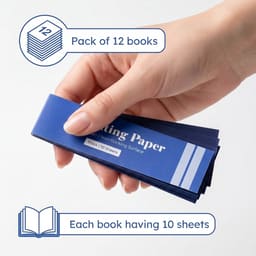
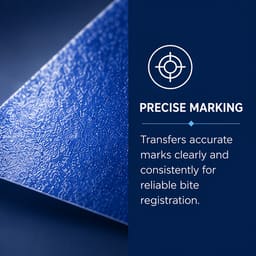
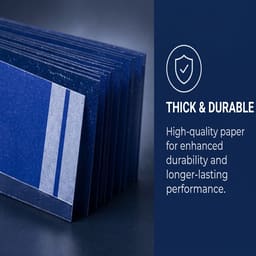
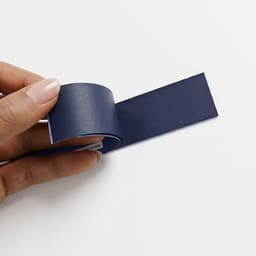
(12)Thick, tear-resistant blue articulating paper for precise occlusal marking.
₹ 250₹ 1176
78.74% Off
 10
10View Similar Products
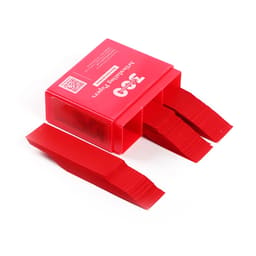
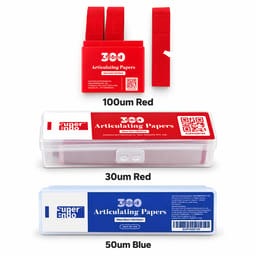
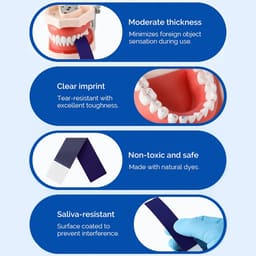
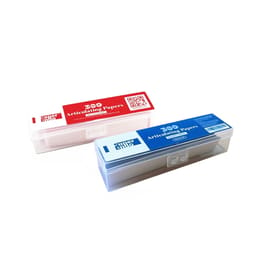
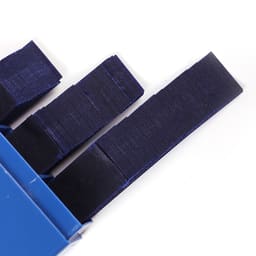

Articulating Paper For Accurate Detection Of Occlusal Contact Points Between Teeth
Starting at₹ 685
View Similar Products
★ 4.0
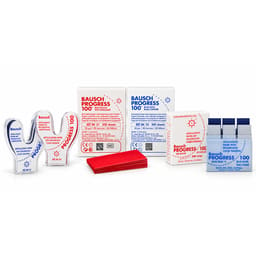
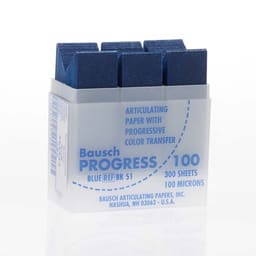
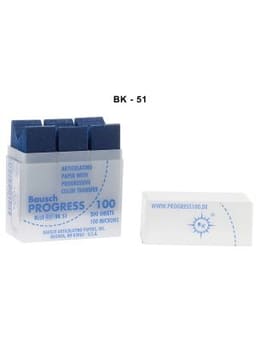
(2)Bausch 100µ Articulating Paper ensures precise occlusal contact marking on moist surfaces.
Starting at₹ 610
View Similar Products
★ 4.0
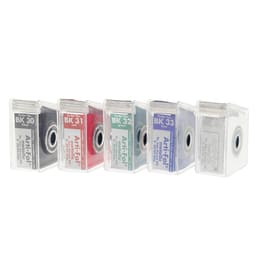
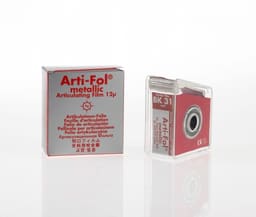
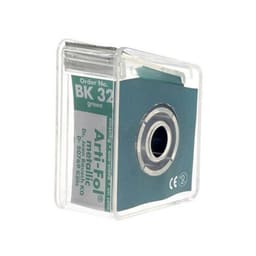
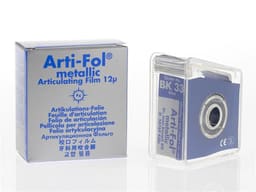
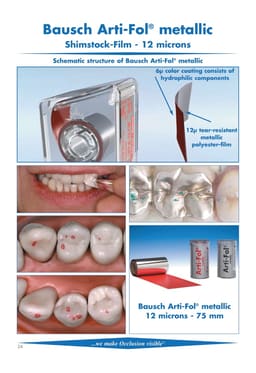
(2)12µ metallic polyester articulating film for accurate detection of occlusal contact points between teeth
Starting at₹ 1020
View Similar Products
★ 4.6
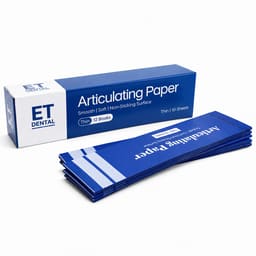
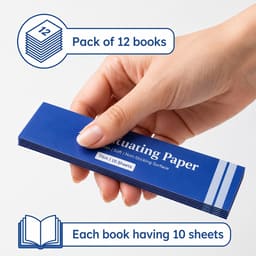
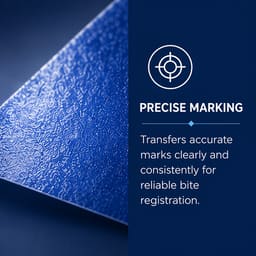
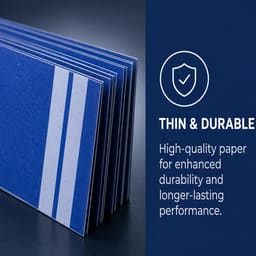
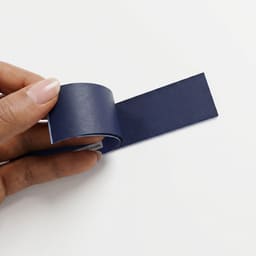
(5)Identifies occlusal contact points accurately for bite adjustment and restorative procedures
₹ 250₹ 1176
78.74% Off
10View Similar Products
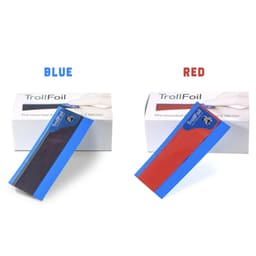
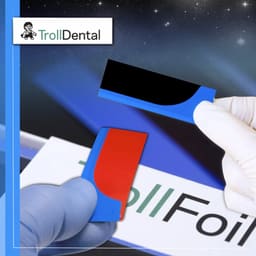
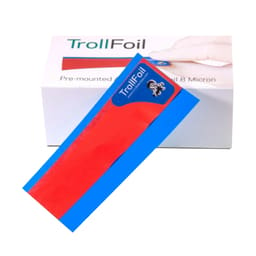
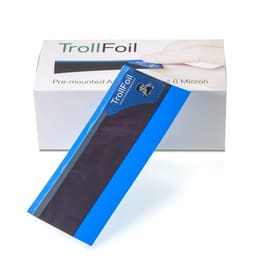
Ultra-thin, double-sided foil ensures precise occlusal markings on all surfaces without forceps
Starting at₹ 2595
View Similar Products

★ 4.6
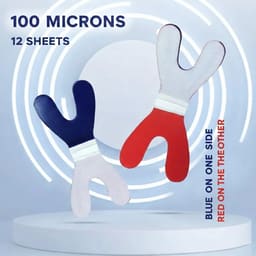
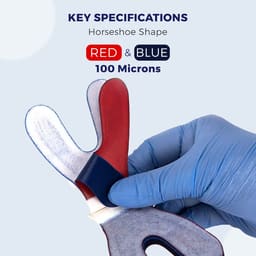
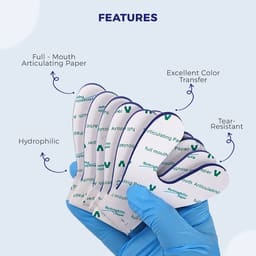
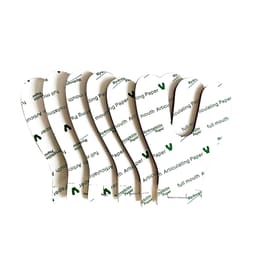
(10)Full-mouth articulating paper ensures precise bite assessment with dual-color markings—blue for one arch and red for the opposing arch—providing clear occlusal evaluation.
₹ 199₹ 302
34.11% Off
2View Similar Products
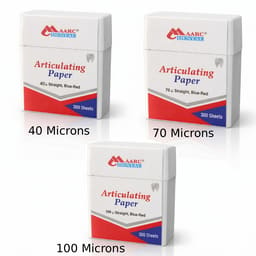
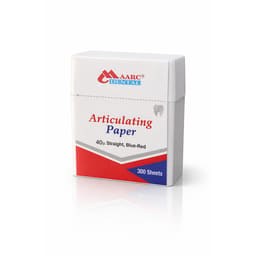
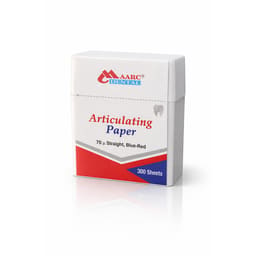
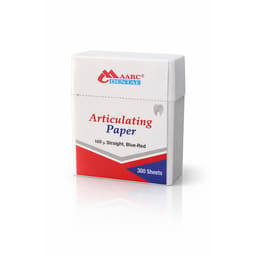
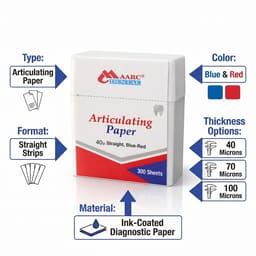
Articulating Paper Straight provides precise dual-color occlusal markings for accurate bite adjustment and analysis
Starting at₹ 595
View Similar Products
Filters
Sort By
RecommendedWhat is Articulating Paper?
Articulating paper is a thin, ink-coated dental marking strip that transfers a colored impression onto occlusal contact points when the patient bites down, letting clinicians see exactly where upper and lower teeth meet during finishing checks, occlusal equilibration and prosthetic verification. Sheets and strips range from 8 to 200 microns in thickness, are pre-colored blue, red or double-sided blue-red, and ship in straight ribbon or horseshoe arch shapes for posterior spot-marking versus full-arch screening.
Types of Articulating Paper at Dentalkart
Ultra-Thin Articulating Paper (8–20 microns)
Ultra-thin papers are the precision tier — used for final-stage occlusal refinement and equilibration after polished ceramic and gold restorations because the very low thickness does not force a premature contact during the bite. Recommended for final adjustment of cemented full-coverage crowns, inlays and veneers.
Thin Articulating Paper (40 microns)
40-micron papers are the everyday workhorse, balancing ink transfer with minimal interference. Most direct-composite finishing checks and routine occlusal verification on natural teeth are performed in this band. MAARC Articulating Paper is supplied in dual-thickness packs covering both the 40-micron diagnostic tier and the 100-micron screening tier.
Standard Articulating Paper (70 microns)
70-micron sheets give robust marking on heavier-bite cases, deep posterior restorations and patients with strong masticatory force where thinner papers tear or fail to transfer ink reliably. Maarc supplies a dedicated 70-micron variant for general restorative screening.
Thick Articulating Paper (100–200 microns)
The thickest tier is used for initial gross-occlusion screening on provisional crowns, denture bases and orthodontically bonded bracket setups where the bite plane is not yet refined. SuperEndo Articulating Paper is a popular non-sticking option in this thickness band.
Horseshoe vs Straight-Strip Format
Horseshoe-shaped sheets follow the full-arch curve and capture every contact in a single bite — preferred for complete dentures and full-arch equilibration. Alphadent Horseshoe sheets are commonly used for prosthetic checks. Straight ribbon strips are held in articulating forceps and inserted tooth-by-tooth for targeted spot-marking on individual restorations.
When Is Articulating Paper Used?
Articulating paper is used after every direct composite or amalgam restoration, after crown and bridge cementation, at denture try-in and final insertion, after orthodontic debonding, during occlusal equilibration sessions and during TMD evaluation. The thickness choice depends on intent — 8 to 40 micron for refinement, 70 to 200 micron for screening. Combine blue (centric) with red (excursive) to separate static habitual closure from dynamic lateral and protrusive movement.
How to Choose Articulating Paper
Match thickness to indication first — refinement work needs 8–40 micron, screening work needs 70–200 micron. Match shape to context — posterior single-tooth checks suit straight strips, full-arch prosthetic checks suit horseshoe sheets. Choose color by purpose — single-color blue when only centric matters, double-sided blue-red when centric and excursive both need to be visualised. For wet, polished or glass-ceramic surfaces, choose a non-sticking high-resin formulation that will not skid or smear. Pack size should match clinic volume.
Top Brands of Articulating Paper at Dentalkart
Dentalkart stocks ET Articulating Paper, SuperEndo, Alphadent, MAARC and MDM — covering micron range from 8 to 200, straight and horseshoe formats, single and double color, and pack sizes from 12-sheet clinic packs to 300-sheet bulk for high-volume practices.
Why Buy Articulating Paper from Dentalkart?
Dentalkart supplies clinic-grade articulating paper at distributor pricing, trusted by 50,000+ dentists across 110000+ Indian pincodes. Authentic brand sourcing, GST invoicing, COD on eligible orders and fast pan-India shipping. Bundle articulating paper with your finishing burs and Polishing Kits to complete the post-restoration occlusal-and-polish workflow in one order.
Frequently Asked Questions (FAQs):
What is articulating paper used for in dentistry?
Articulating paper is used in dentistry to mark and visualise occlusal contact points by transferring coloured ink from the paper onto the teeth when the patient bites down. Dentists rely on these marks to identify and remove high spots after restorations, crown cementations, denture deliveries, orthodontic debonds and occlusal equilibration sessions.
What thickness of articulating paper should I use?
The thickness of articulating paper you should use depends on the clinical step — 8 to 40 micron sheets are ideal for fine occlusal refinement and final-stage adjustment because they do not force premature contacts, while 70 to 200 micron sheets are better suited for gross-occlusion screening on provisional crowns, complete dentures and orthodontically bonded brackets.
What do the blue and red colours on articulating paper mean?
The blue and red colours on articulating paper differentiate static centric contacts from dynamic excursive contacts — blue typically marks centric occlusion when the teeth meet in habitual closure, and red marks lateral and protrusive excursive movements, helping clinicians separate functional contacts from interfering contacts during equilibration.
What is the difference between horseshoe and straight-strip articulating paper?
The difference between horseshoe and straight-strip articulating paper is form factor — horseshoe sheets follow the full-arch curve and capture every contact in one bite for complete-denture and full-mouth equilibration work, while straight ribbon strips are held with articulating forceps and inserted tooth-by-tooth for targeted spot-marking on individual restorations.
Can articulating paper mark wet or polished surfaces?
Articulating paper can mark wet and polished surfaces only when the ink chemistry is formulated for low-friction substrates — non-sticking high-resin papers such as SuperEndo and MAARC transfer reliably onto polished ceramics, glazed crowns and saliva-damp enamel where standard waxed papers skid, smear or fail to leave a readable mark.