

Root Canal Practicing Models
4.0
Sort by - Recommended
 Recommended
 Price- High to LowPrice- Low to High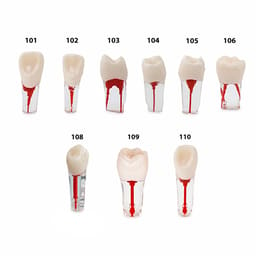
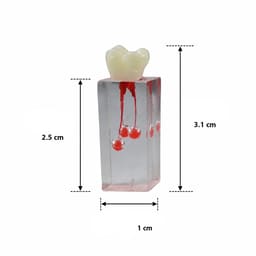
★ 4.0
(2)View Similar Products
★ 5.0
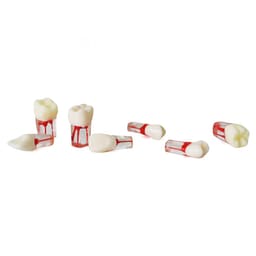
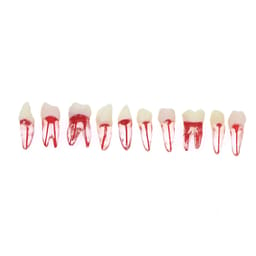
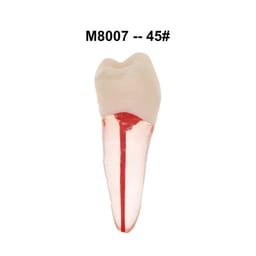
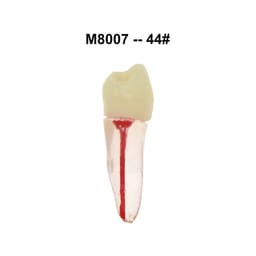
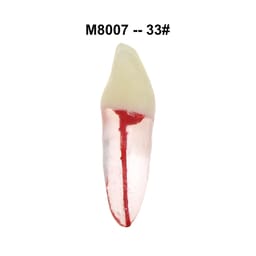
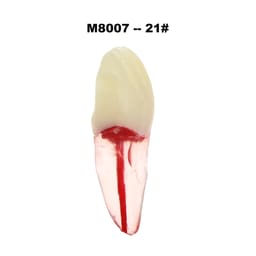
(1)Comprehensive 28-tooth root canal training model designed for realistic, hands-on endodontic practice, featuring transparent canals, detailed anatomy, and durable resin construction for repeated use.
₹ 5445₹ 11500
52.65% Off
 270
270View Similar Products



★ 3.0
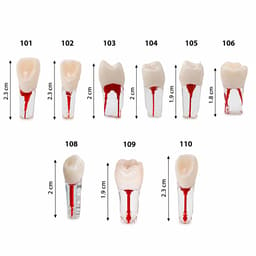
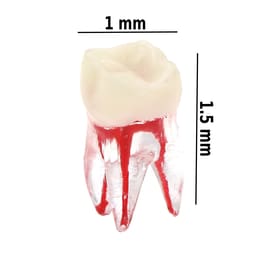
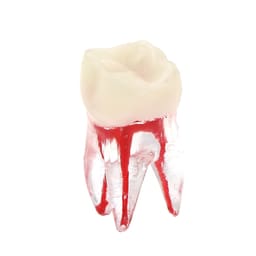
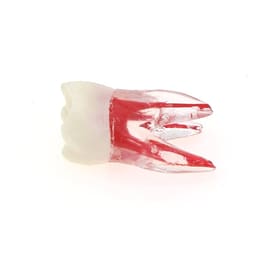
(2)A realistic deciduous tooth model designed for practicing root canal procedures with precise canal anatomy and natural-like tactile feedback.
₹ 265₹ 500
47.00% Off
10View Similar Products
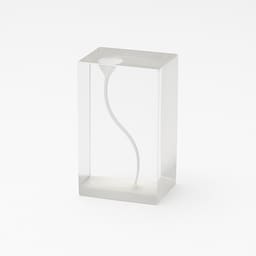
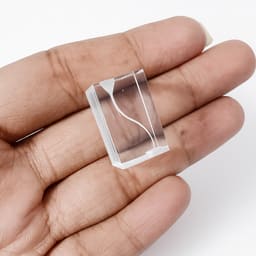
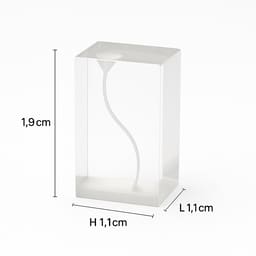

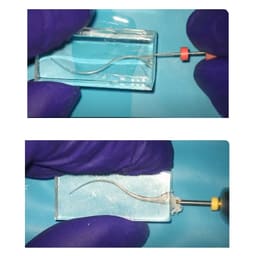
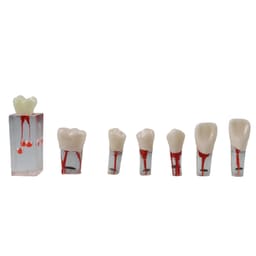
Transparent endo training block with S-shaped canal for practicing advanced root canal instrumentation techniques
₹ 220₹ 450
51.11% Off
10View Similar Products

★ 4.0
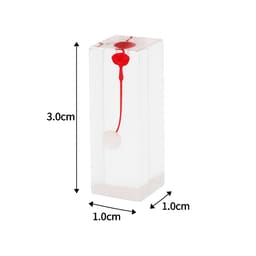
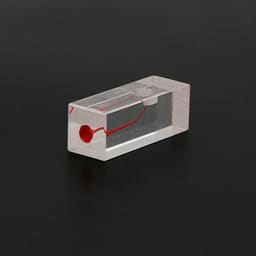
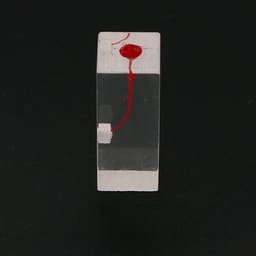
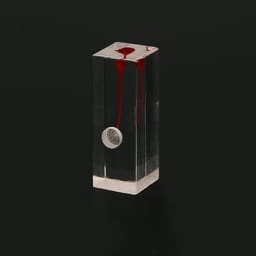
(1)Single-root canal training block for practicing pulp extirpation, canal shaping, and endodontic instrumentation skills
₹ 205₹ 400
48.75% Off
10View Similar Products
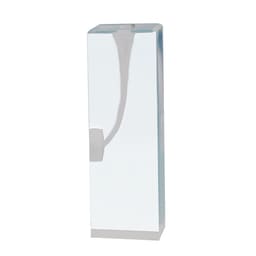


Endo training block for root canal practice
₹ 205₹ 400
48.75% Off
10View Similar Products
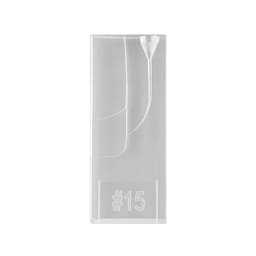

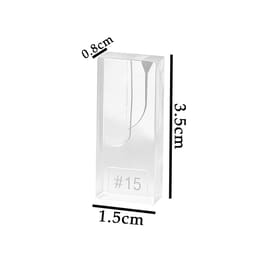

Transparent endo training block with built-in scale for precise root canal practice
₹ 260₹ 500
48.00% Off
10View Similar Products
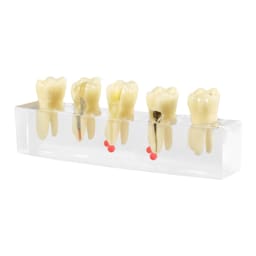
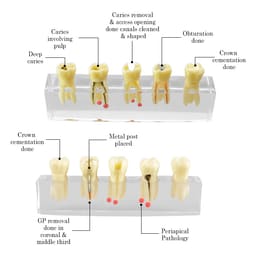
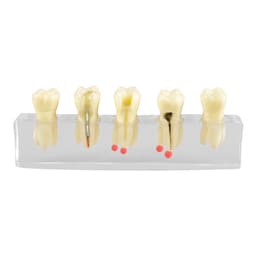
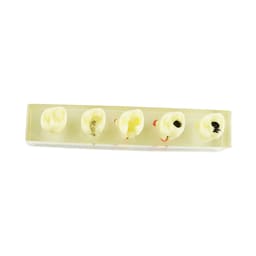
★ 4.0
(2)Root Canal Model explaining dental caries & periapical pathologies
₹ 2050
100View Similar Products
Filters
Sort By
RecommendedMaster Endodontic Skills with Root Canal Practicing Models
Root canal models are really important for people who want to learn about teeth. Dental students and people who are training to be endodontists use these models to practice. They are like teeth that have the same insides as real teeth with tiny canals and chambers. This lets people practice cleaning and fixing the roots of teeth without working on a real person. Using these root canal models helps people get better at using their hands and doing things precisely. It also makes them more confident. Root canal models are a part of learning about teeth and fixing root canals both, for people who are just starting out and for people who are already professionals and want to keep learning.
Benefits of Root Canal Practicing Models
Simulates Real Tooth Anatomy:
This thing is really good at mimicking the anatomy of a tooth. It gives you an environment where you can practice getting ready for a canal filling it and using the right tools.
Enhances Skill Development:
You can practice many times as you want without hurting any patients. This helps you get really good at what you do. Do it quickly.
Supports Multiple Techniques:
You can use this thing with all sorts of tools like files hand files and special devices that help you find the tip of the root. It also works with systems that help you fill the tooth and protocols for cleaning it out.
Reusable:
This thing is made with good materials so you can use it many times. It is perfect for training that lasts a time.
Ideal for Academic and Clinical Training:
schools and training workshops really, like this thing. It is also used in courses that help you get better at doing procedures on the roots of teeth.
Types of Root Canal Practicing Models
Single-Rooted Tooth Models:
Tooth models that have one root are great for people who are just starting out and want to practice working on canals.
Multi-Rooted Tooth Models:
Tooth models with roots are better for experienced people because they have more complicated anatomy that is good for advanced training.
Transparent Resin Models:
The models made of resin are really helpful because you can see what is happening when you use instruments and fill the canals.
Typodont-Based Endodontic Models:
The tooth models that are based on typodonts are very useful because they come with jaw sets and this gives you a complete training experience before you see real patients.
Simulated Infection or Curved Canal Models:
There are also models that mimic real life problems like canals or blockages and these are great for advanced practice because they are, like the real thing.
When to Use Root Canal Practicing Models?
These models are used in:
Pre-Clinical Training:
Pre-Clinical Training for students like those studying for BDS, MDS and endodontic degrees is really useful. This is because dental students get to learn how to prepare and fill canals.
Skill Assessment & Practice:
Skill Assessment and Practice is great for teachers who want to show their students something. It is also good for exams or for students who want to get better at what they do.
Device Familiarization:
When it comes to using devices dental students need to know how to use files, apex locators, special pens for filling and systems for cleaning. Device Familiarization is the way to do this.
Advanced Procedure Simulation:
Advanced Procedure Simulation is very helpful. This is because dental students can practice working on teeth like those, with curved canals or hard canals. They can also practice fixing teeth that have already been treated which is called retreatment.
Why Choose Dentalkart for Root Canal Practicing Models?
Dentalkart has a lot of good root canal practice models. These models are made to feel like the thing so people can practice and get better at doing root canals. Dentalkart works with brands you can trust they sell products and they always deliver on time. This means that students and professionals can use Dentalkart root canal practice models to practice and perfect their root canal skills, with confidence. They can trust Dentalkart root canal practice models to help them get better at root canals.
FAQs: Root Canal Practicing Models
Q1. What are root canal practicing models used for?
A1. Root canal practicing models are designed to help dental students and professionals develop and refine their endodontic skills. They allow you to practice access opening, canal locating, cleaning, shaping, irrigation, and obturation in a realistic setting before performing these procedures on actual patients.
Q2. Are these practice models reusable?
A2. It depends on the type. Some models are designed for single-use simulation of complete procedures (such as obturation practice), while others have replaceable canal inserts or removable teeth that allow the base model to be reused multiple times. Always check the product specifications before purchase.
Q3. Can these models be used for advanced endodontic training?
A3. Absolutely. Dentalkart offers a range of models from basic straight-canal blocks for beginners to advanced models featuring curved canals, calcified canals, C-shaped canals, and complex molar anatomy. These advanced options are ideal for practicing challenging cases and preparing for specialized endodontic work.
Q4. Are these models compatible with apex locators and rotary systems?
A4. Yes. Most root canal practice models are fully compatible with both hand files and rotary endodontic systems. Many transparent and conductive resin models also work with apex locators, allowing you to practice working length determination alongside instrumentation techniques.
Q5. Who should use root canal practicing models?
A5. These models are ideal for dental students, interns, general practitioners learning endodontics, and even experienced endodontists wanting to practice new techniques or instruments before clinical application. They are also widely used in dental colleges and CDE workshops.
Q6. What materials are these models made from?
A6. Most practice models are made from clear or tooth-colored resin that closely mimics the hardness and feel of natural dentin. Transparent versions are particularly useful as they let you visually track file progression and irrigation flow throughout the canal system.