Space Maintainer
 Recommended
 Price- High to LowPrice- Low to High
The Space Maintainer category on Dentalkart offers a specialized selection of pediatric dental appliances designed to preserve arch space following the premature loss of primary teeth. These appliances play a critical role in interceptive orthodontics and preventive pediatric dentistry, helping to ensure proper alignment, occlusion, and eruption patterns in developing dentitions.
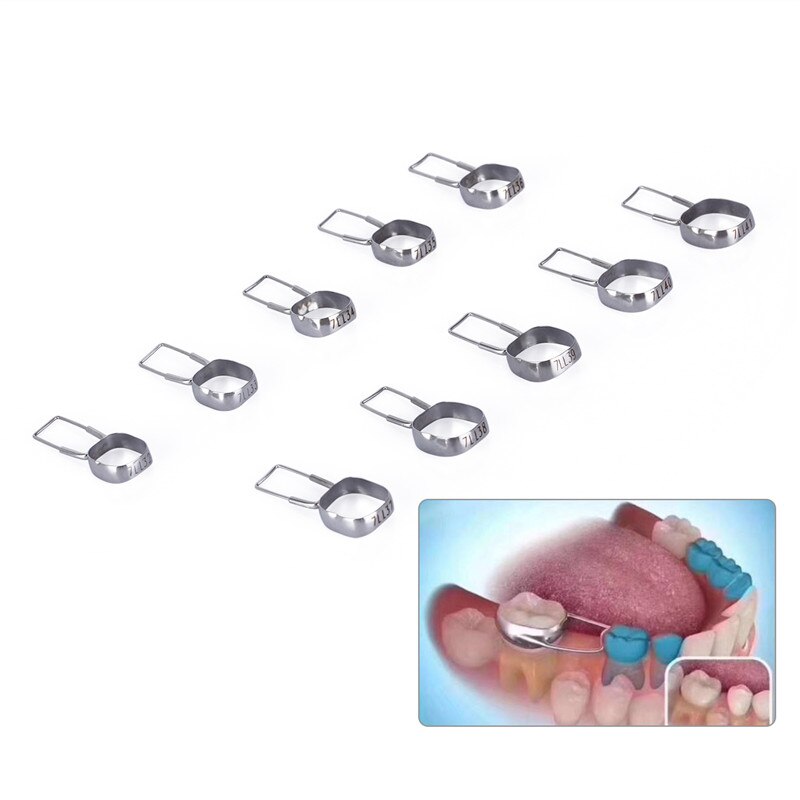
Premature loss of deciduous teeth, whether due to caries or trauma, can lead to mesial drift of adjacent teeth and eventual crowding, impaction, or malocclusion. Space maintainers prevent such complications by preserving the required arch length, allowing the permanent teeth to erupt in their proper positions.
This category includes a variety of preformed and customizable appliances suitable for fixed and removable applications based on clinical requirements and patient cooperation.
Clinical Use and Importance of Space Maintainers
Space maintainers are primarily indicated in the following scenarios:
- Premature extraction of primary molars or canines
- Space loss prevention due to early exfoliation
- Guidance of erupting permanent teeth
- Part of interceptive orthodontic plans
They serve as temporary appliances but have long-term effects on proper dental arch development and occlusal harmony. Their timely use can eliminate or reduce the need for future orthodontic interventions.
Types of Space Maintainers Available
Dentalkart offers a comprehensive range of space maintainer types to suit various clinical scenarios:
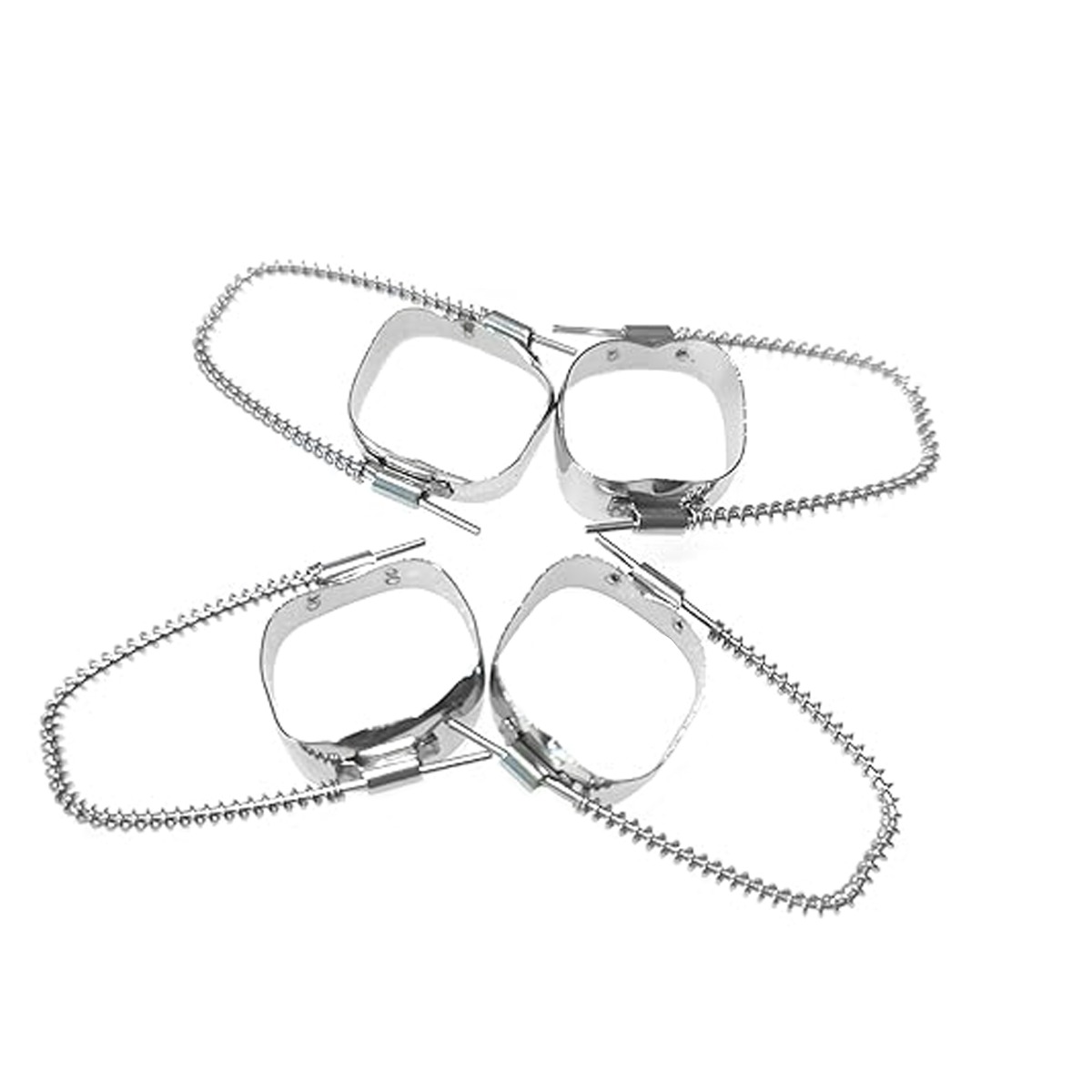
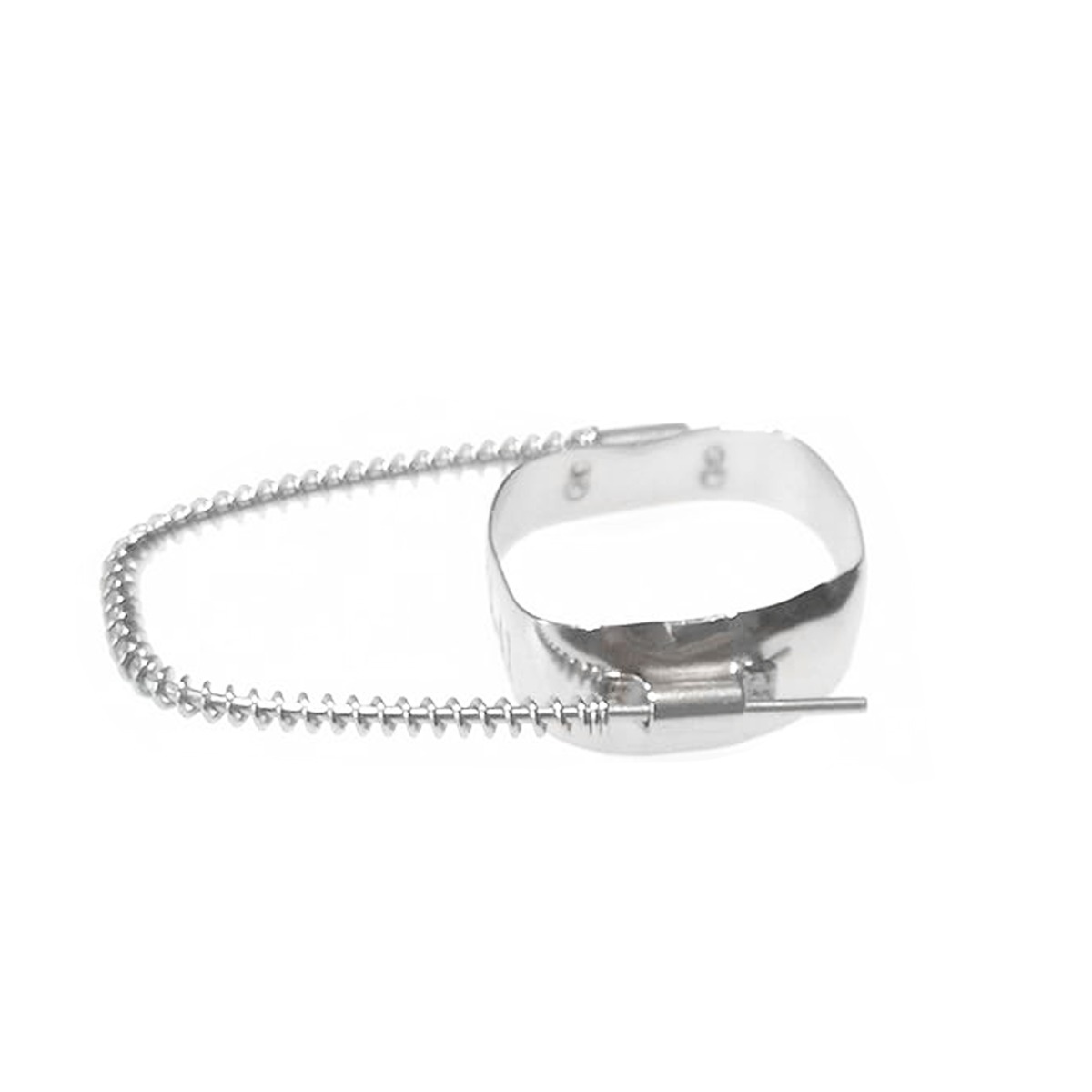
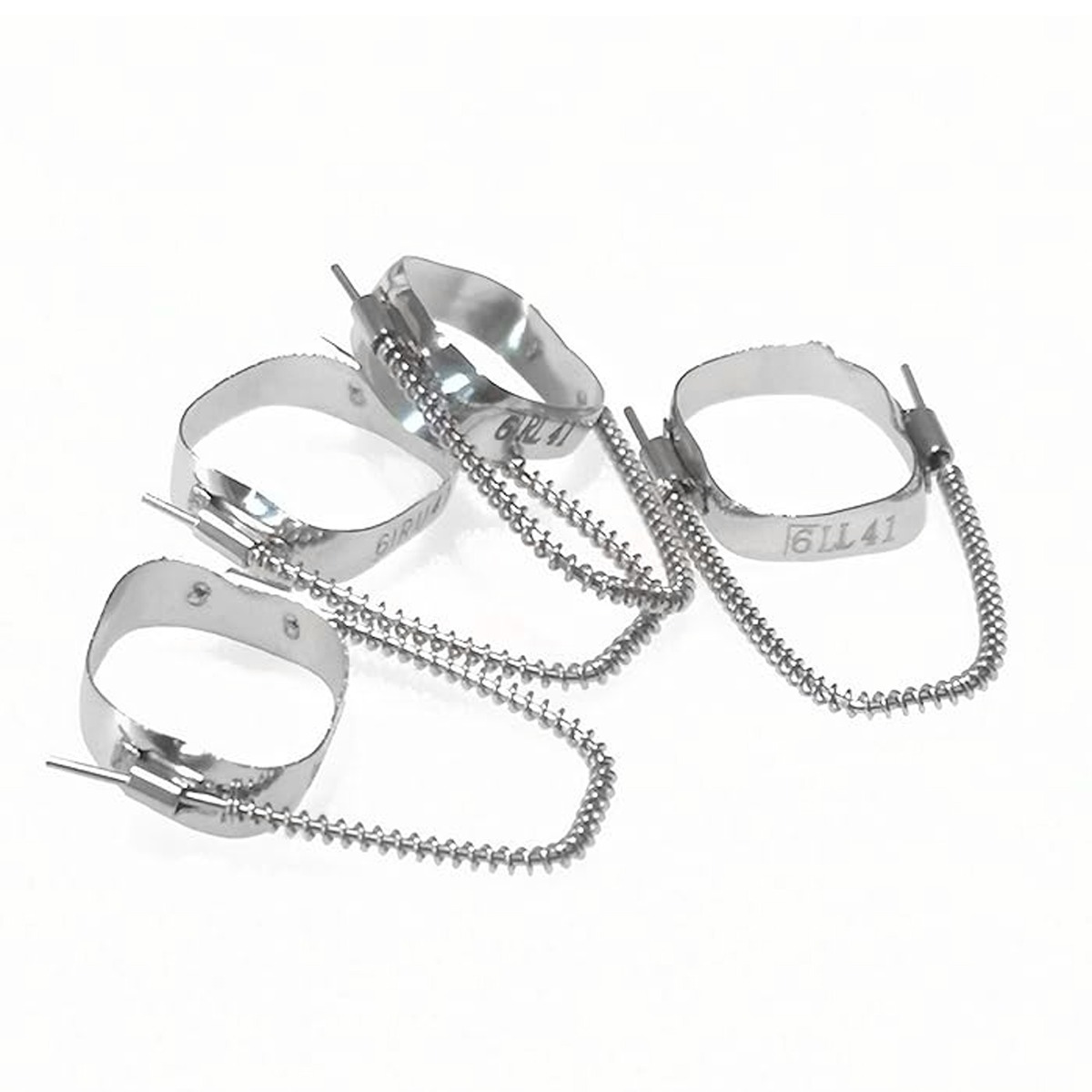
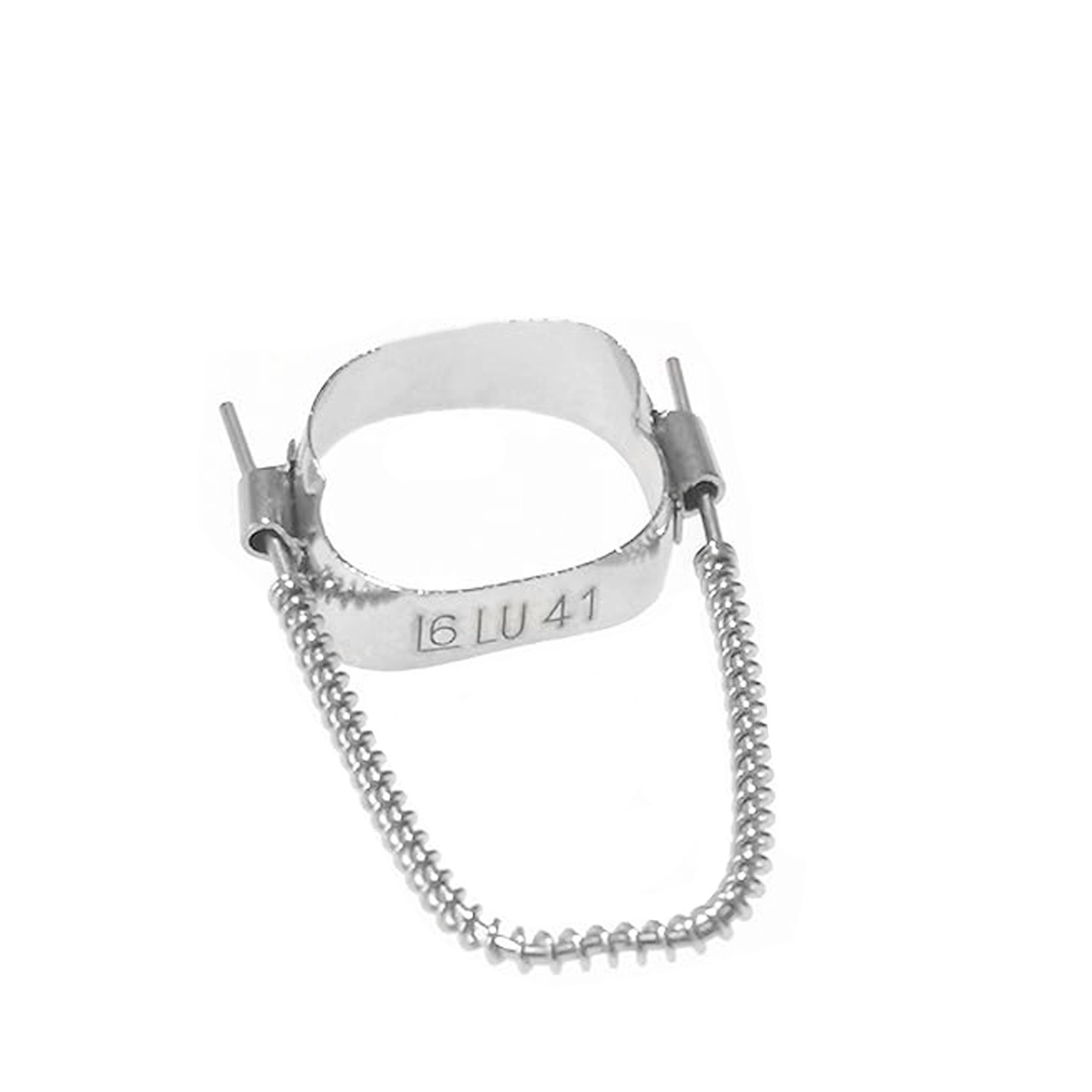
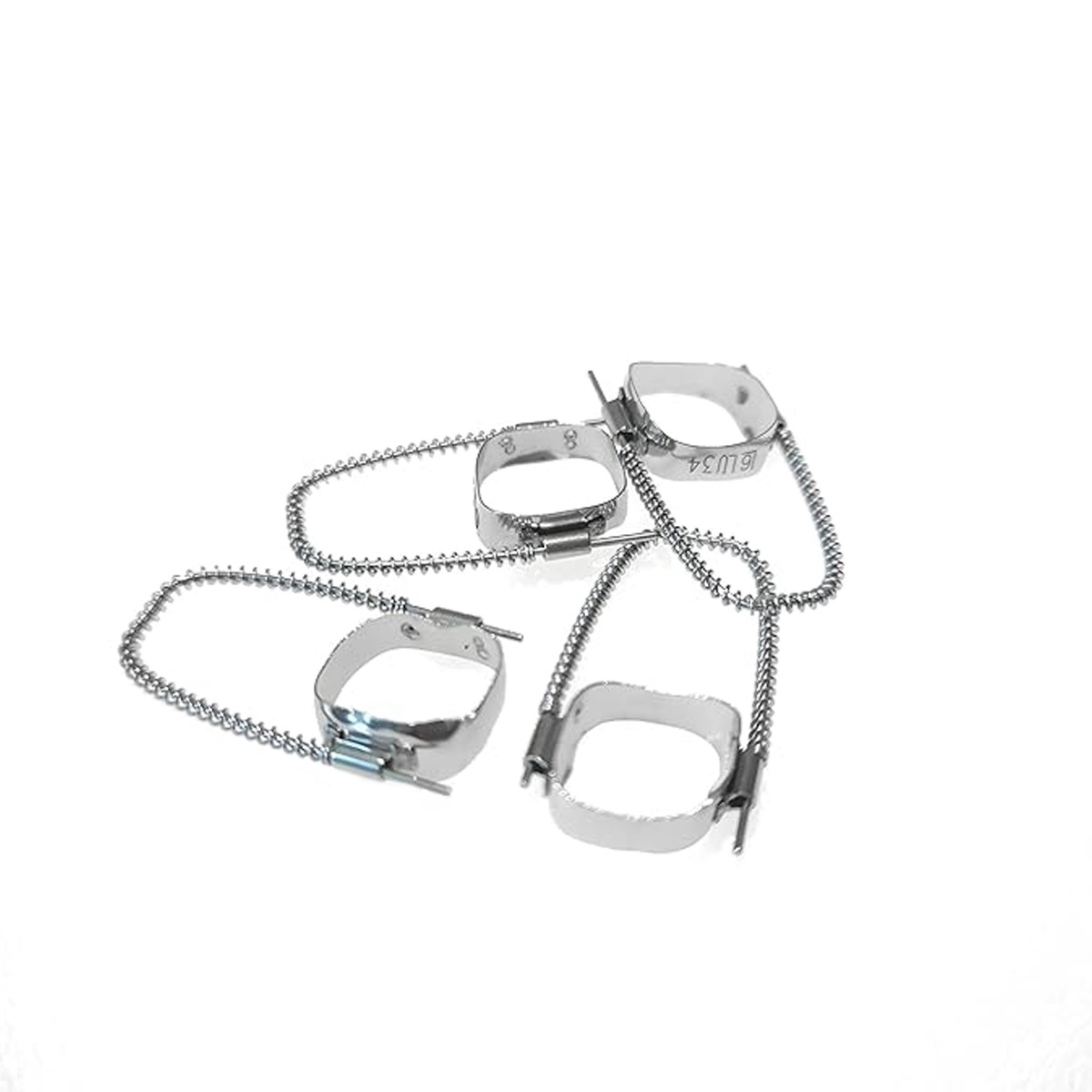
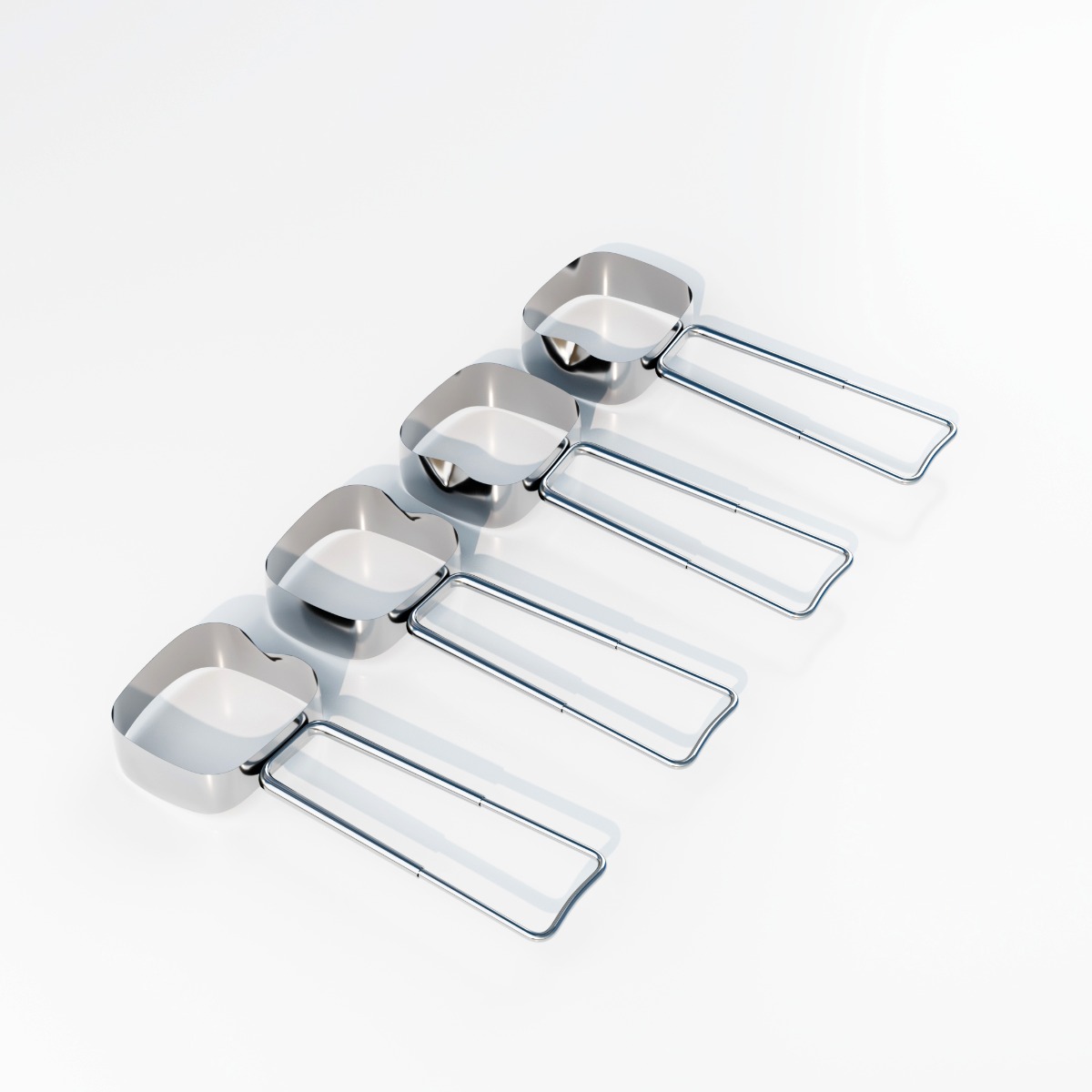
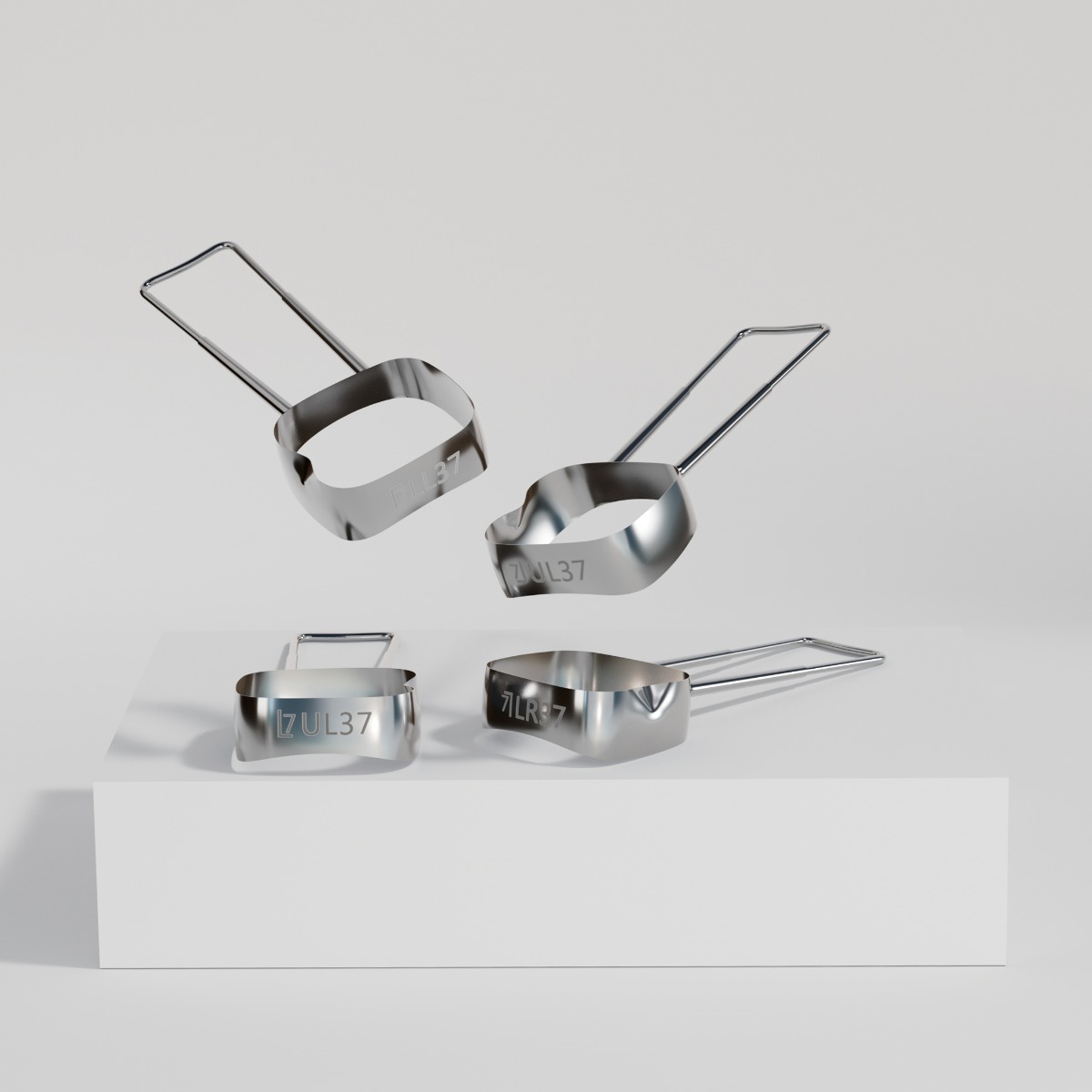
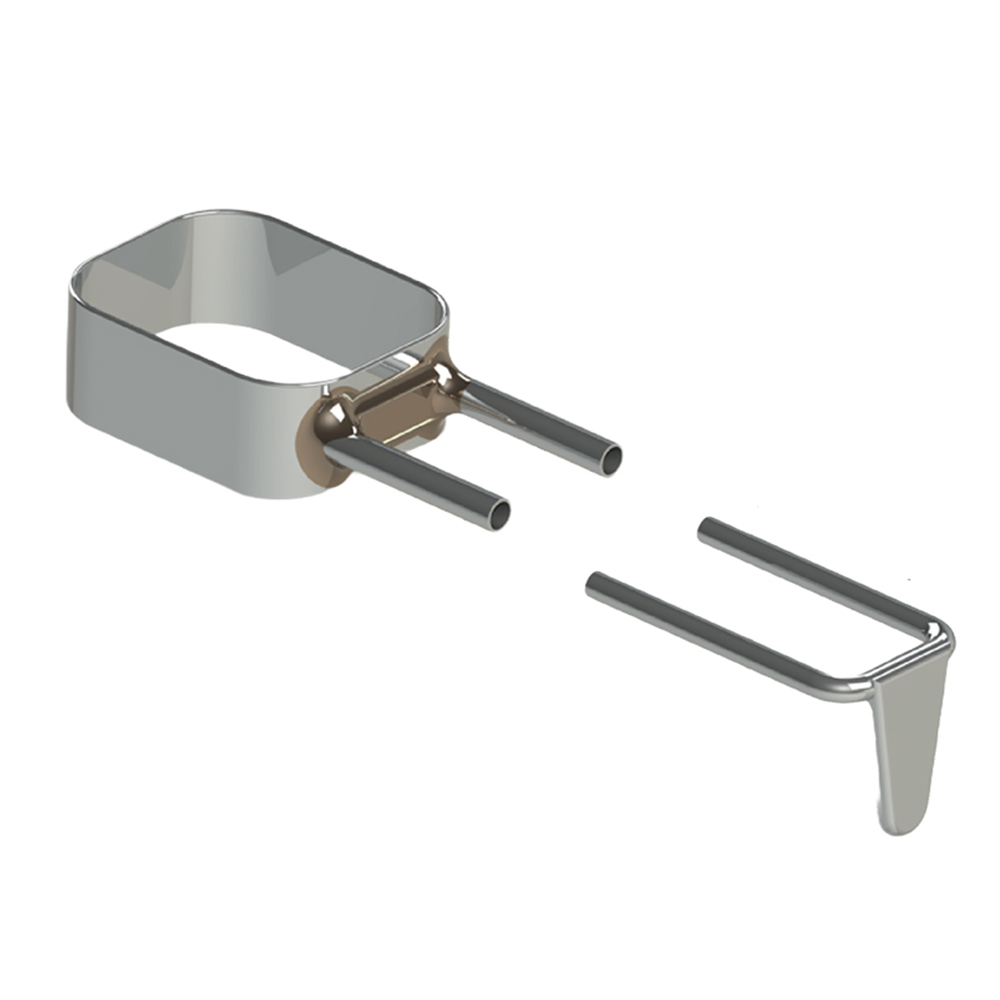
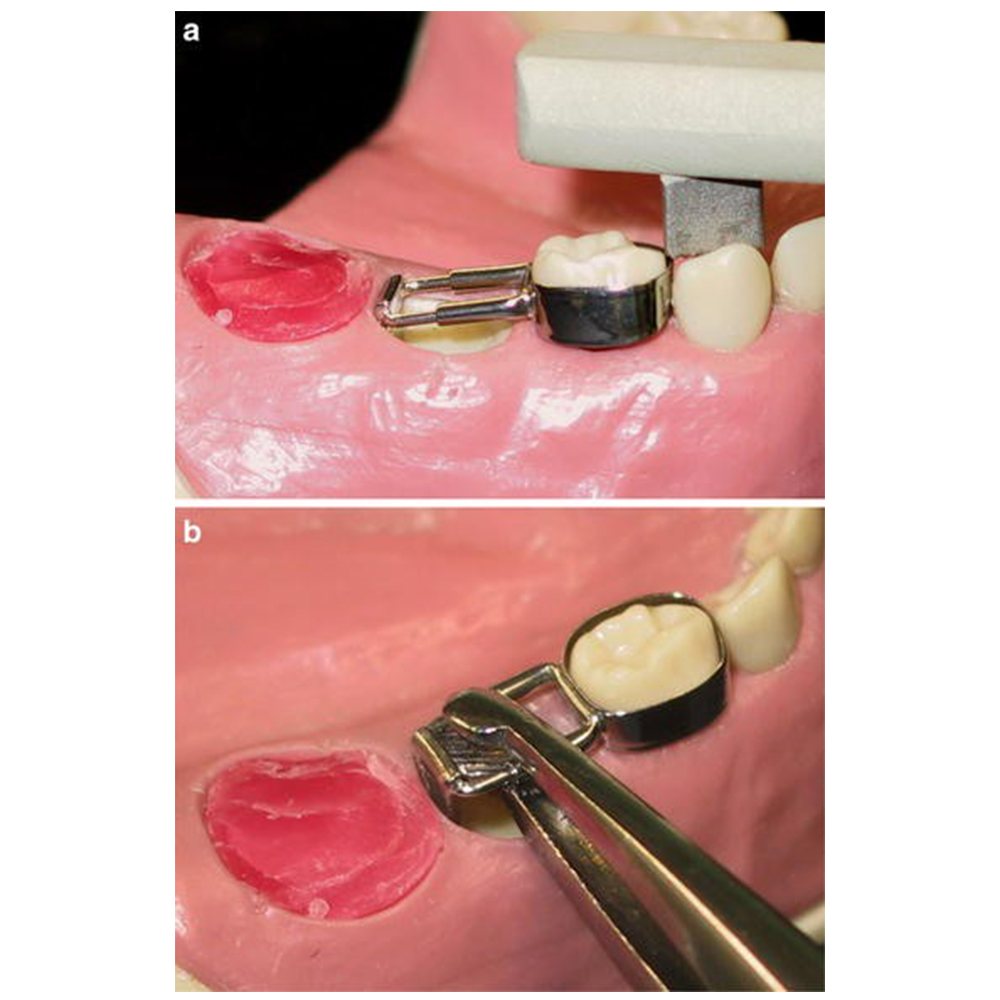
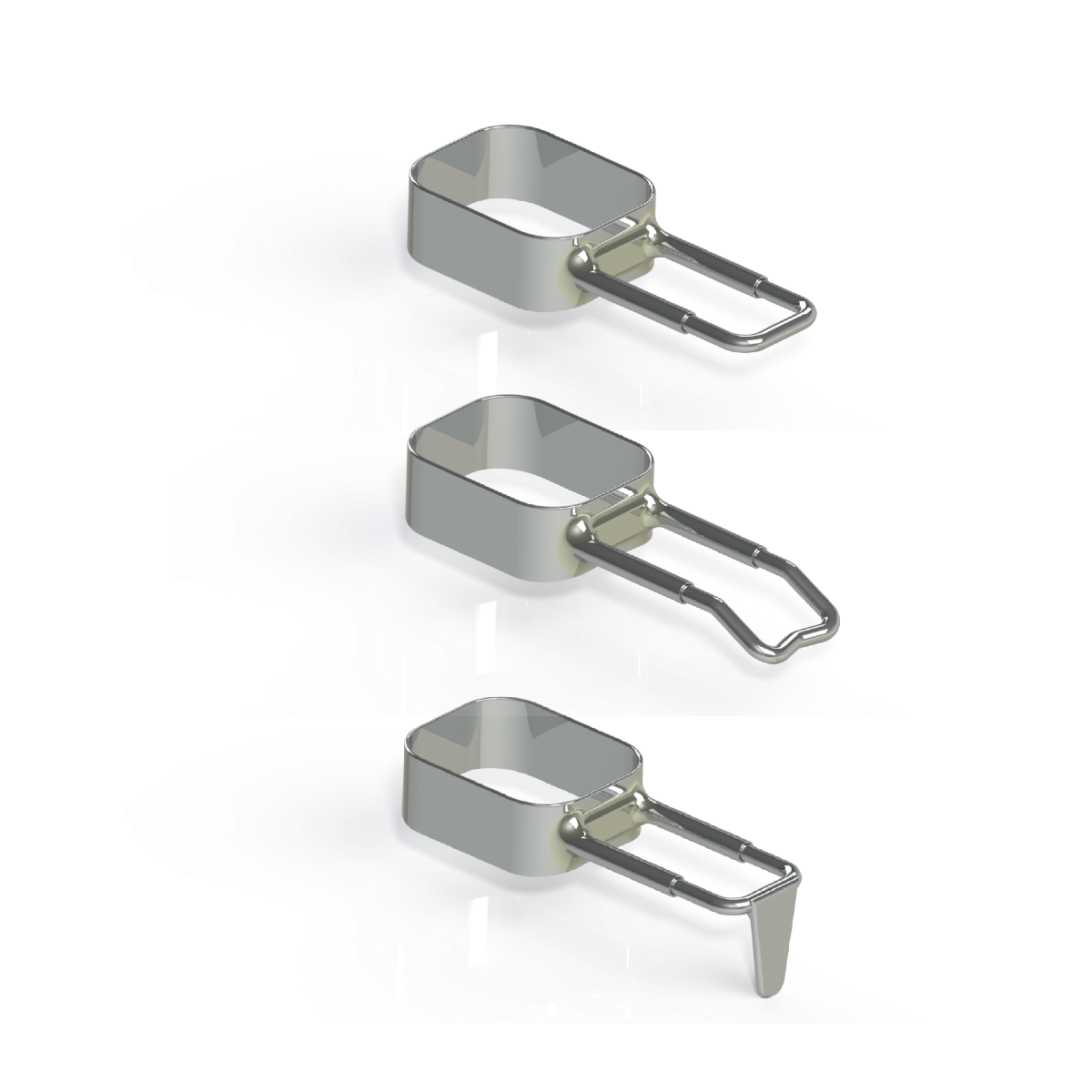
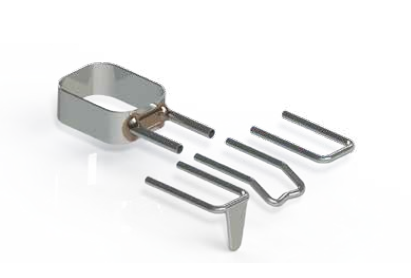
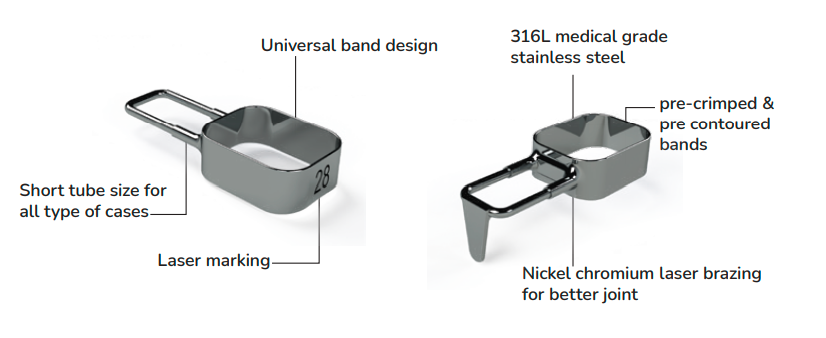
- Band and Loop – Commonly used for unilateral space maintenance after loss of a single primary molar
- Crown and Loop – Offers added durability where full coverage of an abutment tooth is needed
- Lingual Holding Arch – Ideal for bilateral space preservation in the lower arch
- Nance Appliance – Used in the maxillary arch with palatal acrylic button for enhanced anchorage
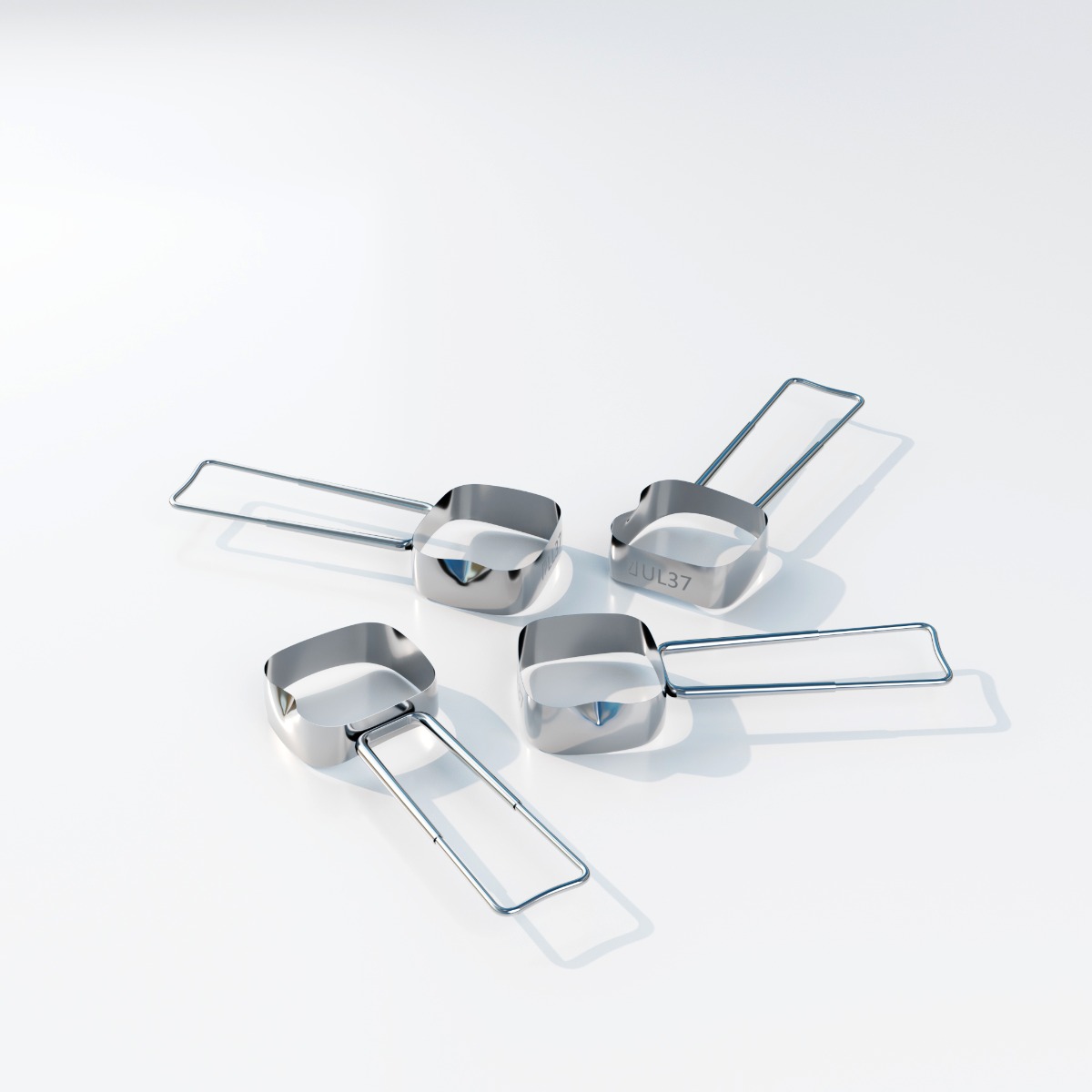
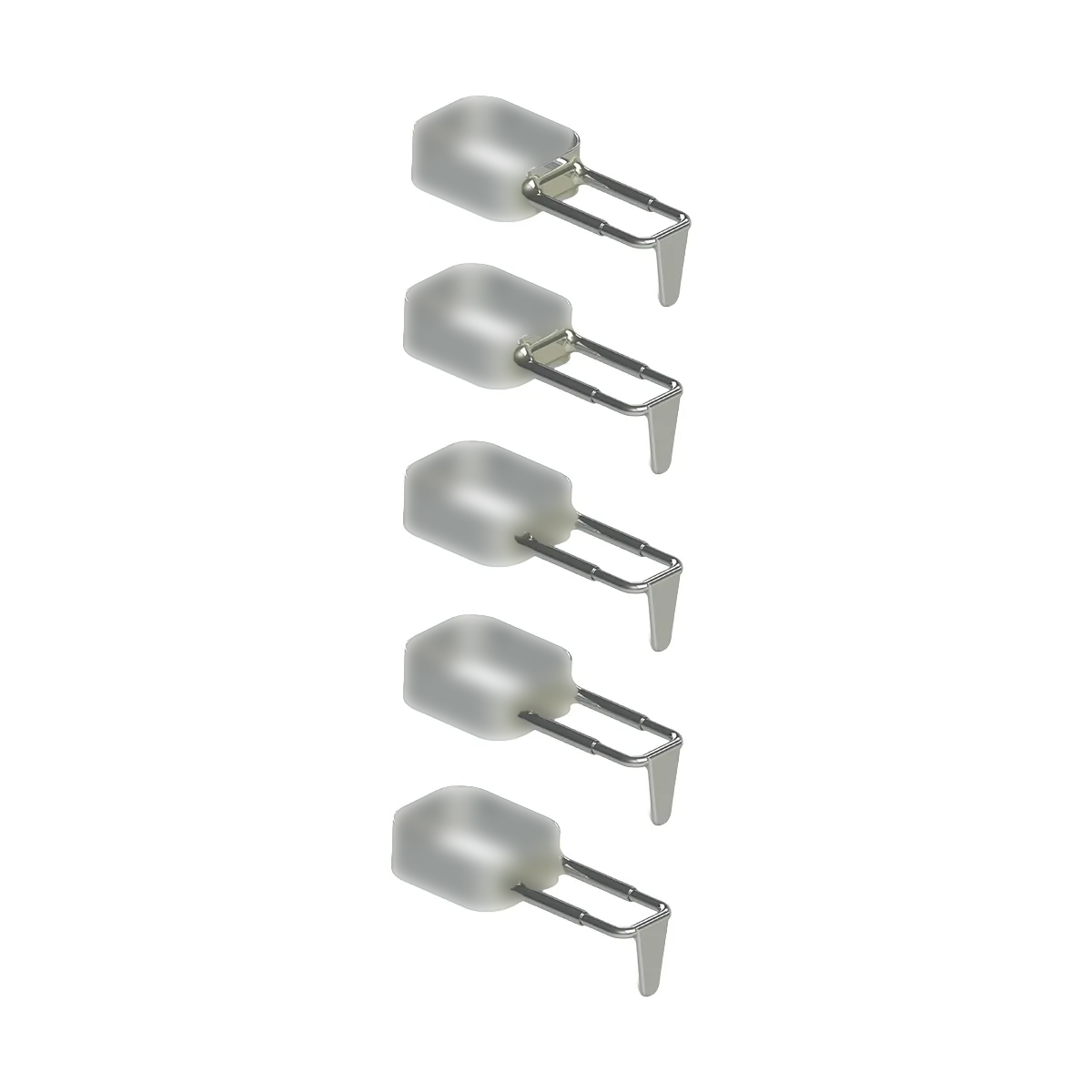
- Distal Shoe – Guides eruption of first permanent molars when the second primary molar is lost early
- Removable Space Maintainers – Acrylic-based designs suitable for cooperative patients
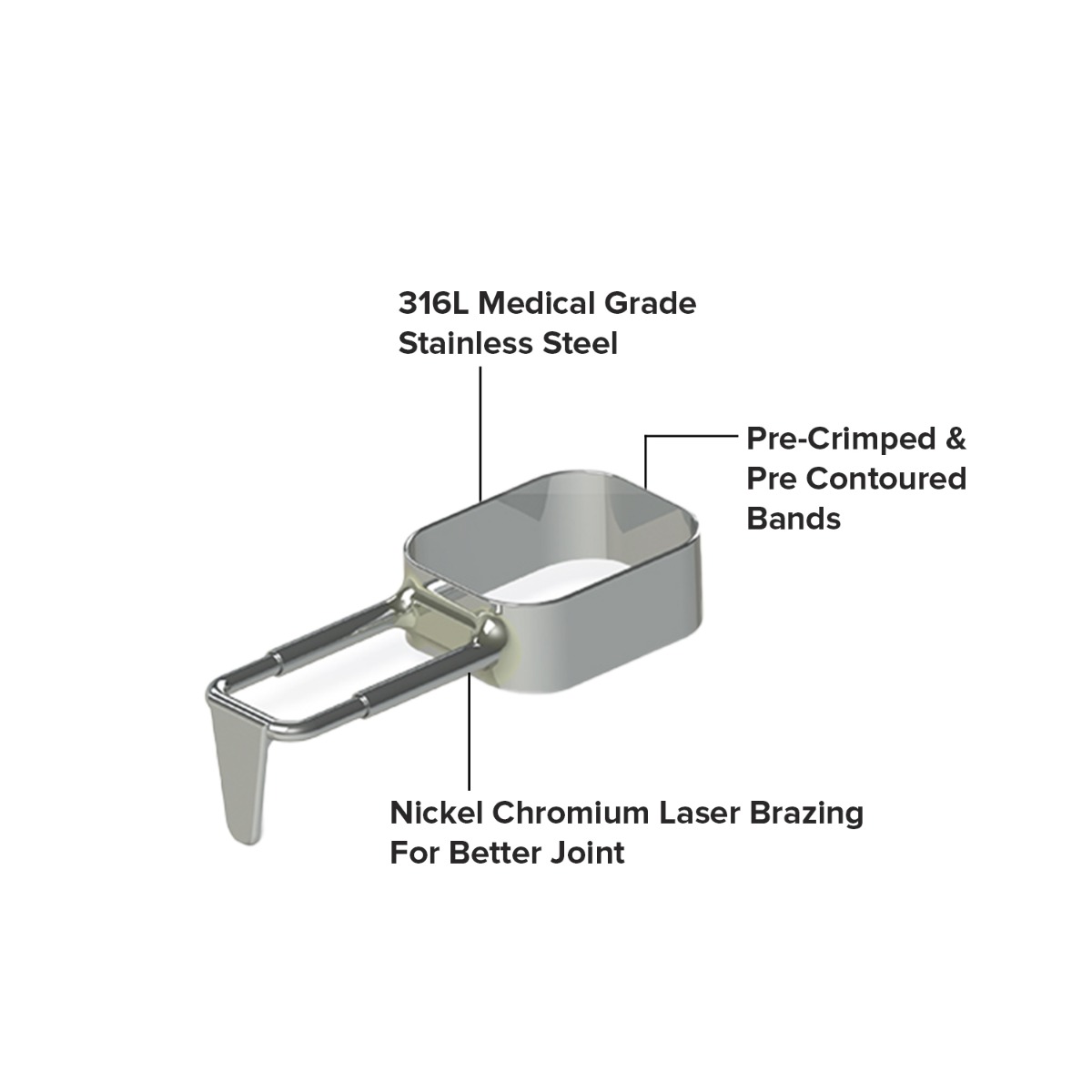
These devices are fabricated using stainless steel components, biocompatible acrylics, and orthodontic-grade wires to ensure strength, safety, and clinical reliability.
Key Features of Space Maintainers on Dentalkart
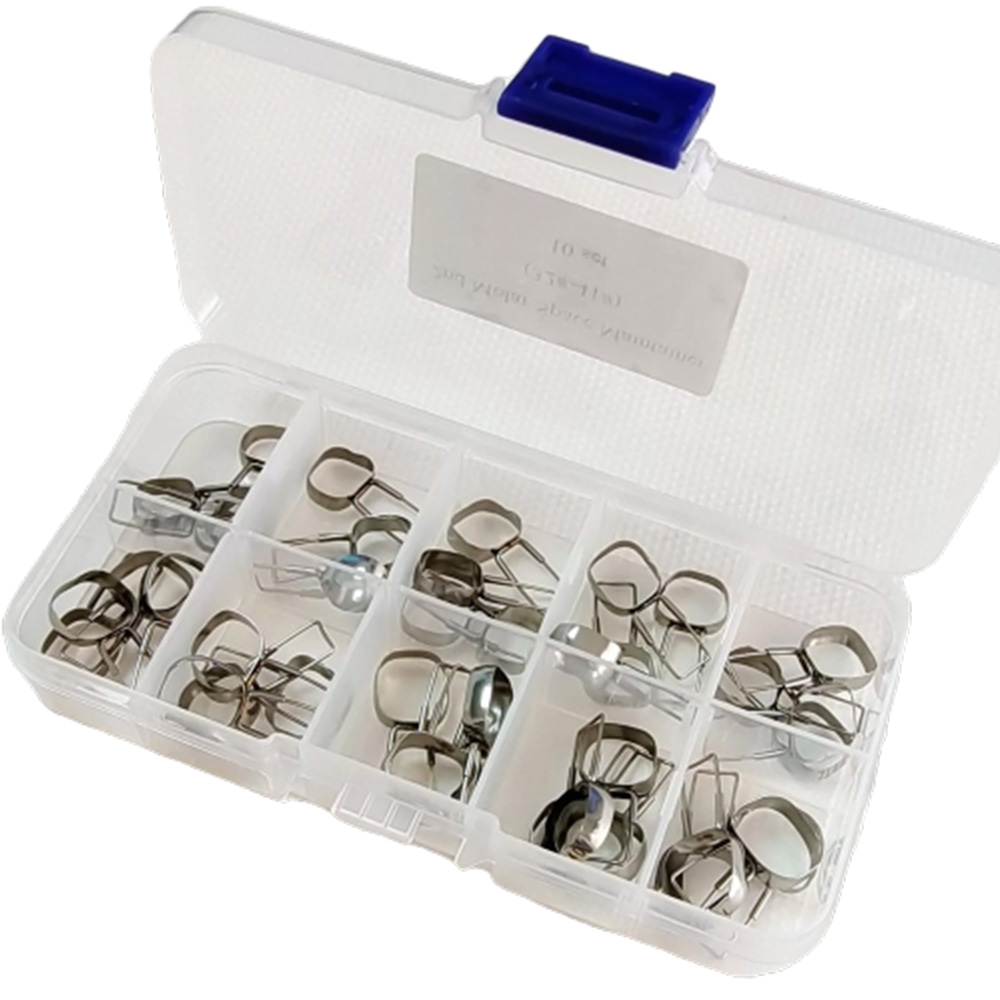
- Preformed or Customizable Kits – For quick chairside adjustments or lab-based fabrication
- Anatomically Designed – Ensures better adaptation and patient comfort
- Sterilizable and Reusable – Especially in preformed options, reducing long-term costs
- Corrosion-Resistant Stainless Steel – For fixed appliances, ensuring longevity in the oral environment
- High Patient Acceptance – Especially with minimally invasive, comfortable designs
These features support the dentist in achieving successful outcomes while ensuring ease of use and patient compliance.
Trusted Brands for Space Maintainers
Dentalkart collaborates with some of the most trusted names in pediatric and orthodontic dental materials. Brands available in this category include:
- Waldent – Offers a reliable range of fixed space maintainer kits with excellent craftsmanship
- API – Known for durable orthodontic components and easy-to-use pediatric appliances
- Vishal Dentocare – Provides a wide variety of orthodontic and pediatric kits suitable for institutional and private practice use
-
Kids-e-Dent – Focuses on pediatric-friendly materials and ergonomic appliance designs
These manufacturers are known for their product safety, ease of sterilization, and clinical performance.
Benefits of Incorporating Space Maintainers in Pediatric Practice
- Prevents Future Malocclusion – Maintains space for proper eruption and reduces orthodontic treatment needs
- Supports Facial Development – Ensures balanced dental arch growth and esthetic symmetry
- Improves Treatment Planning – Allows dentists to control and guide occlusal development proactively
- Minimizes Treatment Costs – Early intervention reduces the need for complex and expensive orthodontic corrections later
Every pediatric dental setup should include a variety of space maintainers to provide timely and preventive care.
FAQs – Space Maintainers
- When should a space maintainer be placed after tooth extraction?
Ideally, it should be placed within a few weeks after premature extraction to prevent space loss due to drifting of adjacent teeth. - Can space maintainers be used in very young children?
Yes, especially in cases of early molar loss, as early intervention is key to preserving arch integrity during active growth phases. - How long should a space maintainer remain in place?
Until the permanent successor is ready to erupt and can maintain the space naturally. Regular follow-up is essential to monitor eruption and appliance condition. - Are space maintainers difficult for children to tolerate?
Most children adapt well to fixed space maintainers. Removable types require more cooperation and hygiene maintenance. - Do space maintainers affect speech or eating?
Minimal speech or eating interference is observed, especially with fixed types. Any discomfort usually subsides within a few days of placement.
Only 4 Left
 115
115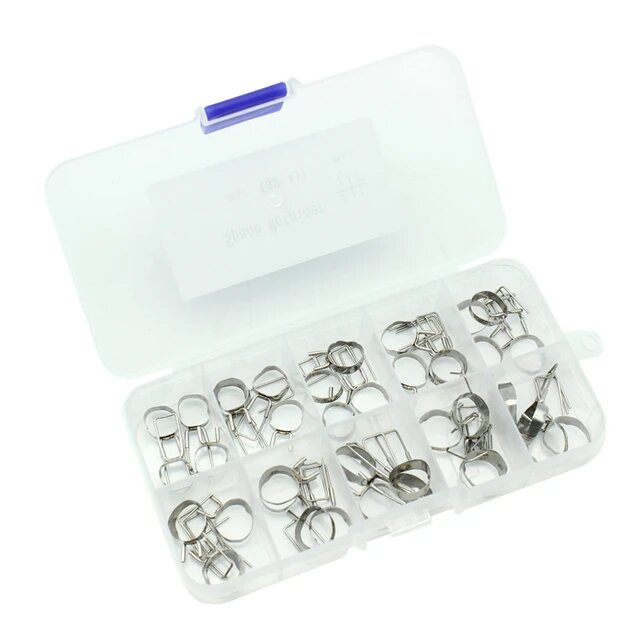
 115
115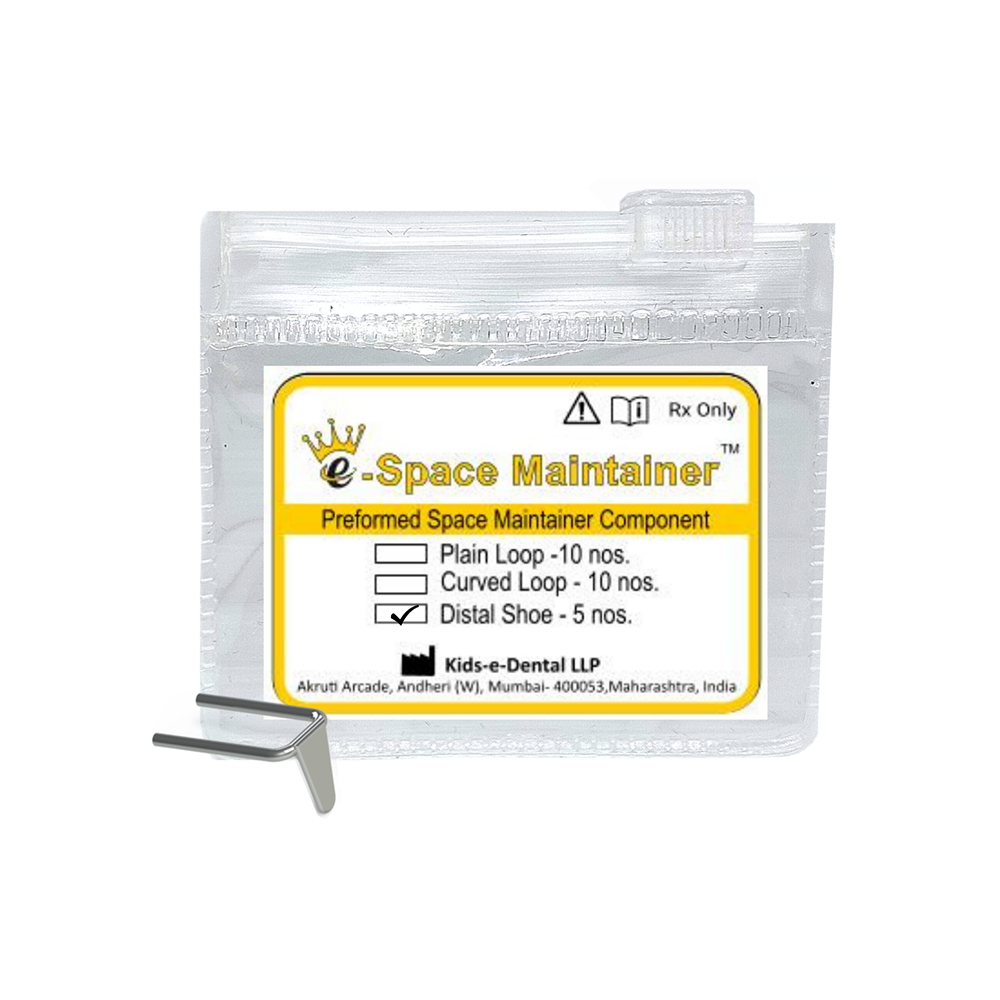
 5
5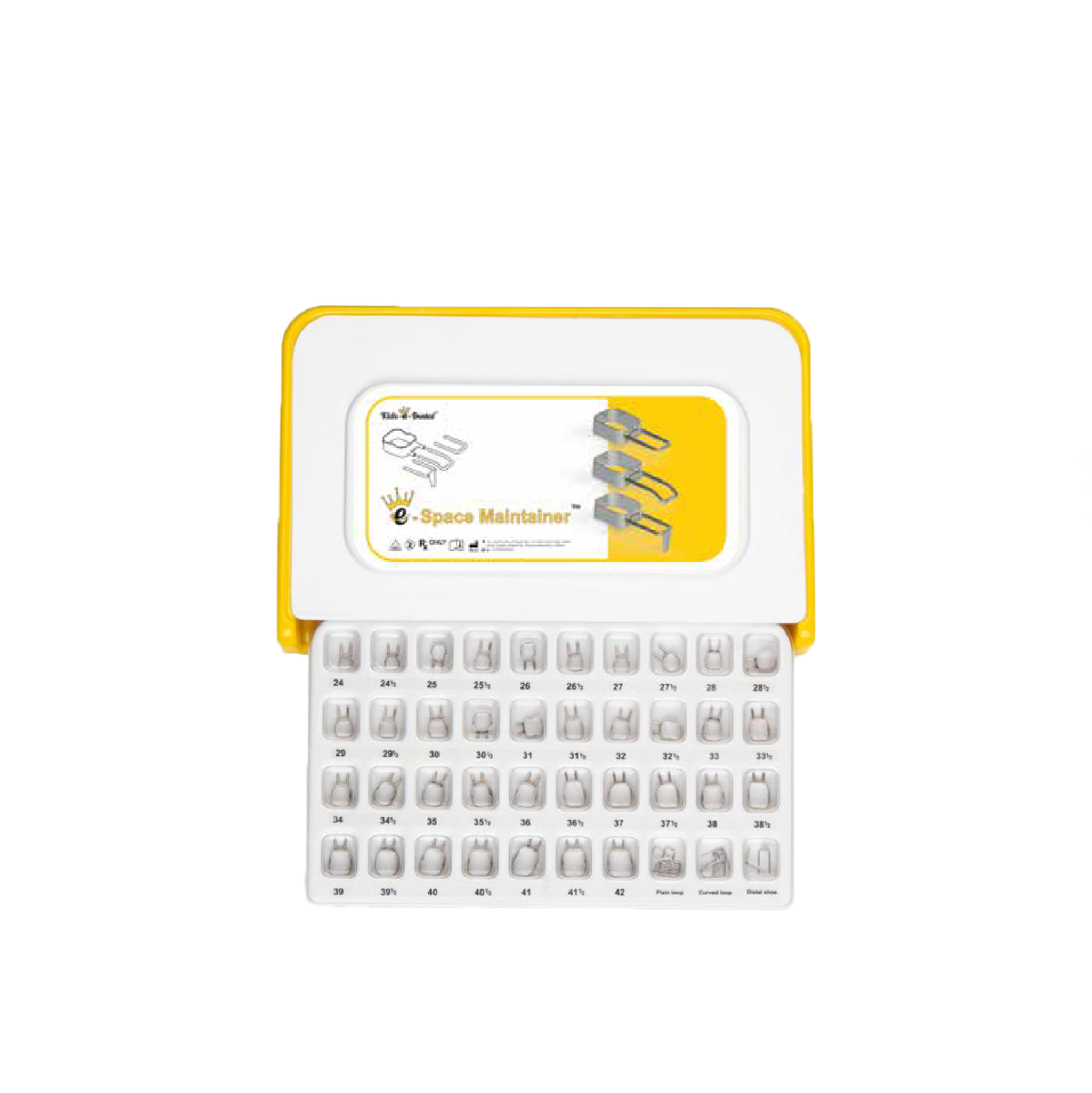
 260
260