





Spatulas
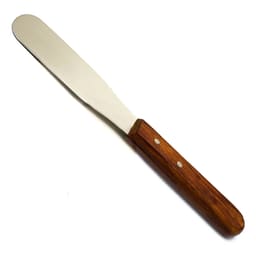
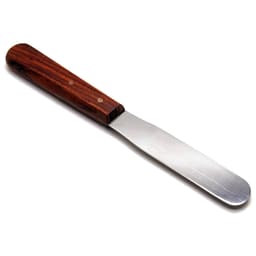
Dental spatulas mix cements, gypsum products, alginate impression material and other plastic restoratives during chair-side and laboratory work. The range covers narrow stainless-steel cement spatulas (CS3-CS6), Heidemann spatulas for cement transfer to the cavity, straight and curved plaster spatulas for gypsum mixing, and plastic alginate spatulas for impression mixing — from GDC, ET, Waldent and Oracraft.
 Recommended
 Price- High to LowPrice- Low to High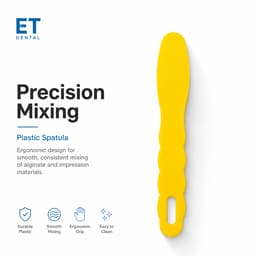

 1
1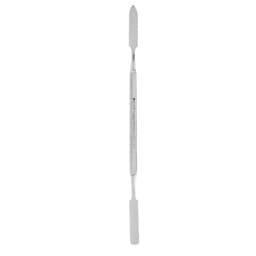
 4
4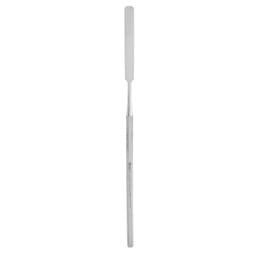


 5
5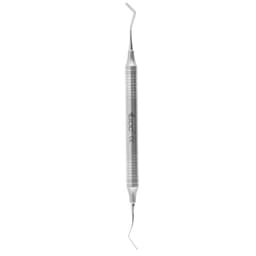

Only 3 Left
19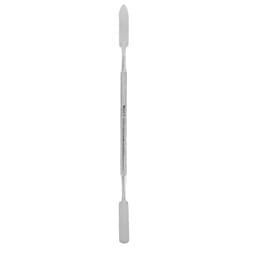
 10
10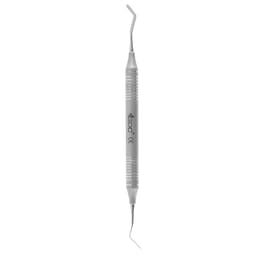
Only 4 Left
19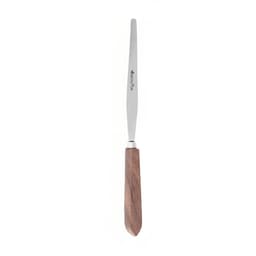
Only 4 Left
7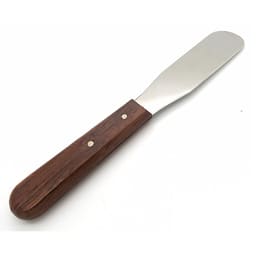
Only 2 Left
5Dental Spatulas — Cement, Heidemann, Plaster & Alginate Mixing Spatulas
Dental spatulas are double-ended hand instruments with flat blade tips engineered to mix dental cements, gypsum products, alginate impression material and other plastic restoratives on a glass slab or in a rubber bowl. Each pattern is matched to a specific material — narrow stainless-steel cement spatulas for glass-ionomer and zinc oxide cement, flat-blade Heidemann spatulas for cement transfer and cavity placement, longer straight or curved plaster spatulas for stone and plaster mixing, and broad plastic alginate spatulas for impression material mixing in rubber bowls.
Types of Dental Spatulas
Cement Mixing Spatulas — Glass-Ionomer, ZOE & Resin Cement Mixing
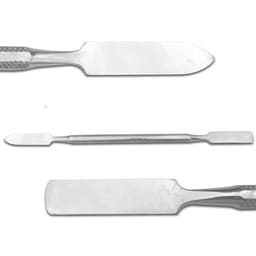
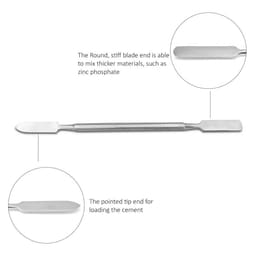
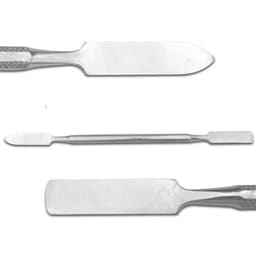
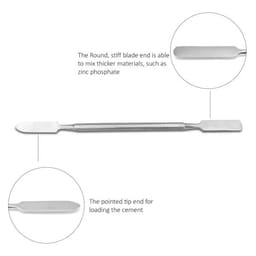
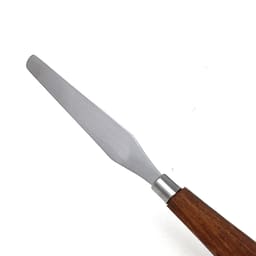
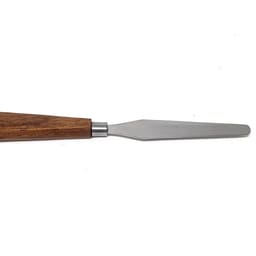
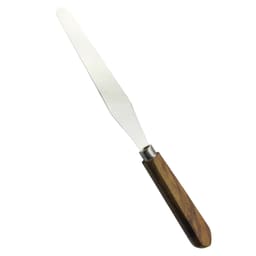
Narrow stainless-steel spatulas with a flat thin blade for mixing dental cements on a glass slab — the everyday spatula for chair-side and lab cement work. Example product: GDC Cement Mixing Spatula #1 (CS3); CS4 and CS6 variants extend the size range, plus Waldent CS 15/703 and Oracraft double-ended CS4 for brand alternatives.
Heidemann Spatulas — Cement Mixing & Cavity Placement
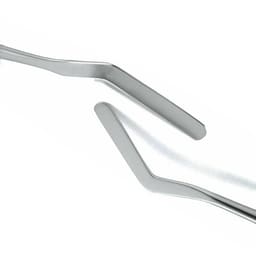
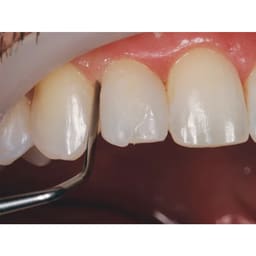
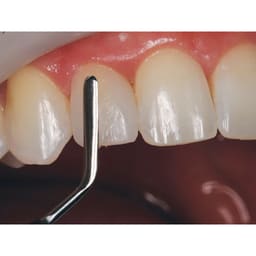
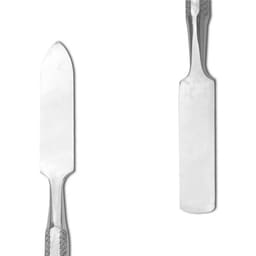
Heidemann spatulas carry a flat blade tip combined with a longer handle — used for mixing cement on the slab and then transferring the mixed material directly into the cavity preparation. Example product: GDC Heidemann Spatula #6 (PFIHS1); PFIHS2 and PFIHS3 variants extend the family with alternative tip geometries.
Plaster Spatulas — Straight & Curved Blades for Gypsum Mixing
Longer-handled plaster spatulas with broad straight or curved blade profiles for mixing dental plaster, stone, die stone and investment material in rubber mixing bowls. Example product: GDC Plaster Mixing Spatula Straight (PS3); GDC Curved Mixing Spatula (PS4) for alginate and softer gypsum mixing where the curved blade clears the bowl wall efficiently.
Alginate Mixing Spatulas — Plastic Blade for Impression Material
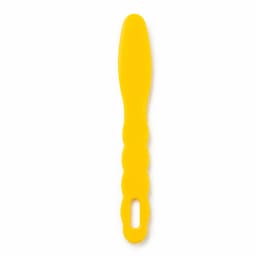
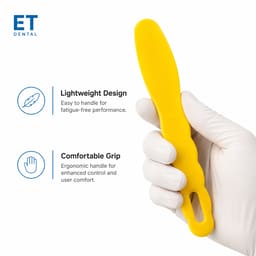
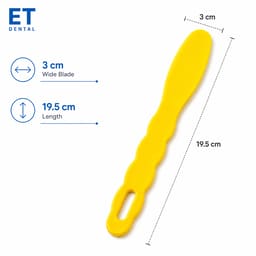
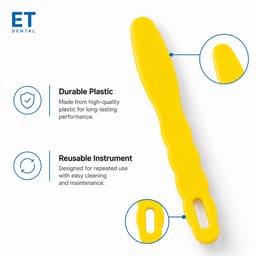
Plastic-blade alginate mixing spatulas avoid contaminating the alginate mix with metal particles and are designed specifically for the curved bowl wall of dental alginate mixing bowls. Example product: ET Plastic Alginate Mixing Spatula (Curved).
Complete Mixing Bowl & Spatula Kits
Universal kits deliver a matched dental mixing bowl plus spatula in one purchase — efficient for new operatory or lab setup. Example product: ET Dental Mixing Bowl & Spatula Universal Kit.
When are dental spatulas used?
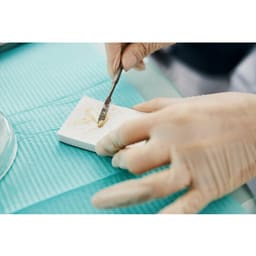
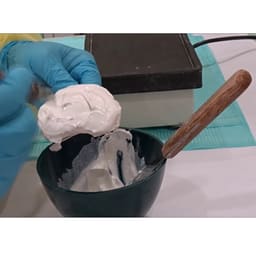
Dental spatulas are used at every mixing step in clinical and laboratory dentistry — mixing cements before restoration cementation, mixing temporary cement before provisional crown placement, mixing alginate for diagnostic impressions, and mixing plaster or stone for diagnostic casts and working models.
- Cement mixing for permanent crown and bridge cementation (glass-ionomer, ZOE, resin)
- Temporary cement mixing for provisional crown delivery
- Cavity liner mixing before restoration placement (Heidemann)
- Alginate impression material mixing for diagnostic impressions
- Dental plaster and stone mixing for diagnostic and working casts
- Die stone and refractory investment mixing for indirect restoration fabrication
How to choose the right dental spatula
- Material being mixed — Stainless-steel cement spatulas for glass-ionomer and ZOE cements; Heidemann for cement-then-cavity-placement workflow; plaster spatulas for gypsum; plastic spatulas for alginate (avoid metal contamination).
- Blade size — Narrow CS3 for small cement amounts; broader CS4/CS6 for larger mix volumes; broad plaster blades (PS3/PS4/PS6) for stone and plaster batches.
- Straight vs curved blade — Straight blades for flat glass-slab mixing; curved blades to follow the rubber-bowl wall during plaster and alginate mixing.
- Material grade — Stainless steel for cement and Heidemann work (autoclavable, durable); plastic for alginate (prevents metal contamination of the impression mix).
- Handle ergonomics — Knurled stainless-steel handles deliver tactile feedback during cement mixing; longer plaster-spatula handles reduce hand fatigue during high-volume lab mixing.
- Individual vs kit — Single spatulas for specific mixing tasks; complete bowl-and-spatula kits (ET Universal Kit) for new operatory or lab setup covering both alginate and plaster mixing.
Dental spatula brands available on Dentalkart
Dental spatulas at Dentalkart cover five trusted brands — GDC (broadest range covering Cement Mixing CS3/CS4/CS6, Heidemann PFIHS1/2/3, Plaster Straight PS3 and Curved PS4, plus PS6), ET (Alginate Mixing Plastic Curved, Dental Mixing Bowl & Spatula Universal Kit), Waldent (Cement Spatula 15/703), Oracraft (Stainless Steel Double-Ended Cement CS4, Mixing Flexible PS6) and an Indian economy cement spatula range.
Why buy dental spatulas from Dentalkart
Every dental spatula ships 100% genuine, sourced directly from the manufacturer or authorised Indian distributor. Dentalkart's 10-day replacement policy covers manufacturing defects; nationwide delivery reaches every Indian pincode within 24–48 hours from temperature-controlled storage. Reach our dental product specialists by chat or call for spatula selection advice. Trusted by 50,000+ dentists across 110000+ Indian pincodes.
Frequently Asked Questions (FAQs):
What is the difference between a cement spatula and a Heidemann spatula?
A cement spatula is a narrow stainless-steel mixing instrument used to mix dental cements on a glass slab — its slim flat blade is sized for cement-only workflow. A Heidemann spatula has a similar flat-blade tip combined with a longer handle, designed for both mixing cement on the slab AND transferring the mixed material directly into the cavity preparation.
Why use a plastic spatula for alginate instead of stainless steel?
You use a plastic spatula for alginate instead of stainless steel because metal blades can leave fine metal particles in the alginate mix, contaminating the impression material and causing discoloration of the resulting gypsum cast. Plastic alginate spatulas (ET Plastic Alginate Mixing Spatula) deliver clean alginate mixing without metallic contamination.
What is the difference between straight and curved plaster spatulas?
A straight plaster spatula carries a flat blade ideal for mixing on a glass slab or in flat-bottom containers. A curved plaster spatula (GDC PS4) has a blade that follows the curved wall of a rubber mixing bowl — collecting the mix efficiently from the bowl edges and reducing waste during plaster, stone and alginate mixing. Most labs keep both.
Should I buy a dental mixing bowl and spatula kit?
You should buy a dental mixing bowl and spatula kit (ET Universal Kit) if you are setting up a new operatory or lab and need both components in one purchase — covering alginate impression mixing and plaster cast pouring. Buy individual spatulas when replacing one worn instrument from an existing setup.
Are the dental spatulas on Dentalkart genuine?
Yes — every dental spatula on Dentalkart is 100% genuine, sourced directly from the manufacturer or authorised Indian distributor. GDC, ET, Waldent and Oracraft ship in original brand packaging with manufacturer batch identifiers. Quality is verified at receiving against the manufacturer's published specifications before being released for dispatch.