

Oral Medicine & Radiology
4.5
Oral medicine and radiology is the diagnostic side of dentistry, and this category gathers what a dental student needs for the posting. It runs from BDS and MDS reference books to RVG sensors, X-ray accessories, examination kits, and lead aprons. Publishers like Jaypee and Elsevier sit alongside imaging and safety brands such as Waldent, Carestream, and Confident.
Sort by - Recommended
 Recommended
 Price- High to LowPrice- Low to High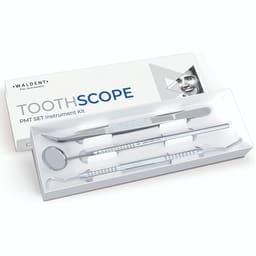

★ 4.6
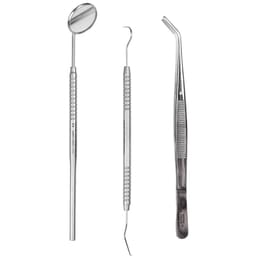
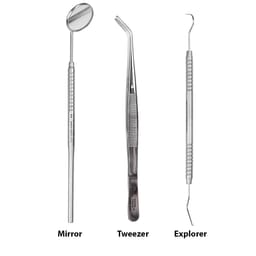
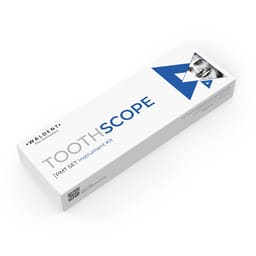
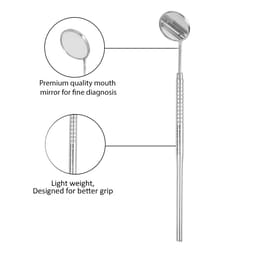
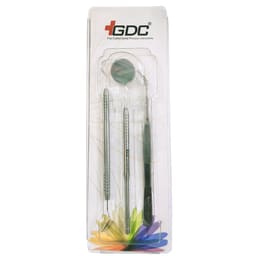
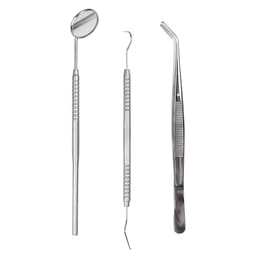
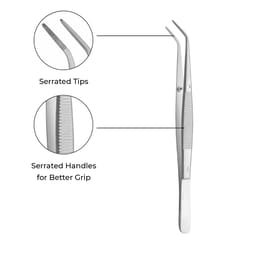
(25)Double-ended probe, mouth mirror and tweezer instrument kit used for routine dental examination and diagnosis.
₹ 350₹ 700
50.00% Off
 10
10View Similar Products
★ 4.0
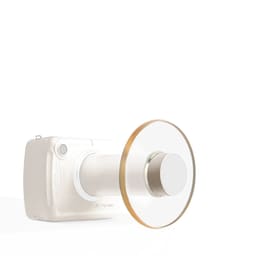
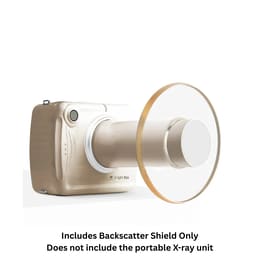
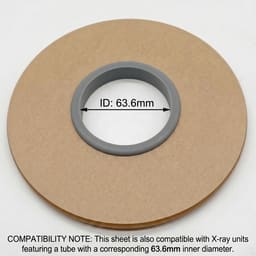
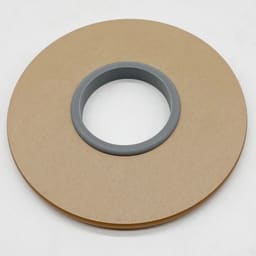
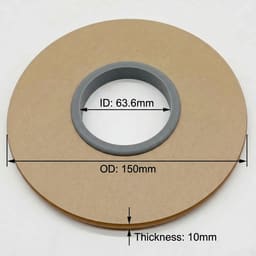
(2)Backscatter shield to block radiation leakage & to protect the operator from radiation exposure
₹ 5240₹ 9800
46.53% Off
260View Similar Products

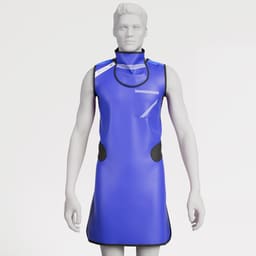
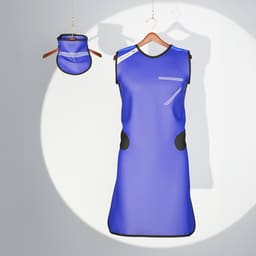
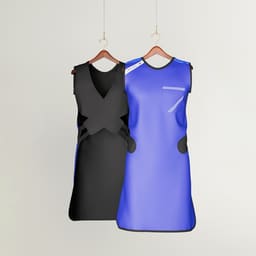

★ 4.5
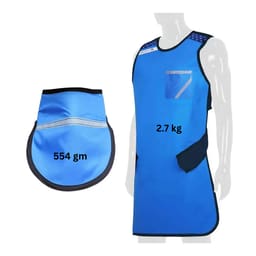
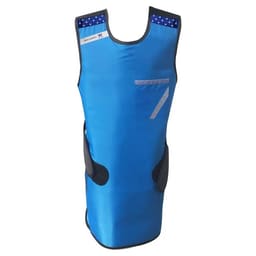
(2)Dental Lead Apron & Thyroid Shield Collar (BARC Approved) ensures radiation safety.
Starting at₹ 735
View Similar Products
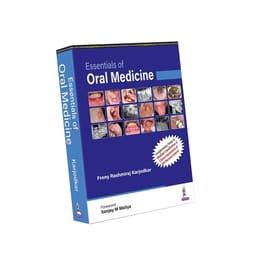
Only 5 Left
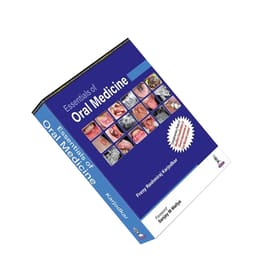
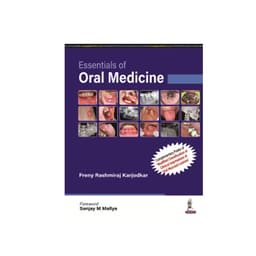
Medical Essentials of Oral Medicine Book by Sanjay M. Mallya A comprehensive guide to oral medicine, covering recent advances, featuring detailed illustrations, and indispensable for dental professionals
₹ 1420₹ 1925
26.23% Off
14View Similar Products
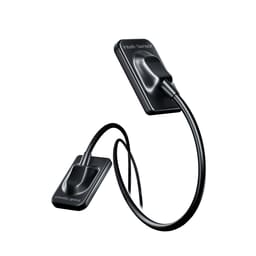
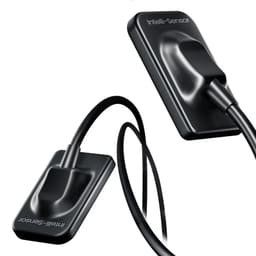
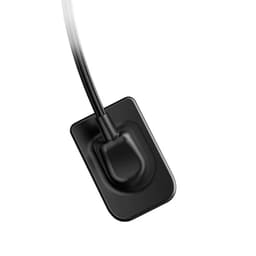
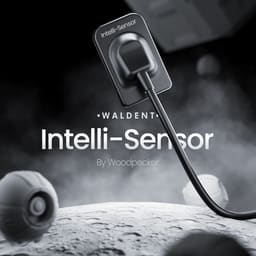
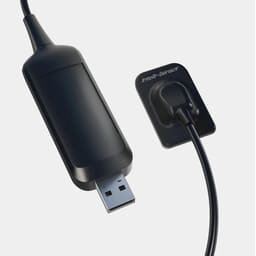

High-quality dental digital radiography sensor compatible with Windows for precise imaging
₹ 55000₹ 210000
73.81% Off
2.7kView Similar Products
★ 5.0
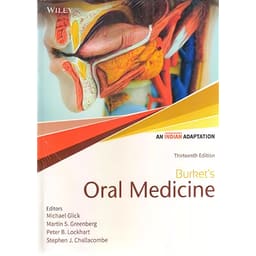
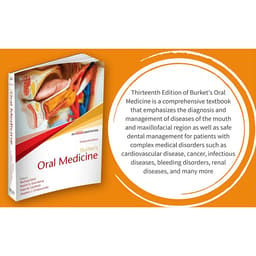
(2)A comprehensive guide book on oral medicine, covering clinical research, geriatric, and pediatric care for improved patient outcomes
₹ 2358₹ 3099
23.91% Off
24View Similar Products
★ 4.4
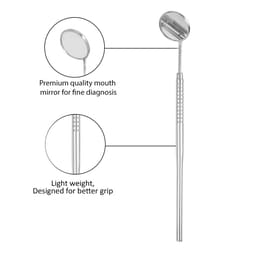
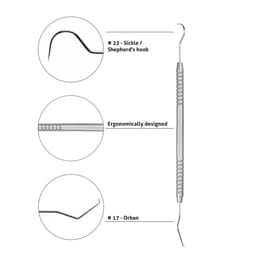
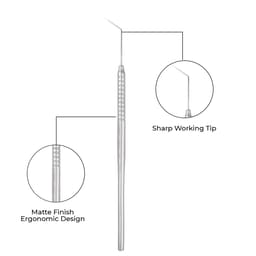
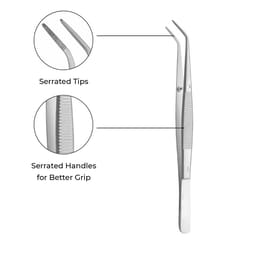
(5)Set of 3 double-ended periodontal maintenance therapy instruments for professional scaling and root planing.
₹ 660₹ 1150
42.61% Off
13View Similar Products
★ 4.5
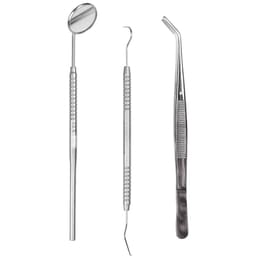
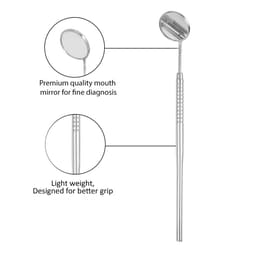
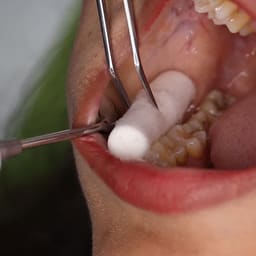
(2)Autoclavable, lightweight Oracraft PMT Set (PMTS4) for precise and comfortable dental examinations.
₹ 665₹ 1300
48.85% Off
13View Similar Products
Filters
Sort By
RecommendedOral Medicine & Radiology — Books, Imaging, Instruments and Safety for the OMR Posting
Oral medicine and radiology is where a dentist learns to read the mouth without a scalpel — spotting mucosal lesions, salivary and TMJ problems, and the systemic diseases that surface orally, then confirming them on an intraoral film, an OPG, or a CBCT scan. For a BDS or MDS student, the subject runs across the lecture hall, the radiology room, and the diagnosis chair, so the kit it needs spans study material, imaging hardware, hand instruments, and the protective gear that keeps a dose safe. This page pulls those four threads together in one place. For the bigger picture on where the field is heading — RVG, CBCT, and AI in diagnosis — read How Advances in Oral Radiology and Medicine Are Changing Dentistry.
Books, atlases and exam prep
The reading list is the backbone of the subject — standard texts and radiographic-interpretation atlases from publishers like Elsevier and Jaypee Brothers, plus the clinical manuals and exam-prep titles pitched at BDS and MDS.
Charts, models, and other educational material round out revision before a viva.
Radiology gear that captures the image
On the radiology side, the category carries the kit that captures the image — RVG sensors and phosphor plates for digital radiographs, plus intraoral film and positioning aids.
Behind them sit the X-ray machines and accessories themselves, from brands such as Waldent, Woodpecker, Runyes, and Carestream.
The oral-medicine examination set
Oral medicine is hands-on diagnosis, so the everyday examination set sits here too — mouth mirrors, probes, tweezers, and full diagnostic kits from Waldent, GDC, and API, alongside the biopsy and tissue-sampling consumables a student meets in minor oral procedures.
Radiation protection
Because every exposure carries a dose, the safety gear is non-negotiable: lead aprons and thyroid collars from Waldent, Confident, and Unicorn Denmart shield both patient and operator, and they belong on the standard radiology-room checklist a student is examined against.
What to buy, and when
Most students buy in stages — the core textbooks and an interpretation atlas first, the diagnostic instruments as clinical postings begin, and a personal lead apron once radiology rotations start. Sourcing the lot from one student section keeps the editions current and the brands genuine — which matters when a borrowed, out-of-date text or an off-spec apron can cost marks or a repeat exposure.
Frequently Asked Questions (FAQs):
What does the oral medicine and radiology subject cover?
It covers the non-surgical diagnosis of oral and maxillofacial disease — reading mucosal lesions, salivary gland and TMJ disorders, oral infections, and the oral signs of systemic illness — and the imaging that backs it up, from intraoral radiographs and OPGs to CBCT. For a student, it is the bridge between clinical examination and a confident diagnosis.
What should a dental student buy for the OMR posting?
Start with the prescribed textbooks and a radiographic-interpretation atlas, add a diagnostic instrument set — mirror, probe, tweezers — for clinical work, and a personal lead apron with thyroid collar for radiology rotations. RVG or film accessories follow only if your department asks students to supply their own.
Which imaging methods will I use, and what captures the image?
Intraoral periapical and bitewing films, the panoramic OPG, and CBCT are the common methods. The image is caught on conventional film, a reusable phosphor plate, or a digital RVG sensor that shows it on screen within seconds — most colleges now run RVG for routine intraoral work.
Is oral medicine a surgical or a medical subject?
It is the medical side of dentistry — diagnosis and non-surgical management rather than operating. A student learns to investigate, order the right radiograph, and manage or refer, which is why the reading and interpretation skills weigh as heavily as any instrument in this posting.
Why does radiation protection get so much emphasis here?
Because radiographs are taken often and the dose adds up, protecting patient and operator is examinable, not optional. A lead apron, a thyroid collar, correct exposure settings, and sensible positioning keep the dose as low as reasonably achievable — the habits a student is expected to show from the very first film.