





Study models
4.8
A dental study model is a lifelike replica of the teeth, gums and jaw, made in resin or plastic. It is used for learning, demonstration and patient communication. Students practise on it, teachers demonstrate with it, and dentists use it to explain treatment. Study models come as orthodontic demo, anatomy, training and patient-education types.
Sort by - Recommended
 Recommended
 Price- High to LowPrice- Low to High
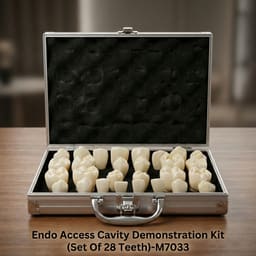

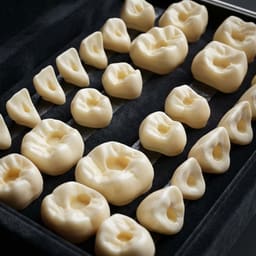
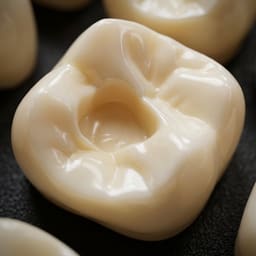
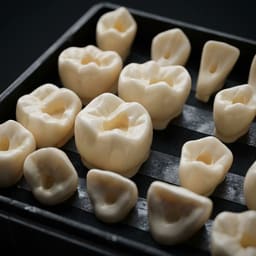
Comprehensive 28-tooth endodontic access cavity demonstration kit designed to train students on access cavity design with lifelike accuracy and durable material construction.
₹ 6810₹ 9990
31.83% Off
 340
340View Similar Products




★ 4.7
(3)Individual replacement typodont teeth compatible with iDENTical Typodonts For Nissin Type Jaw Set TJMA09
₹ 620₹ 2500
75.20% Off
30View Similar Products
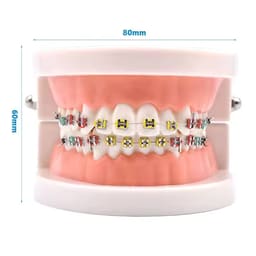
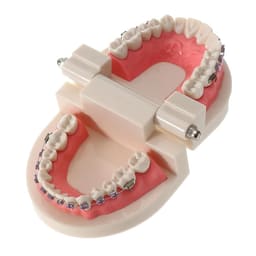
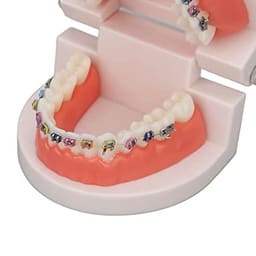
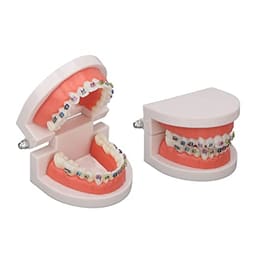
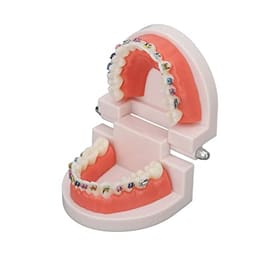
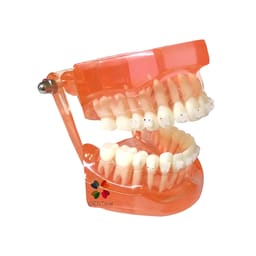
High-quality orthodontic model with metal brackets for education.
₹ 1950₹ 3024
35.52% Off
30View Similar Products
★ 4.5
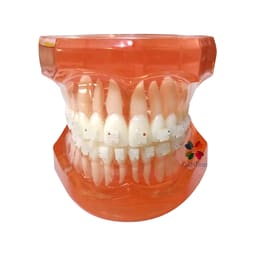
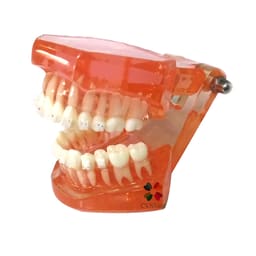
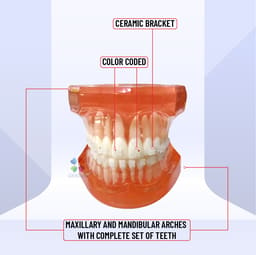
(2)Ceramic bracket model for educating patient about full arch ceramic brackets
₹ 3415₹ 4500
24.11% Off
170View Similar Products
★ 5.0
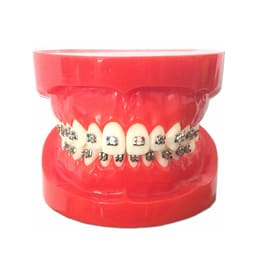
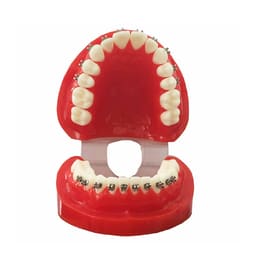
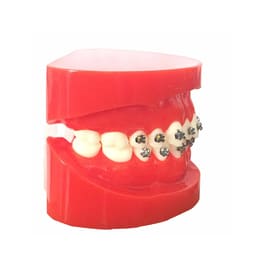
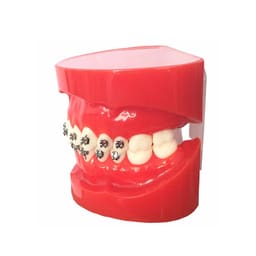
(3)Detailed epoxy resin patient education model showcasing metal brackets for orthodontic treatments
₹ 3005₹ 4500
33.22% Off
150View Similar Products


Only 2 Left
View Similar Products
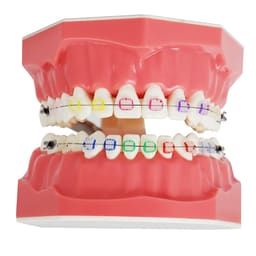
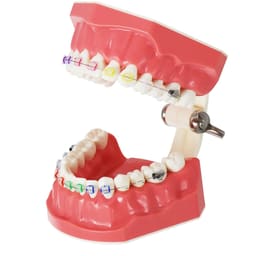
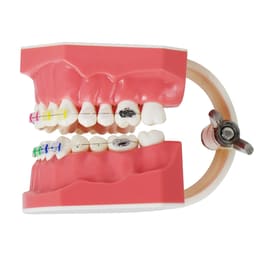
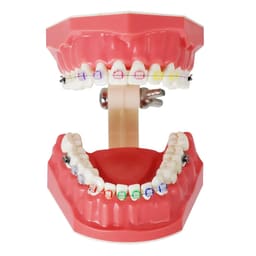
Only 5 Left
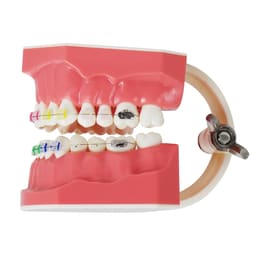
Orthodontic Ceramic Brackets Model with arch wire, modules and molar tubes
₹ 2730₹ 3000
9.00% Off
135View Similar Products
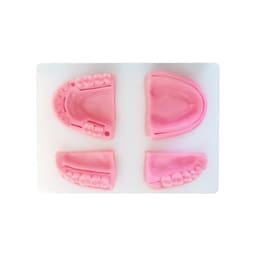

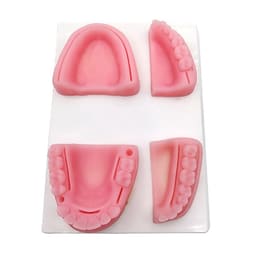
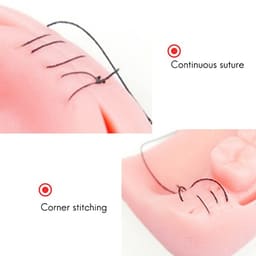
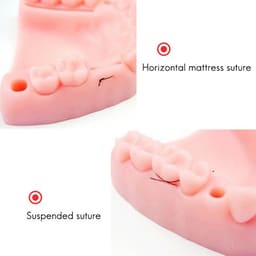
Dental Suture Practice Kit Oral Suture Training Template For Practice and Training
₹ 1500₹ 2500
40.00% Off
75View Similar Products
Filters
Sort By
RecommendedStudy Models
A model shows what words cannot. A patient nods along to an explanation, but truly understands only when the dentist points to the problem on a replica. A student reads about a procedure, then learns it by doing it on one first. Study models make dentistry visible and safe to practise, off the patient. They copy the teeth, gums and jaw closely enough to teach and plan on.
They come in resin, plastic or a soft gum-like material, depending on the job. Some are rigid, for display. Others are soft, so a student can cut, suture or place brackets on them. All share one purpose: to stand in for a real mouth so learning can happen safely. They sit alongside the teaching aids in the wider typodonts range.
Models for demonstration
The first job of a study model is to show something clearly.
An orthodontic demonstration model carries real brackets and wires on lifelike teeth. A patient can see exactly how braces will work before saying yes. A patient education model with orthodontic brackets is made for this chairside talk. Seeing the appliance in the hand makes treatment real and helps a patient agree to it.
Models for training
The second job is to let a student practise before touching a patient.
Suture and surgical models
A suture training model has a soft, skin-like surface for practising stitches and flap closure. It lets a student build the hand skills of surgery safely and repeatedly. A dental suture training model is designed for this repeated practice.
Bracket and ortho models
An orthodontic training model lets a student bond and position brackets by hand. A complete metal bracket ortho model shows a full set-up to copy and learn from. Practising on a model builds accuracy before the same work is done in a real mouth.
Materials and realism
How realistic a model is depends on what it is made of.
Rigid resin or plastic is durable and holds detail. That suits display and demonstration. Softer, gum-like material feels closer to real tissue, which matters for cutting and suturing practice. A good study model balances lifelike detail with a build tough enough for repeated use. The more realistic it is, the better it prepares a student for the real thing.
How to choose
Choose the model for the task. A demonstration model for patient communication, a soft training model for suturing or surgery, and a bracket model for orthodontic practice. Match the level of detail and material to how it will be used.
For students building the full range of clinical skills, keeping a few model types covers demonstration, anatomy and practice. These models complement the practice teeth and jaws in the wider orthodontics teaching range.
Frequently Asked Questions (FAQs):
What is a dental study model used for?
A dental study model is a lifelike replica of the teeth, gums and jaw. It is used for learning, demonstration and patient communication. Students practise procedures on it, teachers demonstrate anatomy with it, and dentists use it to explain treatment. It lets dentistry be taught, shown and planned off the patient, safely and repeatedly.
What types of study model are there?
Several. Demonstration types, often with brackets, show a patient how treatment will look. Anatomy types display the teeth and jaw for teaching. Training ones, made of softer material, let students practise suturing, surgery or bracket placement. Patient-education types are made for chairside explanation. The choice comes down to whether you need to show something or to practise on it.
How does a study model help with patient communication?
It makes treatment visible. When a dentist points to a replica of the teeth or an appliance, a patient sees the problem and the plan far more clearly than from words alone. One with orthodontic brackets, for example, shows exactly how braces will sit and work. This helps patients understand and agree to treatment with confidence.
What material are study models made from?
Usually resin, plastic or a soft gum-like material. Rigid resin and plastic are durable and hold fine detail, which suits display and demonstration models. Softer, tissue-like materials feel closer to real gum and are used for suture and surgical training, where the model must be cut or stitched. The material is matched to the model's purpose.
Are study models suitable for dental students?
Yes, they are a core learning tool. A student can practise suturing, bracket bonding and other procedures as many times as needed before treating a real patient. This builds accuracy and confidence safely. Training-grade models with realistic material are the most useful for developing clinical hand skills.