Login
image
image
Home
sutures needles
Sutures & Needles
Sutures & Needles for Dental Professionals - Essential Tools for Precision and Healing In the realm of dental procedures, precision and meticulous attention to detail are paramount. The use of sutures and needles is an indispensable facet of oral surgery, aiding dental professionals in promoting healing and achieving optimal outcomes. A surgical suture, a vital medical tool, serves the crucial function of holding tissues together after dental surgery or injury. It consists of a needle affixed to a length of thread, and throughout its extensive history, a myriad of shapes, sizes, and thread materials have been developed to cater to various surgical needs. Professionals across dentistry, including surgeons, dentists, and clinical nursing personnel, rely on sutures to ensure patients' speedy recovery and enhance post-operative results. Sutures and Needles in Dentistry The significance of sutures and needles in dentistry is profound. They contribute to minimizing bleeding, reducing tissue inflammation, and supporting the healing process, thereby ensuring successful outcomes for dental procedures. These tools aid in approximating tissues, preventing infection, and maintaining the structural integrity of the surgical site. By holding the tissue edges together, sutures promote proper wound healing and diminish the likelihood of complications. The selection of appropriate sutures and needles depends on factors such as the type of dental procedure, tissue thickness, and the desired tension. Thread materials vary from traditional options like silk to modern absorbable materials that eliminate the need for suture removal. The wide spectrum of shapes and sizes accommodates the diverse anatomical nuances of oral surgery, allowing dental professionals to exercise precision and achieve optimal results. Dentalkart: Your Comprehensive Source for Sutures & Needles Dentalkart stands as a reliable partner for dental professionals seeking the finest tools for their practice. In the "Sutures & Needles" category , an expansive array of dental sutures and needles is available to cater to varied clinical needs. These products hail from esteemed brands such as All Med, Ethicon, LifeSilk , and Lifeline , ensuring quality and reliability. Dentalkart offers an extensive range of dental sutures in different sizes, and shapes. Dental professionals can explore a variety of options to match their specific requirements, fostering a seamless surgical experience. With a commitment to excellence and a dedication to serving the dental community, Dentalkart provides dental professionals with the essential tools they need to excel in their practice. Frequently asked Questions(FAQs) Q: What are the different types of dental stitches? A: In dentistry, there are several types of stitches or sutures that are commonly used based on the specific needs of the procedure, the location of the incision, and the expected healing process. Here are some of the different types of dental stitches: Simple Interrupted Suture: This is the most common type of suture used in dentistry. It involves tying individual knots to hold the wound edges together. It's versatile and can be used for various types of incisions. Continuous Suture (Running Suture): In this technique, the suture thread is passed through the tissue in a continuous manner, creating a continuous line of stitches. This can help save time, but if one part of the suture breaks, the entire line may be compromised. Horizontal Mattress Suture: This suture type is particularly useful when suturing tension-prone areas. It involves passing the suture through the tissue, then looping it back through the opposite side before tying the knot. This helps in better wound approximation and reduced tension on the wound edges. Vertical Mattress Suture: Similar to the horizontal mattress suture, this technique involves passing the suture through the tissue on one side of the wound, then looping it back through the tissue on the opposite side. It's particularly useful for deep wounds or areas where precise wound closure is required. Figure-8 Suture: This suture resembles the shape of the number 8. It's used in areas with irregular wound edges or where there's a need for additional support to maintain wound closure. Simple Continuous Suture: Similar to the continuous suture, this technique involves creating a line of stitches, but instead of being a single thread, it's a series of stitches tied one after the other. Interrupted Sling Suture: This type of suture is used to stabilize a flap of tissue. It involves creating a loop around a tooth or implant and then suturing the loop to the adjacent tissue. Vertical Sling Suture: Similar to the interrupted sling suture, this technique involves creating a vertical loop around a tooth or implant and suturing it to adjacent tissue. Horizontal Sling Suture: This type of suture involves creating a horizontal loop around a tooth or implant and suturing it to adjacent tissue. Continuous Locking Suture: This is a modification of the continuous suture where additional knots are tied to prevent the suture from unraveling if one part breaks. Continuous Vertical Mattress Suture: A combination of the continuous suture and vertical mattress suture techniques, this stitch pattern is used for deep wounds or those requiring strong tension control. Q: What suture needles are used in dentistry? A: In dentistry, a variety of suture needles are used based on the specific requirements of the procedure, the type of tissue being sutured, and the desired outcome. Here are some common types of suture needles used in dentistry: Straight Needles: Straight needles are the most basic type of needle and are used for simple suturing tasks. They are straight from end to end and are suitable for suturing easily accessible areas. Half-Curved Needles (Ski Needles): These needles have a slight curve along their length, making them suitable for suturing curved incisions. They are particularly useful in areas where it's important to follow the contour of the tissue. Half-Curved Needles with Straight Ends (Canoe Needles): Canoe needles are curved in the middle but have straight ends. They offer versatility for various suture patterns and are especially useful when a combination of straight and curved suturing is needed. 1/4 Circle Needles: These needles have a moderate curve, forming a quarter-circle shape. They are used for suturing in confined spaces or when working around obstacles. 3/8 Circle Needles: These needles have a slightly larger curve than 1/4 circle needles, making them useful for suturing in tighter spots and for achieving better maneuverability. 1/2 Circle Needles: This type of needle has a more pronounced curve, forming a half-circle shape. It's available in various subtypes such as CT, CT-1, CT-2, and CT-3, each with a progressively smaller size. These needles are versatile and can be used for a range of procedures. 5/8 Circle Needles: These needles have a greater curve than 1/2 circle needles, making them suitable for suturing deeper tissues or for situations where access is limited. Compound Curve Needles: Compound curve needles have a complex curve that makes them suitable for challenging anatomical regions or when the wound edges aren't aligned in a single plane. Taper Point Needles: These needles have a sharp tapering point, making them easy to penetrate tissues. They are often used for delicate tissues. Cutting Needles: Cutting needles have a triangular cutting edge on the inside curve, which makes them particularly useful for tough or fibrous tissues that require cutting through during suturing. Reverse Cutting Needles: These needles have a cutting edge on the outside curve, reducing tissue trauma while providing effective cutting. They are often used for suturing in areas with higher tension. Precision Point Needles: These needles have an exceptionally sharp point, making them ideal for fine and delicate tissues. They minimize tissue trauma and are commonly used in microsurgery. Q: What are the different types of suture materials available at Dentalkart? A: Suture materials can be absorbable (dissolve over time) or non-absorbable. Common materials include silk, nylon, polyglycolic acid (PGA), and polyglactin (Vicryl). The choice depends on the procedure and healing requirements. Q: What suturing techniques are best for minimizing scar formation in challenging anatomical areas, such as the vermillion border of the lip? A: For delicate areas like the vermillion border, consider using subcuticular sutures or fine monofilament sutures to ensure minimal scarring and optimal cosmetic results. Q: Are there any specific techniques for suturing oral mucosa? A: Techniques like interrupted sutures, continuous sutures, and horizontal/vertical mattress sutures are often used for oral mucosal closure. The choice depends on the wound location and characteristics. Q: How does Dentalkart ensure the quality of its sutures and needles? A: Dentalkart offers sutures and needles from trusted brands known for quality and reliability. Our curated collection ensures you have access to the finest tools for your dental procedures. Q: How to know if a suture site is infected? A: Signs of infection include increased pain, redness, swelling, pus, and a foul odor. Q: Do different suture materials have different levels of tissue reaction? A: Yes, some materials may cause more tissue reaction than others. Monofilament sutures are often associated with less tissue inflammation compared to braided sutures. Q: Are there specialized suture materials designed for high-tension areas, such as in ridge augmentation procedures? A: Yes, high-tension areas may benefit from non-absorbable sutures like polypropylene or nylon due to their strength and resistance to tissue tension.
Read more
Sutures & Needles

Sutures & Needles for Dental Professionals - Essential Tools for Precision and Healing

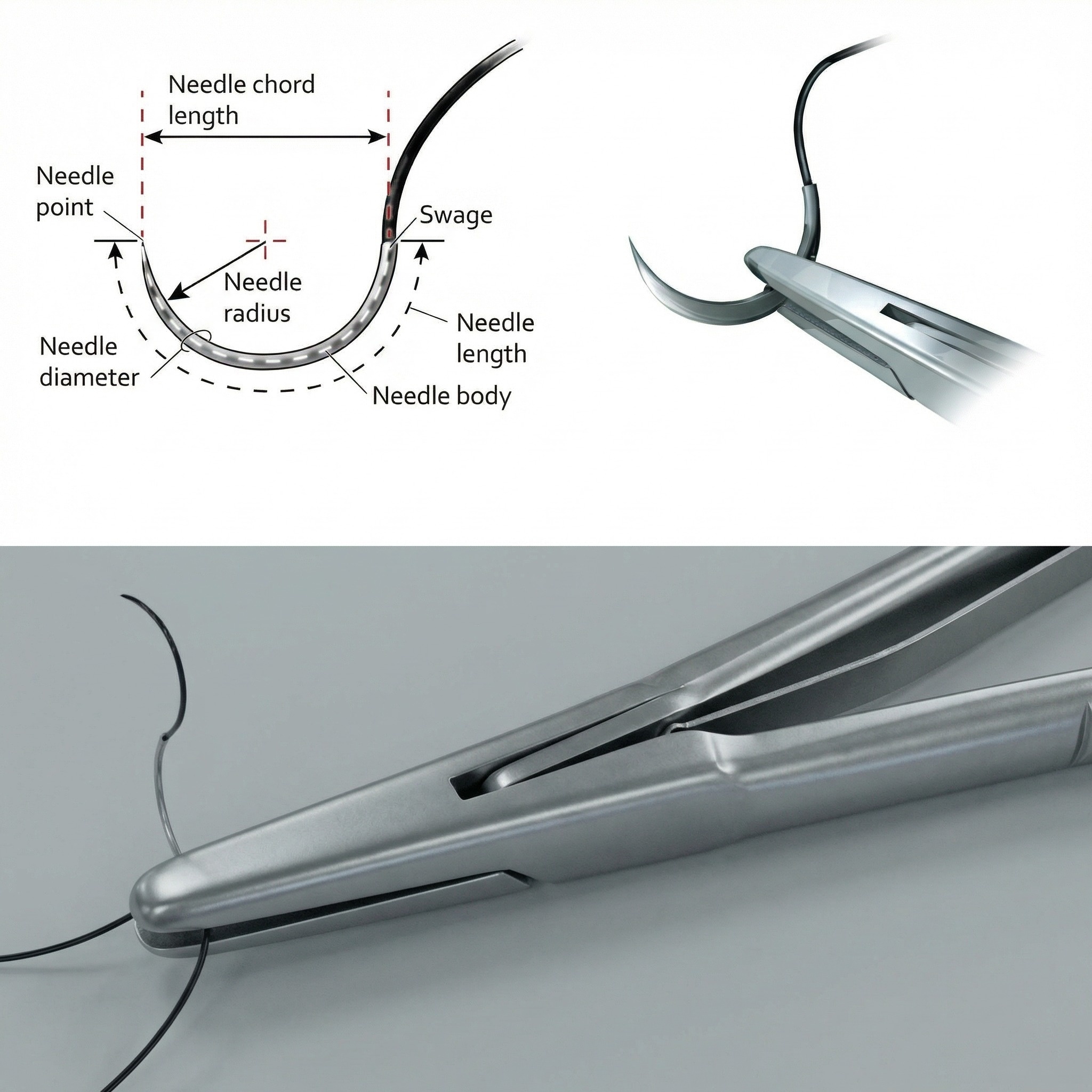
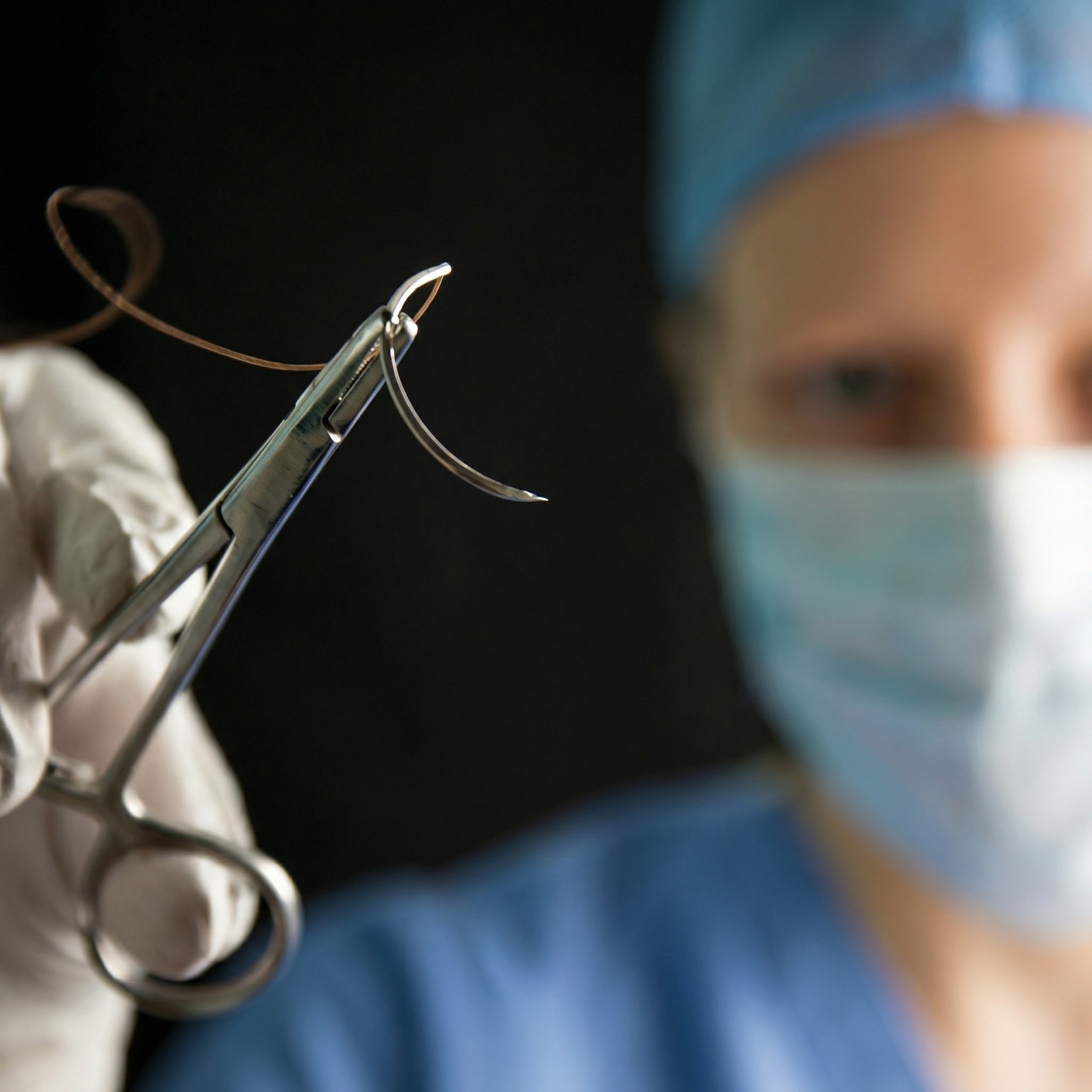
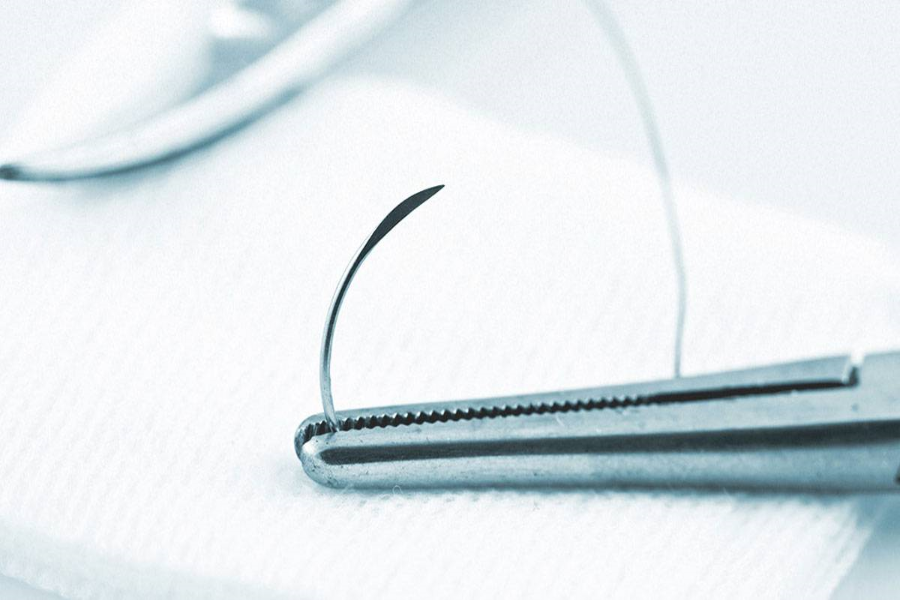
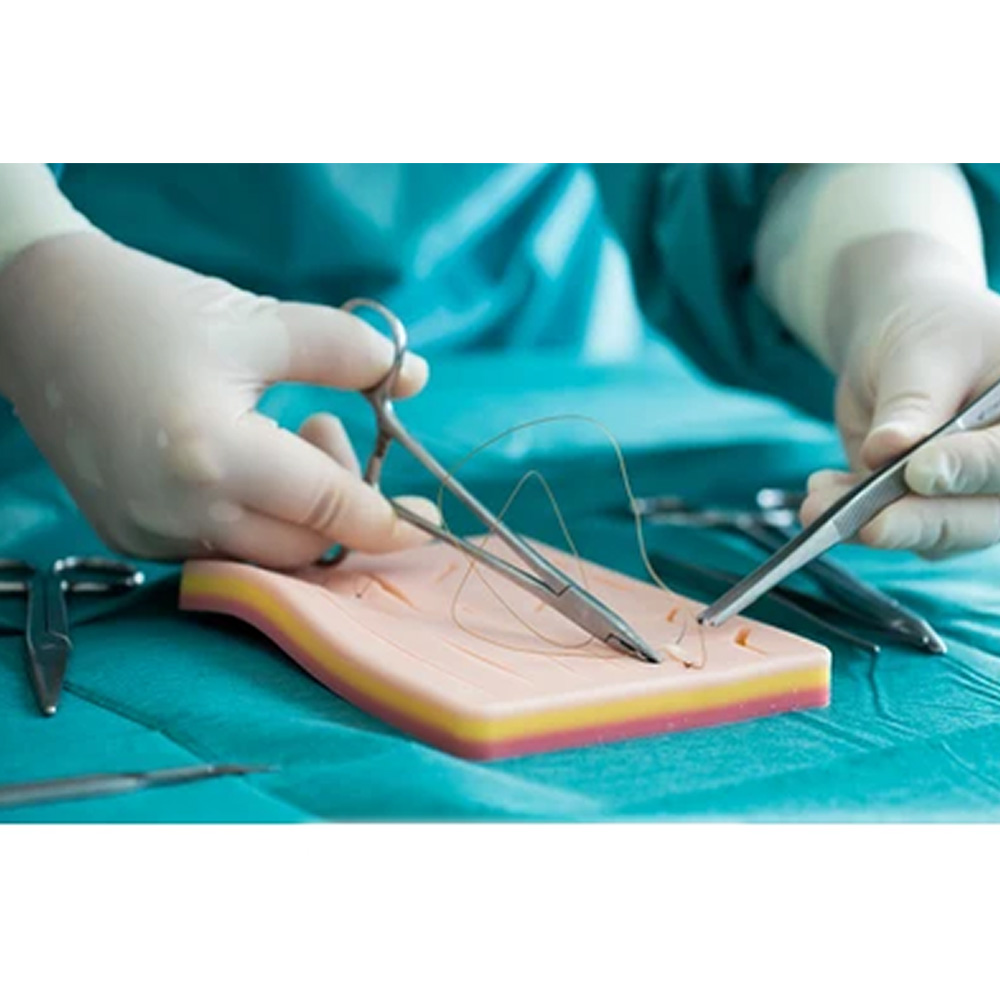
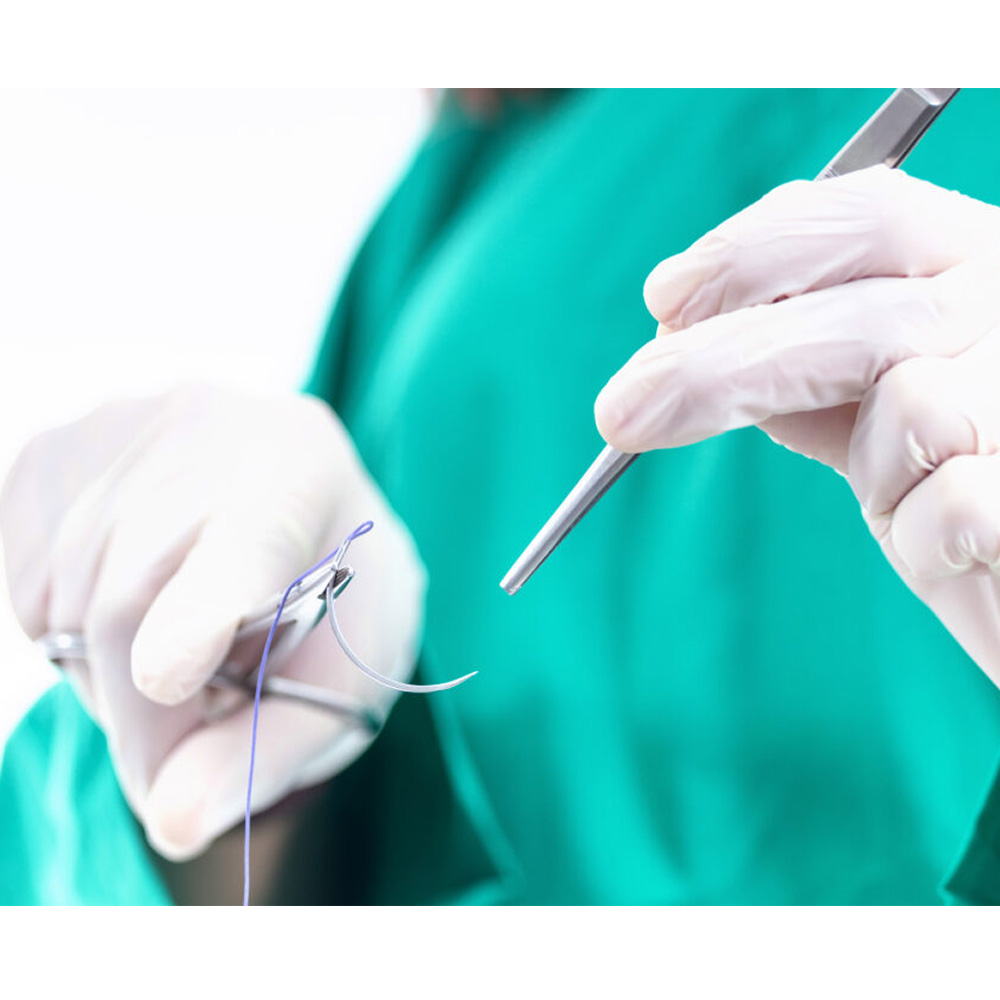
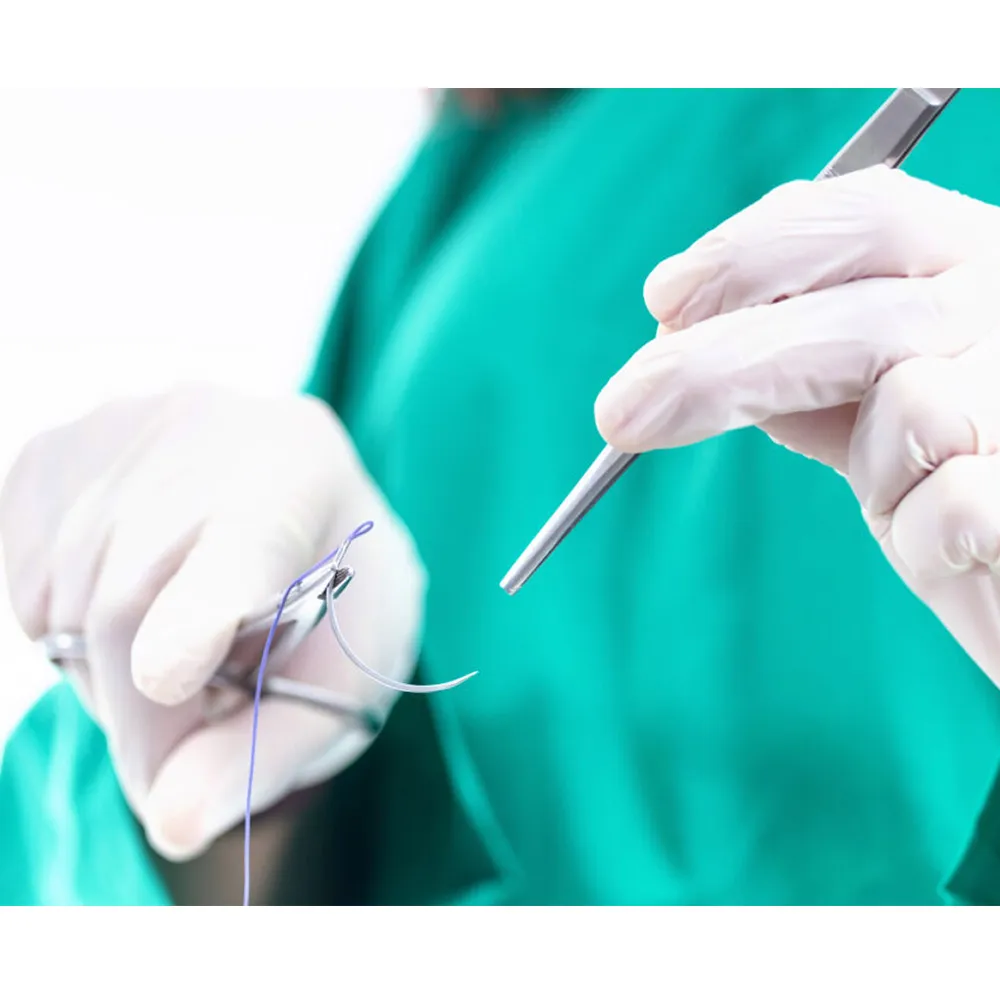
In the realm of dental procedures, precision and meticulous attention to detail are paramount. The use of sutures and needles is an indispensable facet of oral surgery, aiding dental professionals in promoting healing and achieving optimal outcomes. A surgical suture, a vital medical tool, serves the crucial function of holding tissues together after dental surgery or injury. It consists of a needle affixed to a length of thread, and throughout its extensive history, a myriad of shapes, sizes, and thread materials have been developed to cater to various surgical needs. Professionals across dentistry, including surgeons, dentists, and clinical nursing personnel, rely on sutures to ensure patients' speedy recovery and enhance post-operative results.

Sutures and Needles in Dentistry

The significance of sutures and needles in dentistry is profound. They contribute to minimizing bleeding, reducing tissue inflammation, and supporting the healing process, thereby ensuring successful outcomes for dental procedures. These tools aid in approximating tissues, preventing infection, and maintaining the structural integrity of the surgical site. By holding the tissue edges together, sutures promote proper wound healing and diminish the likelihood of complications. The selection of appropriate sutures and needles depends on factors such as the type of dental procedure, tissue thickness, and the desired tension. Thread materials vary from traditional options like silk to modern absorbable materials that eliminate the need for suture removal. The wide spectrum of shapes and sizes accommodates the diverse anatomical nuances of oral surgery, allowing dental professionals to exercise precision and achieve optimal results.

Dentalkart: Your Comprehensive Source for Sutures & Needles

Dentalkart stands as a reliable partner for dental professionals seeking the finest tools for their practice. In the "Sutures & Needles" category, an expansive array of dental sutures and needles is available to cater to varied clinical needs. These products hail from esteemed brands such as All Med, Ethicon, LifeSilk, and Lifeline, ensuring quality and reliability. Dentalkart offers an extensive range of dental sutures in different sizes, and shapes. Dental professionals can explore a variety of options to match their specific requirements, fostering a seamless surgical experience. With a commitment to excellence and a dedication to serving the dental community, Dentalkart provides dental professionals with the essential tools they need to excel in their practice.


Frequently asked Questions(FAQs)

Q: What are the different types of dental stitches?
A:
In dentistry, there are several types of stitches or sutures that are commonly used based on the specific needs of the procedure, the location of the incision, and the expected healing process. Here are some of the different types of dental stitches:

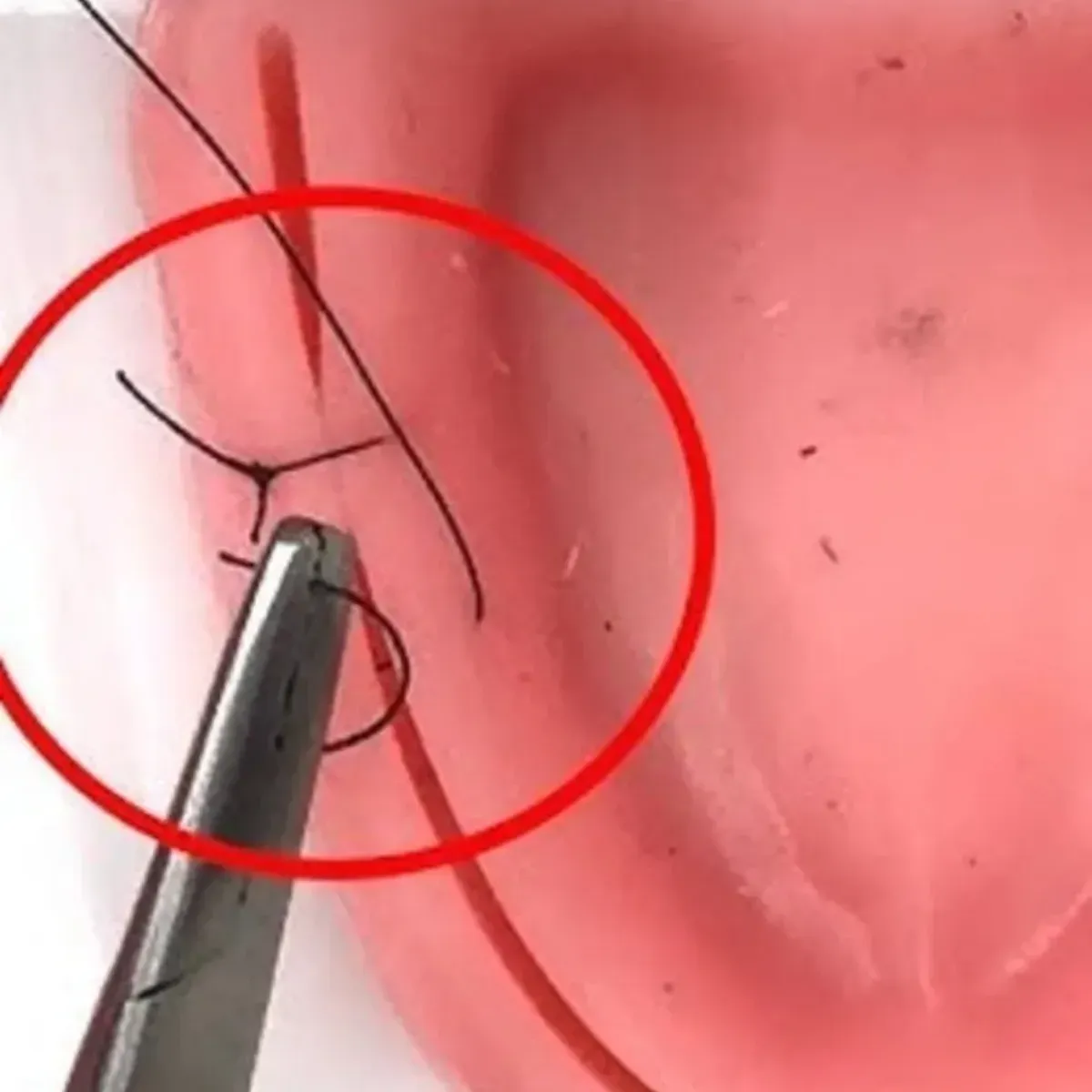
  • Simple Interrupted Suture: This is the most common type of suture used in dentistry. It involves tying individual knots to hold the wound edges together. It's versatile and can be used for various types of incisions.
  • Continuous Suture (Running Suture): In this technique, the suture thread is passed through the tissue in a continuous manner, creating a continuous line of stitches. This can help save time, but if one part of the suture breaks, the entire line may be compromised.
  • Horizontal Mattress Suture: This suture type is particularly useful when suturing tension-prone areas. It involves passing the suture through the tissue, then looping it back through the opposite side before tying the knot. This helps in better wound approximation and reduced tension on the wound edges.
  • Vertical Mattress Suture: Similar to the horizontal mattress suture, this technique involves passing the suture through the tissue on one side of the wound, then looping it back through the tissue on the opposite side. It's particularly useful for deep wounds or areas where precise wound closure is required.
  • Figure-8 Suture: This suture resembles the shape of the number 8. It's used in areas with irregular wound edges or where there's a need for additional support to maintain wound closure.
  • Simple Continuous Suture: Similar to the continuous suture, this technique involves creating a line of stitches, but instead of being a single thread, it's a series of stitches tied one after the other.
  • Interrupted Sling Suture: This type of suture is used to stabilize a flap of tissue. It involves creating a loop around a tooth or implant and then suturing the loop to the adjacent tissue.
  • Vertical Sling Suture: Similar to the interrupted sling suture, this technique involves creating a vertical loop around a tooth or implant and suturing it to adjacent tissue.
  • Horizontal Sling Suture: This type of suture involves creating a horizontal loop around a tooth or implant and suturing it to adjacent tissue.
  • Continuous Locking Suture: This is a modification of the continuous suture where additional knots are tied to prevent the suture from unraveling if one part breaks.
  • Continuous Vertical Mattress Suture: A combination of the continuous suture and vertical mattress suture techniques, this stitch pattern is used for deep wounds or those requiring strong tension control.

Q: What suture needles are used in dentistry?
A: 
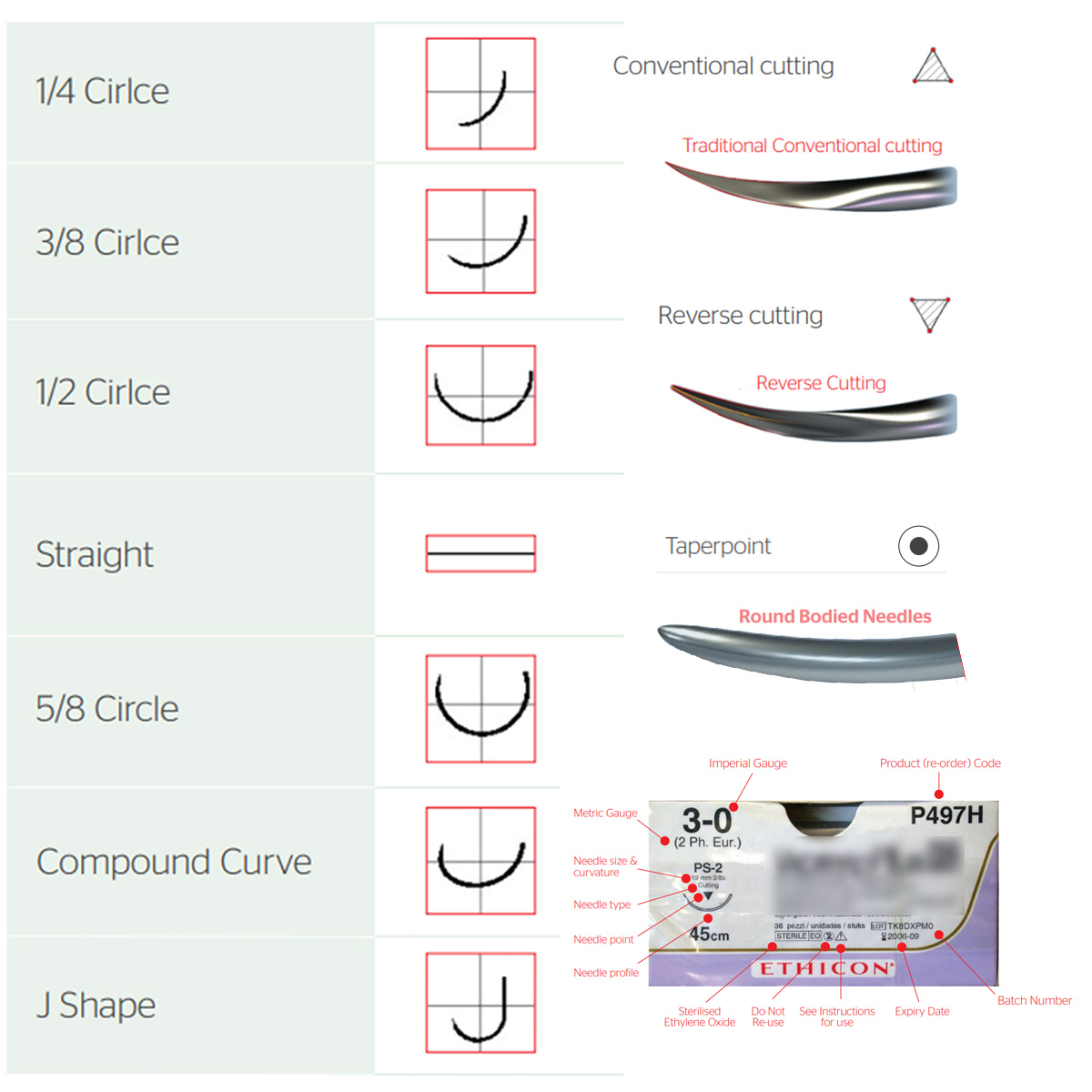
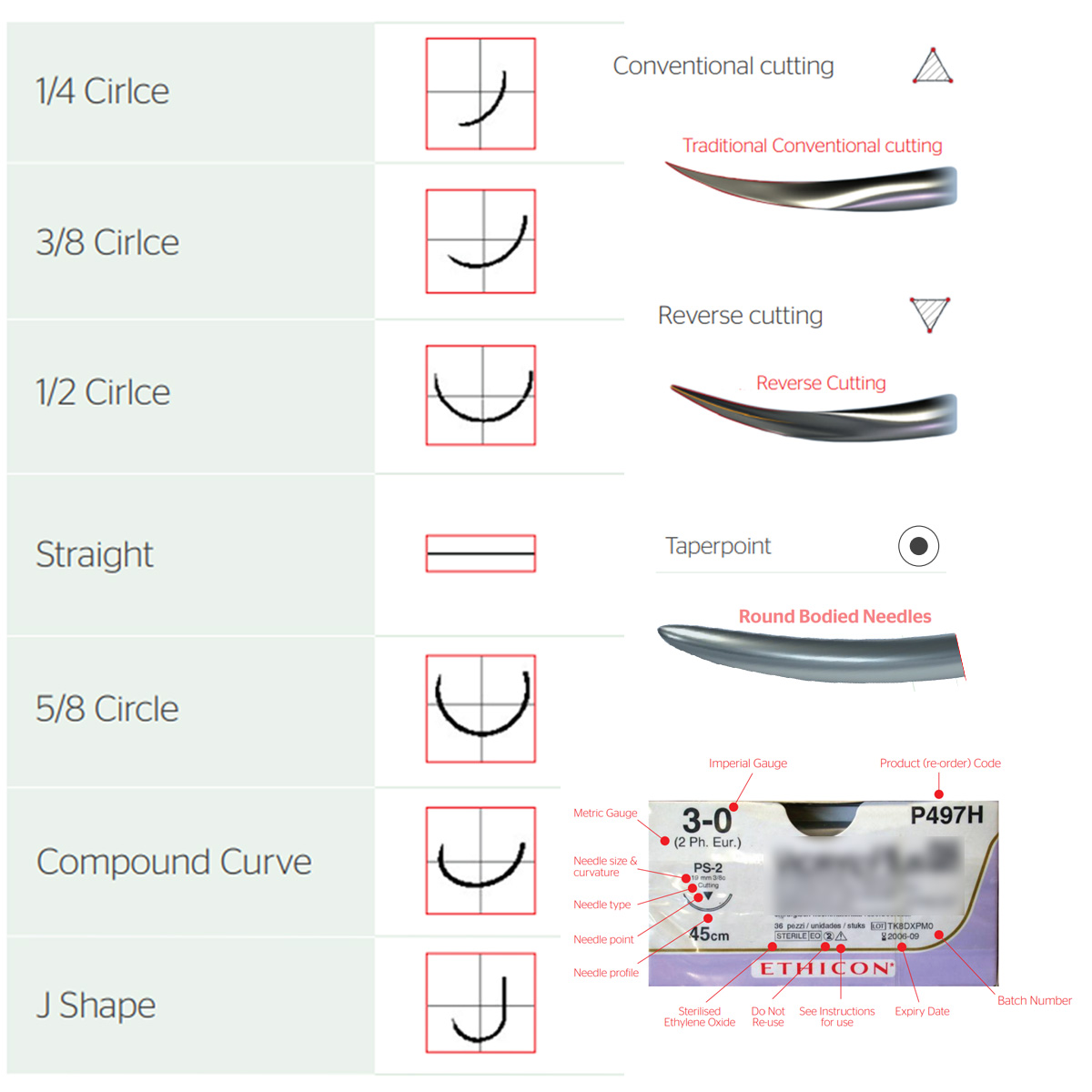
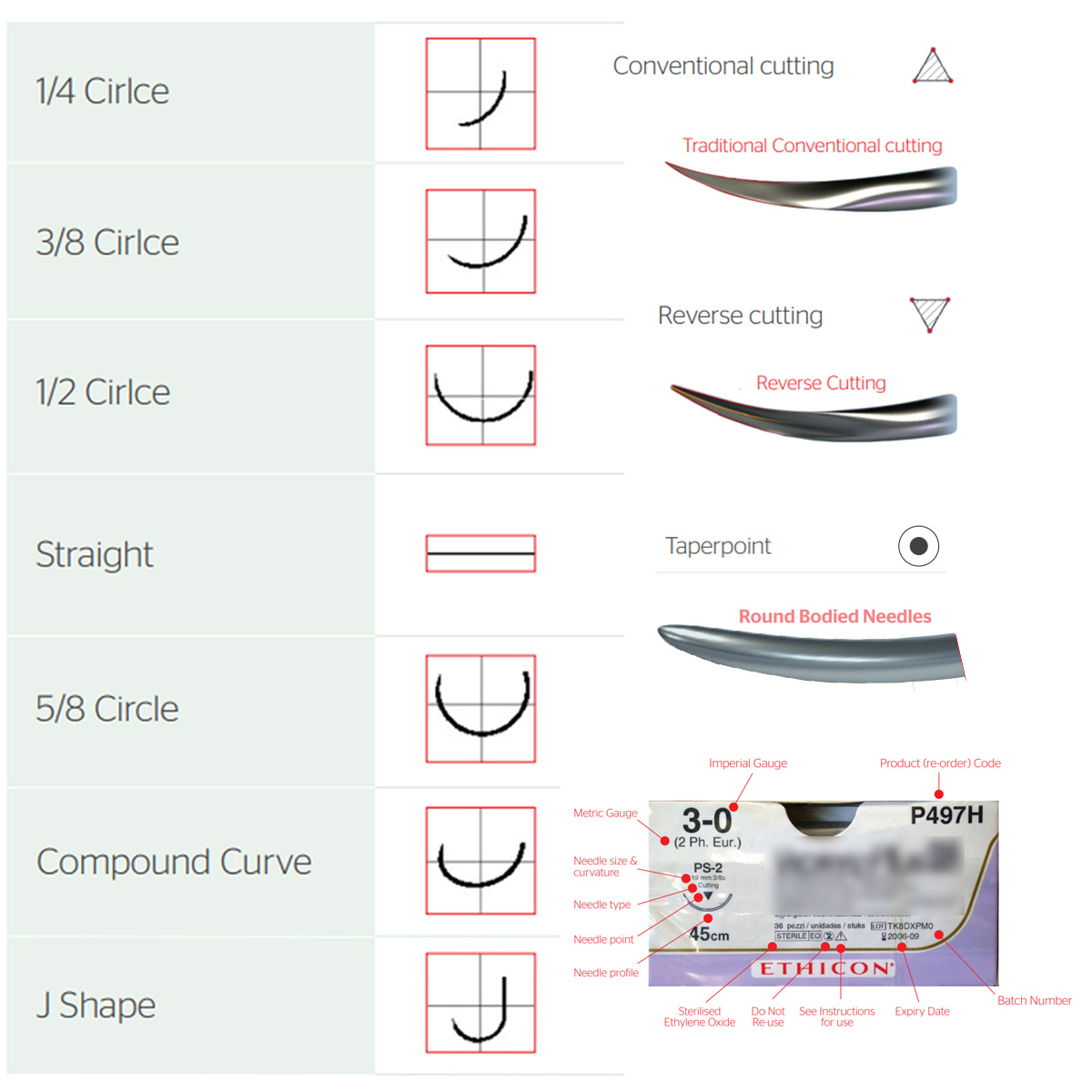
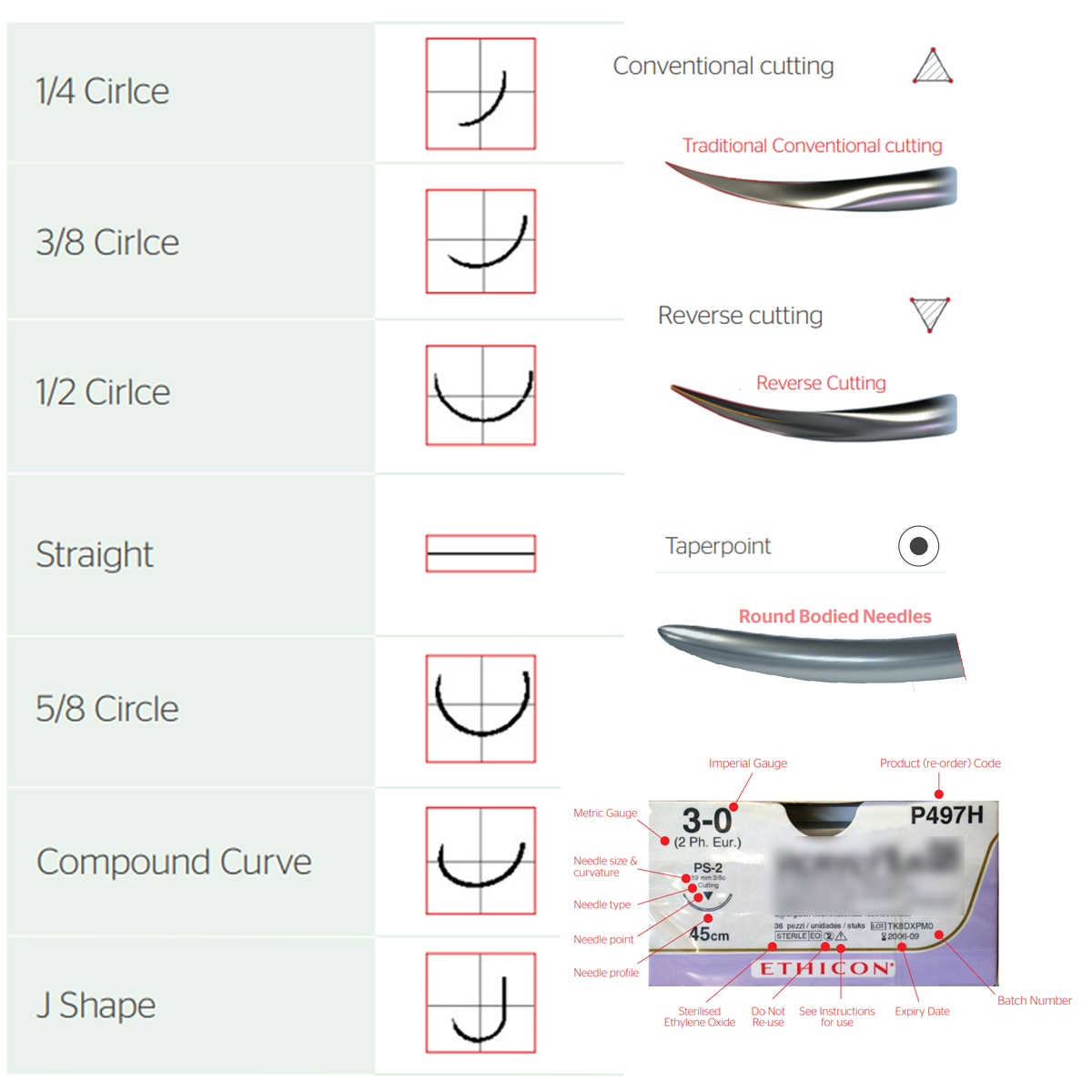
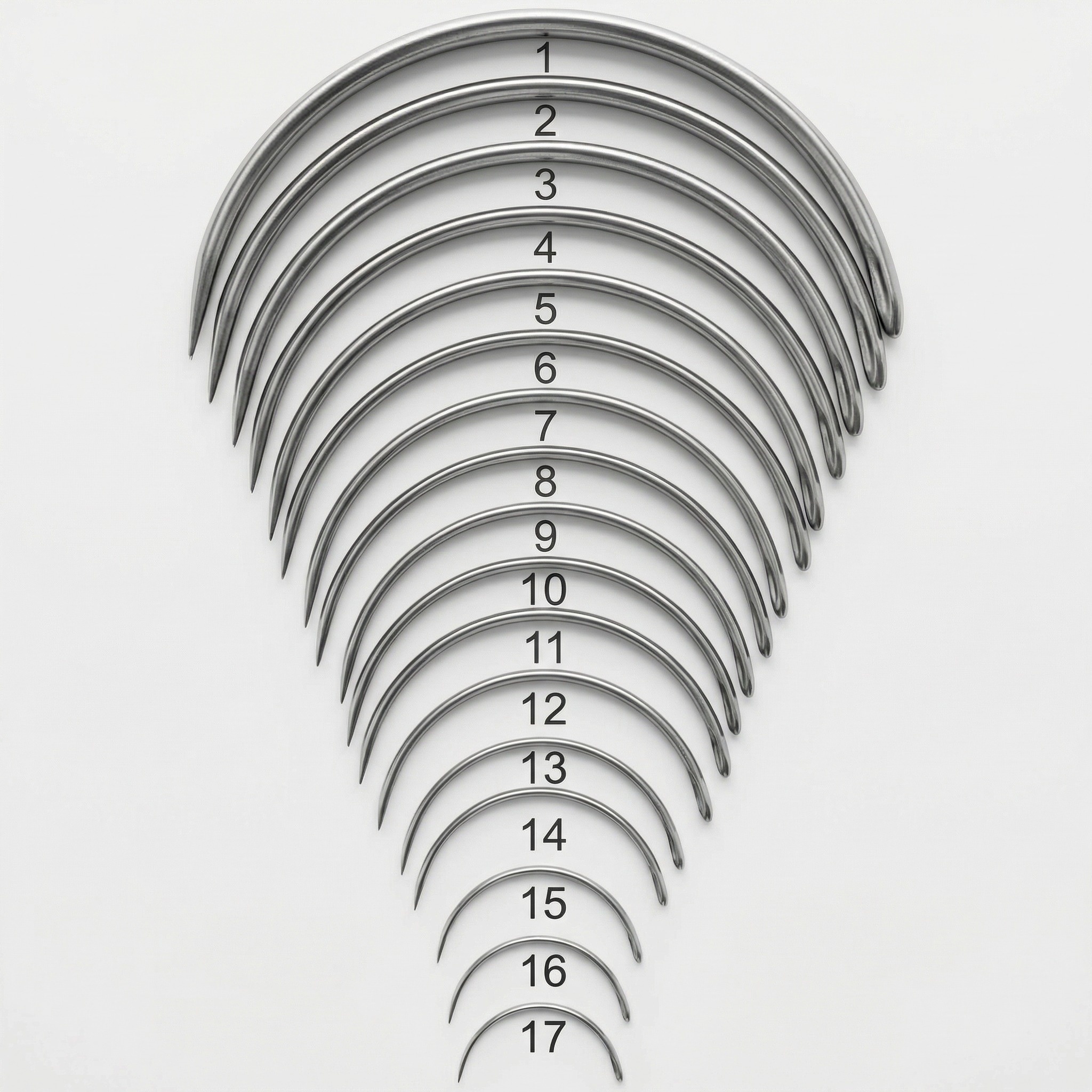
In dentistry, a variety of suture needles are used based on the specific requirements of the procedure, the type of tissue being sutured, and the desired outcome. Here are some common types of suture needles used in dentistry:

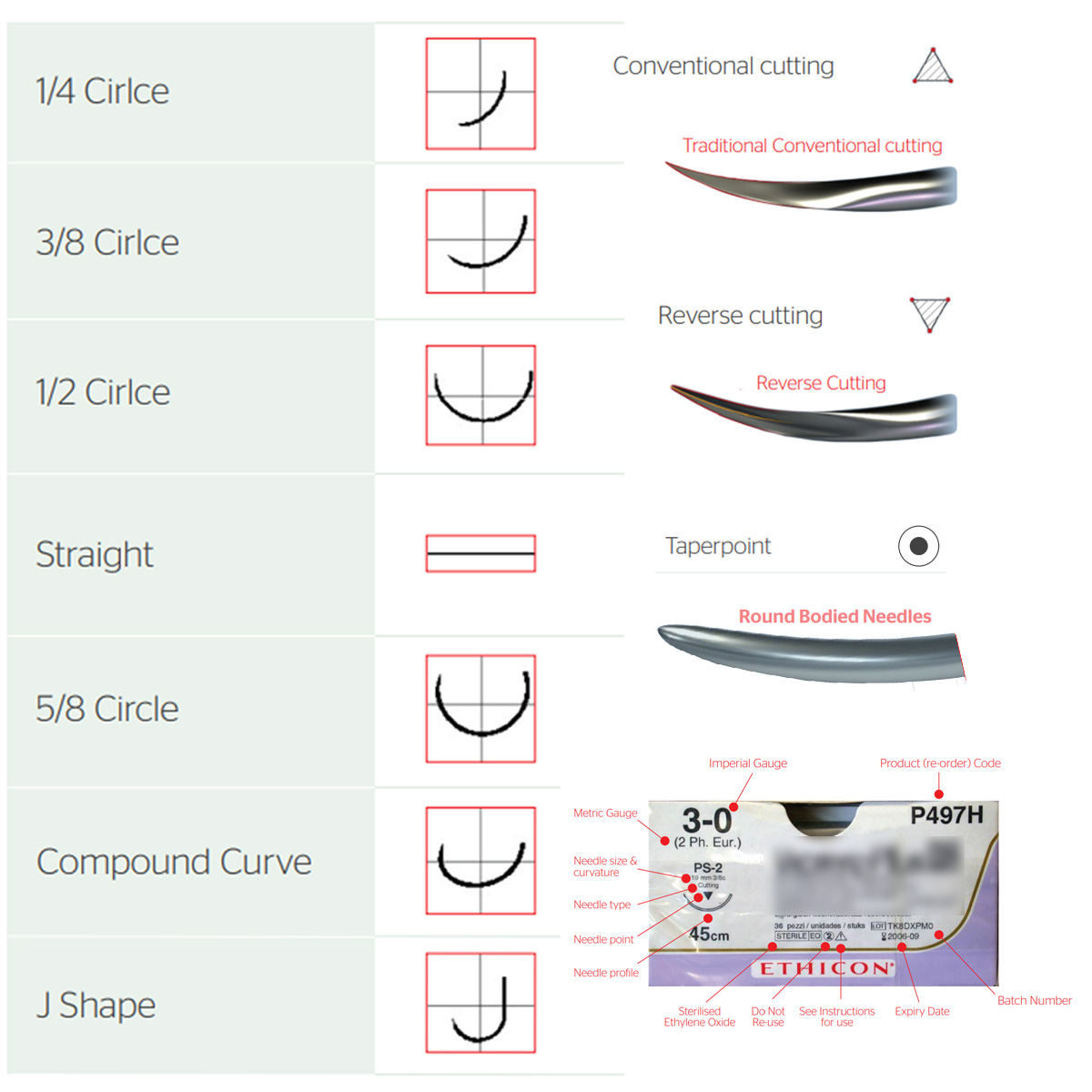
  • Straight Needles: Straight needles are the most basic type of needle and are used for simple suturing tasks. They are straight from end to end and are suitable for suturing easily accessible areas.
  • Half-Curved Needles (Ski Needles): These needles have a slight curve along their length, making them suitable for suturing curved incisions. They are particularly useful in areas where it's important to follow the contour of the tissue.
  • Half-Curved Needles with Straight Ends (Canoe Needles): Canoe needles are curved in the middle but have straight ends. They offer versatility for various suture patterns and are especially useful when a combination of straight and curved suturing is needed.
  • 1/4 Circle Needles: These needles have a moderate curve, forming a quarter-circle shape. They are used for suturing in confined spaces or when working around obstacles.
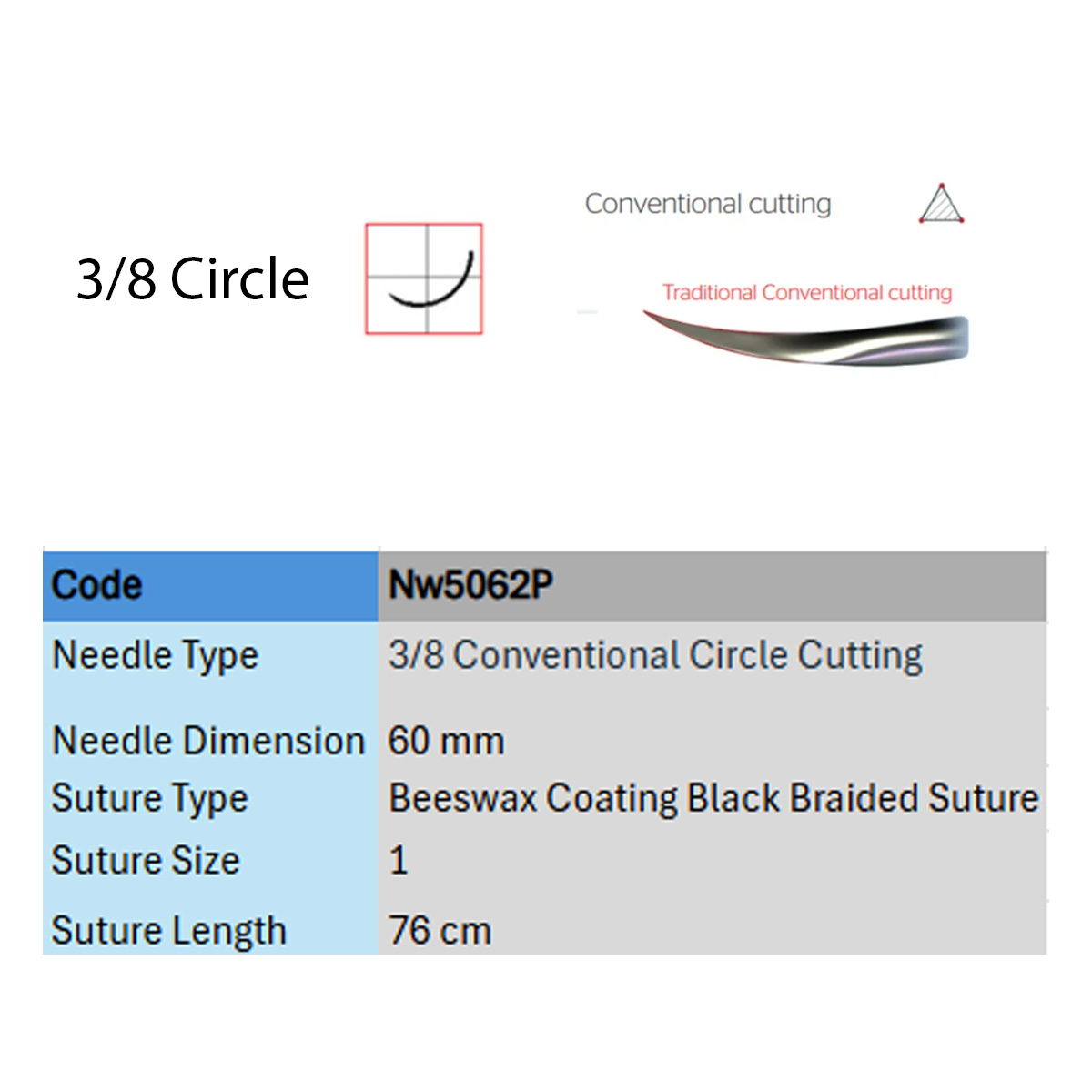
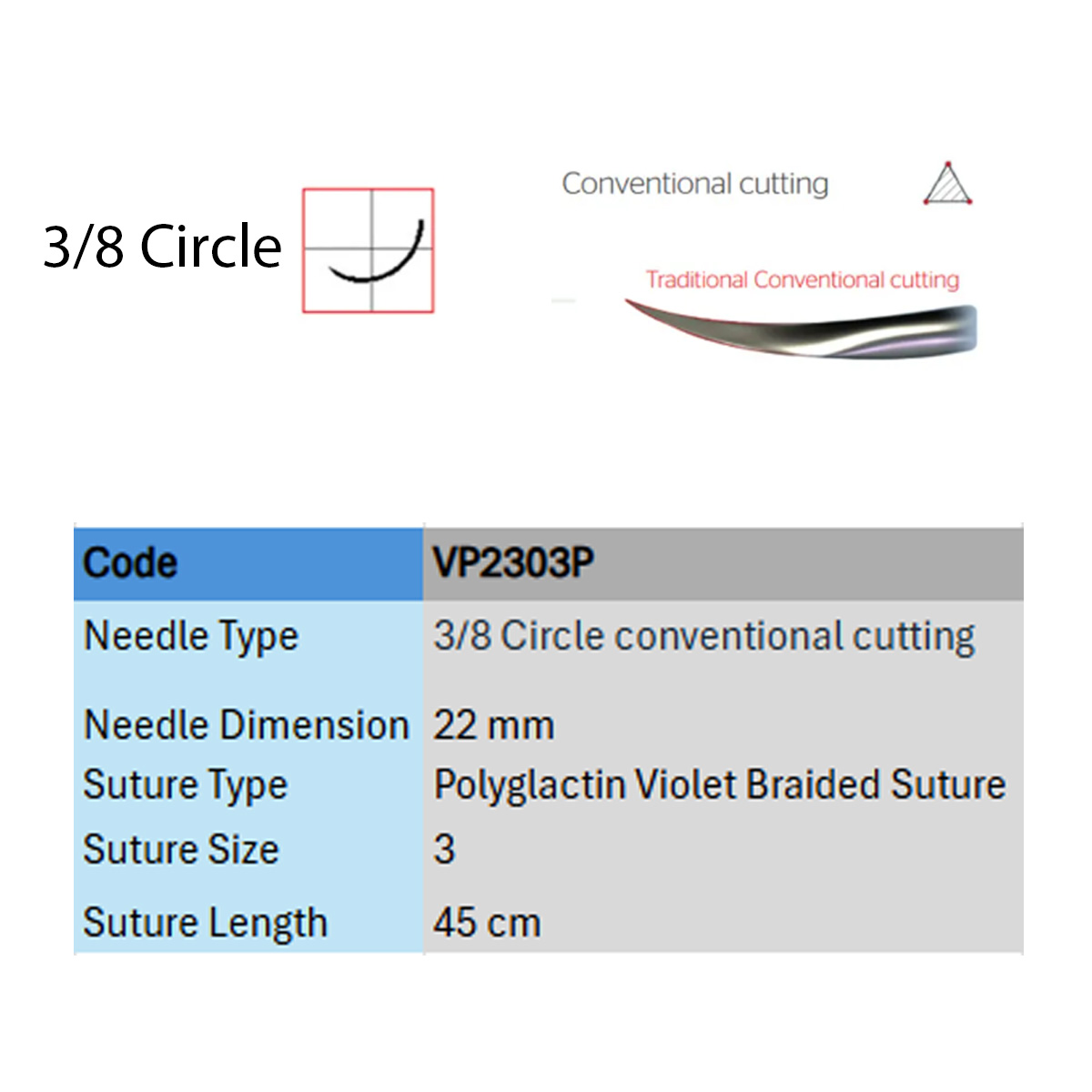
  • 3/8 Circle Needles: These needles have a slightly larger curve than 1/4 circle needles, making them useful for suturing in tighter spots and for achieving better maneuverability.
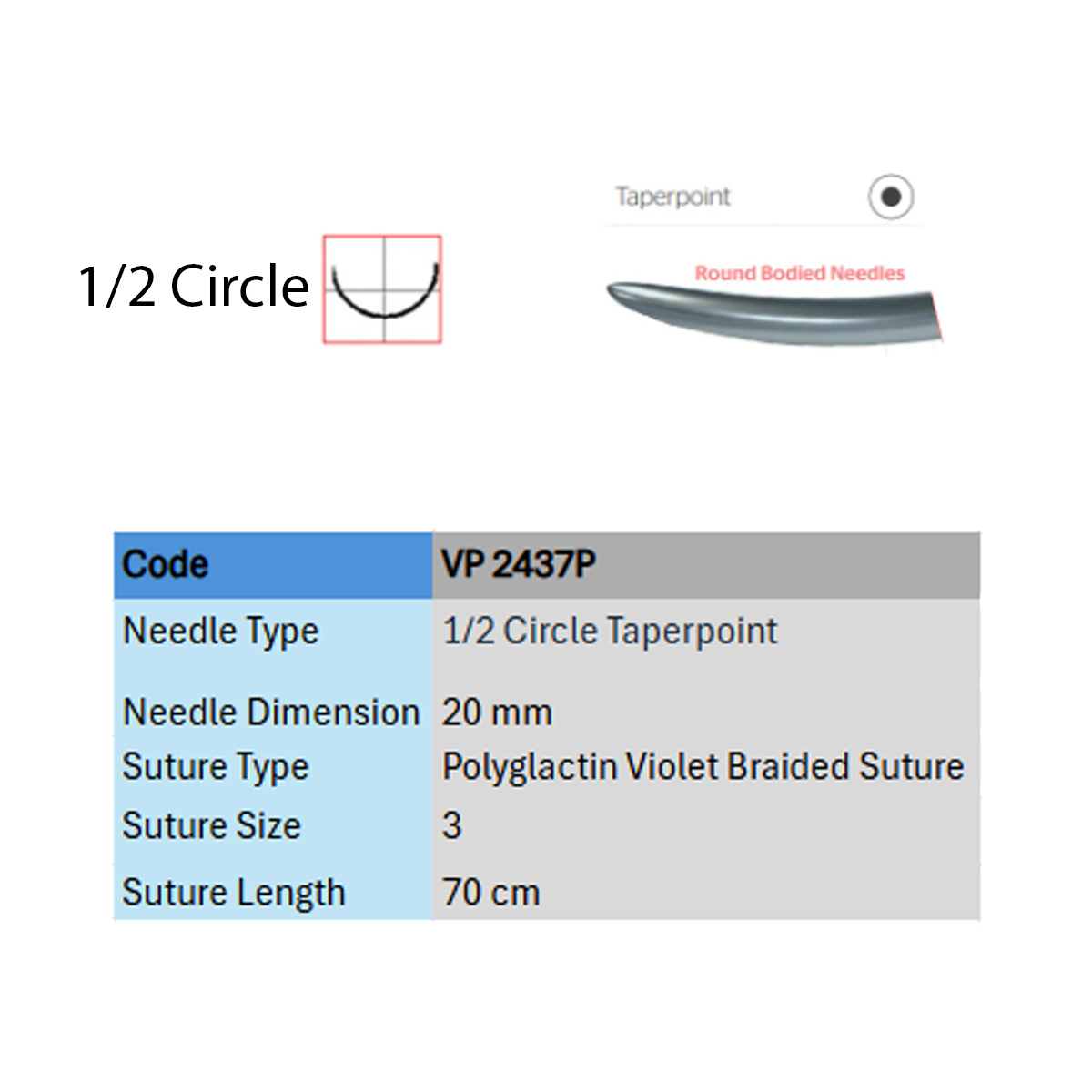
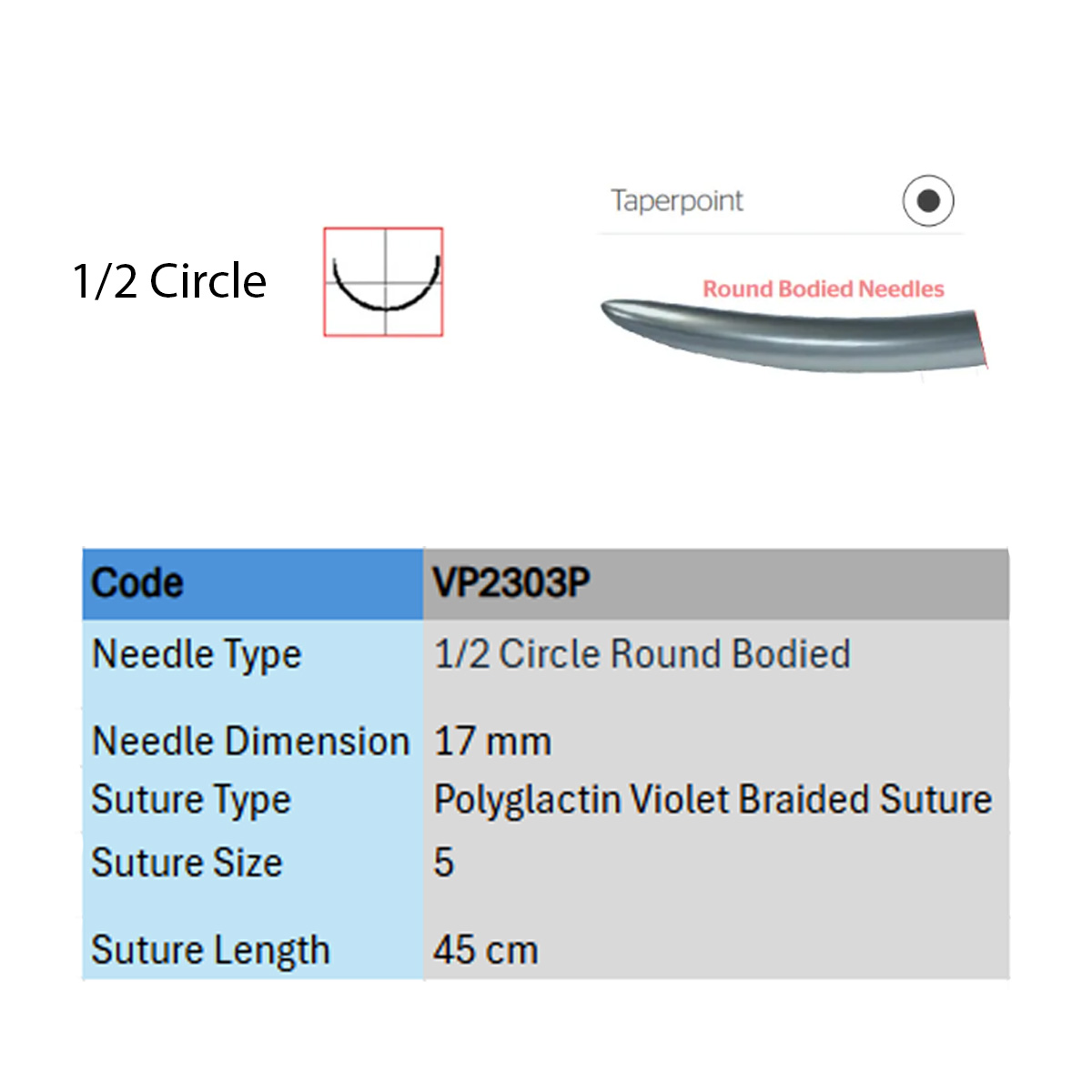
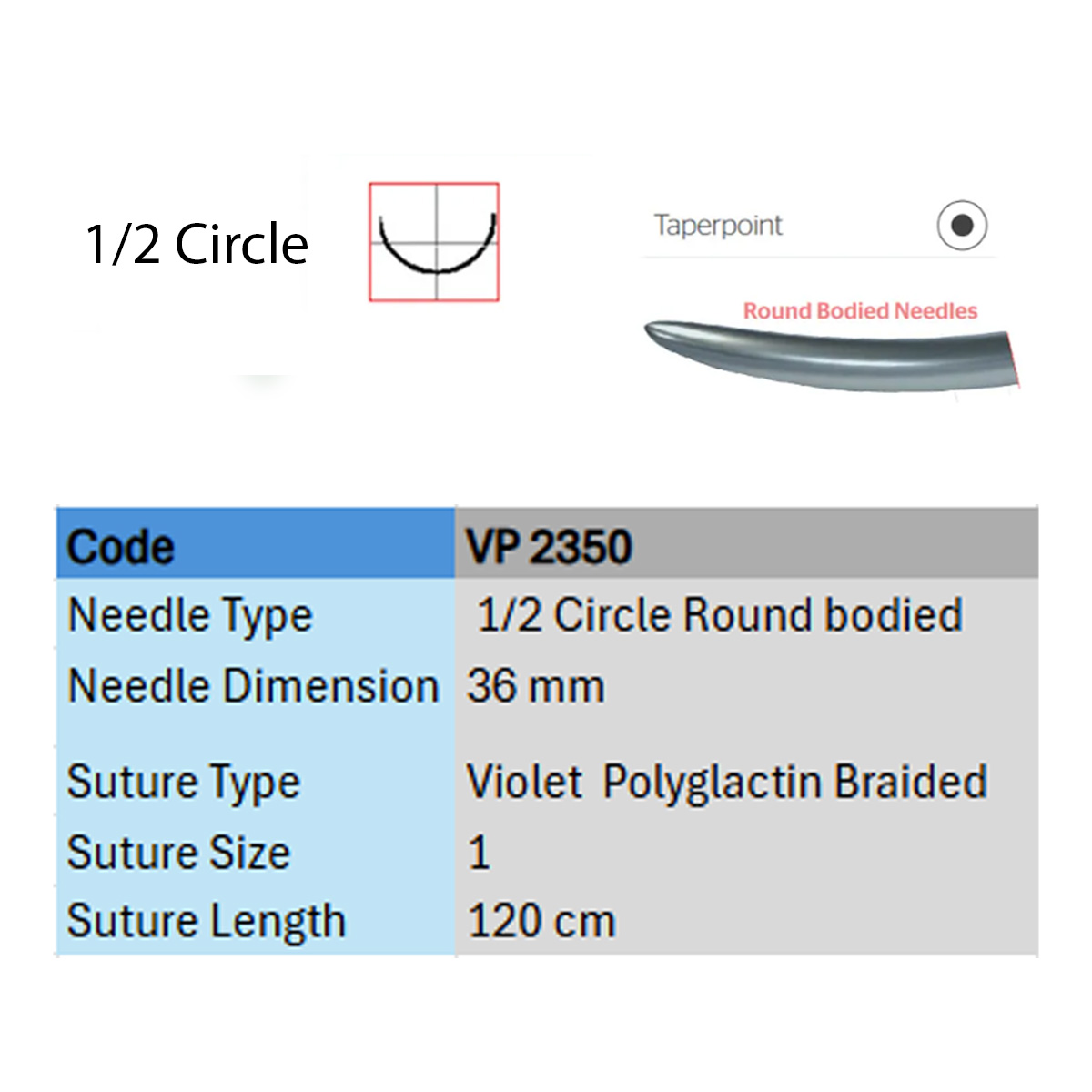
  • 1/2 Circle Needles: This type of needle has a more pronounced curve, forming a half-circle shape. It's available in various subtypes such as CT, CT-1, CT-2, and CT-3, each with a progressively smaller size. These needles are versatile and can be used for a range of procedures.
  • 5/8 Circle Needles: These needles have a greater curve than 1/2 circle needles, making them suitable for suturing deeper tissues or for situations where access is limited.
  • Compound Curve Needles: Compound curve needles have a complex curve that makes them suitable for challenging anatomical regions or when the wound edges aren't aligned in a single plane.
  • Taper Point Needles: These needles have a sharp tapering point, making them easy to penetrate tissues. They are often used for delicate tissues.
  • Cutting Needles: Cutting needles have a triangular cutting edge on the inside curve, which makes them particularly useful for tough or fibrous tissues that require cutting through during suturing.
  • Reverse Cutting Needles: These needles have a cutting edge on the outside curve, reducing tissue trauma while providing effective cutting. They are often used for suturing in areas with higher tension.
  • Precision Point Needles: These needles have an exceptionally sharp point, making them ideal for fine and delicate tissues. They minimize tissue trauma and are commonly used in microsurgery.

Q: What are the different types of suture materials available at Dentalkart?
A: 
Suture materials can be absorbable (dissolve over time) or non-absorbable. Common materials include silk, nylon, polyglycolic acid (PGA), and polyglactin (Vicryl). The choice depends on the procedure and healing requirements.

Q: What suturing techniques are best for minimizing scar formation in challenging anatomical areas, such as the vermillion border of the lip?
A: 
For delicate areas like the vermillion border, consider using subcuticular sutures or fine monofilament sutures to ensure minimal scarring and optimal cosmetic results.

Q: Are there any specific techniques for suturing oral mucosa?
A: Techniques like interrupted sutures, continuous sutures, and horizontal/vertical mattress sutures are often used for oral mucosal closure. The choice depends on the wound location and characteristics.

Q: How does Dentalkart ensure the quality of its sutures and needles?
A: Dentalkart offers sutures and needles from trusted brands known for quality and reliability. Our curated collection ensures you have access to the finest tools for your dental procedures.

Q: How to know if a suture site is infected?
A: Signs of infection include increased pain, redness, swelling, pus, and a foul odor.

Q: Do different suture materials have different levels of tissue reaction?
A: Yes, some materials may cause more tissue reaction than others. Monofilament sutures are often associated with less tissue inflammation compared to braided sutures.

Q: Are there specialized suture materials designed for high-tension areas, such as in ridge augmentation procedures?
A:
Yes, high-tension areas may benefit from non-absorbable sutures like polypropylene or nylon due to their strength and resistance to tissue tension.

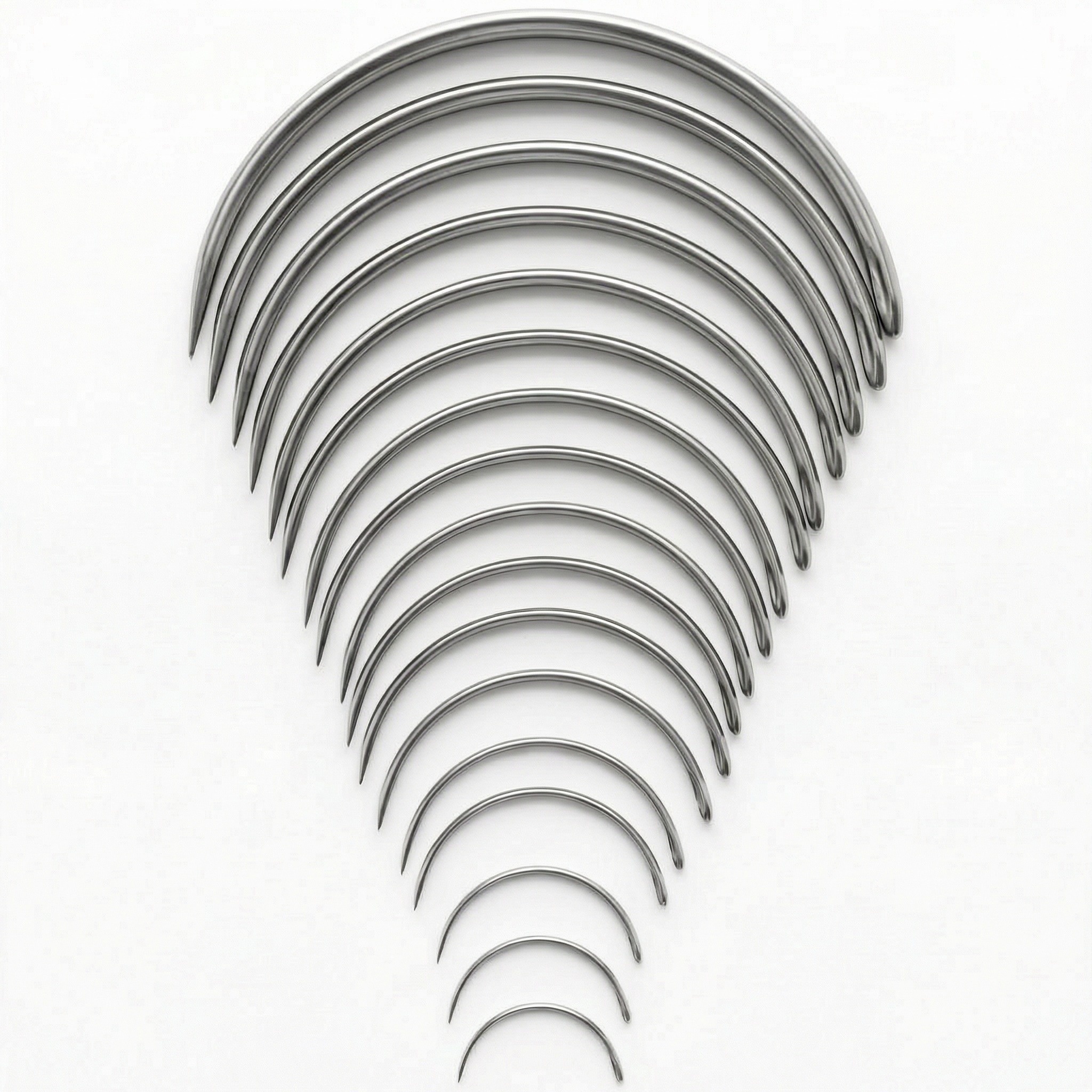
Sabre
thumbnail
base, small, swatch
Sabre
Sabre
Half circle cutting suture needle for precise penetration and suturing of dense oral tissues
Starting at 50
View Similar Products
Ethico
base, small, thumbnail, swatch
Ethico
Ethico
Ethico
Ethico

Only 2 Left

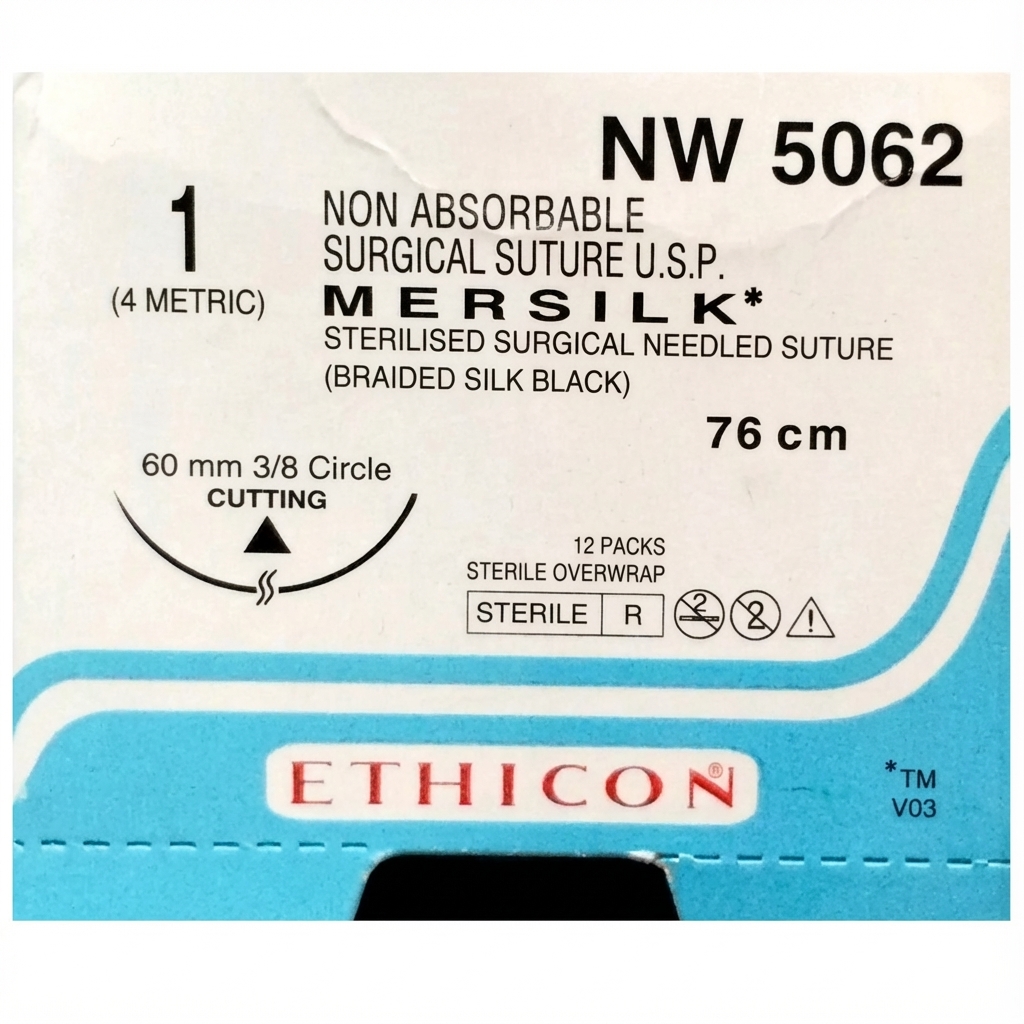
Strong, non-absorbable black silk sutures for precise wound closure
2095 4152
gold coin20
View Similar Products
Ethico
base, small, thumbnail, swatch
Ethico
Ethico
Ethico
Ethico

Only 4 Left

Absorbable, antibacterial surgical suture enhances precision, and reduces infection risk
4495 8496
gold coin45
View Similar Products
Ethico
base, small, thumbnail, swatch
Ethico
Ethico
Ethico
Ethico
Antibacterial surgical suture dissolves, reduces infection risk, and supports healing
3859 7476
gold coin39
View Similar Products
Ethico
base, small, thumbnail, swatch
Ethico
Ethico
Ethico
Ethico
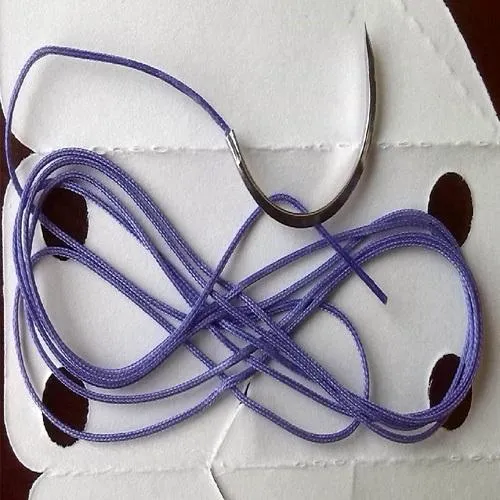
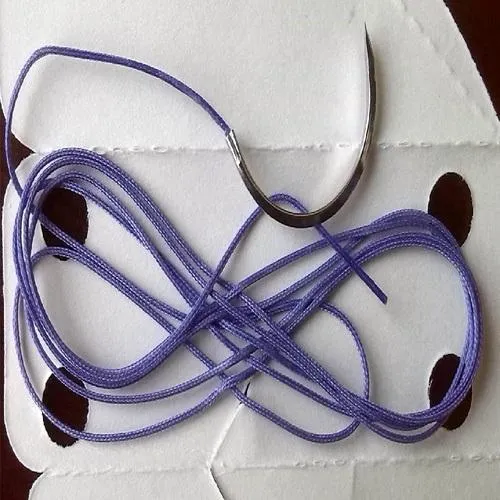
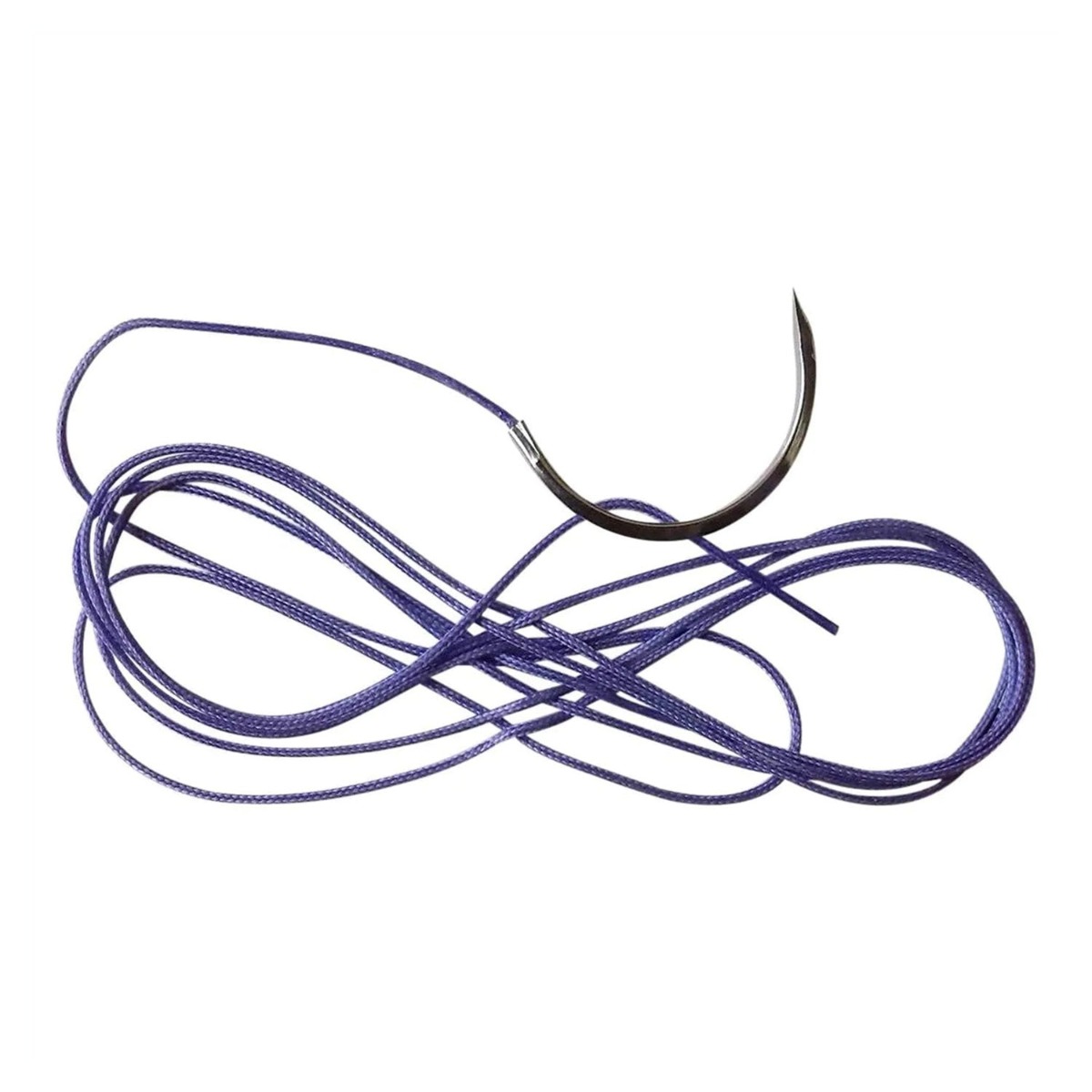
Absorbable, Antibacterial, Braided, Polyglactin Coated Violet Surgical Sutures
4225 7728
gold coin42
View Similar Products
Ethico
Ethico
Ethico
Ethico
Ethico
Ethico
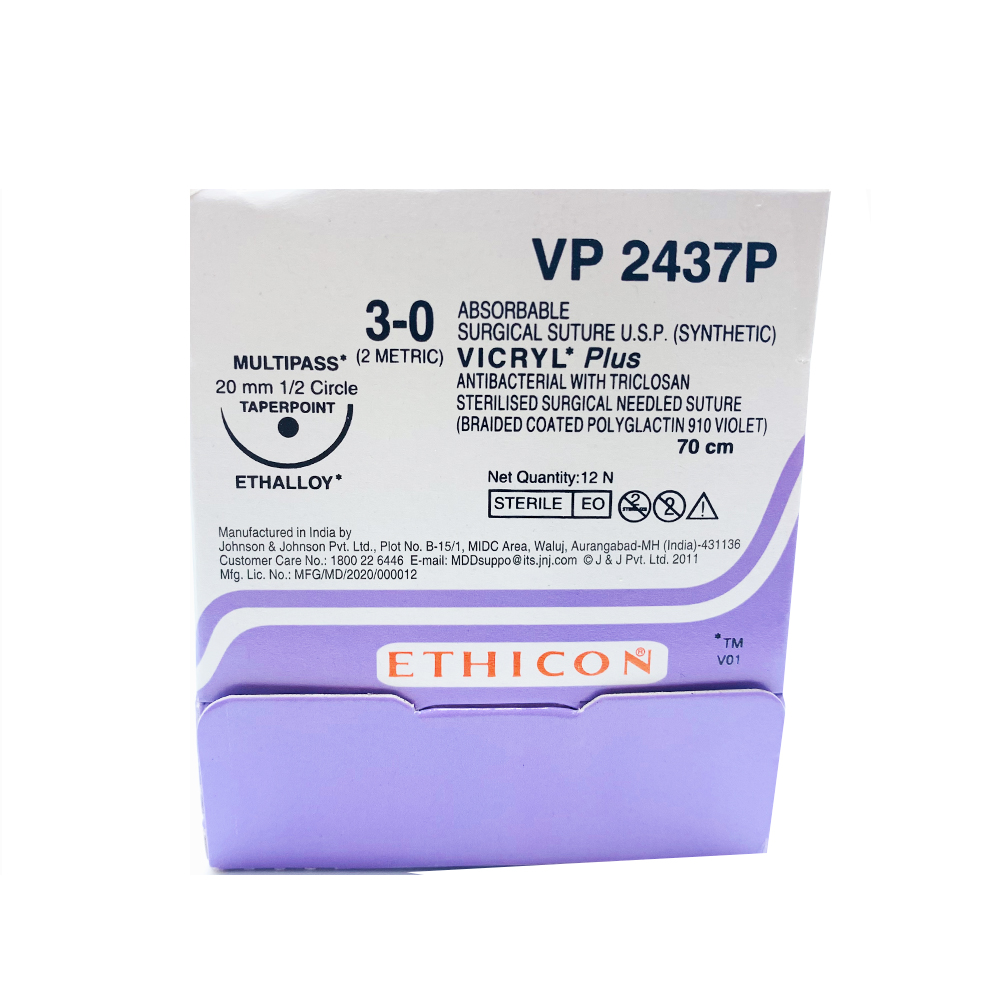
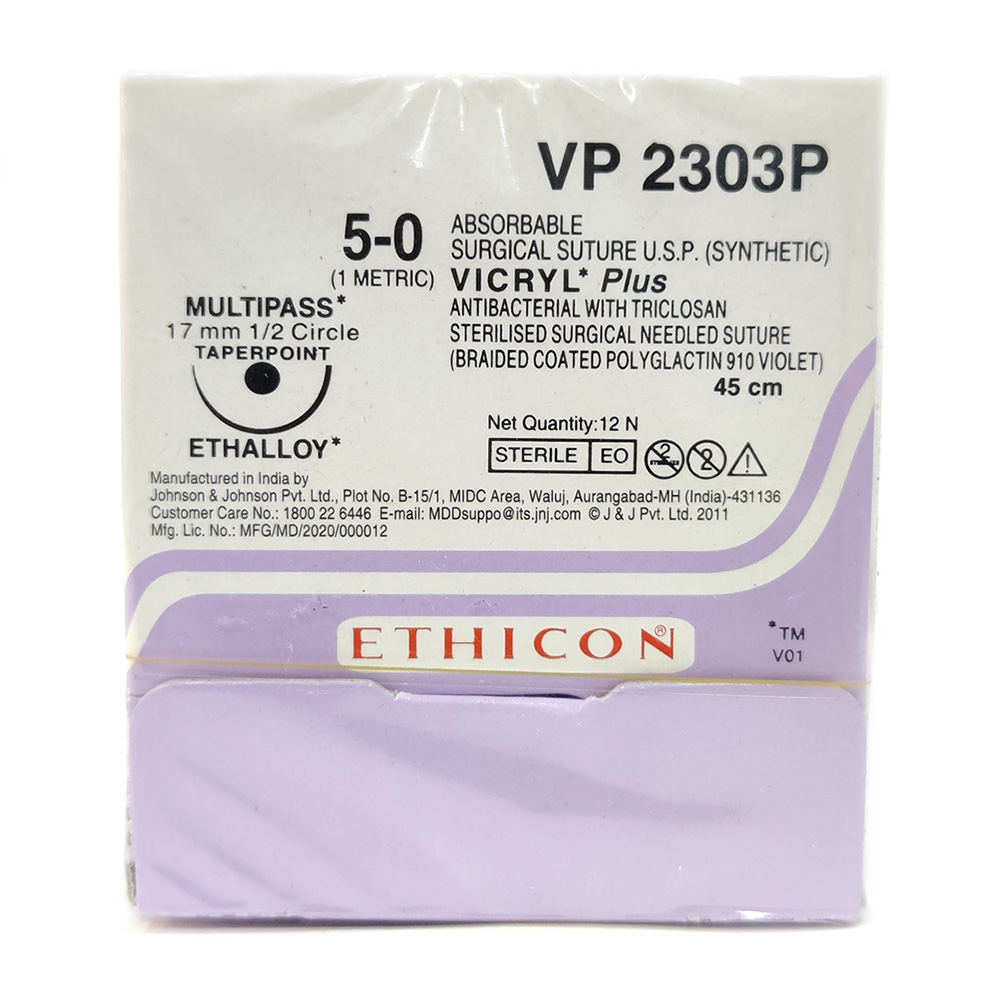
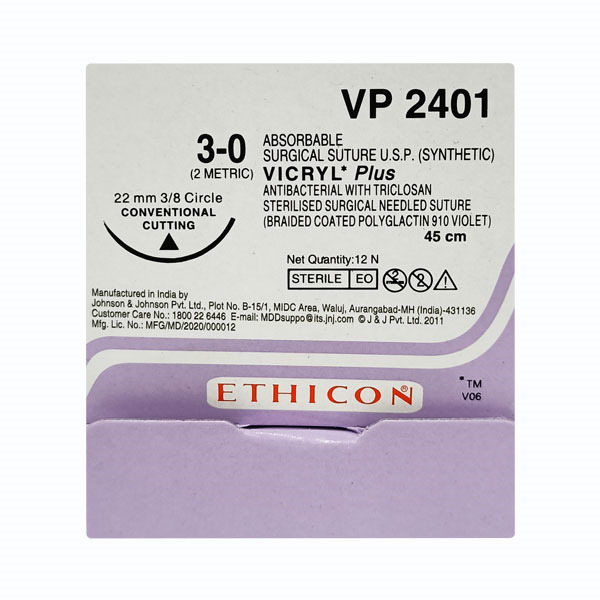
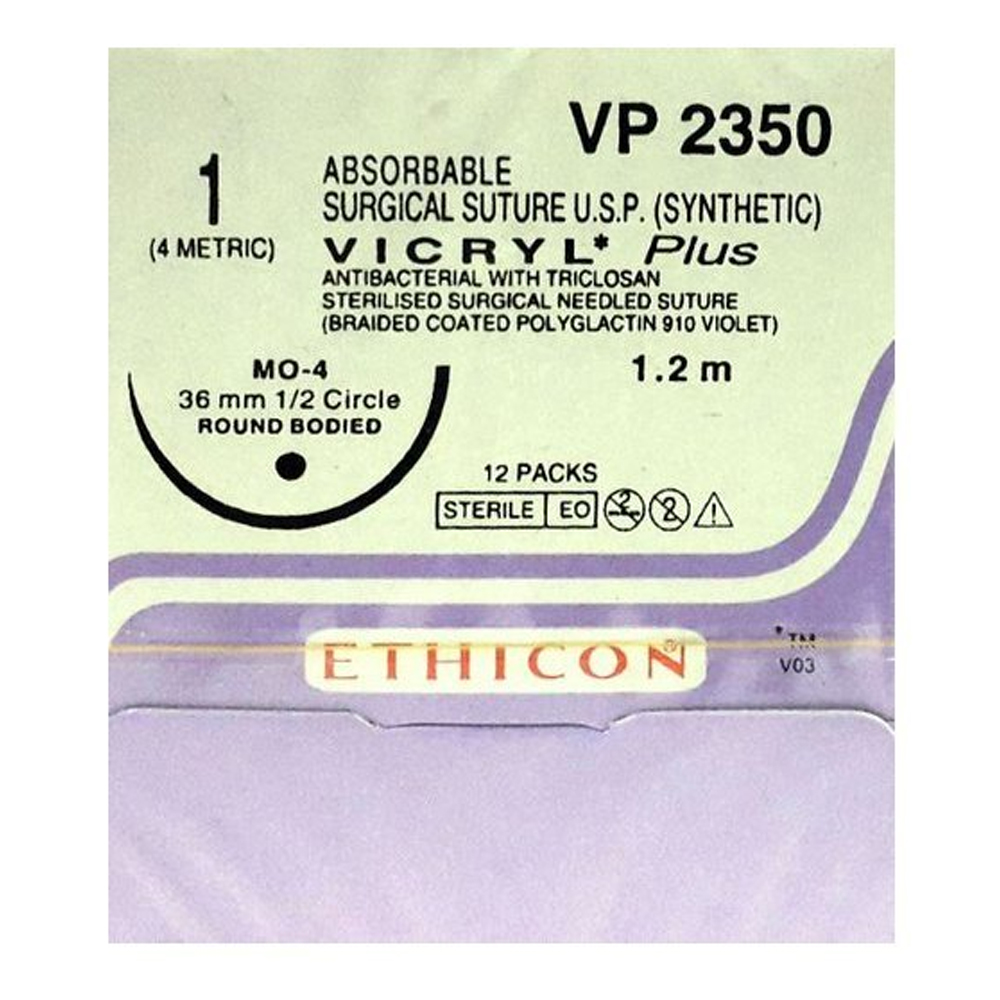
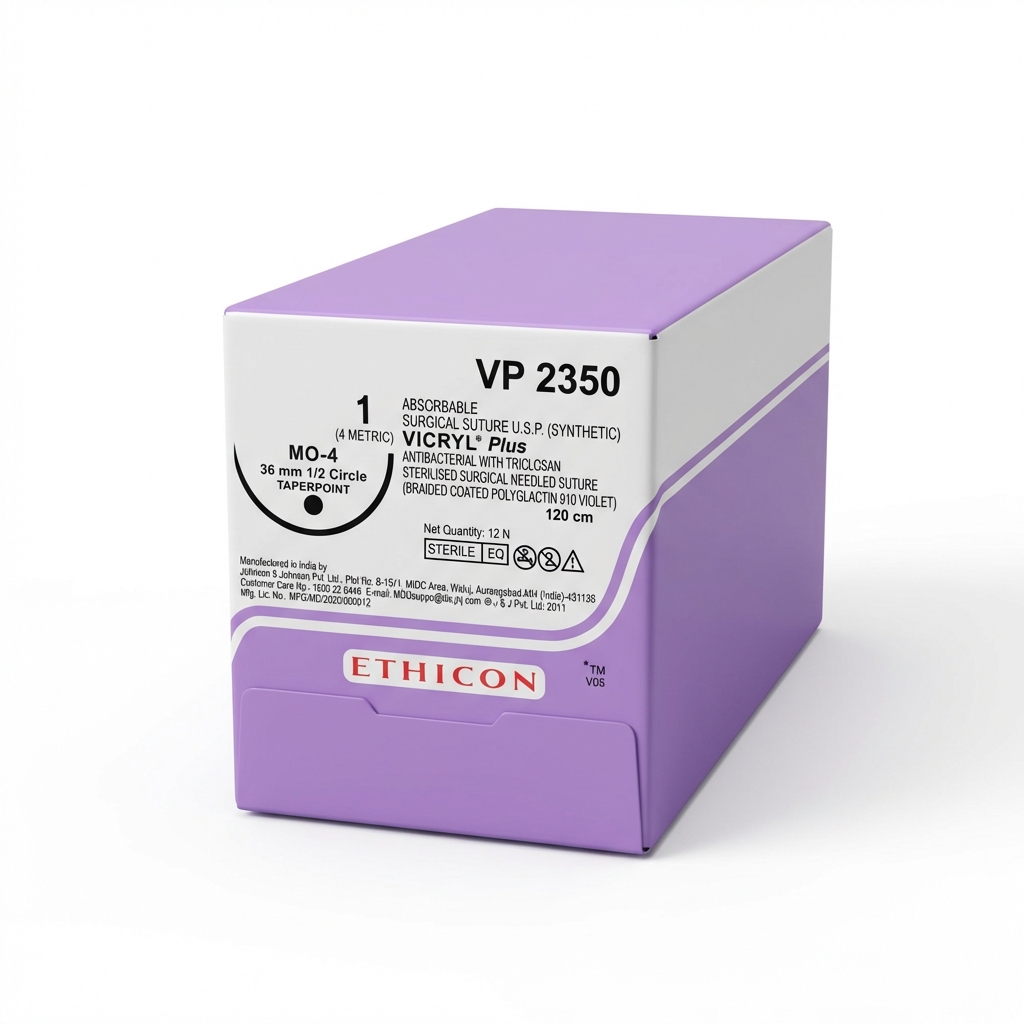
VICRYL* Plus Braided Coated Polyglactin 910 Violet Suture: Antibacterial with triclosan for precise dental suturing and optimal healing.
5395 10860
gold coin54
View Similar Products
Meril
5.0
(1)
Non-absorbable braided silk suture offering excellent handling and secure wound closure properties for reliable long-term support
1312 4944
gold coin35
View Similar Products
Lotus
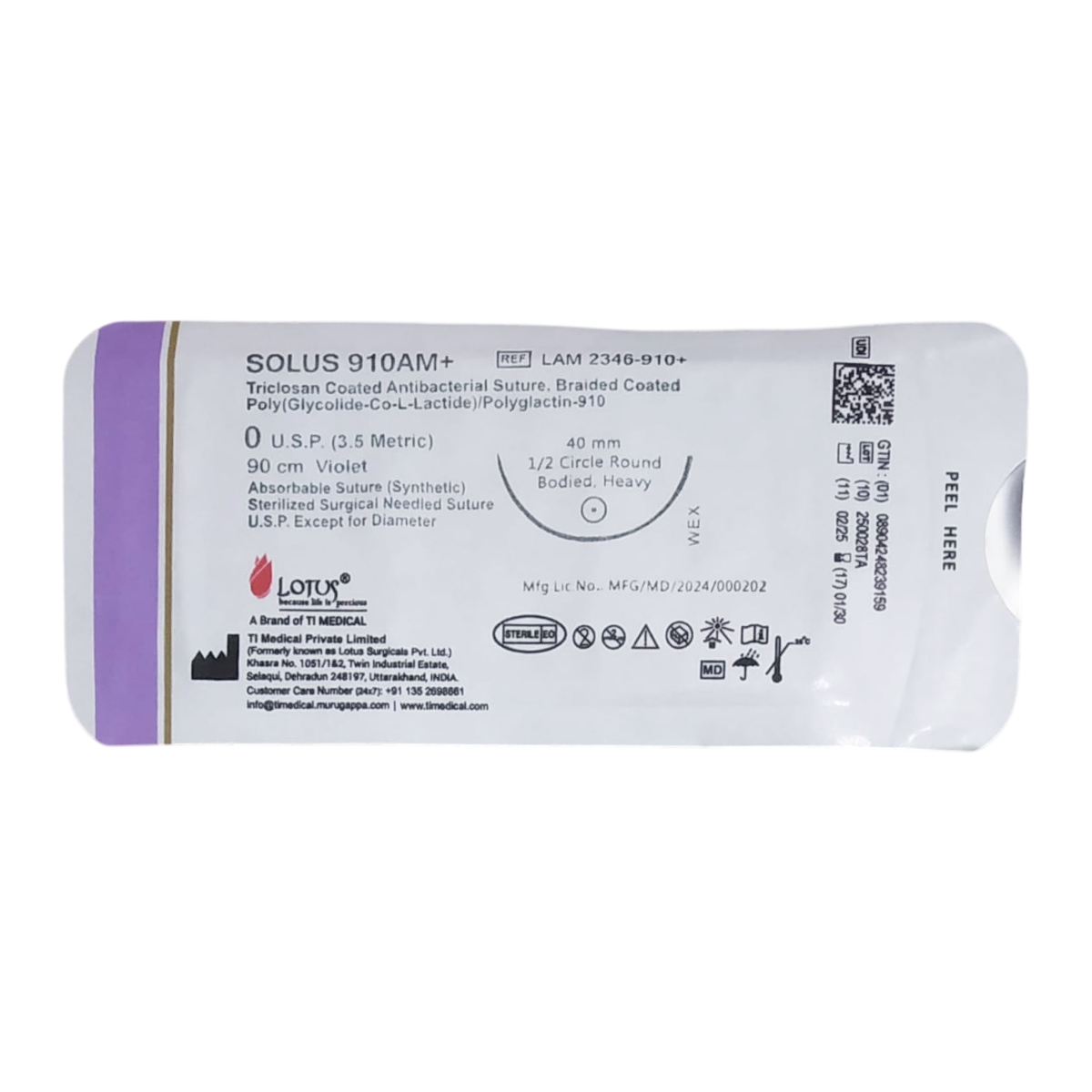
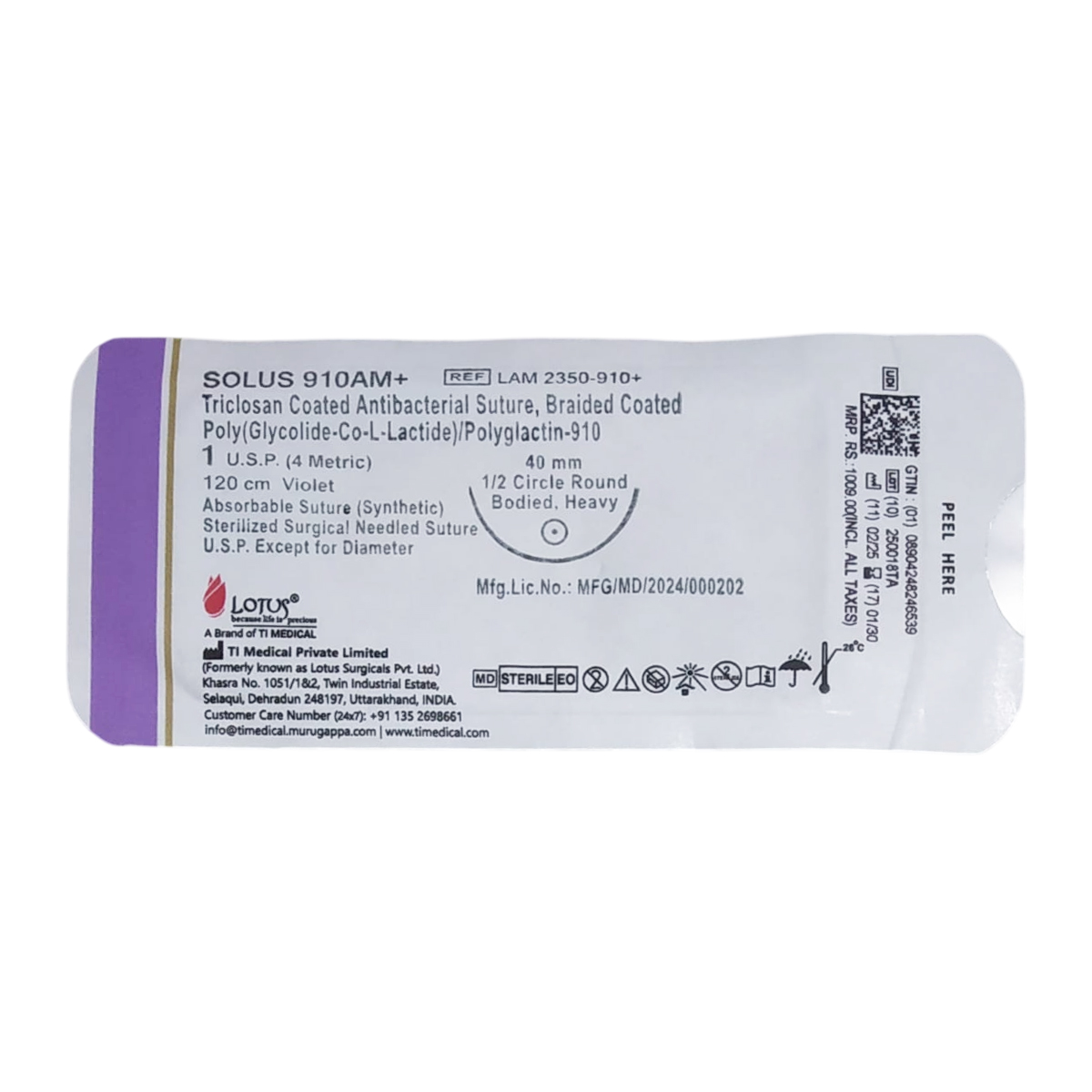
Absorbable, antimicrobial, braided polyglactin suture for effective soft tissue closures and wound healing
3551 10824
gold coin70
View Similar Products
Lotus
Absorbable polyglactin sutures with an antimicrobial coating, perfect for closing thicker tissues in surgical procedures
3615 11016
gold coin75
View Similar Products
NOTIFY ME
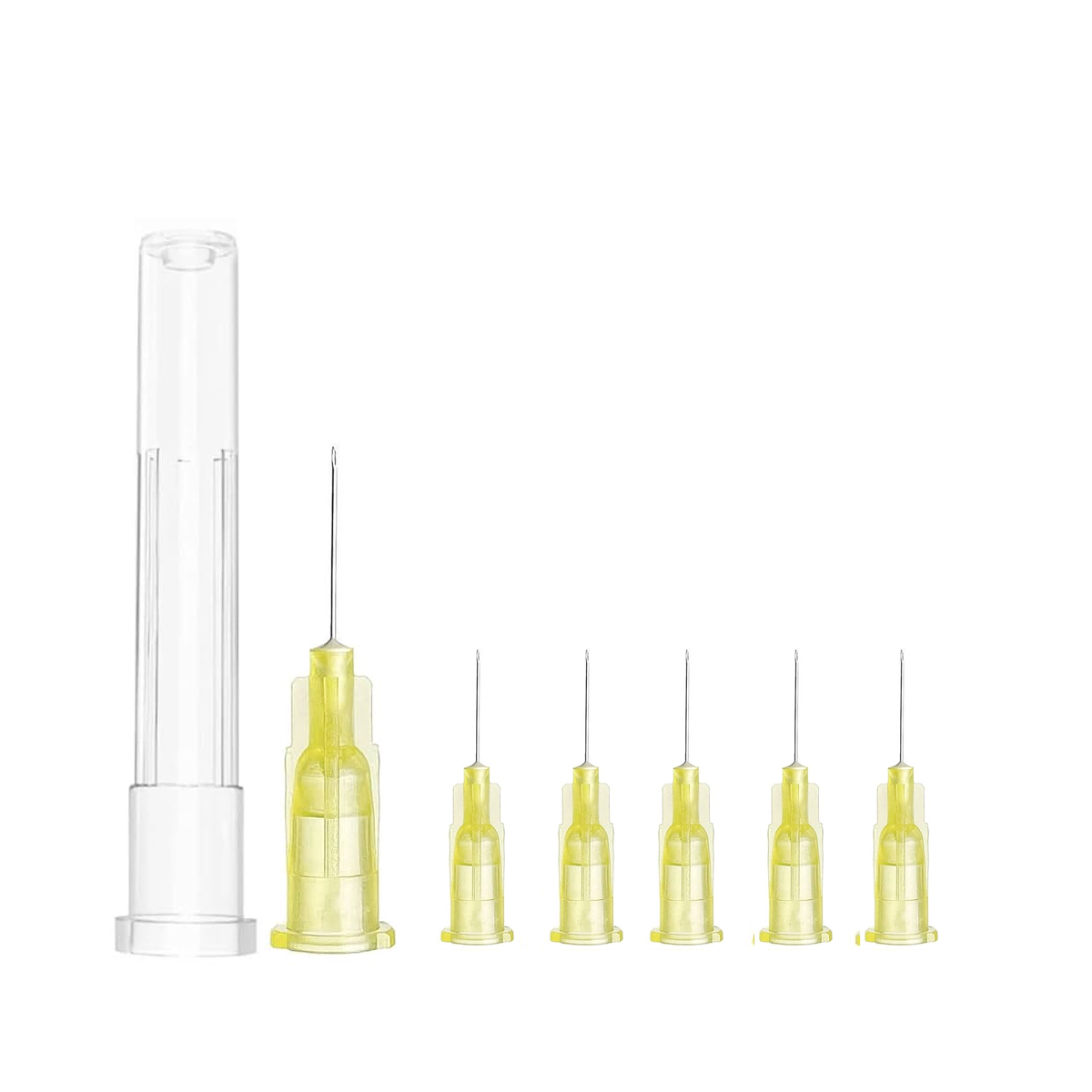
Sterile, sharp, precision bevel needle for smooth and painless injections
335 820
gold coin7
View Similar Products
NOTIFY ME
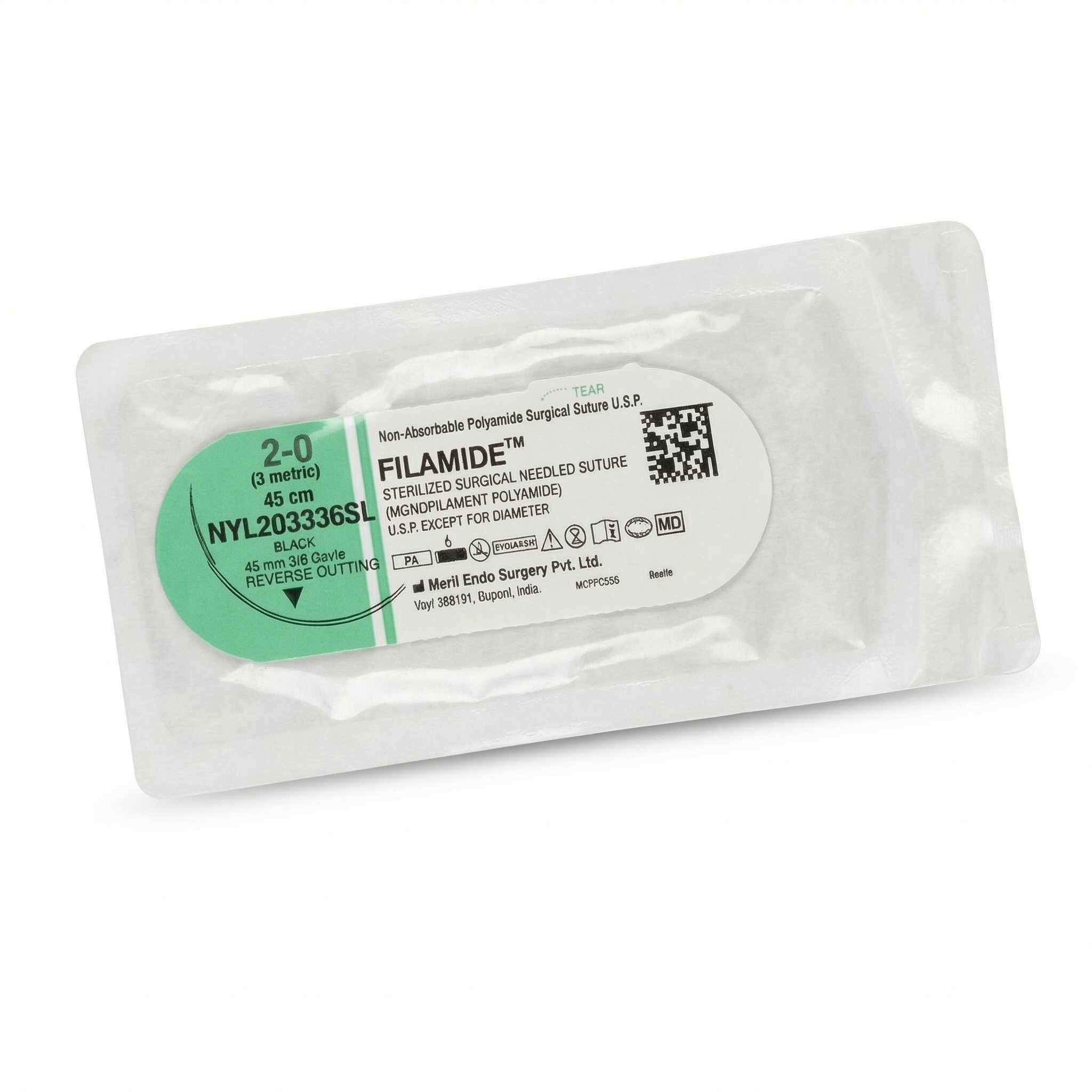
Meril Filamide #2-0 Polyamide Suture for precise dental tissue approximation, ligation, and wound closure
39 104
gold coin1
View Similar Products
NOTIFY ME
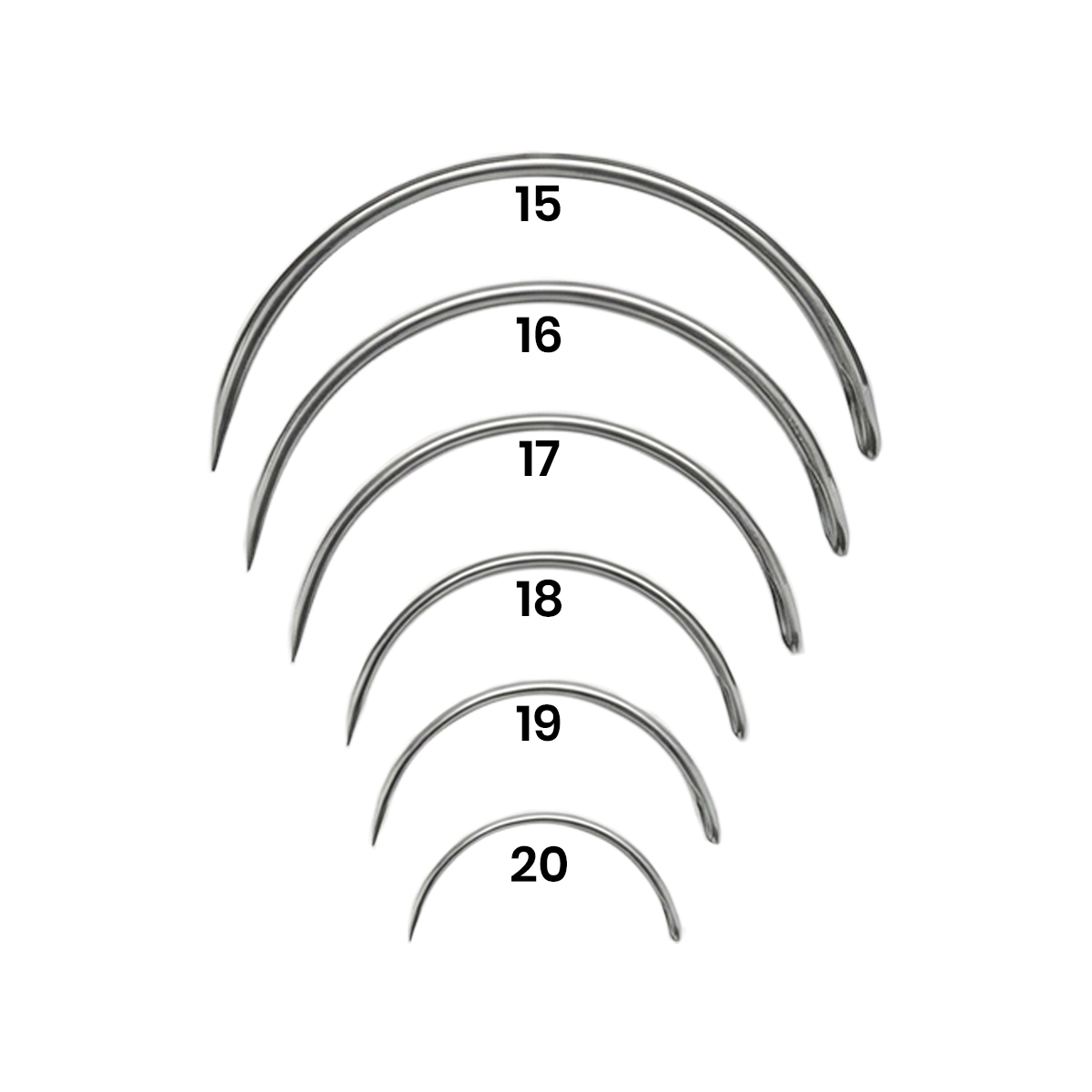
Curved surgical needle made from stainless steel for stitching wounds in medical and dental procedures
Starting at 600
View Similar Products
NOTIFY ME
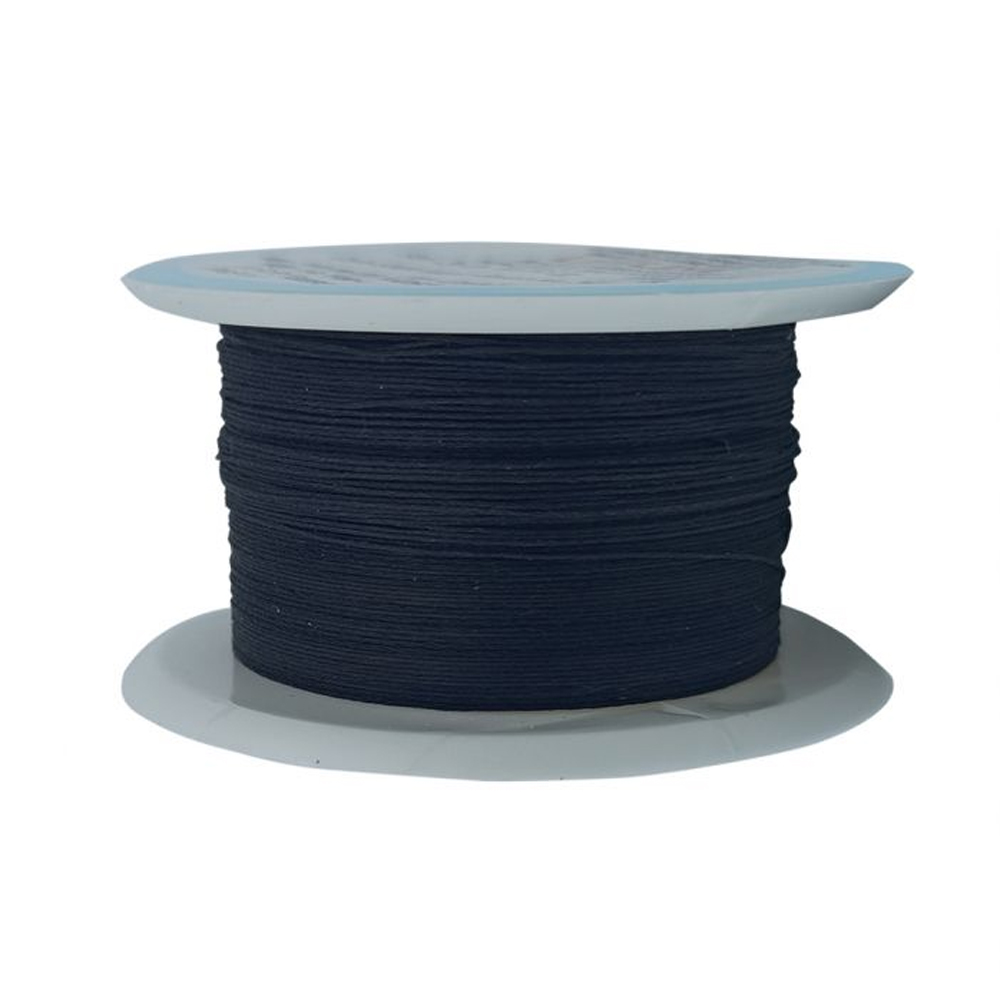
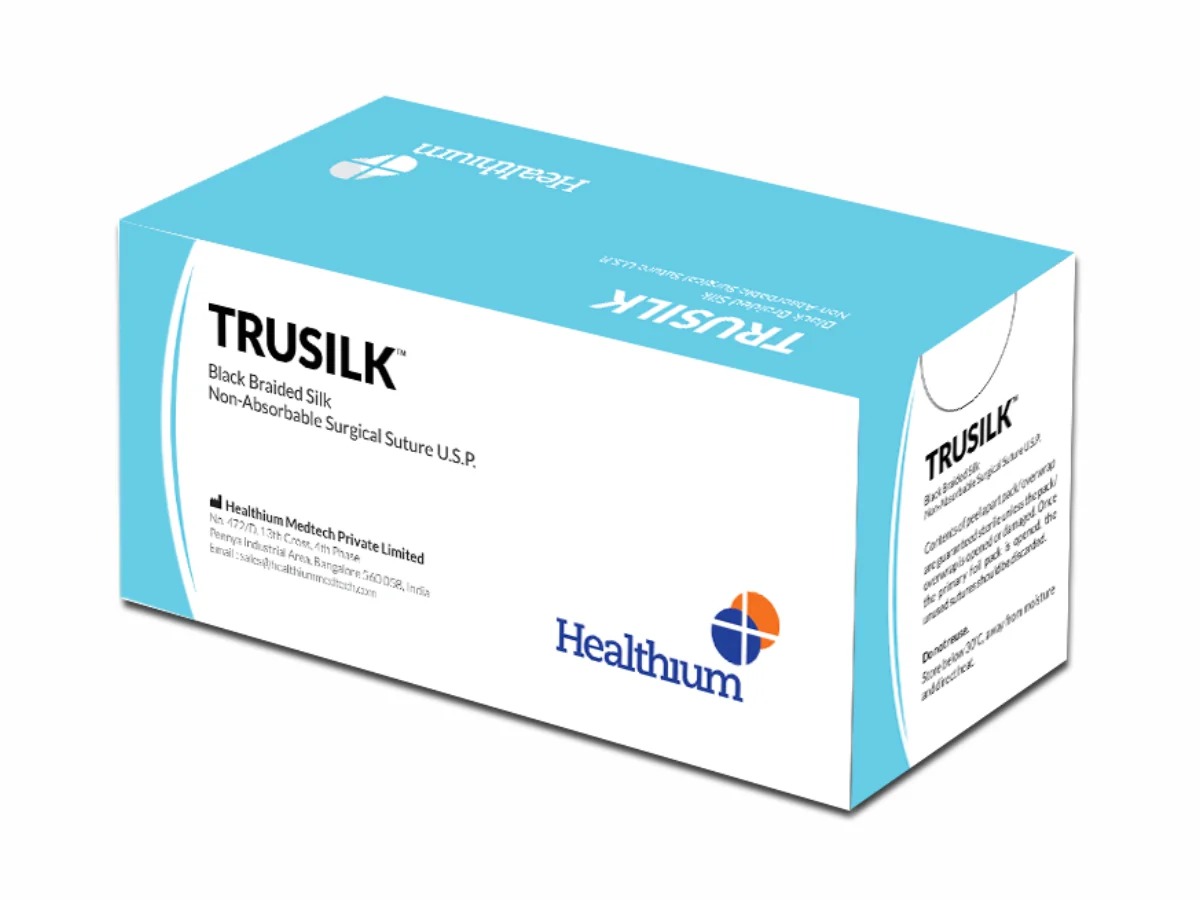
Black Braided Silk Suture Reels provide durable, non-absorbable suturing with enhanced handling and visibility for surgical precision.
3035 6030
gold coin30
View Similar Products
NOTIFY ME
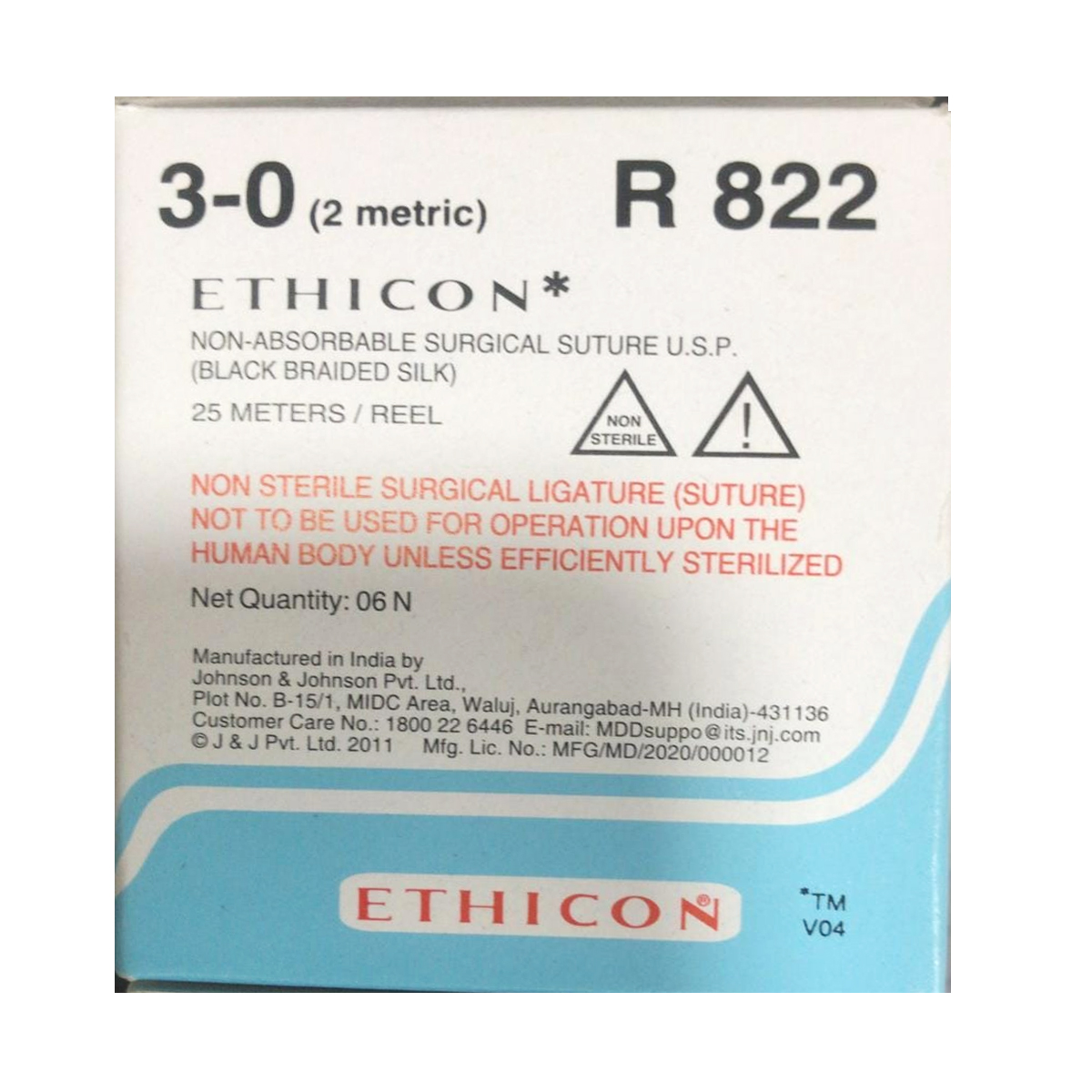
Black braided silk suture is strong, smooth, and reliable for surgical use
1143 4950
gold coin11
View Similar Products
Filters
Sort By
Recommended
Stay Connected
15k+

Followers

ABOUT
Contact Us
About Us
Careers
CONTACT US
Investor Relations
Dealer Price Bulk Inquiry
Waldent Dealership
Sell on Dentalkart
HELP
Orders
Refunds
Payments
Rewards
POLICY
Return Policy
Terms of Use
Privacy
Sitemap
Our Warehouses: Gurugram, Delhi, Chennai.

2016-2026, VASA DENTICITY LIMITED

Crafted with in India

Our Payment Partners
gpay
paytm
rupay
phonepe
visa
masterCard
like
4.5
Average online rating