





Trainers
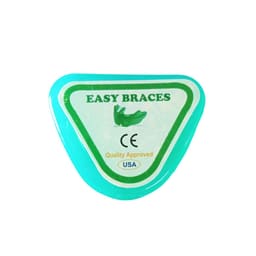
An orthodontic trainer is a soft, pre-formed appliance worn in the mouth to correct the habits behind crooked teeth. Used mainly in growing children, it retrains tongue posture, discourages mouth breathing and thumb sucking, and guides erupting teeth into line. A trainer treats the cause of misalignment early, so it is an interceptive treatment rather than fixed braces.
Sort by - Recommended
 Recommended
 Price- High to LowPrice- Low to High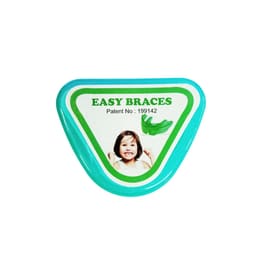


43.43% Off
 5
5View Similar Products
Filters
Sort By
RecommendedOrthodontic Trainers
Many bite problems start with habits, not teeth. A child who breathes through the mouth, thrusts the tongue when swallowing, or sucks a thumb can push the teeth and jaws out of shape as they grow. An orthodontic trainer works on those habits. It is a soft, ready-made appliance the child wears, and it retrains the muscles so the teeth have a chance to develop straight.
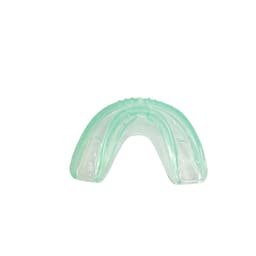
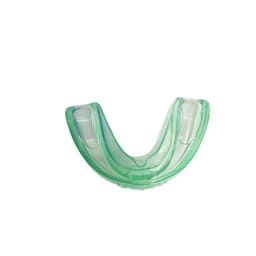
The appliance is one piece of flexible silicone or elastomer, shaped like a mouthguard with tooth channels. It sits over both arches and holds the tongue, lips and jaw in the right position while it is worn. Because it corrects the cause early, it can reduce or simplify later treatment. Trainers are part of the wider orthodontics range.
How a trainer works
A trainer guides growth by changing muscle habits, not by pushing hard on teeth.
Its shape trains the tongue to rest on the palate, keeps the lips together, and stops the mouth breathing and thrusting that distort growth. Raised channels nudge erupting teeth toward their correct place. Because a child is still growing, these gentle influences steer the jaws and teeth in the right direction over months, working with development rather than against it.
Trainer versus braces and aligners
A trainer is not the same as fixed braces or clear aligners, and the difference is the point.
Braces and aligners move teeth that are already in place with steady mechanical force. A trainer works earlier, on the habits and muscle patterns that cause the problem, while the child is still growing. It is removable and soft, not fixed to the teeth. Trainers often reduce the need for later fixed treatment, or make it shorter when it is still needed.
The right age and wear
Timing is everything with a trainer, because it relies on growth.
Best age
Trainers work best in children roughly between six and ten, while the adult teeth are erupting and the jaws are growing. Used at this stage, they can guide development before problems set. In an adult, the growth window has closed, so a trainer cannot do the same job.
How it is worn
A trainer is usually worn for an hour or two during the day and overnight while sleeping. It is not worn all day like a retainer. Consistent nightly wear over months is what delivers the result, so a child's cooperation matters. The elastics and force parts used in later fixed treatment sit in the elastics range.
How to choose
Choose a trainer sized for the child's age and stage, since they come in phases for different ages. Look for soft, medical-grade material that is comfortable enough for a child to wear each night.
A trainer is best started under a dentist's guidance, so the habit and bite problem are the right kind for it. For growth-guiding appliances worn outside the mouth, the headgear range covers a different approach to the same early-treatment goal.
Frequently Asked Questions (FAQs):
What is an orthodontic trainer used for?
An orthodontic trainer corrects the oral habits behind crooked teeth in growing children. Worn in the mouth, it retrains tongue posture, stops mouth breathing and thumb sucking, and gently guides erupting teeth into line. It treats the cause of misalignment early, which can reduce or simplify the fixed braces a child might need later.
How does an orthodontic trainer work?
It works on muscle habits rather than pushing hard on teeth. Its soft shape trains the tongue to rest on the palate, keeps the lips together, and stops the thrusting and mouth breathing that distort growth. Raised channels nudge erupting teeth toward the right place. Because the child is still growing, these gentle influences steer development over months.
What is the difference between a trainer and braces?
Timing and action. Braces move teeth that are already in place using steady mechanical force. A trainer works earlier, on the habits and muscle patterns that cause the problem, while a child is still growing. It is soft and removable, not fixed to the teeth, and it often reduces or shortens the fixed treatment needed later.
What age is an orthodontic trainer for?
Trainers work best in children roughly between six and ten years old. At that stage the adult teeth are erupting and the jaws are still growing, so a trainer can guide development before problems set. In adults the growth window has closed, so trainers are not used the same way; adults are treated with braces or aligners instead.
How long is a trainer worn each day?
Usually one to two hours during the day plus overnight while sleeping, rather than all day. Consistent nightly wear over several months is what produces the result. Because it depends on regular use, a child's cooperation is important, and a dentist will set the exact schedule for the child's stage and problem.