




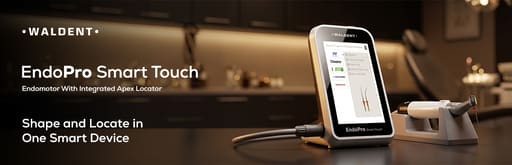
Endo Motor
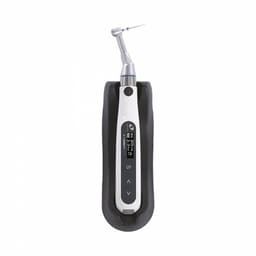
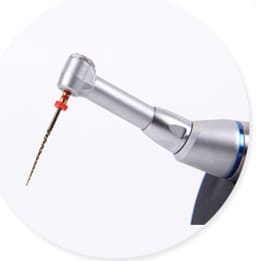
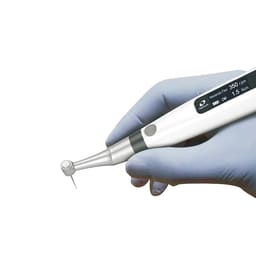
An endo motor is a low-speed, high-torque motor that drives endodontic files to shape a root canal. It runs NiTi rotary or reciprocating files at a set speed and torque, so the canal is prepared by machine rather than by hand. Many models add an integrated apex locator and auto-reverse, which help prevent file breakage and over-preparation.
 Recommended
 Price- High to LowPrice- Low to High
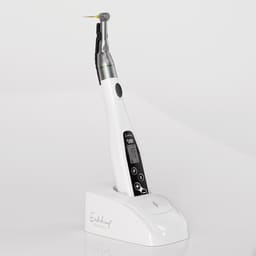
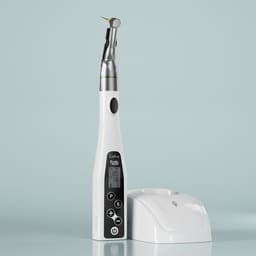

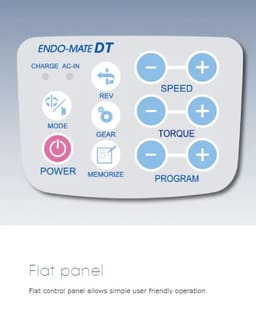


 449
449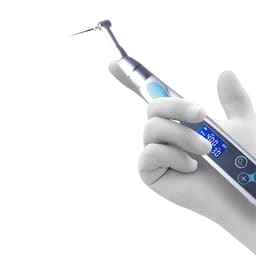

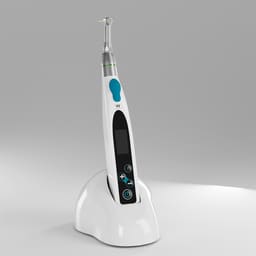
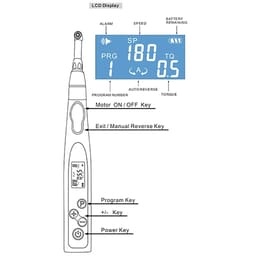

 620
620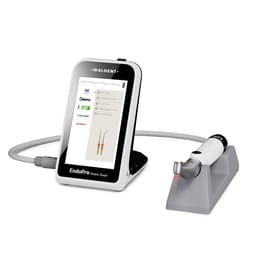

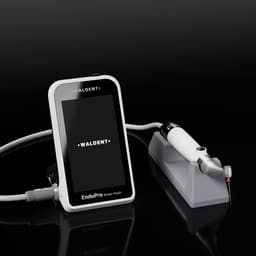

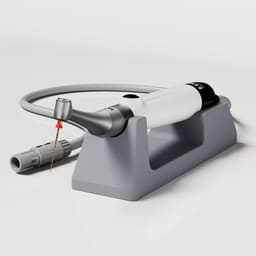
Only 5 Left
1.9k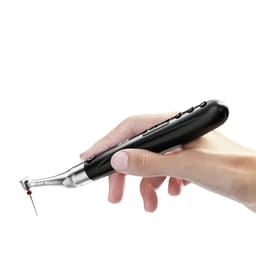

 985
985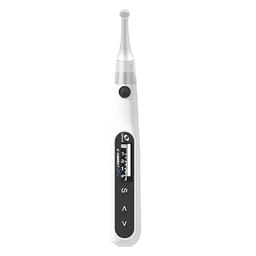
 255
255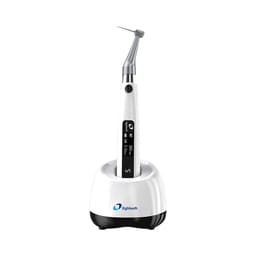

 550
550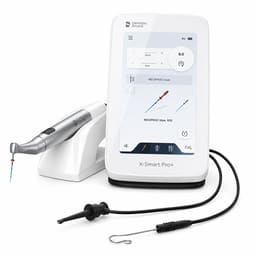
 1k
1kEndo Motor
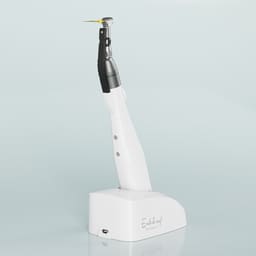
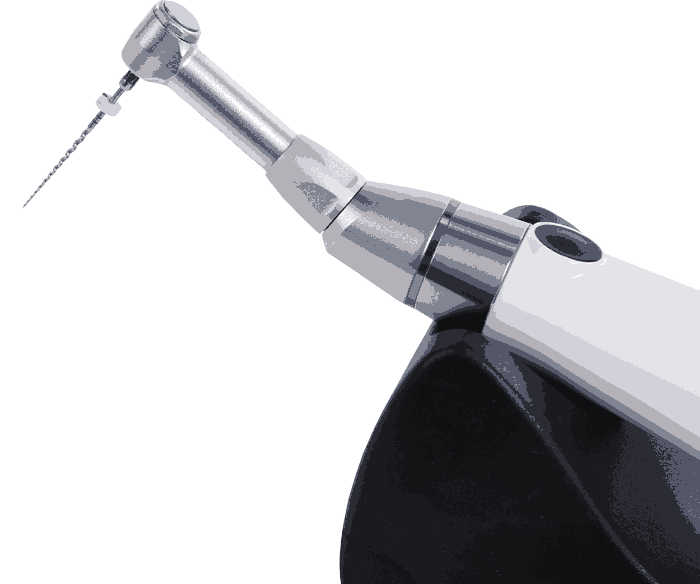
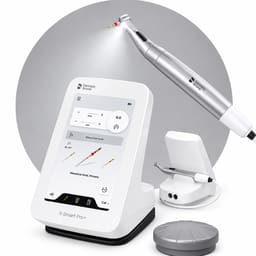
Shaping a canal by hand is slow and tiring; an endo motor does it faster and more consistently. It is a geared, low-speed motor that turns NiTi files at a precise speed and torque, so each file cuts the canal the way it was designed to. Set the file system's values and the motor holds them, and if the file meets too much resistance the auto-reverse backs it out before it can strain. It drives the rotary files that do the actual cutting, and is the core power tool of modern canal preparation.
Key features
What sets the models apart:
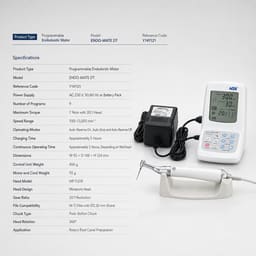
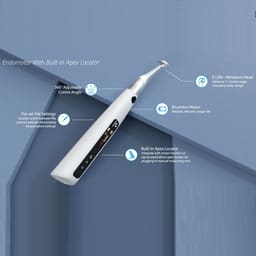
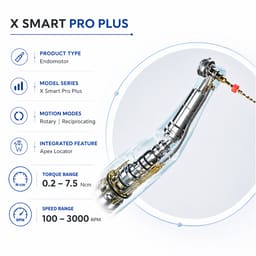
- Torque control — set the exact torque a file system needs; auto-reverse when it is exceeded, guarding against separation.
- Speed control — the low rpm range NiTi files require, adjustable per system.
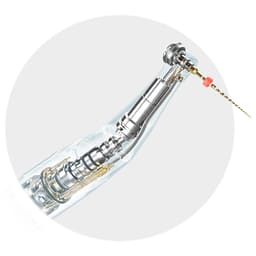
- Integrated apex locator — many motors read file position against the apex live, so working length is tracked while shaping, a built-in apex locator.
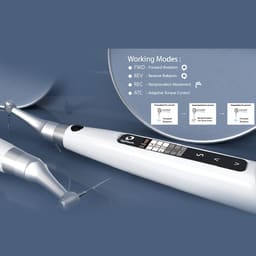
- Reciprocating mode — a back-and-forth motion for single-file reciprocating systems, on the motors that support it.
Cordless or corded
Two formats to choose between:
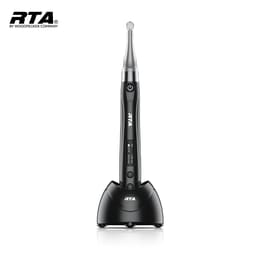
- Cordless — a rechargeable handpiece with no cable, light and free to angle, the common modern choice.
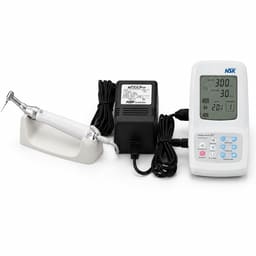
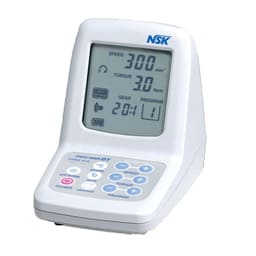
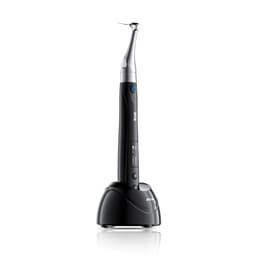
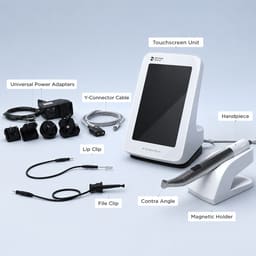
- Corded / console — a benchtop console driving the handpiece, often with a fuller display and settings.
- Presets — libraries of common file systems built in, so speed and torque load with the system.
Both prepare the canal the same way; the choice is handling and features, within the wider endodontics range.
Choosing an endo motor
Points to weigh:
- Apex locator — a motor with one built in saves a separate device and tracks length live.
- Motion — rotary only, or rotary plus reciprocating for single-file systems.
- Cordless vs corded — freedom of movement against a larger console display.
- File presets — check the systems you use are supported or can be set manually.
Once the canal is shaped, it is dried with a paper point before filling.
Frequently Asked Questions (FAQs):
What is an endo motor used for?
It drives endodontic files to shape the root canal. Instead of filing by hand, the clinician mounts a NiTi rotary or reciprocating file in the motor's handpiece, and it turns the file at a set speed and torque to cut and enlarge the canal. It makes canal preparation faster, more consistent, and less tiring than manual instrumentation, and is standard in modern endodontics.
What does torque control on an endo motor do?
It limits how much turning force the file experiences. Each NiTi file system has a torque value beyond which the file risks distorting or breaking. The motor holds the set torque and, if the file binds and exceeds it, auto-reverses to back the file out before it separates. That protection against file fracture is one of the main reasons a motor is safer than uncontrolled rotation.
What is an integrated apex locator on an endo motor?
It is a built-in device that measures how close the file tip is to the root apex while you shape. Rather than using a separate apex locator, the motor tracks working length live during preparation and can slow or auto-stop as the file nears the apex. This helps keep instrumentation within the canal and avoids pushing past the apex, combining two tools in one.
Should I choose a cordless or corded endo motor?
It depends on how you work. Cordless motors are light, cable-free, and easy to angle around the mouth, which most clinicians prefer for routine use. Corded consoles often have a larger display and a fuller set of programmed file systems, useful in a busy endo practice. Both prepare the canal identically; the choice is about handling and the features you want.
What is reciprocating motion on an endo motor?
Reciprocation is a back-and-forth rotation — the file turns one way, then partly back — used by single-file reciprocating systems. It reduces the stress on the file compared with continuous rotation, lowering fracture risk, and lets some systems shape a canal with one file. Not every motor offers it, so if you use a reciprocating system, check the motor supports that mode.