


Obturation
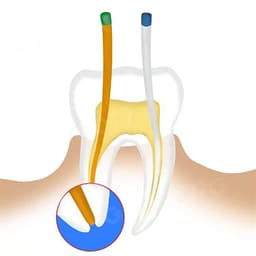
Obturation is the last step of a root canal — packing the cleaned, dried canal solid with gutta-percha and sealer so nothing leaks back in. The category gathers the cones, sealers, spreaders, pluggers, MTA, and obturation systems, from EndoKing, Woodpecker, Eighteeth, and GDC. Cold lateral packing uses hand instruments; warm techniques add a heat source for a denser, softened fill.
 Recommended
 Price- High to LowPrice- Low to High

 25
25
 12
12
 59
59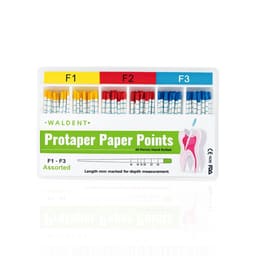
 10
10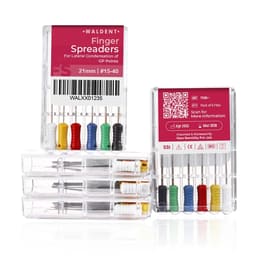
 5
5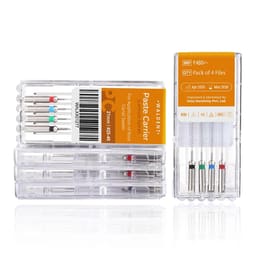
 10
10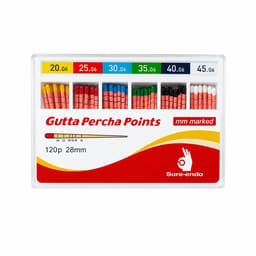
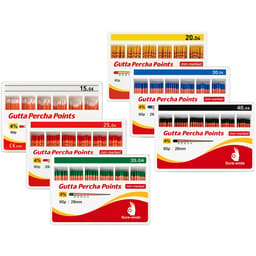
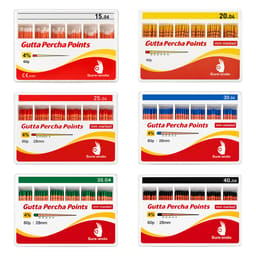

Obturation — Materials, Instruments and Systems for the Final Root Canal Fill
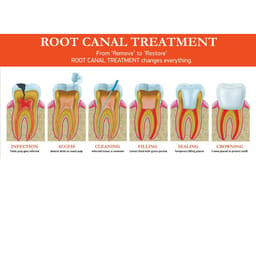
Obturation is the moment a root canal treatment is finished off. Once the canal has been cleaned, shaped, and dried, it has to be filled completely and sealed so bacteria cannot re-enter from the crown or the apex — and that fill is a gutta-percha core locked in place by a root canal sealers cement. This category is the whole obturation kit rather than any single material: the cones and sealer, the points that dry the canal first, the spreaders and pluggers that compact the fill, the MTA for apical repairs, and the heated systems that soften and inject gutta-percha.
Types of obturation product
How a canal is filled comes down to technique, and each method needs its own kit — the full range of methods is walked through in Effective Obturation Techniques for Successful Root Canal Treatments.
Core materials — gutta-percha and sealer
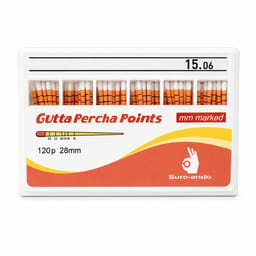
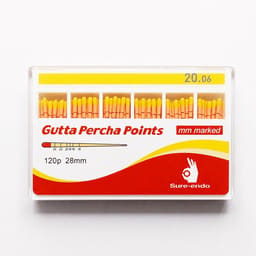
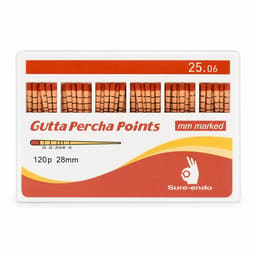
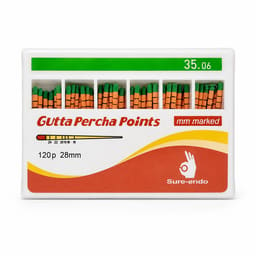
Every fill starts with the same two materials: a gutta-percha cone for the bulk and a sealer to bond it to the wall and fill what the cone misses. These have their own ranges — the gutta percha points and the sealer chemistries — and the rest of this category is the instruments that place them.
Cold lateral compaction instruments
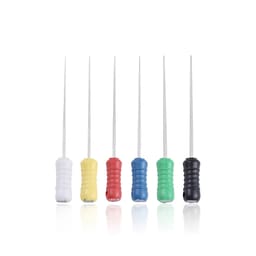
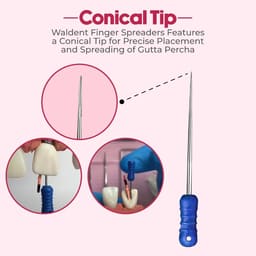
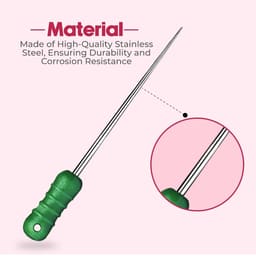
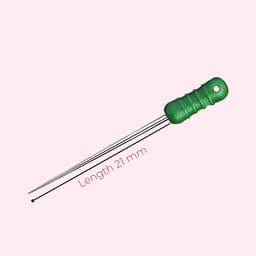
The classic hand technique seats a master cone, then wedges accessory cones into the space a finger spreader opens beside it, building the fill cone by cone at room temperature. The Waldent Finger Spreaders 21mm # 15-40 (Pack of 6) are the spreaders for it.
Warm vertical condensation and down-pack pens
Warm techniques heat the gutta-percha so it flows into the fins and lateral canals a cold cone cannot reach, then drive it apically. A heated plugger or an obturation pen does the down-pack against a hand plugger. The EndoKing Obturation Pen is a slim down-pack pen for that step.
Backfill and thermoplasticised delivery
Once the apical plug is set, the rest of the canal is refilled with softened gutta-percha injected from a backfill handpiece, which is faster and more uniform than layering cold cones. The Eighteeth Fast Fill is a cordless backfill unit for the coronal refill.
MTA and apical repair
Not every case ends in a simple cone. An open apex, a perforation, or a resorption defect is sealed with MTA — a hydraulic cement that sets against tissue fluid — placed before or instead of the gutta-percha fill. The Ammdent Root Plus MTA is a repair cement for those cases.
When obturation products are used
The fill goes in at the very end of a root canal, once cleaning and shaping are done:
- Drying the canal with paper points before any filling material goes in
- Single-cone obturation, a taper-matched cone set in sealer
- Cold lateral compaction, master and accessory cones packed with a spreader
- Warm vertical condensation, the cone softened and driven apically
- Backfilling the canal with thermoplasticised gutta-percha
- MTA placement for an apical plug, a perforation, or an open apex
How to choose obturation products
- Technique first — cold lateral needs only spreaders, pluggers, and cones; warm vertical and backfill need a heat source and a delivery unit, which is a bigger outlay.
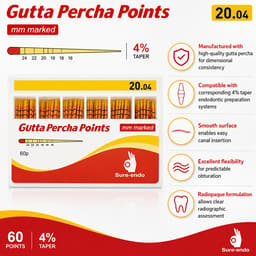
- Cone taper to your files — match the cone taper to the rotary system that shaped the canal (ProTaper, 4%, 6%) so a single cone seats to length.
- Sealer chemistry — settled on its own range, but the technique drives it: bioceramic for single-cone, resin for warm vertical.
- MTA support — keep an MTA cement and a fine carrier such as the GDC MTA Carrier - Curved 0.8mm (MTA4869) on hand for the apical and repair cases a cone cannot solve.
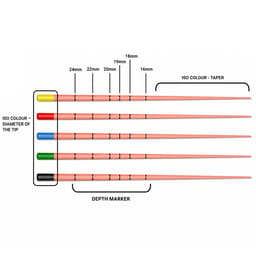
- Length marking and sterility — length-marked cones and points, stored sterile, keep the fill to working length and out of trouble.
Obturation brands on Dentalkart
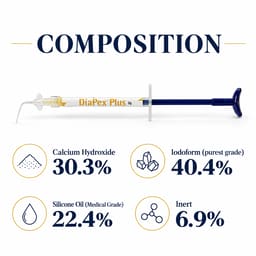
The category splits by what a clinic is buying. Materials come from the endodontic houses — Dentsply, Meta, Diadent, Ammdent, Septodont, and the bioceramic and MTA names.
The instruments and machines come from a different set — Waldent and GDC for the hand tools, and EndoKing, Woodpecker, and Eighteeth for the heated pens, guns, and backfill units — so a clinic assembles a fill from both sides of the shelf.
Why buy obturation products from Dentalkart
Obturation is where a root canal is won or lost — the step that decides whether all the cleaning that came before it holds — so it is worth assembling from one place rather than piecemeal. Having the cones, the sealer, the spreaders or the heated system, and the MTA for the awkward apices on the same catalogue lets a clinic build the fill around the technique it actually uses, whether that is a single cone and a bioceramic or a full warm-vertical setup, and restock the consumable half as it runs down without hunting each item separately.
Frequently Asked Questions (FAQs):
What is obturation, and why does it matter?
Obturation is the filling and sealing of a root canal once it has been cleaned and shaped. It matters because a canal can be disinfected perfectly and still fail if the space is not sealed — leftover space lets bacteria and fluid re-enter from the crown or the apex. A dense, well-sealed fill is what turns a cleaned canal into a lasting result.
Cold lateral or warm vertical — which should I use?
Both give a sound fill; they differ in kit and reach. Cold lateral packs cones at room temperature with a spreader and is inexpensive and reliable for straightforward canals. Warm vertical softens the gutta-percha with heat so it flows into fins and lateral canals, which suits complex anatomy but needs a heat source and a backfill unit. Many clinics start cold and add warm later.
Do I need an obturation pen, or will hand instruments do?
Hand instruments are enough for a lot of general practice — a spreader, a plugger, cones, and sealer will fill most canals by cold lateral compaction. An obturation pen and backfill unit earn their cost where you do enough endodontics to want the denser warm-vertical fill and the time saved on molars. It is a step up, not a starting requirement.
When is MTA used instead of a normal fill?
MTA comes out when a plain gutta-percha fill will not seal the case. An immature tooth with an open apex, a perforation, a resorption defect, or a root-end during surgery is sealed with MTA — a hydraulic cement that sets against moisture and bonds to tissue — placed with a fine carrier before or in place of the cone. It is a repair material, not the routine fill.
What do I need to start obturating?
For a basic cold-lateral setup: gutta-percha cones matched to your file taper, a root canal sealer, paper points to dry the canal, finger spreaders, and a plugger. Add an MTA cement and a carrier for apical repairs. Move up to an obturation pen and backfill unit only once the caseload justifies the warm-vertical technique.