





Dental Wires & Springs
Orthodontic wires and springs are stainless steel, nickel-titanium, and beta-titanium components used to apply controlled force that aligns teeth during braces treatment. Dentalkart stocks NiTi and stainless steel archwires, ligature wires, and coil springs from OrthoMetric, U Ortho, and Koden at the best price in India. Trusted by 50,000+ dentists across India for genuine orthodontic supplies and fast delivery.
 Recommended
 Price- High to LowPrice- Low to High

_1.jpg?w=256)
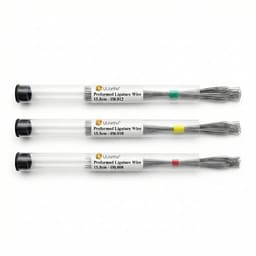
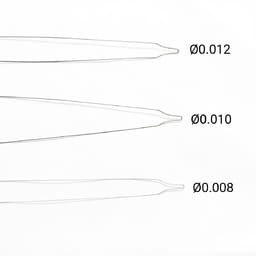
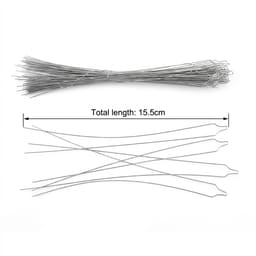
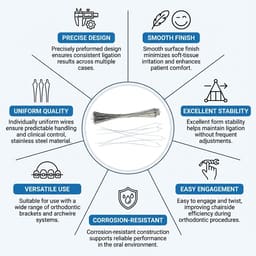
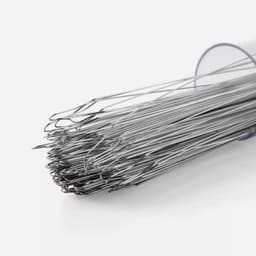
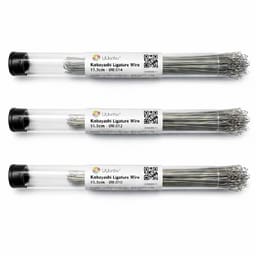
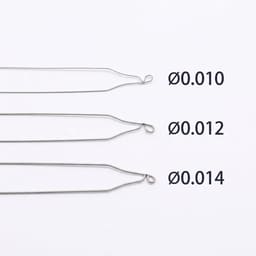
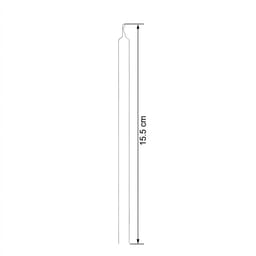
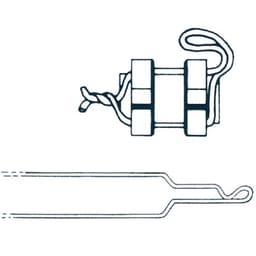
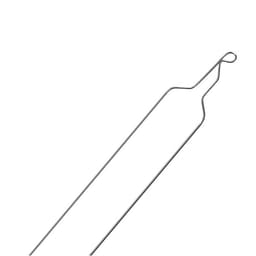
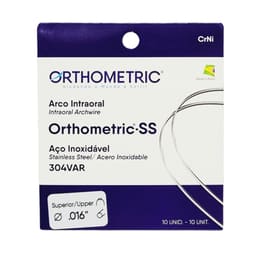
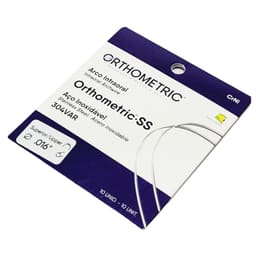
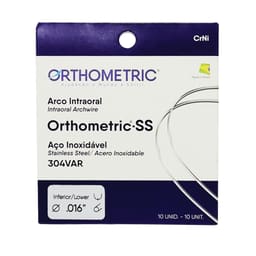
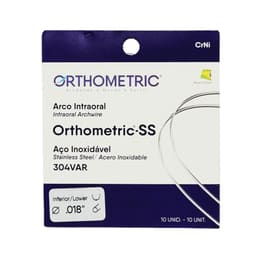
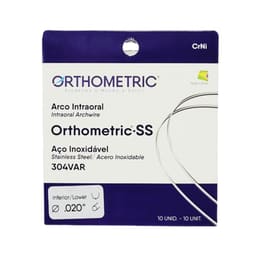
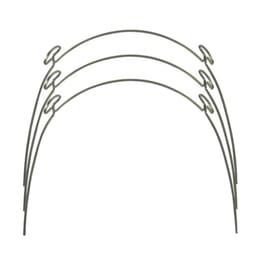
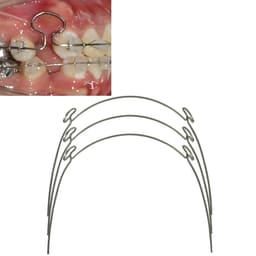
Orthodontic wires are metal archwires and springs that engage brackets to apply continuous, controlled force for aligning and leveling teeth. Also called archwires, dental wires, or braces wires, they are made from stainless steel, nickel-titanium (NiTi), and beta-titanium (TMA) alloys, each offering a different balance of stiffness, springback, and force delivery. Orthodontists select wire material, cross-section, and dimension by treatment stage — from initial alignment through finishing — to move teeth predictably during fixed appliance therapy.
Types of Orthodontic Wires & Springs
NiTi (Nickel-Titanium) Archwires
Superelastic NiTi archwires deliver light, continuous force over a wide deflection range, the standard choice for initial alignment and leveling. Example: U Ortho NiTi Tooth Color Wire.
Stainless Steel Archwires
Stainless steel archwires give high stiffness and precise control for the working and finishing stages and hold loops and bends well. Example: OrthoMetric Stainless Steel Archwires – Round.
Beta-Titanium (TMA) Archwires
TMA archwires sit between NiTi and steel in stiffness, offering good springback with formability for finishing, torque, and detailing. Example: Koden Preformed TMA Archwires.
Tooth-Coloured (Aesthetic) Archwires
Coated wires give a discreet, tooth-coloured appearance for aesthetic-conscious patients while retaining the mechanics of the base alloy. Example: U Ortho NiTi Tooth Color Wire.
Ligature Wires
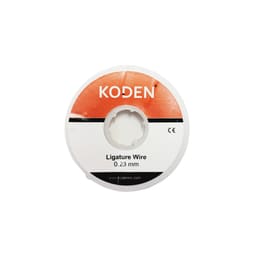
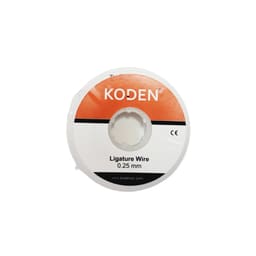
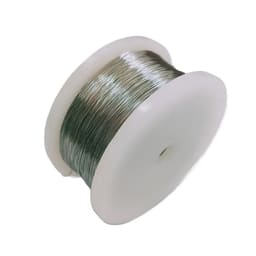
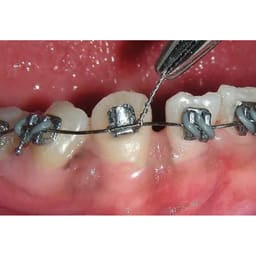
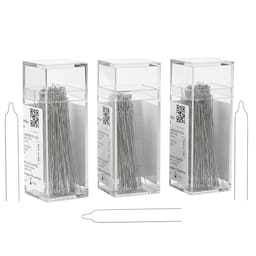
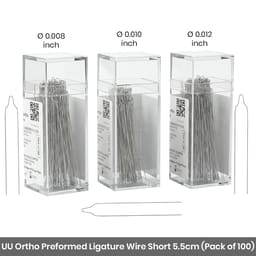
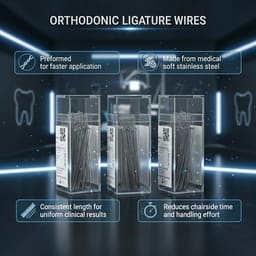
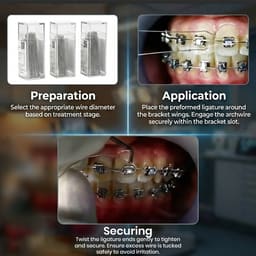
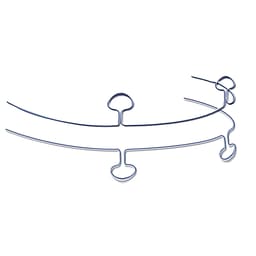
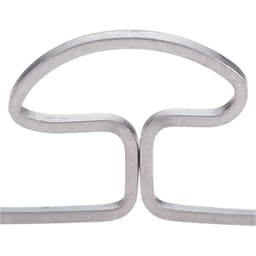
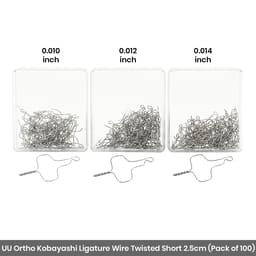
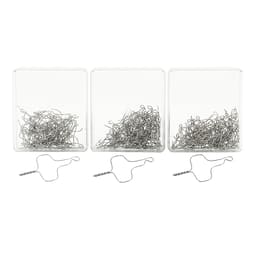
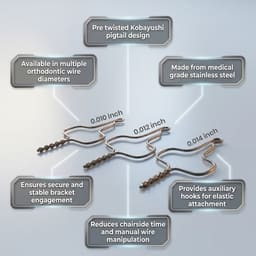
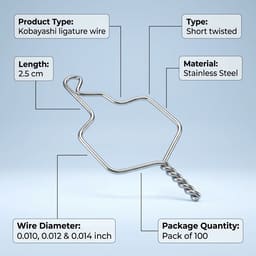
Thin stainless steel ligature wires, including Kobayashi hooks, secure the archwire in the bracket slot and provide attachment points for elastics. Example: UU Ortho Kobayashi Ligature Wire.
Orthodontic Coil Springs
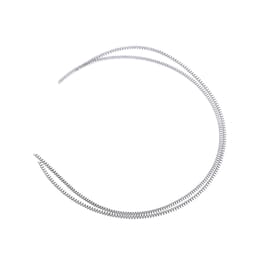
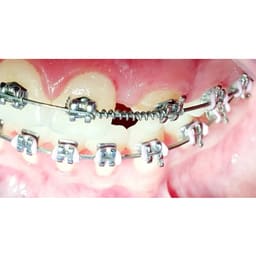
Open and closed NiTi coil springs open or close space between teeth by delivering sustained force along the archwire. Example: JJ Ortho NiTi Open Coil Spring.
When are orthodontic wires & springs used?
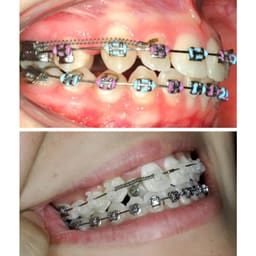
Orthodontic wires and springs are used throughout fixed-appliance (braces) treatment to move teeth in a controlled sequence. The orthodontist progresses from flexible NiTi for alignment to stiffer steel for finishing, adding springs and ligatures as each case requires.
- Initial alignment and leveling of crowded or rotated teeth
- Working-stage space closure and bite correction
- Finishing, torque expression, and detailing of tooth position
- Opening or closing space with open and closed coil springs
- Securing archwires and attaching elastics with ligature wires
- Fabrication of fixed lingual retainers and soldered appliances
How to choose the right orthodontic wire
- Wire material — NiTi for light continuous force in alignment, stainless steel for control in finishing, beta-titanium (TMA) for a balance of springback and formability.
- Cross-section and dimension — Round wires (0.012–0.018 inch) for early alignment; rectangular wires (e.g., 0.019 x 0.025 inch) for torque and finishing.
- Treatment stage — Match the wire sequence to the stage: flexible first, progressively stiffer toward case completion.
- Aesthetics — Tooth-coloured coated wires for visible anterior segments where appearance matters.
- Preformed vs straight length — Preformed arch forms save chairtime; straight lengths and spools suit custom bends, retainers, and soldering.
- Budget and pack size — Indian brands cover most clinical needs at a lower price point; confirm gauge, pack size, and price per unit before ordering.
Orthodontic wire & spring brands available on Dentalkart
Dentalkart stocks orthodontic wires and springs from OrthoMetric, U Ortho, Koden, OrthoDent, Rabbit Force, JJ Ortho, NDW, Dentomech, and OSL. OrthoMetric and U Ortho cover the core range of NiTi and stainless steel archwires, tooth-coloured wires, and coil springs. Koden and OrthoDent supply beta-titanium (TMA) archwires for finishing and torque control. U Ortho also specialises in Kobayashi and preformed ligature wires, JJ Ortho offers NiTi coil springs, and NDW and OSL provide cadmium-free silver solder wire for appliance fabrication.
Why buy orthodontic wires & springs from Dentalkart
Dentalkart sources every orthodontic wire and spring directly from the manufacturer or authorised distributor, so each pack is genuine and traceable. Orders ship across India with cash-on-delivery and EMI options on eligible carts, and a 10-day replacement policy covers damaged or defective items. The catalogue lists pack sizes, gauges, and dimensions clearly, and the support team helps with product selection and bulk pricing for clinics and colleges.
Frequently Asked Questions (FAQs):
What are orthodontic wires used for?
Orthodontic wires are used to apply controlled force that aligns, levels, and finishes tooth position during fixed braces treatment. Engaged in bracket slots, archwires move teeth in three dimensions, while coil springs open or close space and ligature wires secure the wire and anchor elastics. Wire choice changes at each treatment stage.
What is the difference between NiTi and stainless steel archwires?
The difference between NiTi and stainless steel archwires is force and control. Nickel-titanium wires are superelastic and deliver light, continuous force ideal for initial alignment of crowded teeth, while stainless steel wires are stiffer and give precise control for space closure and finishing. Most cases use NiTi first, then progress to steel.
Which orthodontic wire is best for initial alignment?
The best orthodontic wire for initial alignment is a light, round nickel-titanium (NiTi) archwire, typically 0.012 to 0.016 inch, because its superelasticity moves crowded teeth with gentle continuous force. As alignment completes, clinicians switch to rectangular stainless steel or beta-titanium wires for torque, space closure, and finishing.
How often is the archwire changed during treatment?
The archwire sequence usually moves from thin, flexible NiTi to thicker, stiffer stainless steel over the course of treatment. Orthodontists change wires every 4 to 8 weeks as teeth align, increasing dimension and stiffness at each visit. The exact sequence depends on crowding, bracket system, and treatment goals.
Are orthodontic wires on Dentalkart genuine?
Yes, orthodontic wires and springs on Dentalkart are genuine and sourced from the manufacturer or authorised distributor. Each listing shows the brand, alloy, gauge, and pack size, and orders are covered by a 10-day replacement policy for damaged or defective items. Cash-on-delivery and pan-India shipping are available.