



Paedodontics
Paedodontics is the branch of dentistry that looks after children’s teeth, from the first baby tooth through the mixed-dentition years. It covers the preventive and restorative kit made for young patients — pit-and-fissure sealants, fluoride varnish, glass ionomer, prefabricated stainless-steel and zirconia crowns, and pulpotomy materials. Every item is chosen to work quickly and gently on a small, restless patient.
 Recommended
 Price- High to LowPrice- Low to High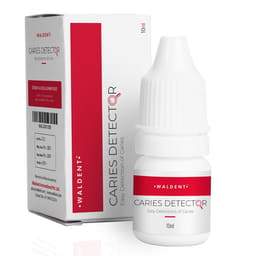


 5
5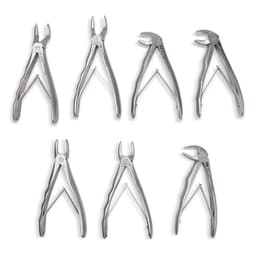

Only 5 Left
385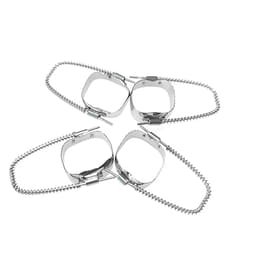
Only 4 Left
120
 120
120


 15
15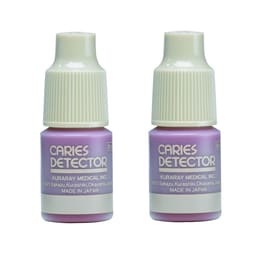

Only 4 Left
40
 6
6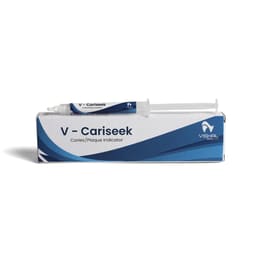
Paedodontics — Caring for Primary and Mixed Dentition
Treating a child is not treating a small adult. Baby teeth have thinner enamel and a pulp that sits closer to the surface, the patient cannot hold still for long, and moisture control is harder in a mouth that will not stay open — so the materials have to bond fast, tolerate a damp field, and forgive a short working time. This category gathers what a paediatric appointment runs on: the preventive coatings that stop decay starting, the materials that repair a tooth quickly, the medicaments that save a pulp, and the instruments sized and styled for children.
From prevention to pulp therapy
Sealants and fluoride — stopping caries before it starts
The cheapest filling is the one never needed. A pit-and-fissure sealant flows into the deep grooves of a newly erupted molar and sets to a barrier that food and bacteria cannot reach, while fluoride hardens the enamel surface against acid. The Waldent FissureSeal Pit & Fissure Sealant LC is a light-cured, fluoride-releasing sealant, and a fluoride varnish is painted on at recall to remineralise the earliest spots.
Finding the decay
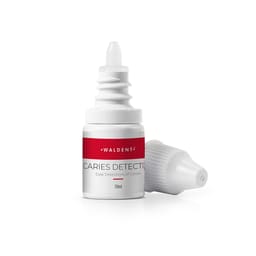
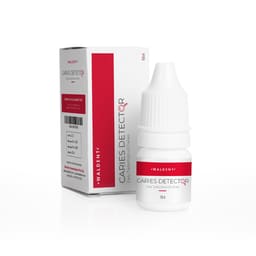
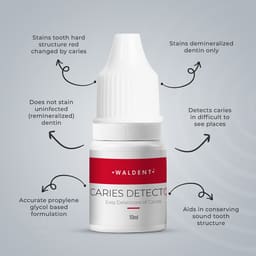
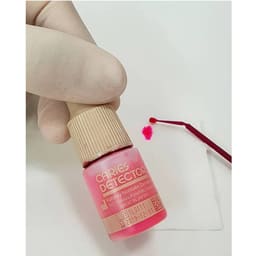
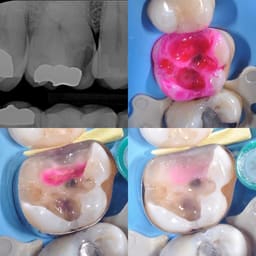
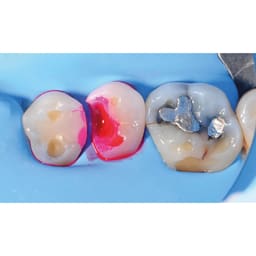
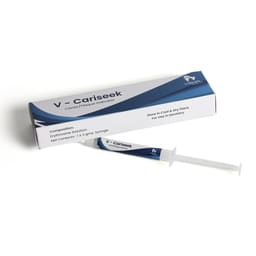
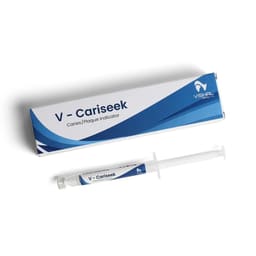
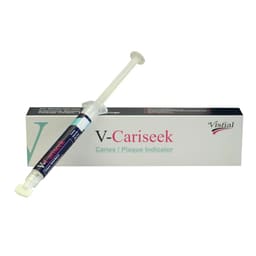
Children’s cavities sit close to the pulp, so removing exactly the infected dentine and no more matters. A caries-disclosing dye stains the soft, infected layer and leaves the sound tooth clear, guiding a conservative excavation that avoids a needless pulp exposure. The Waldent Caries Detector is one such disclosing agent.
Glass ionomer and paediatric crowns
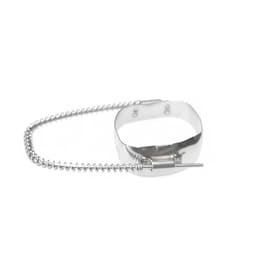
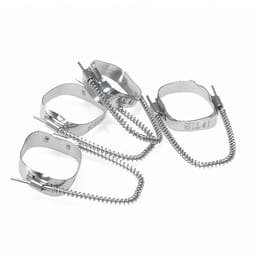
When a tooth needs restoring, the material has to set in a damp, wriggly mouth. Glass ionomer suits that perfectly — it bonds to tooth chemically, leaks fluoride into the cavity, and does not demand a bone-dry field, which is why the Shofu Fx Ultra Bulk Fill Glass Ionomer is a staple for primary molars. Where decay is too broad for a filling, a prefabricated crown caps the whole tooth in one visit: a metal Stainless Steel Primary Molar Crown Kit for hard-working back teeth, or a tooth-coloured zirconia crown where a parent wants the repair to be invisible.
Pulp therapy in baby teeth
A deep cavity that reaches the nerve does not always mean the tooth comes out — the pulp can often be treated so the tooth holds its place until it is due to shed. After the inflamed coronal pulp is removed, a biocompatible cement dresses the stump, and a material such as Dentsply ProRoot MTA gives the modern, formaldehyde-free option for that pulpotomy dressing.
Instruments and isolation sized for children
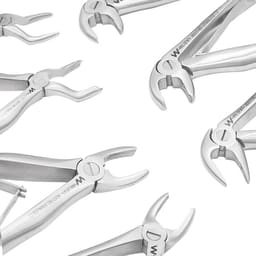
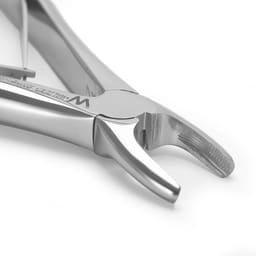
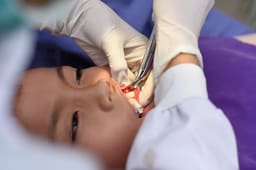
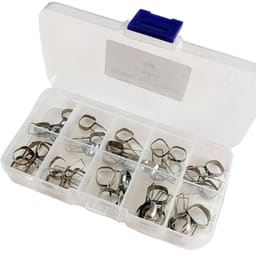
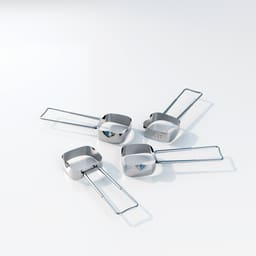
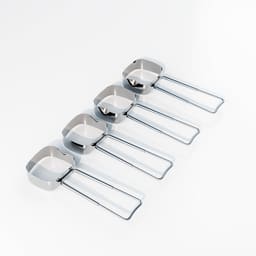
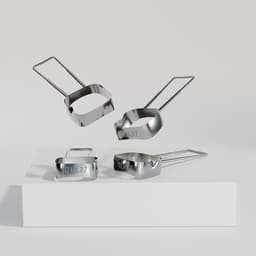
The hardware is scaled down and softened. Paediatric extraction forceps like the Oracraft Pedodontic Extraction Forceps match the smaller anatomy of a baby tooth, small rubber-dam clamps isolate a single tooth, and character-handled disposable mirrors help win a nervous child’s cooperation at the chair.
Across a child’s dental visits
- Sealing the grooves of first permanent molars as they erupt, around ages six to twelve
- Painting fluoride varnish at three-to-six-month recalls for higher-risk children
- Disclosing and conservatively excavating a deep cavity near the pulp
- Filling a primary molar with glass ionomer where a dry field is hard to hold
- Capping a badly broken-down molar with a stainless-steel or zirconia crown
- Dressing an exposed vital pulp during a primary-molar pulpotomy
- Extracting a non-restorable or over-retained baby tooth
- Fitting a space maintainer after an early primary-tooth loss
Picking the right material for a child
- Prevention to risk — seal erupting molars in every child; step fluoride varnish up to each visit for those with active decay, poor diet, or weak hygiene.
- Filling versus crown — a small cavity takes a glass-ionomer filling; a molar with multi-surface caries or one that has had a pulpotomy needs the full coverage of a prefabricated crown.
- Metal versus tooth-coloured crown — a stainless-steel crown is the fastest, toughest choice for a back tooth; a zirconia crown is chosen when a visible tooth’s appearance matters to the family.
- Pulpotomy medicament — MTA and bioceramic dressings are the current evidence-based first choice for vital pulpotomy; formocresol remains a lower-cost fallback where budget is tight.
- Set speed over ideal strength — with a child who cannot stay still, a material that sets reliably in a damp, brief window often beats one that is technically stronger but demands perfect isolation.
Brands for the paediatric chair
Restoratives and preventives come from Shofu, GC, 3M, Prevest Denpro and Waldent — glass ionomers, sealants, fluoride and caries detectors. Prefabricated crowns run from Kids-e-Crown and 3M in zirconia and strip form, with stainless-steel crown kits from U Ortho and Oro.
Pulp-therapy cements come from Dentsply, Prevest Denpro and Kids-e-Dental, while the child-sized instrument side — forceps, pedo rubber-dam clamps and character mirrors — is covered by Waldent, GDC, Oracraft and Cotisen.
Stocking a child-friendly practice
Paediatric appointments live or die on speed and cooperation: the window before a young patient loses patience is short, so the shelf has to hold the fast-setting filling, the right crown size, and the varnish for the next recall all at once. Carrying the prevention, the restoratives, the pulp materials and the small instruments side by side means a clinic can move a child from check-up to sealant to crown without a treatment stalling for a part that has run out.
Frequently Asked Questions (FAQs):
Why treat baby teeth if they are going to fall out anyway?
Because they have years of work left to do before they shed. Primary teeth hold the space for the adult teeth forming beneath them, guide those teeth into place, and let a child chew and speak normally. A decayed baby tooth can hurt, abscess, and damage the developing tooth under it, and losing it early lets neighbours drift and crowd the permanent bite. Treating it protects far more than the tooth itself.
How does a fissure sealant actually prevent cavities?
The chewing surface of a back tooth is full of narrow grooves too deep for a toothbrush bristle to clean, and that is where decay usually begins. A sealant is a thin resin that flows into those grooves and is set hard, turning the pitted surface into a smooth, sealed one that food and bacteria cannot lodge in. With the shelter for plaque gone, caries simply has nowhere to start on that surface.
Stainless steel or zirconia crown for a child’s tooth?
It comes down to durability against appearance. A stainless-steel crown is the toughest and quickest to fit, ideal for a back molar that takes heavy chewing and will not be seen when the child smiles. A zirconia crown is tooth-coloured and far more natural-looking, so it is chosen for front teeth or whenever the family places appearance first, accepting a longer fit and a higher cost.
Is fluoride varnish safe to use on young children?
Yes, applied professionally it is one of the safest preventive measures available. Only a small amount is painted onto the teeth and it sets on contact with saliva, so very little can be swallowed, and it is used routinely from the eruption of the first teeth. It works by concentrating fluoride at the enamel surface to reverse the earliest, still-healing stages of decay before a cavity forms.
What makes glass ionomer well suited to children’s teeth?
Three things: it bonds chemically to the tooth without a demanding bonding technique, it releases fluoride into the cavity to protect the surrounding enamel, and it tolerates a little moisture rather than needing a perfectly dry field. In a small mouth that will not stay open and dry for long, that forgiveness is exactly what a paediatric restoration needs, which is why it is a first choice for primary molars.