





Path Files
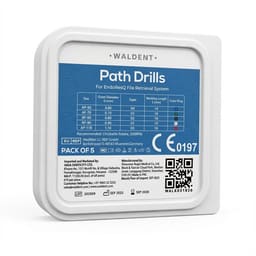
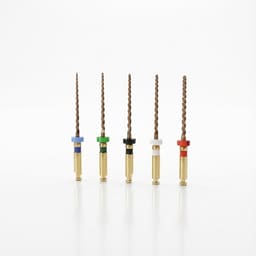
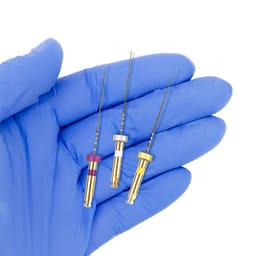
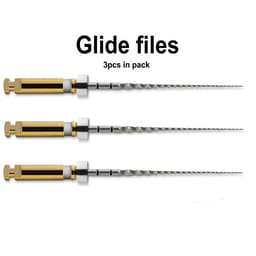
Engaged after hand-file canal scouting and before the first shaping rotary, endodontic path files mechanically enlarge the natural canal anatomy into a smooth 0.15–0.20 mm apical pathway that subsequent shaping files can follow without binding or fracturing. Dentalkart stocks NeoEndo Flex Glide and SuperEndo Pro Glide path files.
 Recommended
 Price- High to LowPrice- Low to High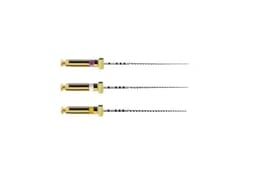
.jpg?w=256)
 70
70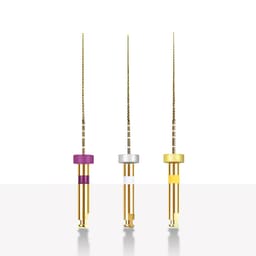
 20
20Endodontic Path Files
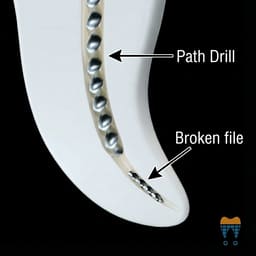
Endodontic path files — also called glide-path files — are small-tapered nickel-titanium rotary instruments used at the very start of mechanical canal instrumentation to enlarge a hand-file-scouted glide path from the natural canal anatomy into a smooth, reproducible 0.15–0.20 mm apical-diameter pathway. The mechanical glide path ensures that subsequent shaping rotary files follow the original canal trajectory without binding, fracturing or transporting the apical foramen. Dentalkart stocks the NeoEndo Flex Glide rotary path files alongside the SuperEndo Pro Glide, trusted by 50,000+ dentists across 110000+ Indian pincodes.
Types of Endodontic Path Files
Flex Glide NiTi Path Files
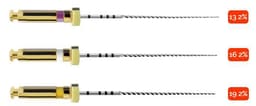
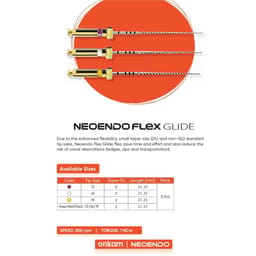
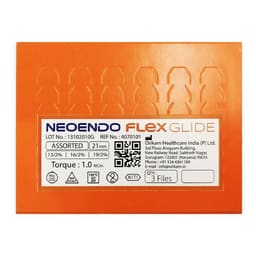
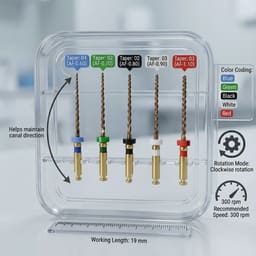
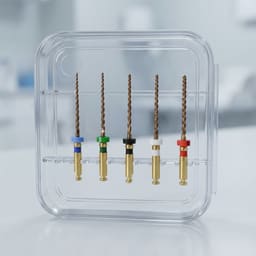
Flex Glide NiTi path files such as the NeoEndo Flex Glide are super-elastic nickel-titanium files in 13/.02 or 16/.02 taper that mechanically widen the hand-file-scouted glide path from the natural canal anatomy to a smooth 0.15–0.20 mm apical pathway, prepared for the subsequent shaping rotary file sequence.
Pro Glide Single-File Glide-Path Systems
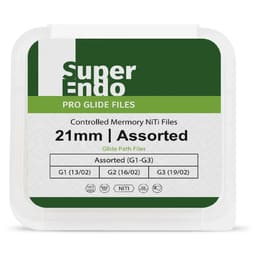
Pro Glide single-file systems such as the Superendo Pro Glide use one progressive-taper file (typically 16/.02 taper) to establish the complete mechanical glide path in a single instrument rather than the traditional 13–16–19 hand-file sequence, reducing chair-side time and the risk of file separation.
Multi-File Glide-Path Sequences
Multi-file glide-path sequences use 2–3 progressively larger NiTi rotary files (13/.02 → 16/.02 → 19/.02) to enlarge the canal incrementally — preferred for severely curved or narrow canals where single-file glide-path establishment risks excessive torque on the first file.
When Are Path Files Used?
Path files are used at the start of every rotary endodontic instrumentation protocol — immediately after hand-file canal scouting with #10 and #15 K-files has confirmed canal patency to working length, and immediately before the first shaping rotary file is engaged. The mechanical glide path they establish protects the subsequent Rotary Files from binding, fracturing and apical transportation.
How to Choose the Right Path File
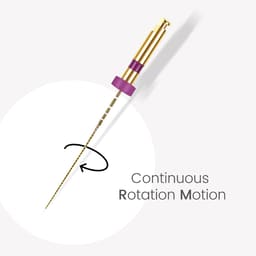
Pick a single-file Pro Glide system for routine endodontic cases with mild-to-moderate canal curvature and adequate apical patency — fastest chair-side workflow. Choose a multi-file sequence for severely curved canals, narrow canals or cases where the hand-file scouting felt resistant, where progressive incremental enlargement reduces single-file torque load. Run the path file in continuous-rotation mode at the manufacturer's recommended RPM and torque using a dedicated endodontic motor. Always complete C+ Files scouting before engaging any rotary path file.
Brands of Endodontic Path Files at Dentalkart
The catalogue features the NeoEndo Flex Glide Rotary File for super-elastic flexible-NiTi glide-path establishment and the SuperEndo Pro Glide single-file glide-path system — covering both the flex-glide multi-file and the single-file progressive-taper formats from two leading endodontic-rotary brands.
Why Buy Endodontic Path Files from Dentalkart
Dentalkart sources endodontic path files directly from authorised manufacturers including NeoEndo and SuperEndo, with batch-coded packaging, cash-on-delivery, GST invoices and 110000+ pincode coverage across India. Practices can pair path files with a matched Endo Motor for the complete glide-path-to-shaping rotary endodontic workflow in one order.
Frequently Asked Questions (FAQs):
What is an endodontic path file?
An endodontic path file (also called a glide-path file) is a small-tapered nickel-titanium rotary instrument used at the very start of mechanical canal instrumentation to enlarge a hand-file-scouted glide path from the natural canal anatomy into a smooth, reproducible 0.15–0.20 mm apical-diameter pathway before subsequent shaping rotary files engage the canal.
Why is a mechanical glide path needed before shaping rotary files?
A mechanical glide path is needed before shaping rotary files because it ensures the subsequent shaping files follow the original canal trajectory without binding, fracturing or transporting the apical foramen. Skipping the glide-path step dramatically increases the rate of file separation, ledging and apical zip — particularly in curved canals and narrow apical anatomies.
What is the difference between a single-file and multi-file path system?
The difference between a single-file and multi-file path system is workflow complexity: single-file Pro Glide systems use one progressive-taper file (typically 16/.02) to establish the complete glide path in one step, while multi-file sequences use 2–3 progressively larger files (13/.02 → 16/.02 → 19/.02) to enlarge the canal incrementally — preferred for severely curved or narrow canals.
What hand files should precede a rotary path file?
The hand files that should precede a rotary path file are stainless-steel #08, #10 and #15 K-files used to scout canal patency to working length. The hand-file scouting confirms the canal is patent and tactile-checks the canal anatomy before any rotary instrument engages, providing a baseline scout-pathway for the rotary path file to enlarge mechanically.
At what speed should a path file be run?
A path file should be run in continuous-rotation mode at 250–400 RPM (manufacturer-specific) using a dedicated endodontic motor with torque control set to 0.7–1.5 N·cm depending on the file system. Lower RPM and tighter torque limits are used in severely curved canals to reduce the risk of file separation and apical transportation.