


Composite
Dental composite — the tooth-coloured composite filling material that has replaced amalgam — is a light-cured resin carrying glass or ceramic filler that bonds to enamel and dentine to rebuild a cavity, chip or worn edge in one visit. How much filler it holds sets its behaviour — heavier for a hard-wearing molar, thinner and flowable for a fissure. The shelf spans nanohybrid, microhybrid, bulk-fill, flowable and anterior shade systems.
 Recommended
 Price- High to LowPrice- Low to High

 100
100



 26
26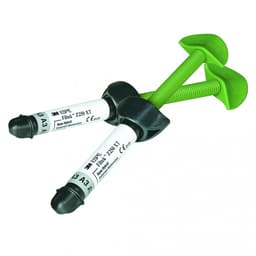

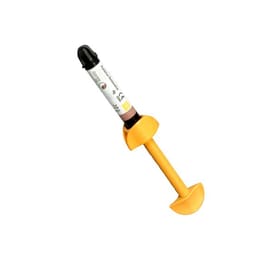
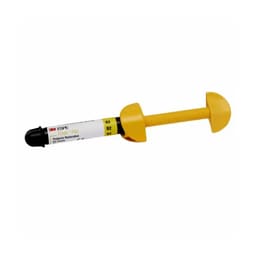
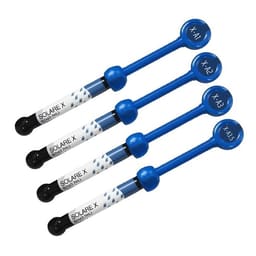
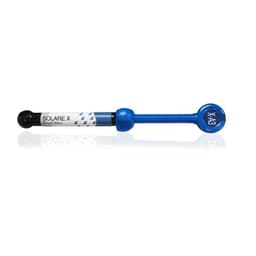
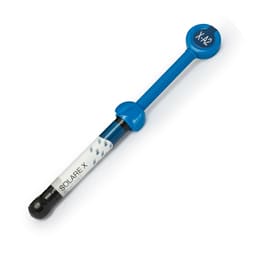
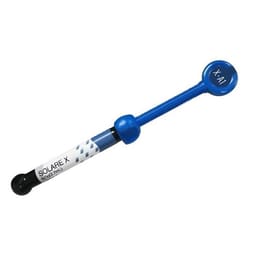

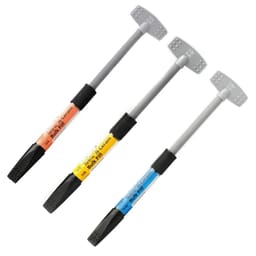
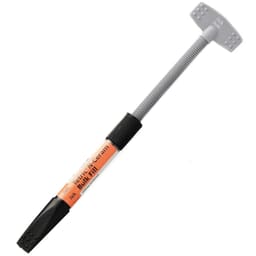
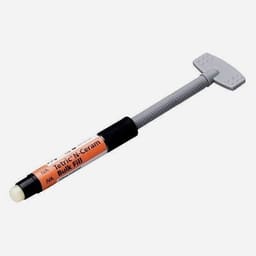
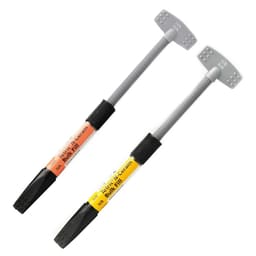
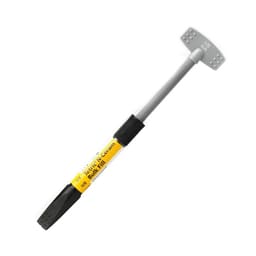
Dental Composite — the Light-Cured Resin that Rebuilds a Tooth in One Visit
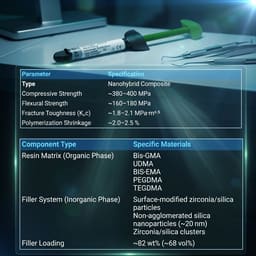
Composite has taken over from amalgam because it does two things amalgam never could: it bonds to the tooth through an adhesive rather than sitting in an undercut, and it comes shade-matched so the repair disappears. The material, a restorative composite, is a resin — usually Bis-GMA or UDMA — loaded with silica, glass or zirconia particles that harden when blue light triggers the photoinitiator inside. The size and amount of that filler is what separates one composite from the next: a densely packed paste stands up to a chewing molar, while a lightly filled, runnier mix reaches into a narrow fissure. That single spread of materials covers a child's first sealant right through to a layered anterior veneer.
Composite by filler and consistency
Nanohybrid — the everyday universal
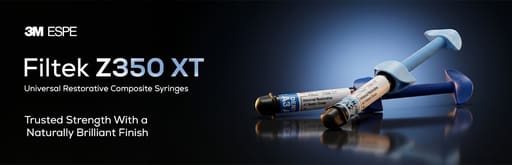
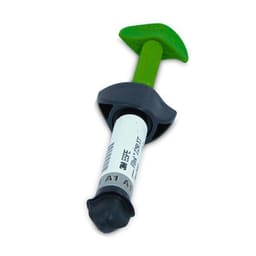
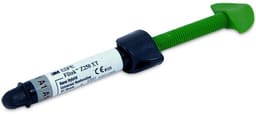
Nanohybrids mix nanoparticles with larger filler so they polish to a high shine yet wear like a hybrid, which makes them the one composite most clinics keep loaded for front and back teeth alike. The 3M ESPE Filtek Z250 XT Restorative Intro Kit is a universal nanohybrid of this kind.
Microhybrid — built for the bite
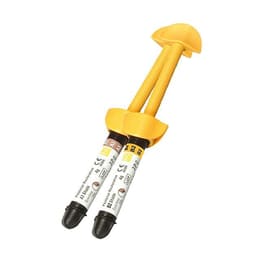
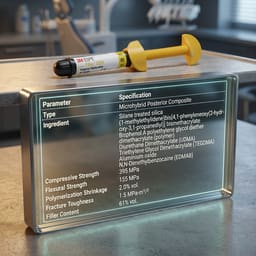
A heavier filler load lets a microhybrid pack firmly without slumping and take the grinding load on molars and premolars, trading a little surface polish for wear resistance. The Dentsply Spectrum Composite Kit sits in this posterior-strength group.
Bulk-fill — deep cavities in one increment
Bulk-fills use more translucent filler and tuned initiators so light reaches the floor of a 4–5 mm increment, letting a deep Class I or II be filled in one placement instead of stacked 2 mm layers. The Prime Dental Restorite Bulk Fill Kit (Packable) is a packable bulk-fill.
Flowable — liners, fissures and tight spots
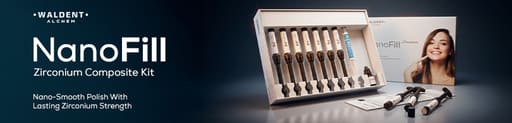
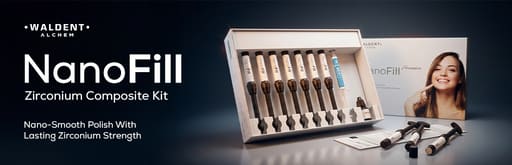
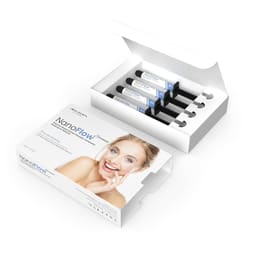
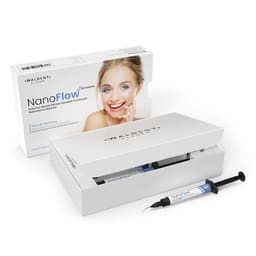
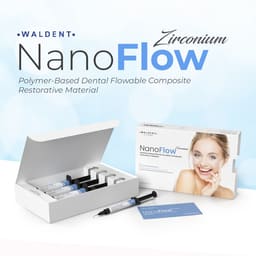
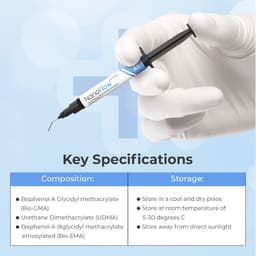
Drop the filler and raise the resin and the paste becomes syringeable, running into pits, fissures and small Class V lesions, or sitting as a thin liner under a packable. The Waldent Alchem NanoFlow Flowable Composite Kit covers that flowable work.
Anterior shade systems
Front-tooth work needs more than one universal tint: an aesthetic system carries separate dentine and enamel shades plus translucency tabs, so a restoration can be layered and its margin hidden by the surrounding tooth. Ivoclar's Tetric aesthetic range is built for that — the Ivoclar line collects those layering composites.
Where composite is used
Composite goes anywhere a bonded, tooth-coloured repair is wanted on enamel or dentine, which in direct restorative work is nearly everywhere. It fills Class I to V cavities on front and back teeth, rebuilds chipped incisal edges and lays down veneers, closes a diastema or reshapes a tooth without drilling, forms a core build-up on a root-treated tooth before a crown, seals caries-prone pits and fissures, and splints loose or trauma-displaced teeth. The same syringe that patches a molar can, layered carefully, rebuild the corner of a front tooth.
Getting the choice right
Where the restoration sits decides most of it — a microhybrid or nanohybrid for load-bearing molars, a shade-rich system for a visible incisor. After that, filler load trades wear resistance and lower shrinkage against easier flow; bulk-fill saves time on deep cavities while 2 mm layering gives more control on shallow or aesthetic work; and flowable suits fissures and liners where packable suits building contour against a matrix. Most failures, though, trace to technique rather than brand — isolation, curing and occlusion — as the guide to composite failures and how to prevent them sets out.
The brands on the shelf
The imported aesthetic and high-strength tier runs through 3M ESPE, Ivoclar Vivadent, GC, Tokuyama and Dentsply — the names reached for on demanding anterior and posterior cases. Voco, Shofu, Kulzer and Kuraray add bioactive and smart-material specialities, while Prevest Denpro, Prime Dental and SDI hold the everyday mid-tier that fills most routine Class I to V work in Indian practice. Each product page states the type, shade range and pack format so a clinic can match the composite to the case.
Storing composite and why buy from Dentalkart
Composite is a light-sensitive, time-limited material, so freshness and storage decide whether a kit cures the way it should — which is why every syringe and kit here is checked for batch and expiry before dispatch, with a replacement window for anything short-dated or damaged on arrival. Sealed, a composite holds for two to three years; opened, it belongs somewhere cool, capped and out of the light, since a stray beam starts the photoinitiator early. The adhesives, etchants and finishing kits that complete the restoration — the bonds and etchants especially — order from the same catalogue.
Frequently Asked Questions (FAQs):
Why does composite need a curing light?
Composite needs a curing light because it sets by photochemistry, not by drying. A photoinitiator — commonly camphorquinone — absorbs blue light at about 430–480 nm and starts a reaction that links the resin monomers into a solid network. That takes roughly 10–20 seconds per 2 mm layer, which is why the light's output and the curing depth matter as much as the paste itself.
Nanohybrid, microhybrid or bulk-fill — which for which tooth?
It comes down to filler and depth. A microhybrid carries the heaviest filler for wear resistance on molars; a nanohybrid gives up a little strength for a higher polish and works on both arches; a bulk-fill uses translucent filler so light can cure a 4 mm increment at once in a deep cavity. The site and depth of the cavity point to the right one.
What composite gives the best anterior match?
A convincing front-tooth match needs a shade system rather than a single universal tint. Aesthetic composites such as those in the Tetric, Solare and Estelite ranges carry separate dentine and enamel shades plus translucency tabs, so the restoration can be layered and the margin blended by the surrounding tooth. Routine posterior work manages on three or four shades.
How long does a composite filling last?
A sound posterior composite typically lasts about 7–10 years, and an anterior chip repair five to seven, before margins begin to wear or leak. Failure usually starts at the edge, where moisture contamination during placement or a worn surface lets bacteria back in. A patient who grinds heavily should expect roughly a third less service from any filling.
How should composite be stored?
Store composite cool, capped and away from light — its main enemy is stray light, which fires the photoinitiator early and stiffens the paste before it reaches the tooth. Keep it between about 4 and 25 °C, recap syringes straight after use, and never leave one open under the operatory lamp. Sealed stock keeps two to three years; check the expiry before a long case.