

Student Section
4.7
The student section brings together what a BDS student needs — textbooks, revision guides, pre-clinical instrument and material kits, practice models, and lab PPE, arranged by year from first to final. Books come from Jaypee, Elsevier, and Medi Study Go; kits and models from GDC, Waldent, and Toothxplore. It runs the whole BDS course and the NEET MDS prep after.
Sort by - Recommended
 Recommended
 Price- High to LowPrice- Low to High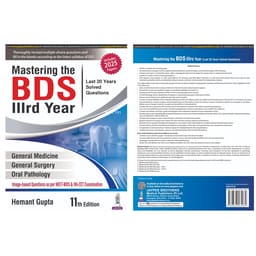
Only 5 Left
★ 5.0
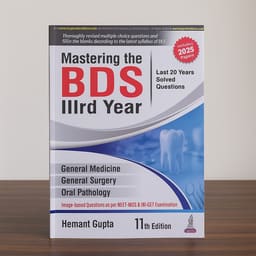
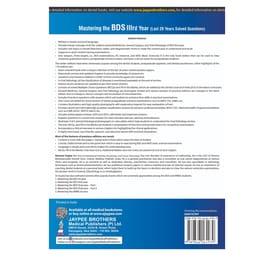
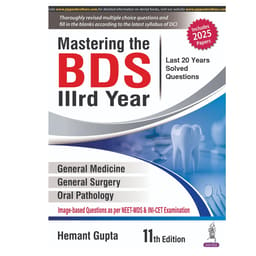
(1)BDS IIIrd Year 11th Edition offers updated, exam-oriented content with solved papers by hemant gupta
₹ 1155₹ 1395
17.20% Off
 12
12View Similar Products
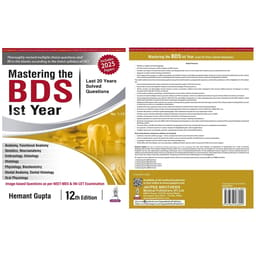
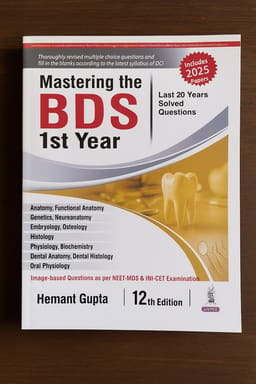
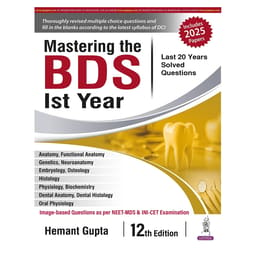
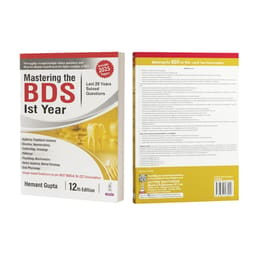
BDS Ist Year 12th Edition offers updated, exam-oriented content with illustrations by hemant gupta
₹ 1131₹ 1395
18.92% Off
12View Similar Products
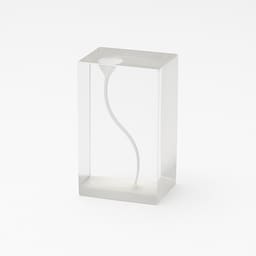
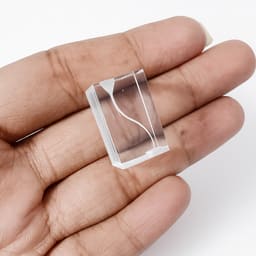
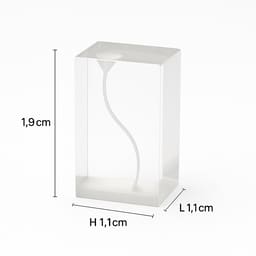
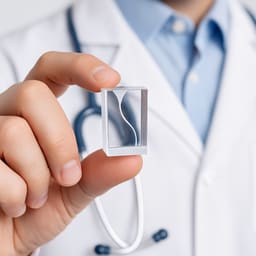
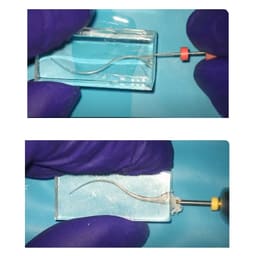

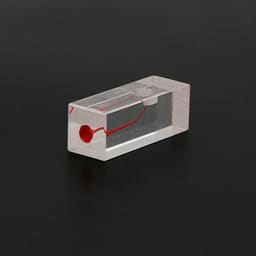
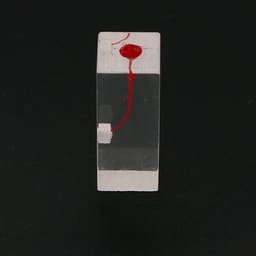
Transparent endo training block with S-shaped canal for practicing advanced root canal instrumentation techniques
₹ 220₹ 450
51.11% Off
10View Similar Products
★ 4.0
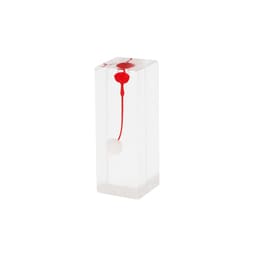
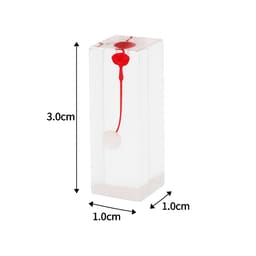
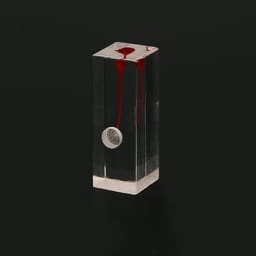
(1)Single-root canal training block for practicing pulp extirpation, canal shaping, and endodontic instrumentation skills
₹ 205₹ 400
48.75% Off
10View Similar Products
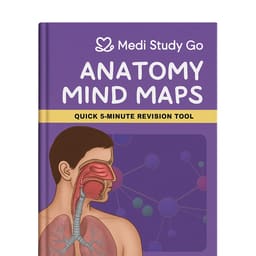
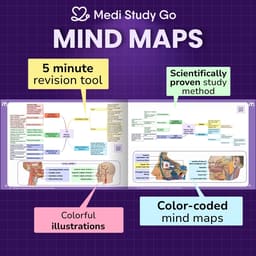
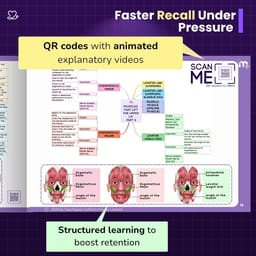
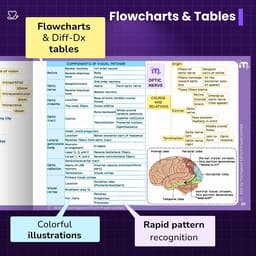
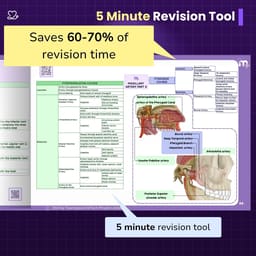
Master Head & Neck Anatomy faster with 185 CBME-aligned visual mind maps by Dr. Chandni Pinto
₹ 1363₹ 1500
9.13% Off
14View Similar Products
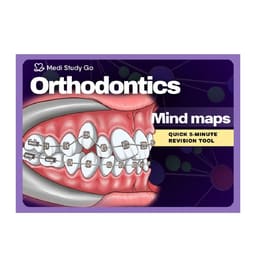
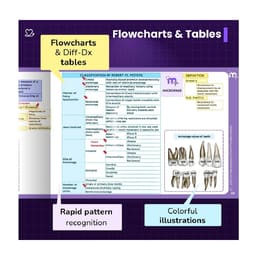
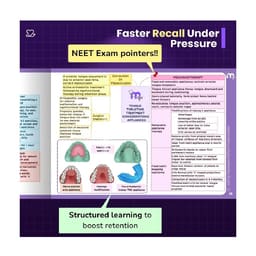
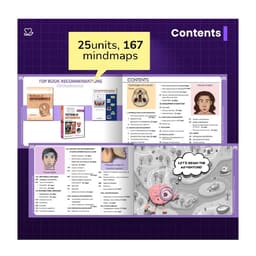
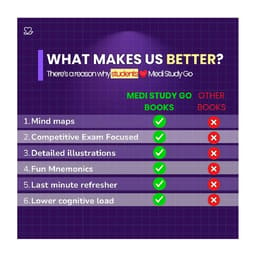
Finish all key topics in 5-minute mind maps -167 visual maps
₹ 1274₹ 1500
15.07% Off
13View Similar Products
Only 2 Left
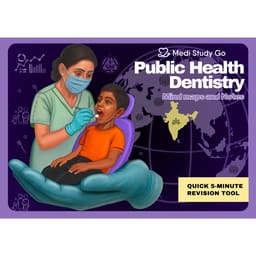
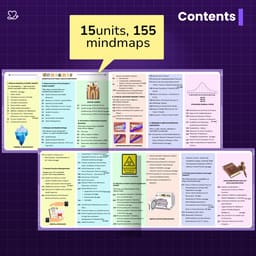
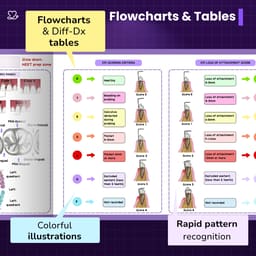
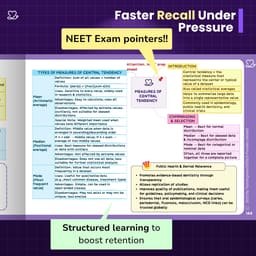
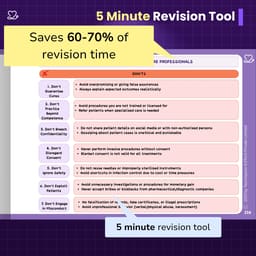
Comprehensive mind maps for Public Health Dentistry, offering concise and structured revision notes
₹ 1363₹ 1500
9.13% Off
14View Similar Products
Only 2 Left
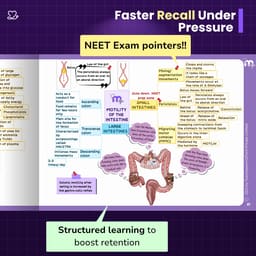
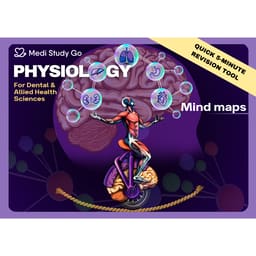
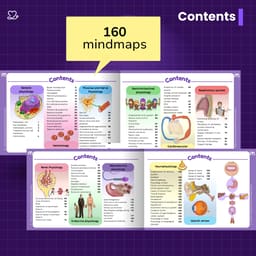
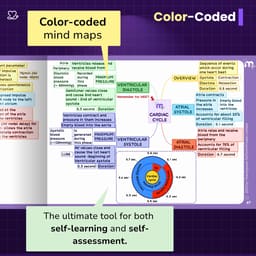
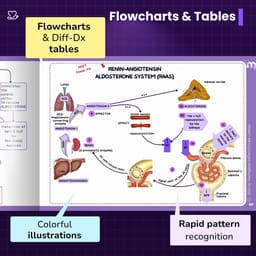
160 color-coded mind maps by Dr. Swapnil Paralikar for efficient, 5-minute physiology revision and exam prep.
₹ 1274₹ 1500
15.07% Off
13View Similar Products
Filters
Sort By
RecommendedStudent Section — BDS Books, Kits and Practice Models by Year
A dental degree is five years of books, benches, and exams, and this section is stocked for all of it. It gathers what a BDS student buys across the course — the standard textbooks and the quick-revision guides for each subject, the pre-clinical instrument and dental-material kits the college practicals call for, the models and blocks used to practise a cavity or a root canal, and the coats, gloves, and masks for the lab — grouped year by year so a first-year and a final-year each find their own shelf. Toward the end it adds the MCQ banks and manuals for NEET MDS.
For a broad view of what a student's kit should hold and how to source it, see The Future Dentist's Toolkit: Essential Guide for Dental Students.
First year — foundation sciences
First year is anatomy, physiology, biochemistry, and dental anatomy — the science base the rest is built on. It needs the standard textbooks, histology slides, a dissection kit, skull and jaw models, and lab PPE. A year-wise exam title like the Jaypee Medical Mastering the BDS Ist Year 12th Edition pulls the year's subjects into solved-paper form for revision.
Second and third year — bridging to the clinic
The middle years add pathology, microbiology, pharmacology, and dental materials, then oral pathology, oral medicine, and general medicine and surgery — the bridge from science to diagnosis. Textbooks and slide sets carry the theory, and a visual aid such as the Medi Study Go Head And Neck Anatomy Mind Maps speeds the revision.
Final year and NEET MDS
Final year is the full clinical curriculum — conservative, prosthodontics, periodontology, orthodontics, paedodontics, oral surgery, and public health — running alongside the start of PG-entrance prep. Subject textbooks and university solved-question series cover the papers, while MCQ banks and manuals build toward NEET MDS, which is best begun during the year rather than after internship for the retention it buys.
Pre-clinical instrument and material kits
The bench work needs its own kit. College practicals call for filling, scaling, and prosthodontic instrument sets and the impression and restorative materials that go with them — most of which are drawn from the wider instruments range that the student sets are built from.
Practice models and training blocks
Skills are built on models before patients. Transparent endo blocks, typodonts, and magnification trainers let a student shape a canal or cut a cavity and actually see the result. The iDENTical Endo Training Block With S-shaped Canal For Root Canal Practice is a transparent block for canal instrumentation, and larger magnification sets step up from there.
Lab essentials and PPE
Beyond books and kits, the course runs on the same everyday consumables a clinic does — lab coats, gloves, and masks for practicals and clinical postings, bought to the college's practical list.
When students use these products
The buying follows the academic calendar, from the first lab to the final exam:
- Textbooks and a dissection kit from the first anatomy lab in year one
- Dental-material kits for the pre-clinical practicals in year two
- Practice blocks and typodonts to rehearse a cavity or canal, such as the Toothxplore Magniaid Full Set
- Subject textbooks and solved-paper guides through every year's exams
- Instrument kits and PPE for third- and fourth-year clinical postings
- MCQ banks and revision guides in the run-up to university exams and NEET MDS
How to choose the right study kit
- Buy the edition your college names — take the textbook the faculty recommend, in its latest edition, since examiners reference current editions.
- A guide alongside the textbook, not instead — a quick-revision series sharpens exam technique but does not replace the standard book for learning the subject.
- Check the kit against the college list — pre-clinical material and instrument kits vary by institution, so confirm the practical list before ordering.
- Match slides to the exam format — labelled sets for study, unlabelled for the practical exam where identification is tested; check which your viva uses.
- Start NEET MDS prep in final year — beginning the MCQ work alongside fourth-year study, not after internship, is what holds the score up.
Books, kits and the names behind them
Books come mostly from the medical publishers — Jaypee and Elsevier for the standard texts, and Medi Study Go, the Quick Review Series, and Dental Triplet for the revision and entrance-exam side.
The kits, instruments, and practice models come from the dental-supply names — GDC and Waldent for the instrument sets, and Toothxplore for the training blocks.
Why buy from Dentalkart
A dental student's shopping list is an unusual one — a stack of textbooks, a tray of instruments, a box of practice blocks, and a lab coat, all needed in the same first weeks of a year. Having them on one catalogue means the whole year's kit goes in a single order rather than three, at discounts that count on a student budget, and the books are the real publisher editions with their proper binding and ISBN rather than the photocopies that circulate on campus.
Frequently Asked Questions (FAQs):
What does the student section stock?
Everything a BDS course needs outside the lecture hall: the standard subject textbooks and quick-revision guides for all four years, the pre-clinical instrument and dental-material kits the practicals call for, histology and pathology slide sets, dissection kits, practice models and endo blocks, lab coats and PPE, and the MCQ banks and manuals for NEET MDS.
Which books do I need for first-year BDS?
First year is the science base — general anatomy, physiology, biochemistry, and dental anatomy and histology — so the core texts cover those, alongside an oral-histology title and a year-wise revision guide for the exams. Take whichever standard book your college recommends in its current edition, and add a condensed revision series for the weeks before the papers.
Are the books originals or photocopies?
Originals. Every title is the publisher's authorised edition with its proper binding, ISBN, and full content — not the photocopied or pirated copies that do the rounds on campus. Beyond the legal point, an original carries the complete, up-to-date text, which matters when clinical protocols and drug information change between editions.
What do I need for the pre-clinical practicals?
It varies by college, so the first step is your department's practical list. Broadly, the second-year dental-materials practicals need a material kit — impression materials, GIC, composite — and the conservative and prosthodontic benches need the matching instrument kits and typodonts or practice blocks. Confirm the exact contents against your institution's list before ordering, since requirements differ.
When should I start preparing for NEET MDS?
During final year, not after internship. Beginning the MCQ banks and subject manuals alongside fourth-year study spreads the load and lets the clinical subjects settle while they are still fresh, which holds the entrance score up. Internship is then for consolidation and mock tests rather than first-pass learning.