

Water Flosser
A water flosser cleans between teeth and along the gumline with a pulsing jet of water, reaching the plaque and trapped food a brush leaves behind. Also called an oral irrigator, it comes as a cordless handheld or a mains countertop unit and suits anyone with braces, implants, bridges or gum concerns. Dentalkart's own MyOra sits alongside Oracura, Waterpik and PORClean in the range.
 Recommended
 Price- High to LowPrice- Low to High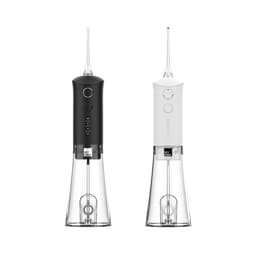
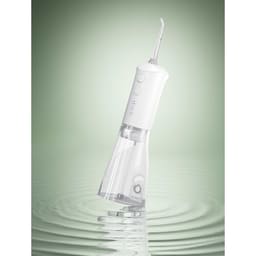
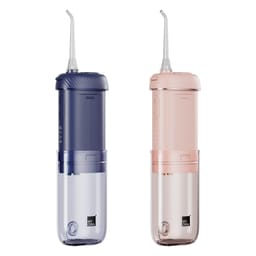
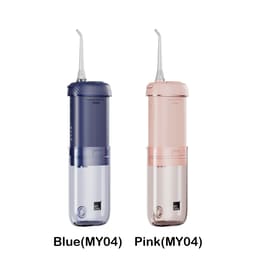
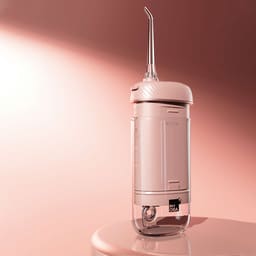
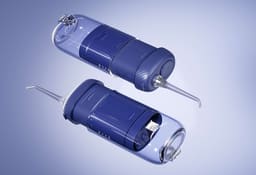
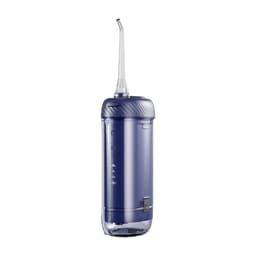
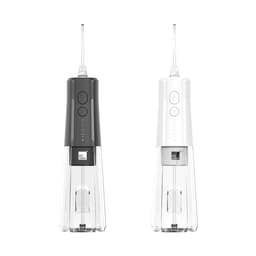
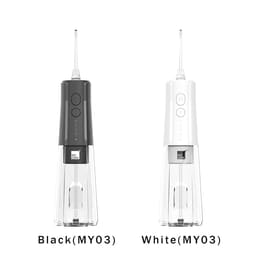
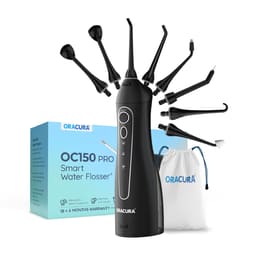
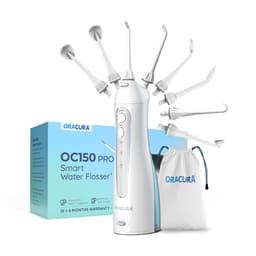
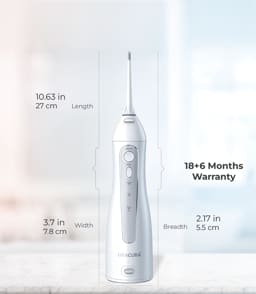
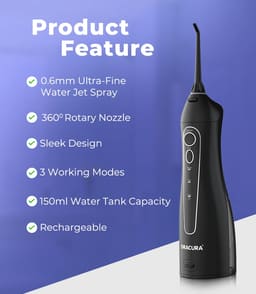
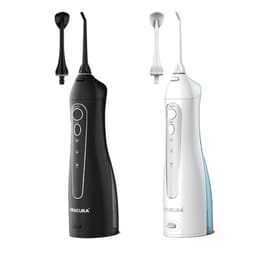
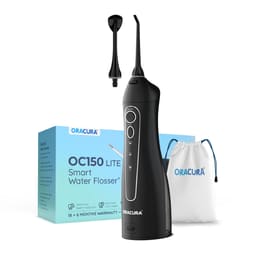
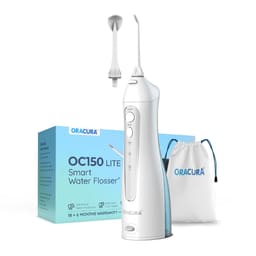
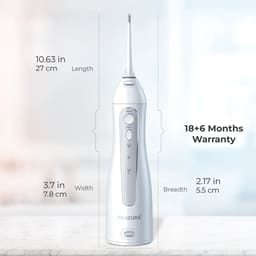


Only 3 Left
 22
22Water Flossers — Cleaning Between Teeth With a Jet of Water
Brushing reaches the flat surfaces of teeth, but the contacts between them and the pocket at the gumline need something else. A water flosser aims a fine, pulsed stream of water into those gaps, flushing out plaque and food that a toothbrush skips and string floss struggles to reach. For patients who find thread floss awkward — and for anyone with braces, bridges or implants — it turns interdental cleaning into a quick, one-handed habit.
Cordless or countertop
Cordless, rechargeable units
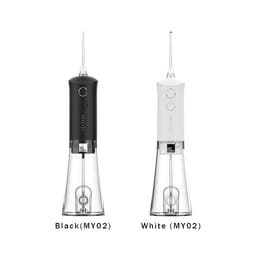
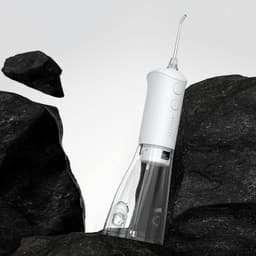
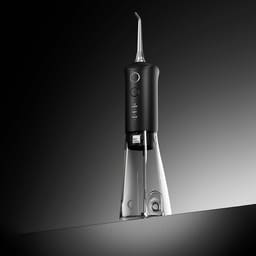
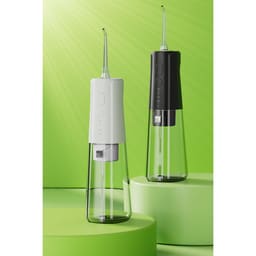
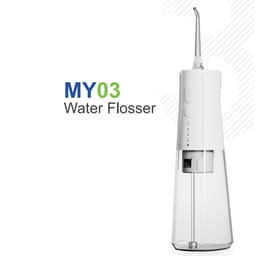
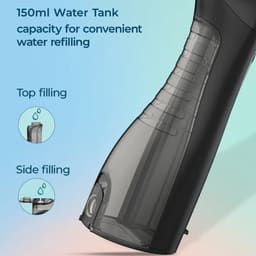
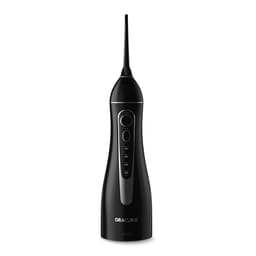
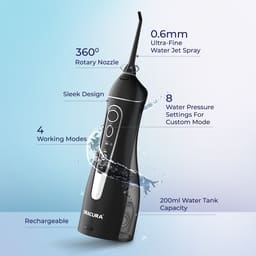
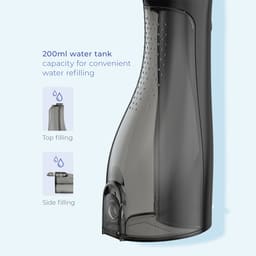
A cordless flosser holds its water tank in the handle, runs on a USB-rechargeable battery, and moves easily between a bathroom, a bag or a trip. Its 150–300 ml tank covers one session before a refill, and multiple pressure modes suit sensitive or sturdier gums. The MyOra Cordless Water Flosser (MY03) is a cordless model, and Dentalkart's own-brand option in this range.
Countertop units
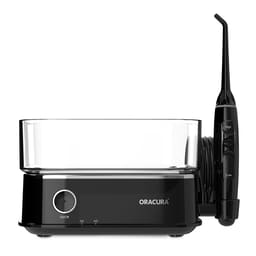
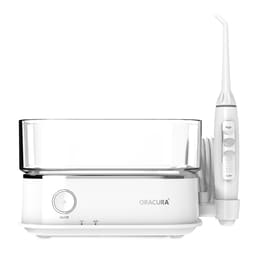
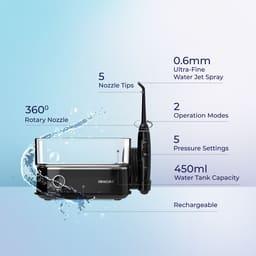
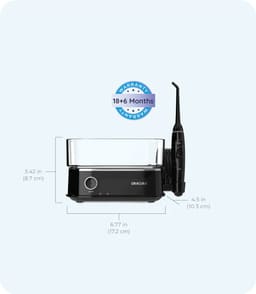
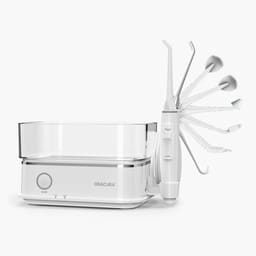
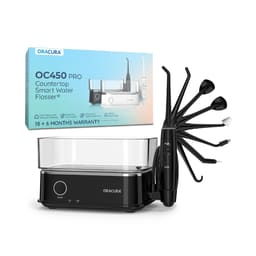
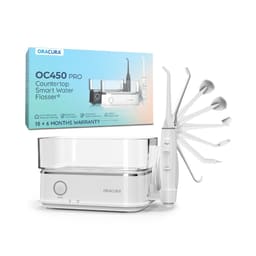
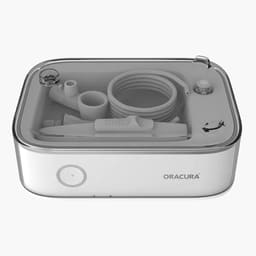
A countertop unit keeps a larger 500–1000 ml reservoir separate from the handpiece, runs on mains power, and delivers higher, steadier pressure for a longer clean without a mid-session refill. It stays on the basin as a fixed part of the routine. The Oracura OC450 Countertop Smart Water Flosser is one such reservoir-based model.
Who benefits most
The device earns its place with the cases string floss handles worst: fixed braces, bridge pontics, implant abutments, crowns and crowded teeth, where a jet cleans around the hardware that thread snags on. It also helps patients with reduced dexterity or gum disease, and those simply more likely to keep it up because it is faster than flossing by hand. Our guide to interdental cleaning aids sets out where a water flosser fits against floss and interdental brushes.
What to look for
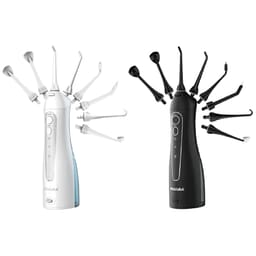
Pressure range matters most — more settings let sensitive gums start gentle and build up, while a firm top setting clears heavier debris. Check the tank size against how often you want to refill, and the nozzles supplied: an orthodontic or 360° rotating tip reaches around braces and back teeth, and a plaque-seeker or periodontal tip targets pockets and implants.
The brands on the shelf
MyOra is Dentalkart's own water-flosser line, built to put a reliable cordless irrigator in a patient's hands at an accessible price, without a premium-brand markup. Its MY02, MY03 and MY04 cordless models cover everyday home use; the MyOra range collects them.
Oracura and Waterpik are the established names most Indian clinics recommend, spanning cordless and countertop across price points; the Waterpik range comes from the brand that defined the category, while PORClean covers the smaller travel segment and Aquapick brings Korean-made oral irrigators to the shelf.
Why buy a water flosser from Dentalkart
For a dentist, the value is stocking the same flosser they recommend to a patient — and with MyOra, an own-brand option that keeps the price down. Every model here spells out its tank size, pressure range and nozzles, so a clinic or patient can match it to the case, whether that is a child in braces, an implant patient or someone who cannot get on with string floss. It ships from one catalogue alongside the rest of a practice's order.
Frequently Asked Questions (FAQs):
What does a water flosser do that brushing and string floss don't?
A water flosser reaches what a brush and thread miss. Its pulsed jet drives water into the contacts between teeth and just under the gum margin, dislodging plaque and debris from spots bristles glide over and that floss cannot easily wrap — around brackets, bridge pontics, implant abutments and tight, crowded teeth. It is an addition to brushing, not a substitute.
Is a cordless or a countertop water flosser better?
Neither is simply better — they suit different setups. A cordless model keeps its 150–300 ml tank and battery in the handle, so it is light, portable and quick to grab, but needs recharging and a mid-clean refill. A countertop model runs off the mains with a larger reservoir and stronger, steadier pressure, at the cost of bench space and portability.
Is a water flosser good for braces and implants?
Braces and implants are where a water flosser shines. Thread floss is awkward to weave under an archwire or around an implant crown, whereas a directed jet slips past brackets, wires, bridgework and abutment margins with no threading at all. Paired with an orthodontic or tapered periodontal tip, it clears the plaque traps fixed appliances create far more easily than string.
How often should a water flosser be used?
Once a day is the standard, usually paired with the evening brush. A full pass over both arches takes about a minute, tracing the gum margin tooth by tooth. Newcomers do best starting on a low setting and working over the basin with the mouth almost closed, then stepping the pressure up over a week or two as the gums settle.
Do the water flossers here come sealed and under warranty?
Yes — every water flosser listed is a brand-new, sealed unit that carries its maker's warranty, bought from the manufacturer or an official Indian channel rather than a resale marketplace. Each model's tank capacity, pressure modes and nozzle set are spelled out on its page, and the box includes the charger and warranty documentation, so the device you receive is the one described.