

Analgesics, Antipyretics & Anti-Inflammatory
Analgesics, antipyretics and anti-inflammatories cover the pain, fever and swelling that surround dental treatment — the NSAIDs, paracetamol and fixed-dose combinations a dentist prescribes for a toothache, a post-extraction site or an acute infection. This section carries those oral medicines, from paracetamol and ibuprofen to aceclofenac, nimesulide, ketorolac and etoricoxib.
 Recommended
 Price- High to LowPrice- Low to High

 10
10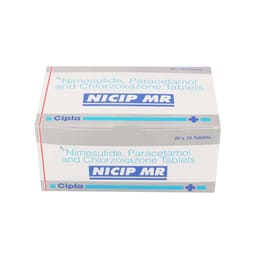


 10
10

 10
10

 20
20
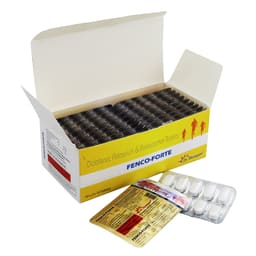
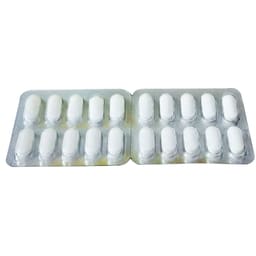
 4
4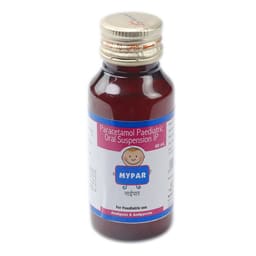


 21
21Analgesics, Antipyretics & Anti-Inflammatories — Managing Dental Pain and Swelling
Pain, fever and inflammation are the symptoms that bring most patients to the chair and follow most procedures away from it, and this section of the dental pharmacy holds the oral medicines that control them. It spans plain analgesics and antipyretics through the non-steroidal anti-inflammatory drugs (NSAIDs) that do all three jobs at once, in single-drug tablets, suspensions and the fixed-dose combinations clinicians reach for after surgery. These are prescription medicines, listed here for dentists and clinics to stock and dispense under their own clinical judgement.
The three jobs: pain, fever, inflammation
Analgesics relieve pain, antipyretics bring down fever, and anti-inflammatories reduce the swelling and mediators behind both. NSAIDs are valued in dentistry precisely because a single drug does all three, which suits pain that is inflammatory in origin — pulpitis, pericoronitis, a socket after extraction. Paracetamol covers pain and fever without the anti-inflammatory action, and is the fallback when an NSAID is not advisable.
The drug classes on the shelf
Paracetamol and antipyretics
Paracetamol is the workhorse for mild-to-moderate pain and for fever from a dental infection, with a cleaner safety profile than NSAIDs for the stomach and kidneys, including paediatric use as a suspension. The Dr Morepen Mypar-DS Suspension is a paracetamol suspension for that.
NSAIDs and combinations
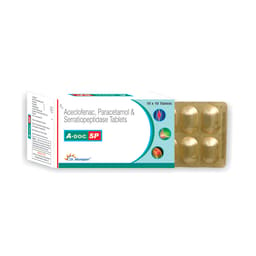
The NSAIDs — ibuprofen, aceclofenac, diclofenac, nimesulide, ketorolac and the COX-2 agent etoricoxib — treat inflammatory pain and post-operative swelling, often paired with paracetamol or an enzyme like serratiopeptidase for stronger, faster relief. The Dr. Morepen A-Doc SP is one such aceclofenac-paracetamol-serratiopeptidase combination.
NSAID with a muscle relaxant
Myofascial and temporomandibular joint (TMD) pain has a muscular component, so an NSAID combined with a muscle relaxant targets both the inflammation and the spasm. The Cipla Nicip MR pairs an NSAID with a muscle relaxant for that kind of pain.
When they're prescribed
These medicines run through everyday practice: an acute toothache or pulpitis, the days after an extraction or flap surgery, pericoronitis around an erupting third molar, and the muscular pain of a TMJ disorder. When the pain stems from a spreading infection, an analgesic is prescribed alongside an antibiotic rather than instead of one — those sit in the antibiotics section of the pharmacy.
Prescribing with care
NSAIDs are effective but not for everyone. Peptic ulcer disease, impaired renal or hepatic function, uncontrolled hypertension or cardiac disease, anticoagulant therapy, pregnancy and NSAID-sensitive asthma all call for caution or a paracetamol alternative, and a gastro-protective combination helps patients prone to gastric upset. A medical history taken before prescribing, and dosing to current clinical guidelines, is what keeps these medicines safe.
Part of the dental pharmacy
Analgesics sit beside antibiotics, antiseptics and emergency drugs in a clinic's medicine cabinet. The wider pharmacy range holds those other classes a practice dispenses or keeps on hand alongside its pain-control tablets.
Why source analgesics from Dentalkart
Ordering these through Dentalkart lets a clinic restock its pain and inflammation medicines in the same place as the rest of its supplies, each listed with composition, strength and pack size so the right formulation is easy to identify. Stock comes from established pharmaceutical makers and ships batch-coded with an expiry date, which matters for medicines held in a clinic dispensary.
Frequently Asked Questions (FAQs):
What analgesics do dentists commonly use for dental pain?
Dentists commonly reach for NSAIDs and paracetamol for dental pain. Ibuprofen, aceclofenac, diclofenac, nimesulide and ketorolac are typical NSAIDs that also curb inflammation, while paracetamol handles pain and fever without the anti-inflammatory effect. Fixed-dose combinations — an NSAID with paracetamol, a muscle relaxant or serratiopeptidase — cover stronger or post-surgical pain, chosen to the patient and procedure.
NSAID or paracetamol for dental pain — when is each used?
NSAIDs and paracetamol suit different situations. NSAIDs such as ibuprofen or aceclofenac relieve pain and reduce the inflammation behind most dental pain, so they are first-line for pulpitis, pericoronitis and post-surgical swelling. Paracetamol eases pain and fever but not inflammation, and is preferred where NSAIDs carry risk — gastric, renal or cardiac concerns. The two are often combined.
What is used for post-extraction or post-surgical pain?
For post-extraction or post-surgical pain, an anti-inflammatory analgesic is the usual choice, since swelling drives much of the discomfort. An NSAID, or an NSAID-plus-paracetamol combination, suits moderate pain, with a stronger agent such as ketorolac or an added enzyme like serratiopeptidase for marked swelling. The exact drug is matched to the patient's history and the surgery.
Which patients need caution with dental NSAIDs?
Several groups need caution with NSAIDs. Patients with peptic ulcers or gastric disease, impaired kidney or liver function, uncontrolled hypertension or cardiac disease, and those on anticoagulants are at higher risk, as are pregnant patients and NSAID-sensitive asthmatics. For them, paracetamol or a gastro-protective combination is often safer. A medical history should always precede prescribing an NSAID.
Are these medicines prescription-only, and are they genuine on Dentalkart?
Most of these are prescription medicines meant to be dispensed under a dentist's or doctor's direction, not for unsupervised use. Every listing shows the composition, strength and pack size, and the tablets and suspensions come from established makers such as Cipla and Dr. Morepen, batch-coded with an expiry date, so a clinic can confirm exactly what it is ordering.