


Bone compactor & Carrier
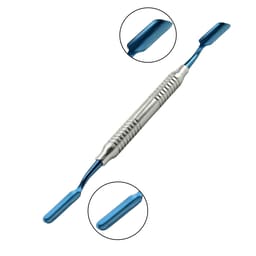
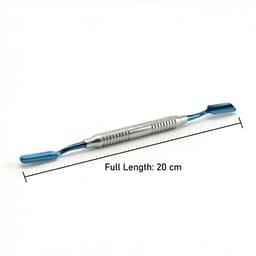
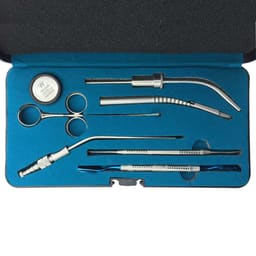
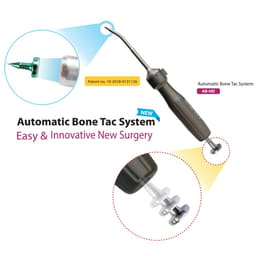
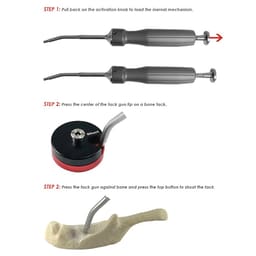
Bone compactors and carriers are hand instruments used to handle bone graft in implant surgery. A carrier picks up graft and delivers it into the site. A compactor, or condenser, presses and packs the graft firmly in place. The category also includes bone crushers that break harvested bone into particles, and autogenous harvesting kits.
 Recommended
 Price- High to LowPrice- Low to High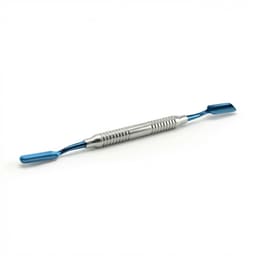
.jpg?w=256)
.jpg?w=256)
 65
65.jpg?w=256)
 34
34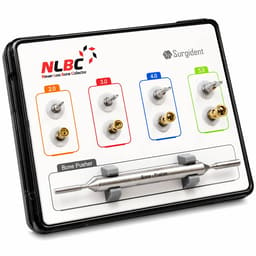
Only 5 Left
875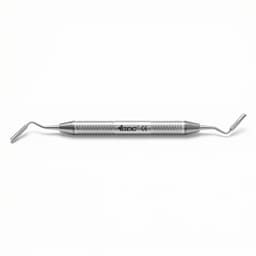
 34
34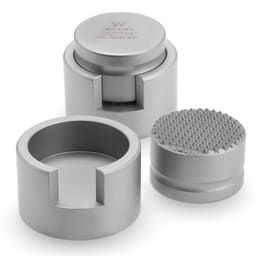
Only 3 Left
145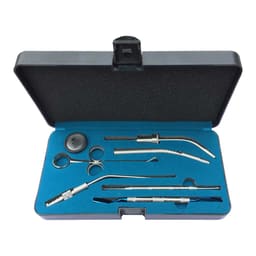
 295
295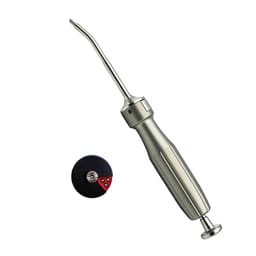
 625
625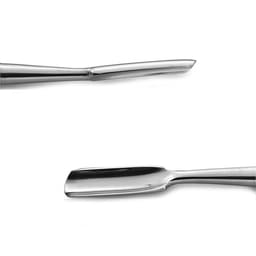 34
34Bone Compactor & Carriers
A bone graft only works if it is placed and packed well. Loose material washes away and heals poorly. That is the job of these two instruments. A carrier moves the particles neatly into the defect. A compactor then presses them down into a firm, stable mass. Together they turn loose granules into a solid, stable base.
These are simple, precise hand tools. They are used in almost every case: socket preservation, ridge augmentation and sinus grafting. Because the material is placed by hand, the right carrier and compactor make the step faster and cleaner. Every surgical tray keeps a set.
Carrier versus compactor
The two tools do opposite halves of the same task.
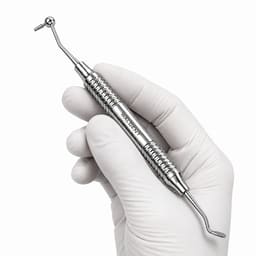
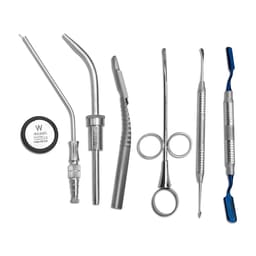
A carrier is a scoop or syringe-style instrument. It picks up the material from the mixing dish and moves it to the site without spilling. A compactor, also called a condenser or plugger, has a flat or concave tip. It presses the particles down and packs them into the space. One delivers; the other consolidates. These are part of the wider implantology range.
Bone crushers and harvesting tools
Some graft is the patient's own bone, and it needs to be prepared before it can be placed.
Bone crushers and mills
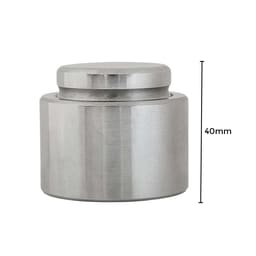
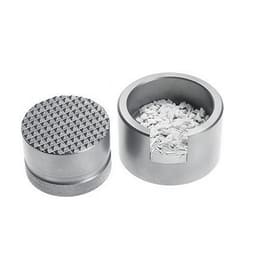
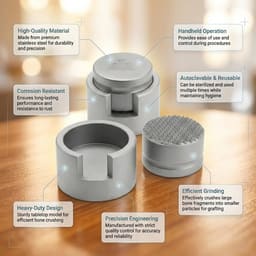
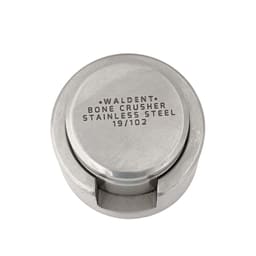
Harvested bone comes in blocks or chips that are too coarse to pack. A crusher or mill breaks it into fine particles that fit the defect and heal well. A Waldent bone crusher is a stainless-steel tool made for this step.
Harvesting kits
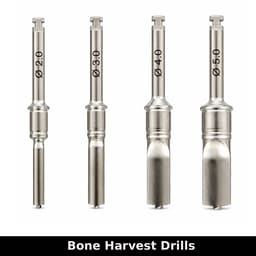
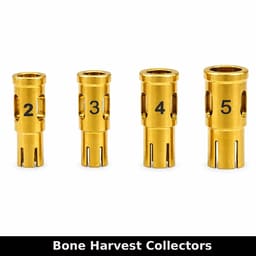
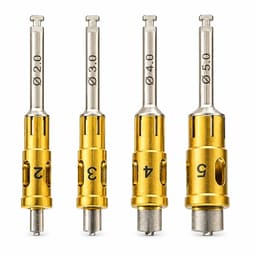
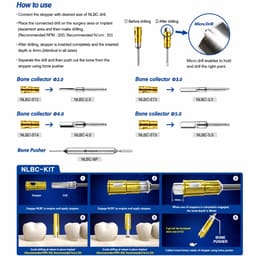
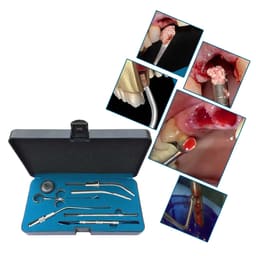
Autogenous kits collect the patient's own bone from a donor site. They include scrapers and collectors that gather chips during surgery. That bone is then crushed, carried and compacted like any other graft.
Compactors in detail
The compactor is the tool that decides how well the graft settles.
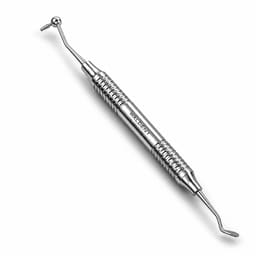
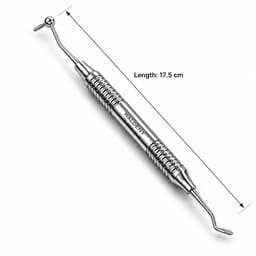
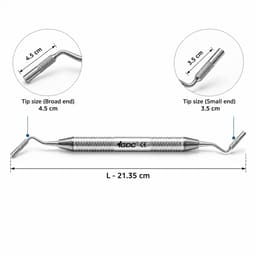
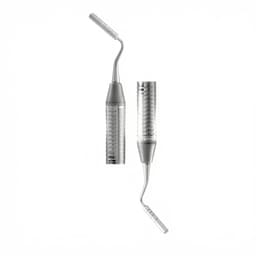
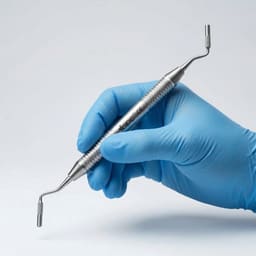
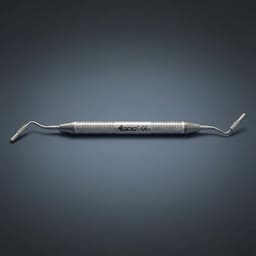
A good compactor packs the material firmly without crushing the particles too hard. Its tip comes in different shapes and sizes to match the defect. A HN bone compactor is a straightforward condenser for pressing graft into place. Firm, even packing gives the site a stable base to heal on.
How to choose
Pick the tools for the cases you do. For delivering the material, a carrier or graft syringe is the core instrument. For packing it, choose a compactor with a tip that fits your typical defects. Add a crusher if you harvest the patient's own bone.
Look for surgical stainless steel that sterilises well and holds its shape. These instruments are chosen alongside the graft itself, which sits in the bone grafts range.
Frequently Asked Questions (FAQs):
What is a bone compactor and carrier used for?
They handle bone graft during implant surgery. A carrier picks up the material and delivers it into the defect. A compactor, or condenser, then presses and packs it firmly in place. Together they make sure the graft is placed cleanly and packed into a stable mass, which helps it heal into solid new bone.
What is the difference between a bone carrier and a bone compactor?
They do opposite jobs. A carrier is a scoop or syringe that moves the material from the mixing dish to the site without spilling. A compactor, also called a condenser or plugger, has a flat tip that presses the particles down and packs them. One delivers; the other consolidates. Most trays carry both.
Why is a bone crusher needed?
Because harvested bone is too coarse to pack as it is. When the patient's own bone is taken from a donor site, it comes in blocks or chips. A bone crusher or mill breaks it into fine particles. These smaller particles fit the defect better and heal more predictably than large fragments.
What is an autogenous bone harvesting kit?
It is a set of tools that collect the patient's own bone during surgery. The kit usually includes scrapers and collectors that gather bone chips from a donor site. That harvested bone is then crushed into particles, carried to the graft site, and compacted like any other graft material.
What material should these instruments be made of?
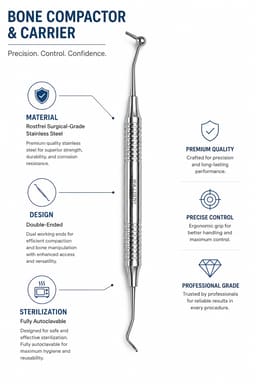
Surgical stainless steel is the usual choice. It stays strong, keeps a precise tip, and survives repeated autoclave cycles. A stainless carrier and compactor work reliably case after case. Some carriers add coated or hollow tips to release the graft cleanly, but plain stainless steel remains the standard for compacting and crushing tools.