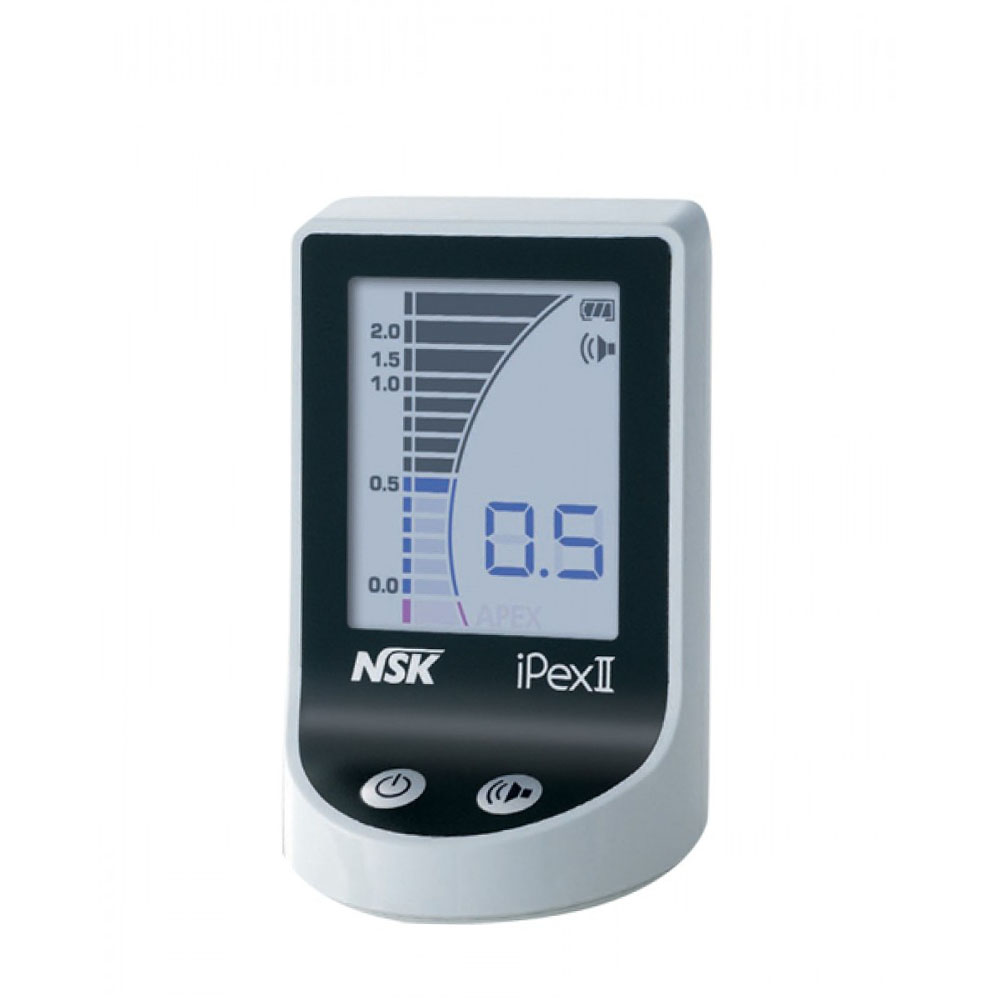
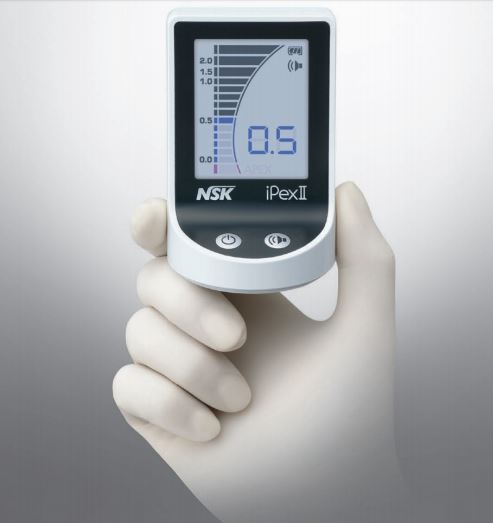
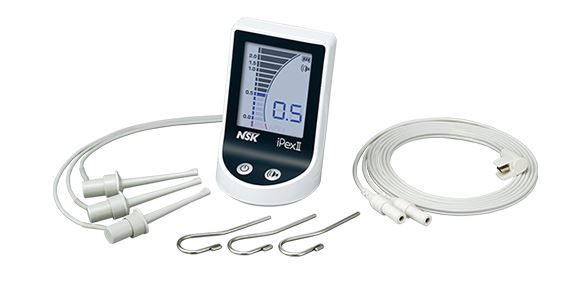
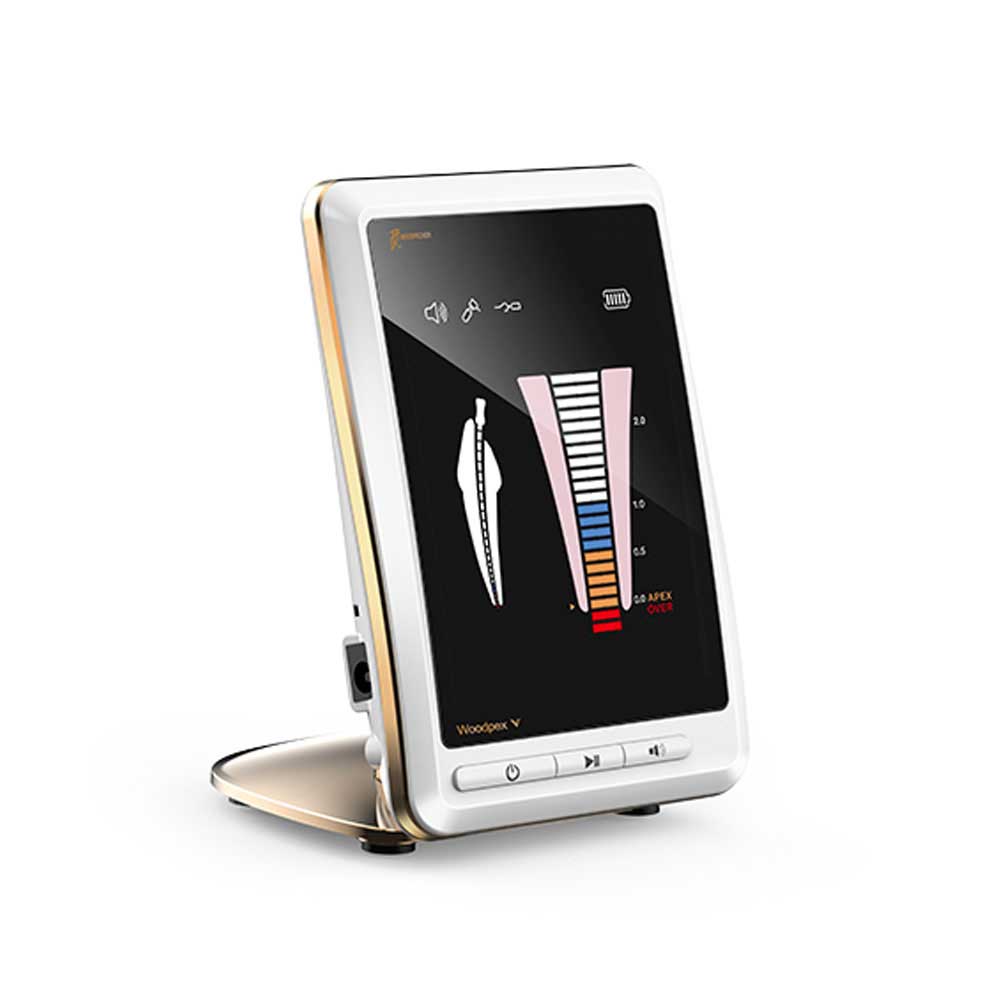
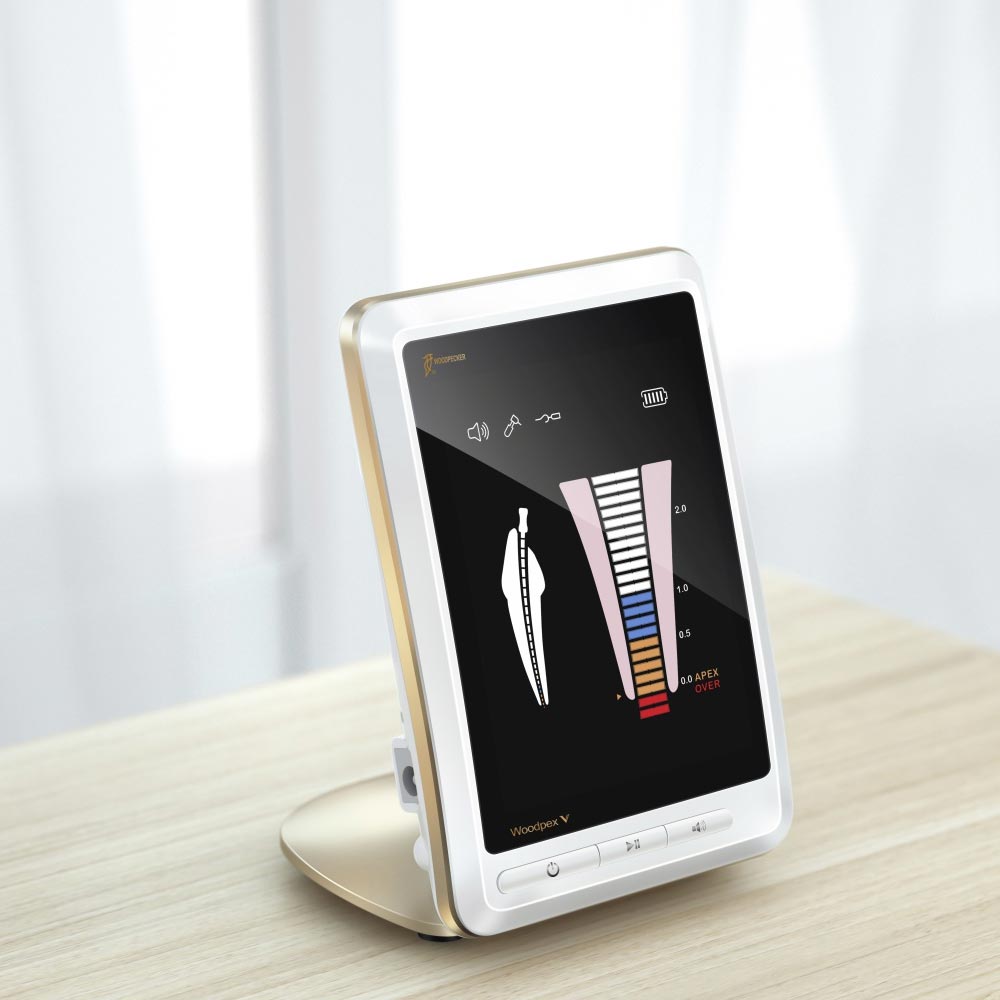
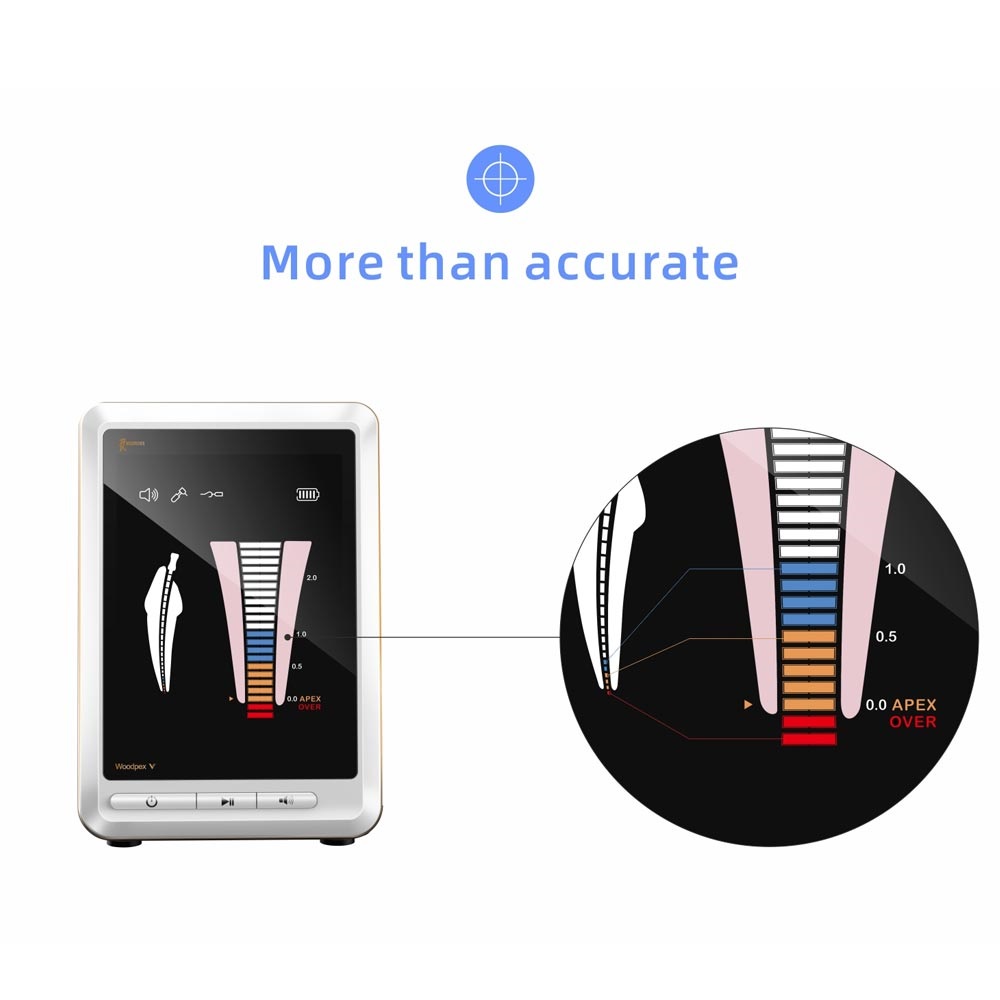
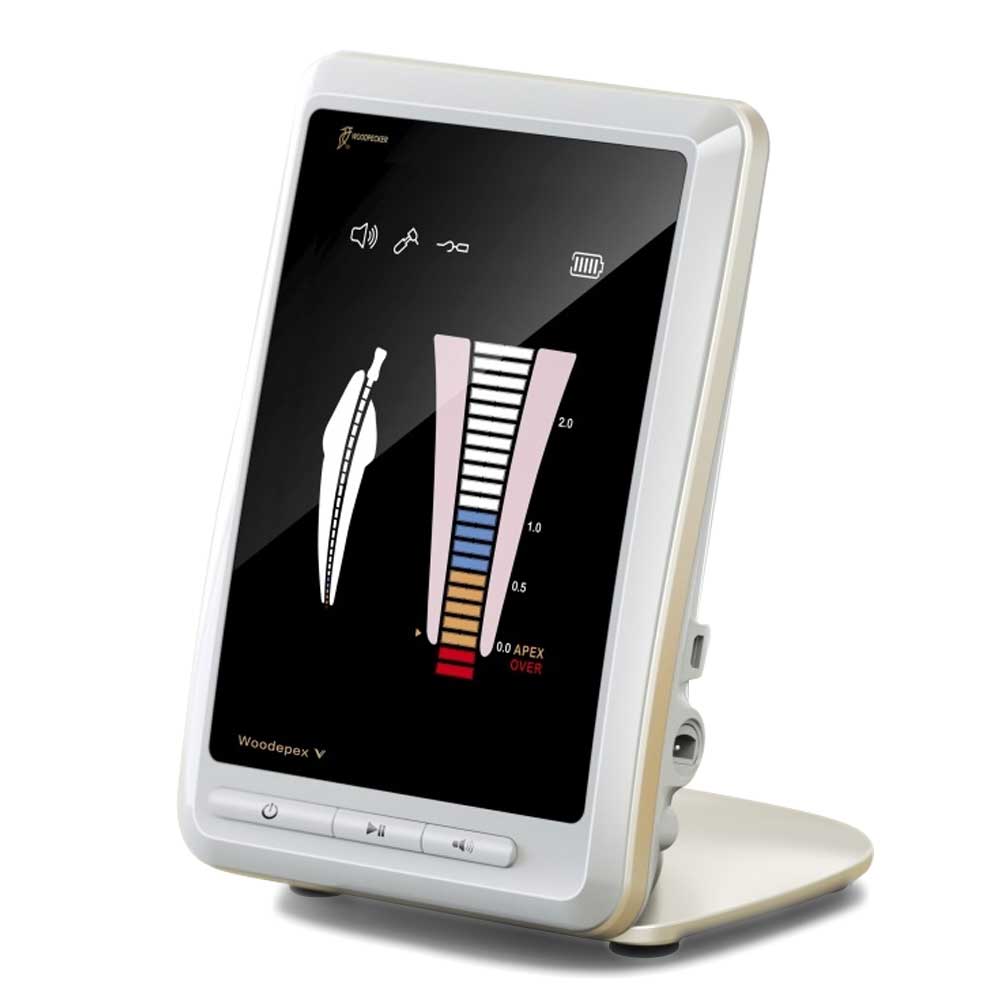
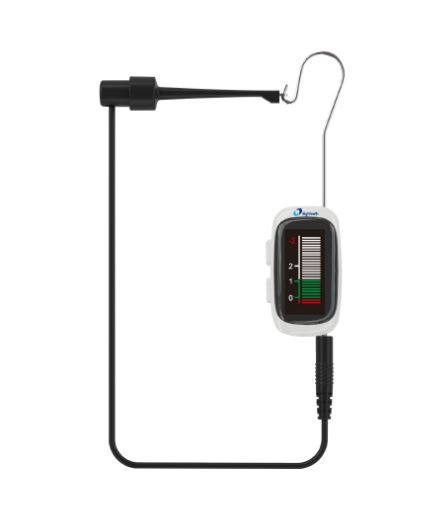
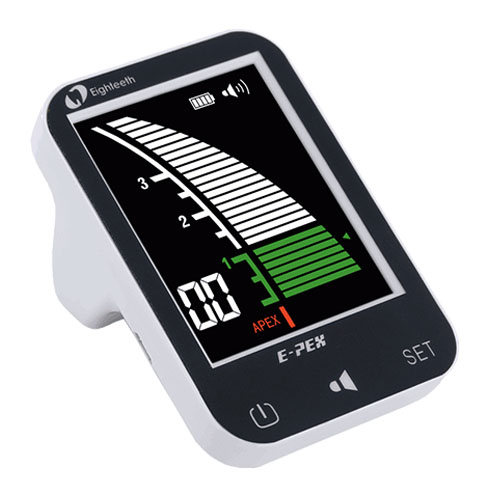
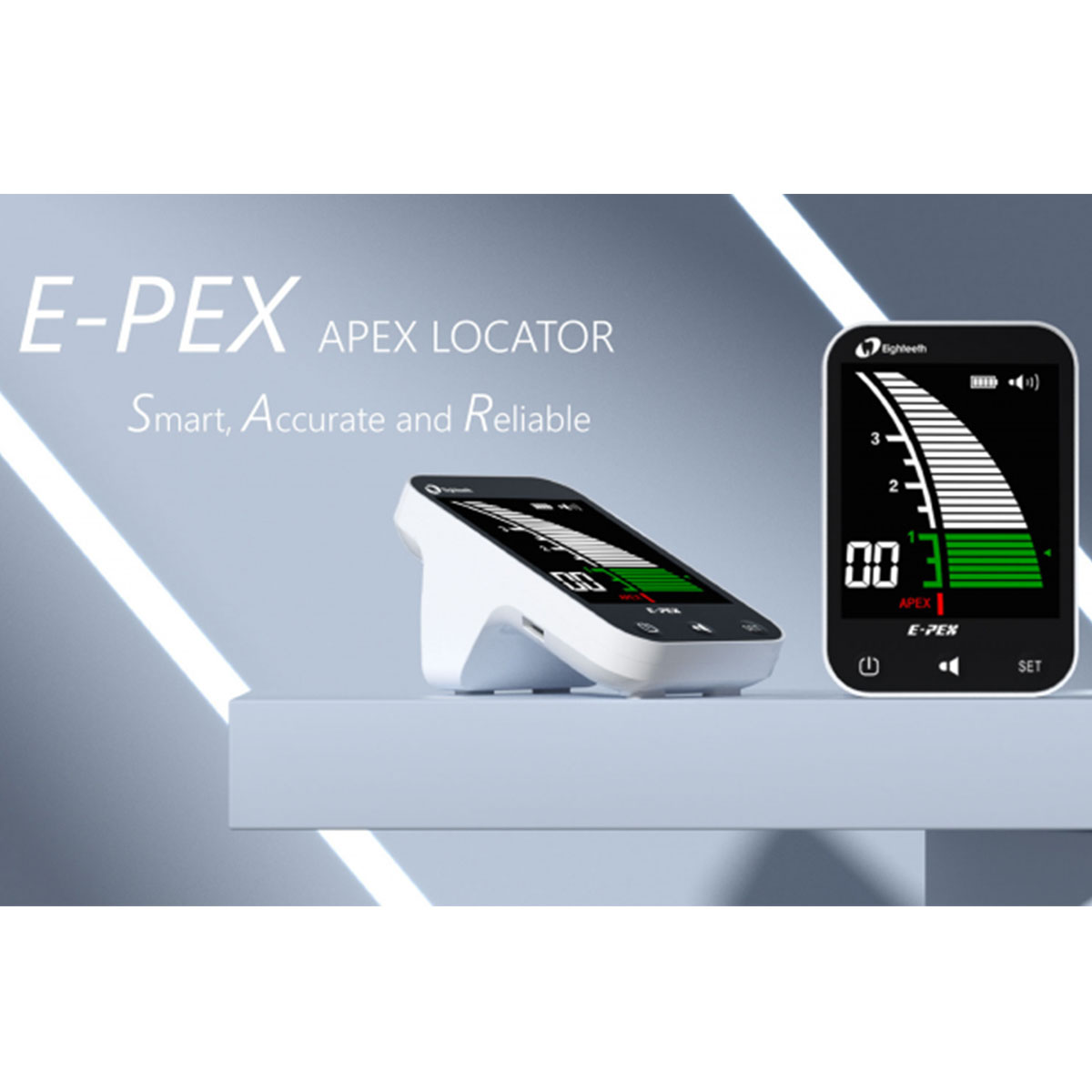
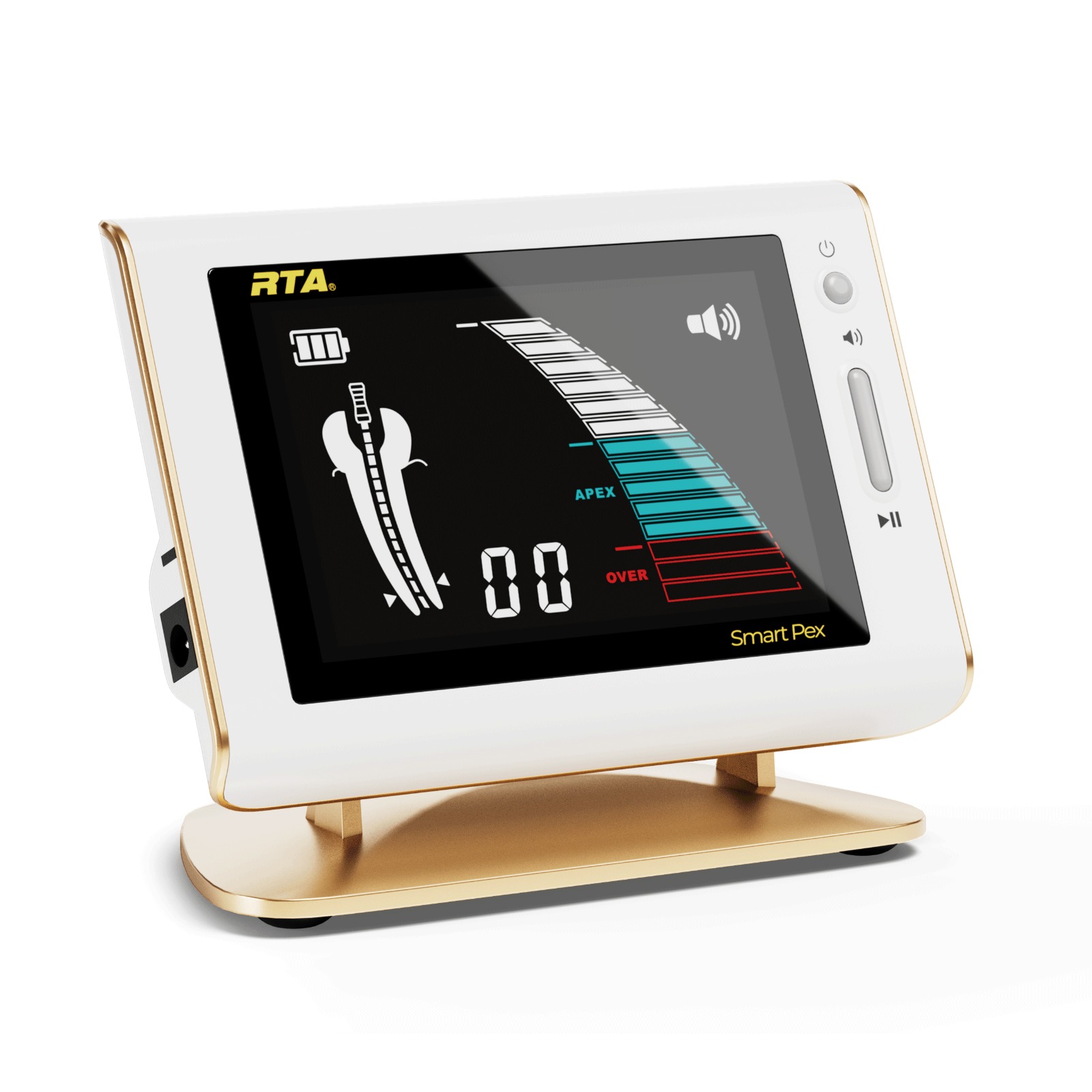
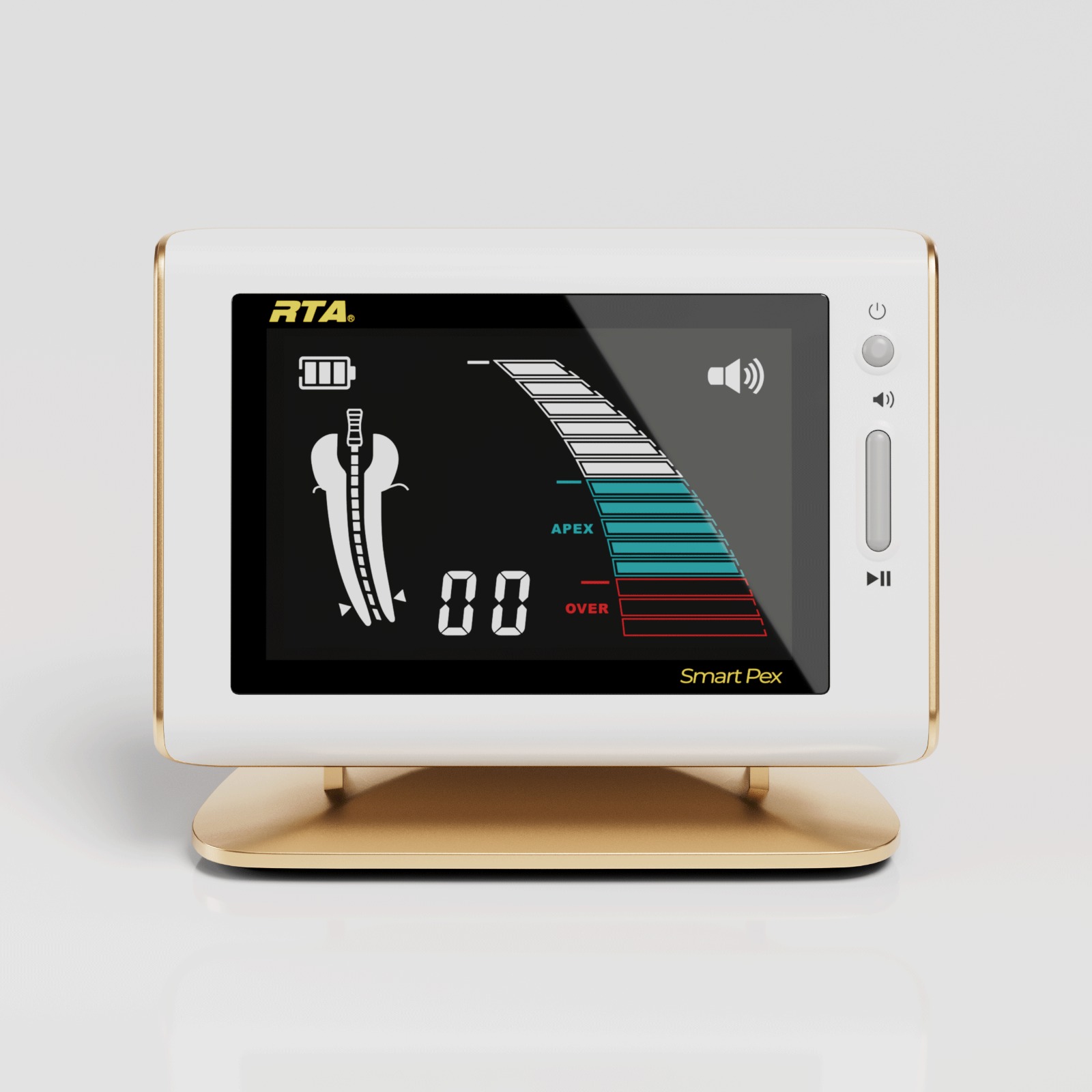
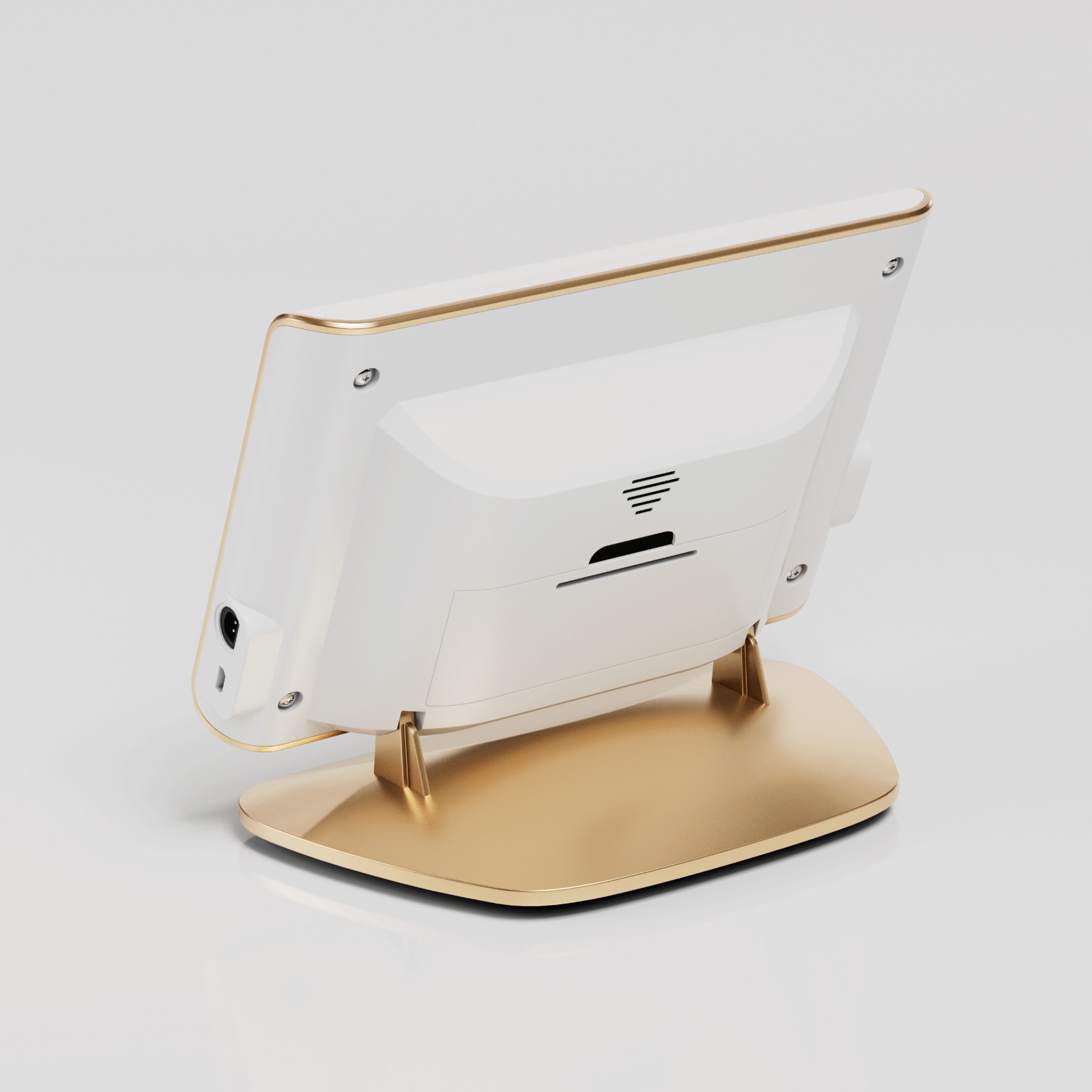
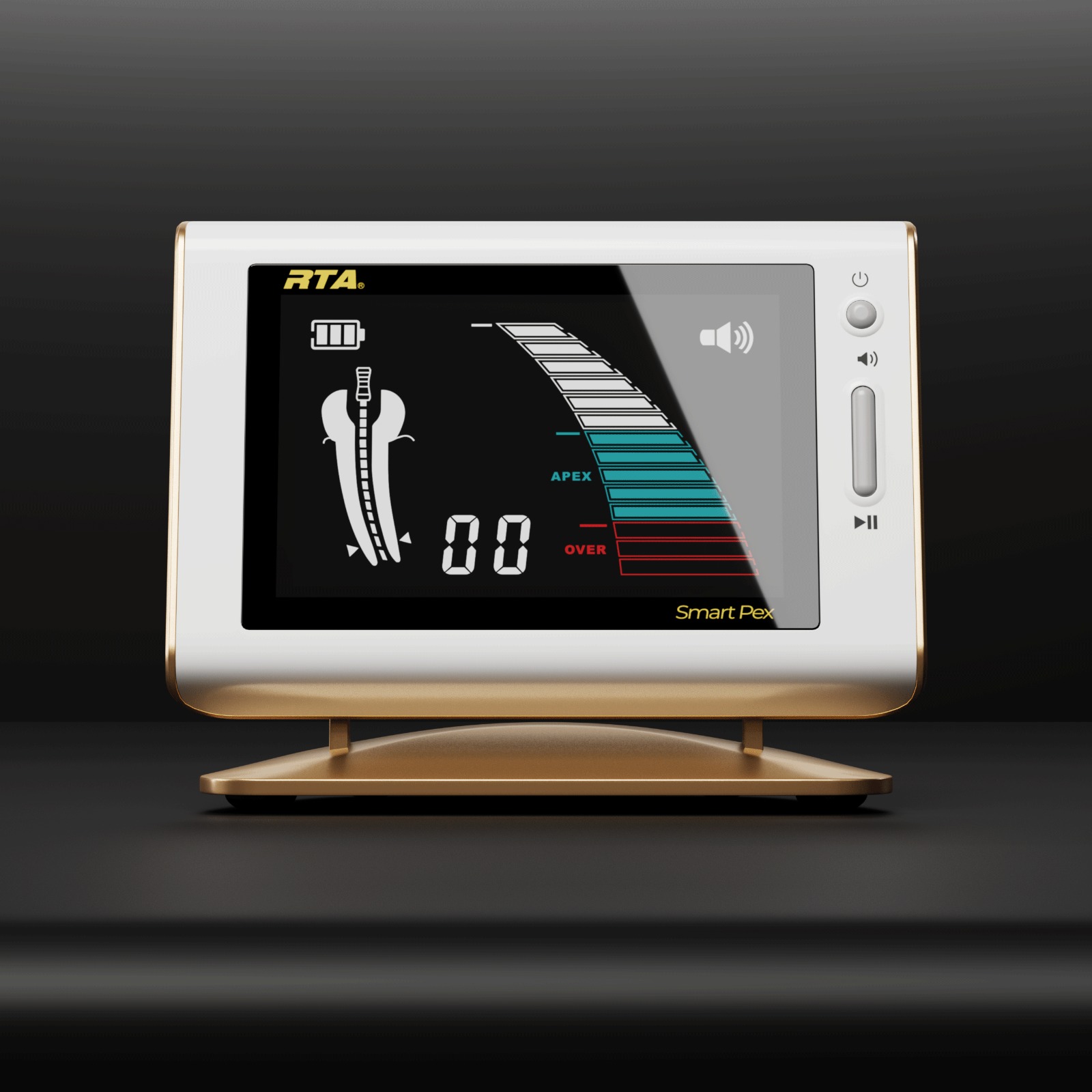
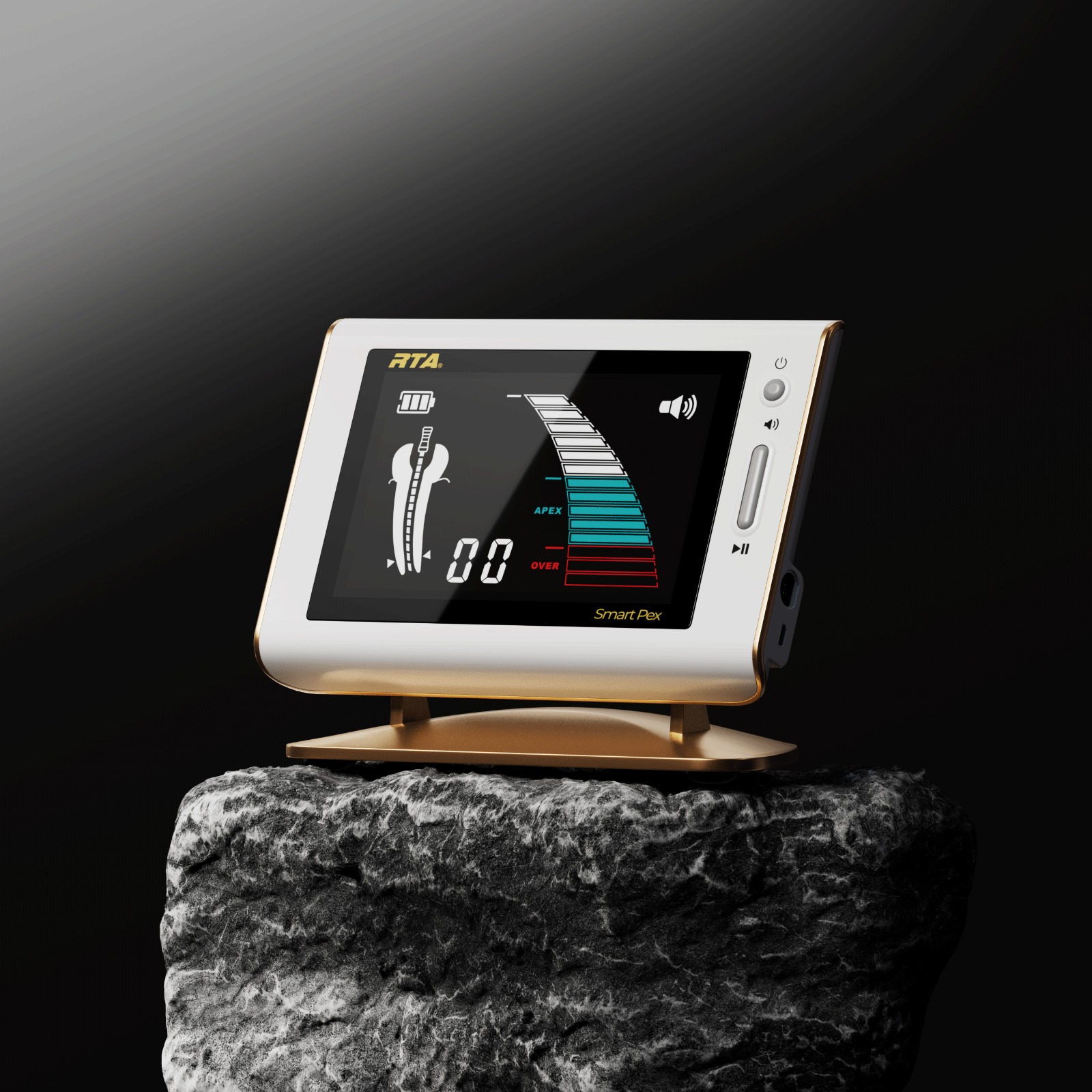
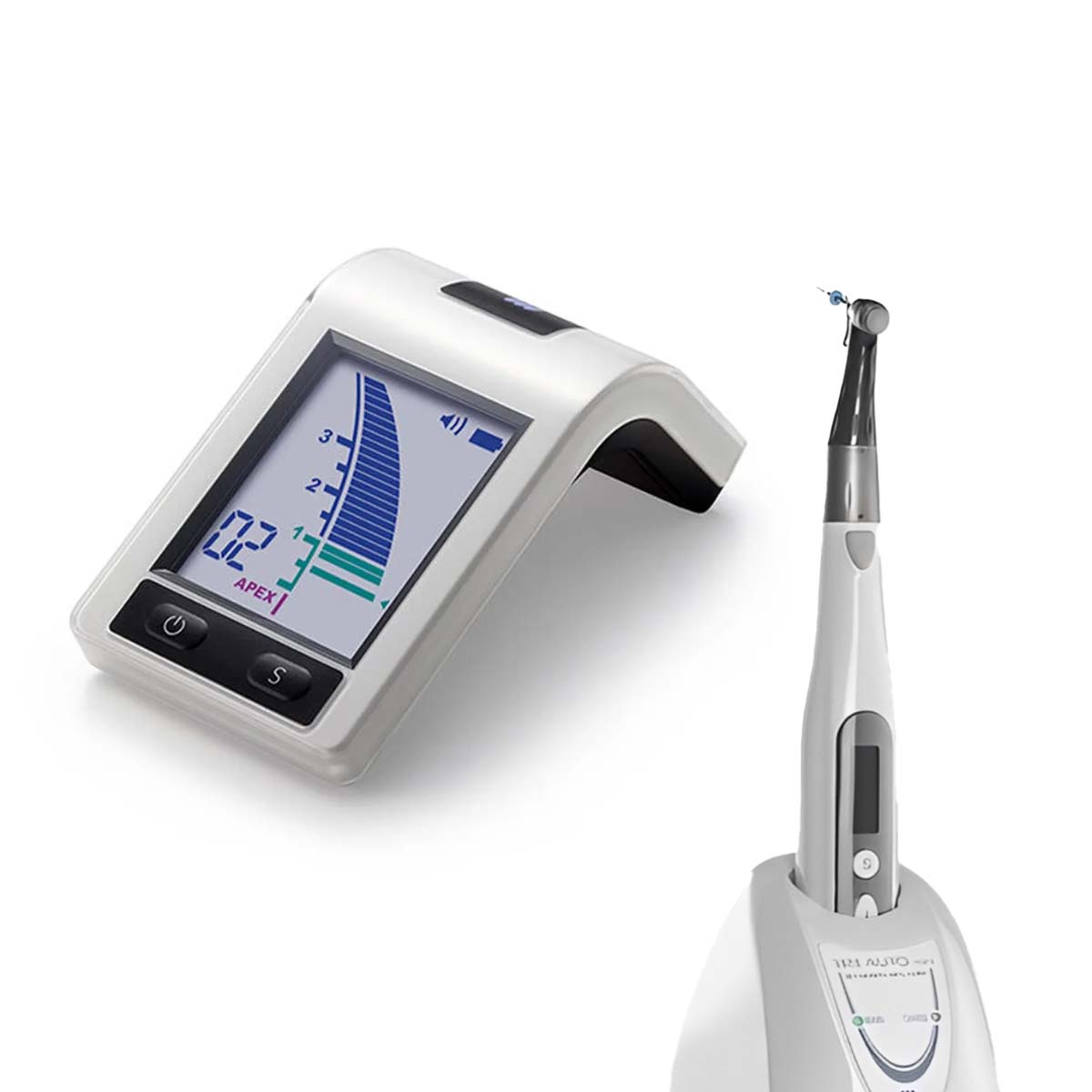
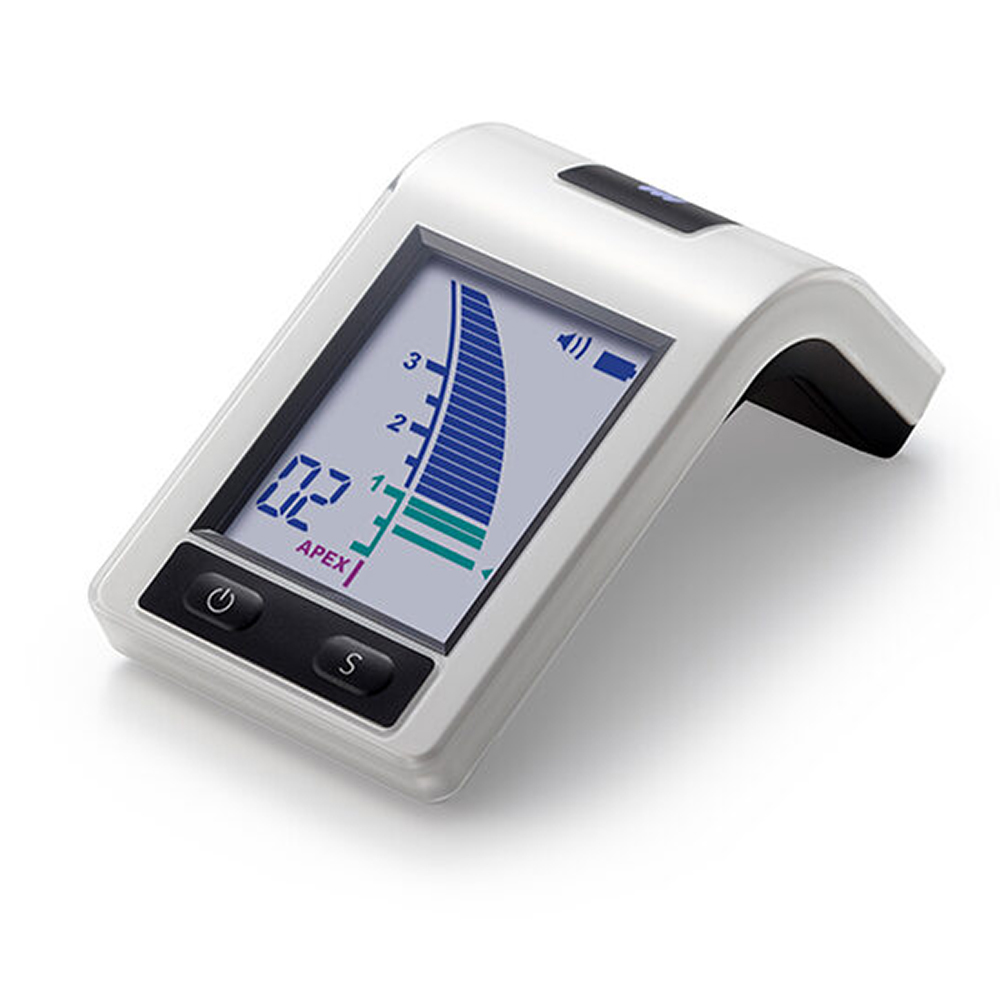
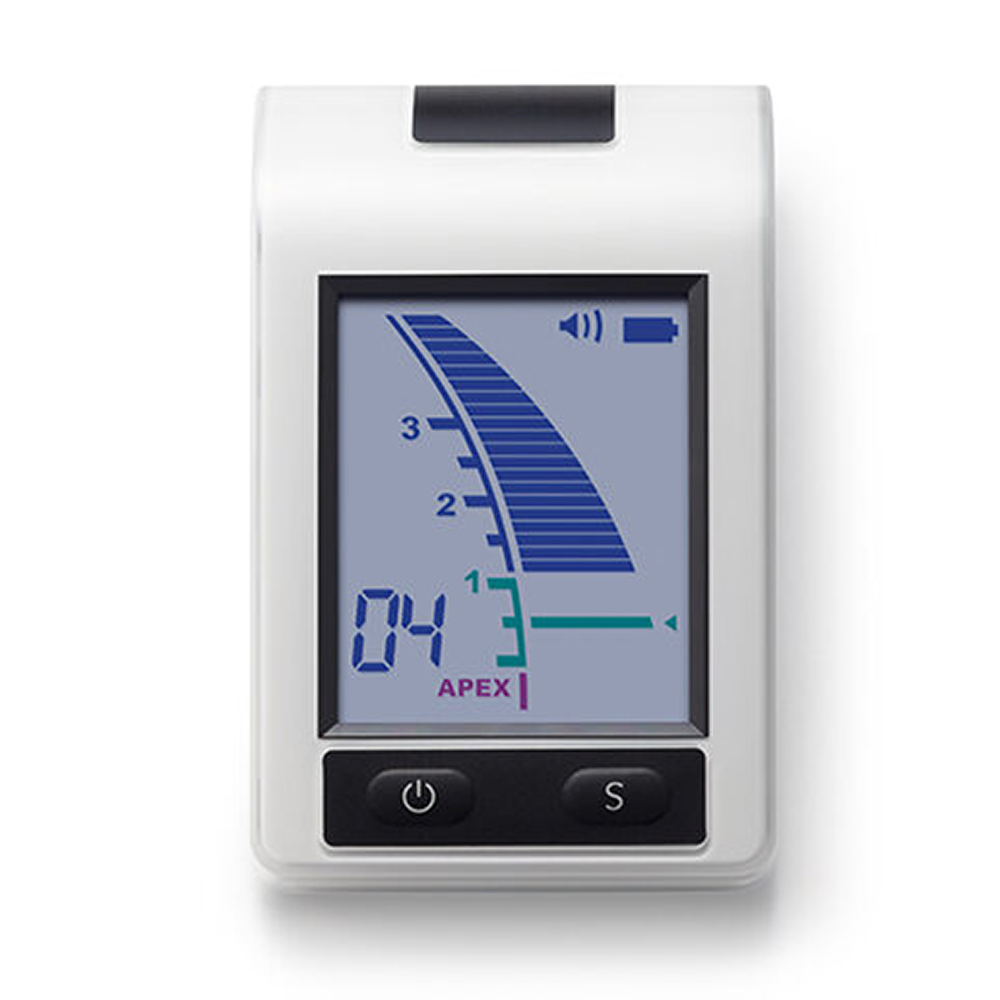
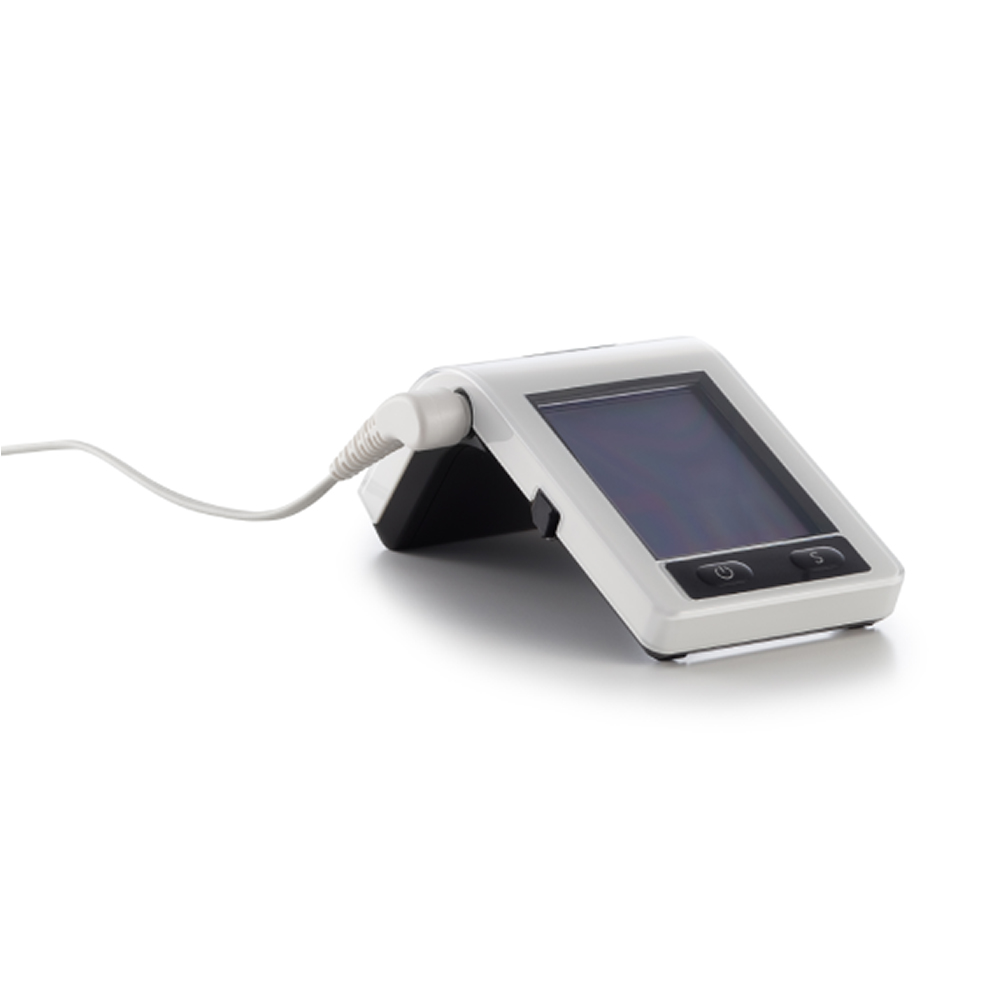
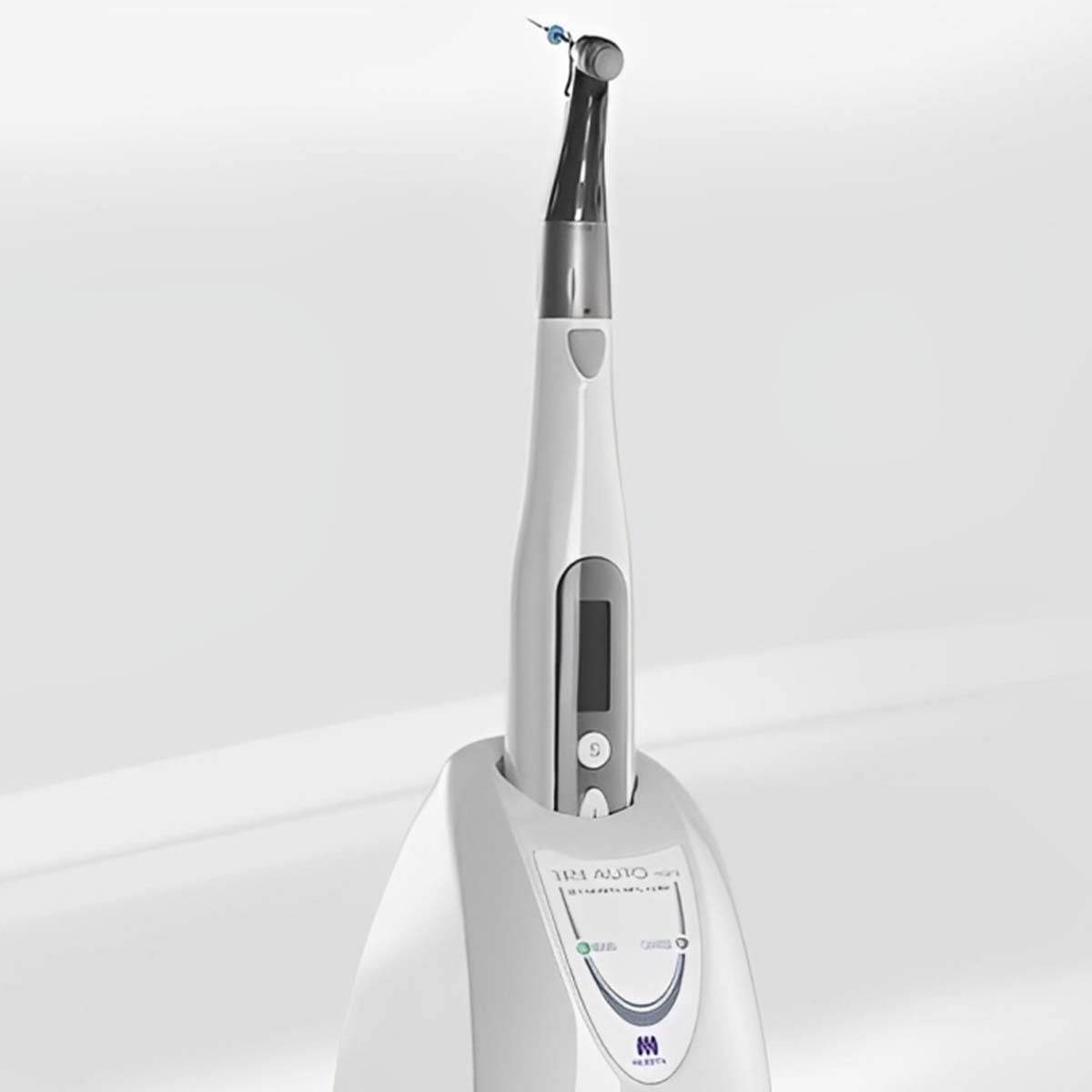
Apex locators are battery-powered electronic devices used during root canal treatment to measure the working length of a tooth's root canal. They pass a low-frequency current between a file inside the canal and a lip electrode clipped to the patient. The device reads impedance changes as the file approaches the apical constriction, the narrowest point of the canal. Modern multi-frequency models give readings accurate to within ±0.5 mm in dry and wet canals. The 5th and 6th generation units have made routine radiographic working-length checks redundant in everyday endodontics.
Types of Apex Locators
5th generation apex locators
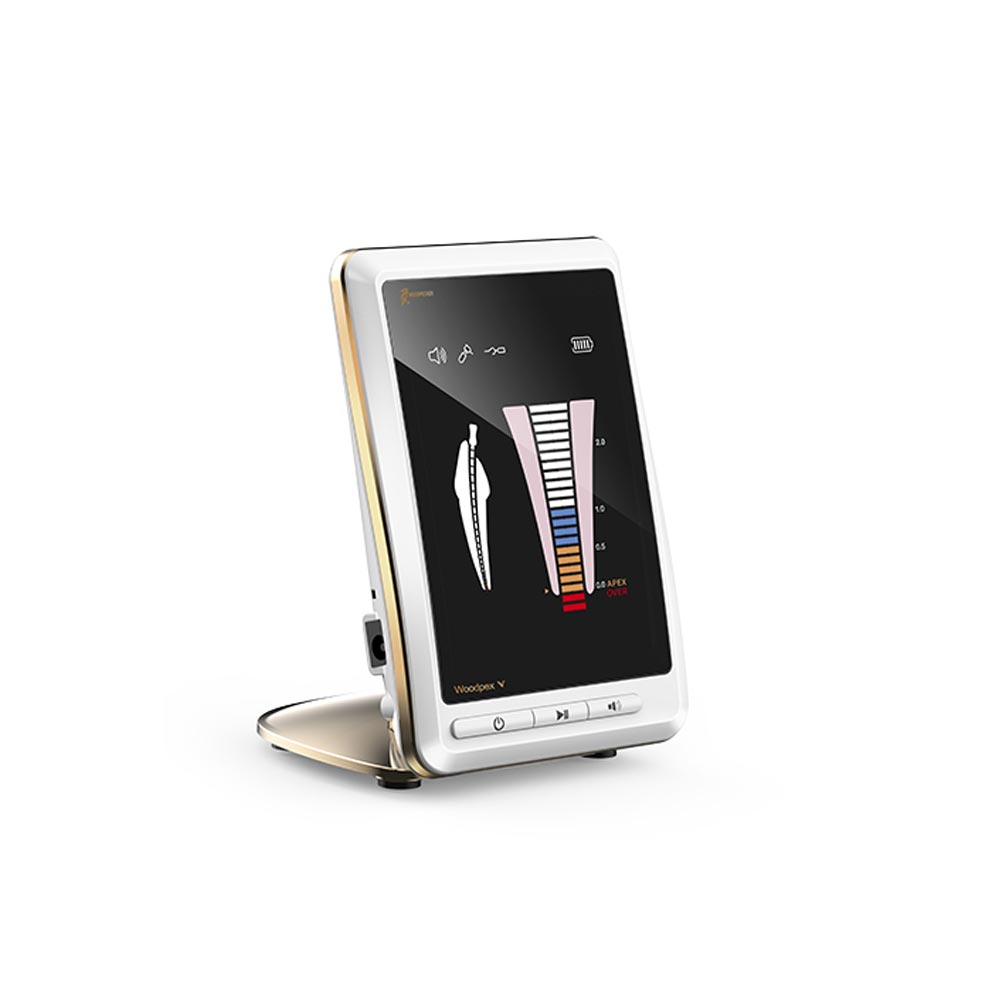
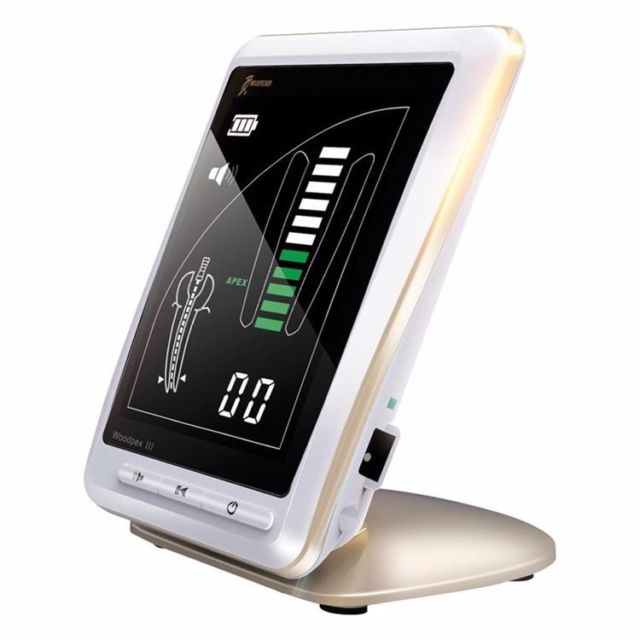
5th gen units use multi-frequency network impedance to detect the apical constriction. They give accurate readings in dry and lightly moist canals and run most general practices in India. Example: Woodpecker Apex Locator Woodpex III.
6th generation apex locators
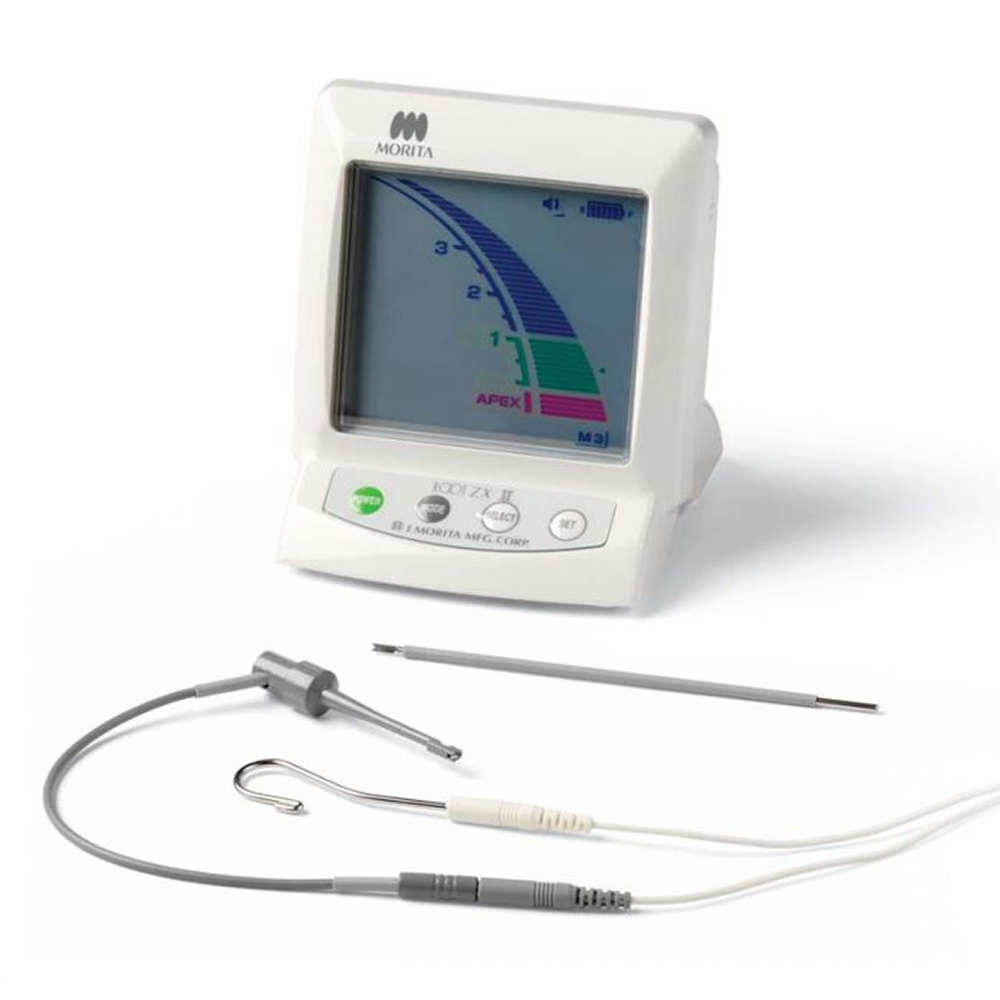
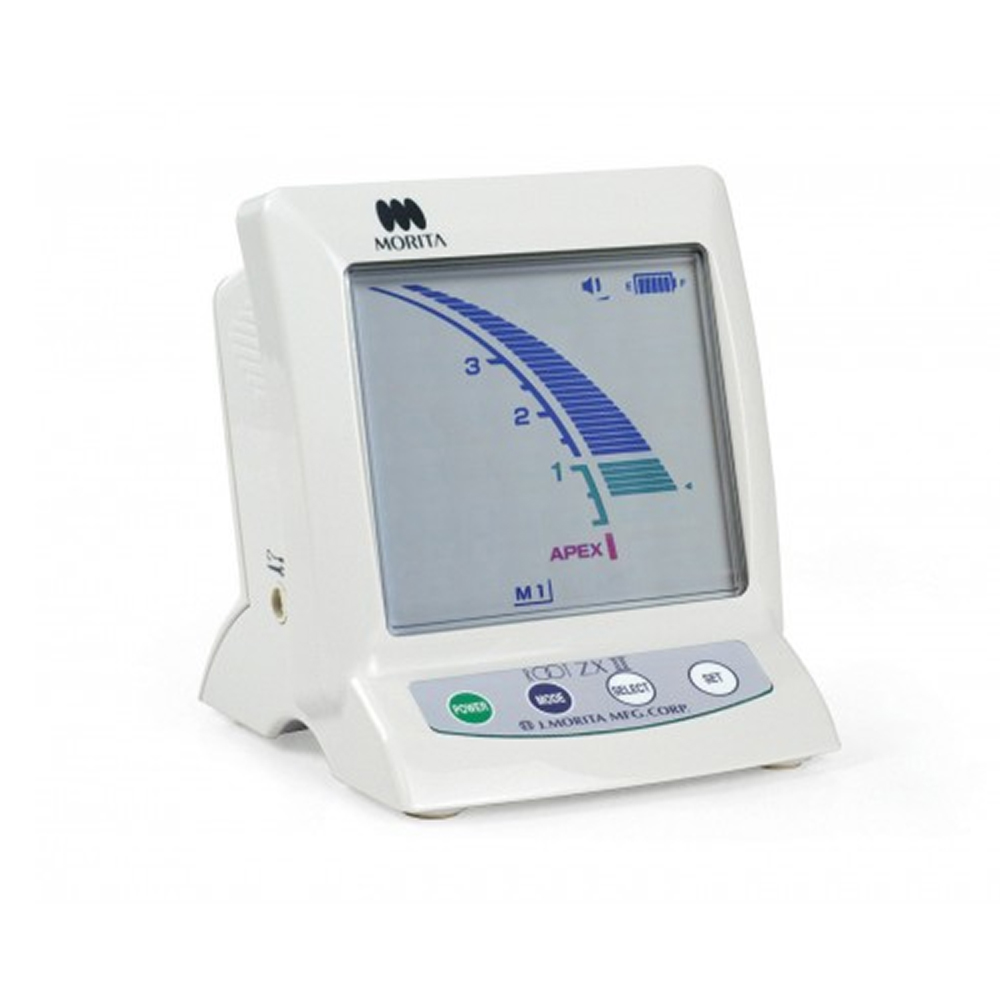
6th gen models compare the impedance ratio across two frequencies, which keeps readings accurate in canals filled with blood, hypochlorite, or exudate. They are the standard fitout in dental colleges and specialist endodontic practices. Example: J Morita Root ZX II Apex Locator (Dentaport ZX).
Wireless apex locators
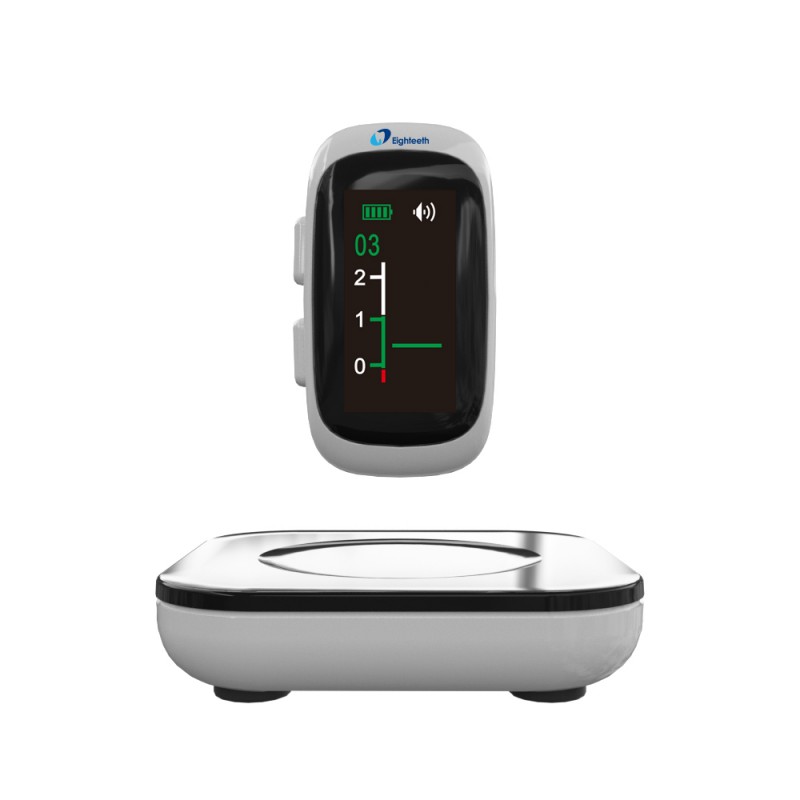
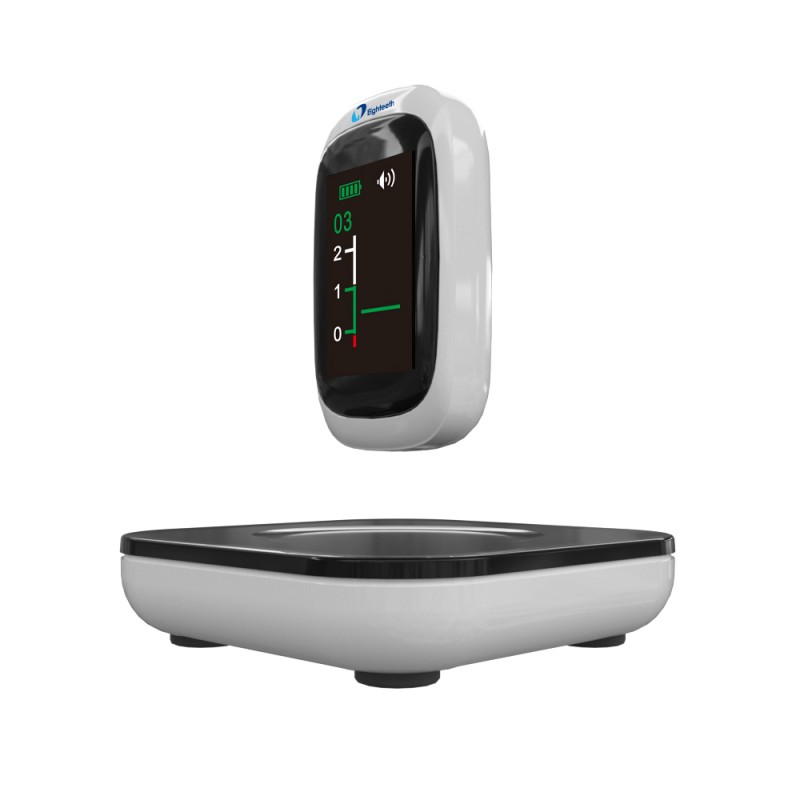
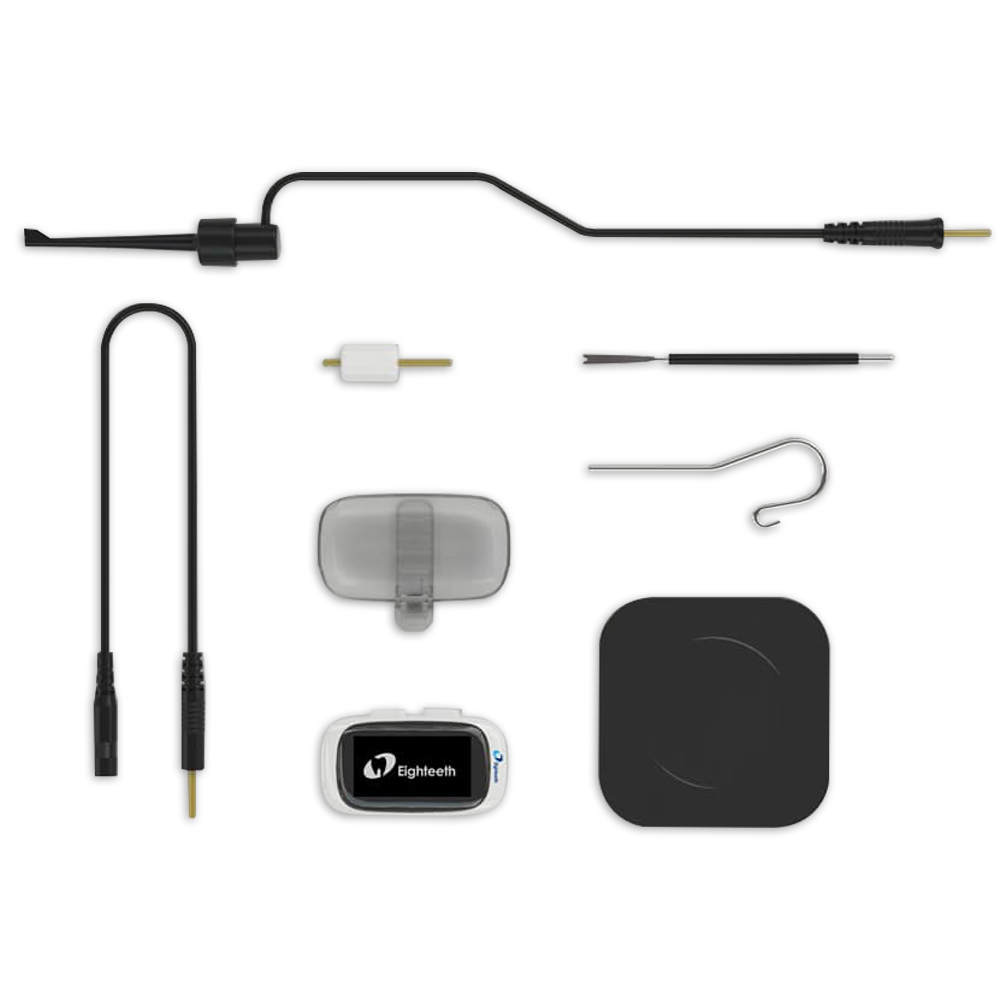
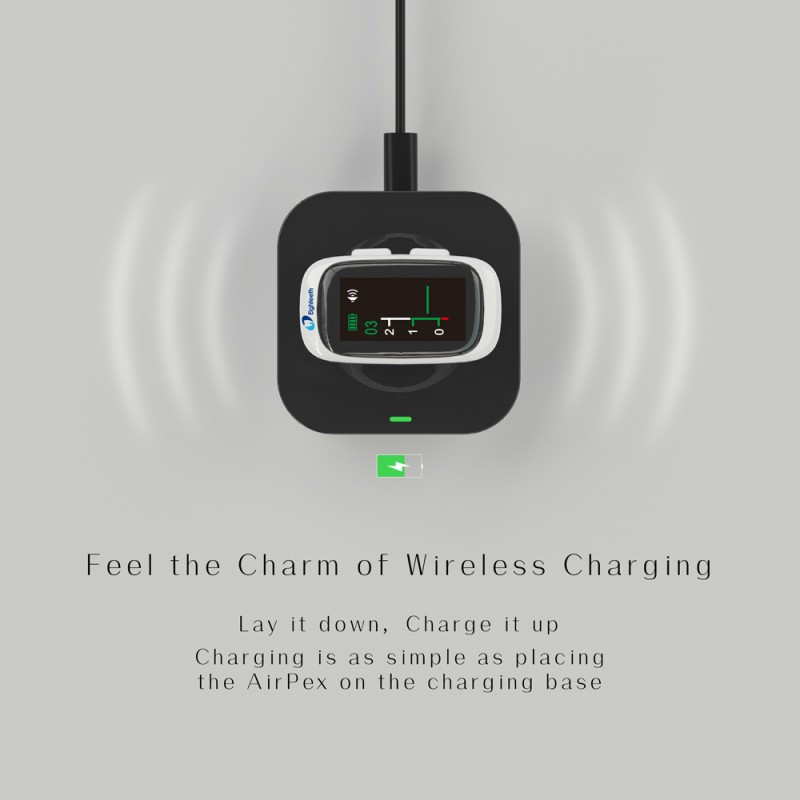
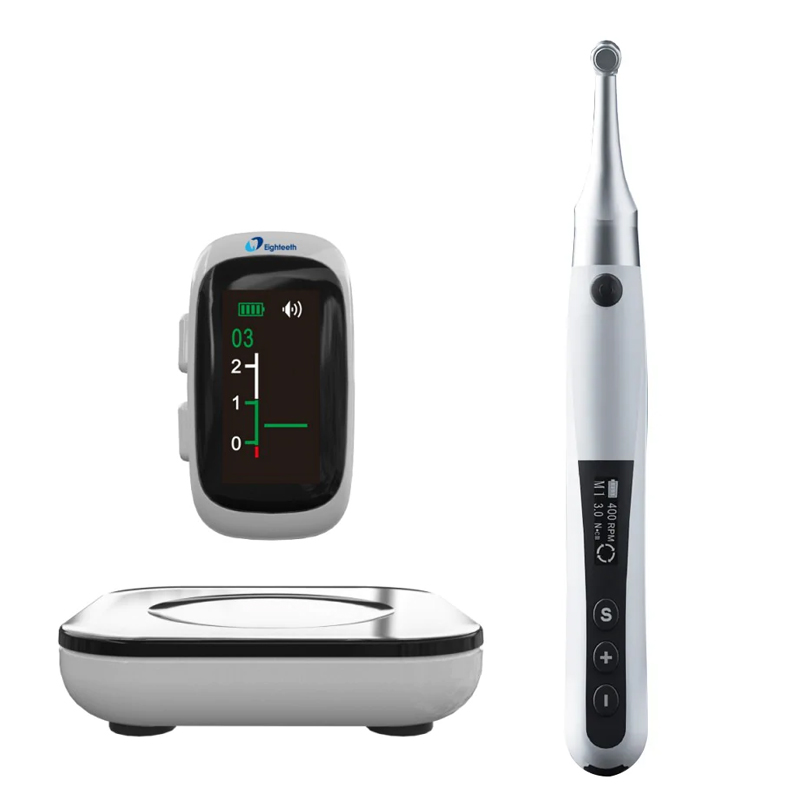
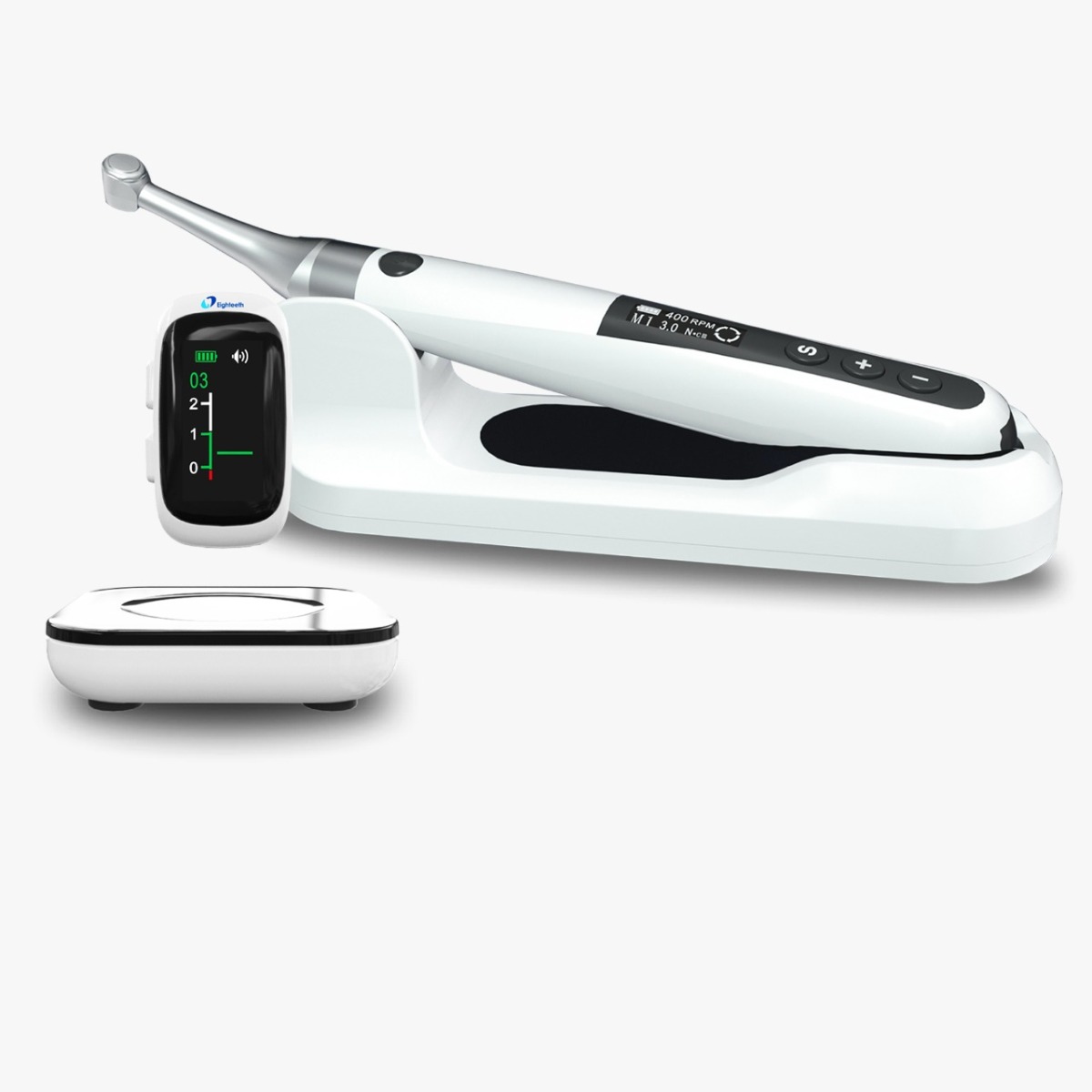
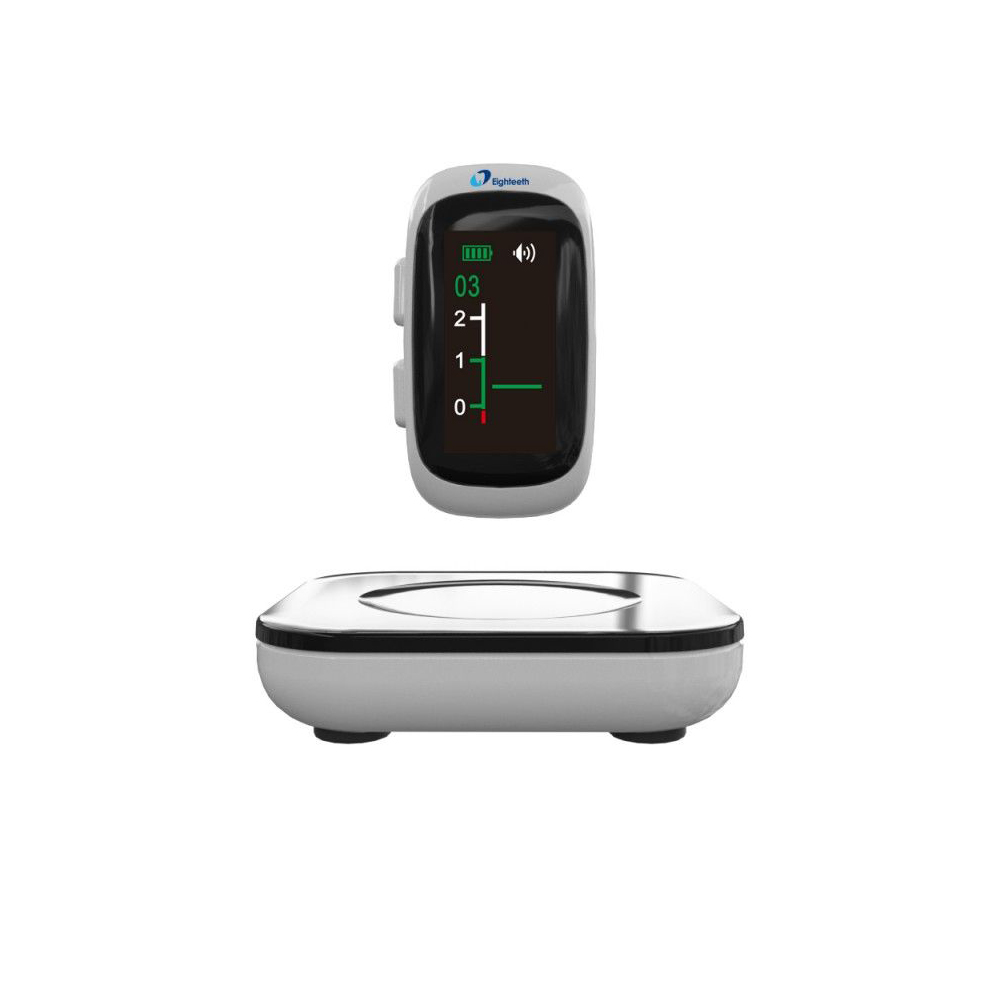
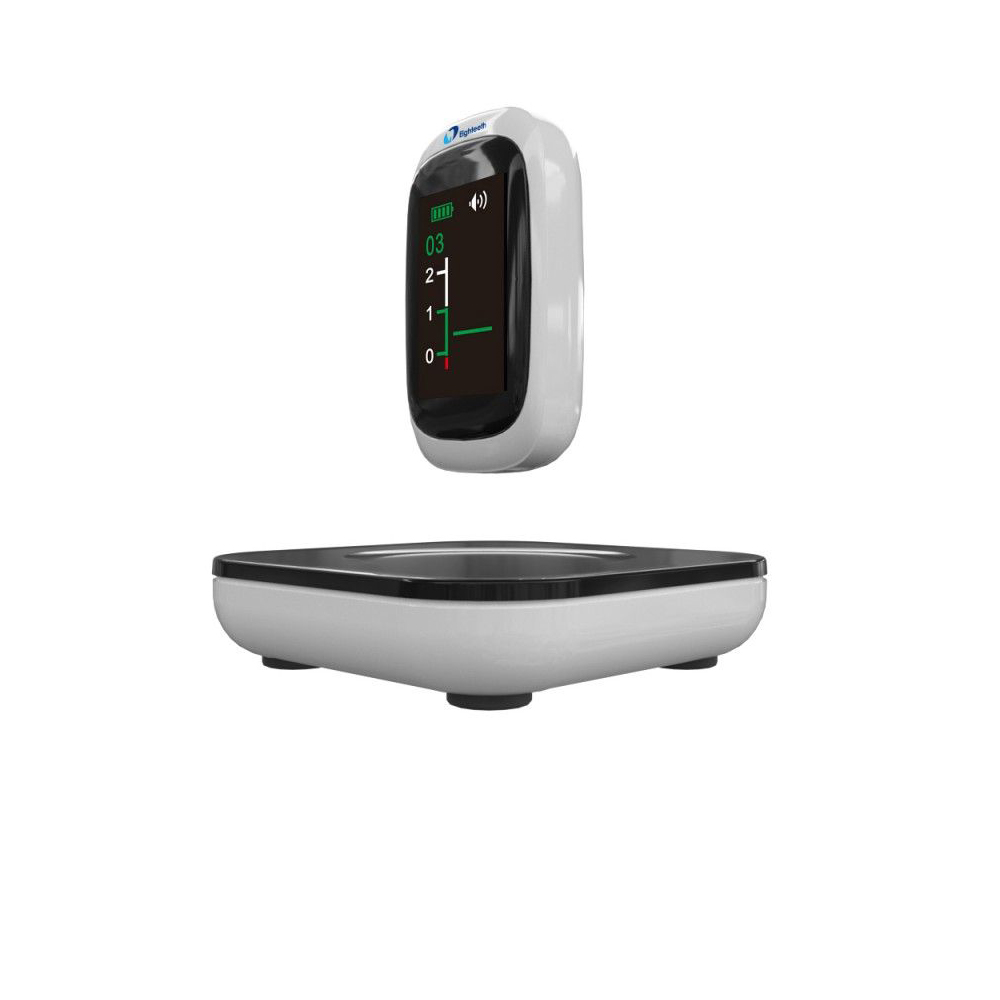
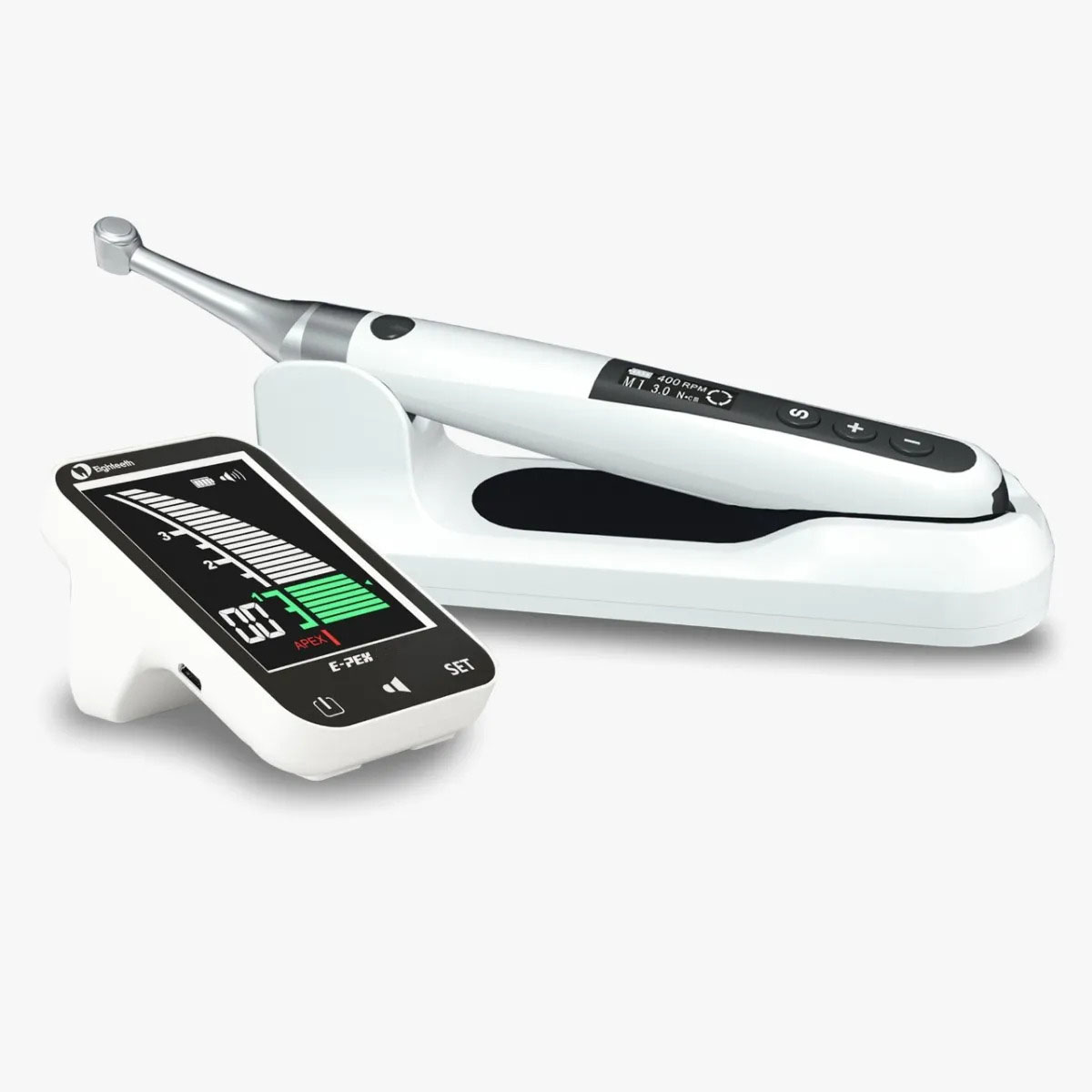
Wireless units pair the file holder to a small chairside receiver, which removes the trailing cable from the operating field. They cost more than corded equivalents but cut setup time between back-to-back cases. Example: Eighteeth Airpex Wireless Apex Locator.
Apex locator and pulp tester combos
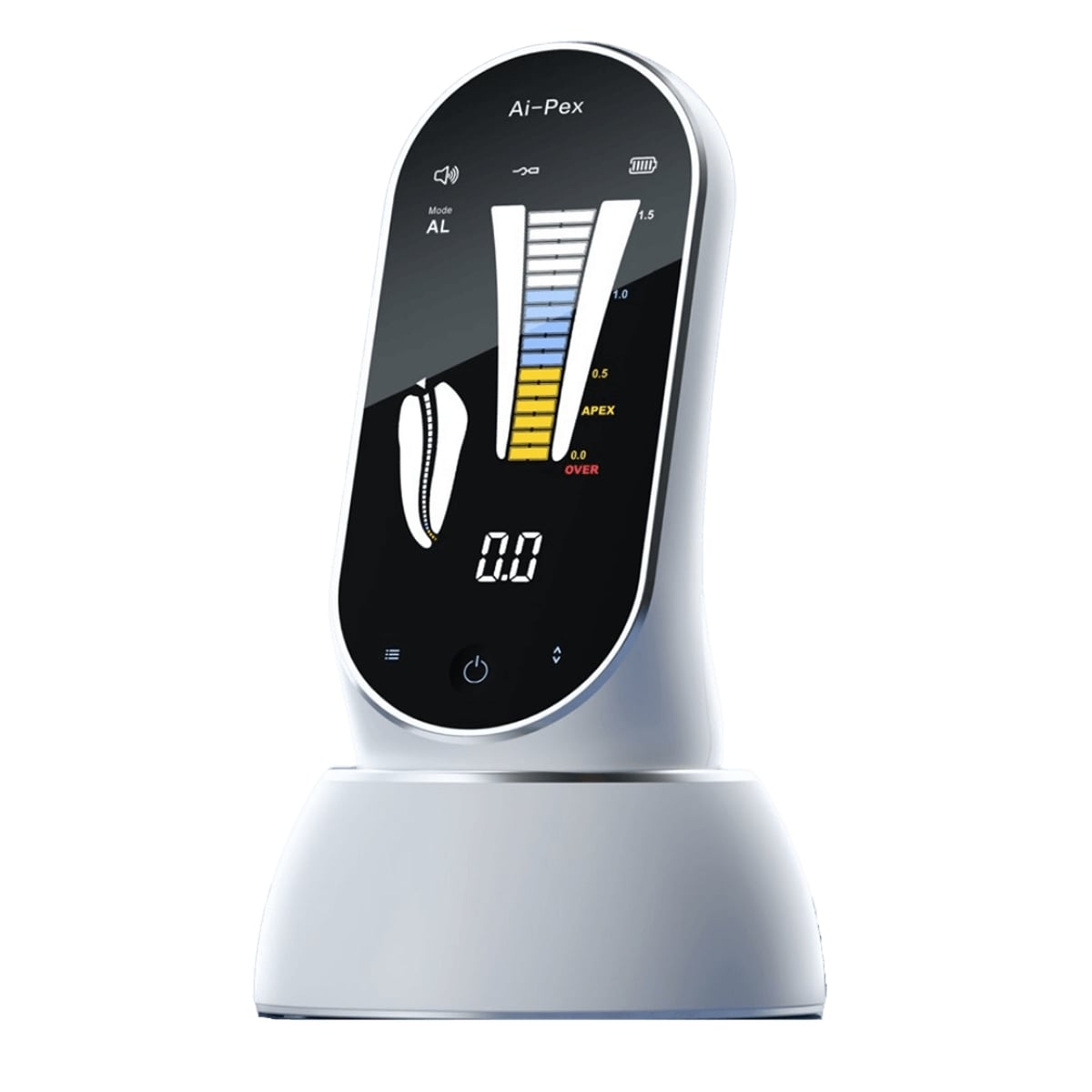
7th generation combo units add pulp vitality testing alongside working-length measurement, so one device handles both pre-treatment diagnosis and intra-canal length. Useful for clinics doing high volumes of vitality work. Example: Woodpecker Ai-Pex Apex Locator with Pulp Tester.
Entry-level apex locators
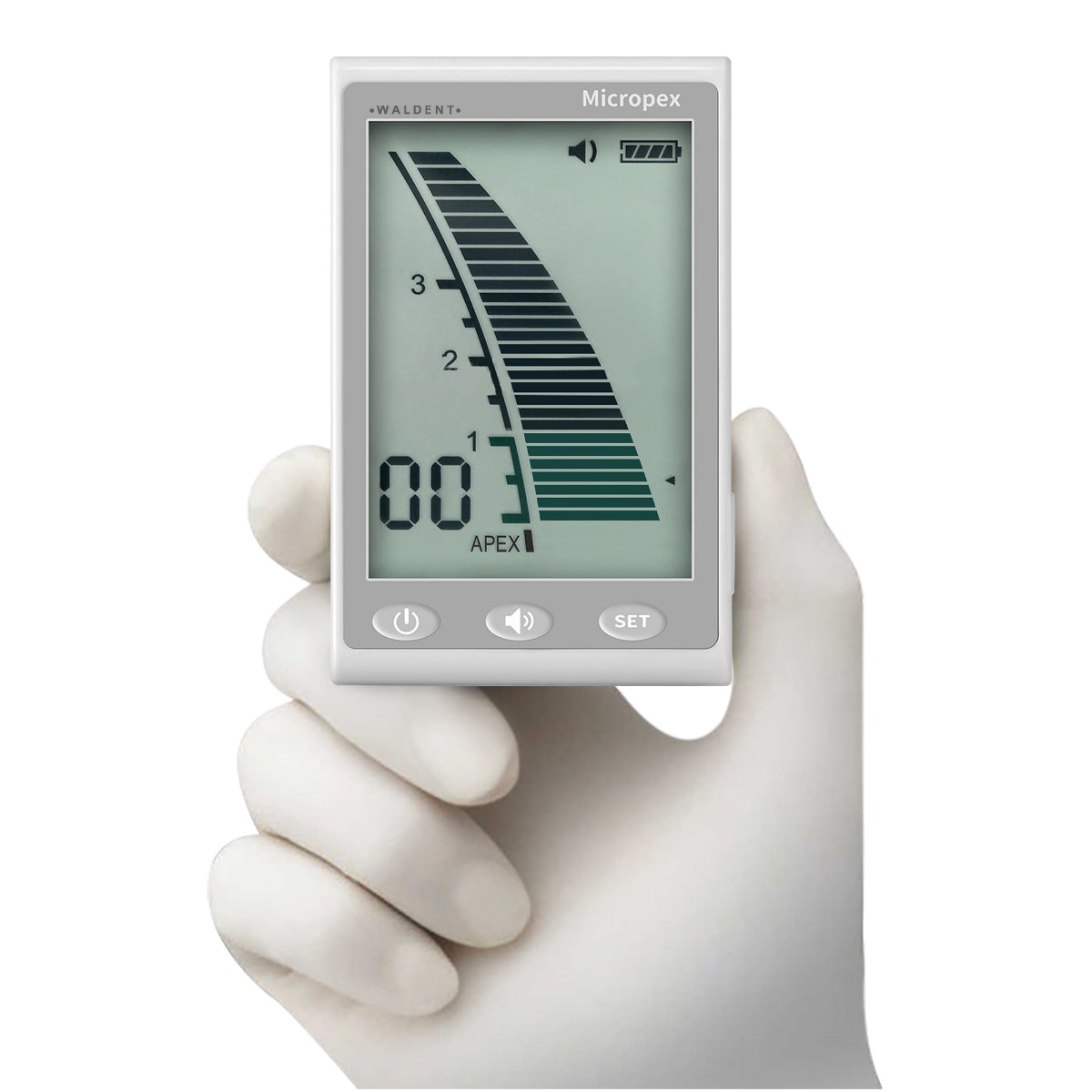
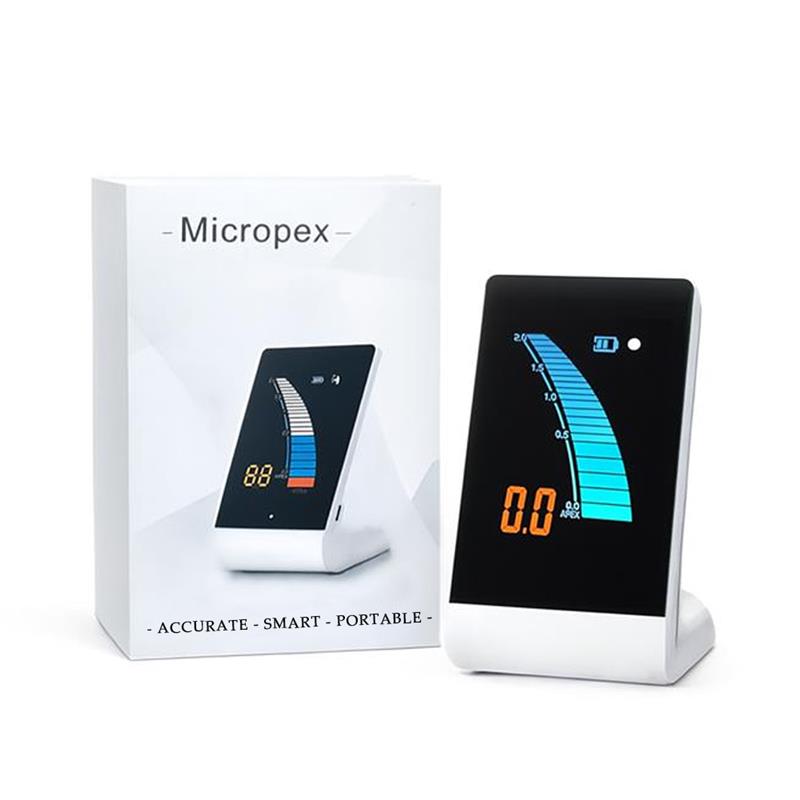
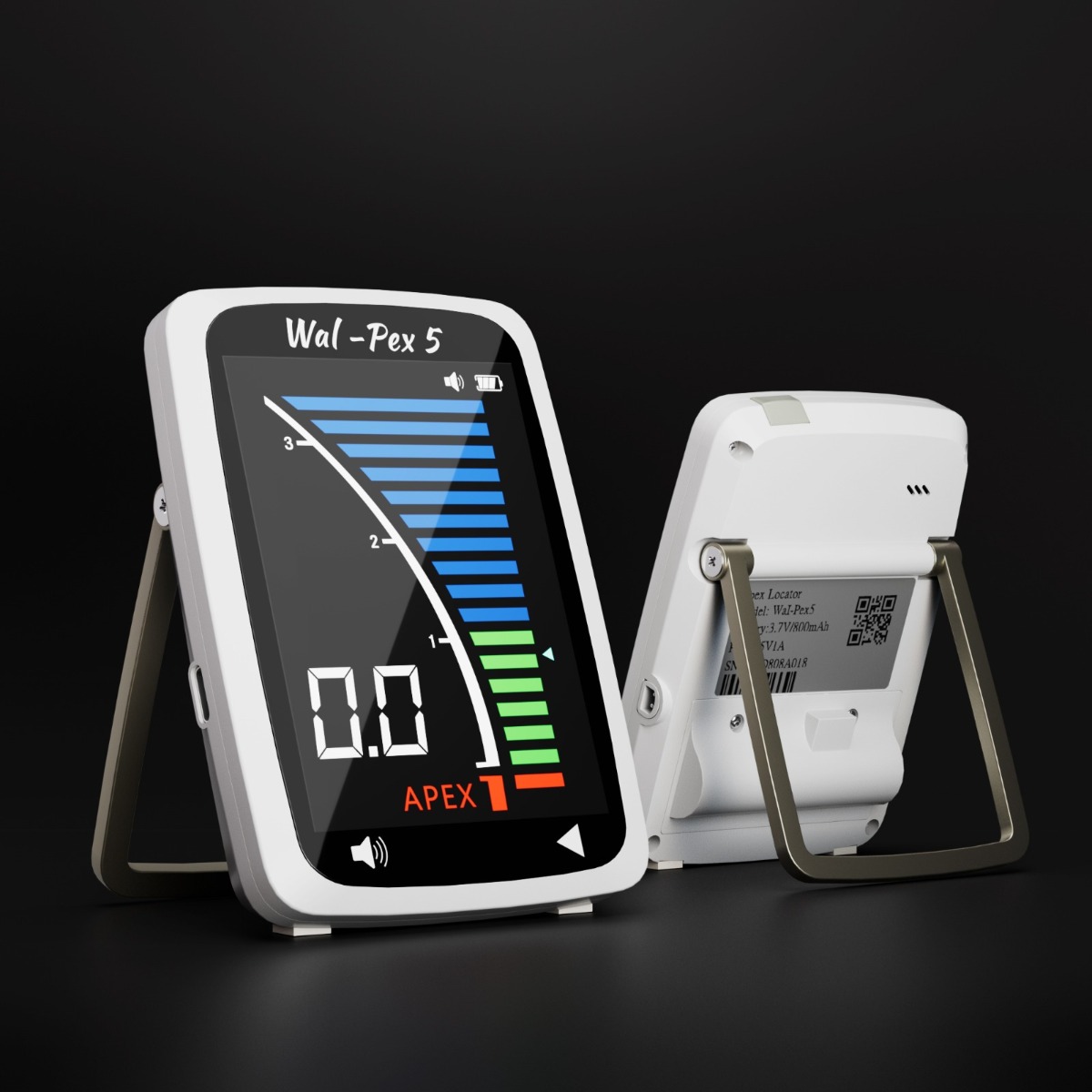
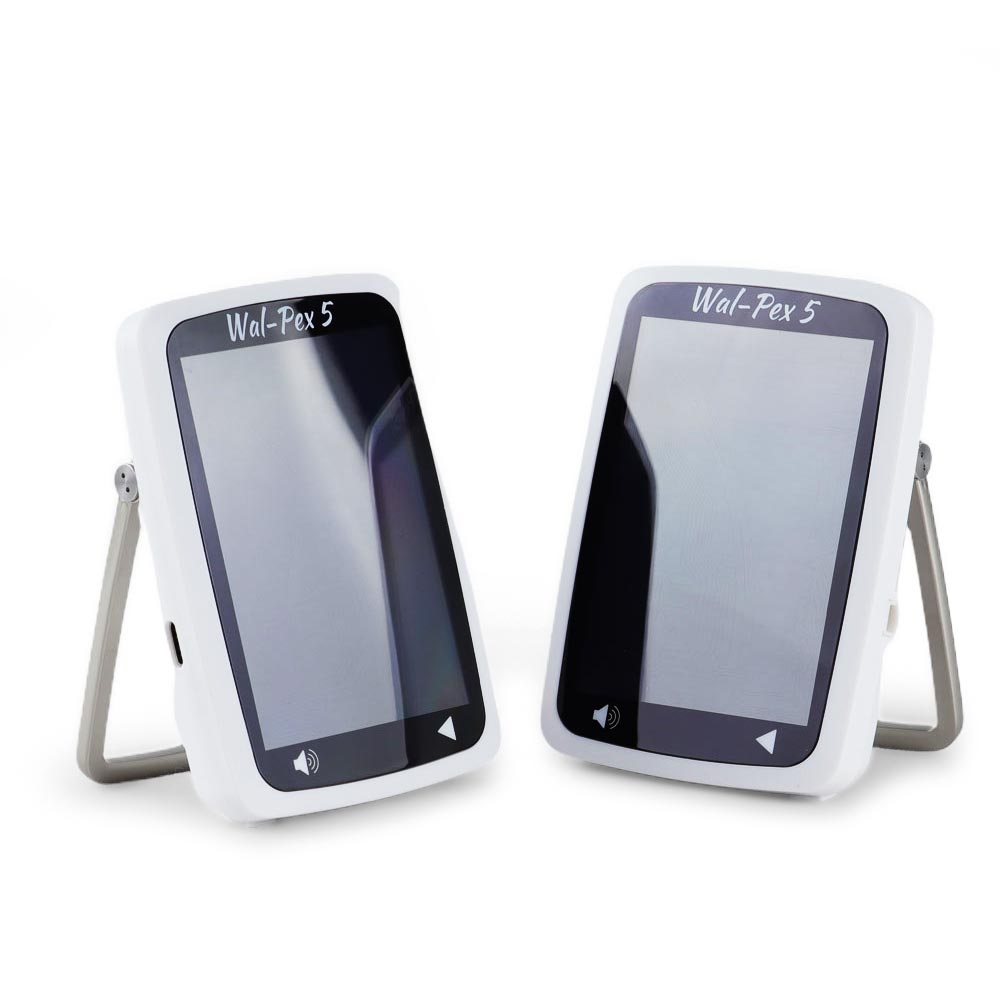
Entry-level units are 5th generation models without the colour LCD and auto-calibration of premium brands. They suit new graduates and clinics doing fewer than five RCTs a week. Example: Waldent Micropex Apex Locator.
When is an apex locator used?
Apex locators are used during root canal treatment to find the working length of each canal before instrumentation and obturation. The device replaces or supplements working-length radiographs that older protocols required at multiple stages. Many endodontists also check the locator reading at the final irrigation step before sealing.
- Primary working-length measurement during single-visit and multi-visit root canal treatment
- Re-checking working length after canal preparation with rotary files
- Identifying perforations or fractures in the root surface during retreatment
- Verifying patency in calcified or curved canals before reaching the apical foramen
- Pre-obturation length confirmation before gutta-percha placement
- Working-length measurement in paediatric endodontics on permanent teeth
How to choose the right apex locator
Generation (5th, 6th, or 7th).
5th gen handles dry and lightly moist canals and is enough for most general practitioners. 6th gen handles blood, hypochlorite, and exudate without false readings, which matters for retreatments and curved molar canals. 7th gen adds pulp testing for clinics that do their own vitality diagnosis.
Display and reading method.
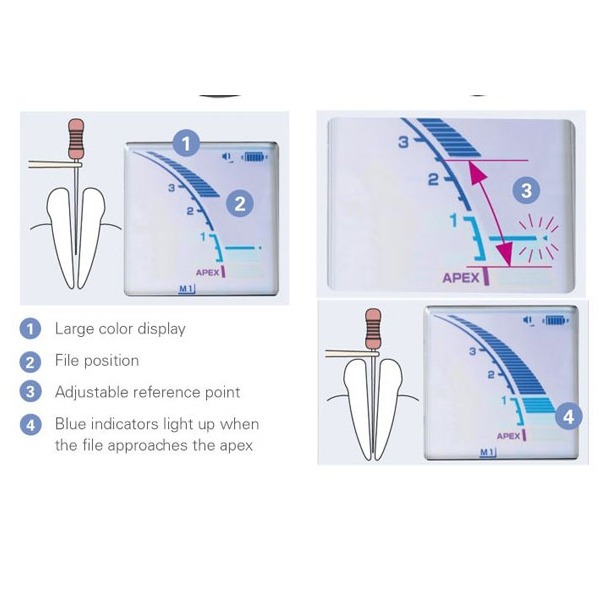
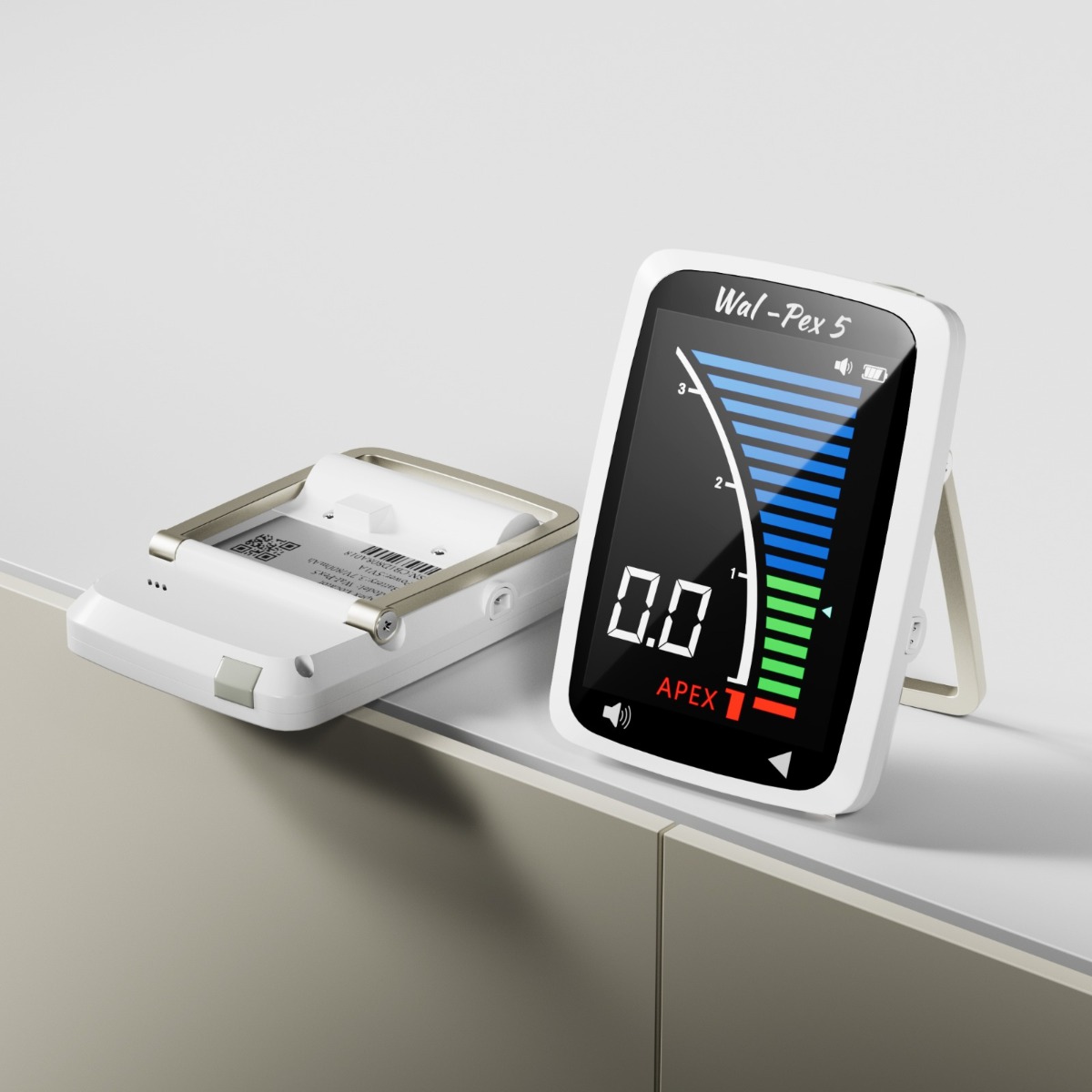
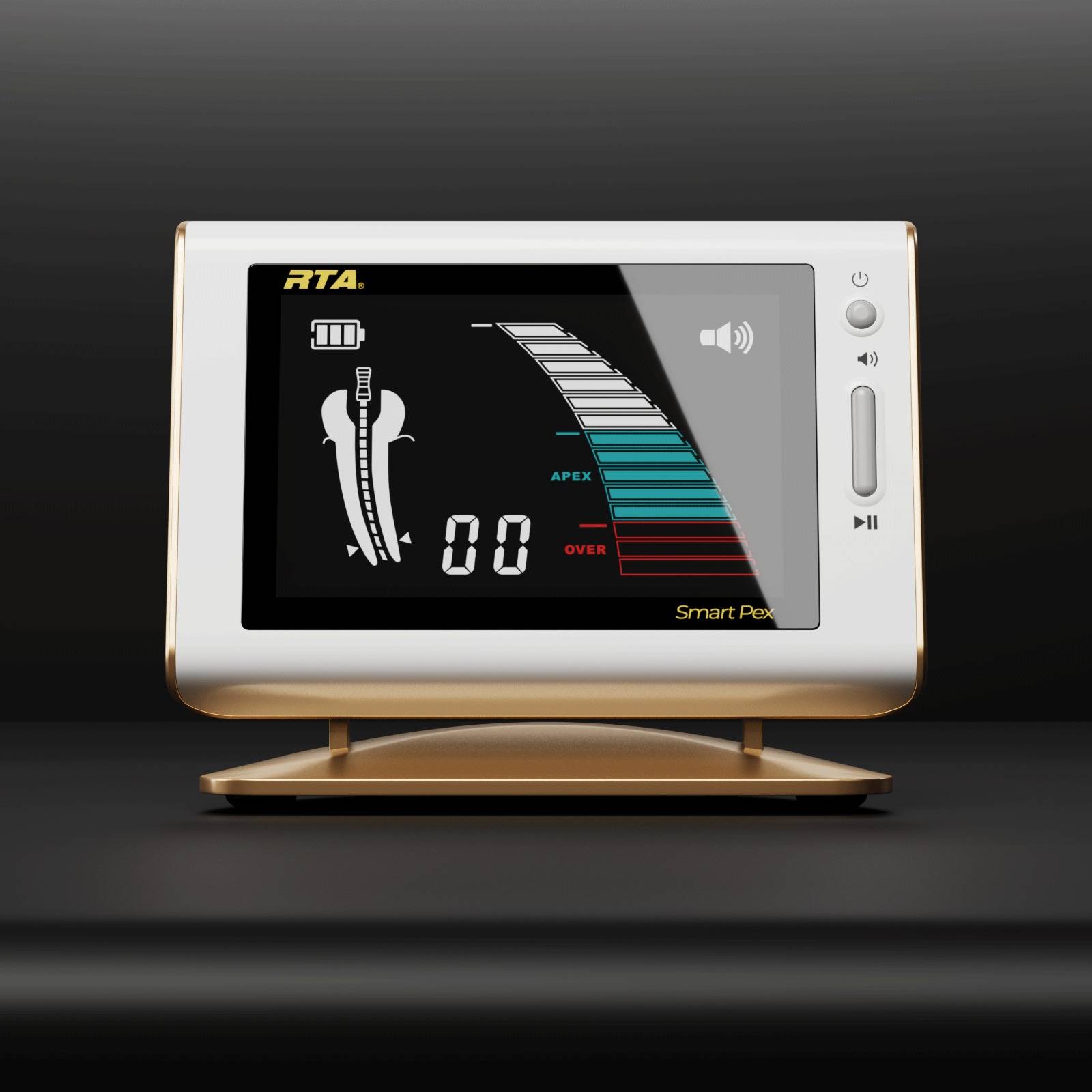
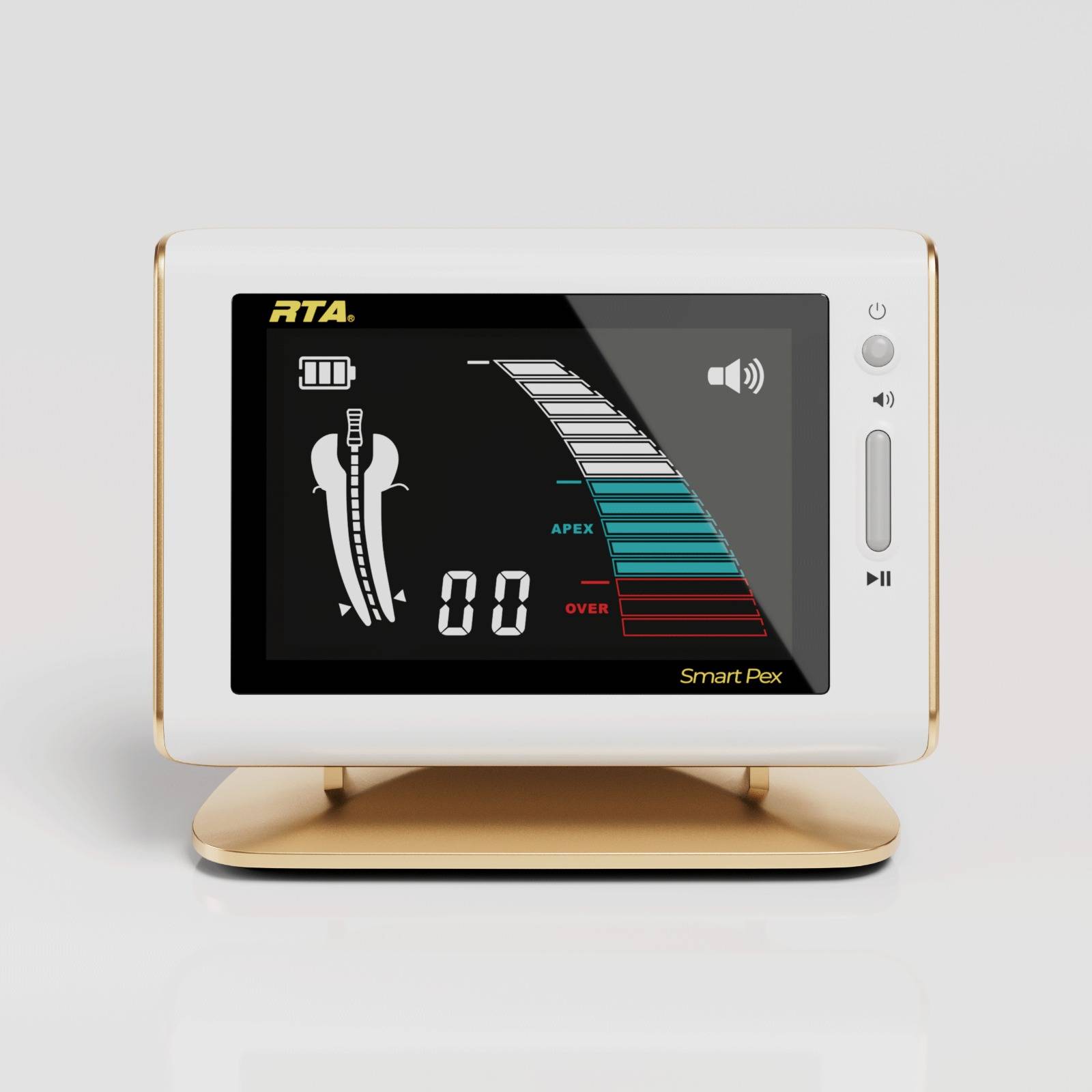
A colour LCD with a coloured progress bar shows file position more clearly than monochrome or LED-only displays. The reading at the apical foramen should be a clear visual change, not just a beep, so you can see exact position without lifting eyes off the field.
Audio feedback.
A volume-adjustable buzzer with a distinct apex alarm is the difference between catching the apical constriction first try and overshooting it. Mute and progressive-tone options help during long sessions and in noisy clinics.
Cord vs. wireless.
Wired locators are cheaper and reliable; wireless units remove cable clutter from the operating field but need charging and occasional re-pairing. Pick wireless only if you do back-to-back endo through the day.
Sterilisation of accessories.
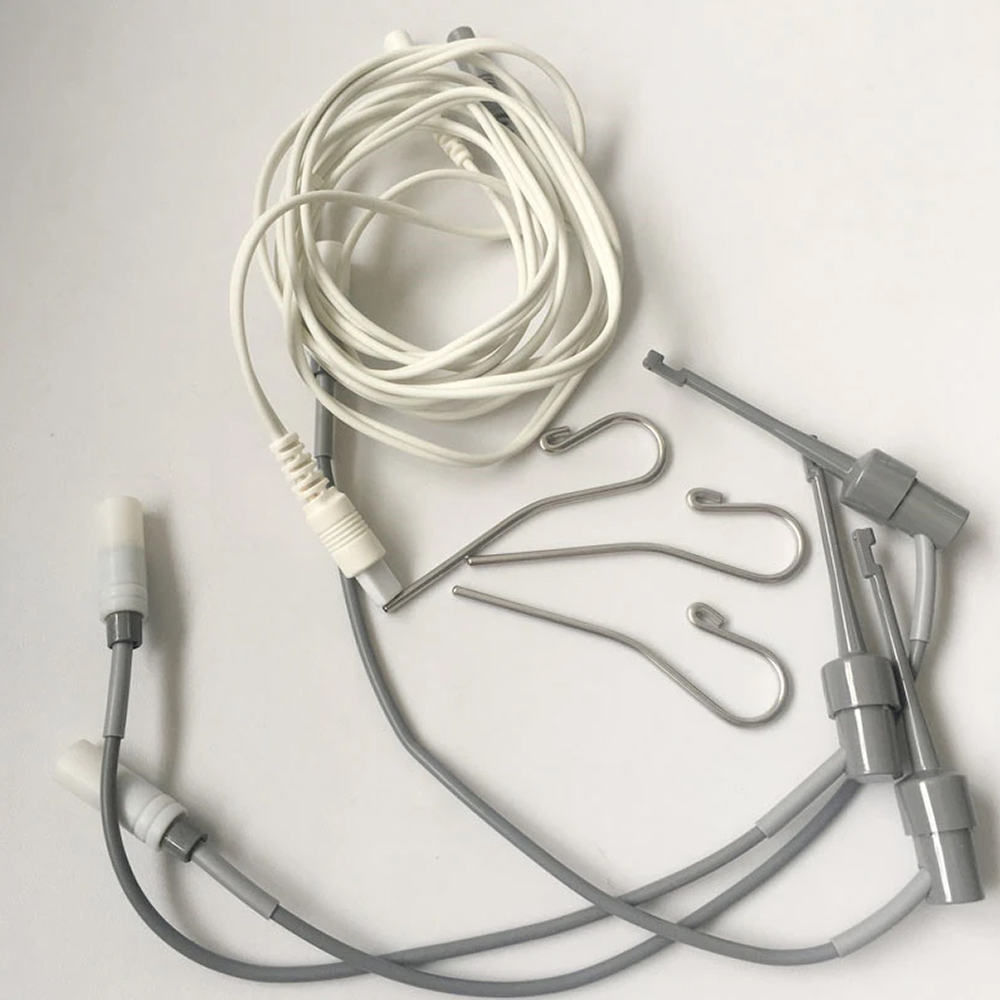
File clips and lip hooks autoclave at 134°C in most models, with replacement kits available. Check that consumable accessories are stocked locally; importing single file clips from outside India can take weeks.
Service and warranty.
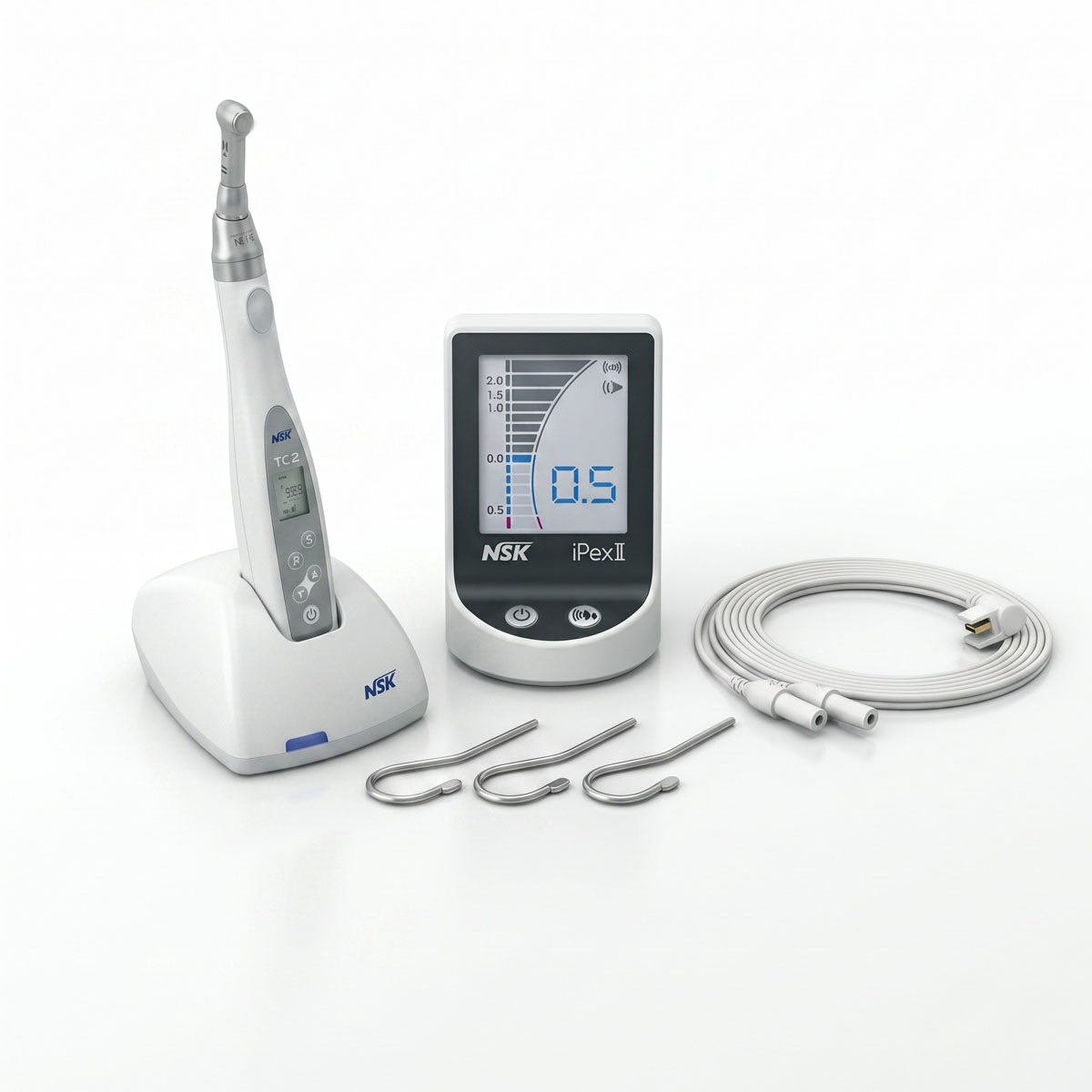
Woodpecker, Eighteeth, and Waldent have direct service teams across major Indian cities. J Morita and NSK service goes through national distributors, which can mean longer turnaround on board-level repairs.
Apex locator brands available on Dentalkart
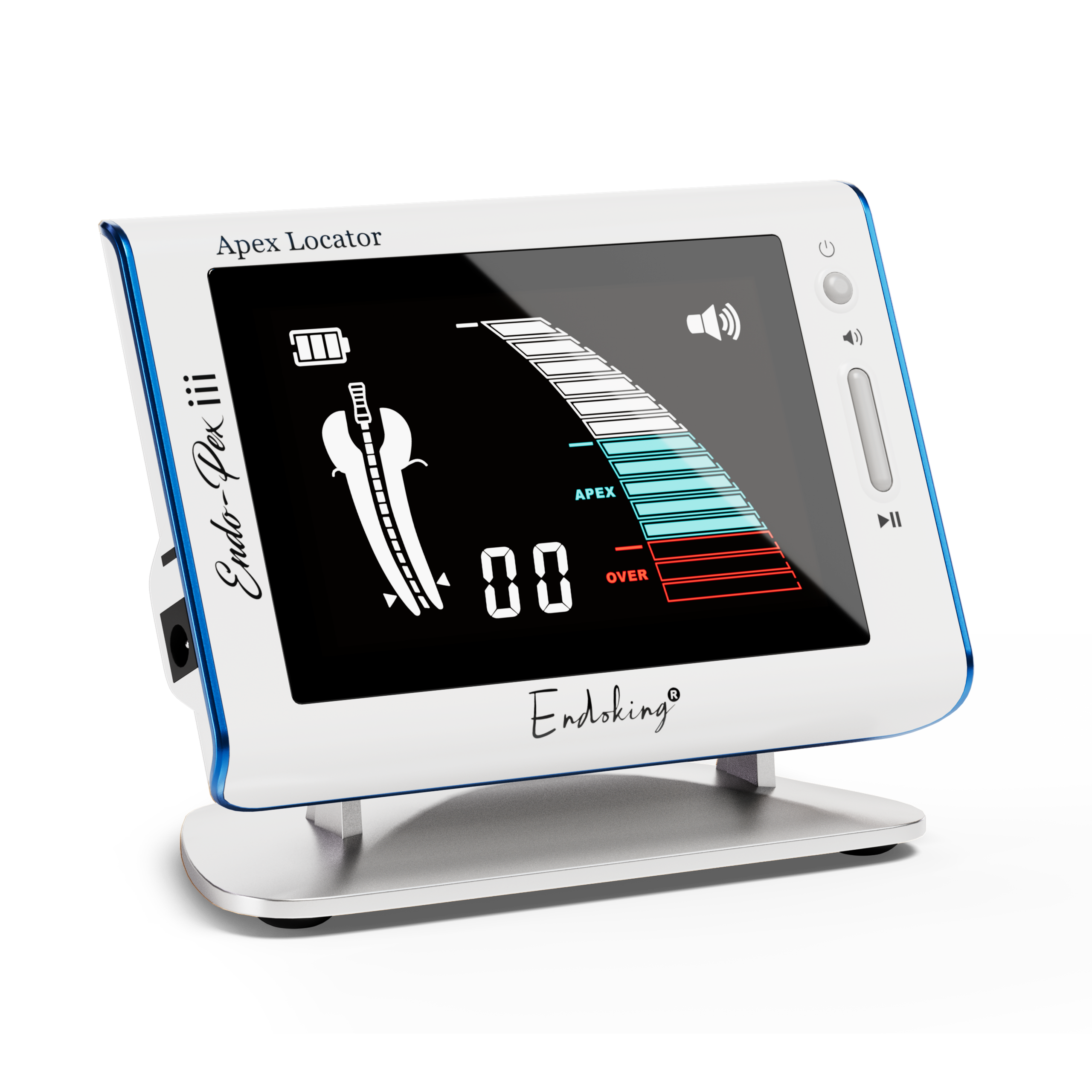
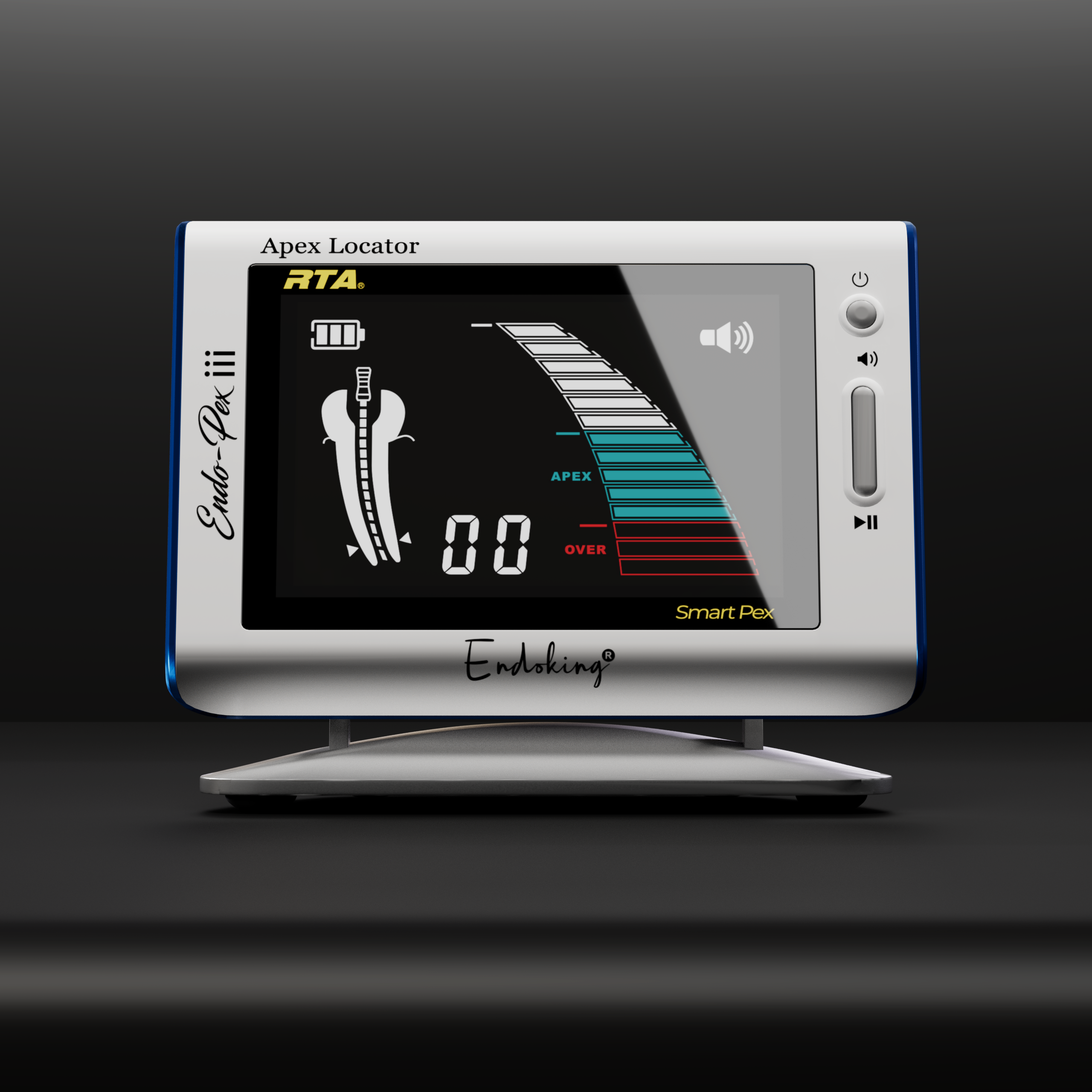
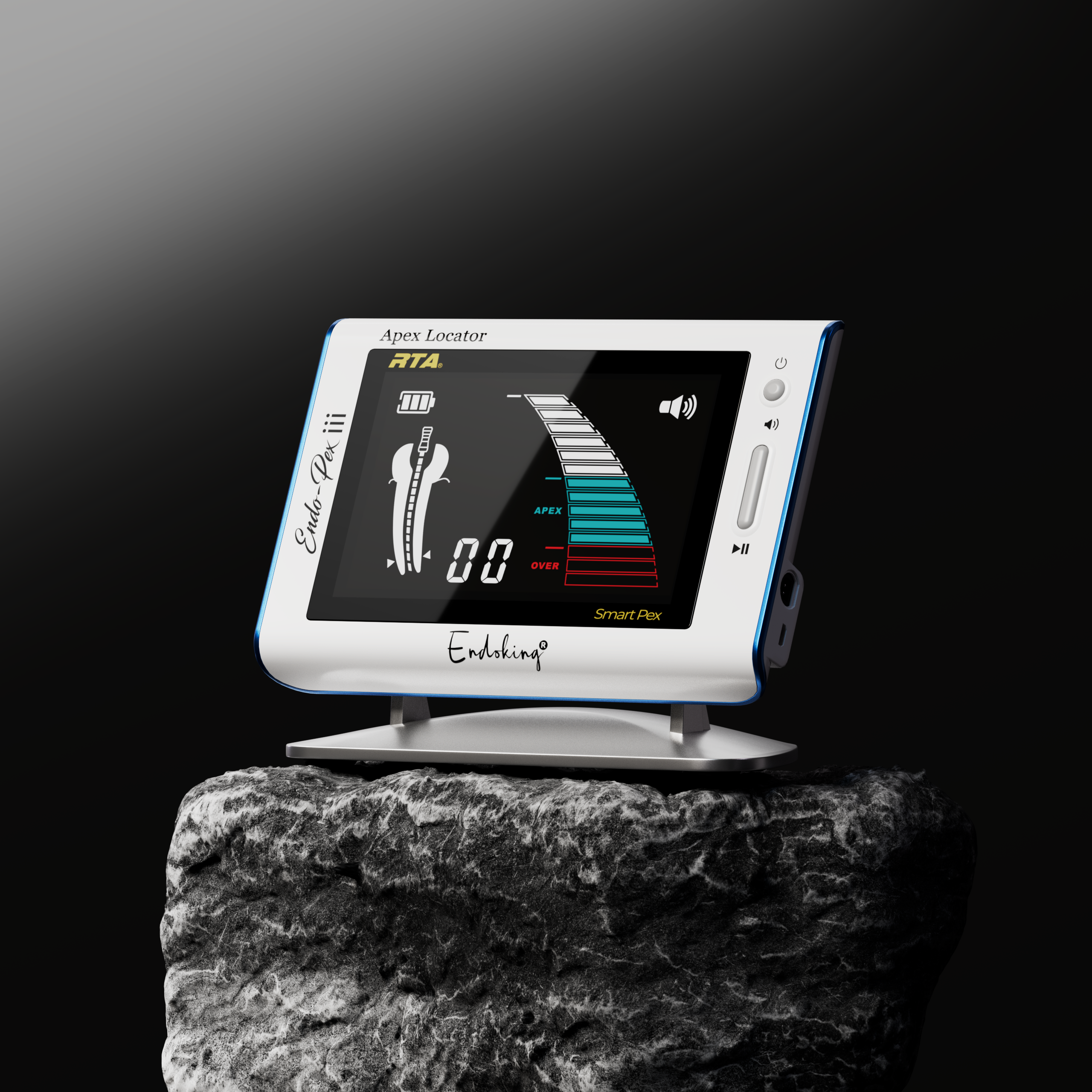
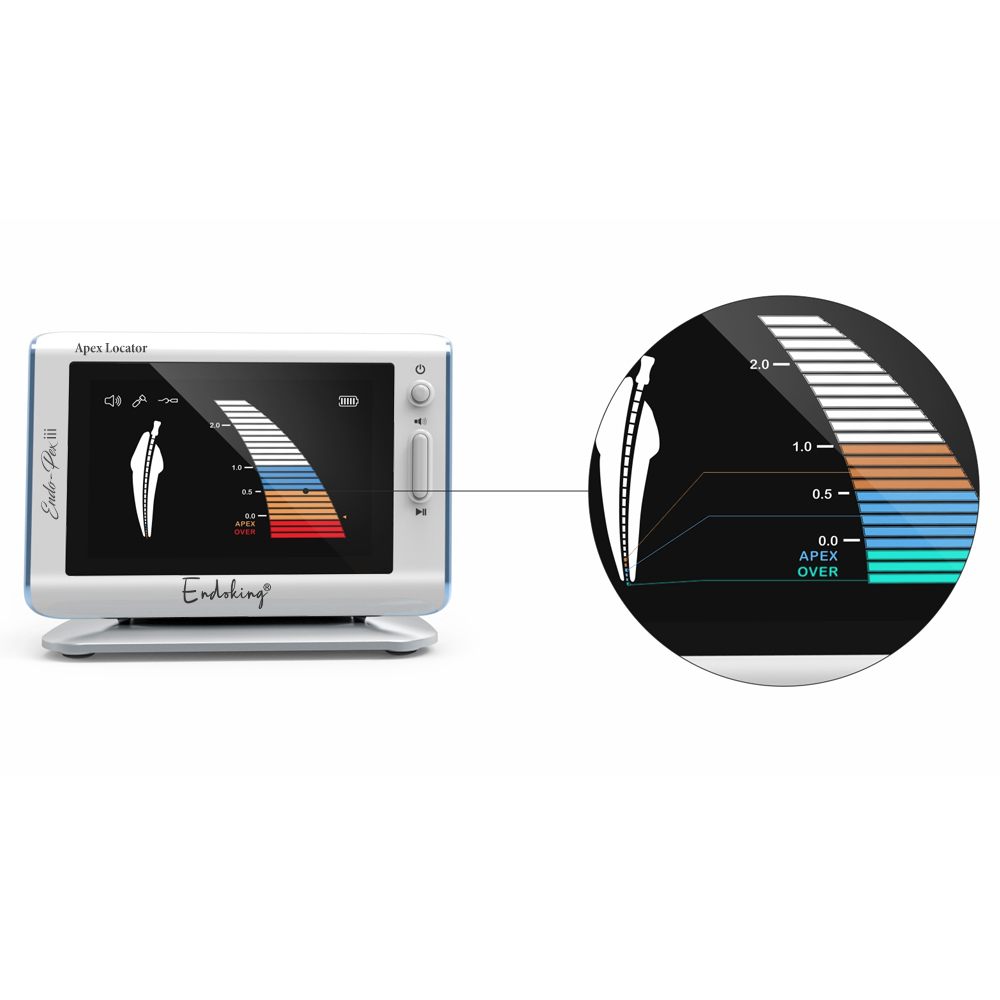
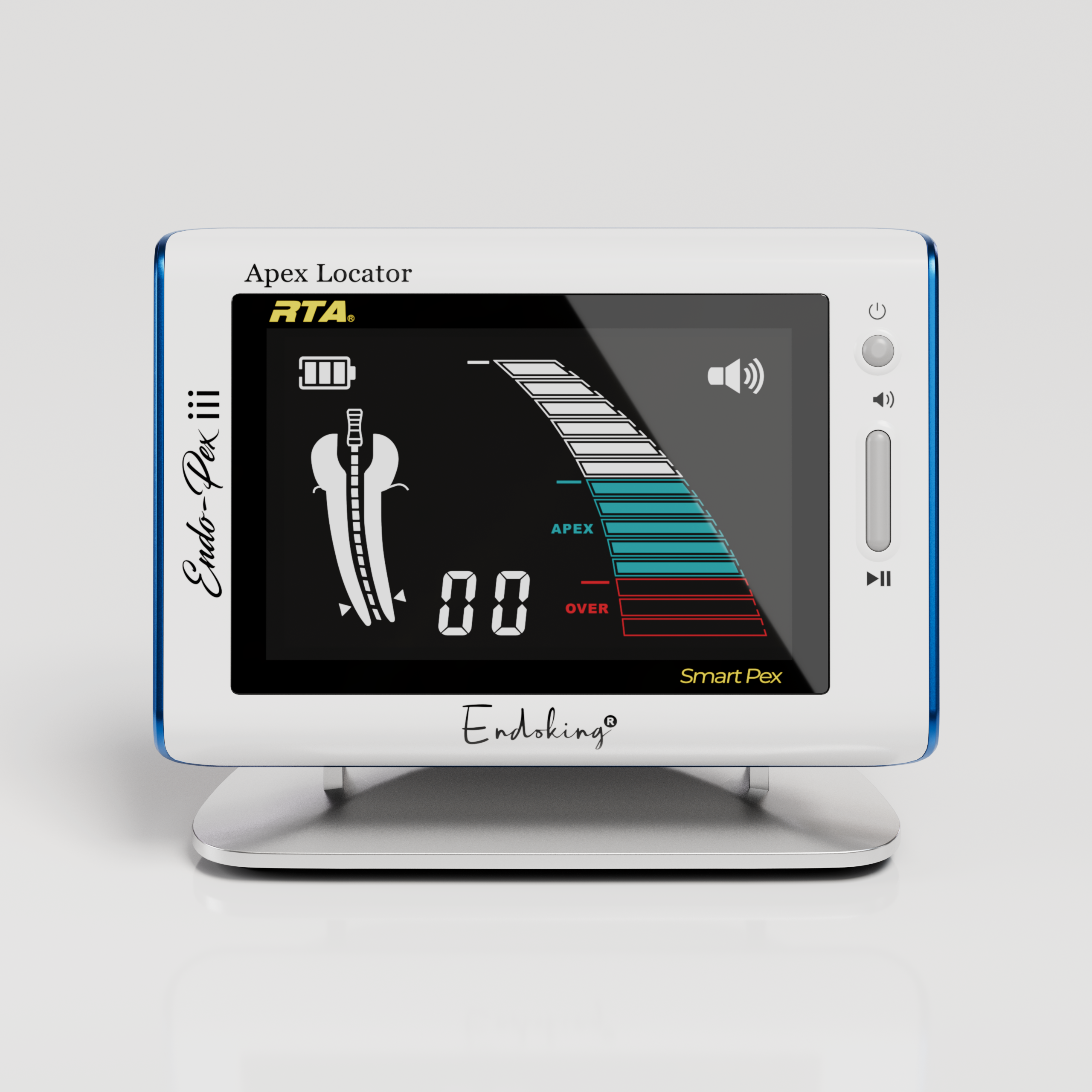
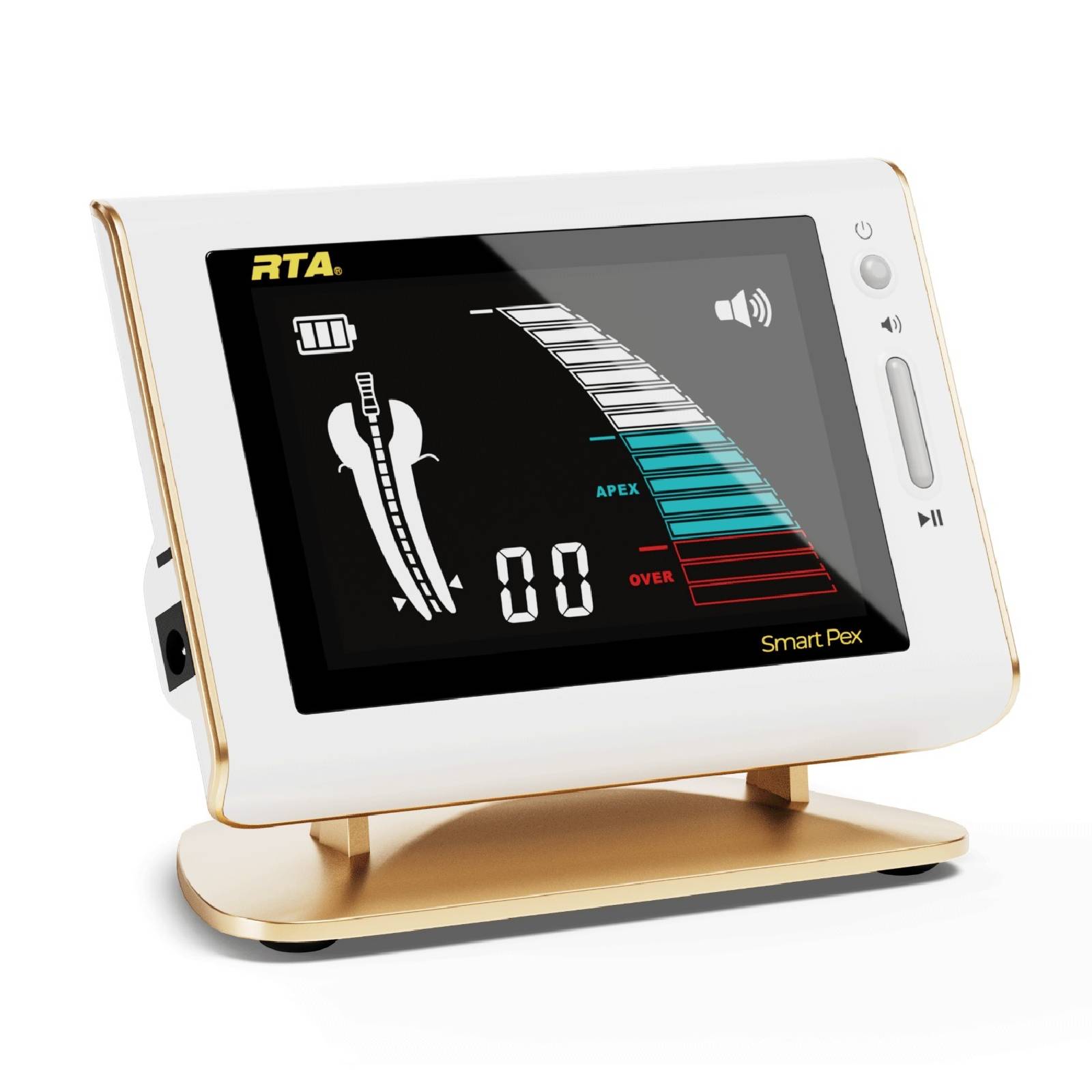
Dentalkart stocks apex locators from Woodpecker, Eighteeth, J Morita, NSK, Dentsply, Kerr, Coltene Whaledent, Micro-Mega, Endoking, and Waldent. Woodpecker and Eighteeth run most clinics in India by volume. J Morita and NSK sit at the imported premium end and are the standard fitout in dental colleges and specialist endodontic practices. Waldent and Endoking cover the entry-level price band for new clinics and dental graduates.










.jpg)

.jpg)
 Recommended
 Price- High to Low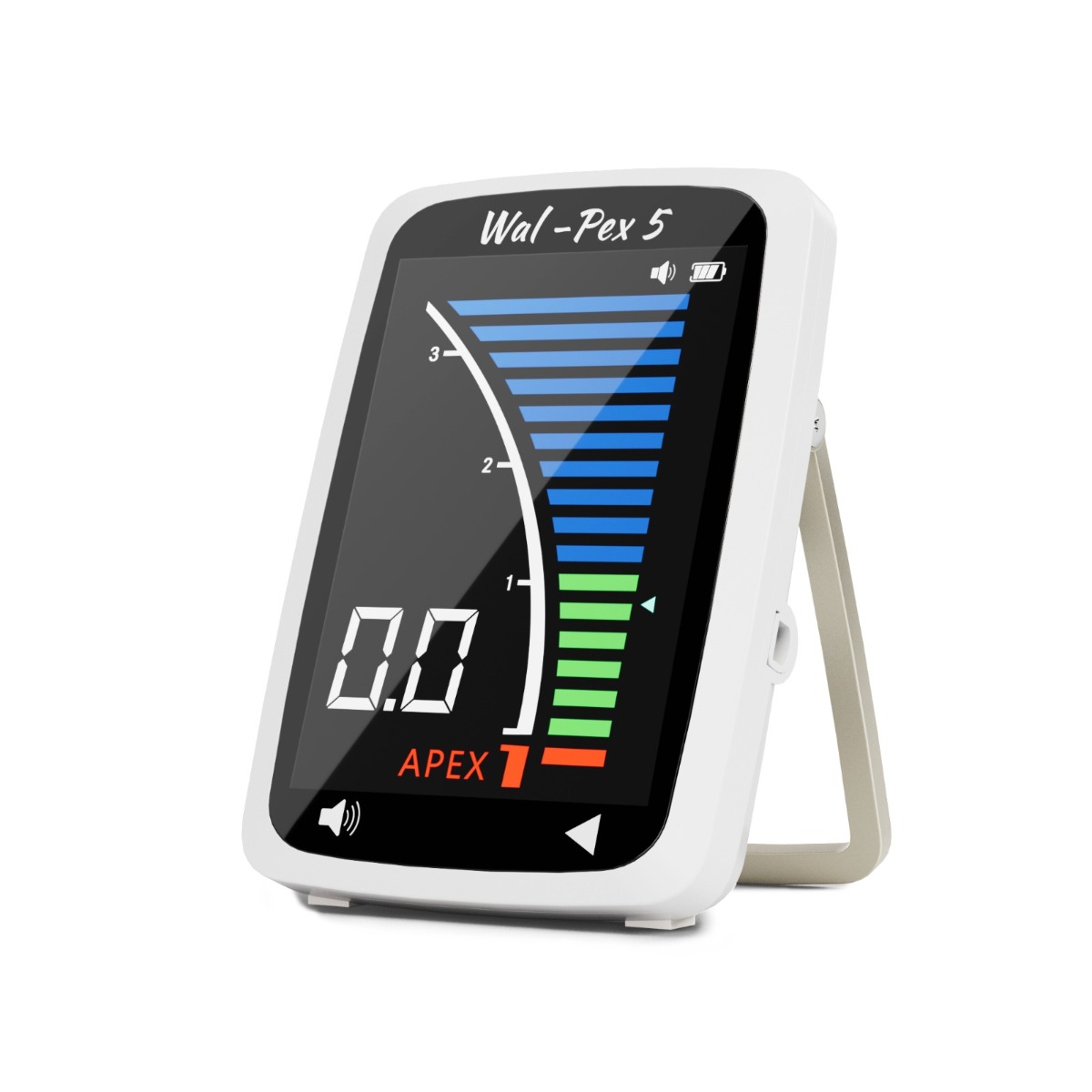

.jpg)

.jpg)
.jpg)
.jpg)