

At Home Bleaching
4.1
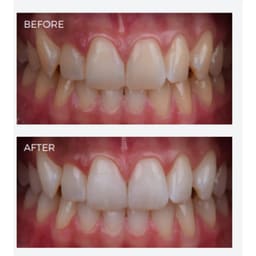
At-home bleaching is professional teeth whitening the patient does at home. A lower-concentration peroxide gel is worn in a custom-fitted tray, for a set time each day over one to two weeks. The dentist prescribes and fits it. It works more gently and gradually than in-office whitening, and comes as day or overnight formulas.
Sort by - Recommended
 Recommended
 Price- High to LowPrice- Low to High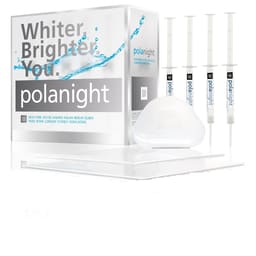
★ 4.0
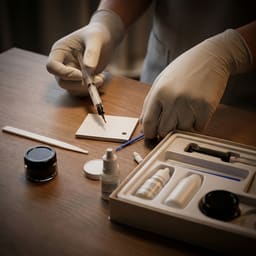
(2)Advanced teeth whitening kit designed for effective home or in-office bleaching
Starting at₹ 3575
View Similar Products

★ 2.5
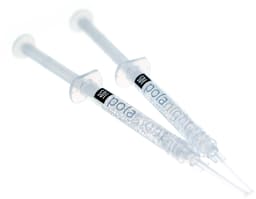
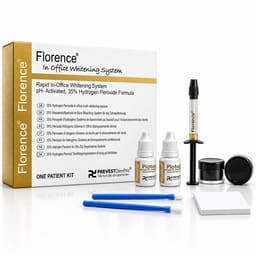
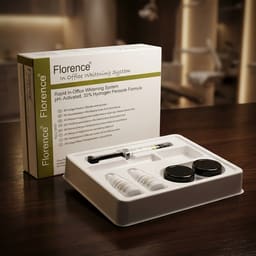
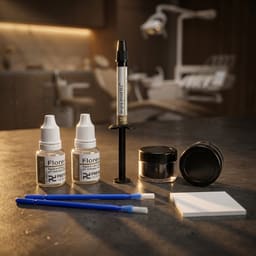
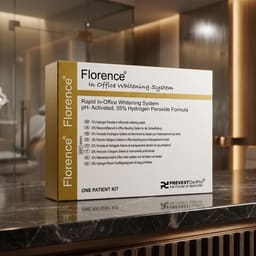
(2)Take-home teeth whitening kit for a single patient, providing safe, effective at-home tooth bleaching treatment.
₹ 1371₹ 1969
30.37% Off
 11
11View Similar Products
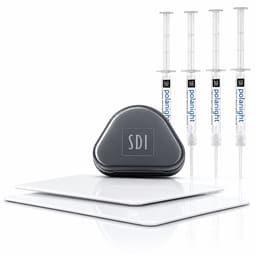
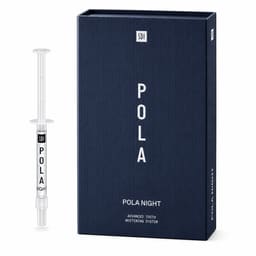
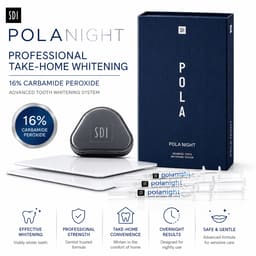
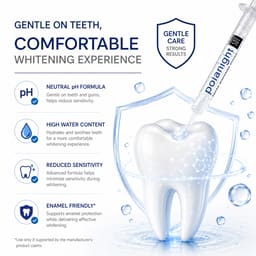
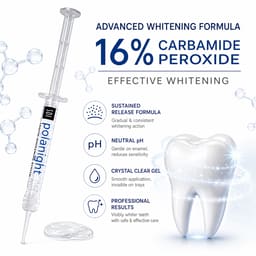

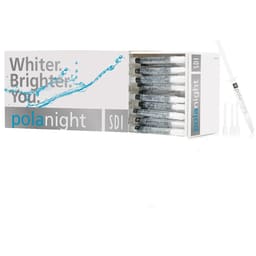
Professional take home whitening gel for effective whitening of vital and non vital teeth
₹ 3550₹ 4250
16.47% Off
135View Similar Products
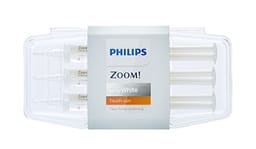
NOTIFY ME
★ 5.0
(2)View Similar Products
NOTIFY ME
★ 5.0
(2)View Similar Products
Filters
Sort By
RecommendedAt-Home Bleaching
At-home bleaching lets a patient whiten their own teeth between appointments, under the dentist's prescription. The gel is milder than the in-office kind, so it is safe to use unsupervised. The trade-off is that results build over days rather than in one visit.
Each kit provides the gel. The tray is usually custom-made from an impression, so it holds the gel against the teeth and off the gums. The putty or alginate for taking that impression sits in the impression material range.
Day or night formulas
At-home gels are built for one of two wear patterns:
- Day (daytime) gels — usually hydrogen peroxide based, worn for short sessions of 15–60 minutes. Faster acting, so they suit shorter daytime wear.
- Night (overnight) gels — usually carbamide peroxide based, worn longer or while sleeping. Slower and gentler, so they suit extended overnight wear.
The kit's name often signals which it is, and the concentration on the pack tells you the strength.
Carbamide or hydrogen peroxide
The active ingredient differs by formula:
- Carbamide peroxide — breaks down slowly into hydrogen peroxide; milder and longer-acting, common in overnight take-home gels.
- Hydrogen peroxide — acts faster at a given strength; common in shorter daytime gels.
- Concentration — take-home gels are far weaker than in-office ones, which is what makes home use safe.
How it is worn
The routine is simple and the patient controls it:
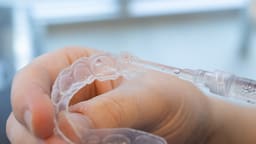
- A thin line of gel is loaded into the custom tray.
- The tray is seated over the teeth and any excess gel wiped away.
- It is worn for the time the formula and dentist specify.
- The tray is rinsed and the routine repeats daily until the shade is reached.
Mild, temporary sensitivity is the most common side effect, and easing the wear time usually settles it. A desensitising toothpaste and the everyday chairside consumables in basic dental products help manage it.
What this category covers
Everything on this page is take-home whitening: low-strength gels, custom trays and day or night wear. It is gentle, patient-controlled and gradual over days or weeks.
Chairside whitening is a different treatment with its own products, and it lives in its own in-office bleaching category. If you need the high-strength, dentist-applied kits for a single-visit result, that is where to look — not here. The complete whitening range across both approaches sits under bleaching products.
Frequently Asked Questions (FAQs):
What is at-home teeth bleaching?
At-home bleaching is professional whitening the patient does themselves, using a lower-concentration peroxide gel in a custom tray over days to weeks. The dentist prescribes and fits it, but the patient wears it at home. It is gentler and more gradual than in-office whitening, and is controlled entirely by the patient's daily routine.
What is the difference between day and night whitening gels?
Wear time and active ingredient. Day gels are usually hydrogen peroxide based and worn for short daytime sessions of roughly 15 to 60 minutes. Night gels are usually carbamide peroxide based, act more slowly, and are worn longer or overnight. Both whiten; the choice depends on whether the patient prefers short daytime or extended overnight wear.
Is carbamide or hydrogen peroxide better for home whitening?
One is not better than the other — they match different wear patterns. Carbamide peroxide breaks down slowly, so it is milder and works over a longer time, which is ideal for overnight trays. Hydrogen peroxide acts faster at the same strength, suiting shorter daytime wear. Both are used at low, home-safe concentrations far below in-office gels.
How long does at-home bleaching take to work?
Usually one to two weeks of daily wear, depending on the gel strength and the starting shade. Because the concentration is low, the change is gradual — a little lighter each day. That slow build is deliberate; it is gentler on the teeth than a single strong in-office treatment and lets the patient stop at the shade they want.
Does at-home bleaching cause sensitivity?
It can, but usually only mild and temporary sensitivity. Because home gels are low strength, sensitivity is less common than with in-office treatment. If it occurs, shortening the daily wear time or spacing out sessions usually settles it. A desensitising toothpaste can help, and the dentist can adjust the routine if needed.