

Impression Material
4.7
Dental impression materials capture a negative replica of teeth and gums so a model can be poured for crowns, dentures, and orthodontic work. Dentalkart stocks alginate, addition silicone (VPS), polyether, and condensation silicone from Zhermack, 3M, Dentsply, and Coltene. Each chemistry trades cost, set time, and stability — VPS holds detail for days, alginate must be poured at once.
Sort by - Recommended
 Recommended
 Price- High to LowPrice- Low to High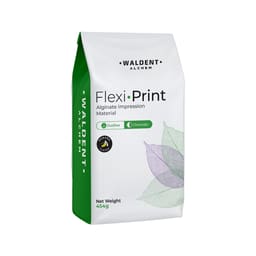

★ 4.5
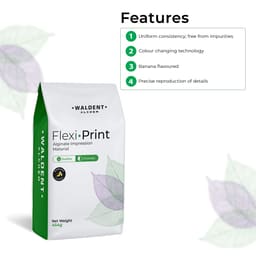
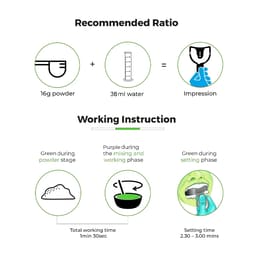
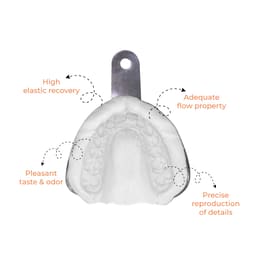
(216)Chromatic, dust-free, high-precision alginate impression material.
₹ 250₹ 980
74.49% Off
 13
13View Similar Products
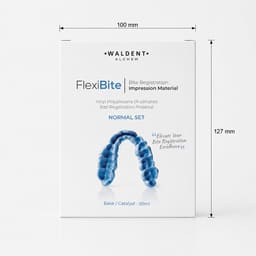
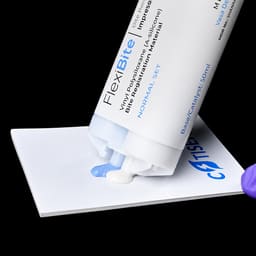

★ 4.7
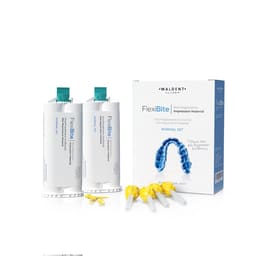
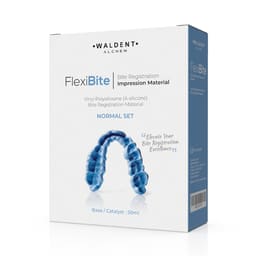
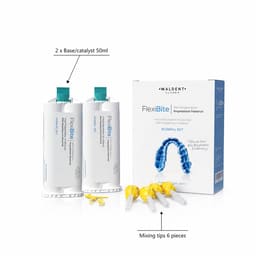
(6)Waldent FlexiBite A-Silicone Bite Registration Material designed to provide dental professionals with a superior solution for bite registration
₹ 1155₹ 4500
74.33% Off
55View Similar Products
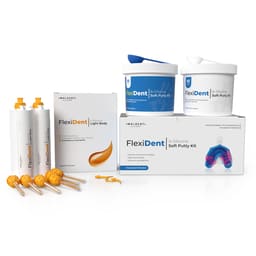
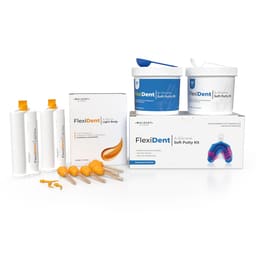

★ 4.5
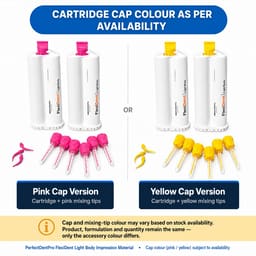
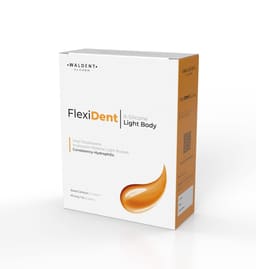
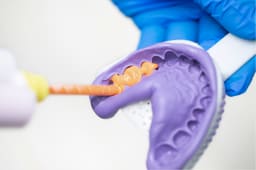
(2)High Viscosity A-Silicone & Putty Impression Material
Starting at₹ 1145
View Similar Products
★ 4.3
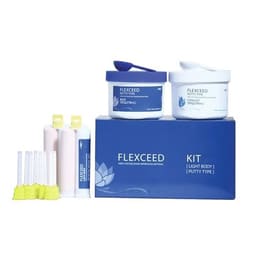
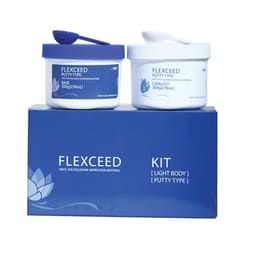
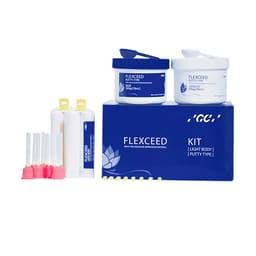
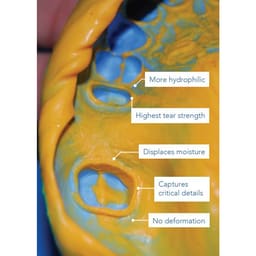
(6)Flexceed VPS impression material ensures precise, tear-resistant impressions with superior hydrophilicity.
Starting at₹ 1275
View Similar Products


★ 4.7
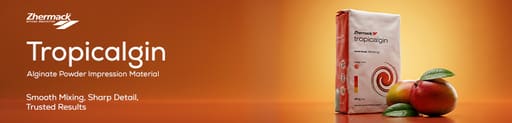
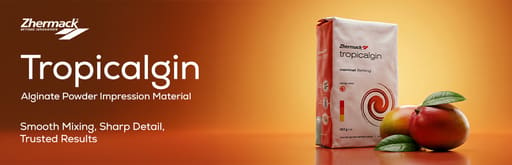
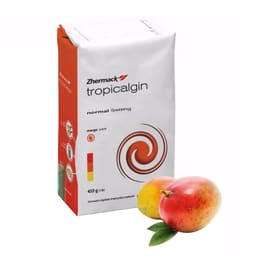
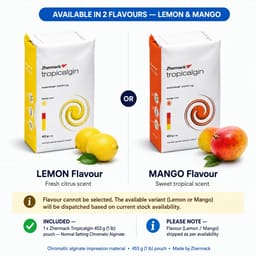
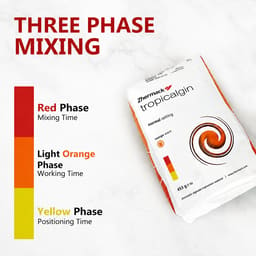
(172)Versatile, mango-flavored dental alginate for precise impressions, normal-setting, perfect for various prosthetic uses.
₹ 385₹ 775
50.32% Off
4View Similar Products
★ 4.5
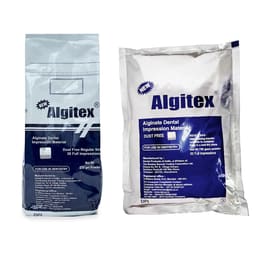
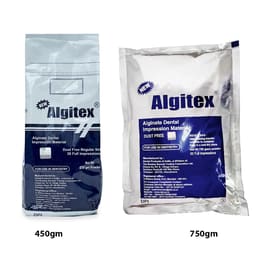
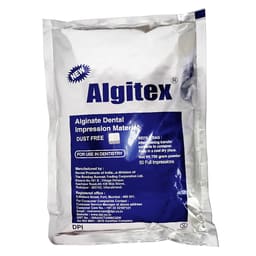
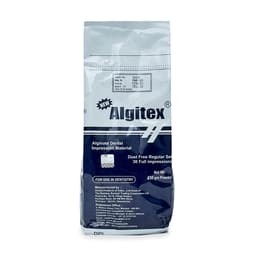
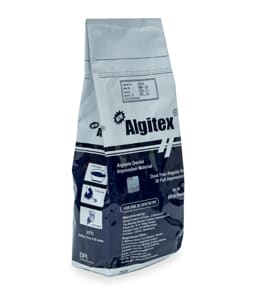
(2)Alginate dental powder for precise impressions ,smooth mixing, well accepted alginate powder, dimensional stability, and dust-free formulation for convenience.
Starting at₹ 280
View Similar Products
★ 4.8
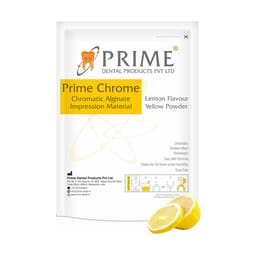
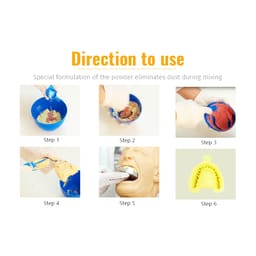
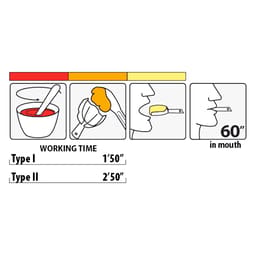
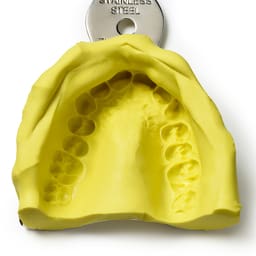
(58)Chromatic, Dust-free, High-precision Alginate Impression Material With Lemon Flavor
₹ 320₹ 400
20.00% Off
3View Similar Products
Only 2 Left
★ 4.5
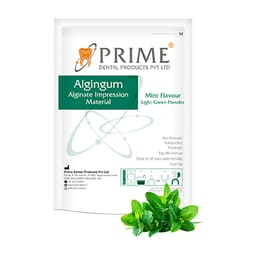
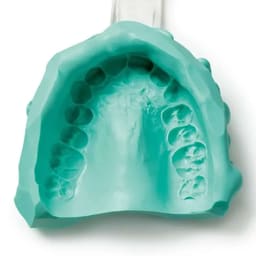
(45)Dust-free non chromatic alginate material with mint aroma, providing precise, smooth impressions for accurate dental models
₹ 280₹ 370
24.32% Off
3View Similar Products
Filters
Sort By
RecommendedDental Impression Materials — Alginate, VPS, Polyether, C-Silicone, Compound and Bite Registration
An impression material is what records the shape of the teeth and surrounding tissue as a negative, which is then poured in stone to give the working model a crown, denture, or appliance is built on. The materials differ mostly in three things — how accurately they reproduce fine detail, how long they hold those dimensions before pouring, and what they cost per impression — and the right choice follows the job. A diagnostic study cast needs only cheap, fast alginate, while a crown margin demands a silicone or polyether that copies surface texture to a few microns and stays stable for a day or more.
Types of dental impression materials
Alginate (irreversible hydrocolloid)
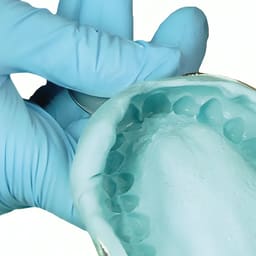
Alginate is the powder-and-water material used for the bulk of everyday impressions — study models, opposing arches, and orthodontic and denture primaries — because it is cheap, sets in a couple of minutes, and is simple to mix. Its catch is that it must be poured almost immediately. The alginate range covers regular-set, fast-set, chromatic, and extended-pour grades.
Addition silicone / VPS (polyvinylsiloxane)
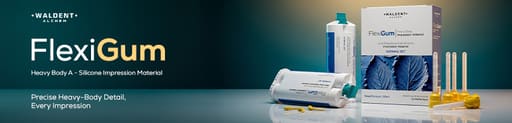
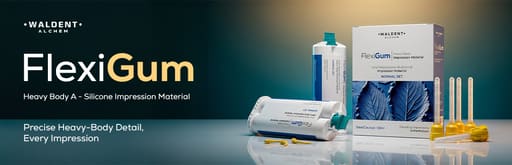
VPS is the precision workhorse for crown and bridge: a two-part putty-and-wash system with high tear strength and excellent recovery that holds its dimensions for a day or more, so the model can be poured later or twice. The Zhermack Elite Hd+ Soft Putty And Light Body is a typical putty-wash set.
Polyether
Polyether is prized for wettability — it flows into a moist, fluid-flecked sulcus and copies a subgingival margin that silicone can struggle with, which makes it a favourite for difficult preparations and implant-level work. It is stiffer on removal and best on a single rigid tray. The 3M ESPE Impregum Soft Hand Mix Medium Body Refill is the classic example.
Condensation silicone (C-silicone)
C-silicone gives much of the detail of VPS at a lower price, with a putty-and-light-body workflow familiar to most clinics; the trade-off is a shorter window before the model must be poured, so it suits same-day casting. The Coltene Speedex Putty Set (Condensation Silicon) is a long-standing choice.
Impression compound and ZOE
Thermoplastic compound, softened in a water bath, records primary edentulous impressions and border-moulds a peripheral seal; zinc-oxide-eugenol paste then takes the secondary wash over a custom tray. Both belong to denture and edentulous workflows rather than fixed prosthodontics.
Bite registration materials
Fast-set VPS bite paste, delivered from a 1:1 cartridge, records the jaw relationship and occlusal contacts so the models can be mounted correctly on an articulator.
Trays and tray adhesives
Stock and custom trays carry the material to the mouth, and a chemistry-matched tray adhesive bonds it to the tray so it does not pull away on removal — a VPS adhesive for silicone, a polyether adhesive for polyether.
When dental impression materials are used
An impression is taken whenever a physical model of the mouth is needed, from a quick diagnostic cast to a precision crown record:
- Crown, bridge, inlay, onlay, and veneer impressions
- Primary and secondary impressions for complete and partial dentures
- Implant pickup and transfer impressions
- Orthodontic study models, aligners, and retainers
- Bleaching trays, night guards, and sports guards
- Bite registration for articulator mounting
How to choose an impression material
- Match the material to the job — alginate for study models and primaries, a VPS such as the Dentsply Aquasil Ultra Impression Material or polyether for crown and bridge.
- Pick the viscosity for the technique — putty-and-wash for one-stage, heavy-and-light for two-stage, monophase for full-arch and implant pickups.
- Mind the pour window — VPS and polyether tolerate a delayed or repeat pour; alginate and C-silicone do not.
- Use the matched adhesive — a silicone or polyether wash will lift off the tray on removal without its own adhesive.
- Set time vs working time — fast-set saves chair time but shortens the window, which matters on a full arch.
- Check the lot and expiry — out-of-date material sets short or loses accuracy, so buy stock you will use within its shelf life.
Impression material brands on Dentalkart
For crown-and-bridge precision, Zhermack, 3M, Dentsply, and Coltene are the names to know — their VPS, polyether, and C-silicone come in putty, wash, monophase, and cartridge formats.
GC, Heraeus Kulzer, Prime Dental, Waldent, and DPI cover the alginate, compound, and everyday materials, so the diagnostic and the definitive impression can be stocked side by side.
Why buy impression materials from Dentalkart
Impression material is dated stock: a pouch or cartridge near its expiry can set short, tear, or distort, so a current manufacturing date is worth more than a small saving on price. Every box on Dentalkart is genuine and reaches you with its lot number and expiry printed on the pack, checked before dispatch and replaceable if it turns up damaged or dead on arrival. Keeping the putty, wash, tray adhesive, mixing tips, and bite paste in one place is what holds the chemistries matched and the dates fresh.
Frequently Asked Questions (FAQs):
What do dental impression materials do?
They record a negative copy of the teeth and soft tissue that is poured in stone to create a working model. From that model a lab or clinician builds crowns, bridges, dentures, or orthodontic appliances, so the impression's accuracy sets the ceiling on how well the final restoration fits.
Alginate or VPS — which should I use?
It depends on the job. Alginate is cheap and fast and is right for study models, opposing arches, and denture primaries that are poured straight away. VPS reproduces far finer detail and holds its shape for a day or more, which is why crown, bridge, and implant impressions use it despite the higher cost.
Which material suits crown and bridge impressions?
A precision elastomer — addition silicone (VPS) or polyether. VPS gives high tear strength and a delayed pour, while polyether wets a moist sulcus better and copies a tricky subgingival margin. In practice VPS is the default, with polyether held in reserve for difficult or implant-level margins.
How soon does each impression need to be poured?
Alginate is the strictest — pour within about ten minutes, or it distorts through water loss and uptake. C-silicone allows an hour or two. VPS and polyether are the most forgiving, holding their dimensions for a day or more, so the model can be poured later or a second time from the same impression.
Why does a silicone or polyether impression need a tray adhesive?
Because these materials shrink slightly as they set and tend to peel from the tray walls as the impression is withdrawn, which distorts the record. A chemistry-matched adhesive — VPS adhesive for silicone, polyether adhesive for polyether — bonds the material to the tray so it comes out as one accurate piece.