





Bone punch & Scrapers
A bone punch removes a small round core of tissue or cortical bone to open a clean access point over a dental implant. A bone scraper shaves thin chips of a patient's own bone from a nearby site to use as graft. Both are minimal-trauma implant-surgery instruments, used to reach the site or to harvest autogenous bone.
 Recommended
 Price- High to LowPrice- Low to High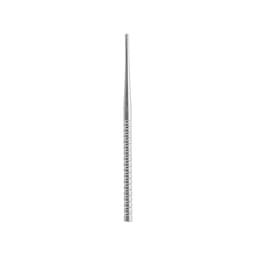
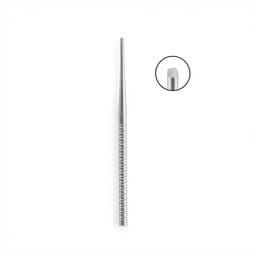
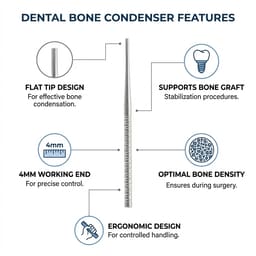
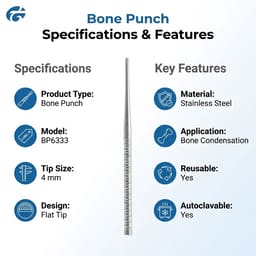
Only 1 Left
 12
12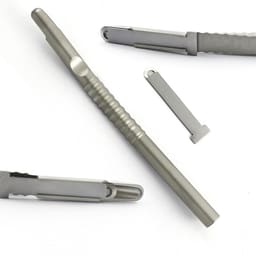
Only 1 Left
108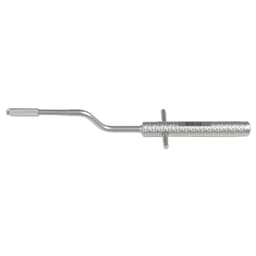
 110
110Bone Punch & Scrapers
Two small jobs come up again and again in implant surgery. One is opening a neat access point over a placed implant. The other is collecting a little of the patient's own bone to graft with. A punch does the first; a scraper does the second. Both work with less trauma than a scalpel or bur, which is why they earn a place on the tray.
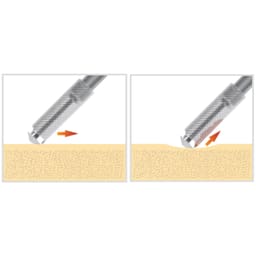
The names describe the action. A punch cuts out a round plug of tissue or bone, like a cookie cutter, leaving a clean circular opening. A scraper drags a sharp blade across the surface to shave off fine chips. One removes a core; the other collects shavings. Both are filed under the clinic's implantology range.
Bone and tissue punches
A punch is the access tool of the pair. It cuts, rather than shaves.
The tissue punch
A tissue punch cuts a round opening in the gum over a healed implant. This reaches the healing abutment without a flap and stitches. The result is a clean, predictable circle that heals fast and keeps the site tidy. Punches come in several diameters to match the abutment.
The bone punch
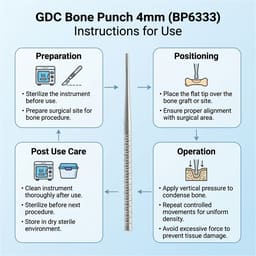
A bone punch removes a small core of cortical bone instead of gum. It gives controlled access through a bony plate with minimal trauma to the surrounding site. Like the tissue punch, it leaves a neat, repeatable opening rather than a ragged cut.
Bone scrapers
A scraper is the harvesting tool of the pair. It shaves, rather than cuts.
How it harvests
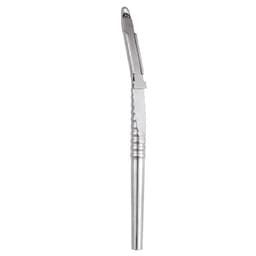
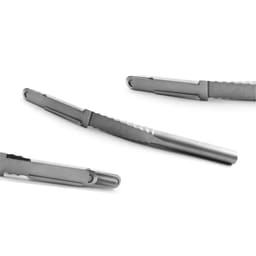
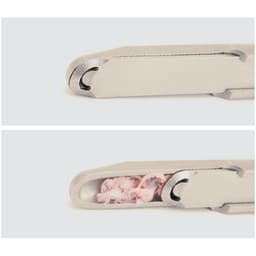
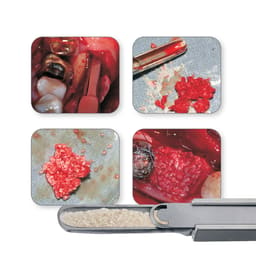
Its blade shaves thin curls of cortical bone from a nearby donor area, such as the ramus. The chips collect in the instrument and are packed straight into the graft site. Because the harvest is the patient's own, it heals well and carries no disease risk. A GDC curved bone scraper is a standard example of this tool.
Where the shavings go
The chips a scraper collects are rarely used alone. They are usually mixed with, or added to, the materials in the bone grafts range to bulk out the graft.
Blade, material and care
Both instruments live or die by their cutting edge, and the metal affects how they perform.
A sharp edge shaves or cuts cleanly with light pressure. A blunt one drags and heats the site, which can harm cells and leave a ragged opening. Most tools are surgical stainless steel, but some — like a MCTBio titanium bone scraper — use titanium for its light weight and clean, biocompatible contact. Both sterilise in an autoclave and reuse across cases.
How to choose
Match the tool to the task. For access over an implant, a tissue punch of the right diameter gives a clean opening. For harvesting graft, choose a scraper with a sharp, curved blade, in steel or titanium to preference.
Whichever you choose, keep the cutting edge sharp and sterilised. These minimal-trauma instruments only work well while the edge is clean and keen, so blade care matters as much as the first purchase.
Frequently Asked Questions (FAQs):
What is a bone punch used for?
A bone punch removes a small round core of cortical bone. A tissue punch removes a plug of gum. Either makes a clean access point in implant surgery, working like a cookie cutter that leaves a neat circular opening with little trauma. A tissue punch is often used to uncover a healed implant without raising a flap.
What does a bone scraper do?
A bone scraper shaves thin chips of a patient's cortical bone from a nearby donor area. The sharp blade is dragged across the surface and collects fine curls, which are then packed into the graft site. Because the harvest is autogenous — the patient's own — it heals well and carries no disease-transfer risk, making it a favoured graft source.
What is the difference between a bone punch and a bone scraper?
Their action. A punch cuts out a round core of bone or tissue, leaving a clean opening. A scraper drags a blade across bone to shave off fine chips for grafting. One removes a plug to create access; the other collects shavings to use as graft. They are grouped together as minimal-trauma implant instruments.
Is a titanium bone scraper better than stainless steel?
Both work well. Stainless steel is the common, hard-wearing choice that holds a sharp edge. Titanium is lighter and prized for a clean, biocompatible harvest. The bigger factor is blade sharpness. A keen edge shaves cleanly with light pressure, while a blunt blade drags and can harm the harvested cells.
Why use a tissue punch instead of a scalpel and flap?
A tissue punch uncovers a healed implant through a small round opening, with no flap to raise or stitch. This is faster, less invasive and more comfortable for the patient, and the neat circular wound heals quickly. It suits cases where the gum is healthy and thick enough, where a full flap would be more surgery than the step needs.