





Class II Corrector
Class II correctors are fixed orthodontic functional appliances used to correct Class II skeletal and dental malocclusion by mandibular advancement during the patient's active growth period. Ormco AdvanSync 2 is a Mara-style telescopic Class II corrector. Alternative appliances in this category include Forsus, Herbst and Jasper Jumper systems. Dentalkart stocks Ormco AdvanSync 2 for clinic-grade Class II correction.
Sort by - Recommended
 Recommended
 Price- High to LowPrice- Low to High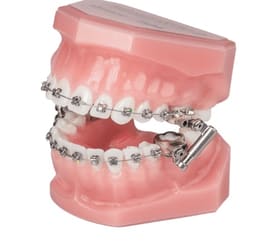
NOTIFY ME
Intra - oral molar to molar appliance for class II malocclusion correction
₹ 8995₹ 10500
14.33% Off
 180
180View Similar Products
Filters
Sort By
RecommendedWhat are Class II Correctors?
Class II correctors are fixed orthodontic functional appliances used to correct Class II skeletal and dental malocclusion by progressively advancing the mandible into a more forward position relative to the maxilla during the patient's active growth period. They replace the older non-compliance-dependent removable headgear and elastomeric strap protocols with a fixed, bilaterally bonded telescopic mechanism that delivers continuous mandibular advancement force without requiring patient cooperation — ideal for adolescent and growing-patient Class II Division 1 cases where surgical correction is not indicated.
Types of Class II Correctors
Fixed Telescopic Class II Correctors (Mara-Style)
Fixed telescopic Class II correctors use a sliding telescopic rod mechanism bonded bilaterally to maxillary and mandibular molar bands — the rod compresses and extends as the patient opens and closes, delivering continuous forward mandibular force. Ormco AdvanSync 2 Class II Corrector is the dedicated Mara-style telescopic appliance in this category, manufactured by Ormco for clinic-grade Class II correction protocols.
Forsus, Herbst & Jasper Jumper Functional Appliances
The Class II corrector category includes the broader family of fixed functional appliances — Forsus (3M Unitek) uses an L-pin and EZ-module connection with a coil-spring mechanism, Herbst (originally introduced 1909, revived 1979) uses a bilateral telescopic tube-and-rod mechanism with cast crowns or bands, and Jasper Jumper uses a flexible plastic-coated spring connector for compliance-free Class II correction. AdvanSync 2 sits among these as a modern Mara-style alternative.
Working with Class II Correctors: Bonding, Activation & Patient Management
Class II correctors are bonded or banded bilaterally during a single appointment after preliminary archwire alignment using Orthodontic Instruments. Initial activation is typically zero or minimal, with progressive activation in subsequent visits as the mandible advances and Class II correction proceeds. Patient management includes diet modifications to avoid hard foods that can dislodge the appliance and routine 4–6 week follow-up adjustments.
Class II Skeletal vs Dental Correction
Class II correctors work primarily on growing patients by stimulating mandibular growth and restraining maxillary growth simultaneously — delivering skeletal Class II correction during the active growth spurt. In post-pubertal patients, the same appliances work primarily through dento-alveolar adaptation (anterior maxillary tooth retraction, anterior mandibular tooth proclination) rather than skeletal change. Treatment timing relative to growth status is critical for skeletal benefit.
Choosing Class II Correctors by Patient Age & Growth Status
Choose fixed telescopic correctors (AdvanSync 2, Mara) for late-mixed-dentition and early-permanent-dentition patients in the active growth spurt for maximum skeletal benefit. For adolescent post-pubertal patients, the same appliances are still useful but deliver primarily dental rather than skeletal correction. Surgical correction is preferred over fixed functional appliances in post-growth adult Class II skeletal cases where significant jaw discrepancy needs correction.
When Are Class II Correctors Used?
Class II correctors are used during late-mixed-dentition and early-permanent-dentition active growth phases for Class II Division 1 malocclusion correction, during the protraction phase of comprehensive orthodontic treatment after preliminary alignment, in growing patients where non-compliance-dependent fixed functional appliances are preferred over removable headgear, and in cases where Class II elastomeric correction protocols are not achievable due to patient compliance challenges.
How to Choose Class II Correctors
Match appliance design to clinical preference and case complexity — Mara-style telescopic appliances (AdvanSync 2) deliver smooth bilateral mandibular advancement, Forsus/EZ-module systems offer easier chair-side replacement after fracture, Herbst systems give the most predictable skeletal change in research literature but require crown coverage. Always assess patient growth status with cervical vertebral maturation staging or growth-stage radiographs before committing to functional appliance therapy.
Top Brands of Class II Correctors at Dentalkart
Dentalkart stocks Ormco AdvanSync 2 Class II Corrector as the primary fixed functional Class II appliance offering. Ormco is a long-established global orthodontic appliance manufacturer with extensive clinical research backing for the AdvanSync 2 telescopic design across paediatric and adolescent Class II correction case series. The product integrates with the broader appliance hardware range including Expansion Screws and Intraoral & Extraoral Appliances.
Why Buy Class II Correctors from Dentalkart?
Dentalkart supplies clinic-grade Class II correctors at distributor pricing, trusted by 50,000+ dentists across 110000+ Indian pincodes. Authentic Ormco brand sourcing, GST invoicing, COD on eligible orders and fast pan-India shipping. Bundle Class II correctors with bonding and band fitting supplies in Bondable Accessories for the complete fitting-appointment toolkit.
Frequently Asked Questions (FAQs):
What is a Class II corrector used for?
A Class II corrector is used to correct Class II skeletal and dental malocclusion by progressively advancing the mandible into a more forward position relative to the maxilla during active growth. The appliance replaces non-compliance-dependent removable headgear with a fixed bilaterally bonded telescopic mechanism that delivers continuous correction force without requiring patient cooperation.
How does the Ormco AdvanSync 2 work?
The Ormco AdvanSync 2 works through a bilateral telescopic rod mechanism bonded to maxillary and mandibular molar bands — as the patient opens and closes, the telescopic rod compresses and extends, delivering continuous forward mandibular advancement force throughout the day and night. Initial activation is typically minimal with progressive activation in follow-up appointments as correction proceeds.
What is the difference between Class II correctors and headgear?
The difference between Class II correctors and headgear is patient compliance — headgear is a removable extraoral appliance worn 12 to 16 hours per day requiring active patient cooperation, while Class II correctors are fixed bilaterally bonded telescopic appliances that work continuously without requiring patient compliance. Modern fixed correctors like AdvanSync 2 are preferred for adolescent patients with compliance challenges.
At what age should Class II correctors be used?
Class II correctors should be used during late-mixed-dentition and early-permanent-dentition active growth phases — typically ages 10 to 14 for maximum skeletal correction benefit. In post-pubertal adolescent patients, the same appliances still work but deliver primarily dento-alveolar rather than skeletal change. Surgical correction is preferred over functional appliances in fully-grown adults with significant Class II skeletal discrepancy.
Can Class II correctors be used with extractions?
Class II correctors can be used alongside upper first premolar extractions in cases where maxillary tooth-mass reduction is needed alongside the Class II correction, though the combined treatment timing requires careful planning. Many Class II Division 1 cases avoid extractions when the functional appliance delivers adequate skeletal correction in growing patients, preserving the full dental arch for ideal occlusal outcomes.