





Dental Apron
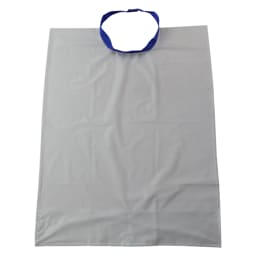
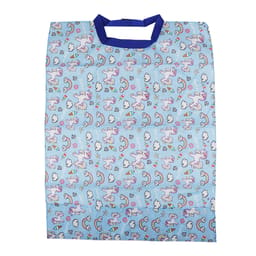
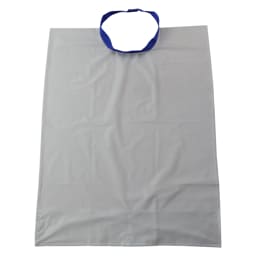
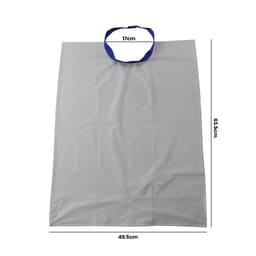
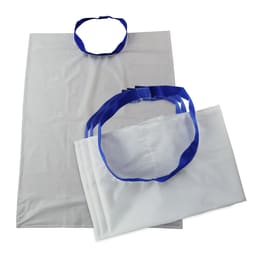
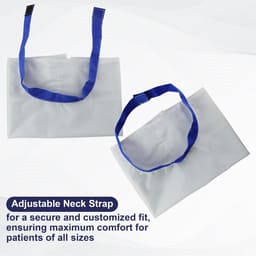
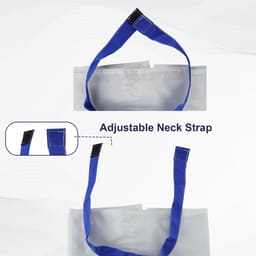
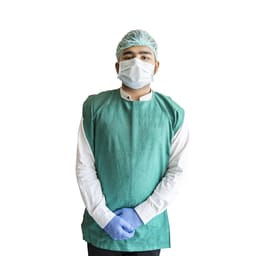
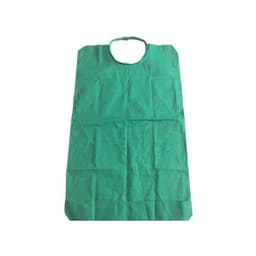
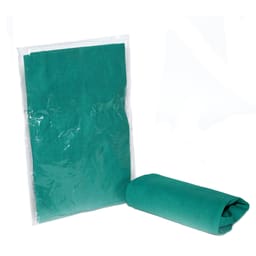
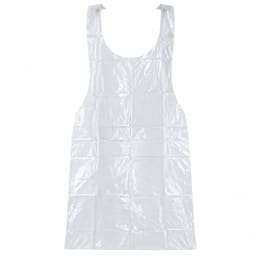
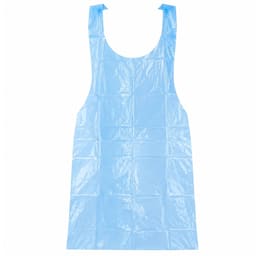
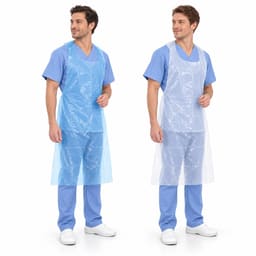
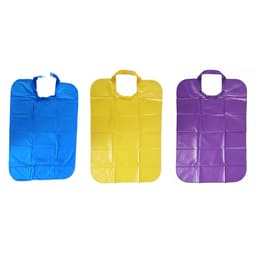
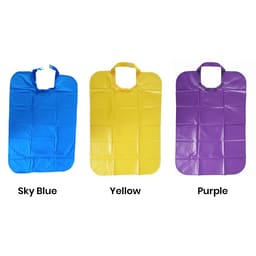
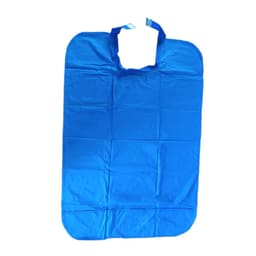
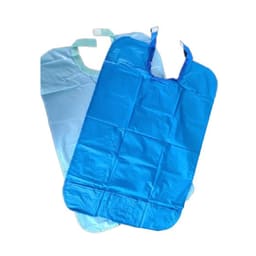
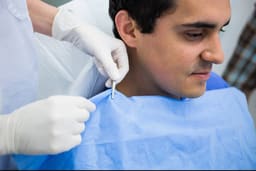
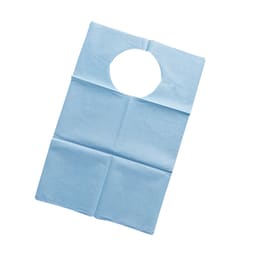
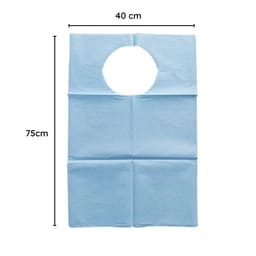
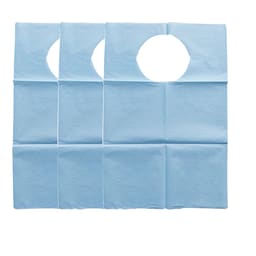
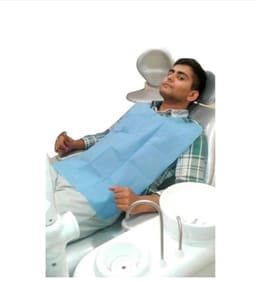
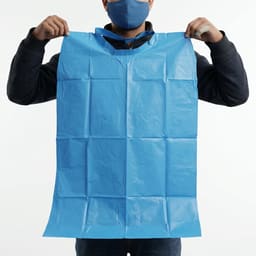
A dental apron is a protective cover worn over a patient's clothing during treatment. It shields against water, saliva, blood, and splatter from the handpiece, keeping clothes dry and clean. Aprons come as disposable SMMS or plastic sheets and as reusable, wipe-clean vinyl, in single pieces or bulk packs for a busy chair.
 Recommended
 Price- High to LowPrice- Low to High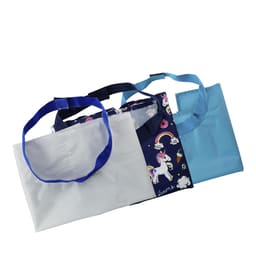

 1
1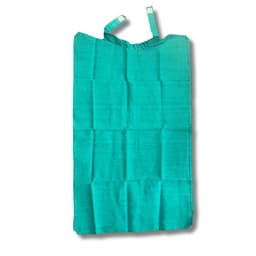
 2
2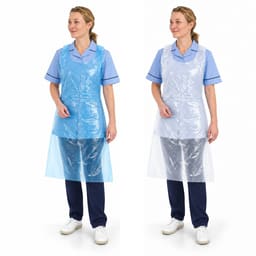
 5
5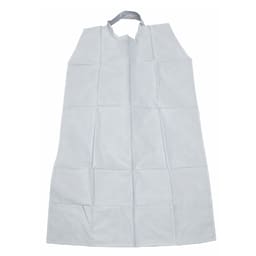
 2
2Dental Apron
Dental work is wet work. Water spray, saliva, irrigants, and fine splatter all come off the handpiece, and without a barrier they land on the patient's clothes. A dental apron is that barrier — a simple cover draped over the chest and lap for the length of the appointment. It keeps the patient dry and comfortable, protects their clothing, and adds a layer of hygiene between cases. This category stocks patient aprons and drapes in the materials and pack sizes a clinic gets through. They sit within the clinic's dental disposables supply.
What the apron does
An apron is low-tech but it earns its place at the chair:
- Blocks fluids — water, saliva, and splatter run off the surface instead of soaking in.
- Keeps clothes clean — the patient leaves without stains, so comfort and confidence hold up.
- Supports hygiene — a fresh or wiped-down apron per patient reduces carry-over between appointments.
It is the first thing on the patient and often the last thing off.
Disposable or reusable
The real choice here is what happens after the appointment:
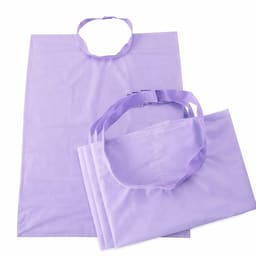
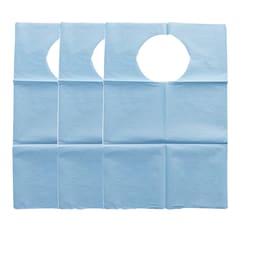
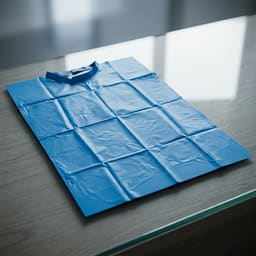
- Disposable — SMMS and plastic — a fresh sheet each patient, then binned. SMMS is a soft, cloth-like non-woven; plastic is the lightest and cheapest. Both come in bulk packs (50 or 100) for high turnover.
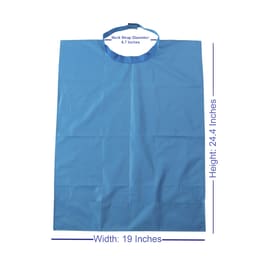
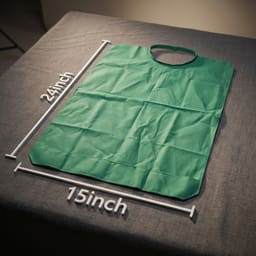
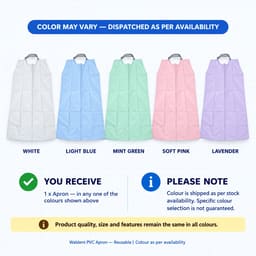
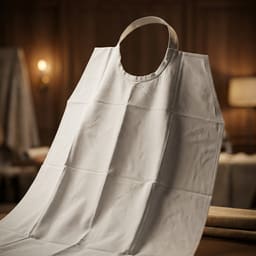
- Reusable — vinyl — a wipe-clean sheet that is disinfected between patients and used again. Higher upfront cost, lower per-use cost over time.
- Drapes — larger covers for fuller coverage during longer or surgical procedures.
High-volume clinics lean disposable for speed; cost-focused setups often keep wipeable vinyl.
Choosing an apron
A few things to weigh:
- Material — SMMS or plastic to throw away, vinyl to reuse; pick for your infection-control routine.
- Coverage — a full chest-to-lap apron or a wider drape for longer treatments.
- Pack size — singles to trial, packs of 50 or 100 to keep a busy chair stocked.
- Cleaning — reusable vinyl pairs with the wipes and sprays in the surface disinfectants range.
An apron works best alongside the saliva ejectors that clear fluid before it reaches the patient at all.
Frequently Asked Questions (FAQs):
What is a dental apron used for?
A dental apron is a protective cover worn over the patient's clothing during treatment. It catches the water, saliva, and splatter that come off the handpiece, so clothes stay dry and clean. It also adds a hygiene layer between patients when a fresh or disinfected apron is used for each. It is standard comfort and cleanliness at the chair.
Is a dental apron the same as a lead X-ray apron?
No. A patient apron in this category is a fluid barrier — vinyl, SMMS, or plastic — that keeps clothing clean during treatment. A lead apron is a separate, heavier garment worn only during radiographs to shield the body from radiation. The aprons here are for splatter and spillage protection, not X-ray shielding.
Should I choose disposable or reusable aprons?
It depends on your workflow. Disposable SMMS or plastic aprons give a fresh barrier per patient with no cleaning, ideal for high turnover, and come in bulk packs. Reusable vinyl aprons cost more upfront but are wiped down and used again, lowering the per-use cost. Many clinics keep both for different situations.
What is an SMMS apron?
SMMS is a multi-layer non-woven fabric used for disposable aprons. It is soft and cloth-like against the patient, more comfortable than thin plastic, while still resisting fluid. It is single-use: a new one per patient, then discarded. It usually ships in bulk packs such as 50 for everyday chairside use.
How many aprons should a clinic stock?
That depends on patient volume and whether you use disposable or reusable. A busy clinic running disposables gets through a pack quickly, so bulk packs of 50 or 100 make sense. A clinic using reusable vinyl needs fewer physical pieces but more disinfectant. Matching pack size to daily patient numbers avoids running short mid-list.